[category]
[title]
The Southern Delta Aquariids and Alpha Capricornids will coincide with the full Buck Moon on the night of July 30


Did you hear? Next month the UK will witness the most significant solar eclipse of the last 30 years. It won’t be a total eclipse (we’re not getting one of those until 2090) but it will be an impressive sight all the same. And that’s not the only celestial spectacle we’re being treated to in the coming weeks.
Before the eclipse arrives, the night sky will put on not one but two dazzling meteor shower displays in a single night tonight as the Earth passes through the Southern Delta Aquariids and the Alpha Capricornids.
Both showers are active right now, but will reach their peak and be at their most visible in the coming hours. Here’s how to catch a glimpse of them.
SKIP TO
🗓️ Date
⏰ Time
⭐️ Viewing tips
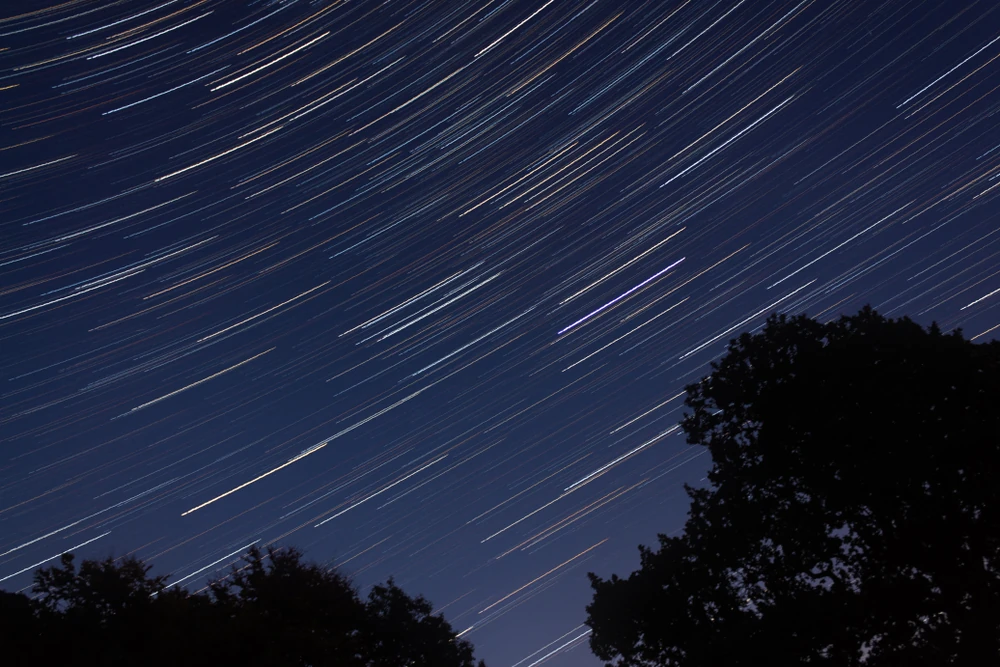
A meteor shower happens when the Earth passes through debris in the solar system left by a comet. When the bits of rock and dust collide with our planet’s atmosphere, they vaporise and create fiery streaks of light that we like to call shooting stars.
The Southern Delta Aquariid is thought to have originated from the breakup of comets called Marsden and Kracht, though another theory is that it came from a comet called Comet 96P/Machholz. The Alpha Capricornids were created around 3,000 to 5,000 years ago when half of a comet named 169P/NEAT disintegrated.
The Southern Delta Aquariids are active from July 12 until August 23 and the Alpha Capricornids are active from July 3 to August 15, but they will both reach their maximum (or their ‘peak’) on the same day. Neither shower is particularly fast, so you’ll have a good chance to spot them. The Alpha Capricornids are known for being particularly bright.
Both showers will peak on the night of Thursday July 30 and into the early morning of tomorrow, Friday July 31. The Delta Aquariids will peak at around 25 meteors per hour while the Alpha Capricornids will give us five ‘yellow slow fireballs’ according to Royal Museums Greenwich.
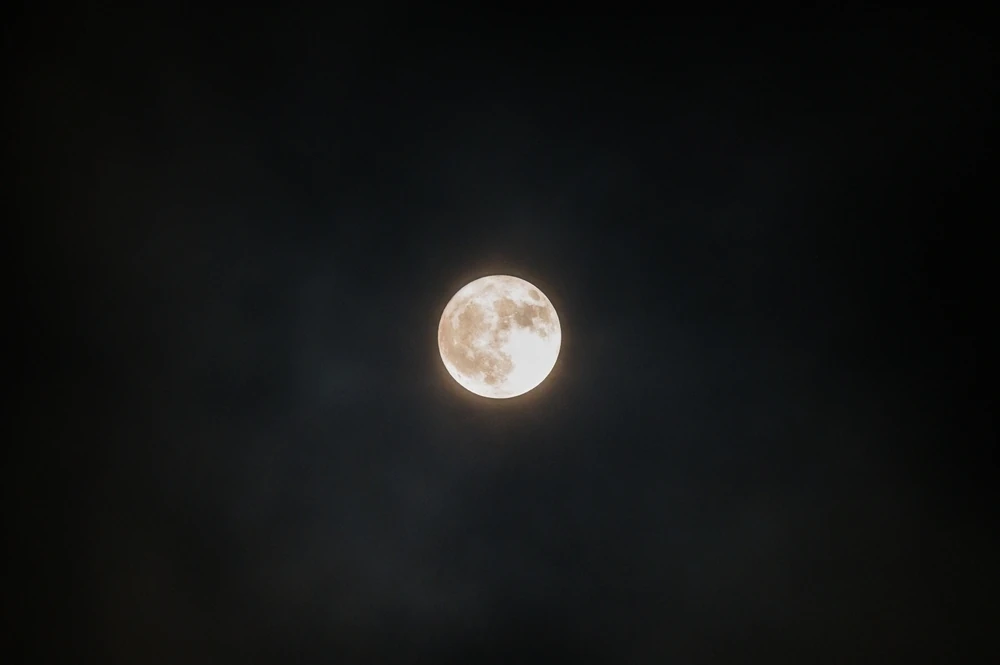
Yes, but they will appear fainter than normal because of the full moon. July’s Buck Moon turned full on Wednesday July 29 and will be 98 percent full on the night that the Aquariids and Capricornids reach their maximum, meaning that much of the shower will be washed out by the bright moonlight and harder to spot.
The best time to try and see a shooting star will be at around 2am, just before dawn.
Just look up. Special equipment such as a telescopes or binoculars aren’t necessary.
Stargazing late at night often requires lots of layers and a big flask of tea. Not this time. The temperature on Thursday night/ Friday morning won’t drop any lower than 16 degrees, so you should be comfortable in just a hoodie. As for visibility, the Met Office reckons that may be some clouds.
The next chance you’ll get at seeing a meteor shower will be on August 12-13 when the Perseids peak. It’s known to be one of the most spectacular showers of the year with as many as 150 meteors soaring through the sky per hour.
RECOMMENDED: Time Out’s ultimate viewing guide to the August solar eclipse in the UK.
Did you see that one of the world’s 25 best islands is right here in the UK?
Plus: What are the top things to do in the UK in 2026? Time Out’s new guide revealed.
Stay in the loop: sign up to our free Time Out UK newsletter for the latest UK news and the best stuff happening across the country.
Discover Time Out original video