
[category]
[title]
These are the top-rated tabletop icebreakers and group games you can teach in under 60 seconds.


Nothing’s worse than a game that kills the vibe. Whether it’s a long rules explanation, too much downtime between turns or a boring premise, the wrong game can ruin the night.
The best party board games are super easy to explain, fast and engaging. They’re both entertaining and a good icebreaker, allowing everyone, from board game veterans to non-gamers, to enjoy their time.
That being said, selecting the perfect board game for your party can be tricky, so we’ve rounded up 10 of the most fun group board games available today, including games that require high-stakes bluffing, contain clever word puzzles, spur on visual drawing disasters and contain adult humor. These easy-to-learn party games will make your next game night a breeze.
Players: 2–8+ (Best with 4 or more, split into two teams)
Play Time: 15–20 minutes
Best For: Word nerds, family gatherings and clever team dynamics
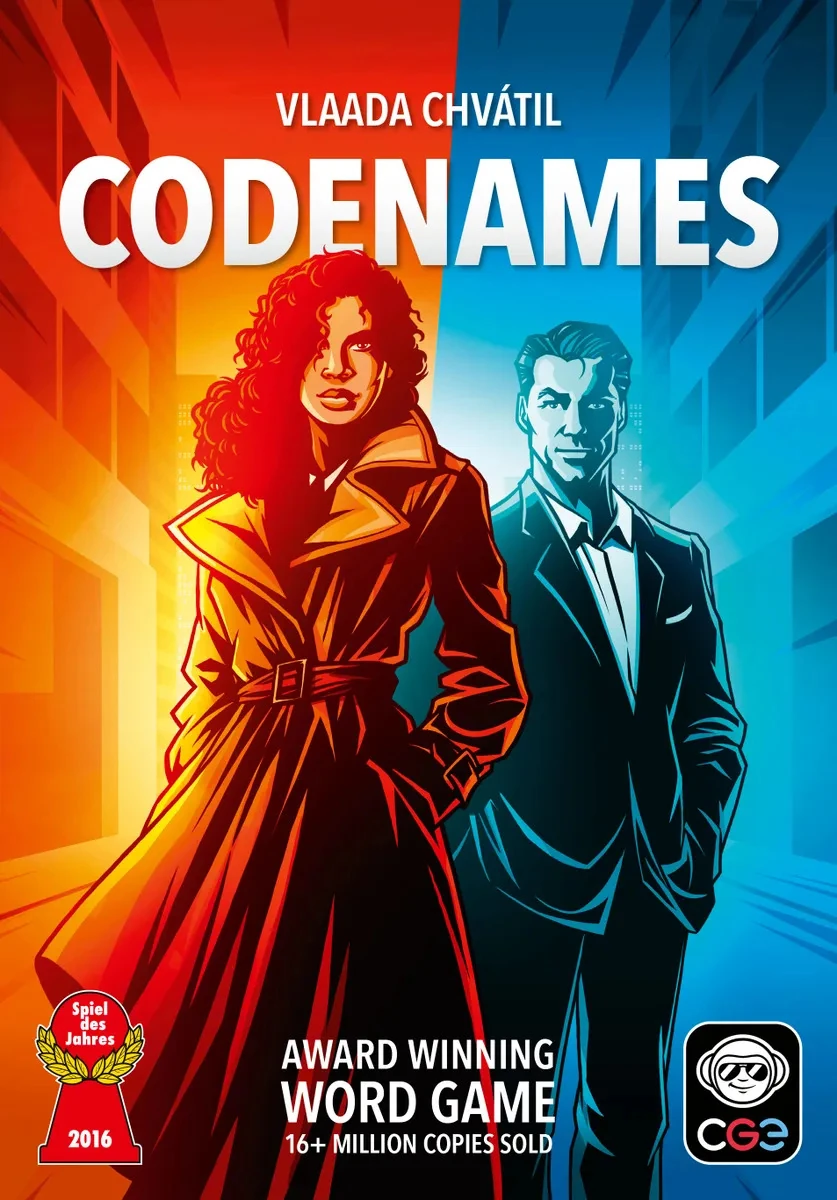
Two teams compete to see who can make contact with all of their secret agents first, using only one-word clues. A battle of wits, the game is simply a 5-by-5 grid of random words that you place out on a table. Each team has one Spymaster, who has a secret map of words belonging to their team, which belong to the opposing team and which card is a deadly Assassin (that immediately gets you out of the game if tapped). Each turn, your team must guess which words belong to them based on the Spymaster’s one-word clue, plus the number of cards it applies to. For example, “Office: 3” could be used to get your team to guess the words “desk,” “lamp” and “pen.”
The best part of the game is seeing who you’re on the same wavelength with and who completely misses what you’re putting down. It’s both a challenging and funny game that creates tons of Inside jokes between players.
Why Hosts Love It: Codenames has virtually zero setup time, can scale up to almost any group size just by adding people to teams and rounds are so fast that guests will immediately demand a rematch so the Spymasters can swap roles.
Players: 2–6 (best at 4 to 6)
Play Time: 20–30 minutes
Best For: Cooperative groups, people who hate losing to each other and fans of clever word puzzles
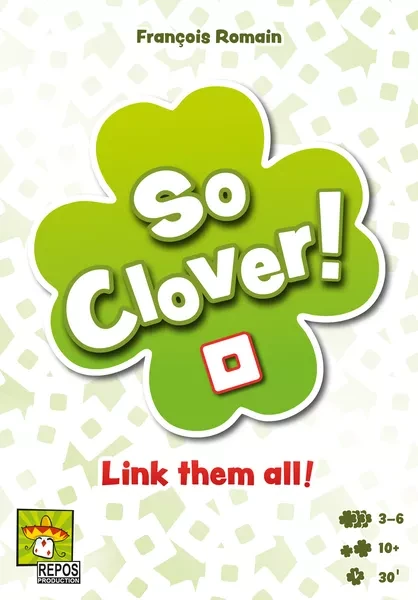
This is a cooperative game, so no hard feelings here! The entire party must work together to get a high score. Every player gets a four-leaf clover board and draws four square word cards and slot them onto the clover to create four distinct pairs of words along the outer edges. Then, you have to come up with a one-word clue on the dry-erase clover leaf that links each specific pair together.
Then the fun begins. Each player takes a turn clearing their cards and adds a random "decoy" card from the deck before handing the pile to the rest of the group. Everyone else must figure out exactly how the original cards fit back into the grid. It can be hilarious to hear your friends’ broken logic as they try to reconstruct your board.
Why Hosts Love It: There is zero "downtime" where guests wait for their turn. It keeps the energy moving and gets quieter guests actively involved in the discussion.
Players: 2–12+ (Best with 4 or more, split into two teams)
Play Time: 15–20 minutes
Best For: High-energy crowds, people who love word games and anyone who wants to hit their friends with an inflatable club
Speak like a caveman in Poetry for Neanderthals. This chaotic party game is a smash hit (pun intended) for those who love word games but like a little slapstick. Like the other games, you are trying to get your team to guess a secret word on a card (like "Campfire"), but you are a Neanderthal who can only use single-syllable words (like "Hot. Bright. Cook meat on it. In woods." If you accidentally use a multi-syllable word, a player from the opposing team gets to smack you with a 2-foot inflatable "NO!" club. Sounds pretty good, doesn’t it?
Each turn is just 90 seconds long, which creates a chaotic and highly entertaining situation as you and your friends suddenly forget how to word. It’s so ridiculous!
Why Hosts Love It: Hitting people with an inflatable club is an instant icebreaker and a very silly way to punish people for messing up.
Players: 2–12+ (best with 6 or more, split into teams)
Play Time: 30–45 minutes
Best For: Lively debates, large groups and deep social mind-melds
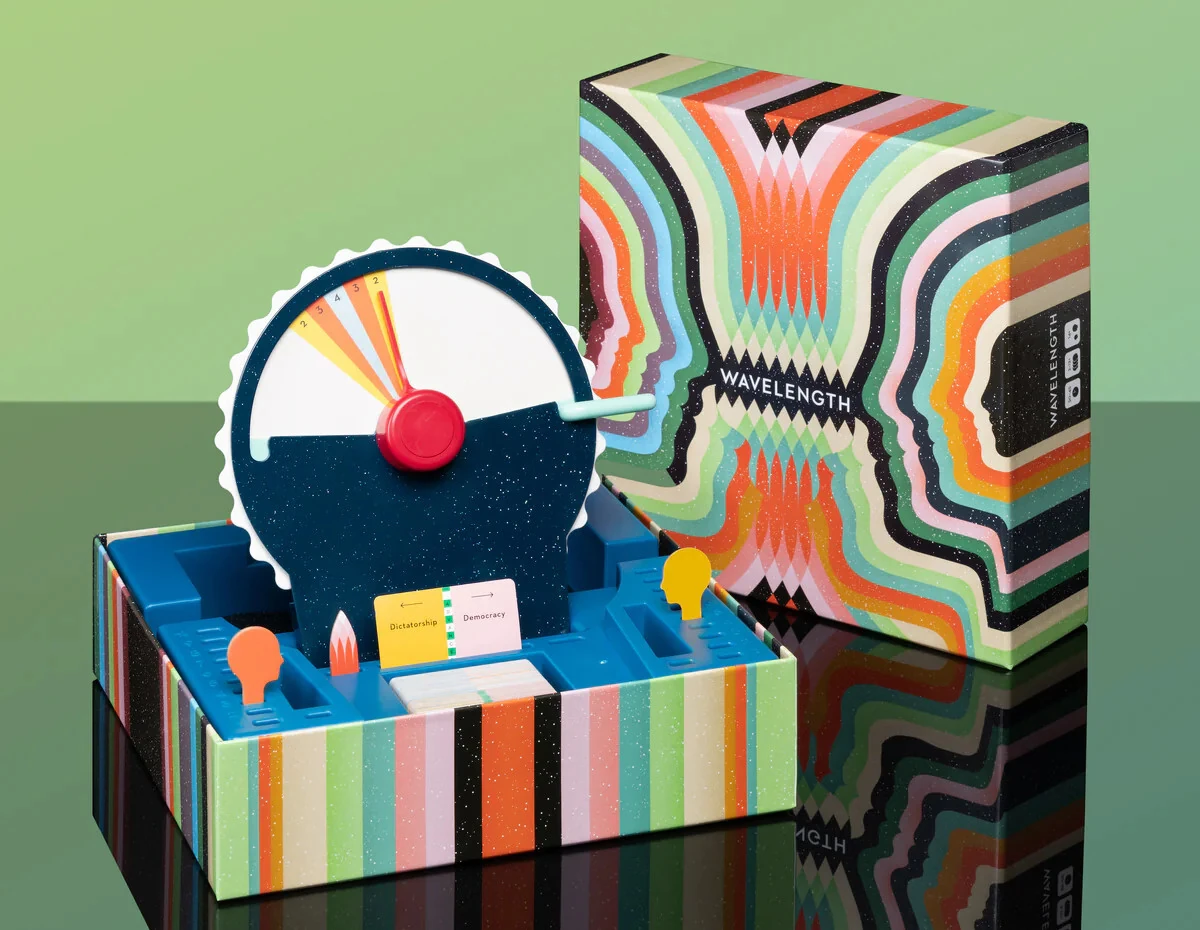
How closely do you and your friends see the world? Find out in a hilarious way with Wavelength, which has a colorful plastic dial that hides a target zone along a spectrum. One player, “the Psychic, knows exactly where the target is located and draws a card with a binary concept (such as “Everyone does it / No one does it” or “Overrated / Underrated”). They must give a clue that guides their team to turn the dial to the exact right spot. For example, if the target is 70% of the way toward "Hot," and the Psychic says "Coffee," the team has to debate: “Is coffee hot, or is molten lava hot? Where does coffee sit on the universal scale of hotness?”
While it’s satisfying to win points, the best part is the passionate and silly arguments that erupt as your friends try to argue about how your brain categorizes things. The answers are largely subjective and everyone gets a say, so it’s the ultimate conversation starter for a large room.
Why Hosts Love It: It’s easy to share the game board because the entire box is used. You can pass the wheel around the couch without anyone needing to sit at a formal table. It’s a great late-night party game where the discussion matters much more than the final score.
Players: 3–10 (Best with 5 or more)
Play Time: 30 minutes
Best For: Visual thinkers, large casual gatherings and highly aesthetic table setups
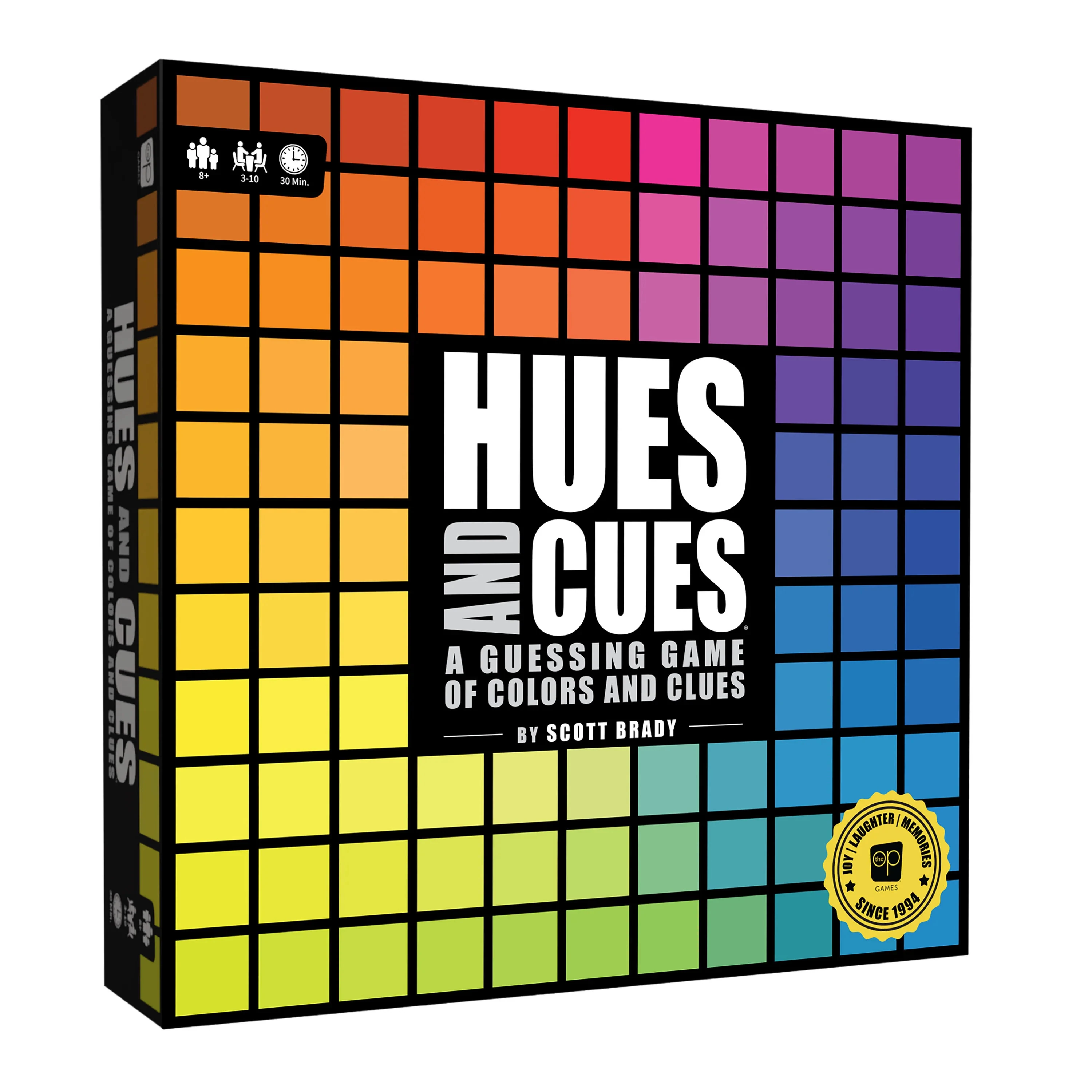
Hues and Cues is very similar to Wavelength in that it also tests how differently you and your friends perceive the world. The board is a massive grid of 480 distinct color gradients. Every turn, a player draws a card with a target color (like a muted green), and the clue-giver has to provide a one-word clue, like “Matcha.” Other players put their pawn on the color they think the clue represents. The clue-giver then gives a two-word clue like “dried leaves,” and the players place a second pawn. You score points based on how close your pawns are to the actual target square.
Not only is the game simple, but there’s satisfying, immediate visual feedback as the board fills up with different shades of green, showing how subjective our opinions of the world are.
Why Hosts Love It: It supports up to 10 players without slowing the pace, since everyone guesses at the same time. The giant spectrum board looks beautiful on the table, too!
Players: 4–8 (an "After Dark" adult version and a 12-player party pack are also available)
Play Time: 20–30 minutes
Best For: Terrible artists, family game nights and friends who want to laugh
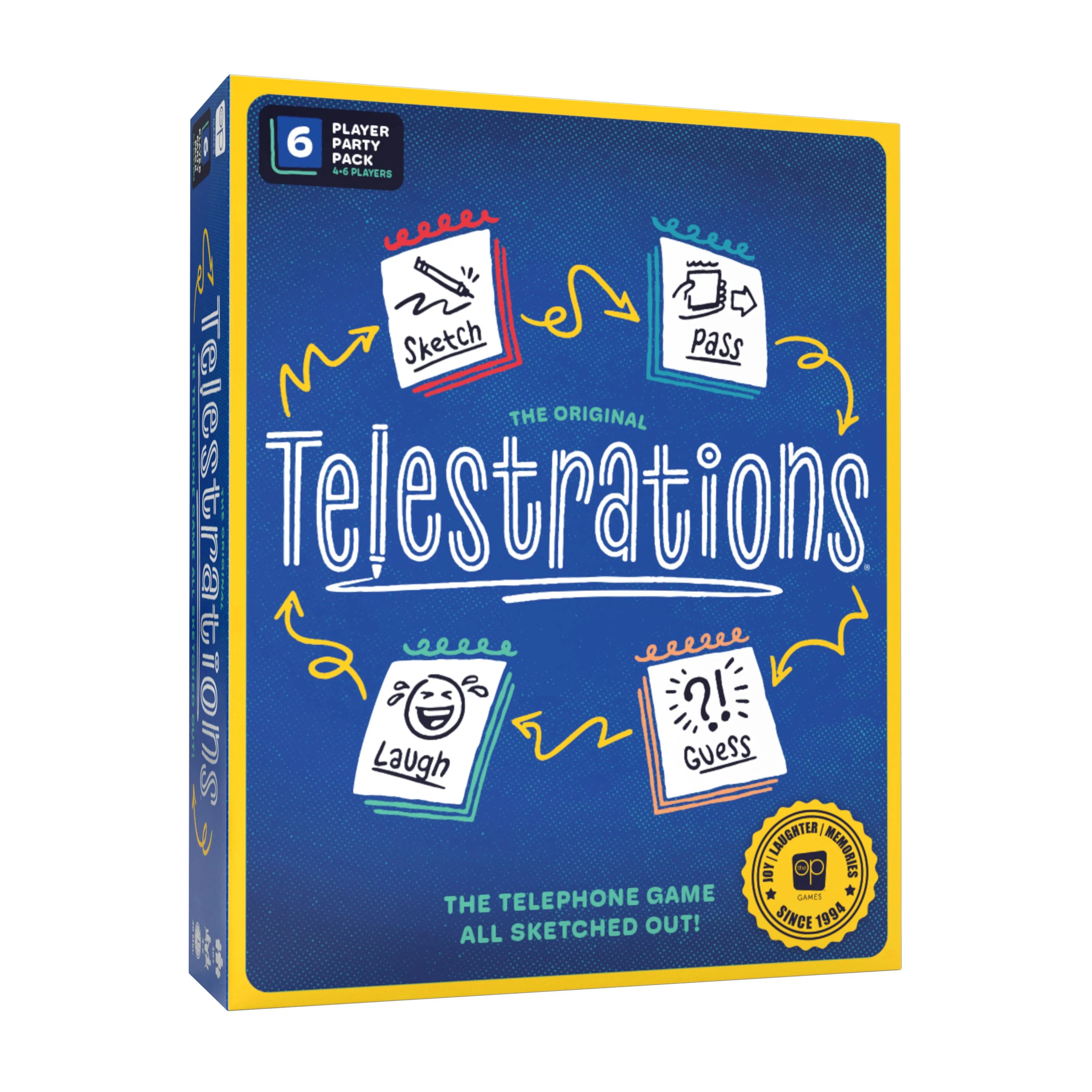
If Telephone and Pictionary had a baby, it’d be Telestrations. You don’t need to be good at drawing, or good at anything, really. In fact, the worse you are at drawing, the more fun the game becomes. Everyone gets their own spiral-bound dry-erase booklet and a secret word card. The first page is where you write the word and the second page is where you get 60 seconds to sketch out a drawing of that word. Then you pass the booklet to the left. That person has to write on the next page what they think your awful drawing depicts before passing the booklet to the left again. The next person has to draw the previous person’s guessed word. This loop continues until everyone gets their original booklet back. Once the secret words are revealed, get ready to laugh your ass off! As you flip back through the pages, you can see how the word mutated from turn to turn, from “Waterbed” to “Submarine” to “Sinking Ship” to “Shark Attack,” for example.
Why Hosts Love It: There are technically rules for keeping score, but almost no one uses them. Getting a good laugh at the end is the point.
Players: 3–10 (best with 5 or more)
Play Time: 10 minutes
Best For: Fast-paced games, fans of bluffing and parties that want maximum energy in minimum time
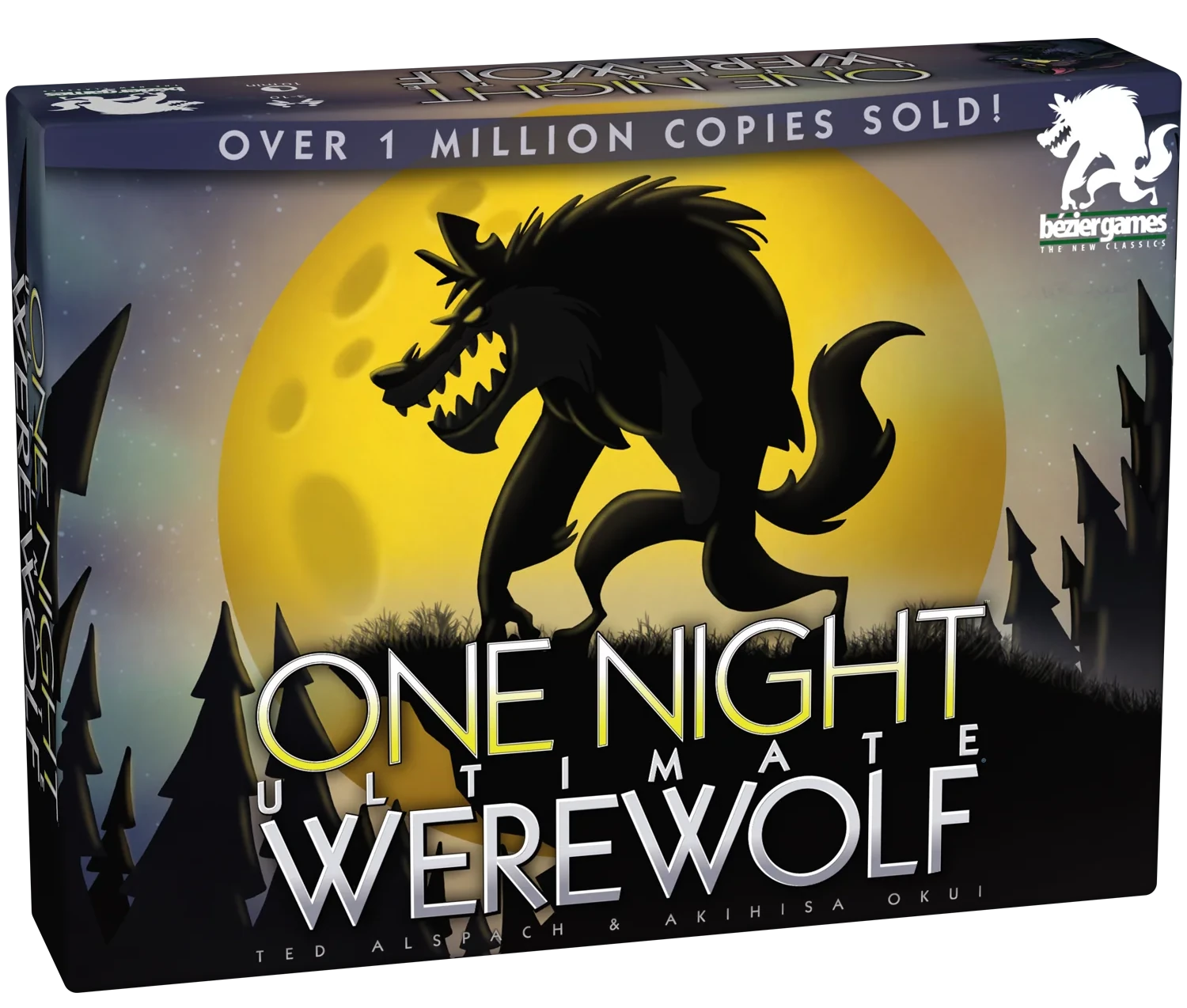
This is the ultimate game for when you need something quick with mass appeal. This 10-minute game of accusations keeps everyone playing until the very end. Using a free companion app that acts as the narrator, everyone closes their eyes and listens as the app goes through a "Night Phase" where hidden roles—the Werewolves, the Seer or the Troublemaker—secretly wake up and perform their actions, from looking at other players' cards to swapping them. When morning comes, the app sets a five-minute timer to figure out what happened during the night, who is lying and vote on who they think are the hidden werewolves. It’s chaotic fun!
Why Hosts Love It: The app handles the heavy lifting and rules enforcement, so everyone gets to play. Because a full game takes less than 10 minutes, it is highly addictive and easy to replay.
Players: 5–10 (best with 7 to 10 players)
Play Time: 45 minutes
Best For: Large groups, fans of intense debates and friends who love a little deception
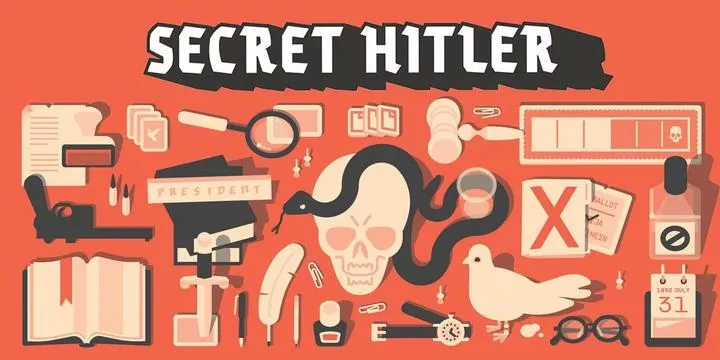
This high-stakes game of political intrigue and hidden identities is set in 1930s Germany. Players are secretly divided into two teams: the Fascists, who know who everyone is, and the Liberals, who are in the dark. One player is the "Secret Hitler," a Fascist who must try to get elected as Chancellor without accidentally giving away their true identity. Each round, a new President and a Chancellor must be elected. They work together to pass a law from a hidden deck. If a Fascist law passes, the Liberals have to figure if the President just drew bad cards or if they’re a lying Fascist.
Your living room quickly turns into a courtroom, where friends point fingers and make passionate arguments.
Why Hosts Love It: It plays all the way up to 10 players without slowing down, keeping everyone at the table fully engaged. The game naturally creates cinematic, unforgettable finishes that your friends will be talking about long after the night is over.
Players: 4–8
Play Time: 15 minutes
Best For: Quietly clever groups, fans of 20 Questions, and players who prefer subtle manipulation over loud arguments
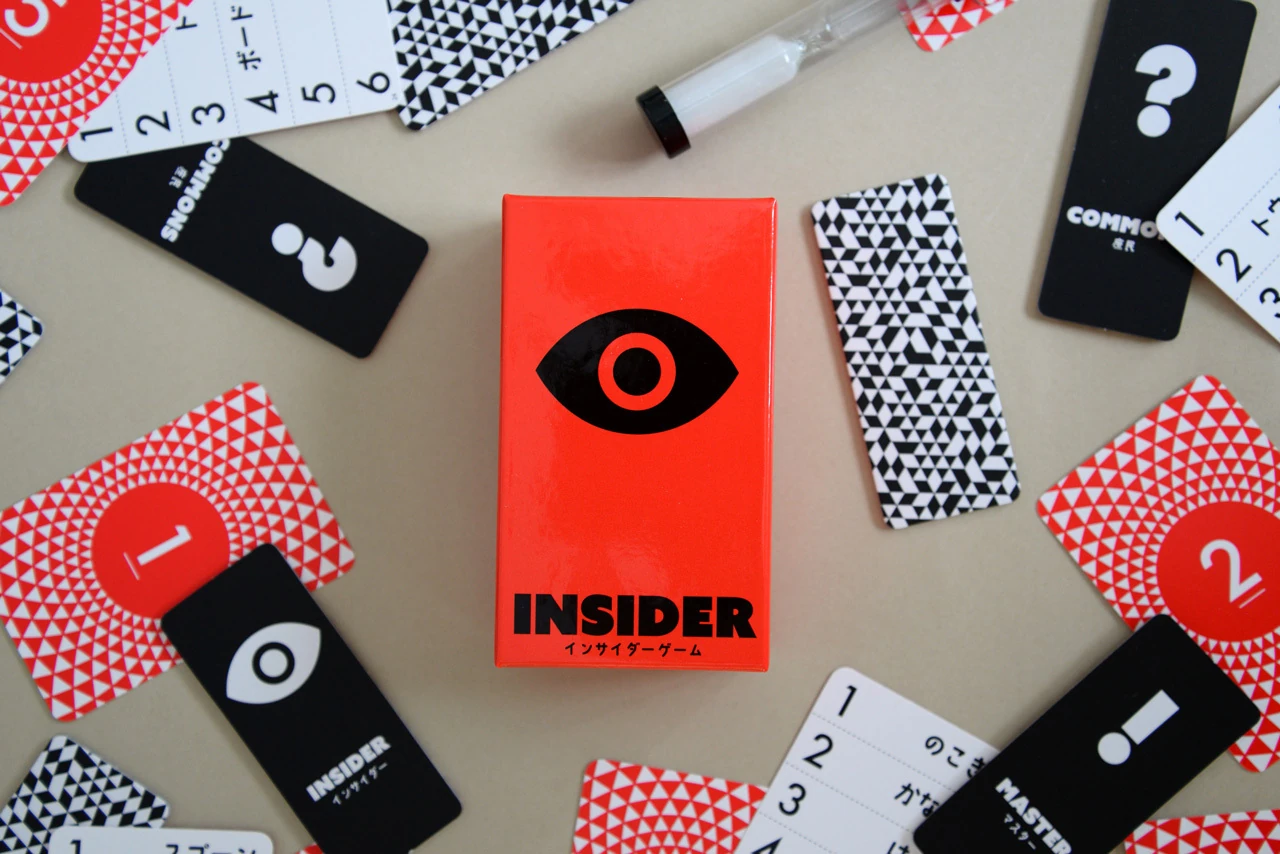
Not everyone wants a yelling match. Insider presents the hidden-traitor puzzle in a trivia game that relies on subtle manipulation. One player is the Master, who knows a secret word. The rest of the players are Commoners trying to guess that secret word by asking the Master "yes or no" questions before a short sand timer runs out. One of the Commoners is secretly the Insider. The Insider also knows the secret word, and their goal is to guide the oblivious Commoners to guess it without making their helpful hints look suspicious. If the room fails to guess the word, everyone loses. But if the group does guess the word, a second timer starts, and the table shifts into an interrogation. The Commoners must debate and vote on who they think the Insider is.
You have to figure out if your friend guessed the word remarkably fast because she’s just quick or because she is the Insider. It’s tense and a mind-tripper, which makes for a great game.
Why Hosts Love It: The box is smaller than a smartphone, easy to travel with, and it takes less than two minutes to teach, making it an excellent option for parties.
Players: 4–20+ (the more, the crazier it gets)
Play Time: 30–90 minutes (easy to drop in or out)
Best For: Late-night crowds, adult icebreakers and friends with dirty minds
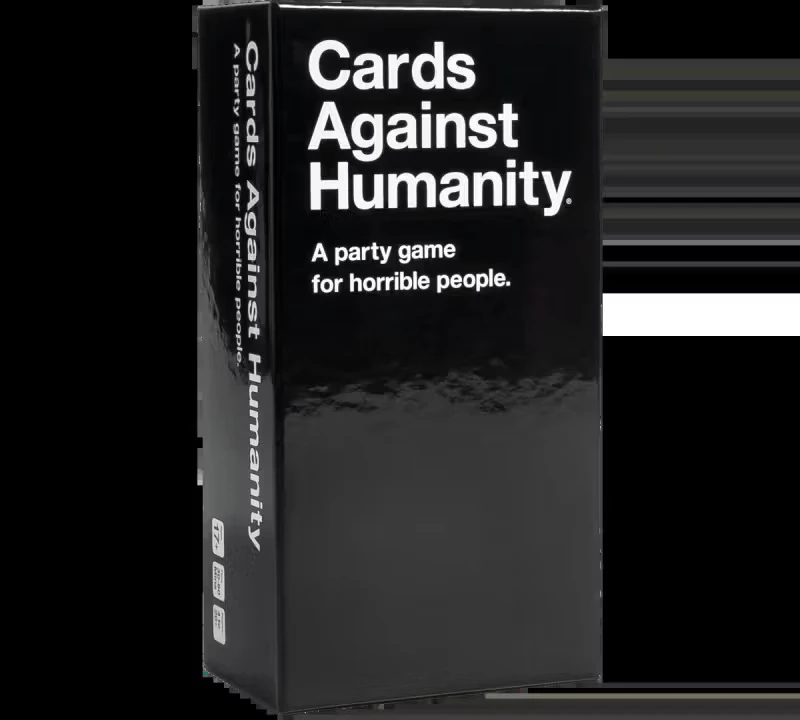
Billed as "a party game for horrible people," this game is one of the first incredibly simple but highly offensive card games that changed the board game scene. The rules are so easy: One player draws a black card featuring a fill-in-the-blank phrase or a question. Everyone else chooses their funniest, weirdest or most inappropriate white card from their hand and passes it to the reader face down. The reader reads them aloud to the room and awards a point to the card that made them laugh the hardest.
No one has to be clever or creative—the cards do that. It’s a nice icebreaker for a group of people who don’t know each other very well.
Why Hosts Love It: It plays just as well with four as it does with 24. No one has to stay for the entire game—they can join late or leave to grab a drink without disrupting the flow. It’s the ultimate "low-effort, high-reward" game for a late-night house party.
Many of these games are available in box stores around the country and, of course, online!
Discover Time Out original video