[category]
[title]
Warm temperatures in Vail bring llama hikes, mountain biking and the best Oktoberfest in the West

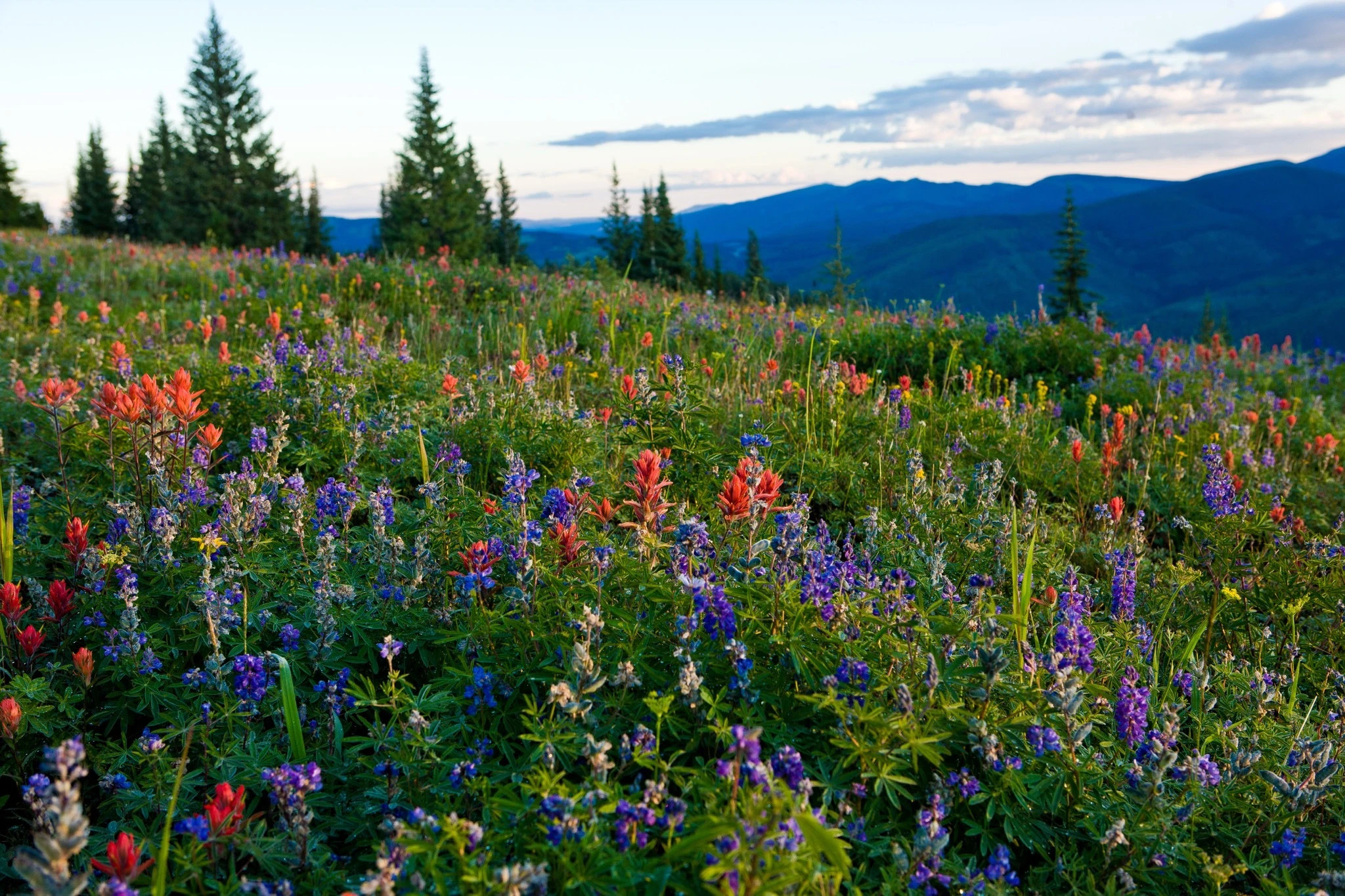
As one of the world’s premier skiing destinations, Vail is undeniably the king of winter, but don’t be quick to remove its crown when the powder melts. Yes, Vail is elegant when snow covers its boutique shops and lies heavy on branches, but experiencing the town in the technicolor of spring and summer is majestic, when wildflower hues pop against lush green aspen trees with the Rockies towering above. Summertime visits to Vail also opens up a world of exploration not restricted by snow, especially for those who aren’t inclined to ski. After all, where else can you ATV up a mountain in the morning, hike with a llama in the afternoon and finish the day with a Bavarian-style feast?
Vail is approximately a two-hour drive west from Denver International Airport, easy enough to do in a rental car when the weather is good or by booking an Epic Mountain Express shuttle ($139 round-trip). It’s also possible to fly into the small Eagle County Regional Airport about 40 minutes from town. Vail comprises two distinct areas, Vail Village and Lionshead Village, that are approximately 15 minutes apart by foot. A very user-friendly (and free) transit system makes getting to and from the villages simple.
In the 1940s, Vail and the surrounding area were used by the 10th Mountain Division to train for WWII; soldiers practiced scaling and skiing the Rockies’ snowy slopes before they eventually went to fight in Europe’s Pyrenees. Their efforts bolstered the Allies near the end of the war, and afterwards, some in the division returned to Colorado to introduce skiing to the masses. Two veterans, Pete Seibert and Earl Eaton, shaped skiing in Vail, putting the sport and the town on the map. You’ll notice the distinctive European architecture while strolling along Vail Village’s cobblestoned streets, perhaps shopping for the town’s signature Golden Bear jewelry, or having drinks on the patio at Lionhead’s Tavern on the Square. Influenced by small mountain towns in Italy, Switzerland and Austria, Seibert set out to replicate that look and feel; the Bavarian vibe has become Vail’s trademark.
While ski season officially ends sometime in mid-late April, some businesses will close from the end of March until May or early June when the weather finishes transitioning. Summertime can be busy, but lodging will still be cheaper from June to September than over peak ski season. So whether you’re coming for mountain biking, fly fishing or touring the Art in Public Places stops, read ahead on what to book, plan and schedule for your trip.
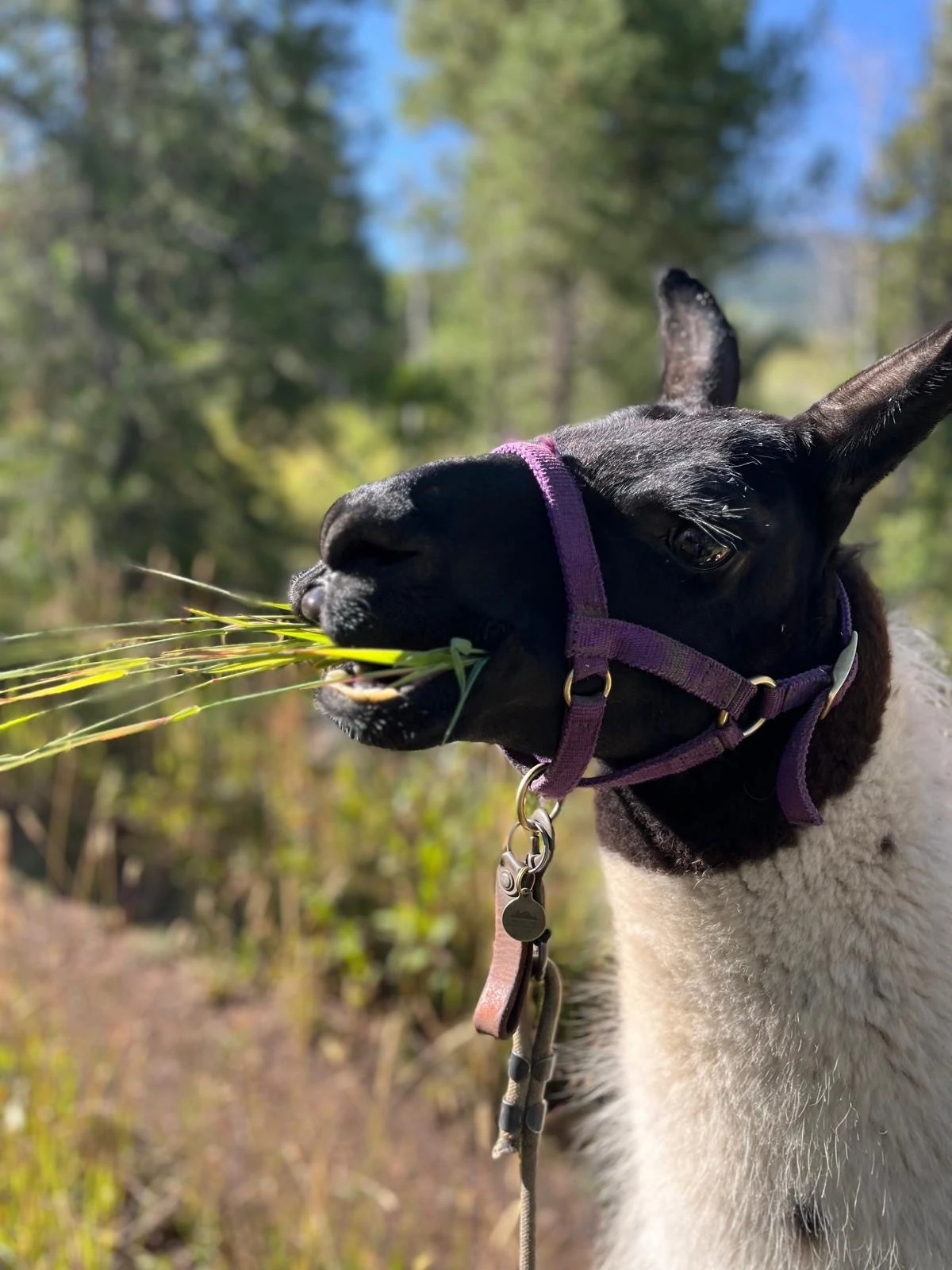
There is no shortage of ways to explore the great outdoors in Vail and planning some hiking is one of the best ways to enjoy it. Since 1978, Paragon Guides has hosted guests for a variety of adventures year-round, but come summertime, the best thing to book is a llama hike. This seasonal activity pairs guests with their own personal llama and a guide, who customizes the trip around the Vail and Minturn areas to your comfort level. While you cannot ride the llamas during the hike, they are gentle companions on the trail, making it fun for an easy stroll with kids, but agile enough to scale rocks so advanced hikers will still enjoy. Prices start at $775 for two people and guides can provide lunch or snacks while building out the trip.
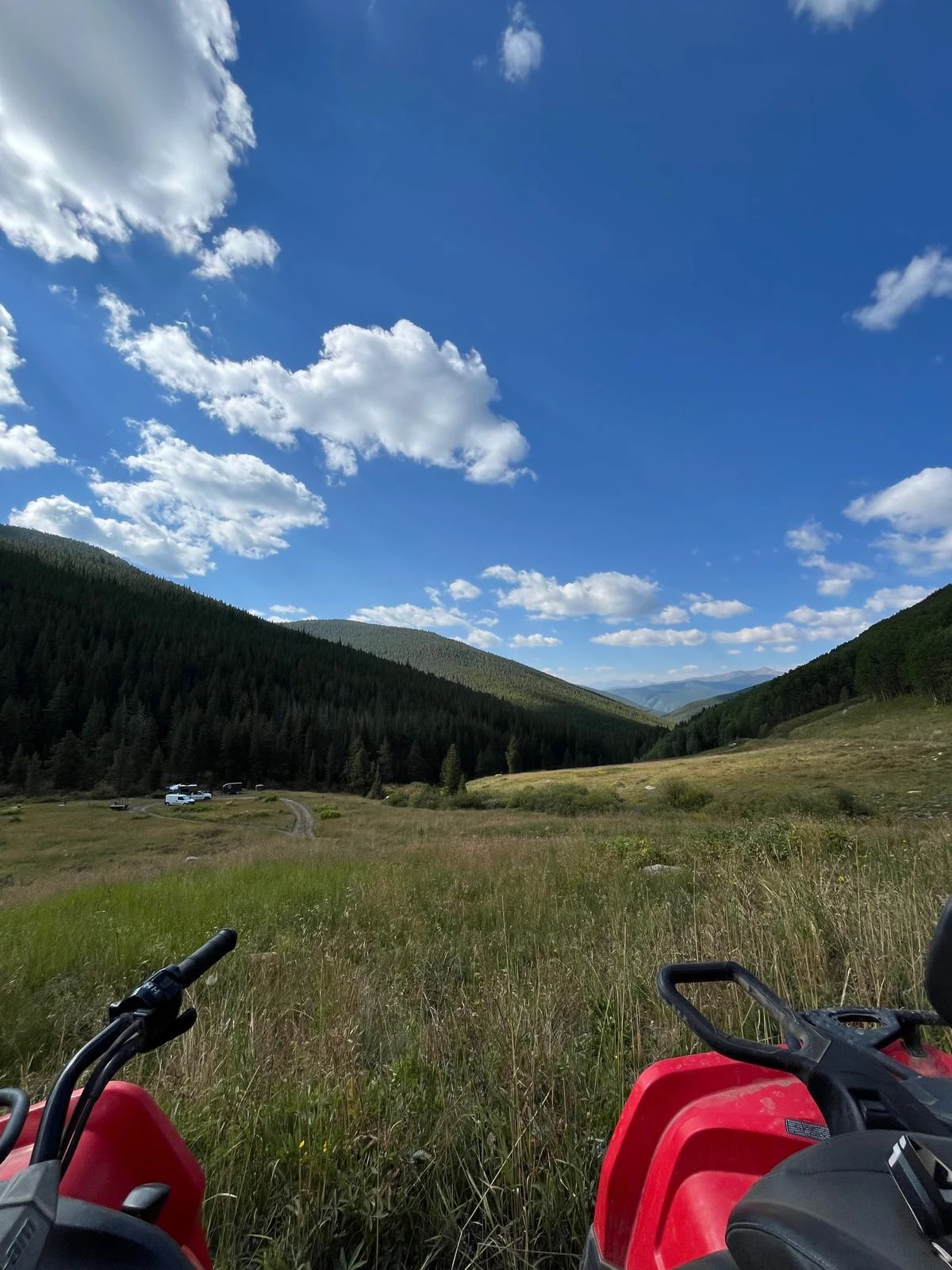
To get a sense for how the elite soldiers trained in WWII, book an ATV, side-by-side or jeep tour (starting at $105 per person for two hours) with Nova Guides. Based at the historic Camp Hale location, there’s a lodge for check-in as well as some information about the Division. From there, guides will take visitors up over 12,000 feet, stopping to explain passes, geology and points of interest like Machine Gun Ridge and the 10th Mountain Division monument, before returning for lunch back at the lodge. It’s a fabulous way to learn about the history of Vail while also taking in the wildflowers and aspen trees.
One of the benefits of visiting Vail outside of winter is being able to take advantage of all the natural beauty surrounding the town. Soak all of it up at the Betty Ford Alpine Gardens, one of the world’s highest botanical gardens. It is also the only one on this continent dedicated to preserving the alpine environment. Founded in 1985, the gardens are composed of four areas—a meditation garden, children’s garden, perennial garden and rock garden—with over 3,000 species to stroll by. Visitors can take docent-led tours or check out one of the exhibits in the education center. Best of all, the gardens are open daily and there’s no admission fee to enjoy them, though they do recommend a donation of $20 if you so choose.
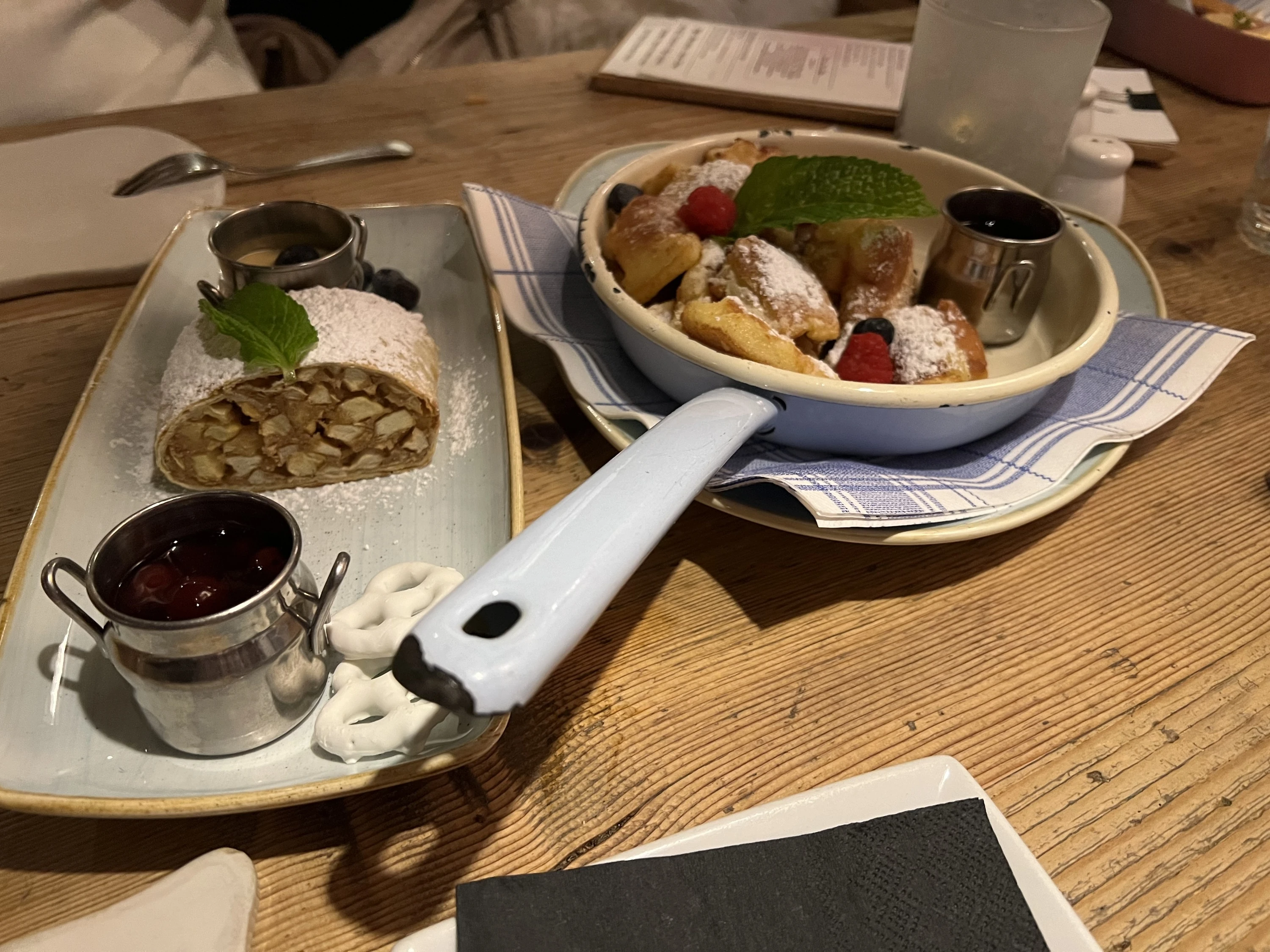
Held in September as it is in Germany, Vail’s Oktoberfest celebration is one of the best in the West—fitting, of course, for a town strongly influenced by Bavaria. Having just celebrated its 50th anniversary, the festival takes place over two weekends (Sept 11–13, 18–20), with one in Lionshead and the other in Vail Village; both weekends come with free admission. Devotees bring steins from years past or preorder a new one to pick up and fill with authentic lagers. Expect polka dances, a keg bowling championship and a bratwurst eating competition in a sea of lederhosen. Munch on plenty of authentic Bavarian cuisine at tents around the festival, from apple strudels and schnitzel to doughy pretzels, all set among the charming European architecture.
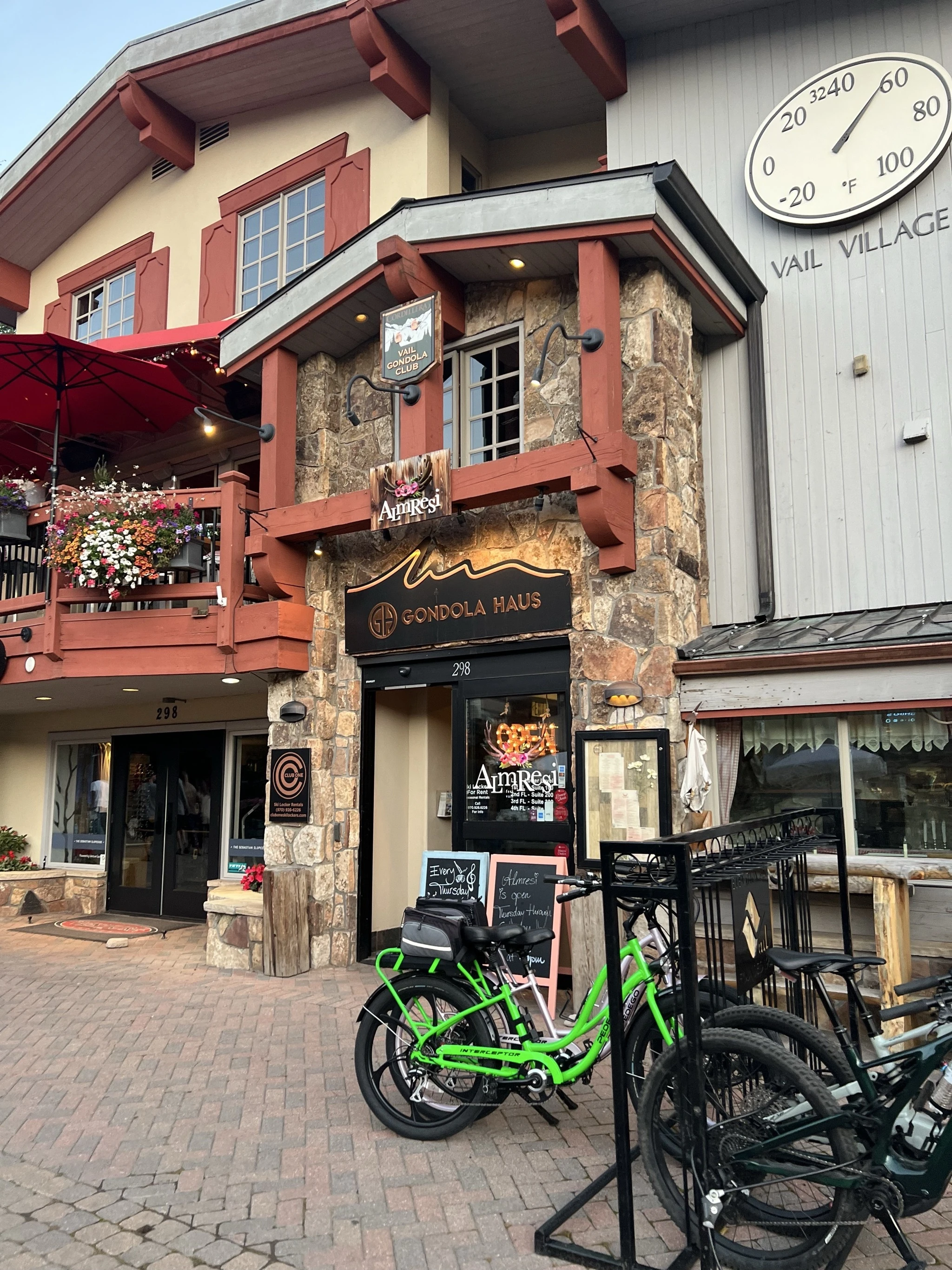
Outside of Oktoberfest, there are plenty of ways to get your fill of Bavarian cuisine. Book a reservation at Almresi or Alpenrose to get your fill of cozy cuisine in a rustic atmosphere with wooden tables and utensils hanging from the rafters. The sister restaurants serve Austrian, German and Swiss-style dishes and are family-owned and run; the primarily European staffers are decked out in turn-of-the-century outfits and more than happy to verify the authenticity of the menu. Alpenrose, which has been in Vail since 1974, reopens every year in May, with Almresi following in July.
For a true classic done well, order the schweinshaxe ($42) at Almresi, a massive joint of slow-roasted pork complete with mashed potatoes. Alpenrose’s schweizer rosti ($30) with cold smoked salmon and Swiss potato pancakes is perfect for the summertime. Try to leave room for dessert at either location; the kaiserschmarrn ($18) at Almresi—a light pancake-type pastry—is the perfect way to wrap things up.
Since 1977, Sweet Basil has stood in the center of town, a haven blending the cherished world of vintage Vail with the sleek and modern Vail of today. As the area has changed, so has Sweet Basil, evolving its menu into the elegant, Michelin Guide restaurant it is today. The wine list is impressive, almost as much as the glass wine wall showcasing the bottles. But the real star here is the food, overseen by executive chef Paul Anders. Keep your eyes peeled for the local ingredients woven throughout the menu and Colorado twists like the blue corn gordita with the foie gras torchon. The food leans New American; expect entrees like strip steak with cherry agrodolce ($68) or steelhead salmon with aleppo orange butter ($44).
Go downstairs and over to the other side of the building for evening drinks at Mountain Standard, a refined gastropub created by the same team as Sweet Basil. Here, the vibe is relaxed, the cocktails are on point and the go-to should be a table on the patio; as the late-day sun hits the water rippling down Gore Creek across the street with a gin-based Swiss Miss ($16) in hand, you would be hard pressed to find a better place to be.
Discover Time Out original video