
[category]
[title]
The moving story behind the cinema deserts of the American west


Cinema, as they say, is back. With Spider-Man: Brand New Day and The Odyssey combining to produce the biggest weekend in US box-office history, the situation for America’s movie theaters suddenly seems that much rosier. After all, a $400 million weekend goes a long way to help keep the lights on.
But how ‘back’ is it? A new documentary shares a bleaker story that’s playing out in heartland America.
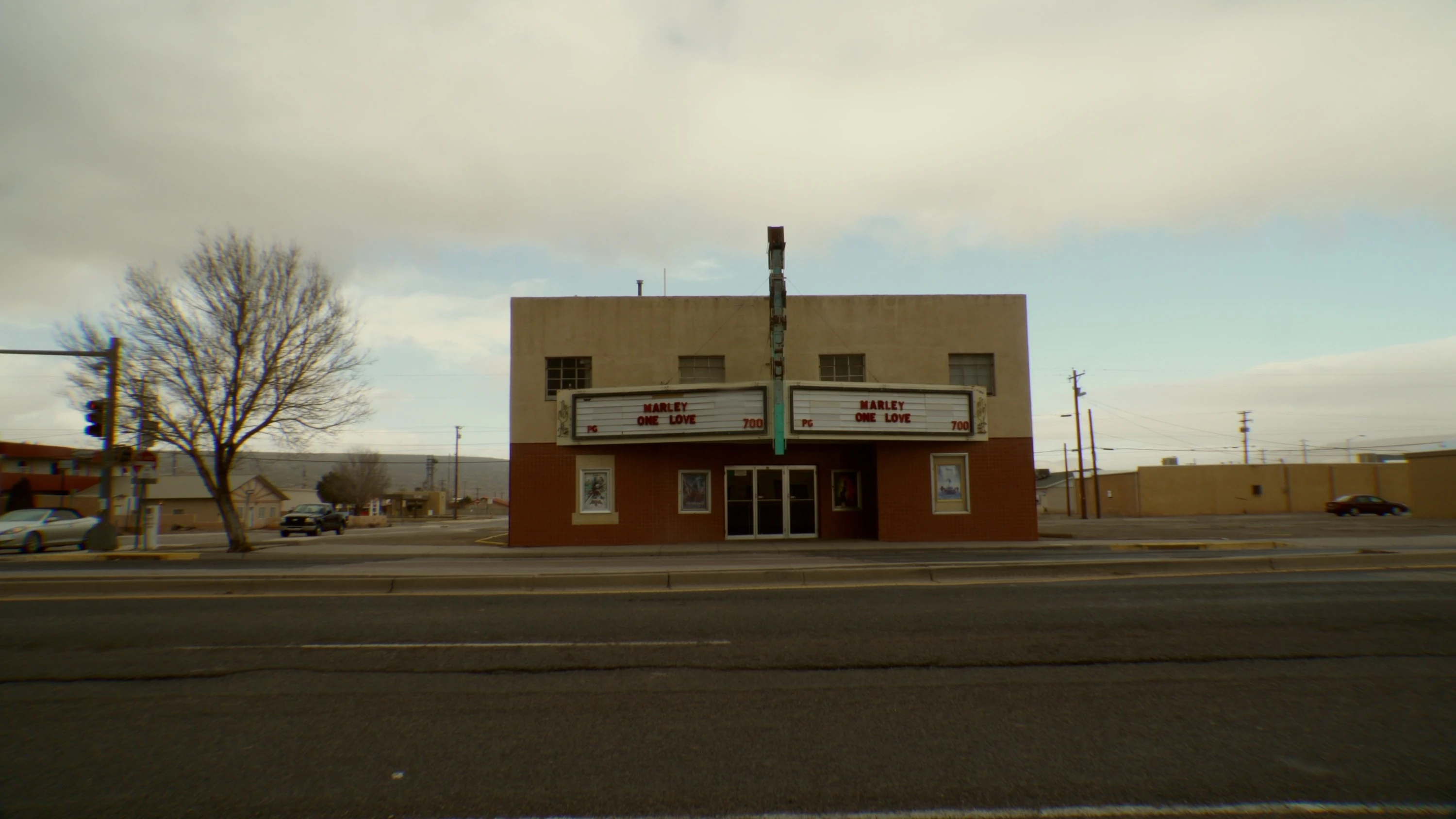
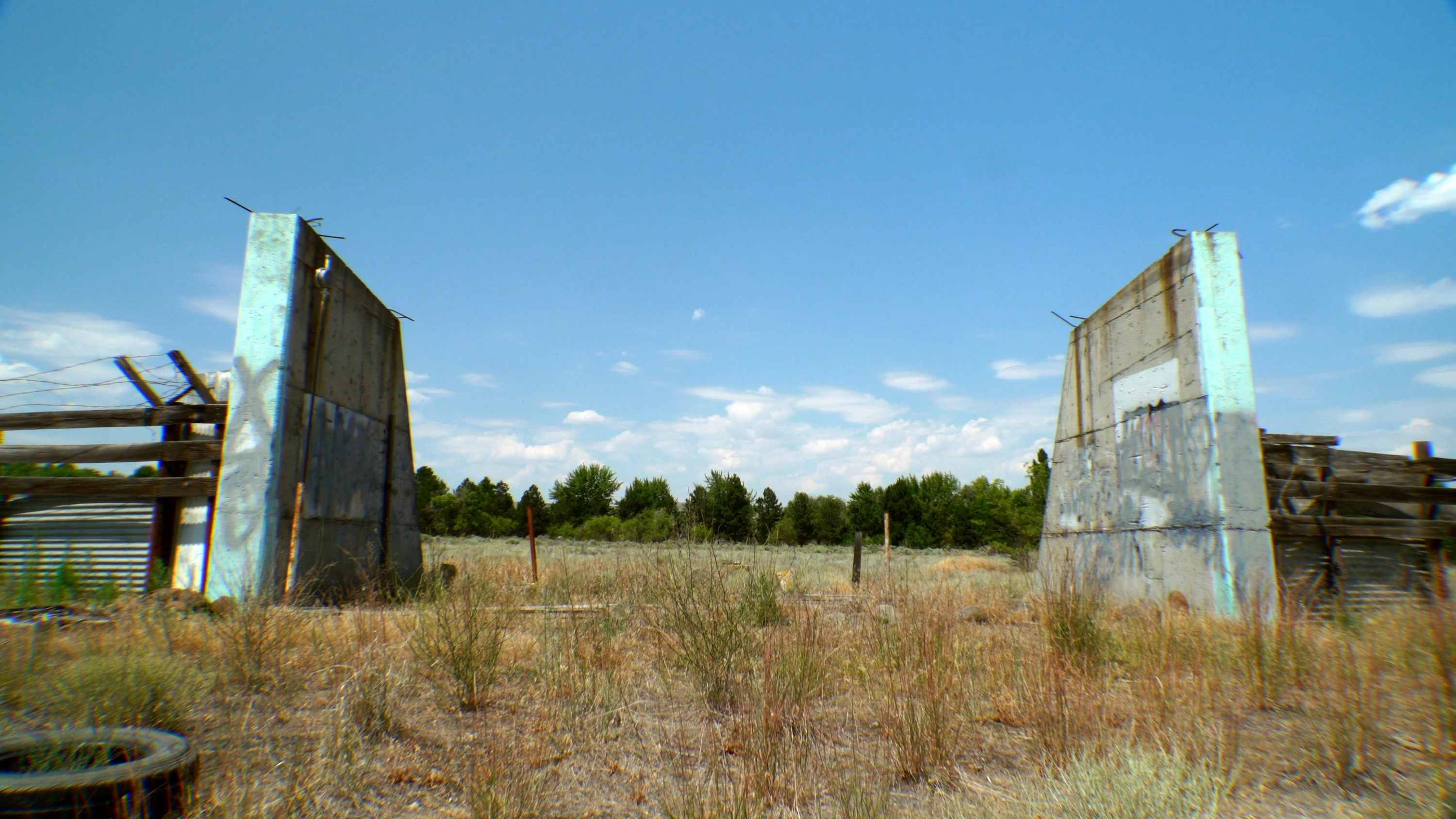
In The Last Picture Shows, indie filmmaker Rustin Thompson takes to the road to tell the melancholy story of America’s ‘cinema deserts’. These swathes of the country from the Pacific Northwest to the Rockies were once served by local, single-screen theatres that have subsequently closed. They may not be big multiplexes or boast giant IMAX screens but the loss of these venues should keep film execs up at night. It stands to rob film studios of generations of potential customers, as well as deprive small communities of vital third spaces. When the lights go out on their old-timey marquees, there’s often something more worrying at work.
Thompson took to the road to find out what it is. Travelling 10,825 miles, he took in 123 theaters, meeting owners, managers, cinemagoers and the odd feline cinema mascot along the way.
‘I hadn’t heard the term “cinema desert” until I talked to (University of California film professor and Cinema Treasures co-founder) Ross Melnick, and I thought that’s just a great phrase,’ says Thompson. ‘A hundred miles can separate these theaters, which means that people don't have the option of going to a multiplex and having a choice of five or six films to see. It becomes even more important that the theater thrives, that it stays in business, and that it can diversify its programming.’
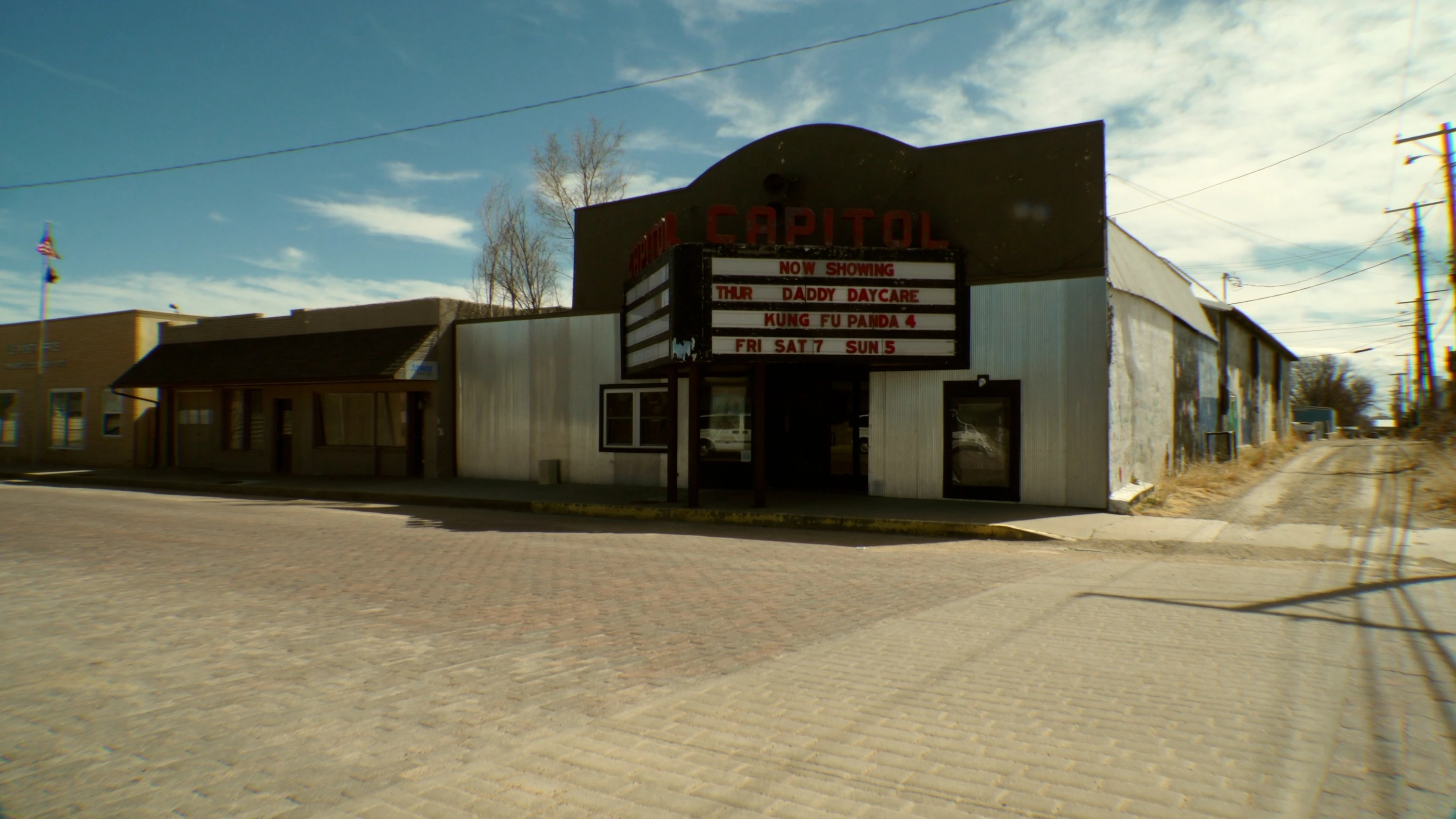
Not all of them have. In Hollywood’s 1929 heyday, there were 22,000 cinema in America; now there are fewer than 3000. The loss of local theaters is starkly illustrated in towns like Springer, New Mexico, and Brewster, Washington, small communities whose cinemas have closed and never reopened. Residents of Springer face a two-hour drive to reach their nearest cinema.
I thought this would be a brooding essay film on the loss of American community
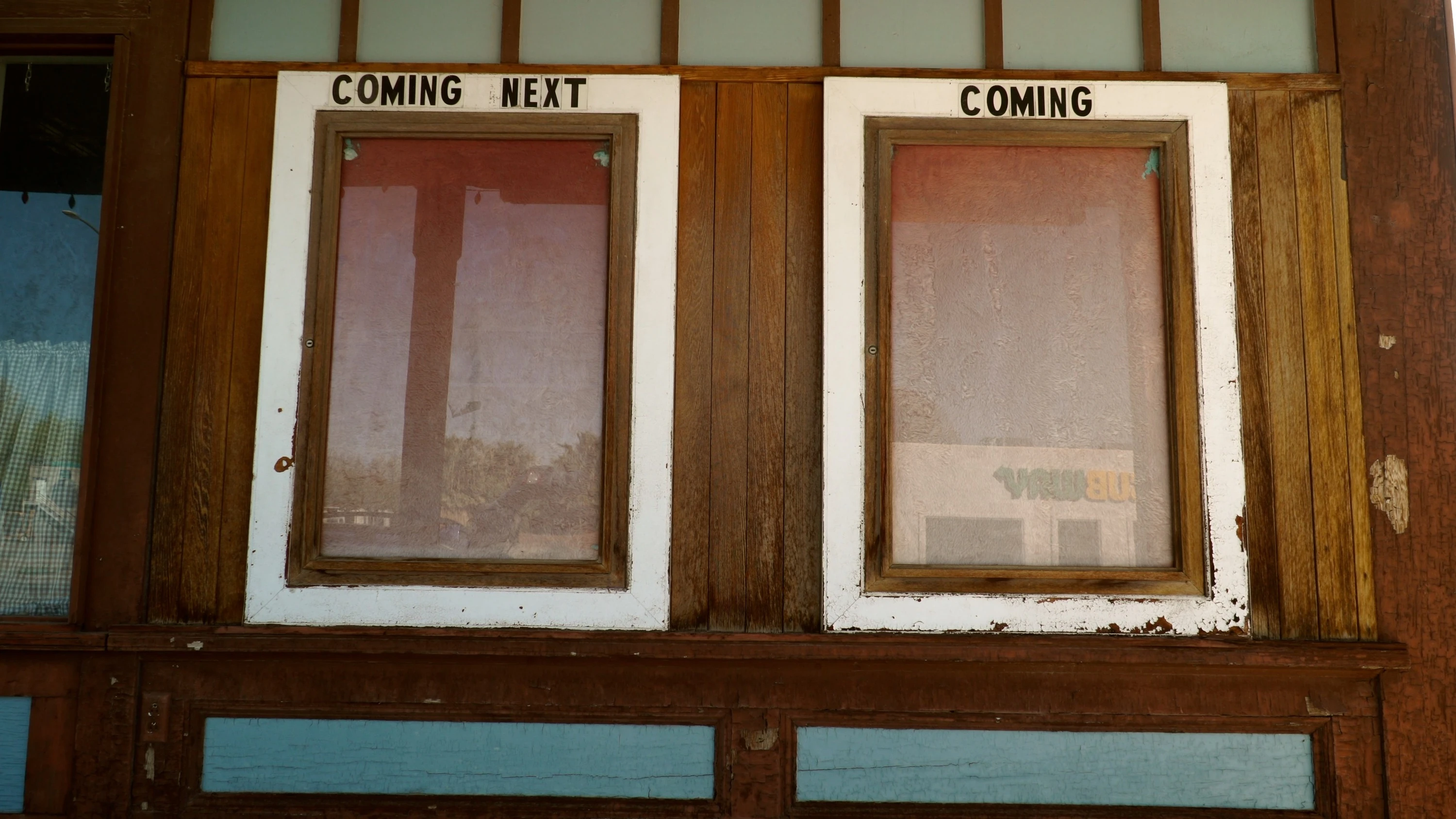
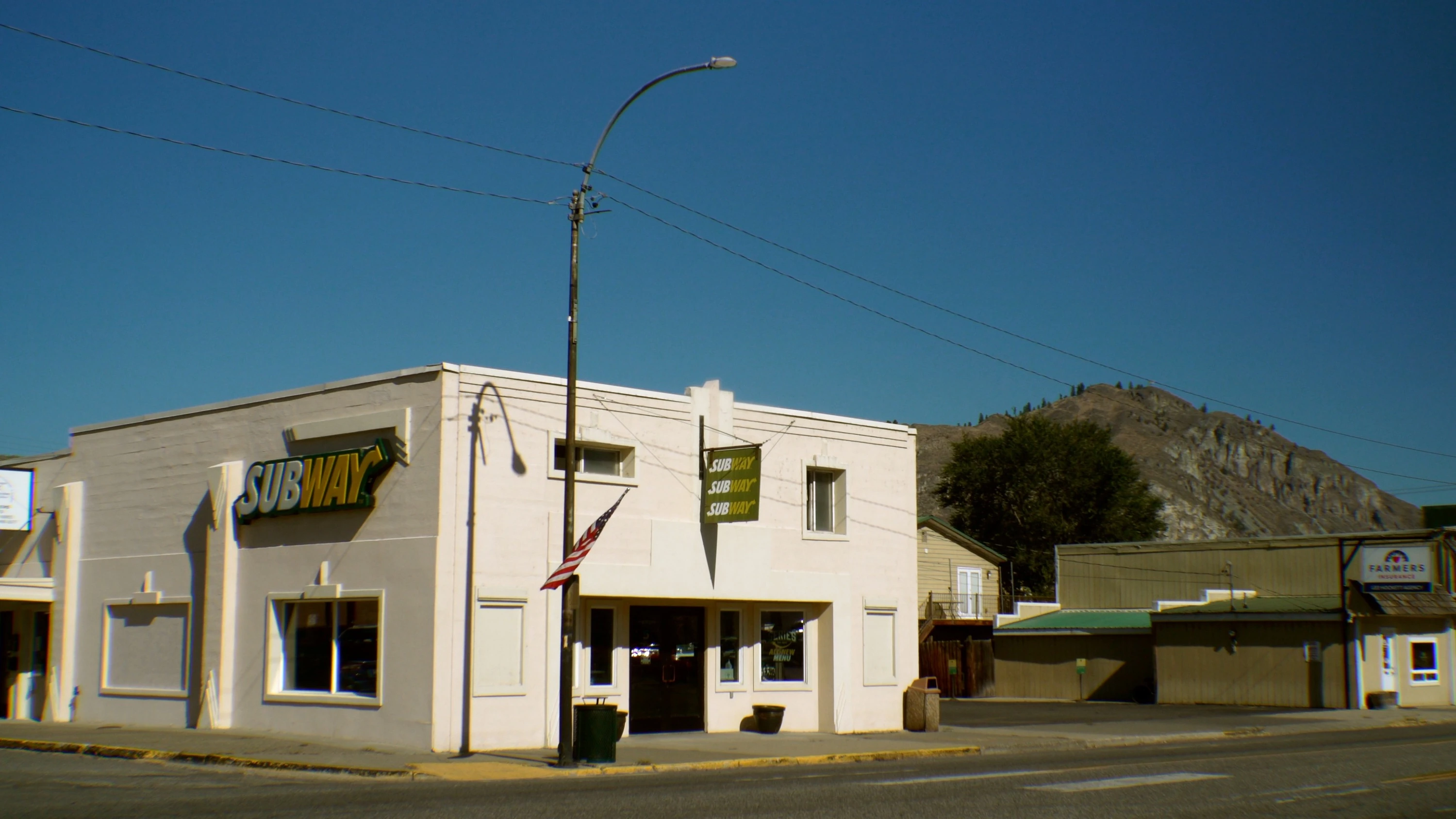
The Last Picture Shows is full of haunting photography of old theaters that have since become CostCos, Subways, even churches. The film’s evocative title riffs on 1971 Oscar winner The Last Picture Show, an elegy to rural cinema-going that Peter Bogdanovich filmed partly at The Royal Theater in Archer City, Texas. It’s an enduring motif for the decline in rural moviegoing.
Economic shifts account for some of the struggles. ‘In Susanville, California, where the beautiful Sierra Theater is, the manager told me that they started to lose customers when the two main employers in the town shut down,’ says Thompson. ‘Both of those employers were prisons.’
Those that should be supporting rural theaters have often compounded the problem, too. Overwhelmingly single-screen theaters have to dedicate all of their screenings if they want to show a new blockbuster – reducing choice for local filmgoers. ‘A lot of the theater owners [I spoke to] are really aware of how they were getting strangled by the major studios,’ says Thompson. New movies reach them on a digital format now and many can’t afford the digital projectors required to play them.
But as The Last Picture Shows reveals, all is not lost.
‘When I embarked on this odyssey, I thought it would be a brooding black-and-white essay film on the loss of these great places of American community,’ says Thompson. ‘You see a lot of melancholy in the film, but there’s also hope. Many of these cinema owners grew up in these small towns, went away, came back, and they’ve committed themselves to keeping these spaces of gathering alive.’
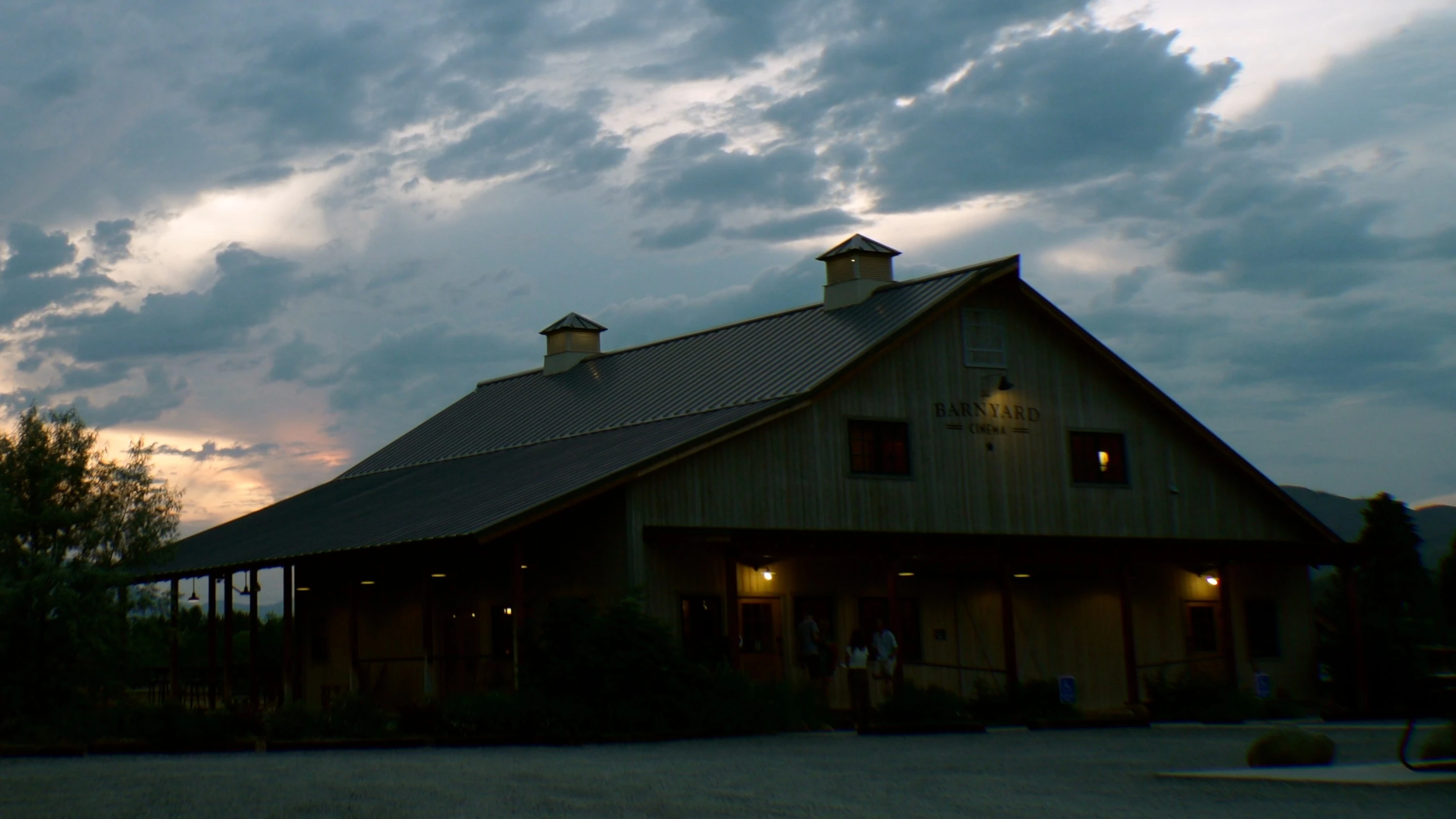
The chance to sit down together to watch Odysseus irritate a Cyclops or Peter Parker save New York is a kind of glue for a small community like Winthrop, Washington where Thompson found one of the film’s good news stories: The Barnyard Cinema, a thriving one-screen cabin built by Genevieve and Steve Cole in 2015. ‘They were transplants from Seattle who really missed having a theater and they had the means to get this thing built,’ says Thompson. ‘They were a little bit like pioneers.’
The Ruby, 60 miles to the south in Chelan, Washington, has been running since 1914 and continues to thrive. Spider-Man: Brand New Day – tickets only $10 – is sold out for the next fortnight. ‘It’s the oldest continuously run theater in the state. That is special.’
A lot of the theater owners are getting strangled by the major studios
In Pioche, Nevada (pop. 900), a new cinema, The Gem Theater, is being built. ‘They’re about two years away from being able to afford a digital projector to show movies,’ says Thompson. ‘But when that happens, it'll be worth going to.’
In an age of division, The Last Picture Shows reminds us of the power of this communal experience. ‘The theater from the very beginning didn't care if you were the farmer or the mayor,’ says Thompson. ‘You get to come to this space and you all pay the same amount for a ticket. You can get popcorn, you can get a beer, and there's no boundaries. There are three things that are going to keep movie theaters alive: the owners who run them; the movies themselves; but the most important is the audience. People have to go to the films.’
The Last Picture Shows opens in New York theaters on Friday August 7, before rolling out across the US. Donate to The Gem Theater's crowdfunder here.
Discover Time Out original video