[category]
[title]
With a history involving mineral waters and mobsters, Hot Springs remains a fascinating bed of activity.


Hot Springs National Park might not initially come to mind when you think of America’s National Park system, but this Arkansas destination was actually a precursor to the National Park Service as our country’s first “national reservation.” It was given federal protection in 1832 by President Andrew Jackson, a full 40 years before the establishment of Yellowstone National Park.
After Congress established the NPS in 1916, Hot Springs Reservation became Hot Springs National Park in 1921. But the rise of the adjacent city of Hot Springs dates back decades earlier.
From the 1870s to the 1930s, Hot Springs was a major wellness resort destination. Touted as “America’s Spa” or “Spa City,” many people from across the country came here for hydrotherapy treatments using these waters to cure various ailments.
Today, you can take in Hot Springs’ public health history alongside murals, outdoor activities, shopping, lodging and dining options and various attractions. Entwined with the free-admission national park of the same name (along Bathhouse Row, the east side of Central Avenue actually sits on national park property), the city came into its own in the mid-19th century, when it evolved from a frontier town to a major resort destination.
The boundaries of the park today wrap around the historic area of the City Of Hot Springs. The interwoven quality of Park and city reflects The symbiotic development of the park and town. In the historic downtown, the park is generally on the east side of Central Avenue and the city carves out a few blocks on the west side of Central Avenue. The slopes of the mountains signify the return to Park boundaries.
Hot Springs is located about 53 miles southwest from Little Rock, and roughly around an hour’s drive from Bill and Hillary Clinton National Airport. Parking within downtown Hot Springs can vary from side streets to metered and paid lots and garages. Here’s what you should explore during your visit.
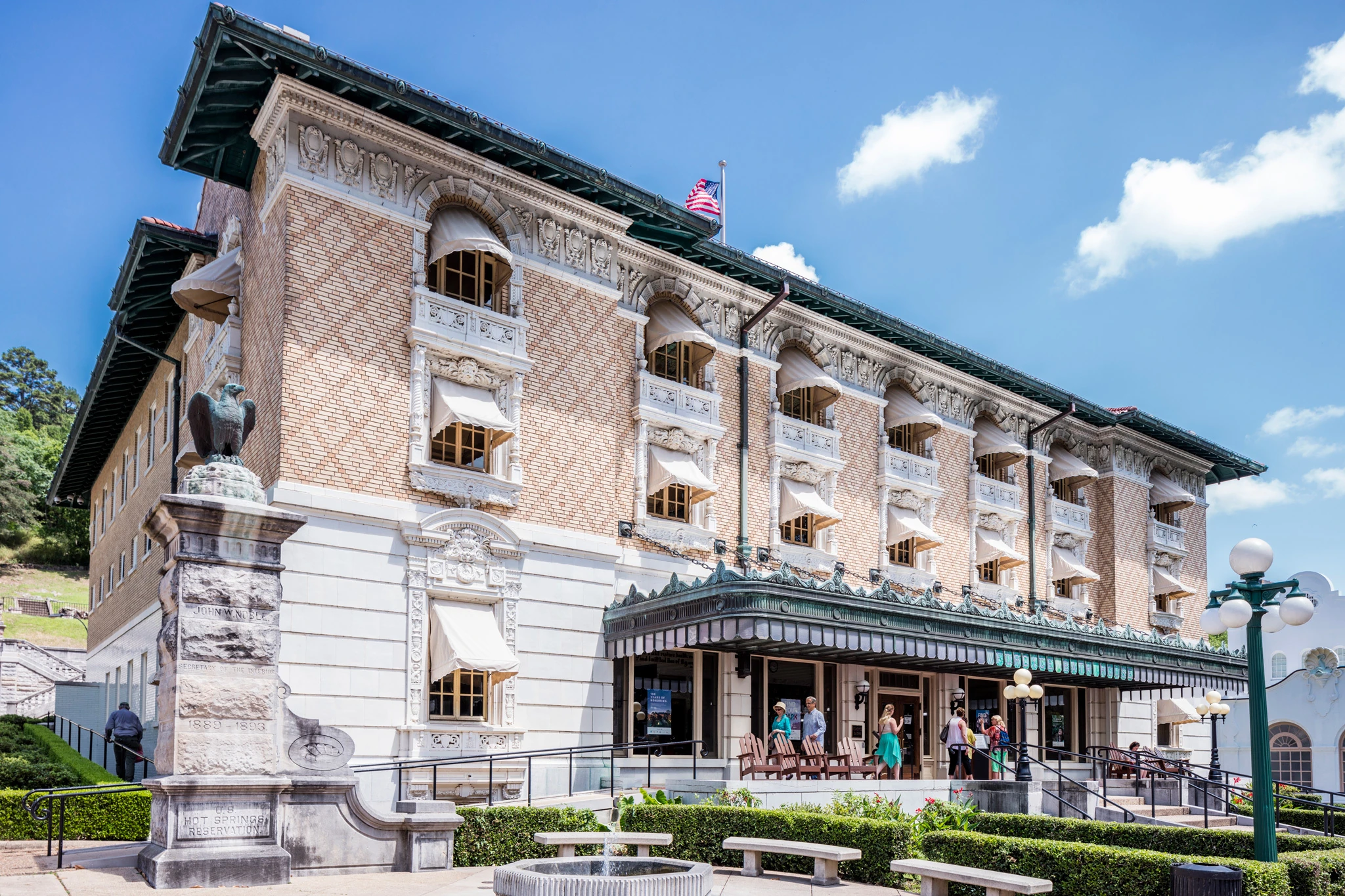
In downtown Hot Springs, and falling under the stewardship of the NPS, “Bathhouse Row” is a collection of eight late-19th-century bathhouses along Central Avenue. They’re built mostly in Beaux-Arts and Spanish Revival styles.
Only two of them still practice their original purpose.
The Buckstaff Bathhouse, opened in 1912, continues to offer the spa services that the region was traditionally known for. Quapaw Baths & Spa, which opened a decade later, mixes old and new treatments by offering public thermal pools and modern spa packages.
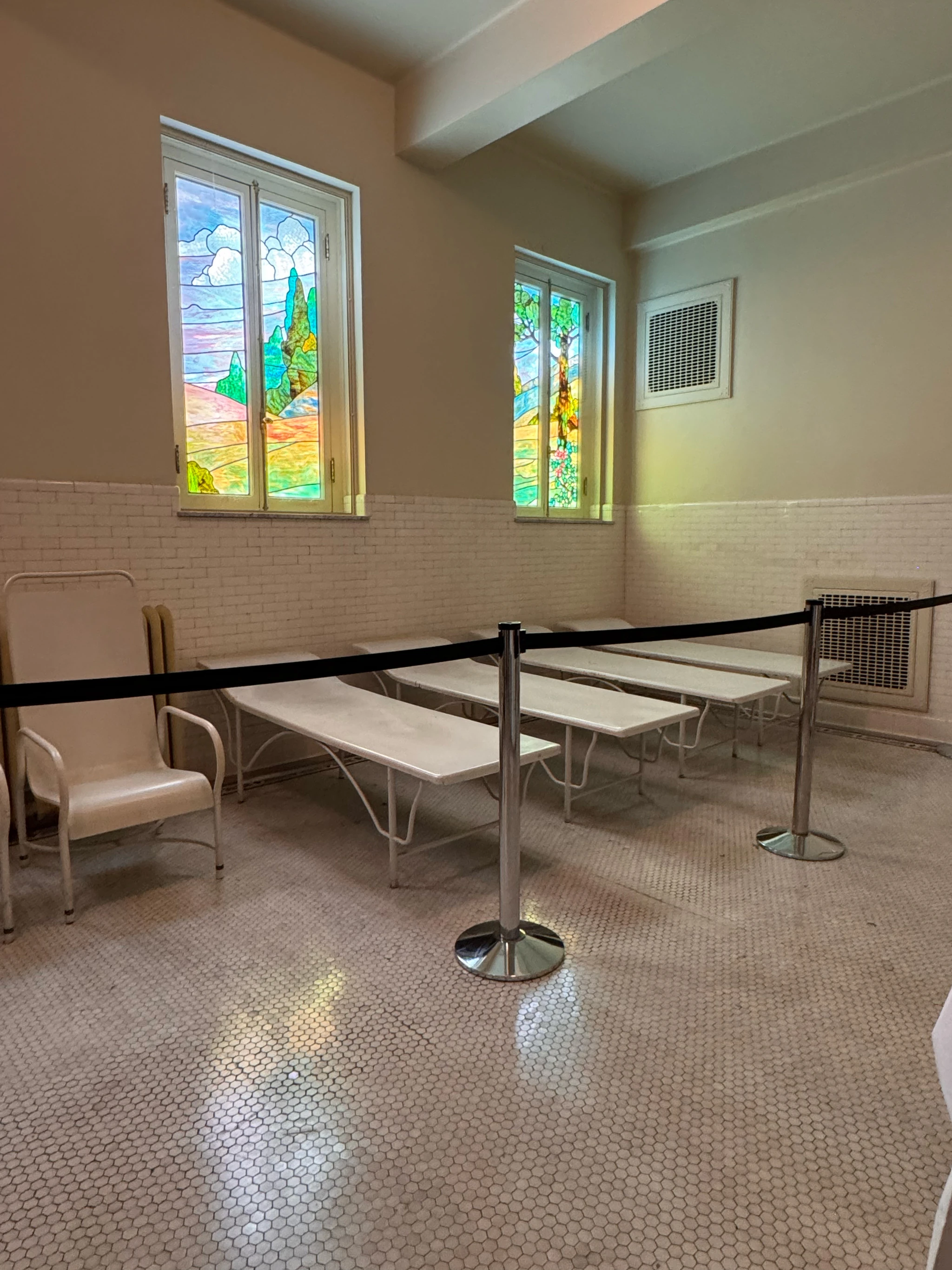
At Buckstaff, men’s facilities are on the building’s first floor, with women’s on the second. Escorted up via elevator, you enter into a tiled changing room area that feels set in time. There are individual curtain dressing rooms with matching personal storage lockers to store your clothes and belongings. Bathhouse attendees then wrap you with a large white bath sheet in a toga-like fashion and escort and check on you from treatment to treatment.
While it’s optional to wear a swimsuit, I recommend going au naturel instead. You’ll be spending a lot of your time here submerged, and your treatments just might not feel as relaxing while donning a soggy bathing suit. A traditional treatment program involves many practices and pieces of equipment used back in the day. You start by submerging in a large galvanized tub filled with very warm water. Then, you might sit within a vapor cabinet, an enclosed steam-producing contraption that looks like something out of an I Love Lucy episode. And then you may hunker down within a sitz bath, a very shallow tub commonly used to provide relief to the body’s perineal area (in slang terms, your naughty bits) such as with hemorrhoids. My session ended with a private room massage, which made for a worthwhile conclusion.
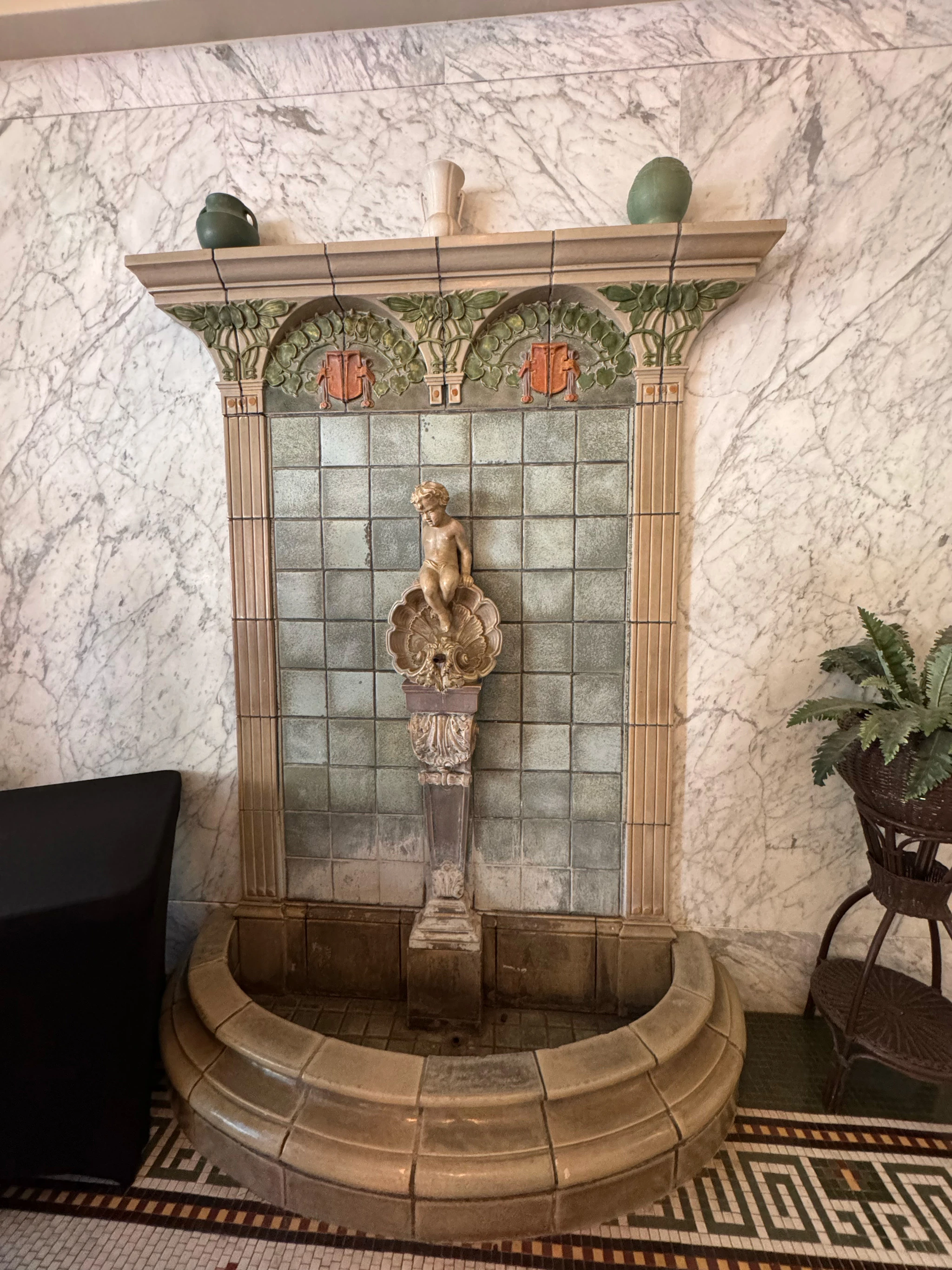
Aside from Bathhouse Row, Hot Springs National Park has designated fountains for filling up on mineral spring water, sets of hiking and biking trails and the Grand Promenade, a half-mile bricked walkway.
The former bathhouses along Bathhouse Row now have different contemporary purposes, including a family-friendly immersive experience called Mystic Ozark and providing an NPS office space.
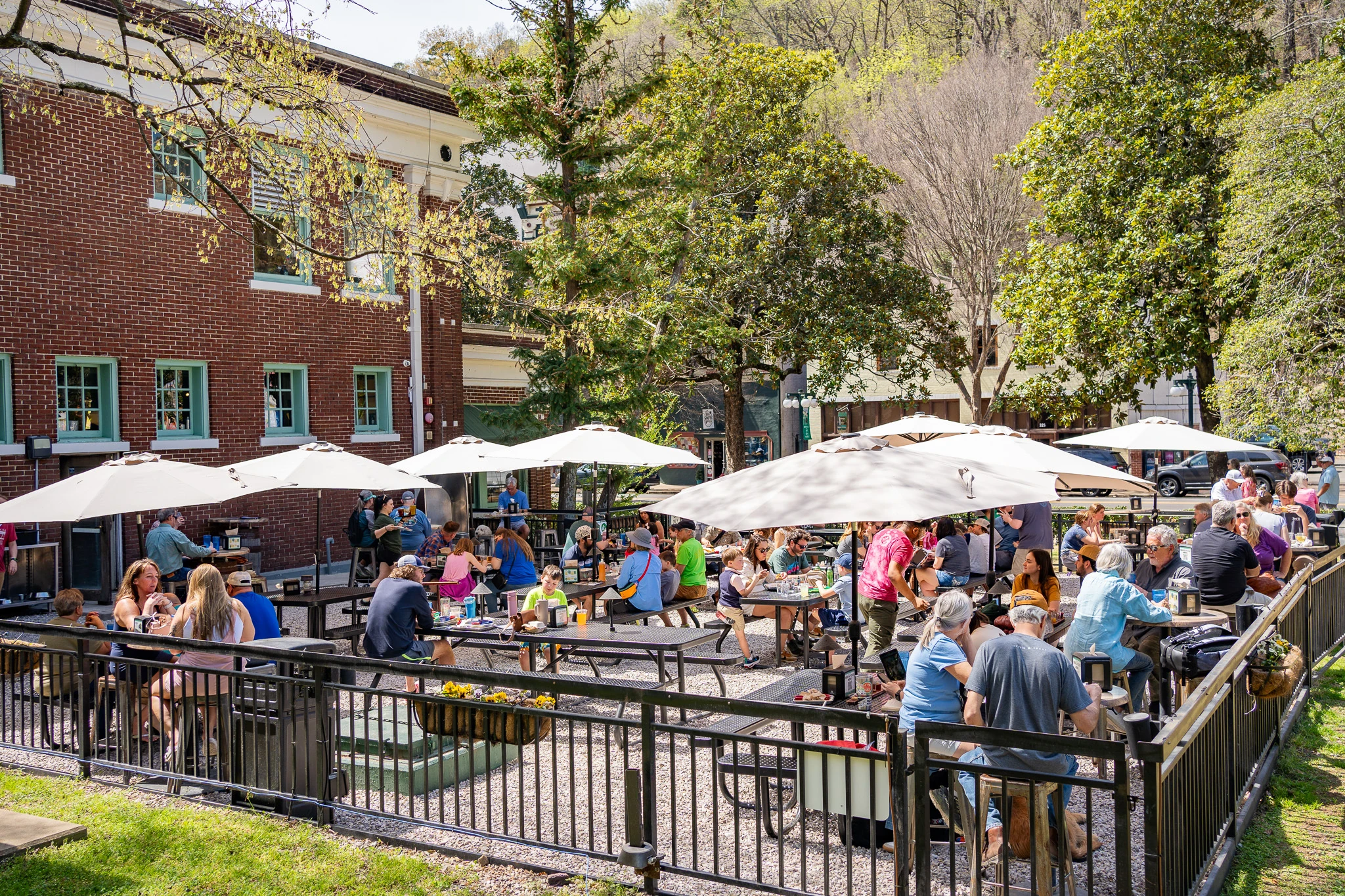
Nowadays, the onetime Superior Bathhouse is the home of Superior Bathhouse Brewery, the first brewery in a U.S. National Park that brews with Arkansas thermal spring water.
Founded by owner Rose Schweikhart, this craft brewery spot holds a dining room and outdoor patio for pairing flights, plus a “beer bath” sampling assortment with small pours of all 18 brews on tap, with their lengthy food menu. Try Sweet Nectar of the Gods, a cream ale, with a Bavarian soft pretzel and one of their smashburgers.
The Fordyce Bathhouse is now the NPS visitor’s center, where you can take a park ranger led tour of Hot Springs National Park and see exhibits and preserved spaces relating to its spa heyday.
Aside from these buildings, the NPS officially tallies the area’s natural mineral hot springs at 47. Their average water temperature is at 143 degrees Fahrenheit.
These waters’ presence has been long recognized, resulting from a thousands-year-old geological process involving rainwater soaking through the rocks of the Ouachita Mountains. Long known for their mineral properties by the region’s Indigenous peoples, followed by the French and Spanish, these hot springs became a scientific focus of the 1804 Hunter-Dunbar Expedition. It was one of four major Louisiana Purchase ventures commissioned by President Thomas Jefferson.
Just over a century ago, Hot Springs also attracted Major League Baseball teams (including players like Babe Ruth) to the region for preseason training and exhibition games—and birthed what’s now known as spring training.
Amid the country’s Post-Reconstruction era, African Americans opened and operated bathhouses in response to segregation—and, at the same time, also developed economic mobility and community, and were listed within The Negro Motorist Green Book.
Hot Springs became a safe, neutral territory for mobsters like Al Capone and Lucky Luciano, where they vacationed and sought seclusion from the authorities while still carrying out their criminal businesses on the sly. Local officials corruptly overlooked their behaviors, especially illegal gambling and horse racing (though Luciano would get arrested and extradited to New York).
On the other hand, mobster Owney Madden moved from NYC to Hot Springs, married the city postmaster’s daughter and became a popular local benefactor. His charitable acts included covering the cost of uniforms for groups like the Hot Springs High School Band.
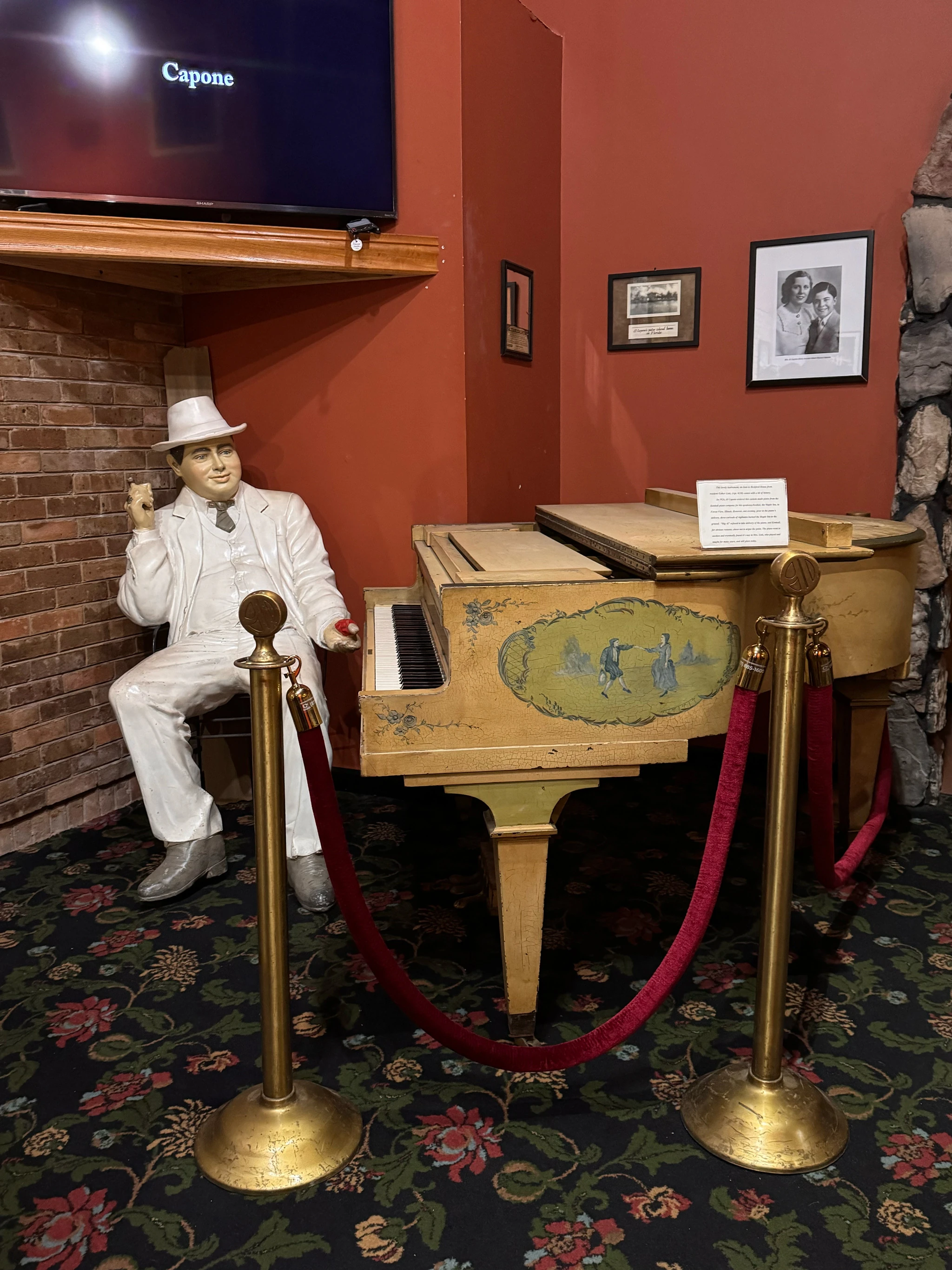
You can learn more about these mob ties to Hot Springs at the Gangster Museum of America, with life-size statues and displays of old photographs and videos and a casino area.
Hot Springs has many other local businesses, activities and dining spots to check out.
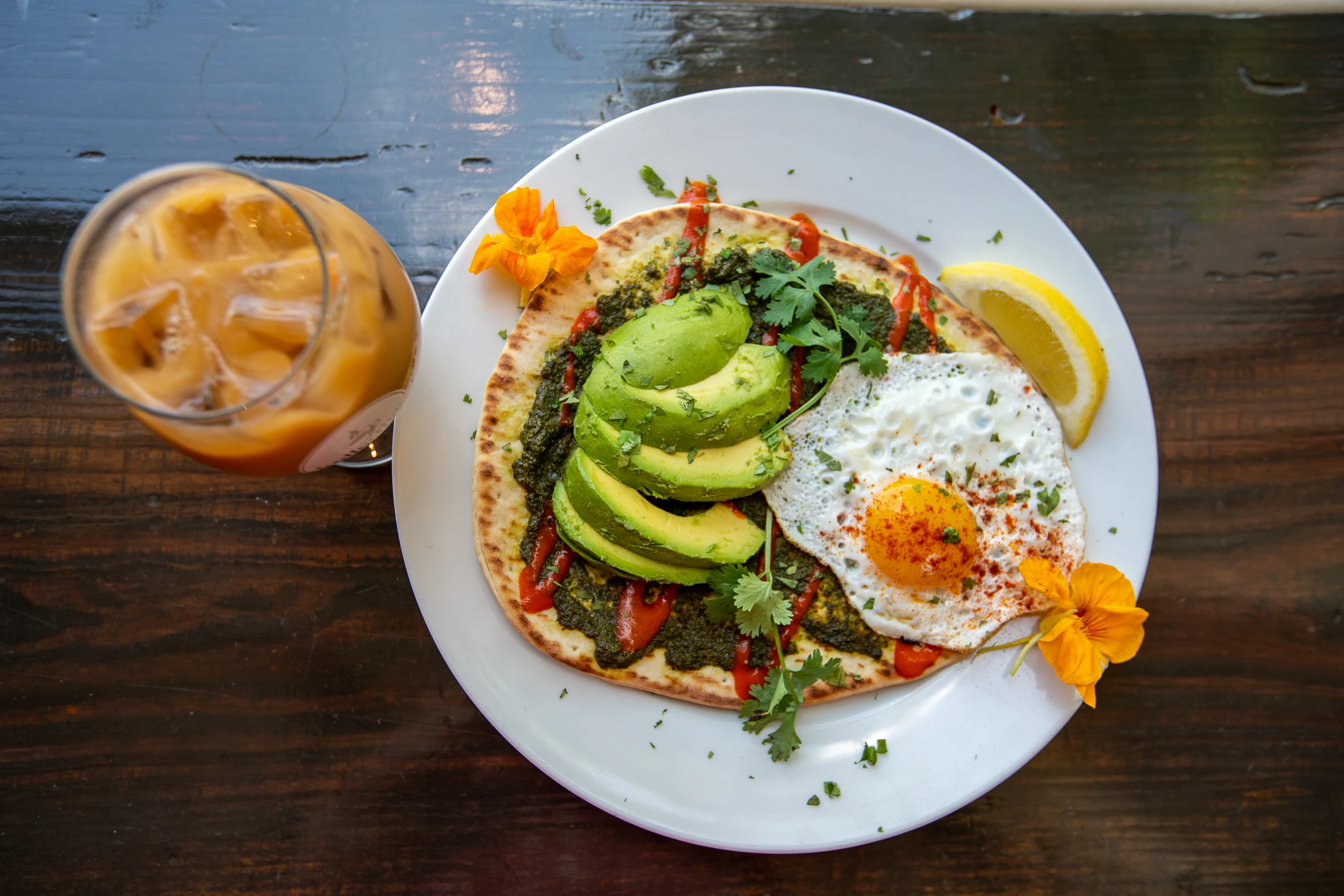
This third wave coffee shop run by husband-and-wife team Kevin Rogers and Agnes Galecka-Rogers provides not only beverages but also a place of community. Kollective Coffee + Tea hosts the Wednesday Night Poetry series and History After Hours, a podcast led by two history teachers on the first Thursday of each month during the academic year. As for the food, their menu offers vegan and vegetarian options.
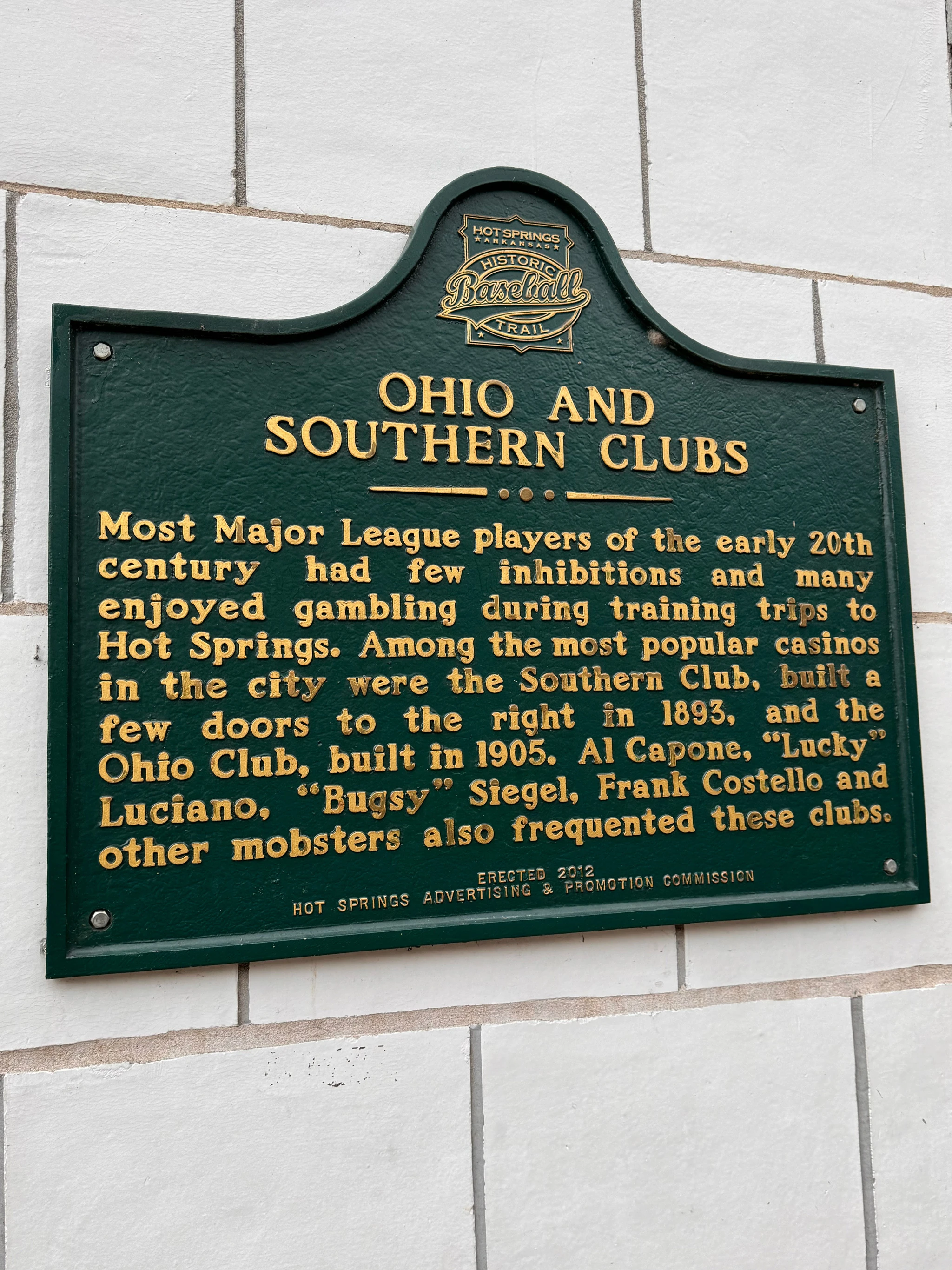
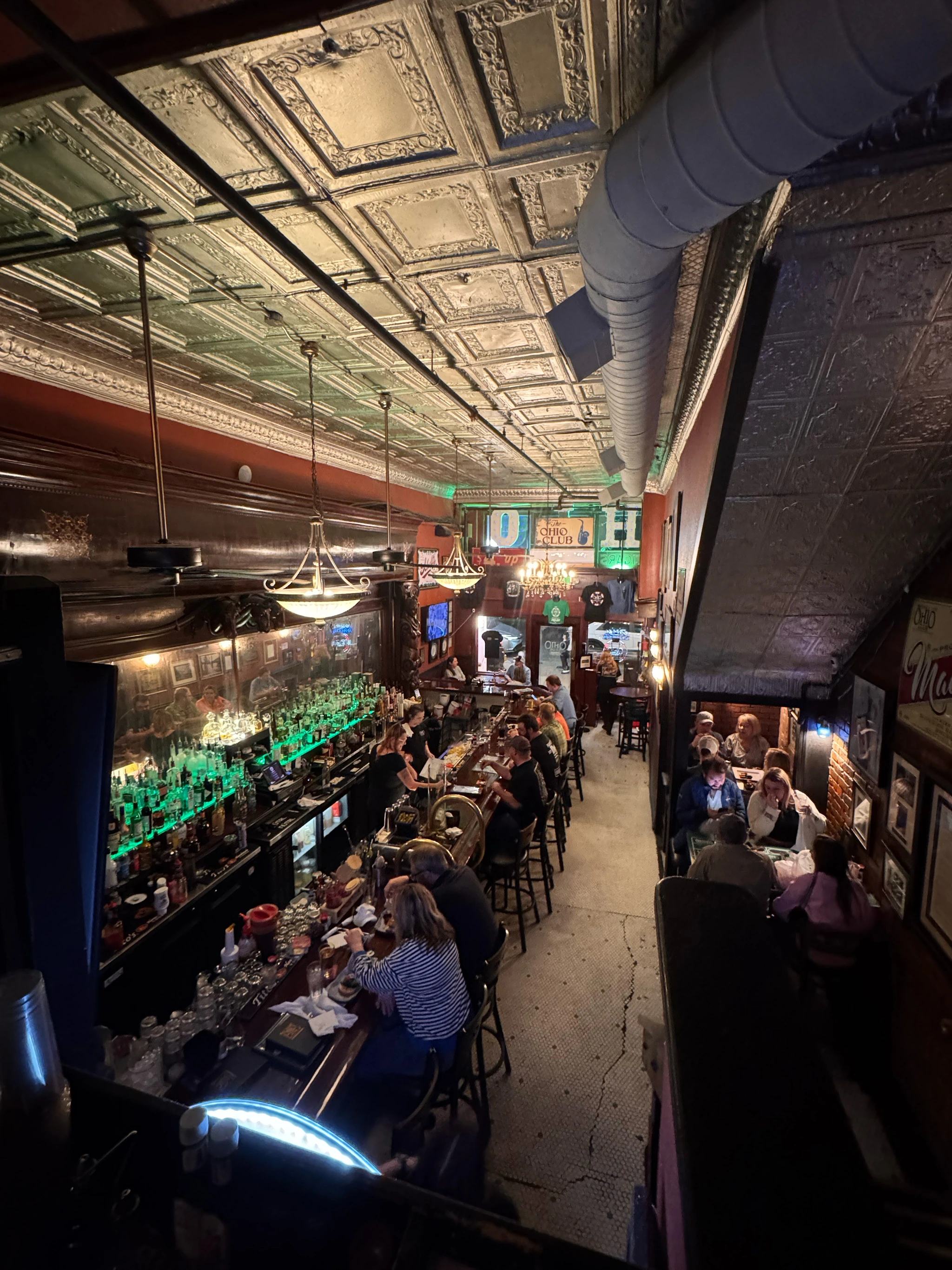
As the oldest bar in Arkansas, the Ohio Club started out as a watering hole and casino—and a hangout spot for visiting mobsters like Al Capone that also welcomed performances by Al Jolson and Mae West.
These days, the circa-1905 establishment has its walls covered in archival photographs and casino objects on view amid its two levels. The menu is stocked with good pub food, and live music adds to the dining experience.
Other popular Hot Springs dining spots include J&S Italian Villa, whose seasonal menus by chef Ben Lindley draw from the coastal cuisine of Cinque Terra. Deluca’s Pizzeria, run by Brooklyn native Anthony Valinoti, gets high rankings for traditional New York style, brick oven pizzas.
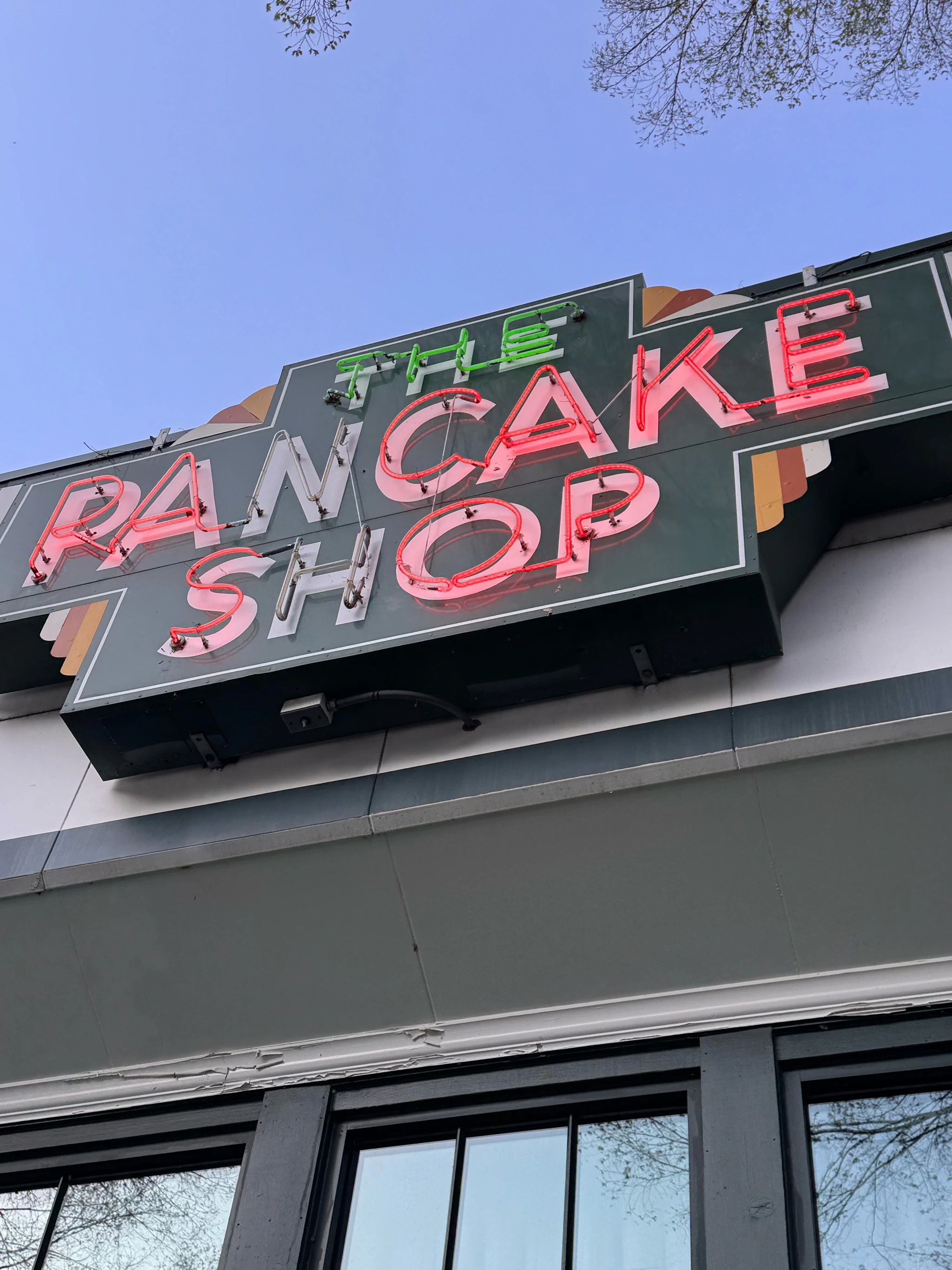
A Hot Springs fixture since 1940, this popular breakfast spot dishes local talk and pancakes as large and round as the plates they’re served on. The waitstaff might suggest a hack for applying syrup on them without the mess: One tip is to make a hole in the center of the pancake and then trace a swirl on the top, starting from the inside and spiraling out to the edges.
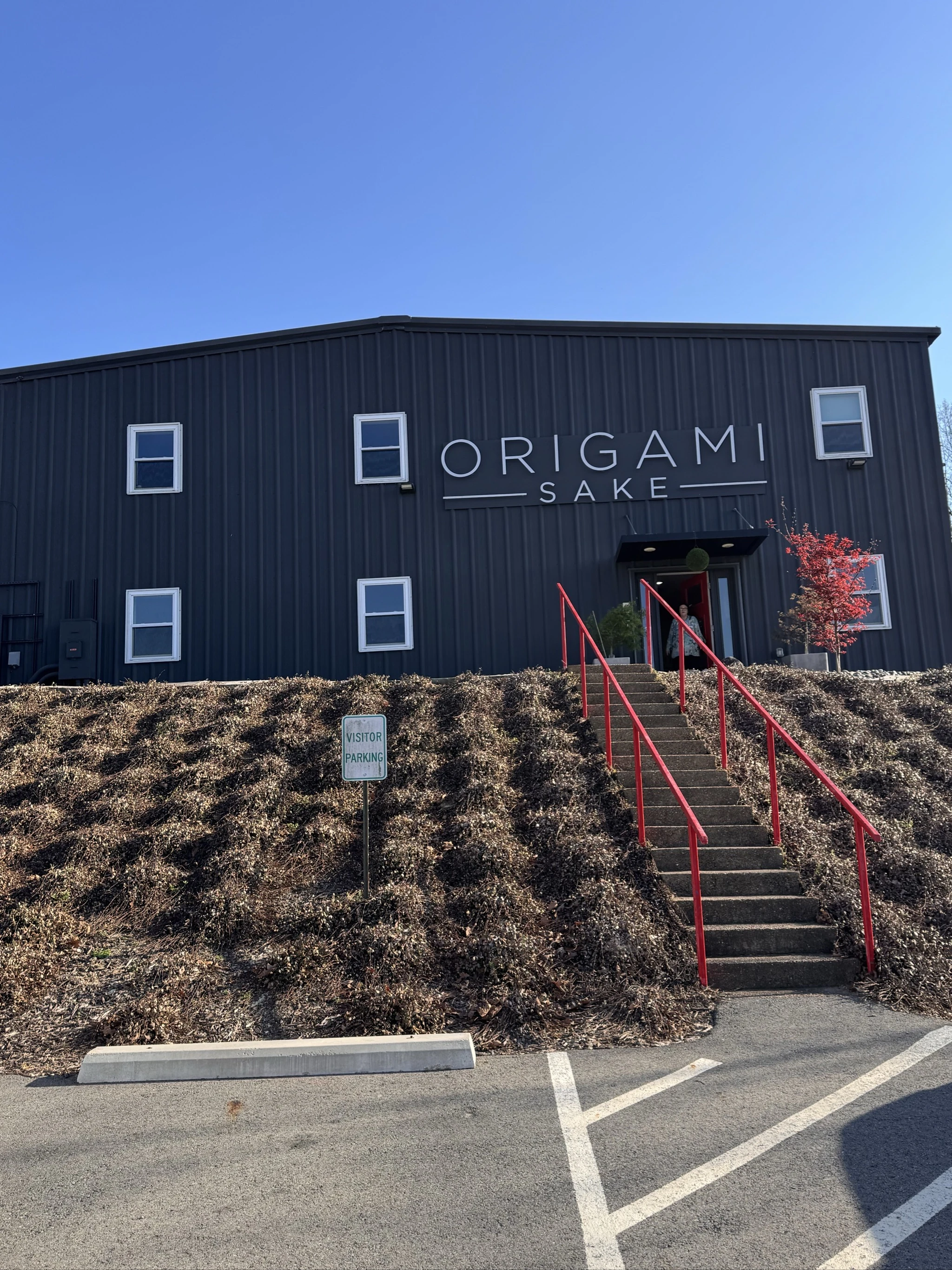
Arkansas’s only sake brewer also applies these natural waters to their offerings. Arkansas native Ben Bell traveled to the Japanese city of Hanamaki and became a sake brewer for two years before establishing his own spot stateside. The facility uses Arkansas-grown Japanese-style rice to produce its line of award-winning sakes, including the versatile Thousand Cranes.
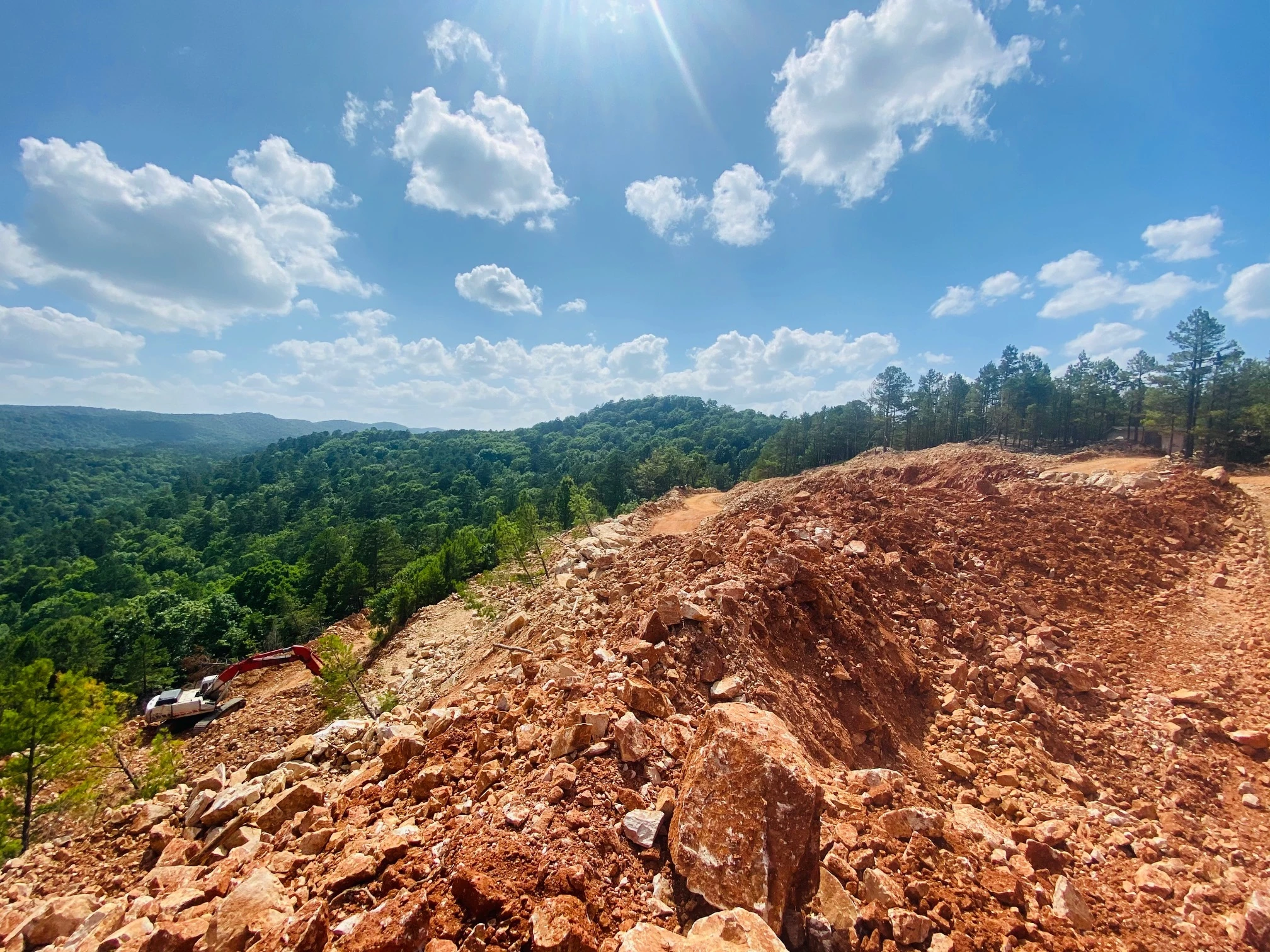
Arkansas is a major mining state where everyday diggers can find special stones like quartz or crystals. Roughly a 45-minute drive from Hot Springs, Avant Mining Fisher Mountain in Mount Ida operates a public quartz dig site, where visitors can check in with staff at their gift shop to purchase a digging permit for the day. You can bring your own tools (but no powered ones) or buy digging tools on-site to chisel into the rock to release interesting finds. Or you may luck out and find something readily loose or laying on the ground. Private pocket digs led by one of the company’s miners are also available.
Founded by Arkansas businesswoman and philanthropist Verna Cook Garvan, Garvan Woodland Gardens blooms with many points of interest showcasing different gardening styles and structures.
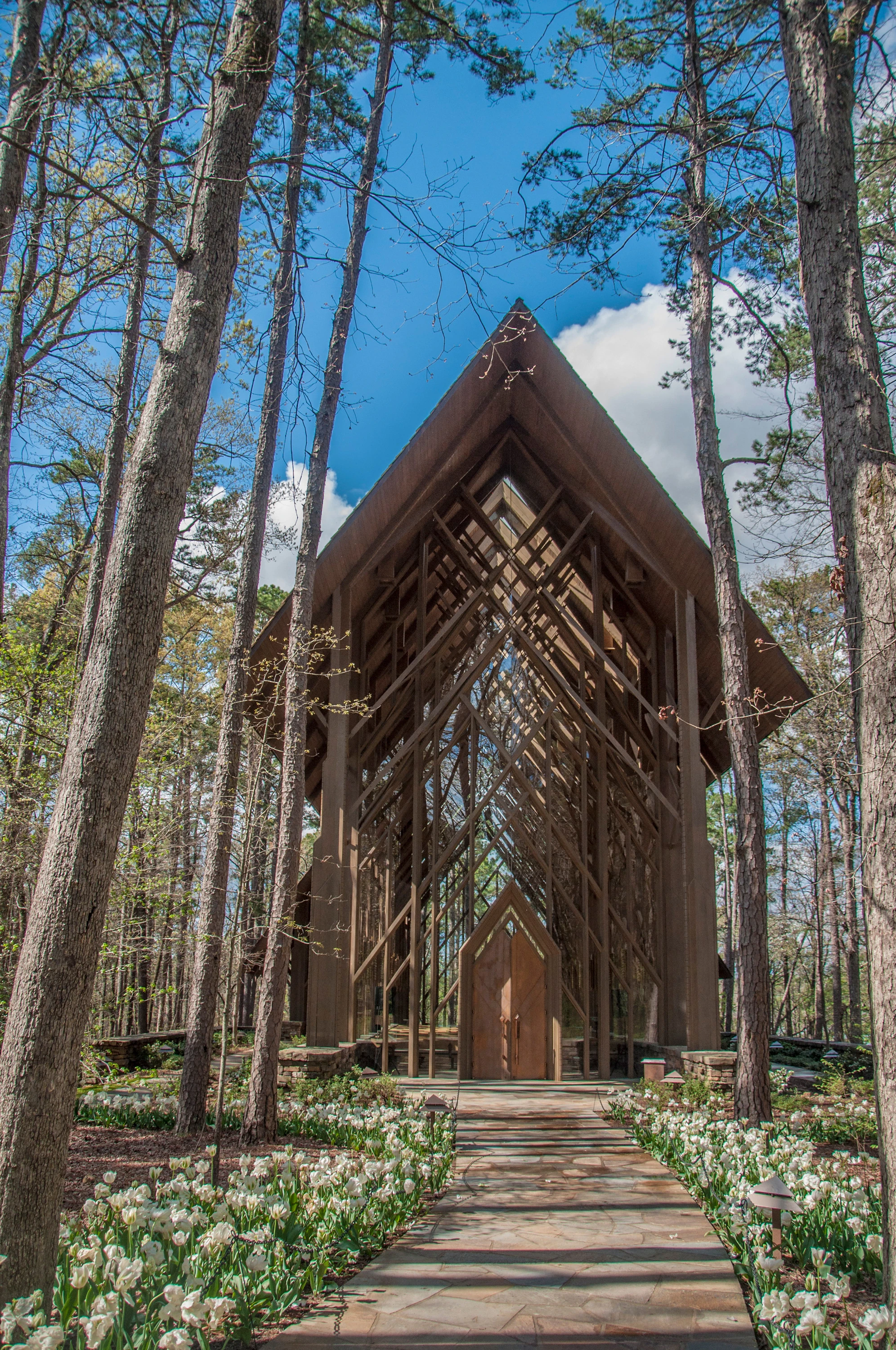
Designed to highlight dendrology (the study of trees), The Bob and Sunny Evans Tree House is an interactive learning center that distinctly stands out from the common childhood hideout. This multilevel fortress makes you eager to wander around inside by heading up staircases and looking out through see-through panels. The gardens’ Anthony Chapel is equally impressive; it seemingly emerges from the surrounding trees with towering glass windows, a high-vaulted roof and a truss system mimicking branches.
As for lodging, the Reserve at Hot Springs has reinvigorated the W.C. Brown House, a former private mansion and national heritage landmark, into a luxurious example of Southern hospitality. The Lookout Point Lakeside Inn provides an intimate waterfront retreat across from Lake Hamilton and The Arlington Resort Hotel & Spa is an over century-old icon in downtown where “the Babe” and Capone once slept.
Discover Time Out original video