[category]
[title]
At the Plimoth Patuxet Museums, you’ll find out what it was like for Mayflower passengers after they landed.


In honor of America’s 250th birthday, one travel destination that gets you to the heart of our country’s history—and a chapter more than 150 years before the signing of the Declaration of Independence—is Plymouth, Massachusetts. It’s famous for being the place where the Mayflower passengers disembarked and started life in the new (to them) world. Plymouth’s historic downtown boasts charming homes with salt spray weathered clapboards and brick chimneys, as well as bespoke shops, tea shops and pubs. There are statues and historic plaques nearly everywhere you look, and two iconic tourist spots: one of which is a dud and one of which is stellar.
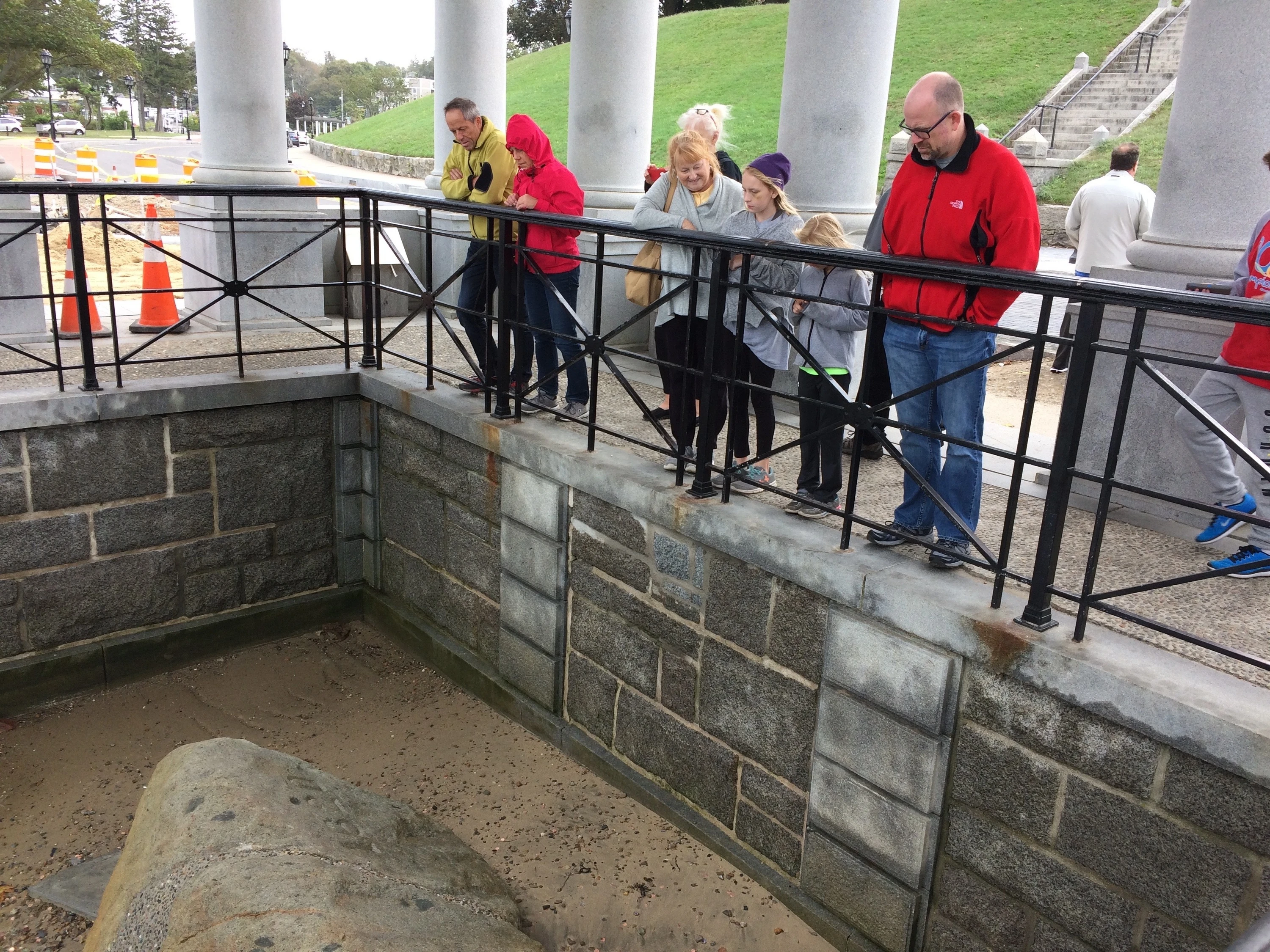
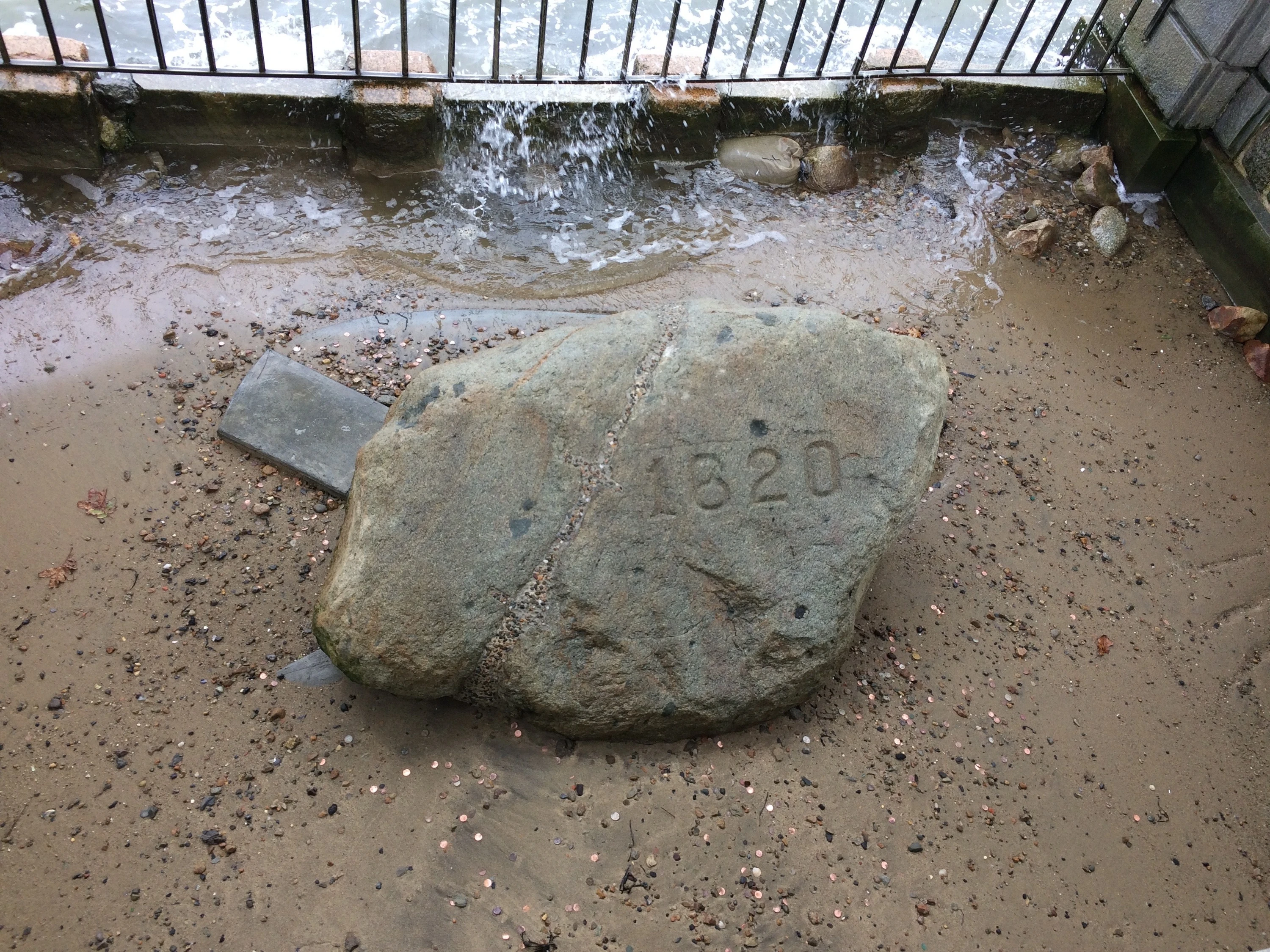
Most visitors know to stop by Plymouth Rock, tucked inside Plymouth Memorial State Park. This is reputed to be the stone upon which the pilgrims stepped with their dainty golden-buckled shoes, climbing out from the rowboat that brought them to the shore from the Mayflower—thus, their first point of contact. Many question whether this legend is true, mainly because no one mentioned it in their diaries at the time and because it wasn’t identified as the rock that performed this incredible service until 1741, more than a century after the pilgrims arrived in 1620.
Regardless of whether the rock deserves its acclaim or was part of some clever 18th-century marketing, visitors notoriously report underwhelm at seeing this small boulder in its purpose-built pavilion. A plaque on it reads 1620, but other than that, it’s just a … rock. You may have seen one just like it in your own yard. Maybe even a more attractive one.
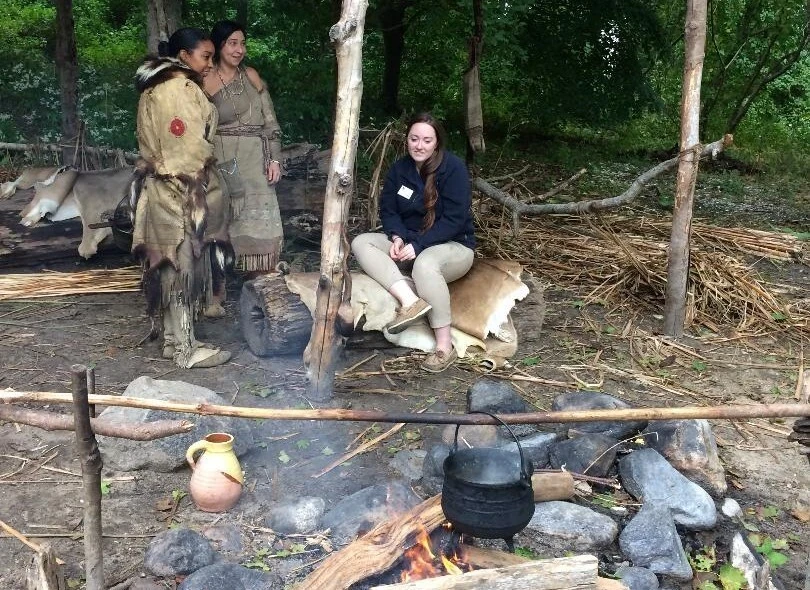
Instead, we recommend that you pay a visit to Plimoth Patuxet Museums, an open-air seasonal living history site in the same city. Here, you can wander through a reenactment pilgrim village that helps you understand what life was like in this early English settlement, and into the Patuxet historic homesite where you can meet contemporary interpreters, some of whom are descendants of Patuxet people, part of the larger Wampanoag nation, who helped the settlers survive. Famously, but not talked about enough, this provides the roots of our Thanksgiving Day tradition.
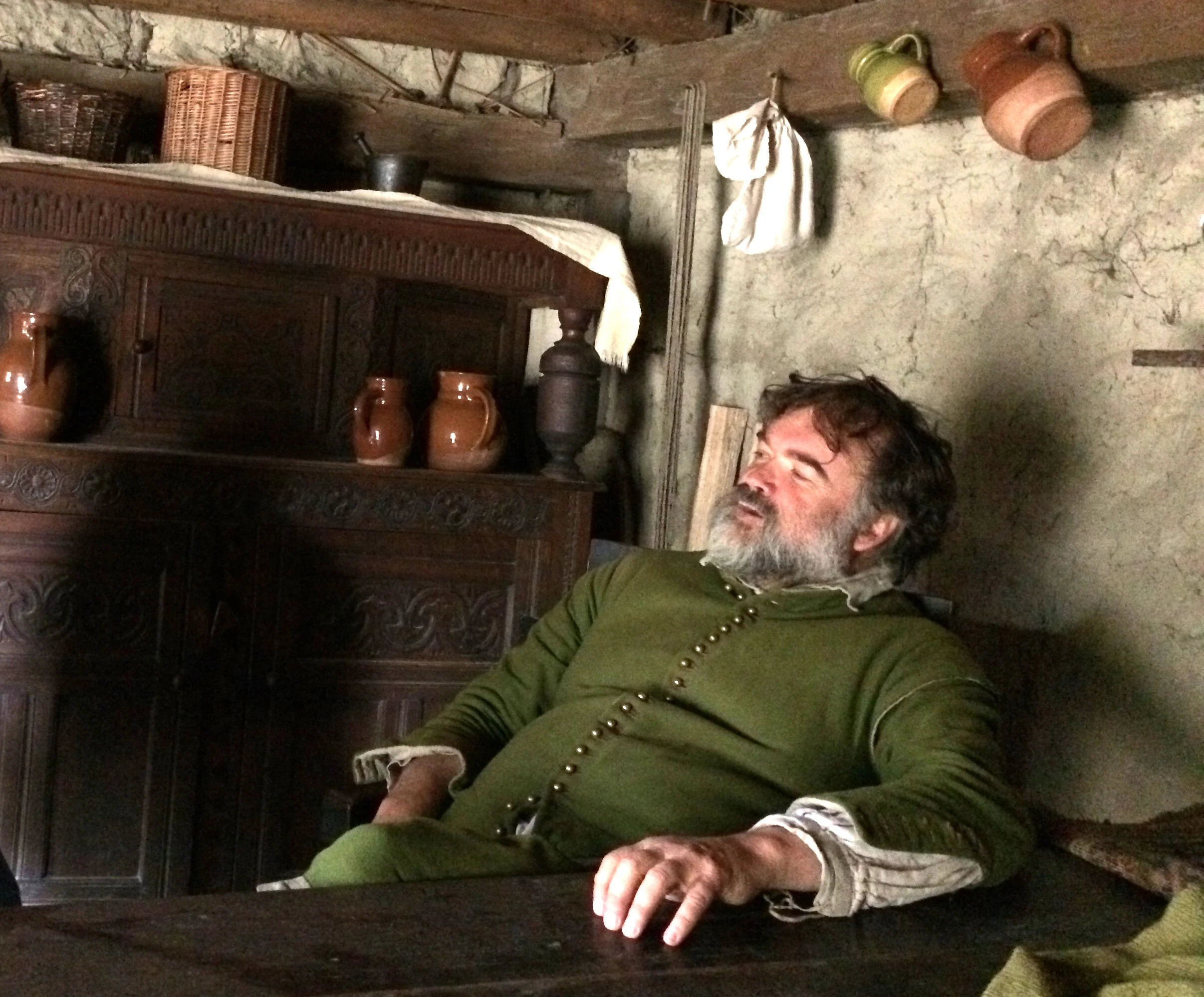
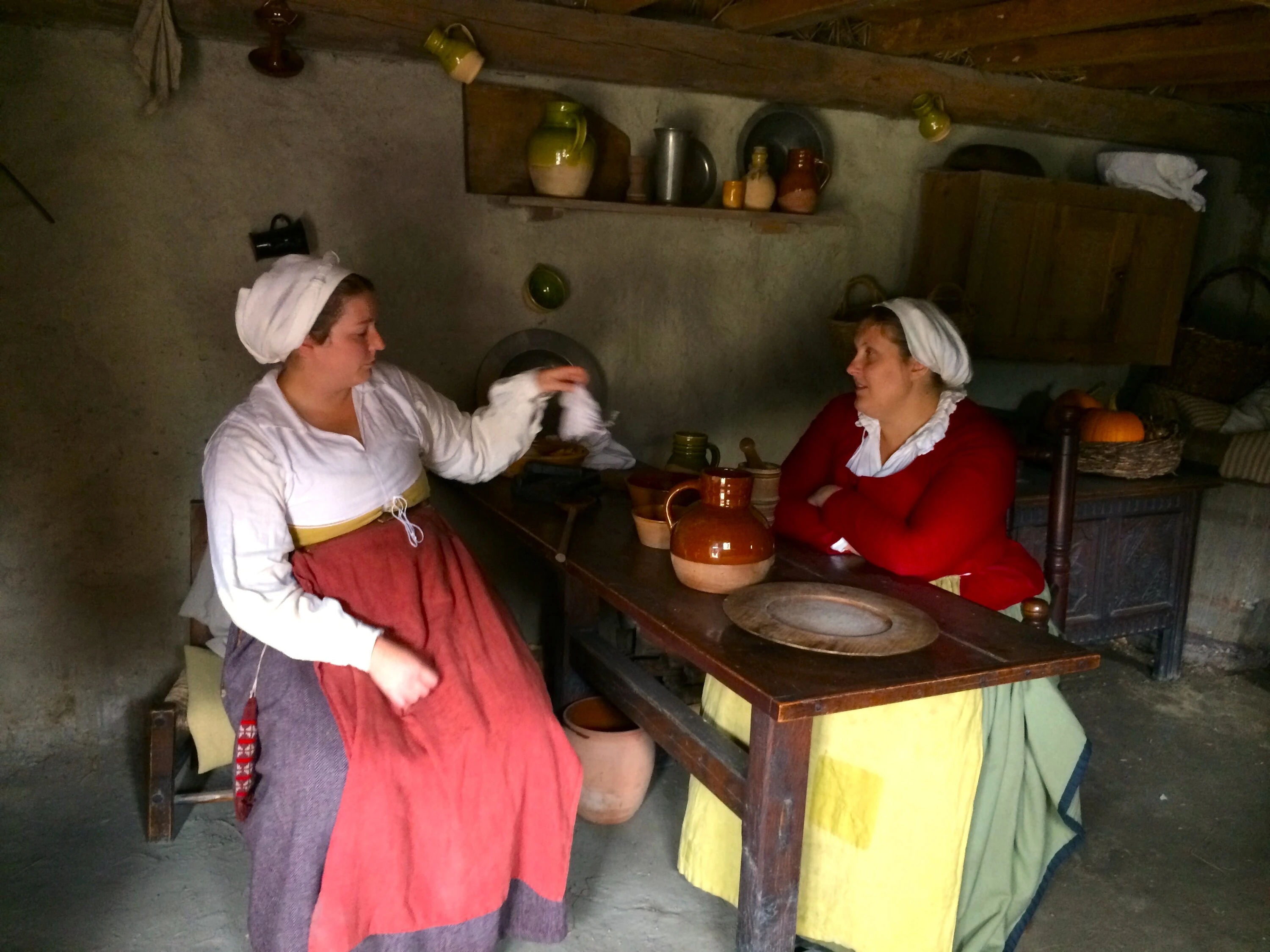
I’ve visited here a handful of times over the decades. During my first visit long ago, I recall a vintagely-dressed pilgrim describing the pen he had built to keep his kids from running away. I listened with dawning horror until by context I finally realized that by “kids,” he meant baby goats; he must’ve loved my reaction. Docents can be found all over the village—a picturesque one with a lane that leads to the sea—churning butter, carding wool, dying clothes, tending kitchen gardens and, well, herding kids. It’s an immersive experience that, if your field of vision doesn’t include visitors in Nikes and jeans, can feel like you’ve time traveled. The museum is just a few miles away from the actual site of the settlement, located where today’s Plymouth Center is. The original homes are long gone, but the houses at Plimoth Patuxet re-create what they would have looked like. Important to the history buff: The docents play actual people.
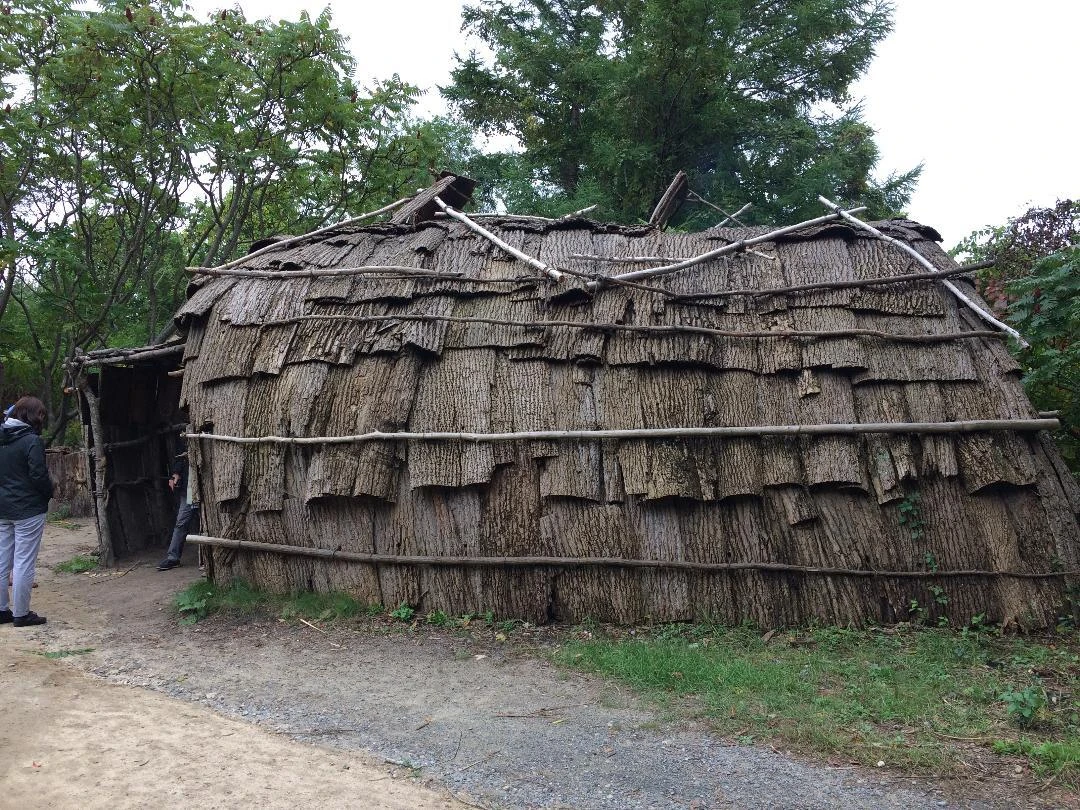
But more important than the cosplaying pilgrims are the Wampanoag people—not actors but tribe members keeping alive ancestors’ practices. Inside a wetu structure, you can hear indigenous stories and feel what it was like to sleep on fur-lined benches. Outside, you can learn about cooking over the open fire. You may be asked to help participate in hollowing out a log by scraping seashells inside, to form a canoe called a mishoon. In the garden, you’ll hear about the “three sisters” symbiotic method of planting three crops together—corn, beans and squash. Cornstalks give beans a structure to climb, while beans return the favor by putting nutrients into the soil. The low-lying squash leaves provide a barrier from the sun, to keep the soil moist and inhibit weeds.
Other things to see at the museum are the replica ship Mayflower II and a working grist mill (you can purchase stone-ground grains to bring home). An excellent gift shop carries items like indigenous games, quahog shells with the Mayflower hand-drawn on them and pottery made at the museum.
Although the museum is fascinating and entertaining to visit, the history here is complex and not always pleasant.
Here’s a quick rundown: Once the pilgrims arrived at Plymouth, they stayed on board the ship in the harbor for another four months to have shelter for the winter while they built their settlement. The Patuxet people helped the English learn how to fish, survive the brutal winter and plant crops once the ground was no longer frozen. They were hoping to form an alliance with the settlers against the Narragansett people because their own numbers had been dramatically reduced by diseases brought by English and French fishing expeditions, while the Narragansett were still thriving. The fishermen came ashore to, among other things, capture indigenous people to bring them to Europe as enslaved people. One such enslaved person was Tisquantum, the man we more commonly know as Squanto, who helped the pilgrims after he escaped and returned to North America in 1619. He arrived only to learn he was the only member of his village who hadn’t died from European-brought plagues. And where his village once stood? The pilgrims built their settlement.
Reading Nathaniel Philbrick’s Mayflower: Voyage, Community, War before coming here helps deepen the experience. It outlines the ways in which the new nation came very close to one in which the indigenous tribes and English settlers could’ve lived together in harmony, if not for a few greedy people. There’s also a version for younger readers called The Mayflower and the Pilgrims’ New World.
Plimoth Patuxet opened for the season in mid-March and is available to visit through the Sunday after Thanksgiving Day. Plymouth Rock is… always there.
Discover Time Out original video