[category]
[title]
The crater lakes at Kelimutu National Park look like a scene from a Sci-fi movie – here's everything you need to know about this surreal natural wonder


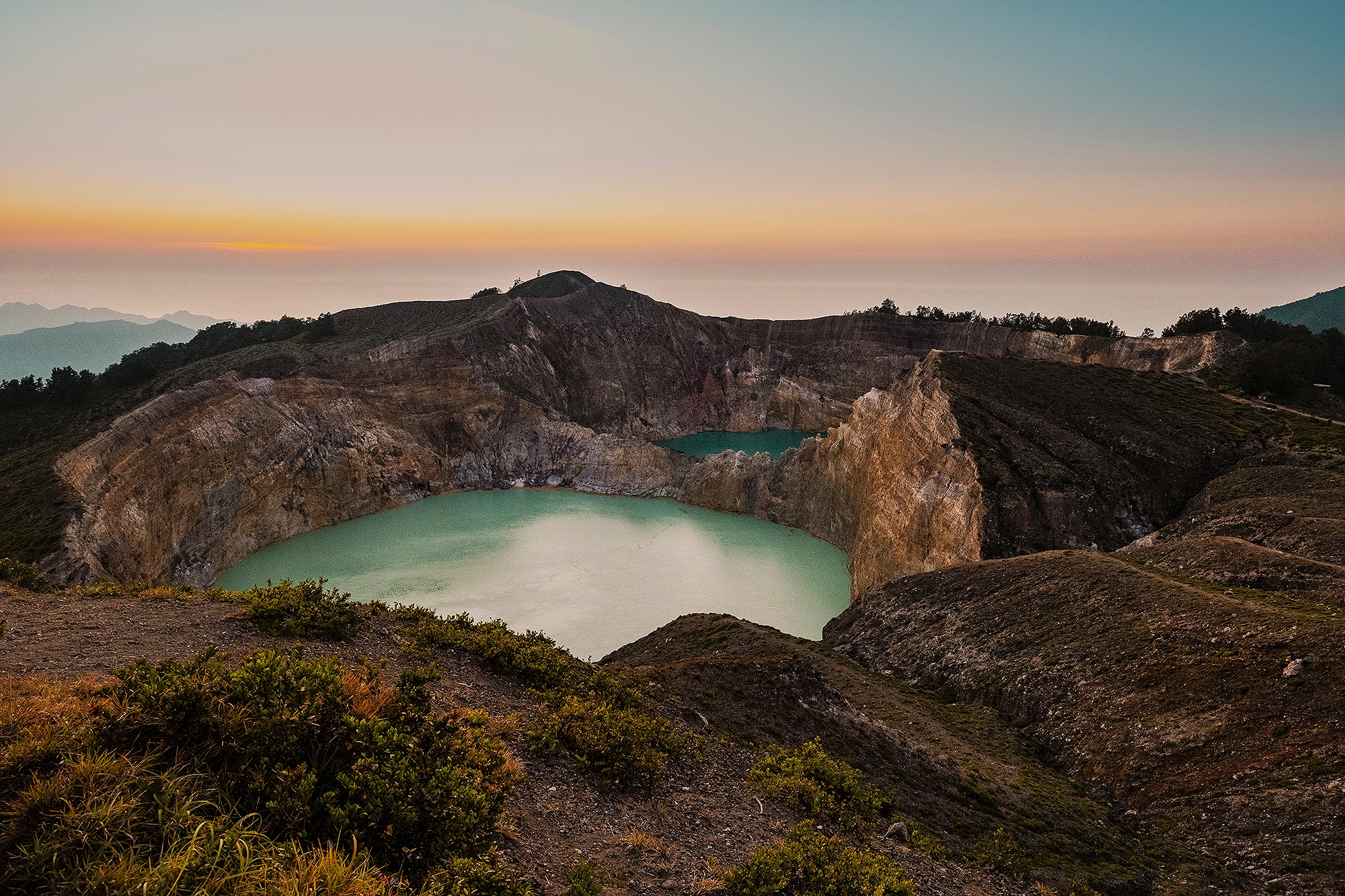
Indonesia is a destination known for its natural wonders: from exceptional surf beaches to dense, tropical rainforests. And if you’re a nature lover planning a visit to this beautiful island nation, we’ve got an otherworldly spot to add to your hit list. High in the misty highlands of Flores, Kelimutu National Park is a pocket of surreal Indonesian magic. This unique tropical park is best known for its trio of crater lakes that shift colours like mood rings – from milky turquoise to inky black to rust-red. Sunrise here isn’t just pretty; it’s borderline spiritual, with clouds parting to reveal a landscape that looks like it’s been plucked from another planet.
Kelimutu National Park sits in central Flores, part of Indonesia’s Lesser Sunda Islands. The park surrounds Mount Kelimutu, a dormant volcano roughly 50 kilometres east of the town of Ende.
Most travellers fly into Ende or Maumere from Bali. From Ende, it’s about a 1.5–2 hour drive to the village of Moni, the main base for visiting the park. From Moni, it’s an early morning dash (usually by car or motorbike) up to the trailhead, followed by a short walk to the crater viewpoints.
In a word: surreal. Think cool mountain air, dense forest and a quietly mystical atmosphere. Unlike Indonesia’s busier icons, Kelimutu is relatively low-key and intimate. The park is compact, easy to navigate and wrapped in a sense of local legend – the lakes are believed to be resting places for departed souls, each with its own spiritual meaning.
The headline act is the three colour-changing crater lakes atop Mount Kelimutu: Tiwu Ata Mbupu (Lake of the Elders), Tiwu Nuwa Muri Koo Fai (Lake of Young Men and Maidens) and Tiwu Ata Polo (Enchanted Lake). Their colours shift unpredictably due to mineral reactions – a natural phenomenon that makes every visit slightly different. Beyond the lakes, you’ll find panoramic volcanic views, endemic flora and fauna, and sweeping vistas over the surrounding highlands.
The dry season (roughly May to September) offers the clearest skies and best sunrise conditions. Aim to arrive before dawn – not just for the cooler temperatures, but for that cinematic moment when the first light hits the lakes and reveals their colours in full drama. Avoid peak rainy months (December to February), when cloud cover can obscure the views.
Have you heard? These are the best spring travel destinations in Asia 2026
Plus: The world’s tallest tropical tree is right here in Asia
Stay in the loop: sign up for our free Time Out Asia newsletter for the best travel inspiration straight to your inbox.
Discover Time Out original video