
[image]
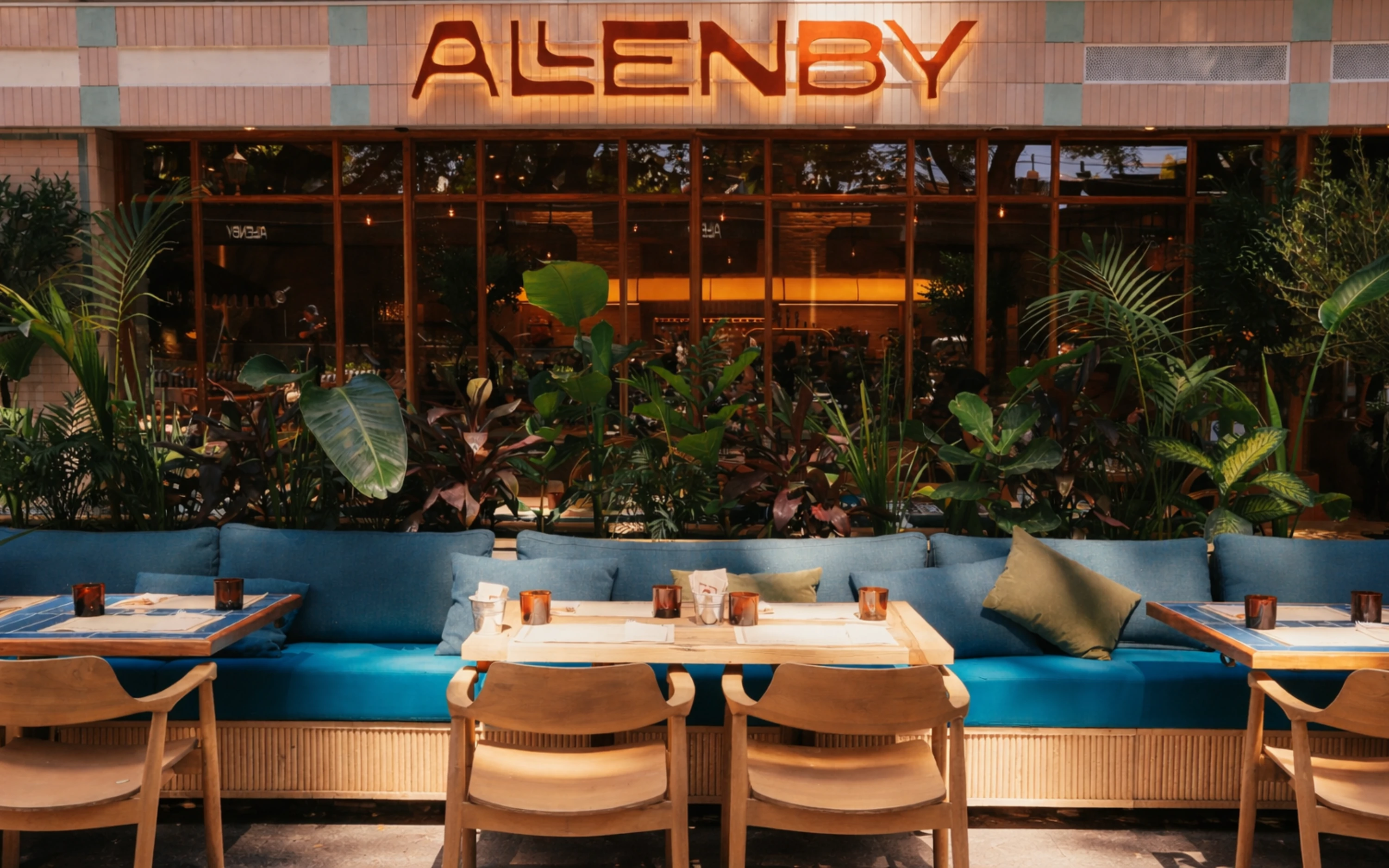
[title]We visited Allenby, a new restaurant at Village Recoleta that sets out to explore Eastern Mediterranean cuisine, drawing inspiration from the culinary traditions of Israel, Morocco, Turkey, and Greece.
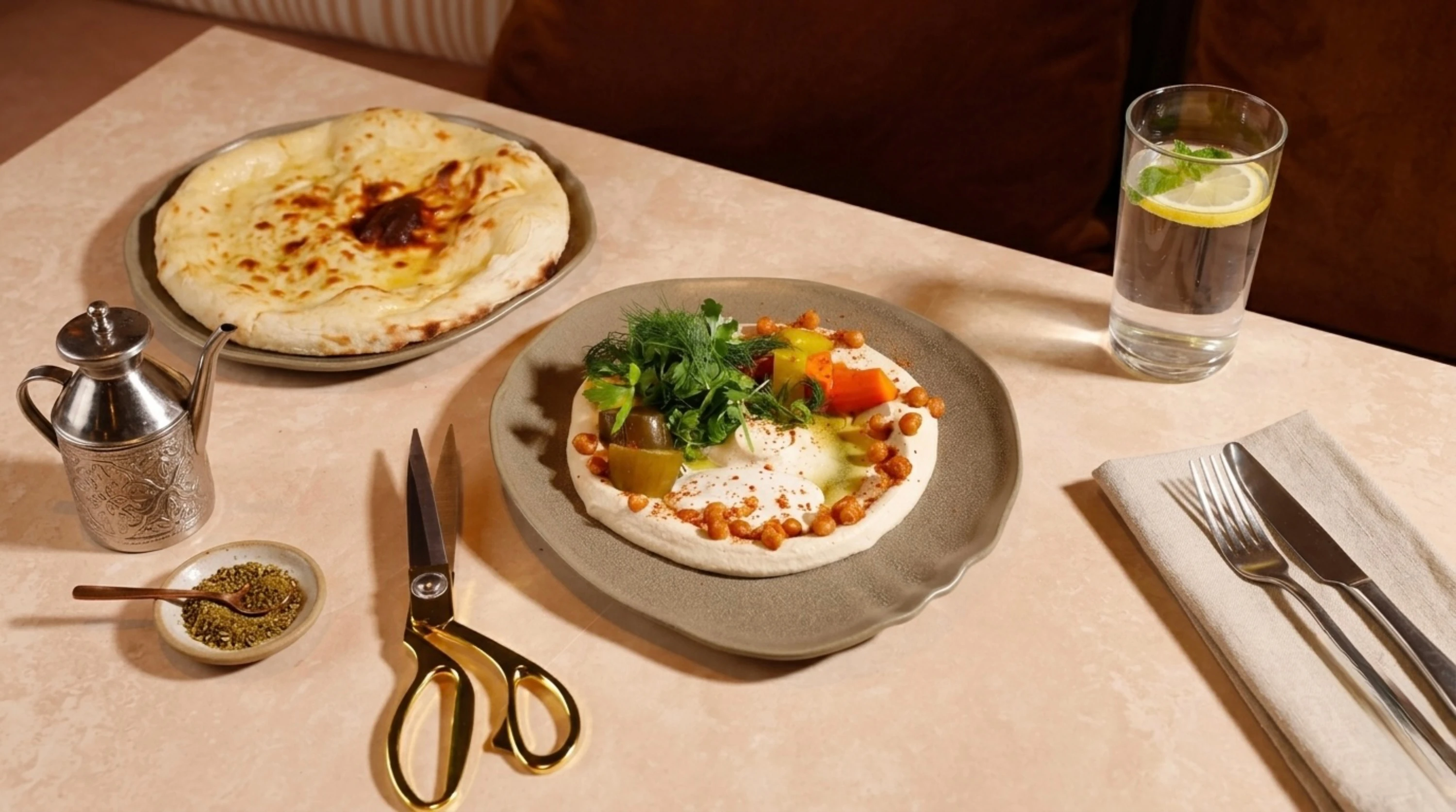
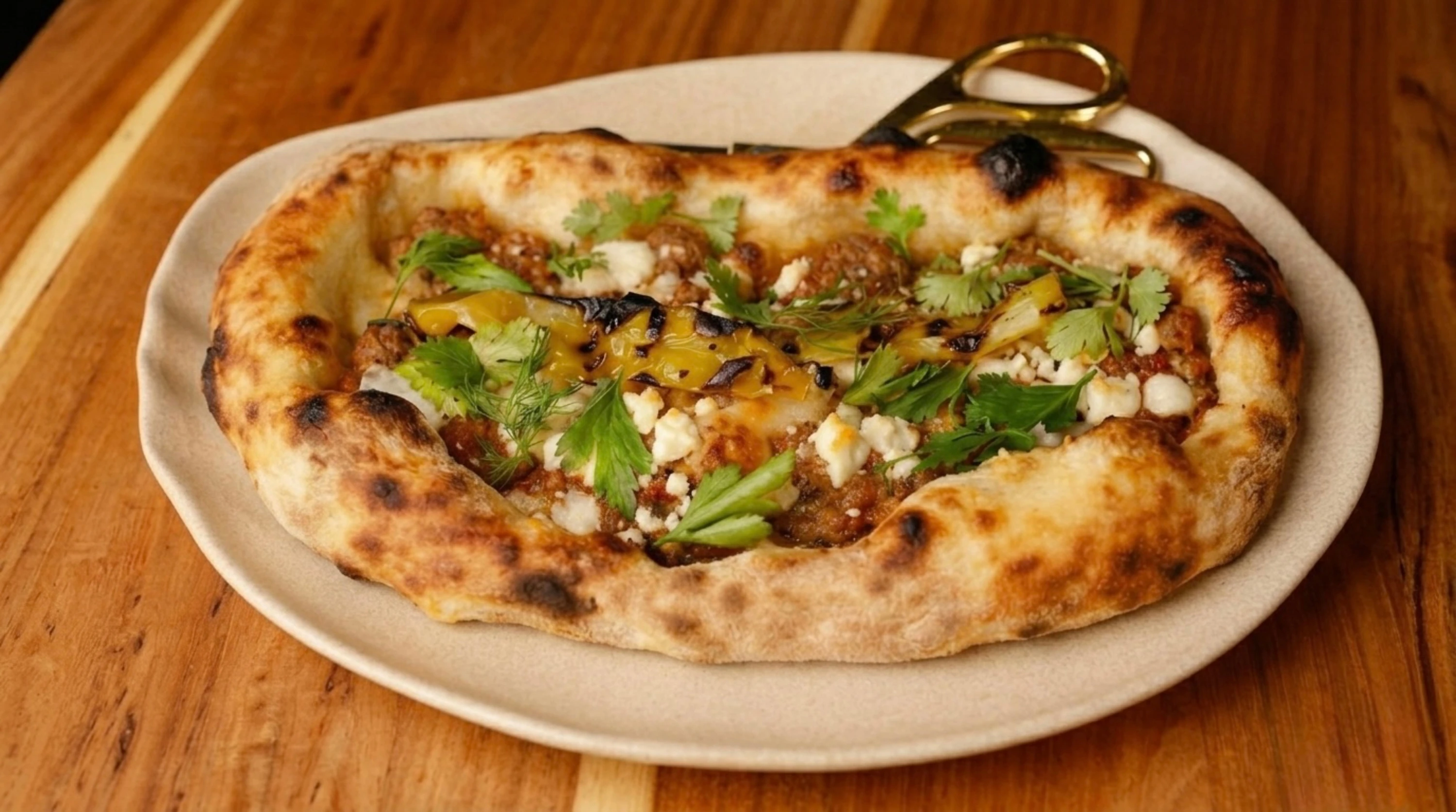
We kicked off the evening with one of the house essentials: hummus. Creamy, generous, and perfect for sharing, it comes with complimentary sesame-seed bagel bread. Guests can also order it with laffa, a traditional Iraqi flatbread that is baked here in a wood-fired Neapolitan-style digital oven and cut at the table with scissors. Those avoiding gluten can opt for a lentil cracker instead.
Before diving into the hummus, it’s worth dipping the bread into olive oil seasoned with za’atar, a fragrant spice blend with herbal, toasted, and slightly tangy notes made from thyme, marjoram, and sumac—a dried berry that adds a citrusy flavor.
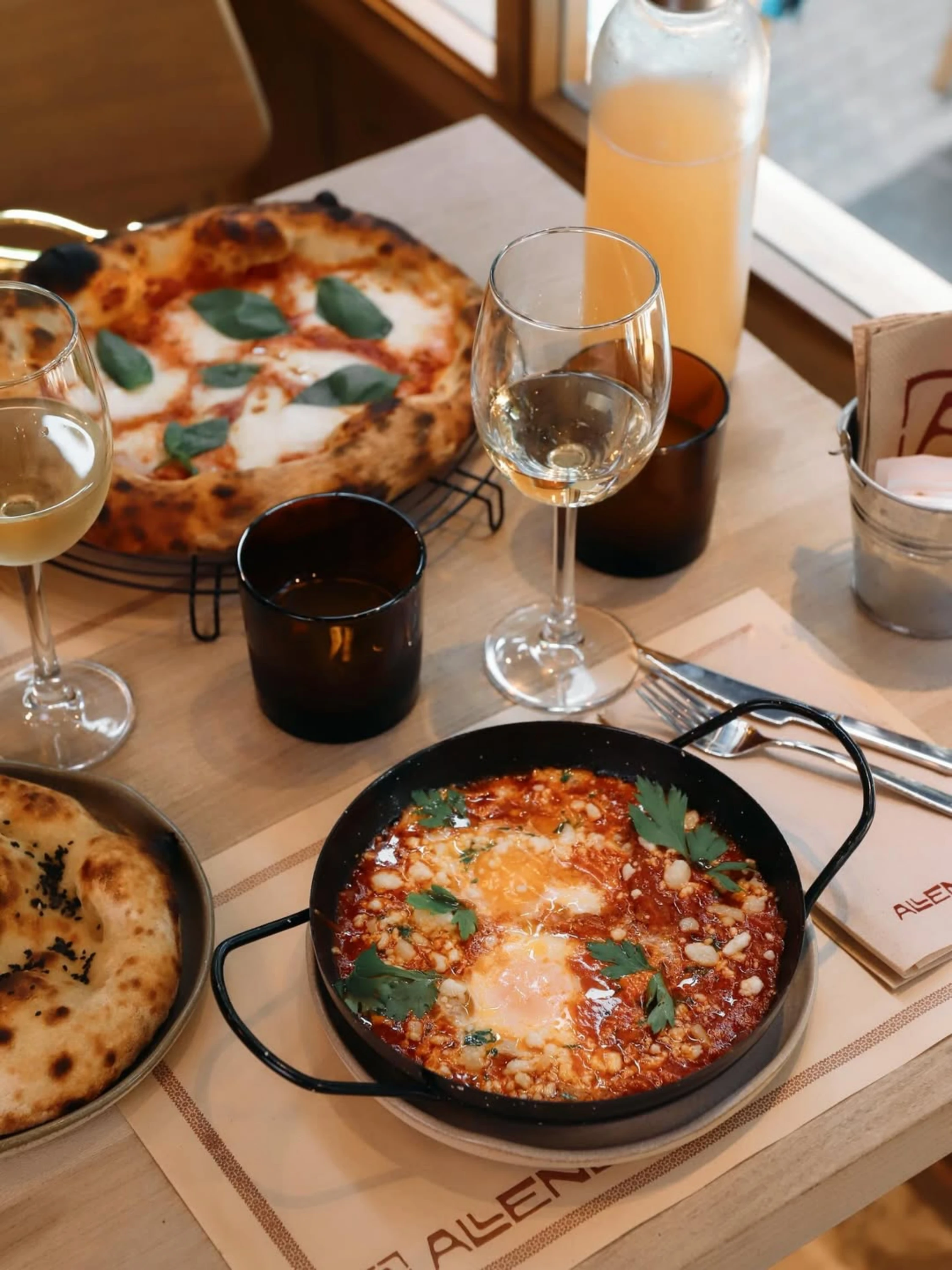
Next came the shakshuka with feta cheese, a dish that encapsulates centuries of culinary exchange across the Eastern Mediterranean, where tomatoes, eggs, olive oil, and sheep’s milk cheeses have long shared the same gastronomic tradition.
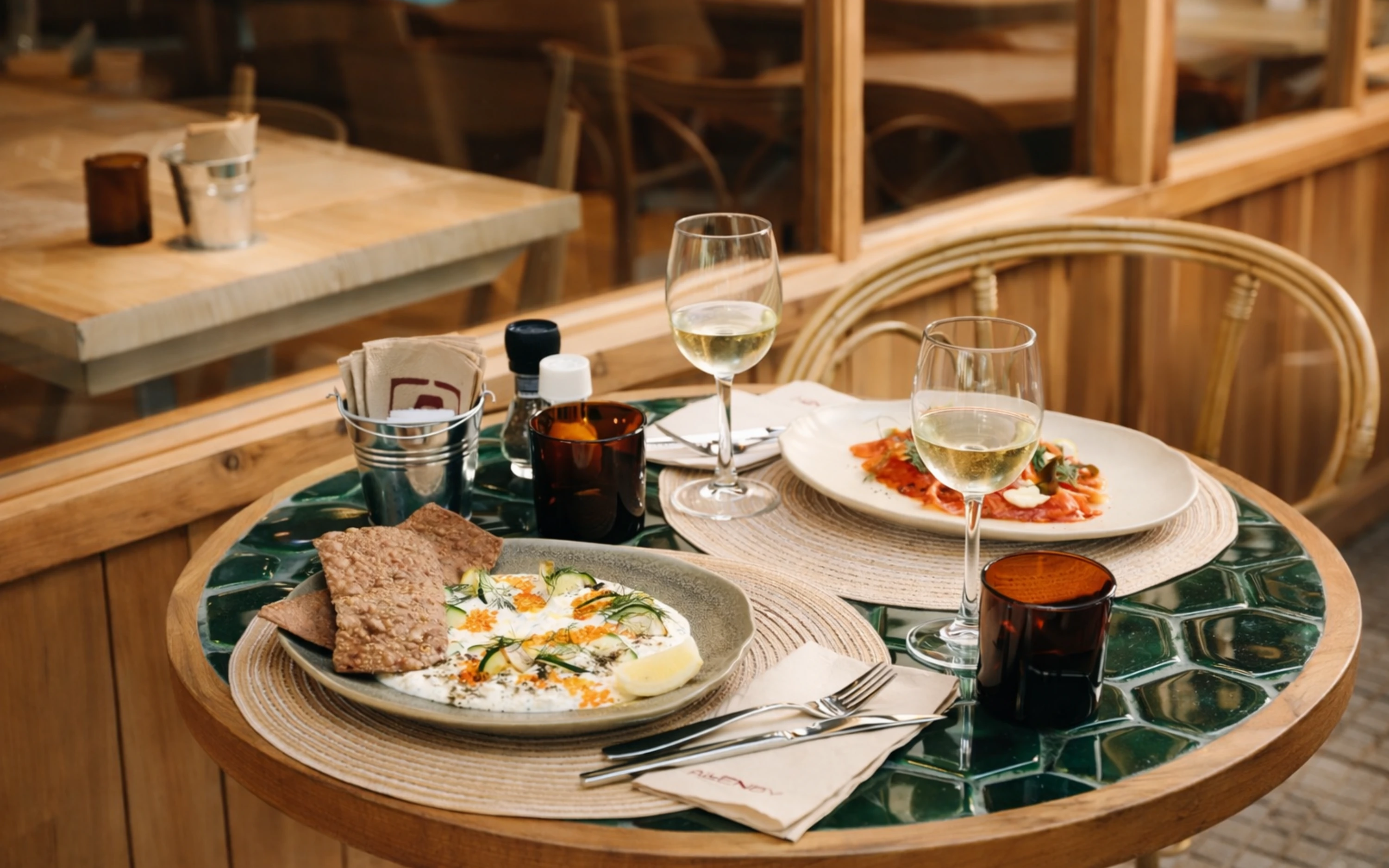
Among the main courses, the stars are the sandwiches and spice-rubbed meats. The pastrami is the crowd favorite: when ordered “al Josper”—named after the oven-grill hybrid in which it is cooked—it is served with crispy potatoes, roasted apples, onions, and mustard sauce.
You may also like: Where to Try Middle Eastern Flavors in Buenos Aires
For many diners, the spiced chicken and lamb are the top choices. The lamb comes with a fresh Israeli-style cucumber salsa, while the chicken is served alongside Moroccan rice, pickles, and hummus. In both dishes, the grill’s fire enhances the aromas and seasonings, resulting in bold, straightforward flavors.
The menu also features options such as the Allenby Turkish Burger (double lamb smash patties with cheddar, pickles, tzatziki, and spiced ketchup), wood-fired pizzas inspired by Eastern Mediterranean traditions, and larger-format dishes like the lamb shank, slow-cooked for an impressive eight hours and served with bulgur wheat and Persian gremolata.
Other offerings include moussaka; the Allenby Labneh with feta cheese, trout roe, and cucumber; burrata with pomegranate and babaganoush; and a melon aguachile with baby squid and shrimp.
You may also like: We Tried It: Chuí, the Villa Crespo Spot Reinventing Wood-Fired Cooking
Toasts and Sweet Endings
The beverage program deserves special mention. The restaurant makes several varieties of kombucha, including versions with tonic water, jasmine tea, and raspberry-hibiscus tea. The standout, however, is the Energy kombucha with passion fruit—refreshing and perfectly balanced between sweetness and acidity. We also sampled a non-alcoholic cocktail made with pomegranate and lemon juices that paired beautifully with the meal.
As the evening came to a close, the dessert menu arrived. Highlights include the Allenby flan, mixed berry pavlova, pistachio ice cream profiteroles, financier cake, assorted chocolate mousses, and house-made ice creams. We opted for two classics from the region’s culinary repertoire: a baklava with crisp, syrup-soaked layers, and a yogurt ice cream topped with pomegranate and delicate jasmine crisps. It was a fresh and elegant ending to a dining experience that invites guests to travel through the flavors of the Eastern Mediterranean without leaving Buenos Aires.
You may also like: We Tried It: Casa Cavia, a Multisensory Dining Experience
A Bridge Between Cultures
Allenby’s kitchen is led by an experienced team: Gastón Caretti, Martín Bologovitz, and executive chef Alejo Waisman. Together with Martín and Tomás Waisman, Alejo is a founding partner behind restaurants such as El Burladero, Fervor, Sottovoce, Il Quotidiano, and La Taberna, his first project in Lomas de Zamora.
Why the name Allenby? It comes from the Allenby Bridge, which spans the Jordan River and connects Jericho in the West Bank with Jordan. Originally built in 1918 by British General Edmund Allenby on the remains of an Ottoman-era bridge, it also serves as the designated crossing point for Palestinians living in the West Bank who travel to Jordan and Israel.
The name reflects the restaurant’s mission: creating connections through language, food, and culture across the entire Mediterranean—not just the region’s most familiar culinary traditions.