

[image]
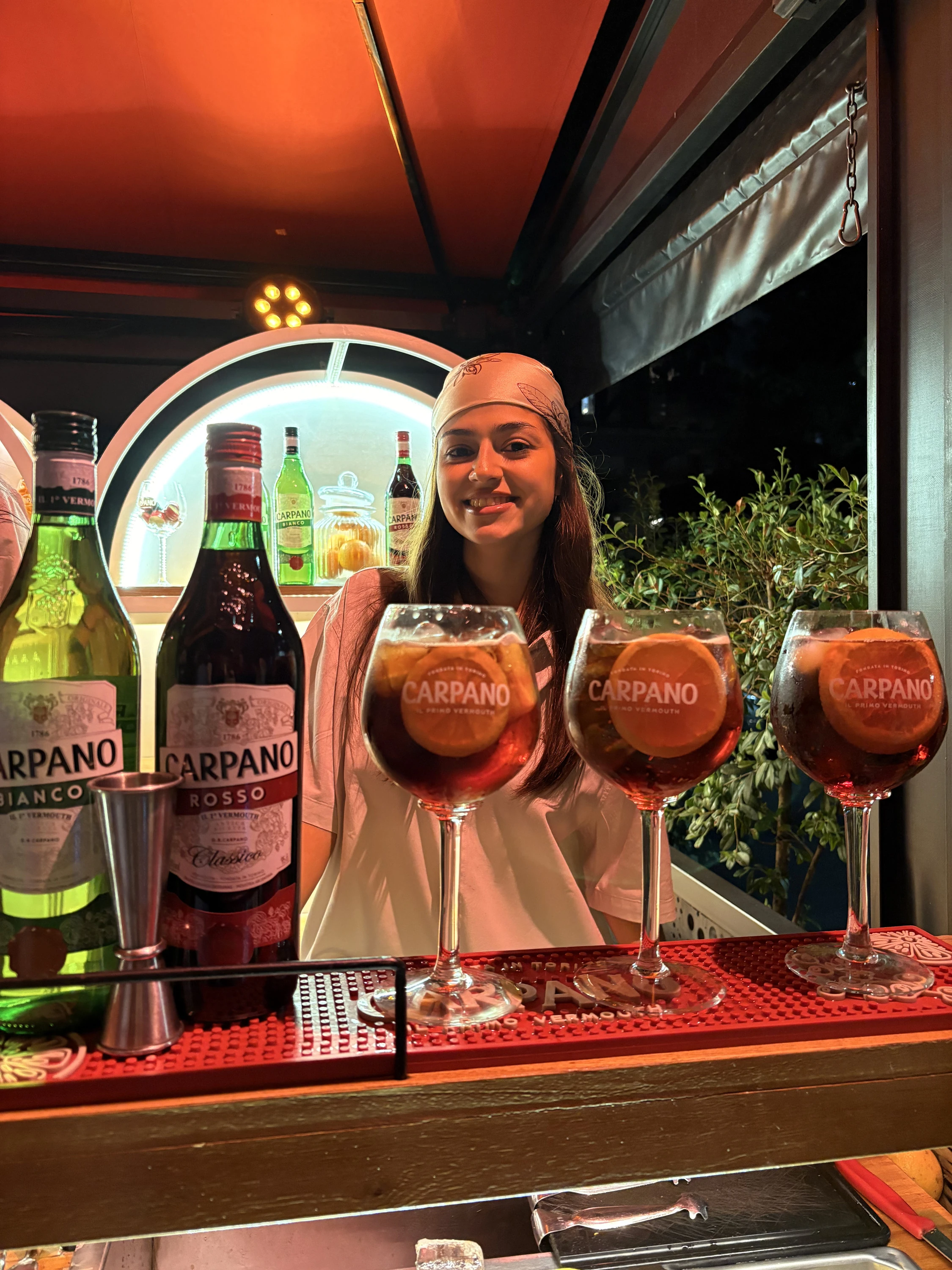
[title]The gathering took place on Saturday the 7th at Malasangre, one of the bars that best represents the vermouth movement that has been growing in Buenos Aires. On that corner of Crámer, a small gastronomic hub that keeps gaining popularity, one of the first dates of Carpano Weekends took place — the series with which the historic brand celebrates the month of vermouth throughout March.
After consolidating Carpano Week over four editions as an urban ritual and a milestone on the local calendar, the brand is taking it a step further. For its fifth edition, the celebration expands across the entire month: attractive plans to enjoy, unique dishes, live music and the best vermouth will shape a federal route of experiences.
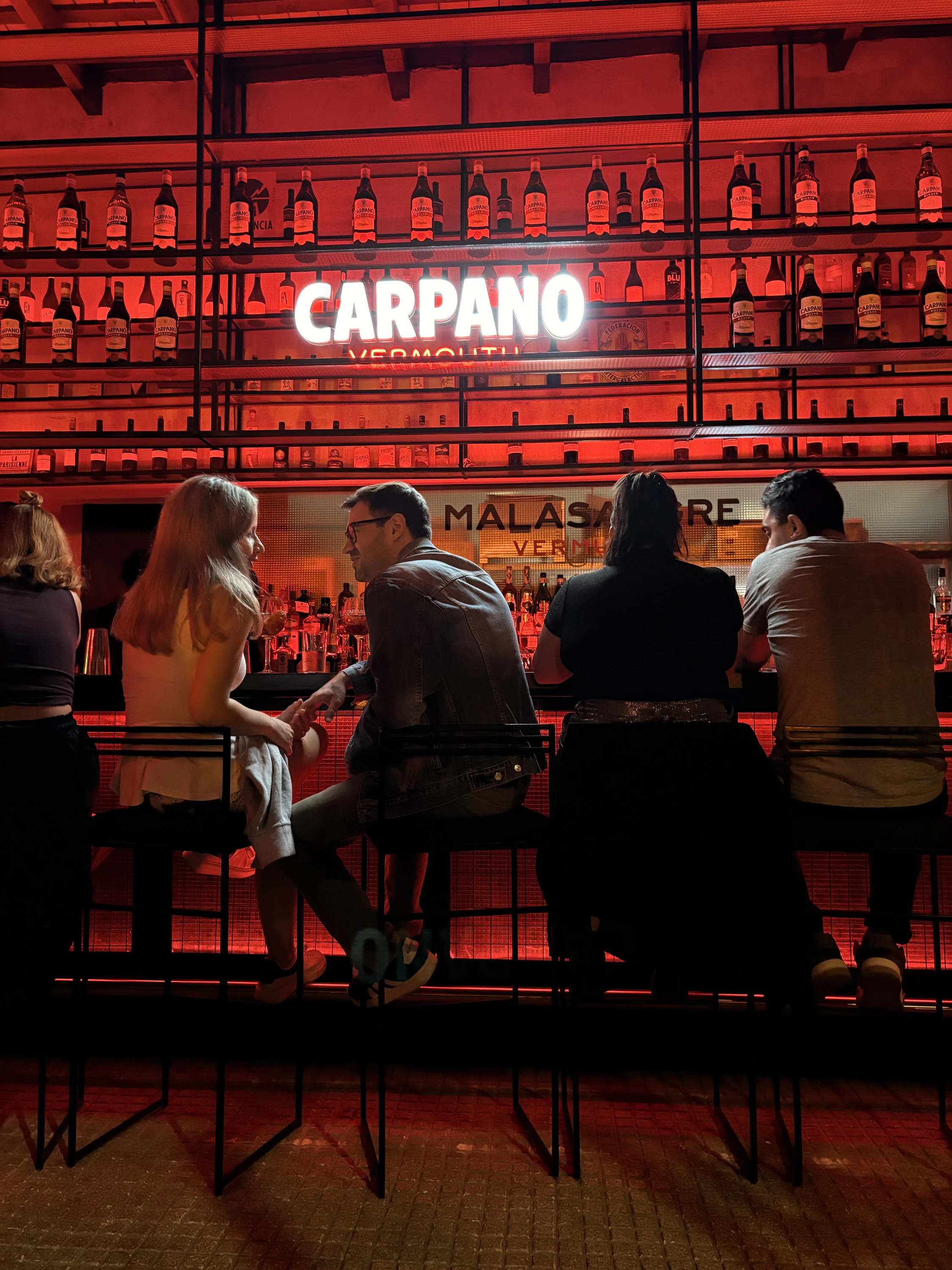
A tradition that turns 240 years old
Behind this celebration there is both a story and a name. In 1786, Antonio Benedetto Carpano created the first vermouth in Turin, and to commemorate this tradition — which turns 240 years old — the brand decided to transform the anniversary into an agenda that spans the entire month of March. Carpano Weekends is organized into eleven immersive experiences that combine cocktails, gastronomy and live music, spread across Fridays and Saturdays in different venues throughout the country. In addition, there will be actions and promotions in more than 100 bars to create even more spaces for vermouth lovers to enjoy the category. The proposal works as a route to discover spaces, chefs and music around vermouth.
The main differentiating feature of this edition will be a series of gastronomic takeovers: renowned regional chefs take over each bar’s kitchen for one night, creating dishes designed to pair with vermouth, while musicians, DJs and live bands set the rhythm for the evening.
You might also like: The Vermouth Ritual: More Than a Drink, a Foodie Experience
On Saturday the 7th, Malasangre’s kitchen welcomed Lucas Canga, the well-known chef behind projects such as Piedra Pasillo, Mad Pasta and Garabato Bistro. The chef created three dishes especially for that night, all designed with vermouth in mind. The “Mad & Cheese” croquette, one of the dishes already part of his repertoire, appeared with a harissa base made of peppers and tomato — ideal to pair with rosso vermouth. There was also a lamb terrine with a nod to French cuisine. The third small plate was a tuile (a very thin, crisp and light cookie) inspired by a preparation from Piedra Pasillo, adding another reference to his culinary trajectory.
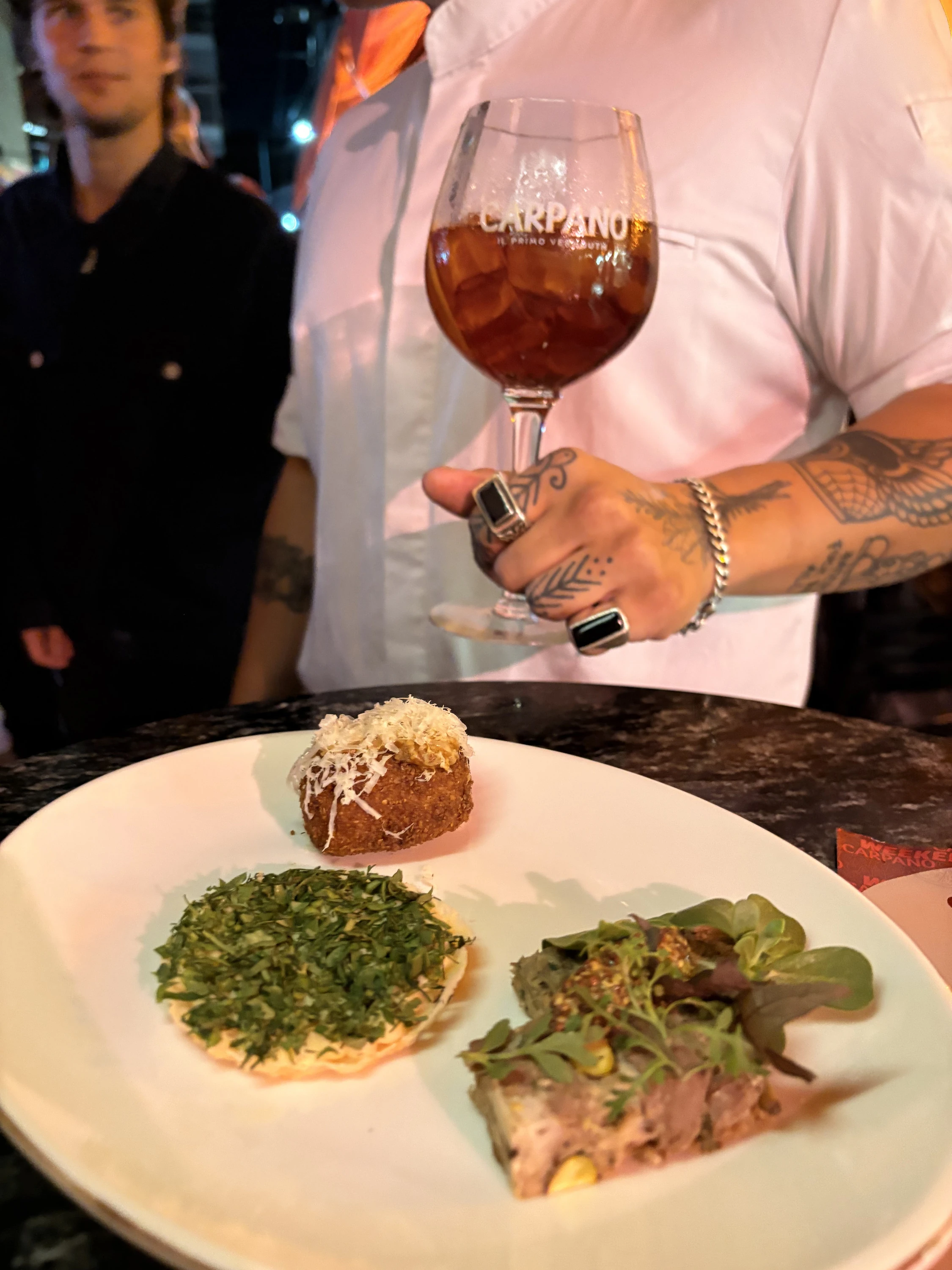
For Canga, the interest in participating in an event like Carpano Weekends has to do with the place vermouth has regained at the table and in social life. “It’s a drink that goes with almost any moment,” the chef said. “You can drink it with soda to start the night, continue with food and then order another glass with ice later on.”
That present moment of vermouth is also reflected in the perspective of Juan Luciani, brand ambassador for Carpano. During the night at Malasangre — while the sidewalk filled with people coming in and out of the bar and large goblets circulated from table to table — the bartender explained that part of the recent growth of the category has to do with a more curious and informed consumer.
“Today people know more,” he said. “Before, they would simply order vermouth. Now many people know the difference between rosso and bianco and understand that it’s not only about the color, but also about the botanicals that give it flavor.”
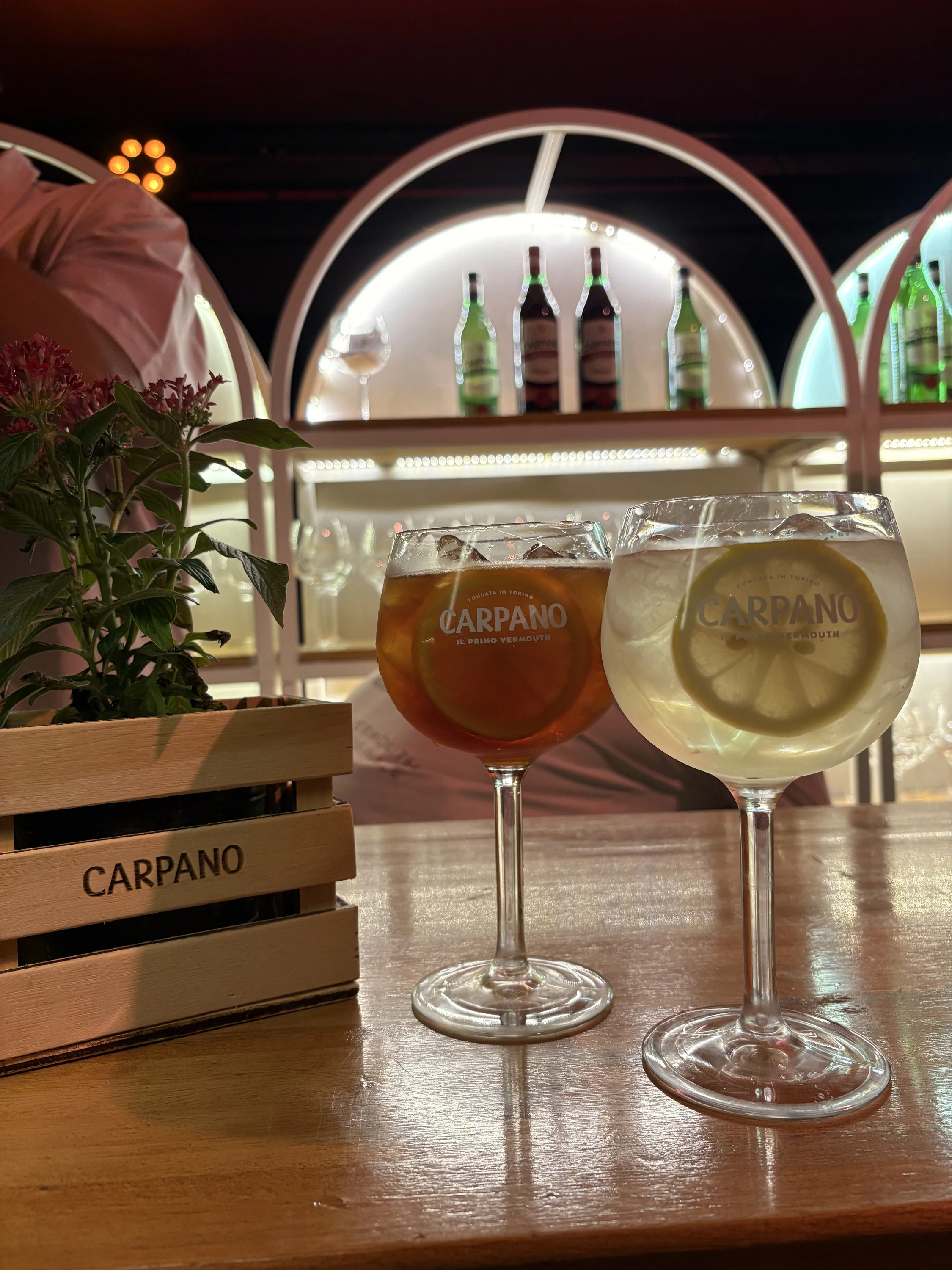
For Luciani, that multiplicity of ways of drinking it is precisely one of the reasons vermouth has regained a central place behind the bar.
“There isn’t just one correct way to drink it,” he suggested. “And that makes it very adaptable to different generations and moments of the night.”
Music ultimately completed the atmosphere of the gathering. After a DJ set by Sigal that warmed up the mood and gradually brought more people onto the sidewalk, it was time for Isla de Caras, who performed in front of an audience that slowly gathered around the space set up for the show. “Playing in a bar has a different dynamic,” the musicians agreed before taking the stage. “It’s a more intimate space, where you’re much closer to the people.” That closeness changes the rhythm of the concert: there is no distance between stage and audience, and the exchange becomes much more direct.
A triumphant comeback among younger generations
The members of the band also describe themselves as loyal vermouth lovers and celebrate the place the drink has regained among younger generations. At Malasangre, that mix of audiences was evident, and vermouth became part of the rhythm of the night, circulating among groups of friends, couples and curious passersby who approached the bar attracted by the buzz of the corner.
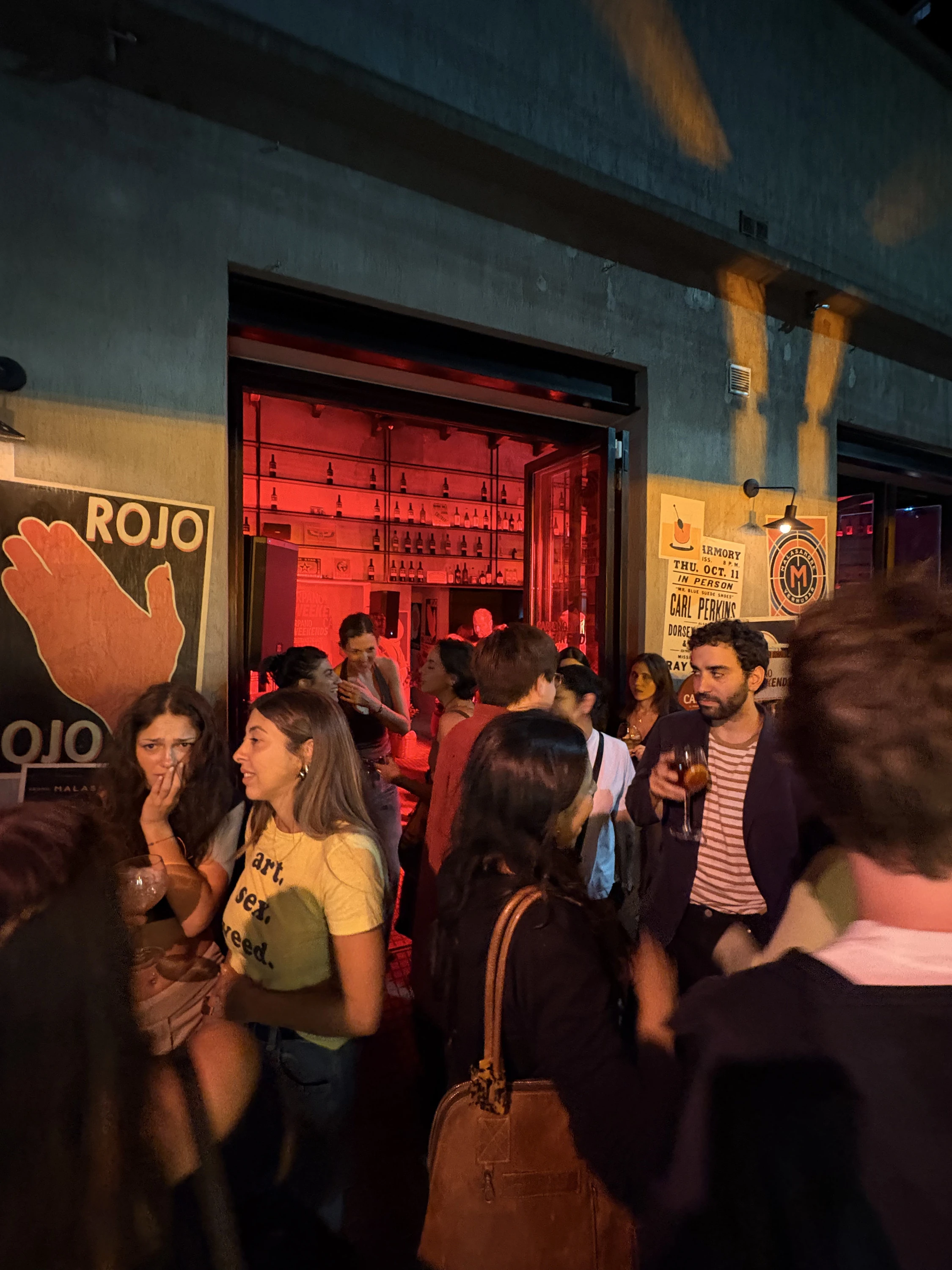
The event that took over the busiest corner was only one of the first stops of Carpano Weekends, whose debut stop took place on Friday the 6th at Garito Loyola, with Germán Sitz in the kitchen and Blair on the microphone. The agenda continues throughout all Fridays and Saturdays in March with bars in different cities. In Buenos Aires, the circuit continues at Isla Flotante, where Micaela Najmanovich’s cuisine meets the music of Dobao and Tade Fonk; at Café Mar del Plata, with Proyecto Pescado in the kitchen and a shared set by Pato Mallet and Isa Mammes; and also at El Aperitivo, Tomate in the Rosedal and Paquito, which complete the Buenos Aires route. Dates and times can be consulted online.
The federal vermouth route
But the series also goes beyond the city. Rosario will host its stop at Los Jardines, while Mendoza will add a night at Isidris, with Sebastián Weigandt in the kitchen and music by Batos. In Córdoba, the event will take place at Los Aroza, in Villa Allende, with Javier Rodríguez in charge of the dishes and the band Hipnótica performing live, replicating that same intersection between cuisine, music and vermouth that defines the spirit of the proposal.
More than a series of isolated events, the initiative works as a kind of contemporary map of vermouth: promotions and discounts in more than 100 bars across the country, venues that open up to the street, chefs creating unique dishes to accompany it, and musicians turning these gatherings into something more than a simple night out. What happened at Malasangre was a perfect synthesis of that idea. The night flowed around the drink that was born more than two centuries ago in Turin — and that today has found its place in the nightlife of Buenos Aires.