

[image]
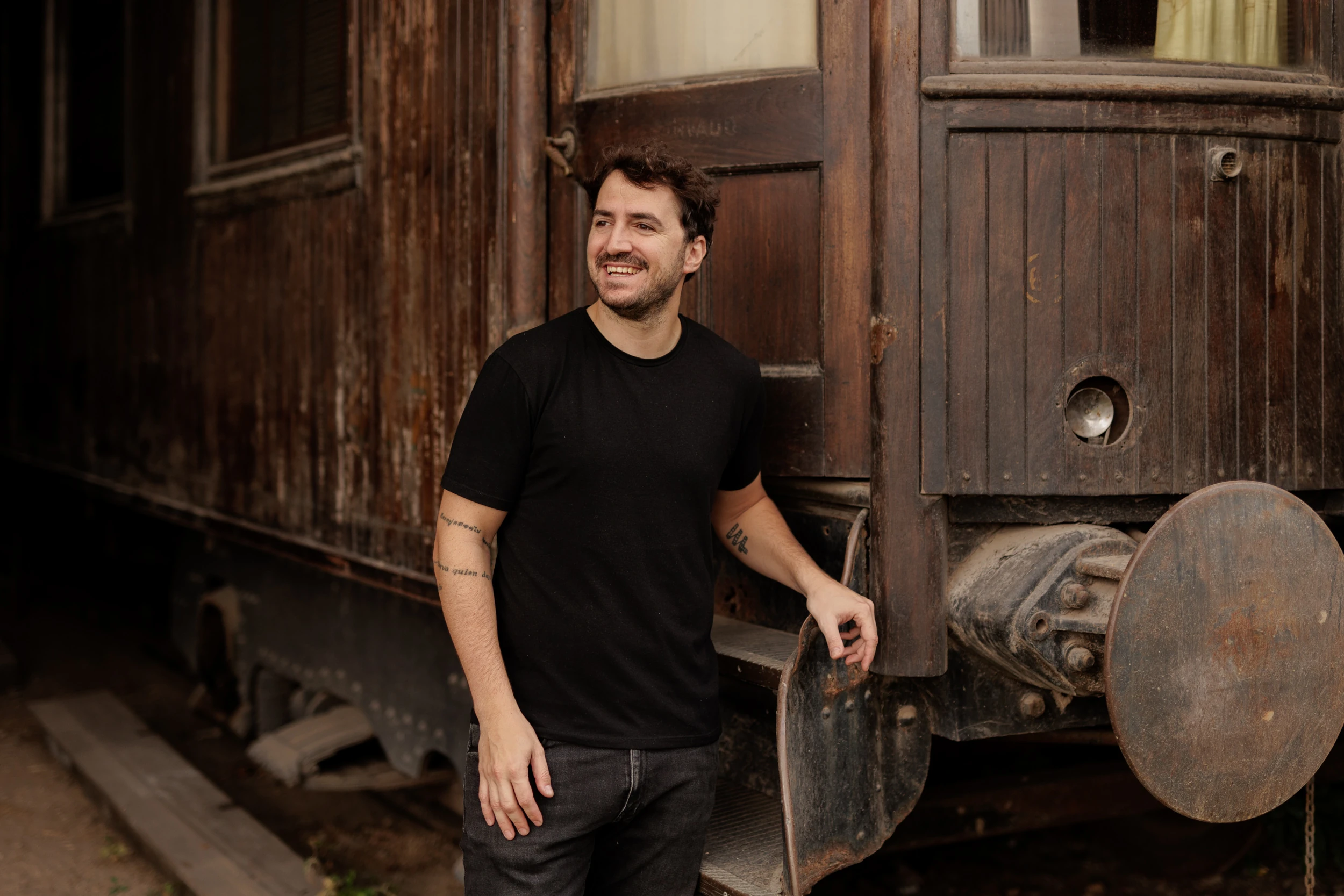
[title]In today’s dining scene, it’s hard to talk about Buenos Aires identity and a return to classic cuisine without drawing skeptical looks. Chuchú, the new venture by Facundo Kelemen—also the chef behind Mengano—boldly steps into that territory, and it has plenty of reasons to back up its claim.
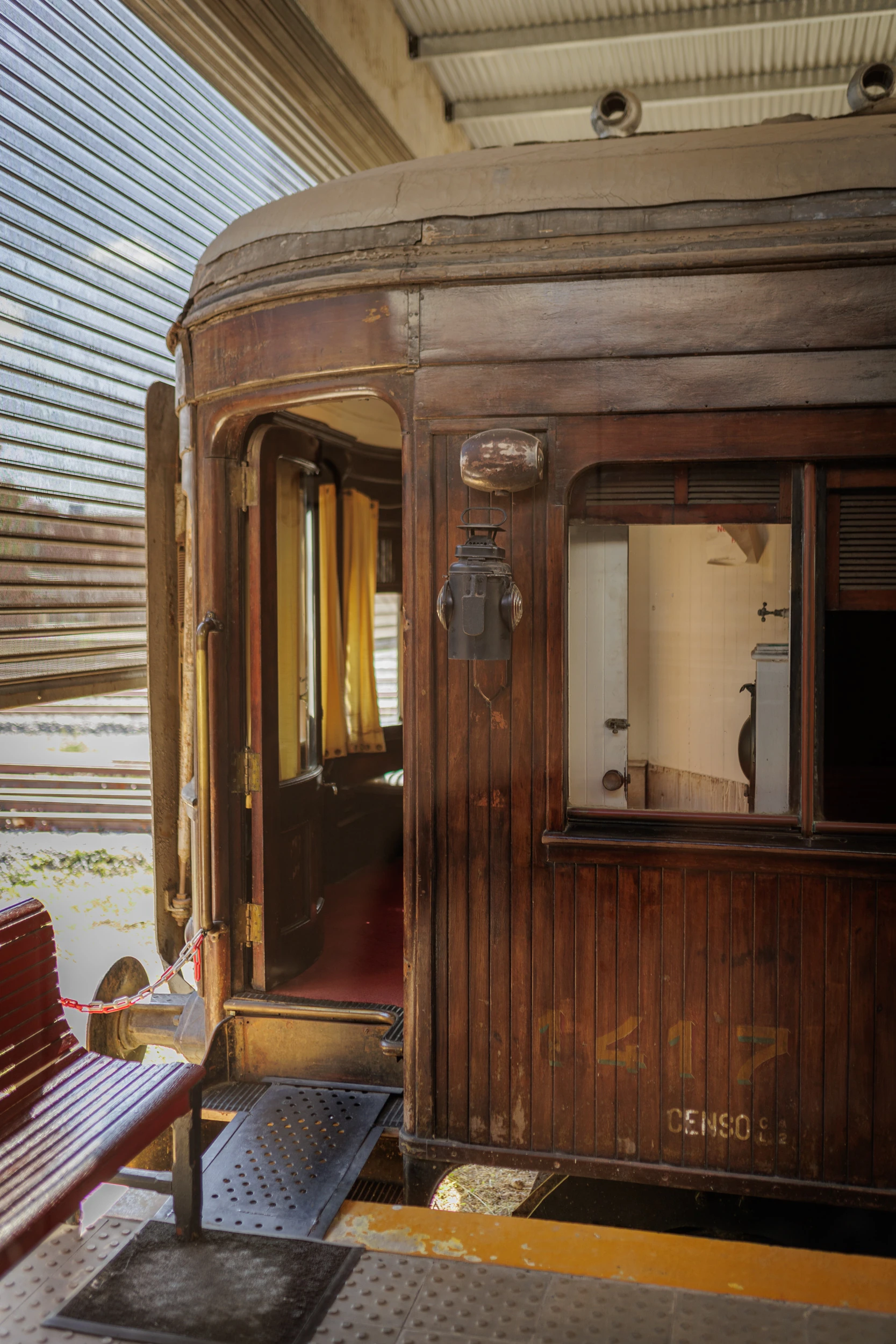
Let’s start with the location. Chuchú sits next to the National Railway Museum and, as its playful name suggests, flirts with the world of trains—a symbol of Argentina a century ago, when much of the country was connected by rail.
Dig a little deeper and the concept becomes even clearer. Chuchú is located in Retiro, on Avenida del Libertador, just steps from Plaza San Martín, the iconic Kavanagh Building, and the elegant Arroyo Street. That choice alone says a lot. This is not Chacarita, Colegiales, or Palermo—where Mengano is located. But what truly establishes Chuchú as a classic Buenos Aires restaurant are its flavors and the design of its menu.
Also of interest: 5 Charming Historic House Restaurants in Buenos Aires
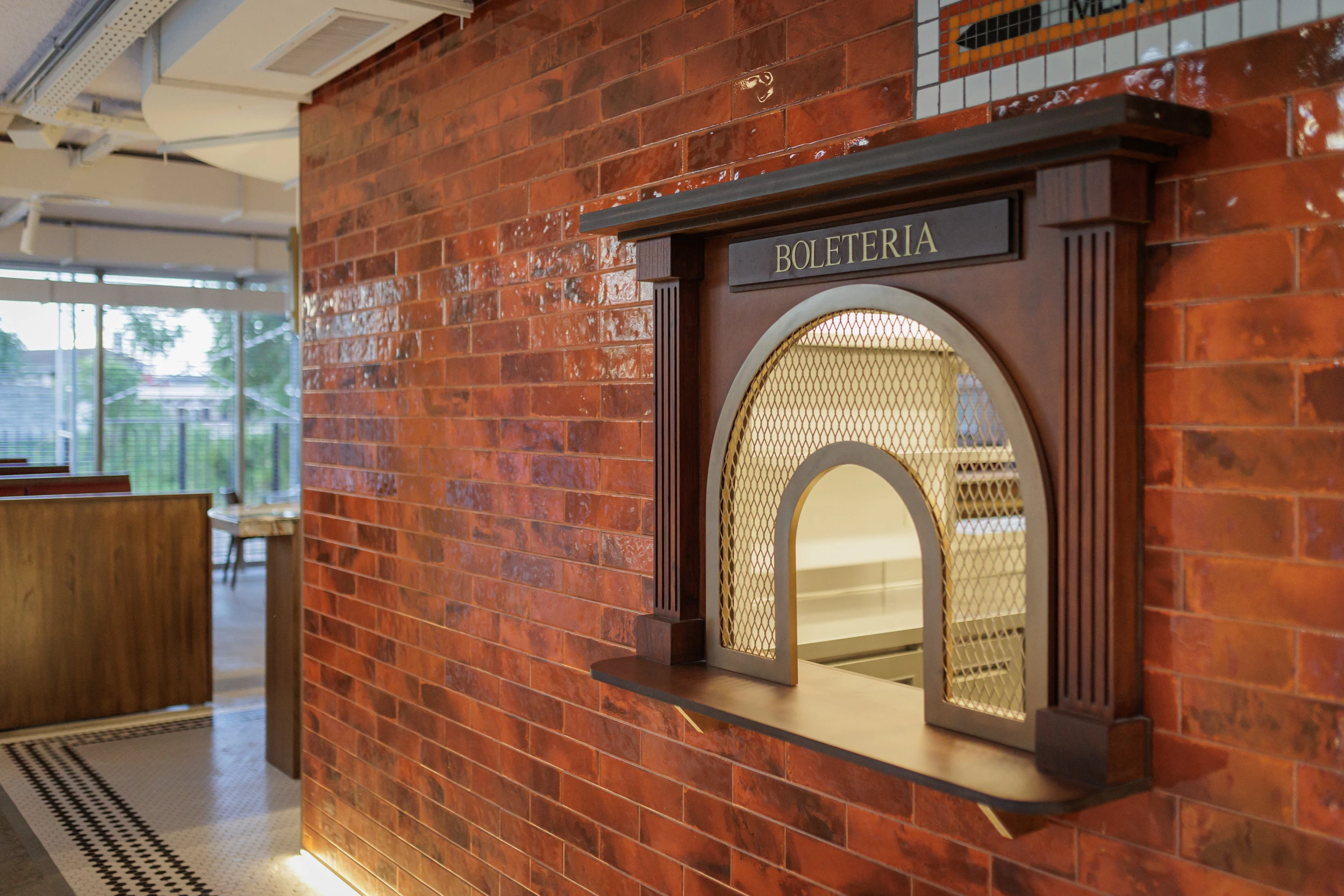
At Chuchú, railway references are woven into the architecture and design. As soon as you step inside, you’ll spot a replica of the wooden-and-bronze ticket window from an old train station, through which diners can peek into the kitchen. Beside it sits a traditional wooden station bench and an original railway token system device—known as a “staff”—once used to coordinate train traffic and prevent collisions.
The interior, designed by architect Romina Santiso, offers views of Mitre Railway trains arriving at and departing from Retiro in the distance. Even closer, from the comfortable booths, guests can admire two original railway cars from the 1930s that belong to the museum next door. The motif extends throughout the space: even the frieze of the large marble bar facing the kitchen is inspired by rails and sleepers, a recurring theme that appears all the way down to the tableware.
From the appetizers, the restaurant begins its dialogue with classic porteño cuisine. If Kelemen’s work at Mengano involved reinterpreting and deconstructing traditional dishes, here he does the opposite—bringing them back together without sacrificing technique or thoughtful twists.
The starters include garlic shrimp with tomato bread, fried calamari with squid-ink aioli, and beef carpaccio with tapenade and watercress, a leafy green that was once a staple on local tables.
Also of interest: 10 gastro projects revitalizing downtown Buenos Aires
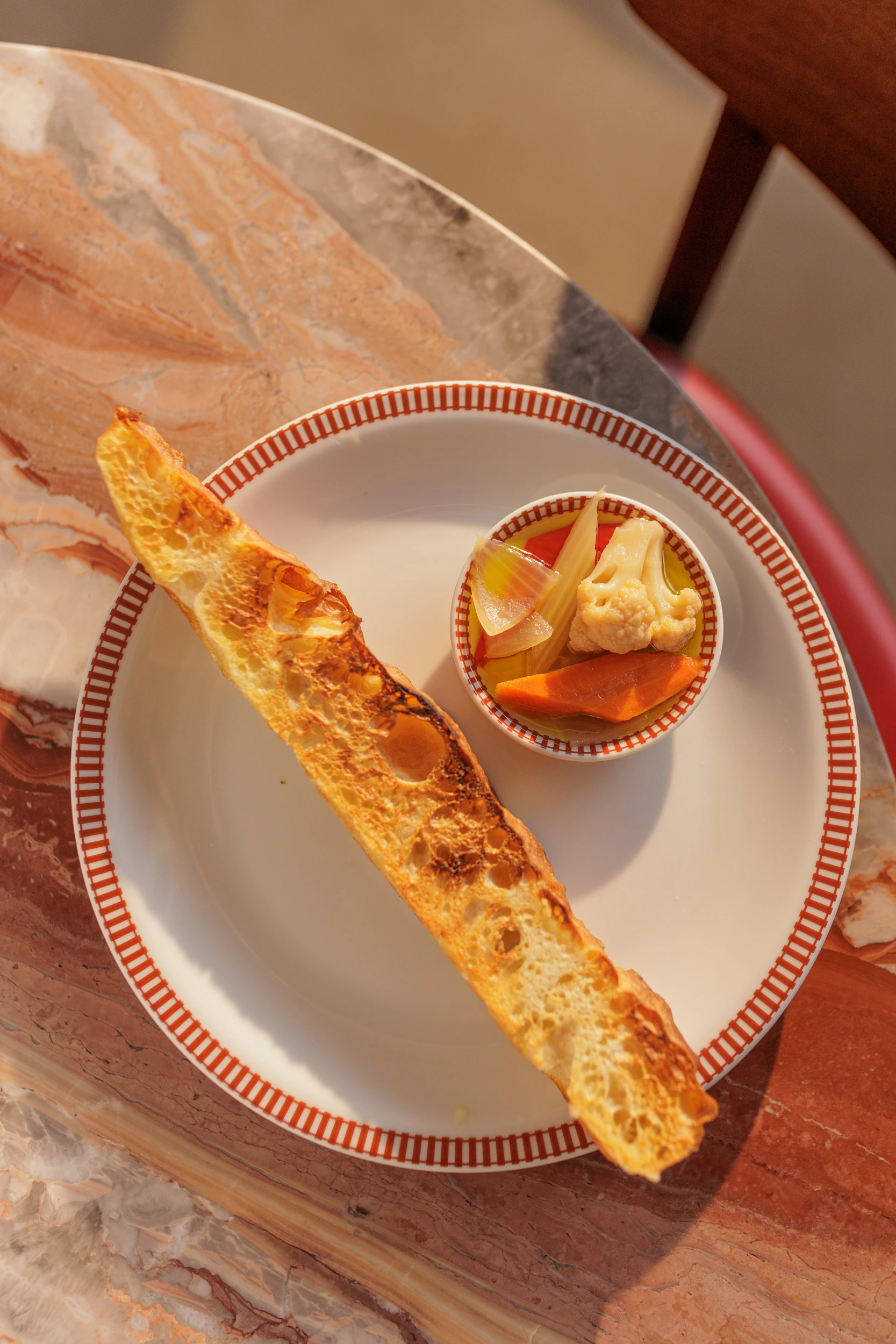
We opted for a dish that was everywhere a few years ago but is increasingly difficult to find today: fried polenta. It arrives perfectly crispy on the outside and creamy inside, topped with serrano ham and gremolata. Alongside it came an equally crunchy focaccia served with a cauliflower, carrot, and onion giardiniera.
The main courses move from subtle nods to full-fledged reinterpretations of Buenos Aires culinary staples. There’s mushroom chicken, mustard-glazed pork in the form of a Duroc pork T-bone, and the inevitable milanesas—both chicken and ribeye—with an optional Neapolitan-style topping.
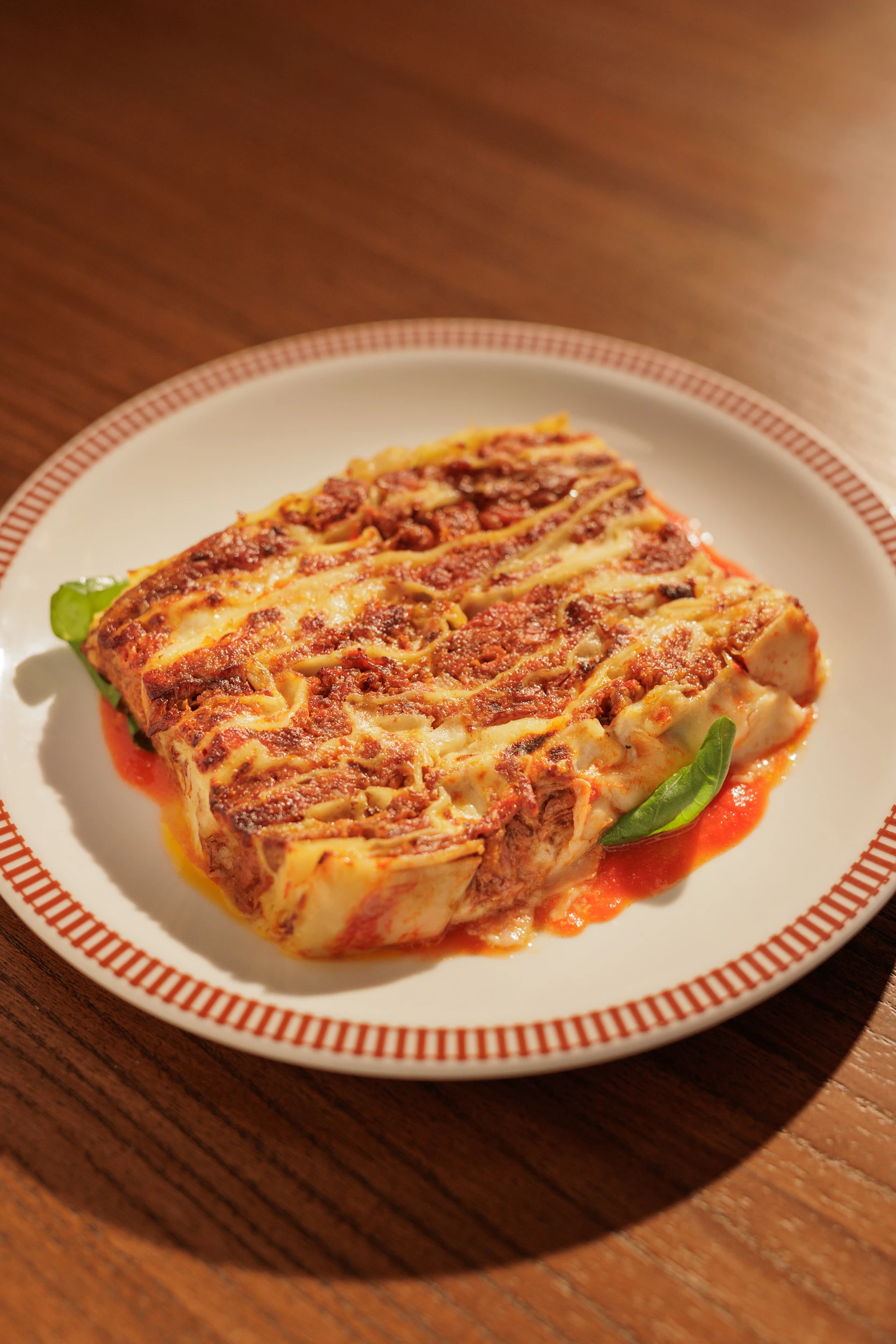
Pasta lovers are also well catered for. There are fusilli with pesto and tomato sauce for those who prefer pasta without filling, and prawn rigatoni enriched with butter made from the shrimp heads for those seeking something richer. We chose the lasagna with ragù, béchamel, and tomato sauce—a generous portion easily large enough to share. It feels destined to become one of the restaurant’s signature dishes.
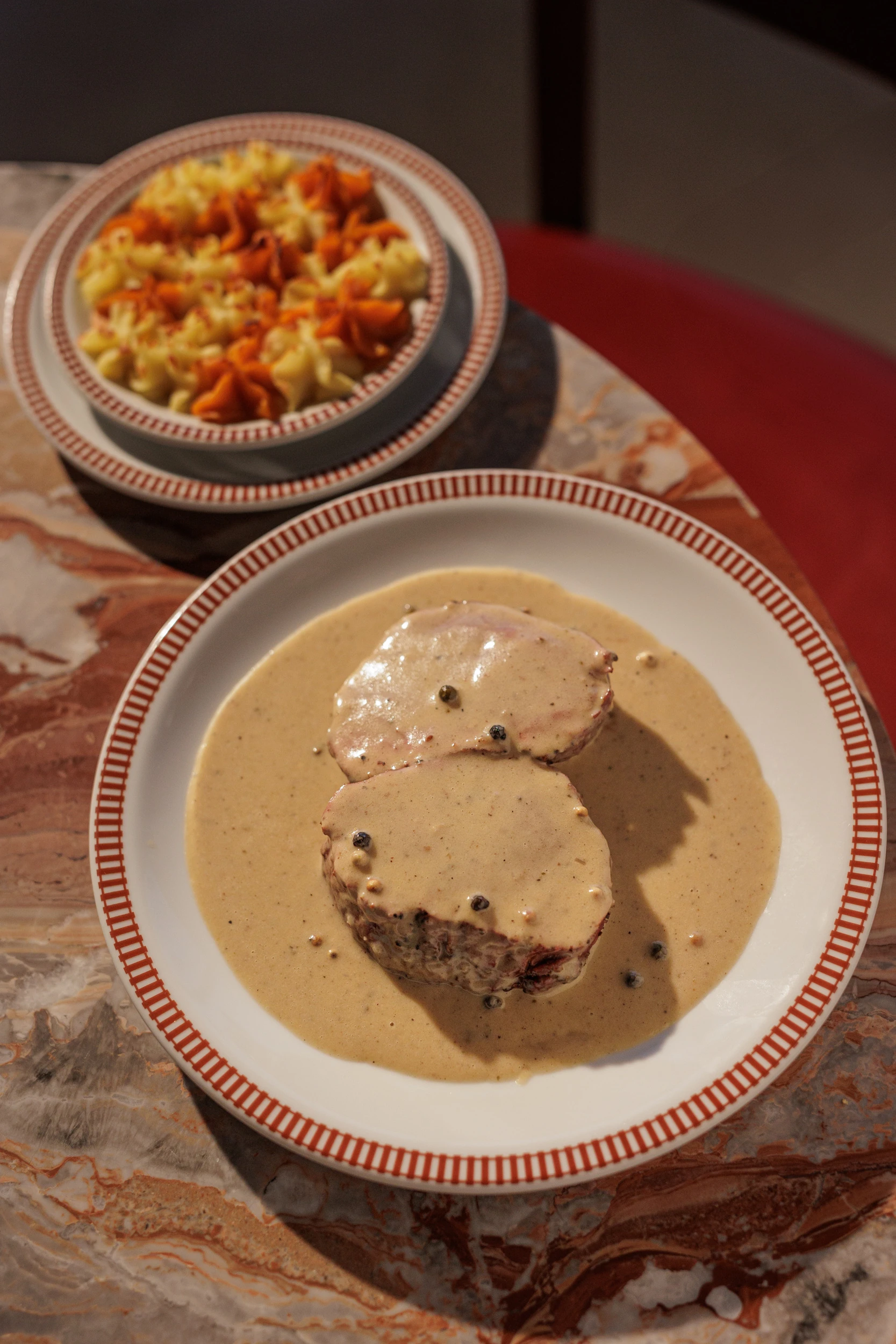
We also ordered the pepper steak, an icon from another era that Chuchú aims to restore to its rightful place. Flavorful and boldly seasoned, the pepper plays a starring role, giving the dish real character. Following the house recommendation, we paired it with the mixed potato purée, served in a beautifully piped presentation and finished with a blowtorch. There are also French fries—available thin-cut, thick-cut, with garlic and parsley, or topped with a fried egg—as well as salads.
The wine list is extensive, featuring dozens of sparkling, white, orange, rosé, and red wines from across Argentina. There are even labels from Uruguay’s acclaimed Garzón winery. The selection complements the depth of flavors on Chuchú’s menu beautifully, and there are options by the glass across a wide range of styles and price points. We went for an orange wine from San Juan and a full-bodied white from Patagonia. Classic cocktails are also available, including a Cynar Julep, Gin & Tonic, and Negroni.
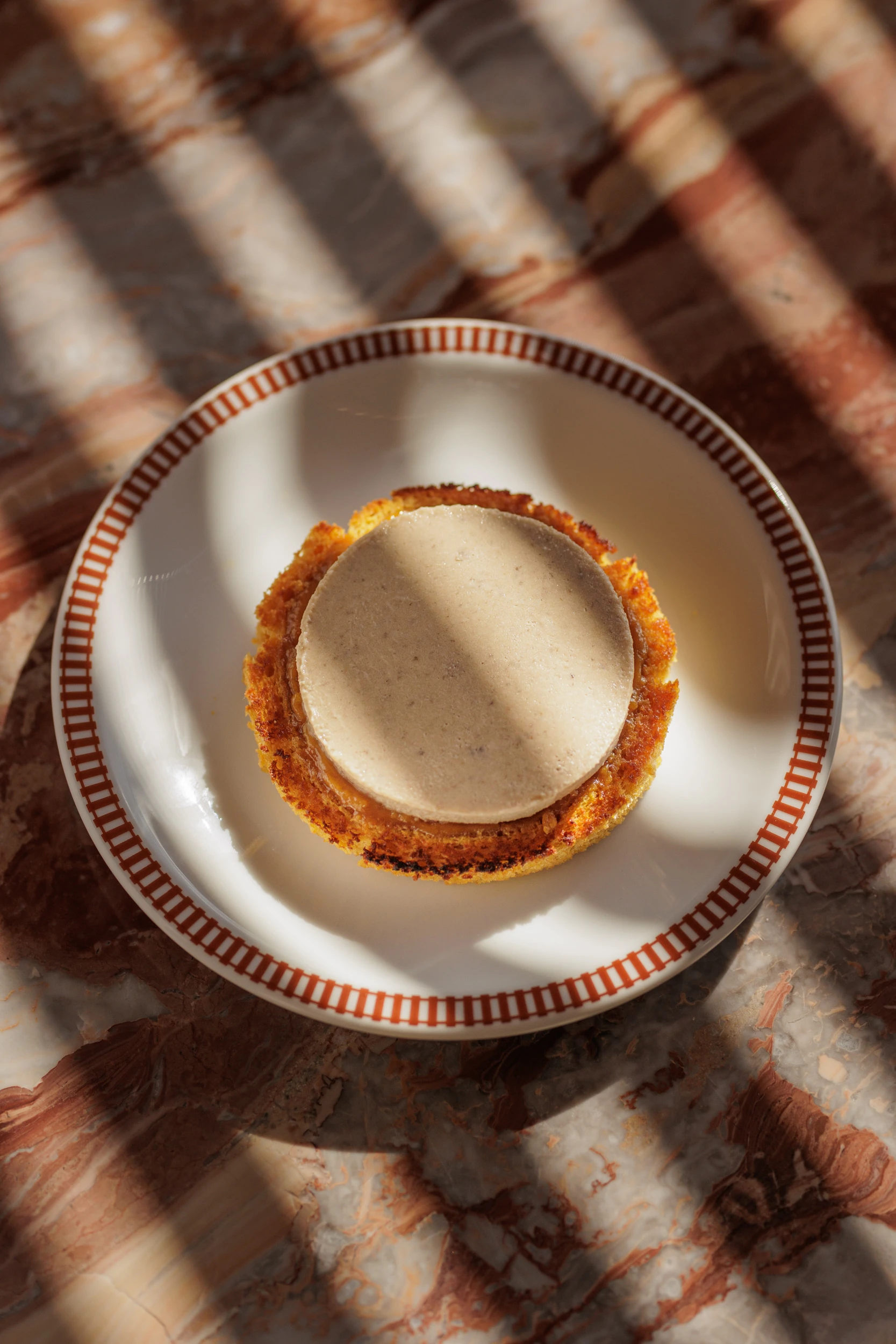
As expected, dessert continues the tribute to tradition. The most popular choice is the dulce de leche flan with cream. There’s also 70% chocolate mousse with candied peanuts, extra-virgin olive oil, and sea salt; cheesecake with quince paste; and apple tarte Tatin. Our choice to end the evening was the warm dulce de leche pionono served with banana semifreddo, a dessert Kelemen borrowed from Bordó, one of his previous projects.
The tip: Chuchú also features a beautiful front patio, bringing the restaurant’s total capacity to 140 seats, all facing Avenida del Libertador. Opening hours: Monday to Sunday: 12pm–4pm; Thursday to Monday: 7pm–1am
Where: Avenida del Libertador 405, Retiro.