

[image]
[title]Walking into a wine shop, browsing a shelf with hundreds of bottles or scrolling through online wine stores can raise questions about how to choose a wine or which one to buy. With dozens of grape varieties, wineries and regions that may not always be familiar, it’s easy to think that making a good choice is a task reserved for experts. However, finding a wine for dinner, a gift or a get-together with friends doesn’t have to feel like a wine-tasting exam.
For sommelier and wine and gastronomy consultant Romina Rolón, a good choice starts long before reading the label: by getting to know your own palate, understanding the context in which the wine will be enjoyed and being willing to try without being afraid of getting it wrong. With that in mind, she shares practical tips to build confidence, learn how to interpret the most important information and develop your own criteria when choosing a bottle.
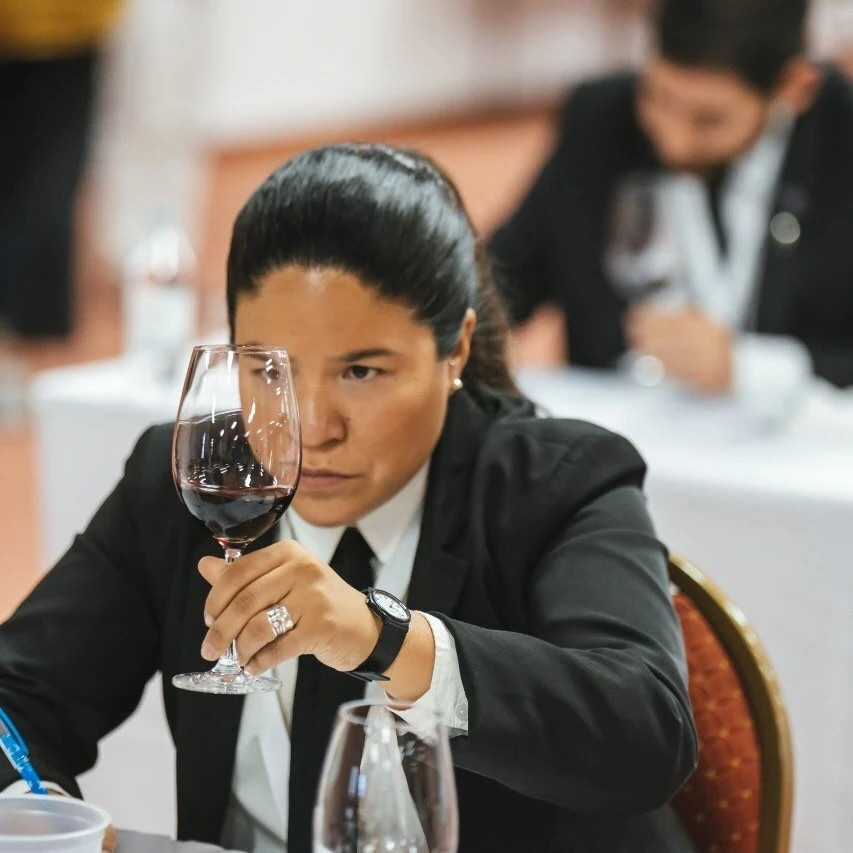
It all starts with getting to know your palate
Before getting lost among labels or asking for a recommendation, the first step is to think about yourself, because each person has different sensory thresholds for sweetness, acidity and bitterness. What feels fresh and light to some may taste intense or sharp to others. So, if you have ever chosen a wine you didn’t like, that doesn’t mean it was poorly made; it simply didn’t match your personal taste map. Trying, comparing and even getting it wrong are all part of the learning process.
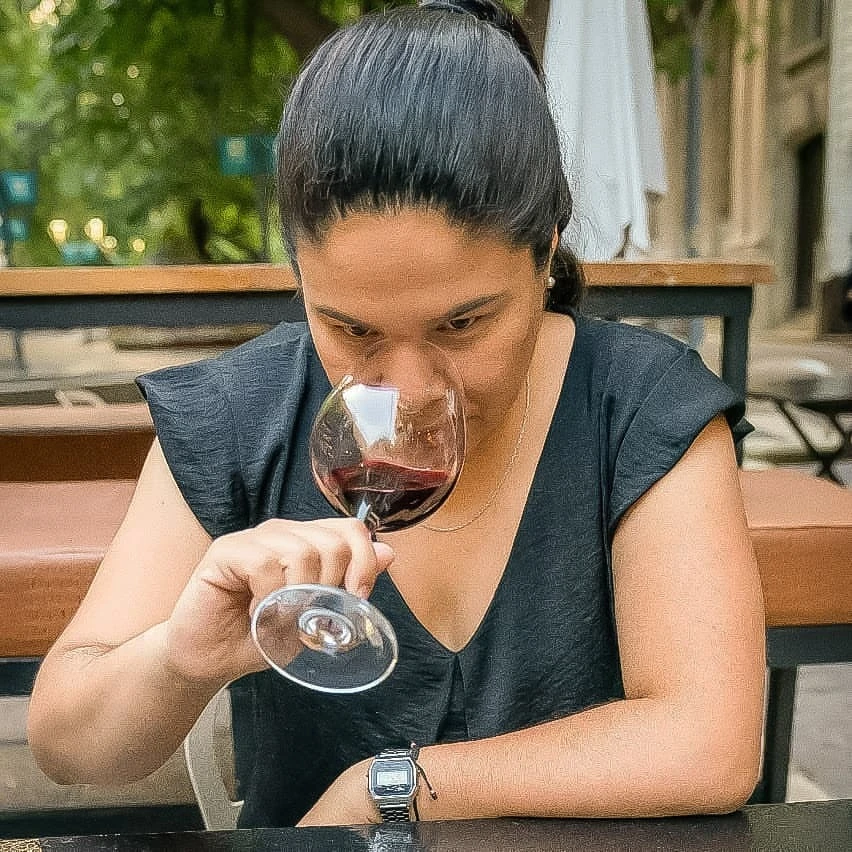
To get to know your own palate, the sommelier suggests asking yourself a simple question: when it comes to mate or coffee, do you prefer it sweet or bitter? The answer already offers a clue about the wine styles you are likely to enjoy most. If you prefer sweet flavors, you may find young, fresh, easy-drinking wines with soft tannins more appealing, or even sweet wines. On the other hand, if you enjoy bitter drinks, you may find it easier to appreciate more structured, full-bodied wines with pronounced tannins.
“I have an anecdote that explains it well,” Rolón says, before continuing: “At a tasting, I had a client who, every time we described a wine with high, penetrating acidity, would say: ‘Not for me, this one is light, it doesn’t have much acidity.’ It caught my attention so much that I asked him if he really liked acidic flavors, and he replied: ‘I love them, I drink pure vinegar.’ That’s when I understood that his sensory threshold for acidity was much higher than average.”
What to look for on a wine label
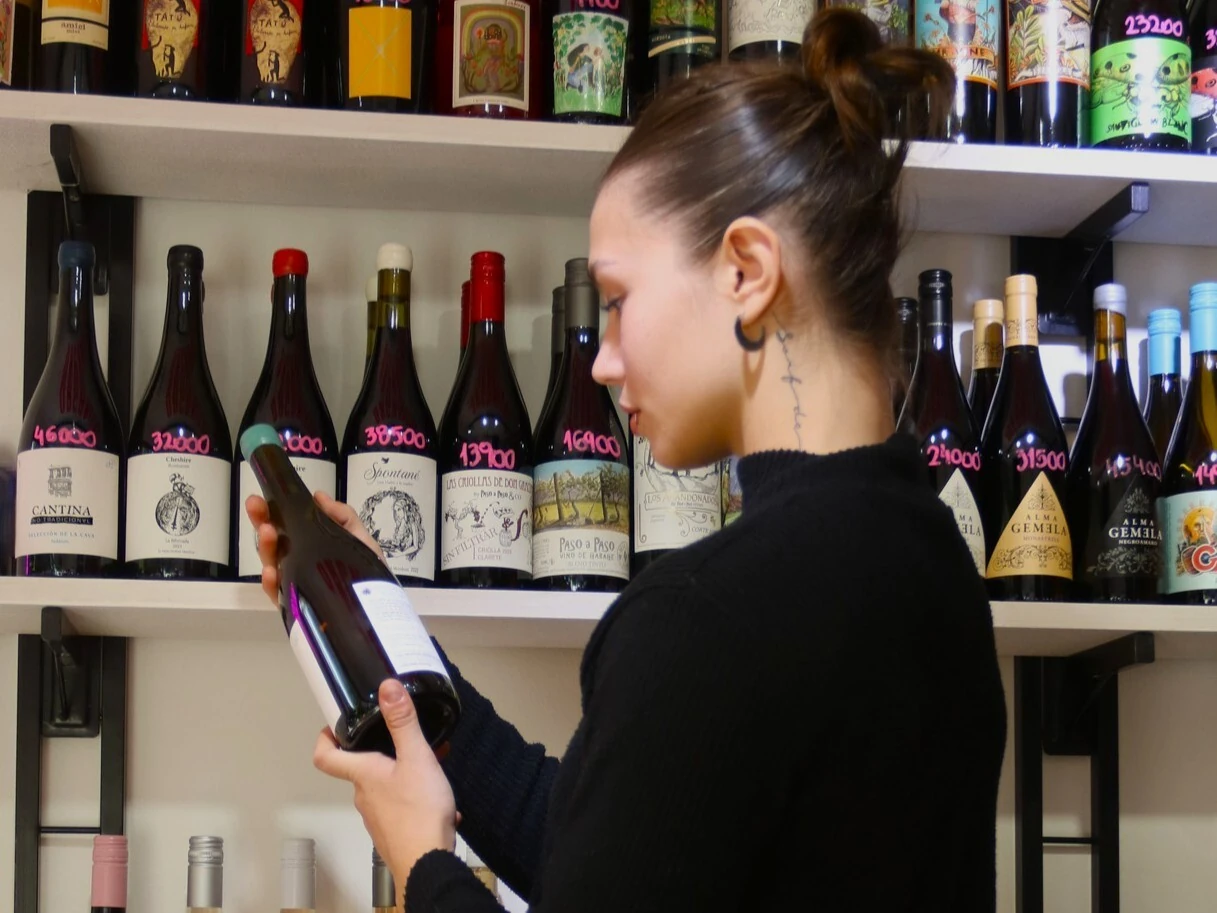
For many people, a wine label can seem like a language of its own, filled with unfamiliar names, regions and terms. However, behind the design there is plenty of useful information to help you make a more confident choice. “It’s not all marketing,” the professional says, pointing out some of the key details worth paying attention to:
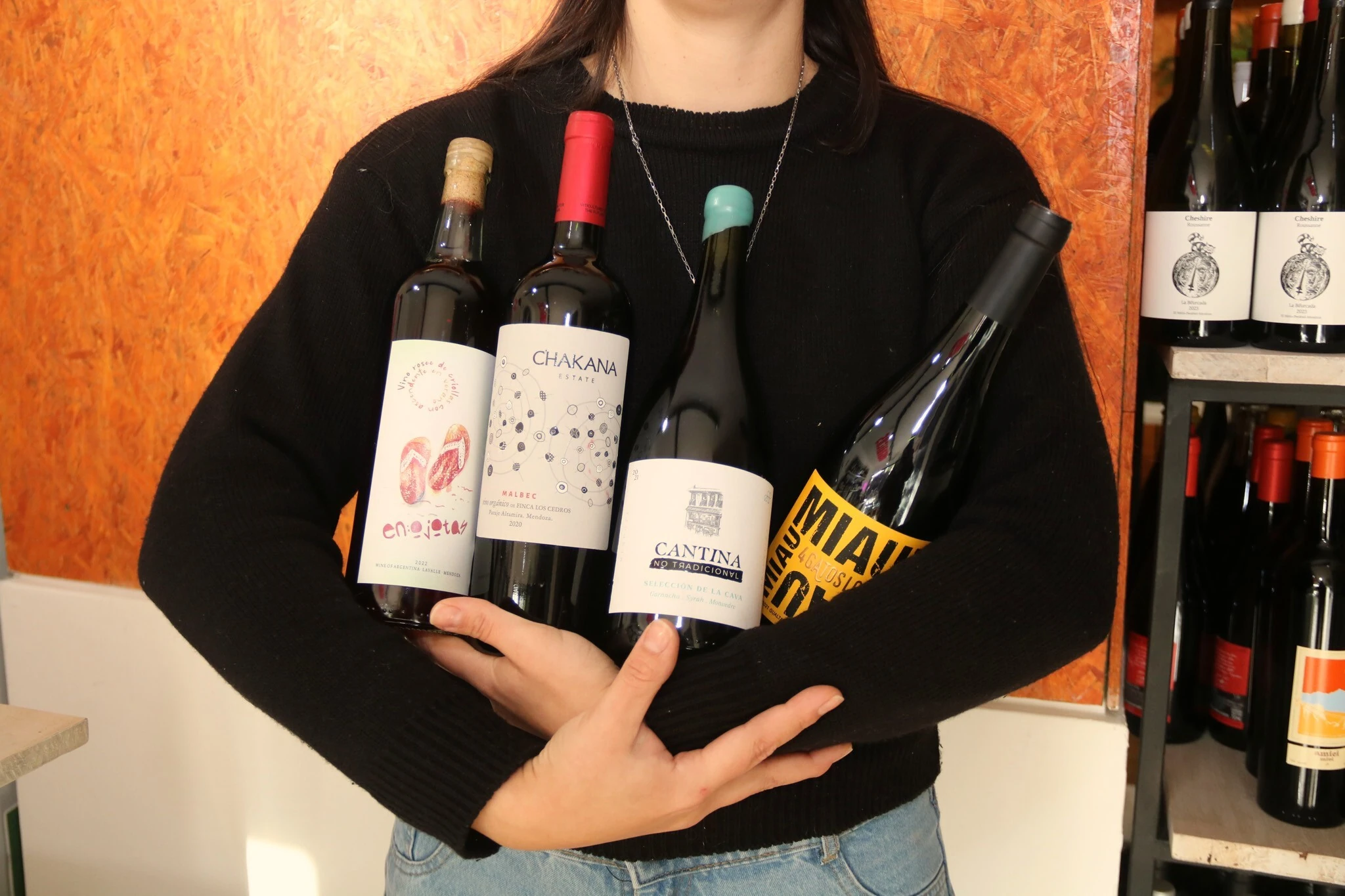
- Grape variety: This indicates which grape the wine is made from. If the label says corte or blend, it means the wine combines two or more varieties. In fact, the same grape variety can offer very different profiles depending on where the grapes are grown. While it’s a good starting point, this indicator alone does not determine the wine’s style: the region, vintage and winery’s winemaking approach also influence the final result.
- Region: This indicates where the grapes come from, such as Gualtallary in the Uco Valley or Las Compuertas in Luján de Cuyo. The climate and characteristics of each area and its micro-regions also affect the wine’s profile. There’s no need to memorize wine-growing maps; knowing just one detail is enough to get a rough idea of the style that will end up in your glass: whether the wine comes from a cool, warm or intermediate climate.
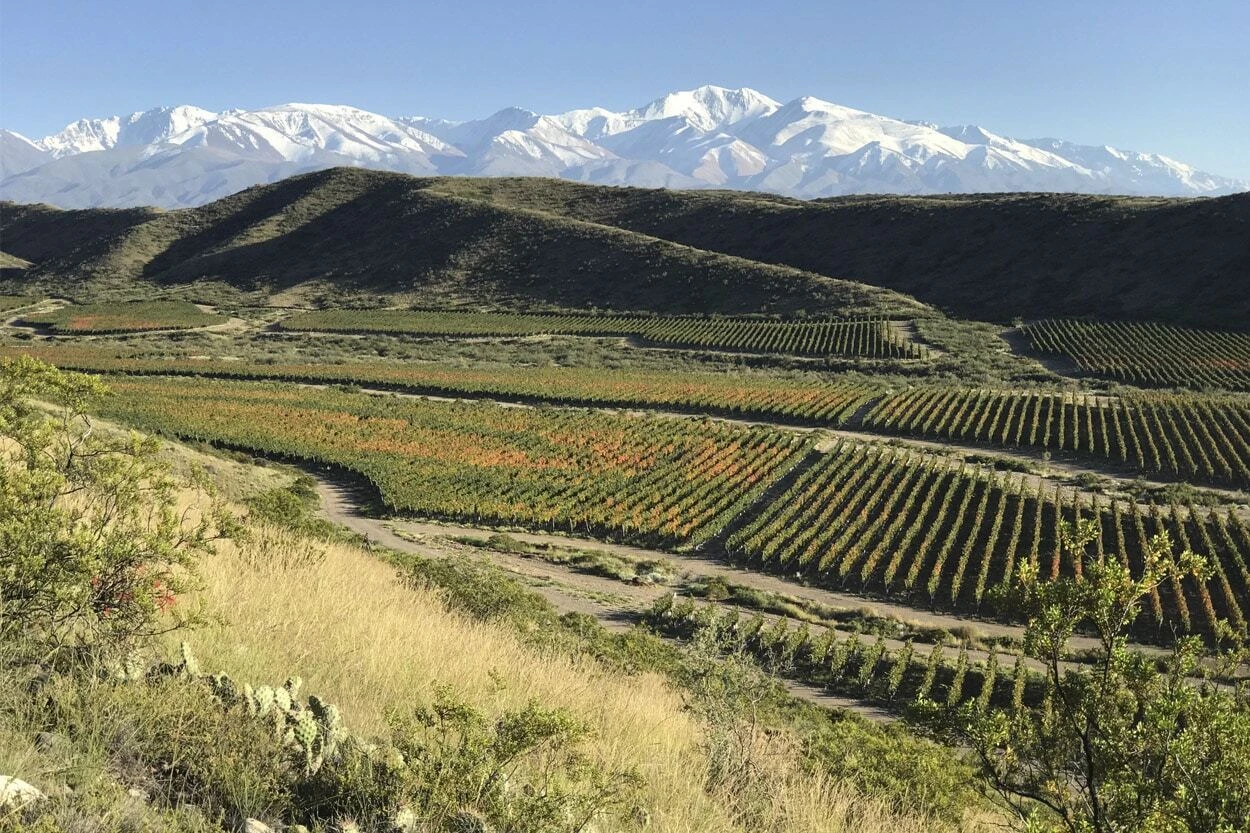
As a reference, the sommelier points out that the Uco Valley is a cool region, where you will often find fresher, more fluid wines. At the other end of the spectrum is eastern Mendoza, a warmer area that produces wines with more body and higher alcohol levels. Between the two lies Luján de Cuyo, a region with an intermediate climate that combines characteristics of both profiles and offers a wide diversity of styles.
You may also like: How to explore Mendoza through wine (without being an expert)
- Vintage: This refers to the year the grapes were harvested. It is not an expiration date, but rather provides a reference for the weather conditions during that particular harvest. It should not be confused with the wine’s aging process, which refers to the intentional maturation of the wine in wood and in the bottle so that it can evolve, developing more flavor and body as it ages. That is why you often see terms such as Reserva or Gran Reserva on wine labels.
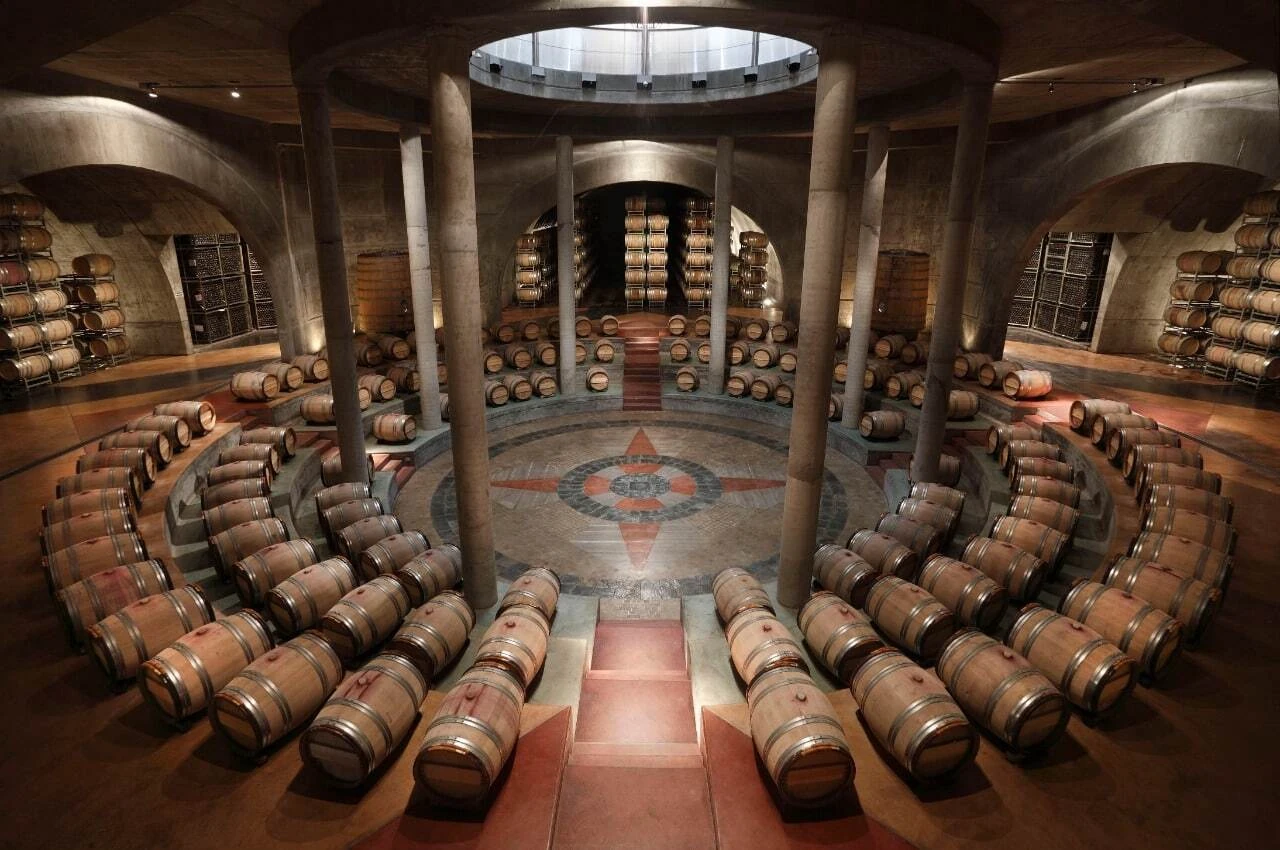
- Winery: This identifies who made the wine. While you don’t need to know every winery out there, it’s useful to remember where a wine you enjoyed was made. That reference can help guide a future purchase.
Think about the occasion, not just the wine
When choosing a bottle, the question shouldn’t be which wine is the best, but which wine is best for a particular moment. Context matters a lot because a special dinner, an outdoor lunch and a gathering with friends are not the same thing. Thinking about the occasion can make the options much easier to narrow down.
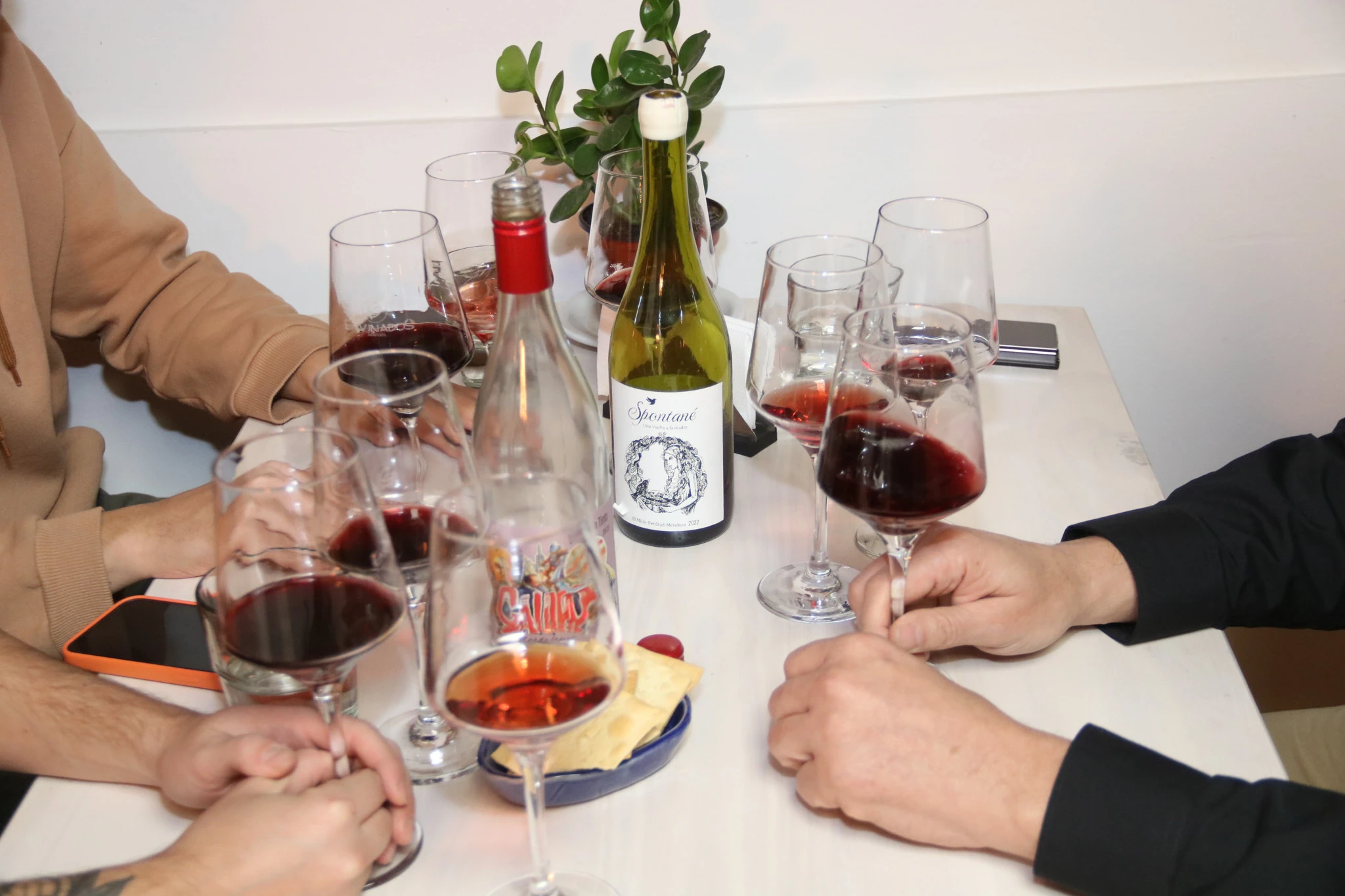
If the plan is to share a meal or get together with friends, Romina recommends choosing a grape variety—red or white—that you already know works, or a mid-range bottle, which is always a safe bet. The idea is for the wine to complement the gathering rather than become a source of stress.
However, if the group is interested in discovering something new, a blind tasting can be a great idea. When you don’t know which bottle is behind each glass, prejudices and expectations disappear. It’s a fun way to train your palate and discover a wine that you might never have chosen based on its label alone.
The menu can also help you make a decision
If the wine is going to accompany a meal, the dish should be your starting point. You don’t need to be an expert in wine pairings; you just need a general idea of what type of wine will enhance the experience. The key is to find a balance so that one flavor doesn’t overpower the other.
As a reference, the sommelier, who is also the founder of Vivo Vino—the Mendoza wine fair dedicated to organic, biodynamic and natural wines—explains that whites, rosés and young reds with lower alcohol levels (between 10% and 12.5% ABV), especially those from cool or intermediate regions, provide the freshness needed to balance preparations with a certain richness or fatty textures, as they cleanse the palate between bites.
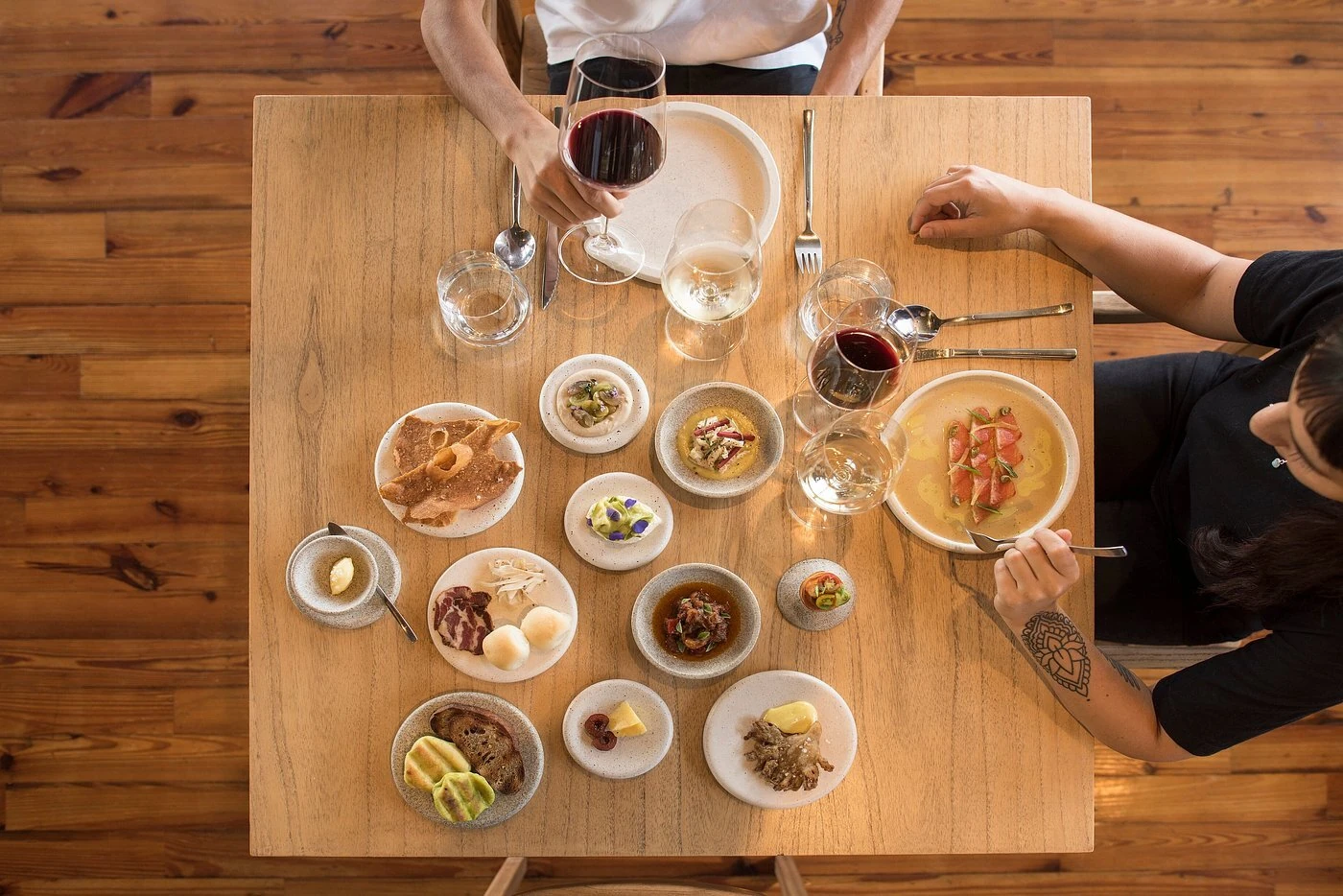
On the other hand, when the menu includes more intense dishes or pronounced flavors, white and red wines with higher alcohol levels provide greater structure and a warm sensation on the palate that better complements this type of food.
A wine as a gift? Choose it with the recipient in mind
When a bottle is a gift, the choice starts to say more about the person receiving it than about the liquid inside. It’s worth asking yourself what the gift represents, what kind of relationship you have with the recipient and why this particular wine—and not another—made you think of them. Knowing the recipient’s tastes is always helpful. If you know their favorite grape variety, which winery they have visited or which winemaker they follow on social media, you already have an excellent clue.
Try different wines to train your palate
Although the grape variety is one of the first things we look at when choosing a wine, it’s best not to jump to conclusions. The best way to train your palate is to try different examples of the same grape variety and discover how they differ.
For those who are just beginning to explore this world, Criolla grapes are a good choice, as they tend to produce wines with lower alcohol levels and approachable profiles. If you already have some experience, Malbec or Sauvignon Blanc are excellent options for continuing to explore; their versatility makes it possible to find very different styles within the same variety, turning them into a constant invitation to discover new nuances.
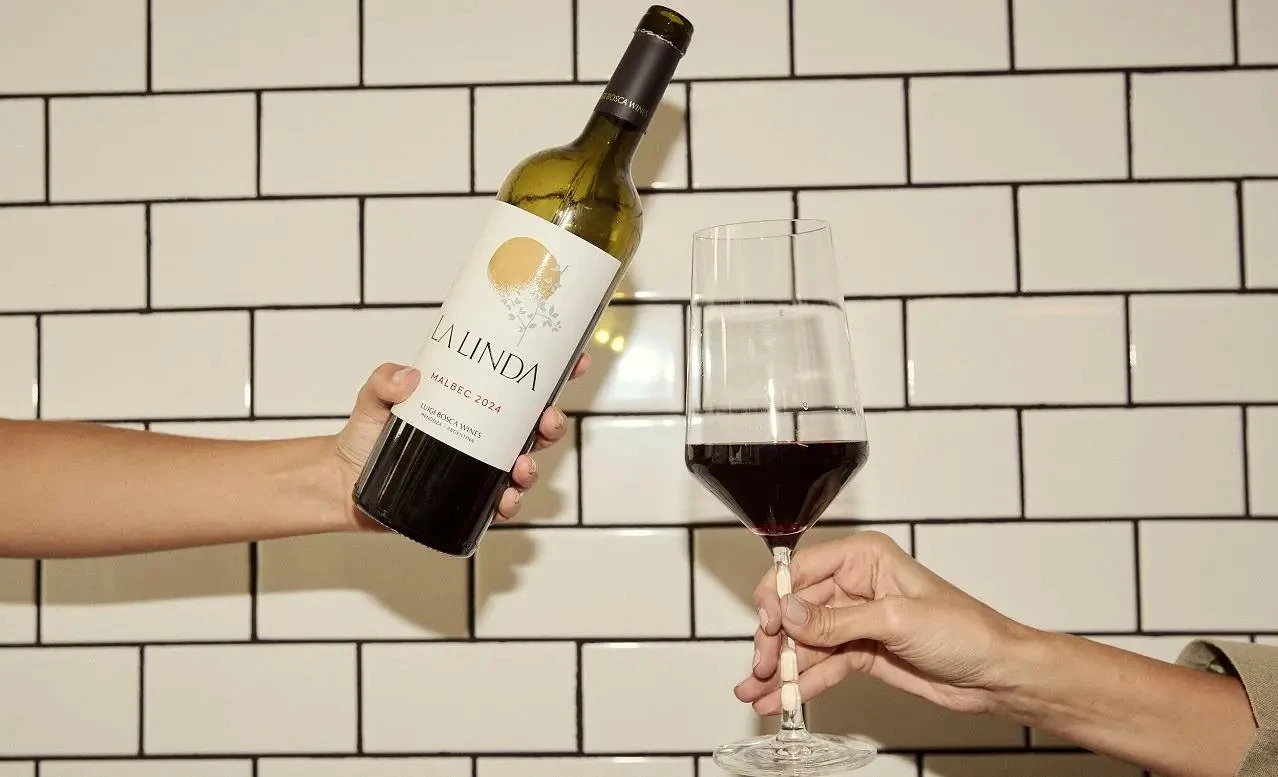
And for more curious palates, the sommelier points to Pinot Noir as a variety that rewards experience. Its complexity, both in terms of winemaking and its history and origins, means that each new bottle can reveal something different as the drinker’s knowledge grows.
You may also like: Another way to make wine: a guide to Mendoza’s most radical wineries
The weather can also influence your choice
The season can influence what we feel like drinking, but that doesn’t mean there are wines exclusively suited to each time of year. Rolón believes that we are increasingly choosing with greater freedom and that every style can find its moment.
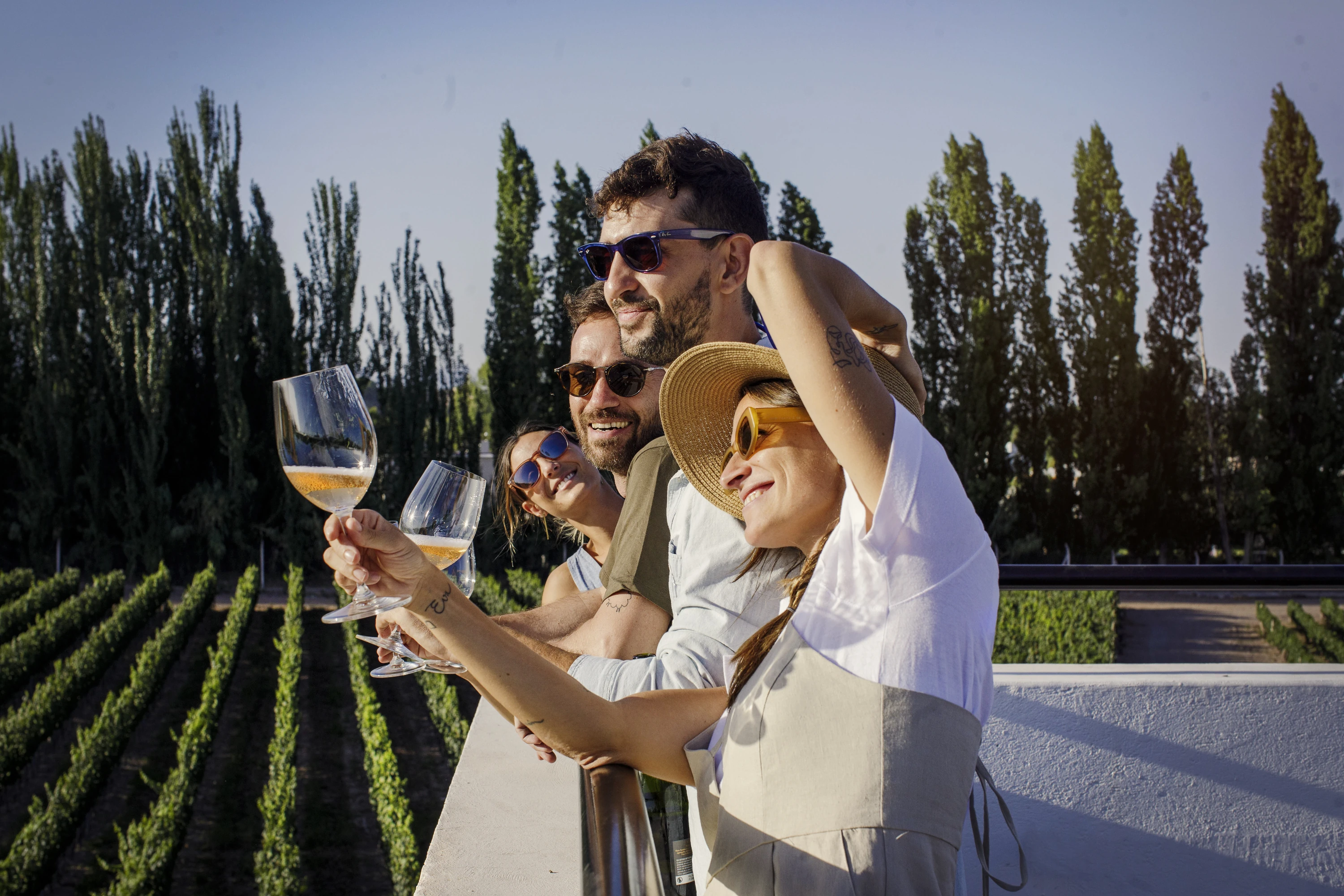
The recommendation is to adapt the wine to the ambient temperature and the way you plan to enjoy it. A wine that is too cold loses aromas and expression, while one that is excessively warm accentuates the sensation of alcohol and concentrates the tannins.
As a general guide, on warm days, fluid, fresh wines with lower alcohol levels tend to be more enjoyable, making them ideal for accompanying lighter meals and refreshing the palate. On the other hand, when temperatures drop and heartier dishes appear on the table, wines with greater structure find the perfect setting to express their full character.
Make room for the element of surprise
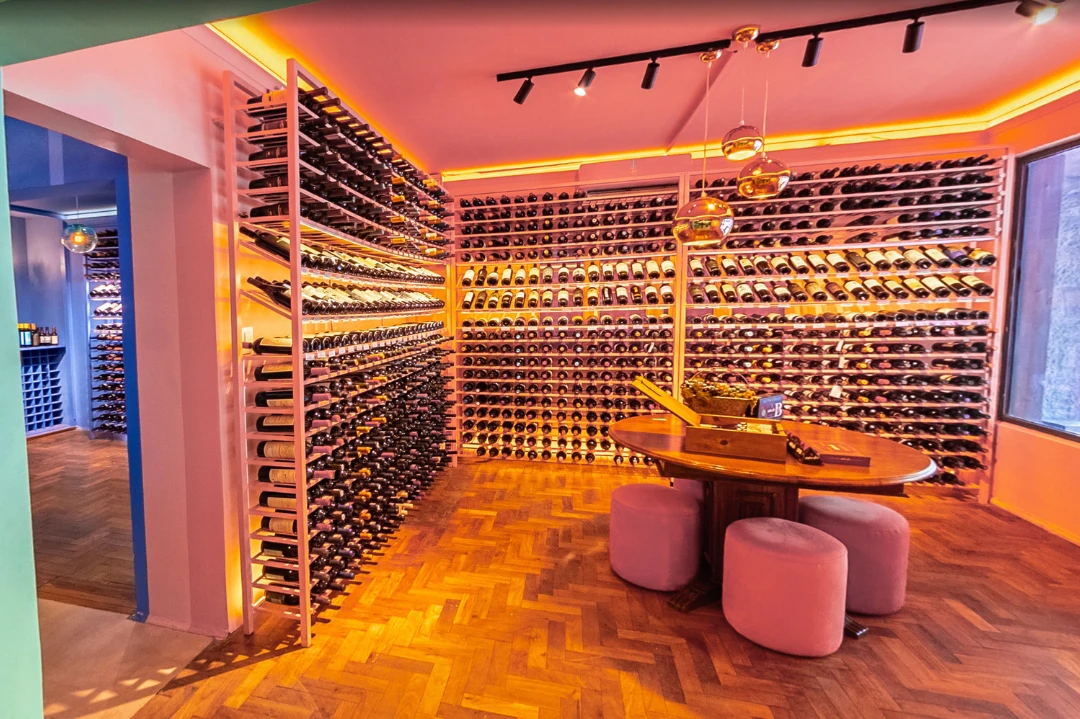
Alongside discovering our own tastes, it’s worth daring to step outside our comfort zone. Many times, the best experiences happen when we stop looking for the same bottle and allow ourselves to discover something new. Along the way, a wine advisor can become a great ally. Telling them which wines you have enjoyed, whether you are looking for a bottle as a gift or simply how much you want to spend will give them the tools they need to recommend options that match your search.
A good exercise is to challenge your initial plan. If you arrived convinced you were going to buy a white, give a red a chance. Or if you always choose the same grape variety, try another one. Exploring the differences keeps the element of surprise alive—the kind that turns every glass into a new opportunity to identify which wines you truly enjoy.
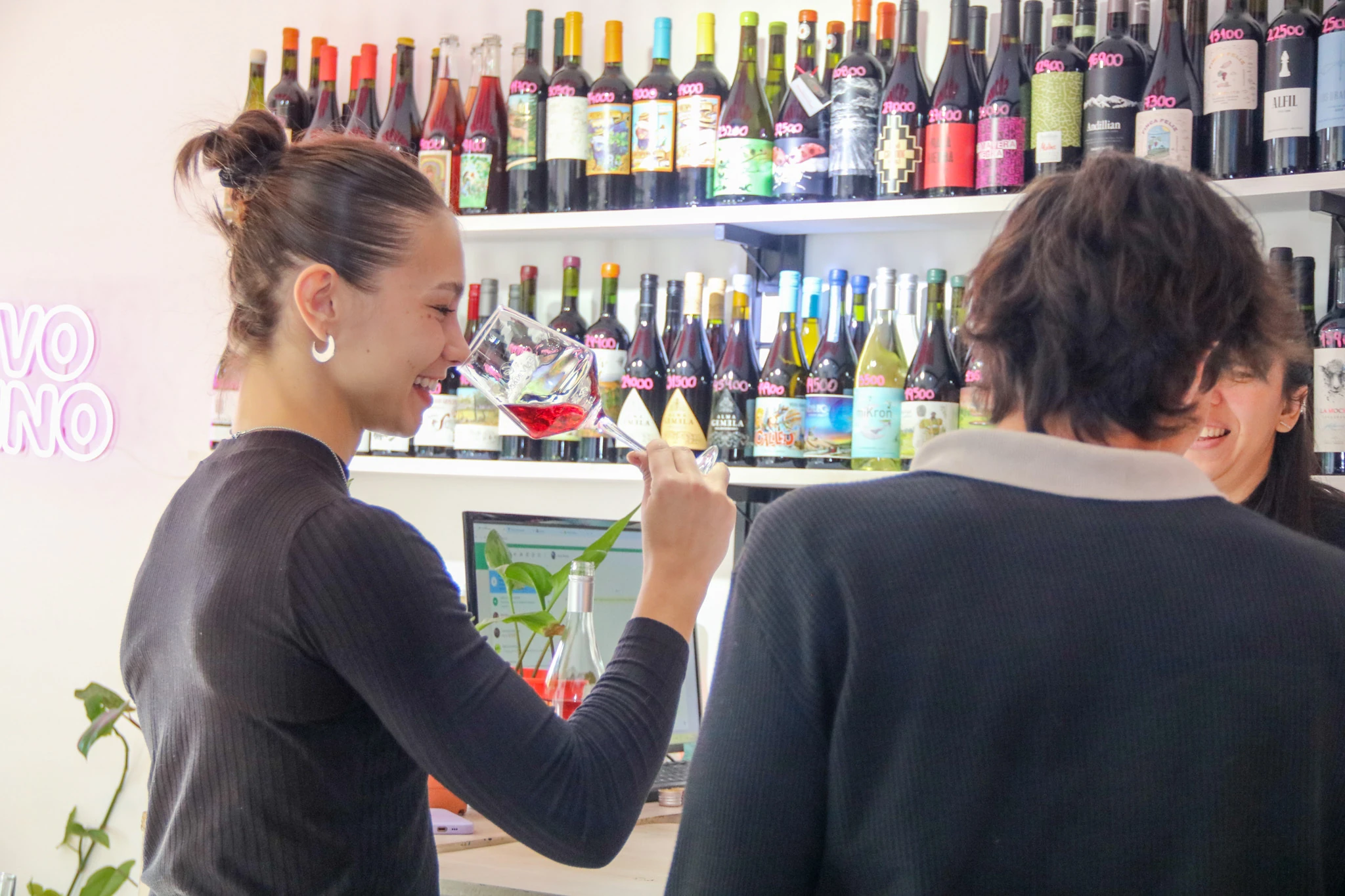
After all, choosing a wine isn’t about finding “the best” one, but the one that best suits you, the moment and the experience you want to share. Every bottle is an opportunity to explore new aromas, flavors and styles, but also to get to know yourself as a consumer and discover which types of wine you truly enjoy.