

[image]
[title]At some point, without anyone officially declaring it, the kitchen counter entered the world of design. Compact coffee machines, mugs as collectible pieces, natural light, a photo before the coffee gets cold. It’s not a boutique. It’s a home with its own coffee station.
Generation Z has a lot to do with that. For those born between 1997 and 2012, coffee is a conscious indulgence — what some call the “small pleasures culture” — expressed through personalized drinks with foam, colors, and presentations designed as much for the palate as for the photo. But the obsession goes beyond the cup: it extends to the space where coffee is prepared, the objects surrounding it, and the machine that makes it possible.
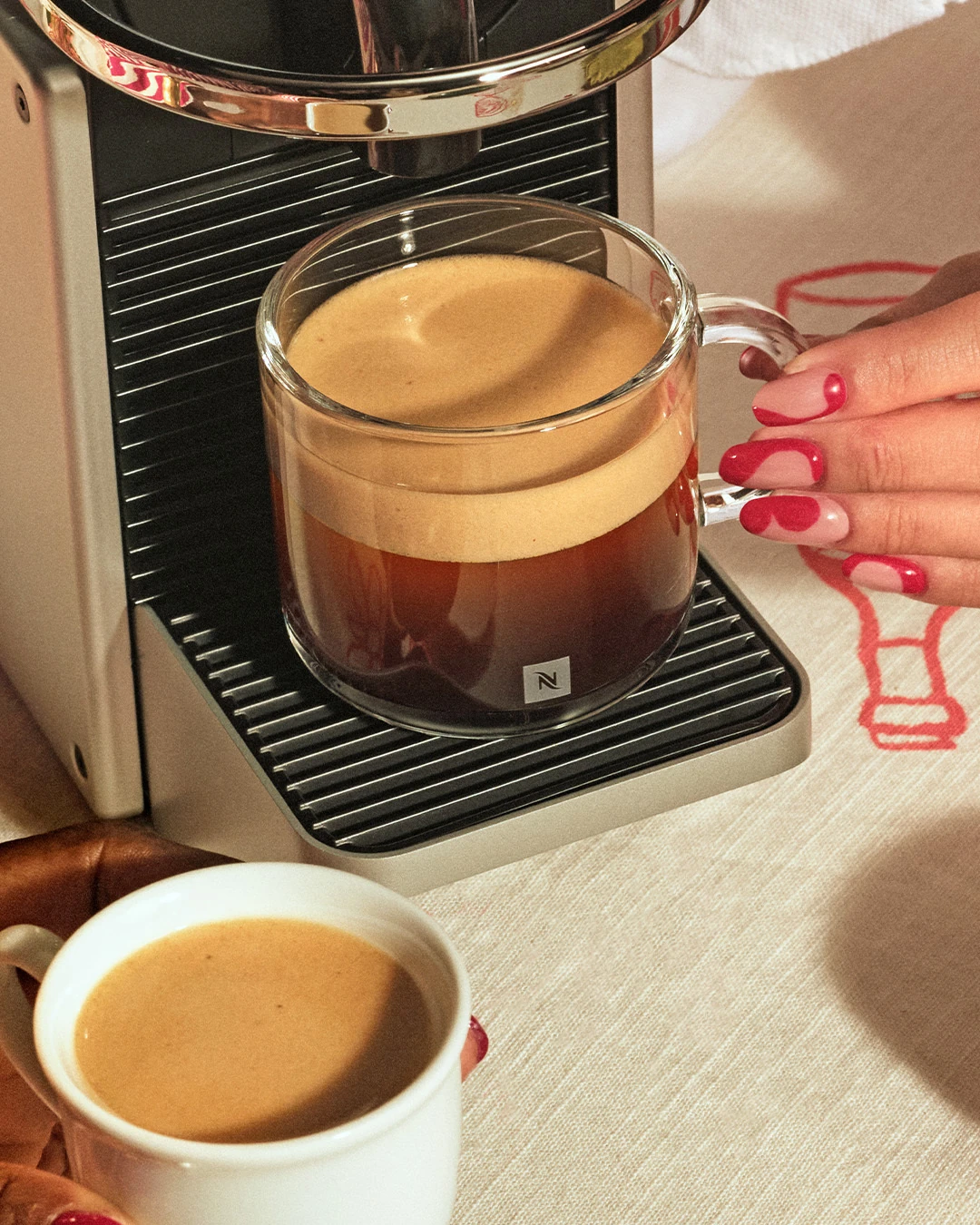
From Appliance to Design Piece
Since the first espresso machine patent was registered in 1884, coffee makers focused primarily on functionality over style. They were bulky devices designed for production and speed, not for the living room or the camera. The first mass-produced machines, in the early 20th century, reflected the Art Nouveau movement of the time: vertical, ornamental, with an aesthetic shaped more by the cultural moment than by deliberate design decisions. Over time, stainless steel replaced brass and forms became simpler, but the principle remained the same: it just had to work.
You may also be interested in: How to Make Cold Brew at Home
Nespresso, celebrating 40 years in the market, is part of the trend that changed that logic by bringing specialty coffee into the home without requiring the consumer to be a barista. What once demanded technique, professional equipment, and expertise was condensed into a capsule and a compact machine, democratizing an experience that previously only existed in cafés. From that original concept emerged a product line where each model has its own defined aesthetic identity.
The Essenza Mini embraces compact minimalism, the CitiZ revives vintage-inspired design, and the Creatista — with its stainless-steel body and high-resolution display — feels closer to a professional barista machine than a household appliance. The Pixie, recently relaunched in new colors — Dark Green, Dark Blue, and Silver — condenses that philosophy into its most iconic version: polished metal side panels, a steel lever, and a minimalist profile that makes it a key piece in any coffee station. In every case, the result is an object with refined finishes that adapts equally well to a small kitchen or a desk. Functional and decorative at once, as the new standard demands.
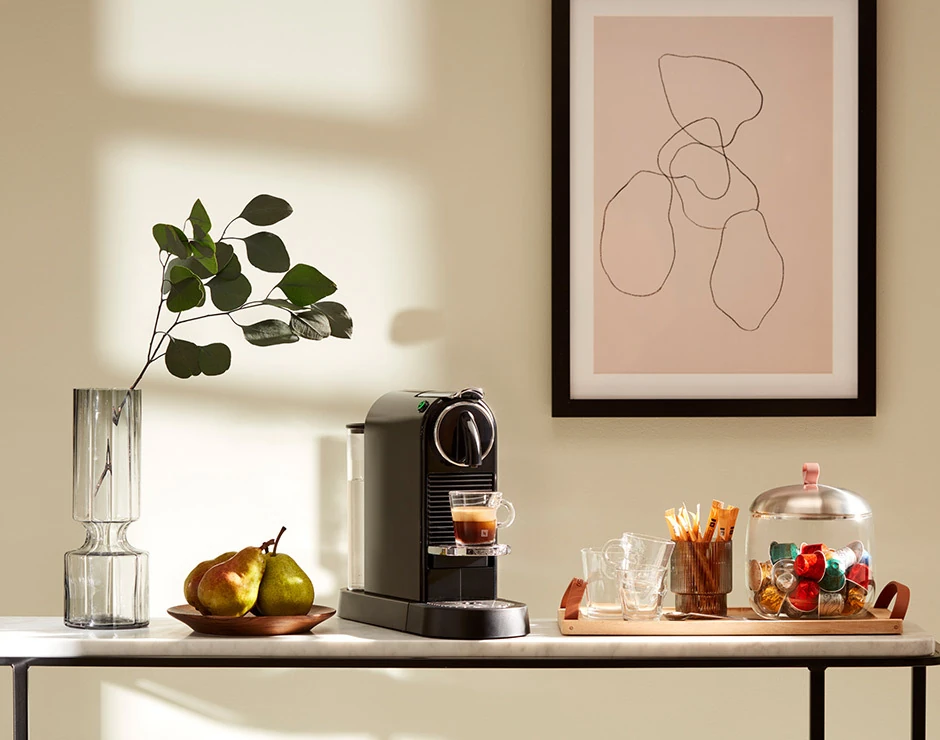
The Coffee Station as a Statement
According to a Nespresso study, 42% of Argentinians drink coffee regularly, 85% of those cups are consumed at home, and 94% are enjoyed hot. If the home is the main stage for coffee consumption, then the machine and everything around it carry as much visual weight as any other everyday object. The pandemic, which reshaped so many consumption habits, accelerated this process: without the option of walking to the neighborhood café, many people dedicated a corner of their kitchen or dining room to coffee. That habit didn’t disappear once things returned to normal. In its annual report based on the searches of more than 480 million users, Pinterest identified it as one of 2024’s trends and gave it a new name: cafecore — the café experience translated into the home through curated machines, accessories, and objects.
You may also be interested in: Five Essential Art Galleries in Buenos Aires
The coffee station is much more than a functional corner. It’s a space that reflects the person who lives there: the machine they choose, the mugs they collect, the way accessories are organized. Some embrace minimalist austerity — one machine, two cups, nothing more — while others build elaborate compositions with shelves, glass jars, frothers, and capsules organized by intensity. In every case, the guiding principle is the same: it should look as good as it works.
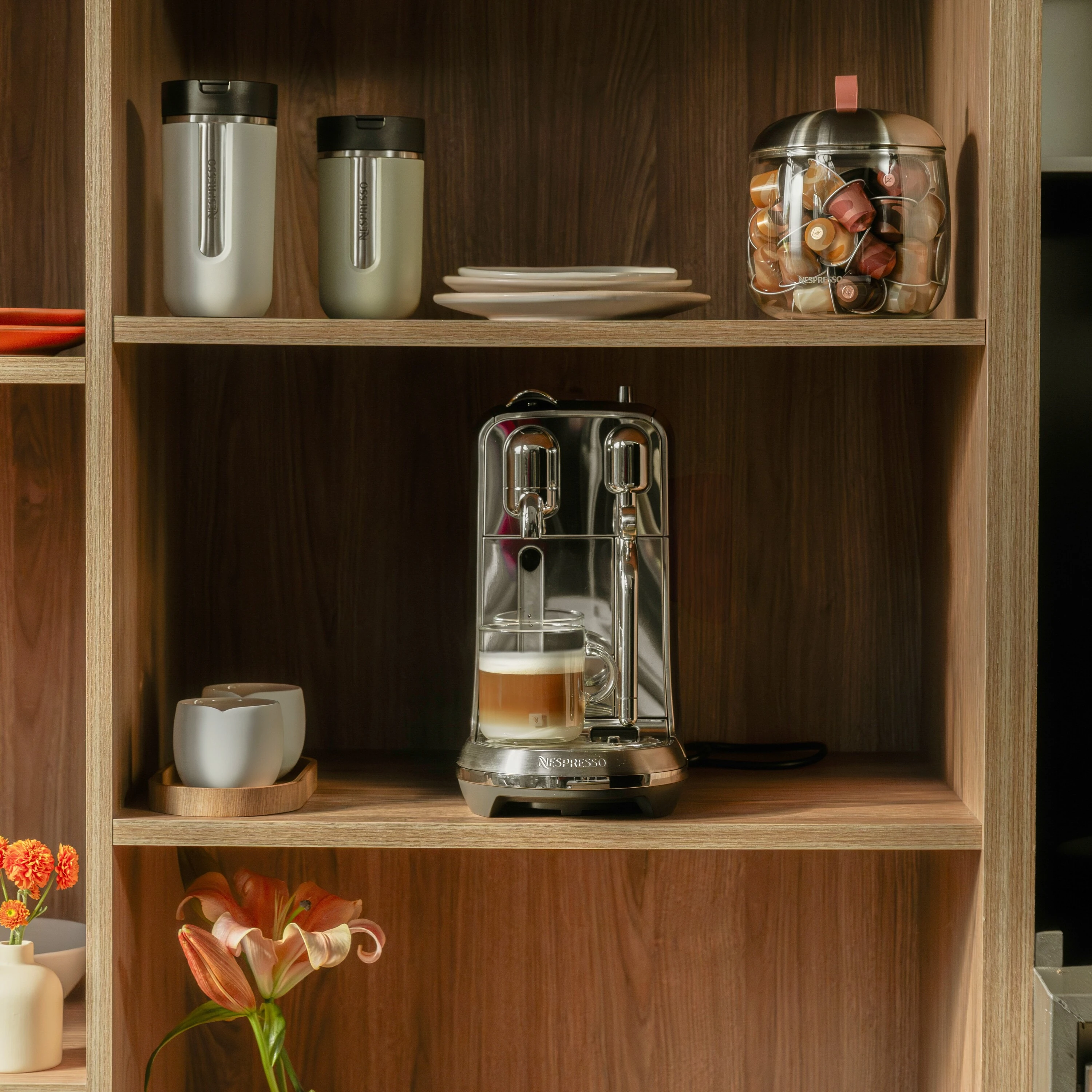
What Gen Z Wants from Coffee
For Generation Z, TikTok and Instagram have played a central role in defining what people drink and how it’s presented. They look for beverages that are as photo-worthy as they are flavorful, and personalization is key: 75% of young coffee drinkers choose flavored syrups, while viral trends — from matcha lattes to iced coffees topped with colored foam — prioritize visual appeal just as much as taste. Within that universe, Nespresso varieties have carved out their own place. Arpeggio, with its cocoa notes, works as a base for more elaborate creations. Volluto, softer and fruitier, aligns with the trend of iced coffees and milk-based recipes. And Ristretto — the most intense of the brand’s iconic blends — appeals to those who prefer coffee in its purest, most concentrated form.
You may also be interested in: 16 New Restaurant Openings Everyone’s Talking About in Buenos Aires
The phenomenon also has a social dimension. Cafés have stopped being transitional spaces and become places of socialization, identity, and design. The most extreme example of this transformation is the coffee rave — a festive, daytime version of coffee culture with DJs and oat milk lattes in hand — where the line between consumption and experience dissolves entirely. What happens in those spaces eventually gets replicated, on a smaller scale, in the homes of the people who frequent them.
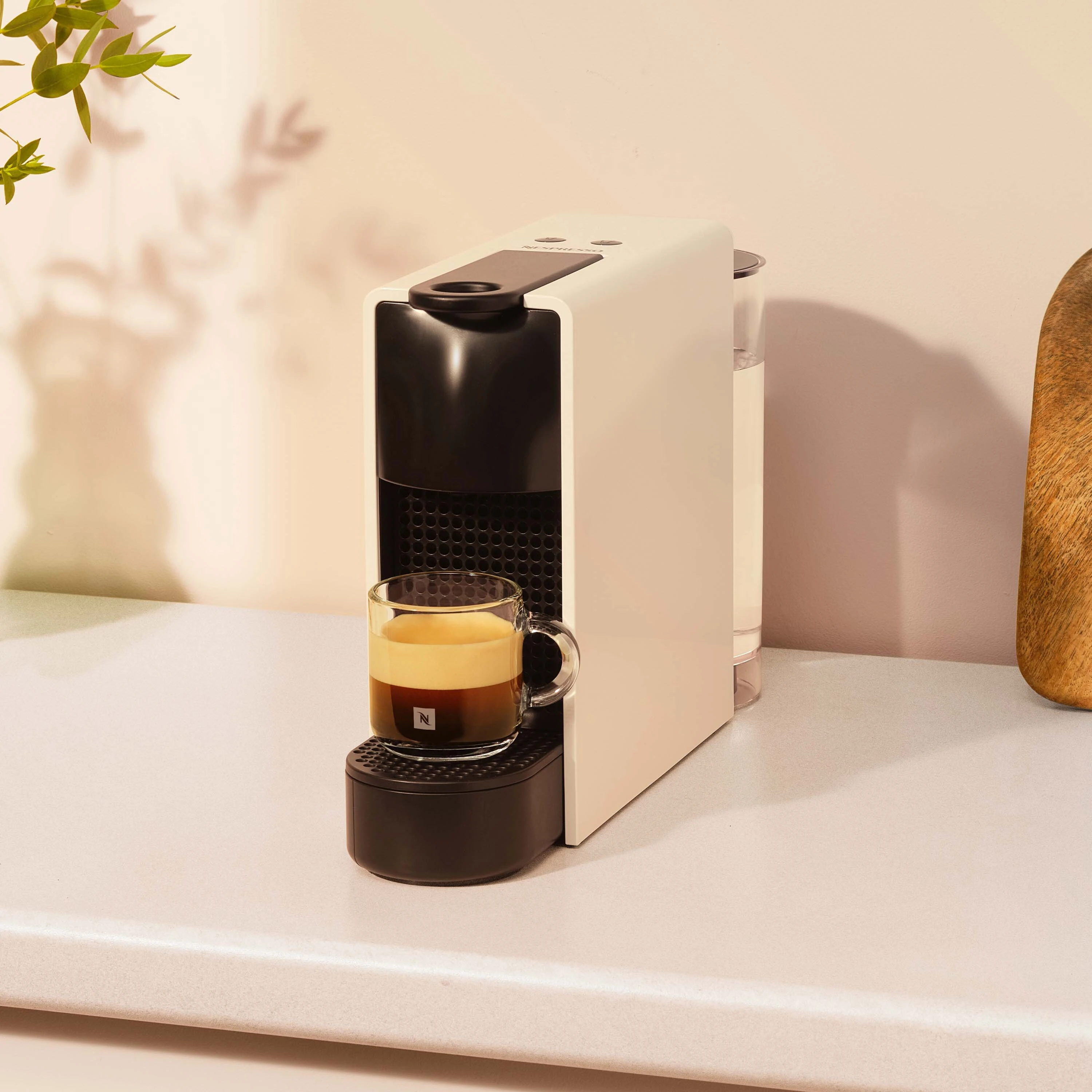
Design, Identity, and Sustainability
There’s a third axis completing the picture: sustainability as part of the aesthetic language. Only 35% of companies behind the products consumers buy are perceived as truly sustainable, and more and more young people are making choices based on that criterion. Capsule recycling and bean traceability are not only environmental values, but also part of a brand identity that this generation actively embraces.
Today, Nespresso chooses to speak to an audience that consumes experiences, not just products. Four decades after its beginnings, what matters is no longer only what’s in the cup — but everything surrounding it.