

[image]
[title]Some cities can be told through their buildings. Others, through their music or their crises. Buenos Aires can be read through coffee. Few habits have crossed so many decades, neighborhoods, styles and transformations like that cup that accompanies mornings, meetings, dates, breaks and endless conversations.
From the 1980s to today, the city changed its rhythm, aesthetics, language and habits. The place coffee holds in everyday life remained untouched. What changed is the way we drink it, where we do it and what we expect from the experience.
The 1980s: going out again, meeting again
The 1980s in Buenos Aires carried the energy of reopening. The city regained movement, nightlife and the desire to see each other face to face. Coffee shops remained the setting for long gatherings, political discussions, shared tables and endless after-meal conversations.
You may also like: 10 after-office spots redefining Buenos Aires nightlife
Classic cafés were part of the city’s emotional landscape: professional waiters, worn marble counters, huge windows and tiny cups that seemed to appear on their own. Coffee wasn’t a trend — it was social infrastructure.
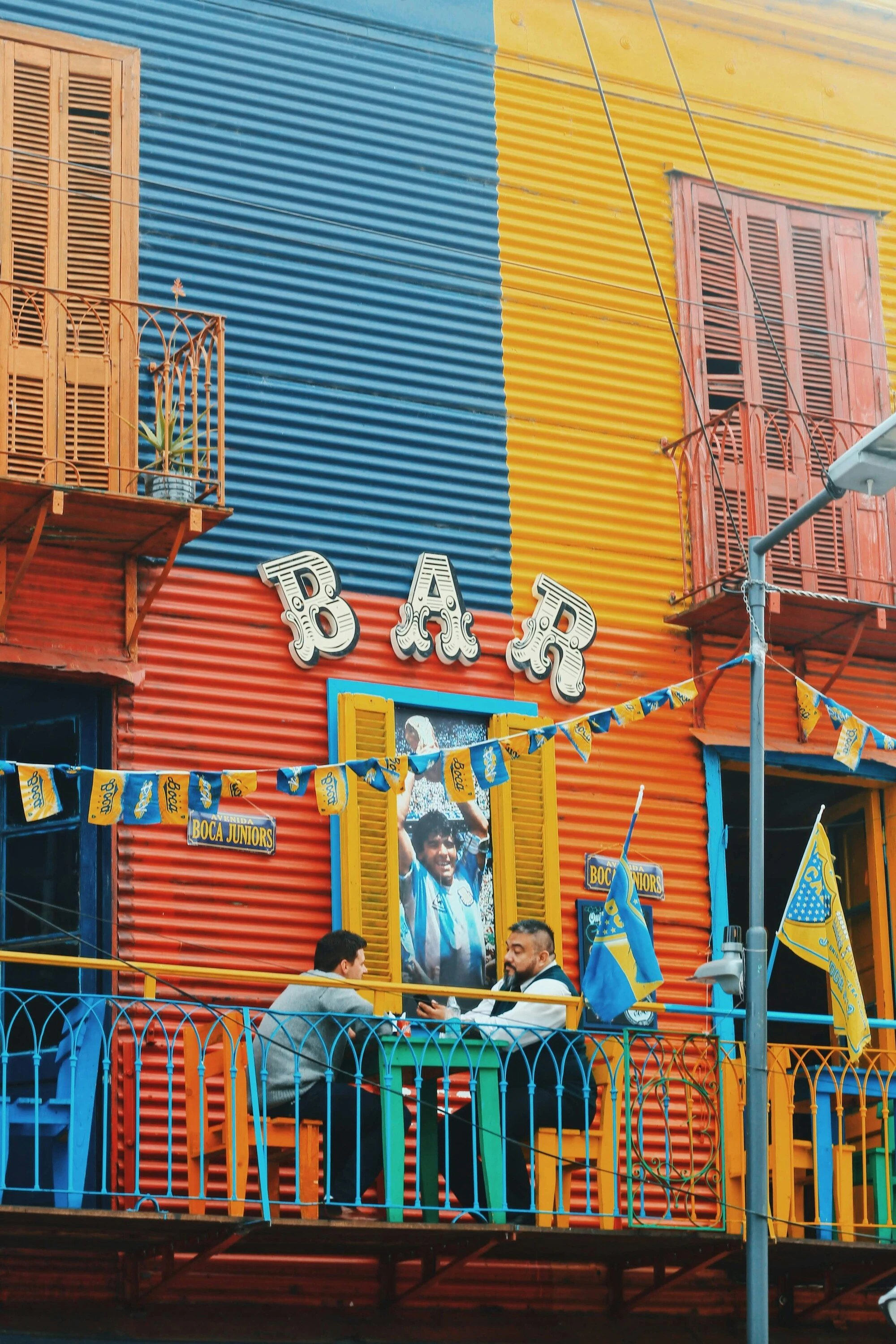
In a city that was less digitally accelerated and more analog in every sense, meeting in person was the norm. In that context, coffee was both the excuse and the destination.
The 1990s: design, consumption and new aspirations
The 1990s brought different codes. More storefronts, more international aesthetics, more shopping culture, glass office towers and new forms of urban consumption. A new idea of domestic comfort also emerged: homes began to be seen as spaces for design, not just functionality.
You may also like: How to make cold brew coffee at home
Coffee followed that transition. It gained space in homes where saving time started to matter more, while premium experiences began entering everyday life. It was no longer only about the neighborhood café — what happened indoors mattered too.

It was a decade in which Buenos Aires looked outward, and certain global brands started becoming part of the local imagination.
The 2000s: the creative city
After the crisis, Buenos Aires found another identity: more independent, more creative, more entrepreneurial. New gastronomic circuits emerged, along with design fairs, small brands, independent publishing houses and neighborhoods beginning to reinvent themselves.
Coffee accompanied that moment as a meeting point for freelancers, artists, students and new ways of working. Meetings no longer happened only in traditional offices. Laptops appeared on café tables, along with informal interviews and brainstorming sessions in more relaxed spaces.
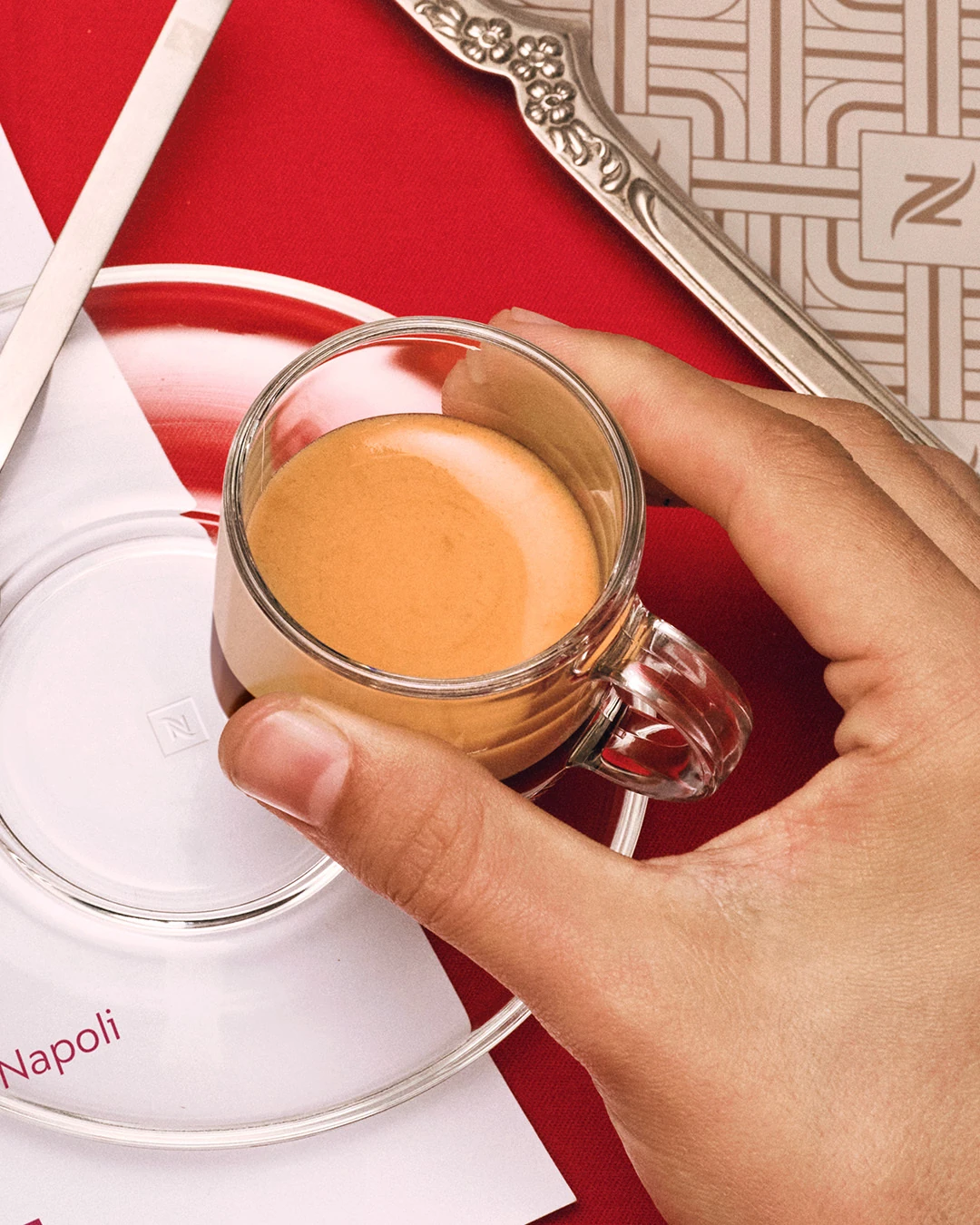
Curiosity about origin, flavor and experience also grew. We started asking more questions about what we were drinking.
The 2010s: the foodie city
The last decade cemented Buenos Aires as a regional gastronomic capital. New restaurants, celebrated chefs, specialized bars, brunch culture, artisanal bakeries and an increasingly sophisticated foodie scene transformed the city.
You may also like: Coffee Raves in Buenos Aires: where to experience them
In that context, coffee stopped being a complement and became the star. The city embraced new vocabularies around intensity, aroma, blends, brewing methods, formats and rituals.
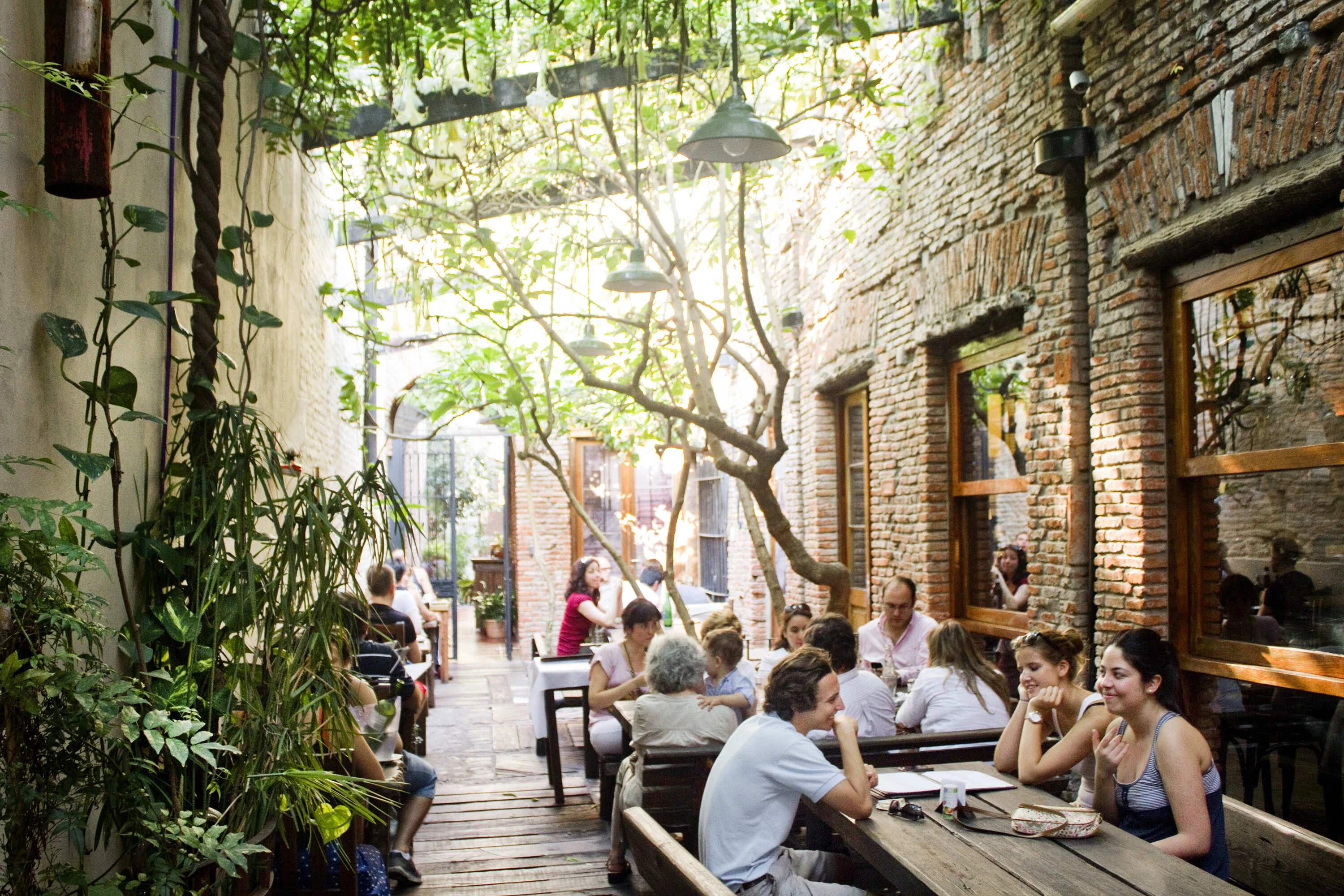
In recent years, that shift also became visible outside the coffee shop itself. Coffee stopped being just the end of a meal and became part of the entire gastronomic experience. Today it appears in restaurants, hotels and spaces where every detail matters, and where what is served in the cup lives up to the rest of the menu.
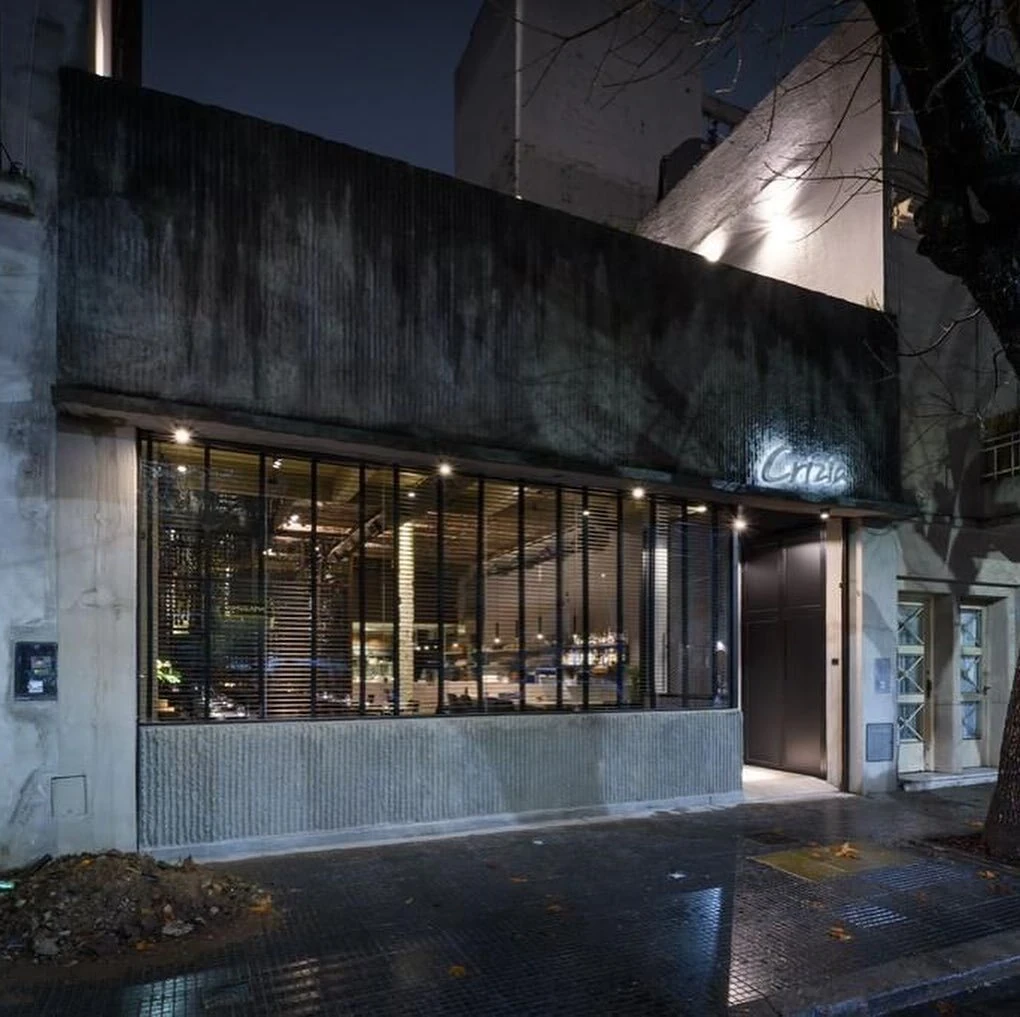
You can see it in places like Crizia, but also in chains and urban spaces like La Panera Rosa, Mooi, Vasalissa or Tomate, and even in hotels like Park Hyatt Buenos Aires, where coffee accompanies different moments of the day through Nespresso. In that expansion, the brand moved beyond the domestic sphere and became integrated into Buenos Aires life in a different way: more visible, more everyday and increasingly part of how the city is enjoyed.
Urban aesthetics changed too. Coffee became part of the city’s visual identity: beautiful tables, carefully chosen tableware, Instagrammable corners and breakfasts turned into plans of their own.
The 2020s: home, flexibility and new routines
If there’s one decade that redefined habits, it’s this one. Home became office, refuge, gym, restaurant and meeting point. And coffee once again gained centrality — this time inside the home.
You may also like: Coffee Manual: a basic guide to never ordering just a “coffee with milk” again
Today, many people start the day at home and turn that first cup into a personal ritual. According to data shared by Nespresso from the Coffee Usage Profiler study conducted by NielsenIQ, 85% of cups consumed in Argentina are enjoyed at home, especially at breakfast.
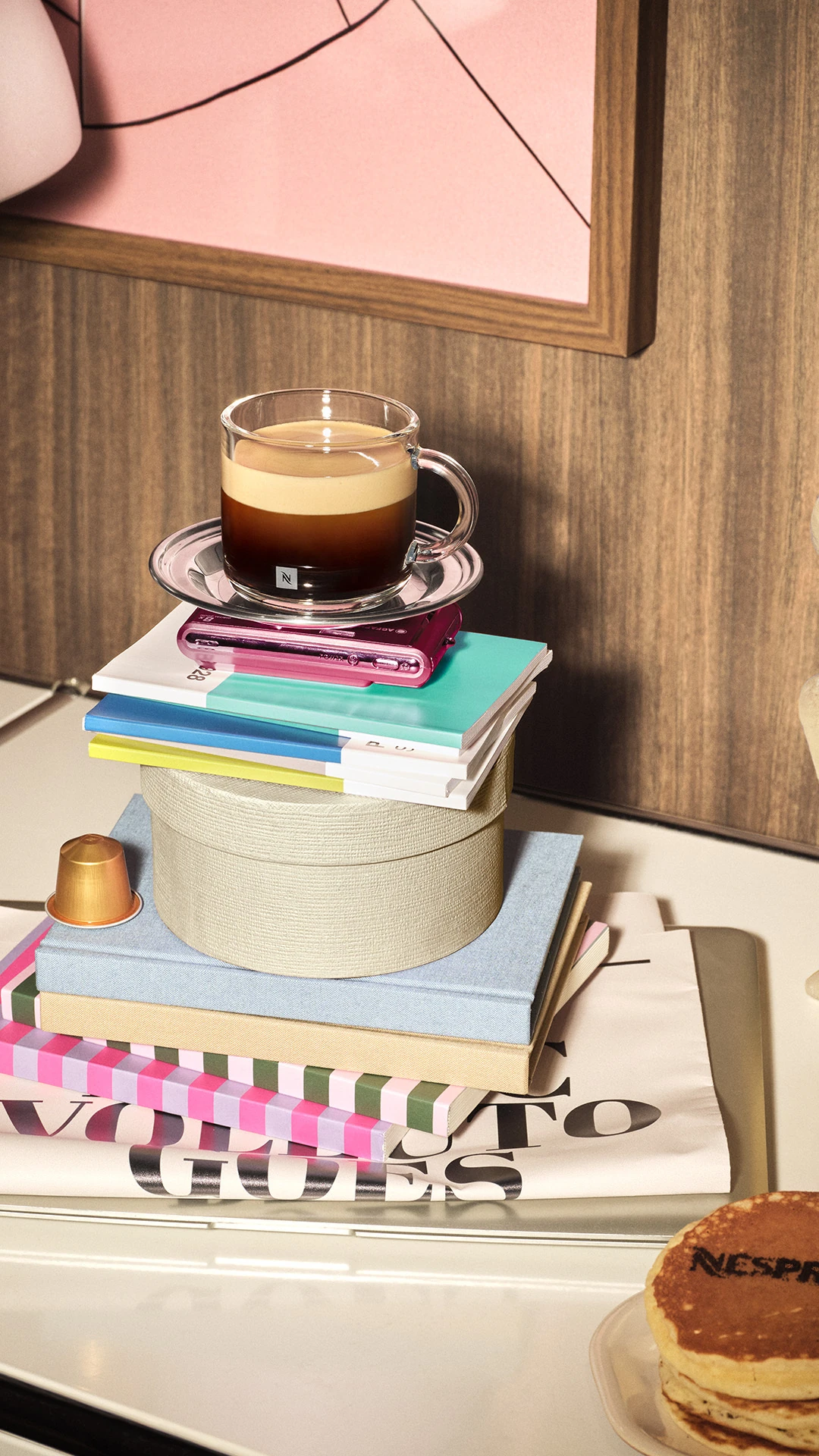
That says a lot about present-day Buenos Aires: an intense city that is also searching for pauses. A productive city that learned to value small everyday pleasures.
A tradition still looking ahead
Over four decades, the city changed schedules, relationships and priorities. It replaced rigid office culture with hybrid work, nightlife-centered socializing with more diverse plans, impulsive consumption with more conscious choices, visible luxury with genuine quality.
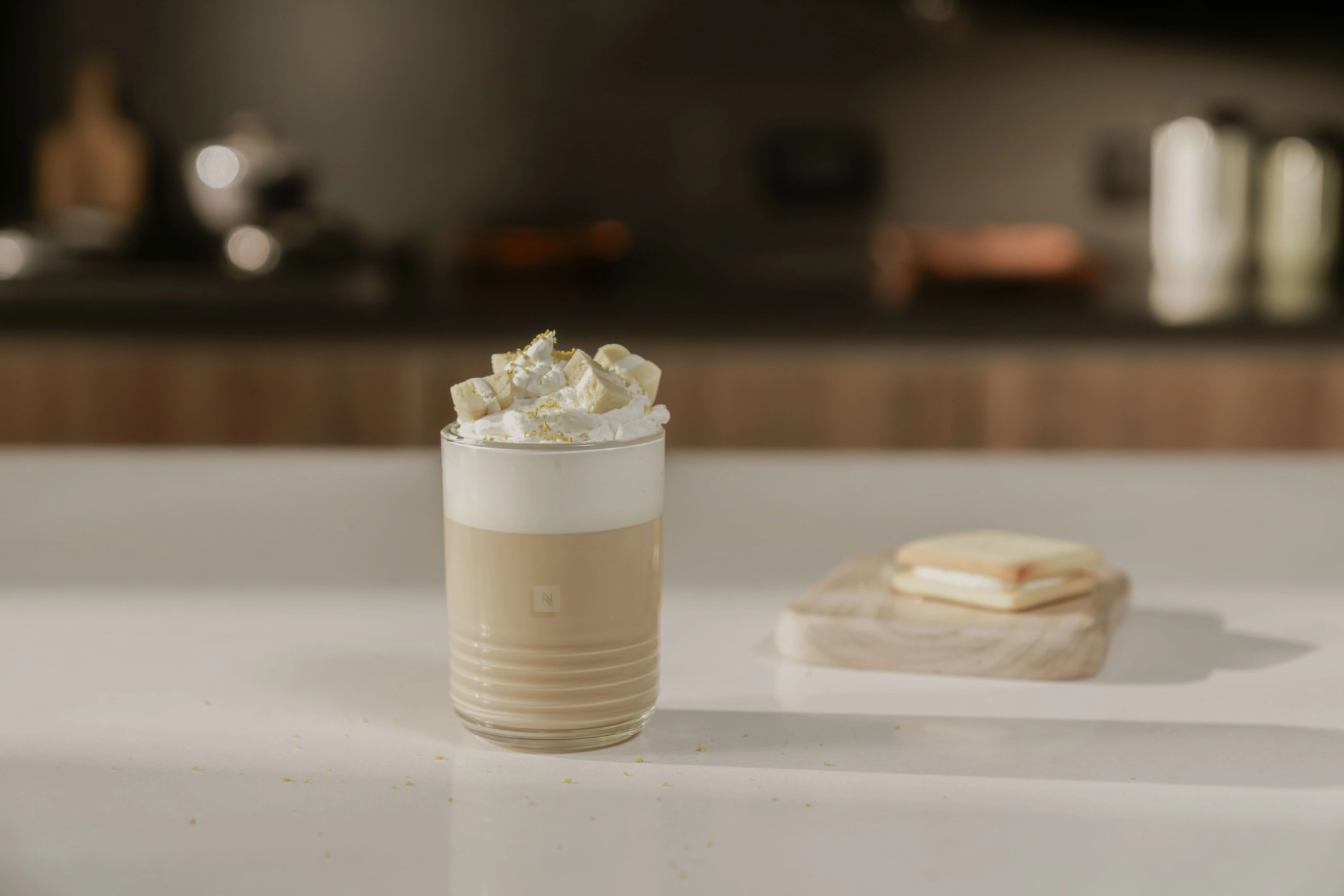
And coffee adapted to every stage, evolving alongside new rhythms. Today we look for flavor, practicality, design and versatility. We want something delicious before a call, something special for hosting guests or a brief pause between tasks.
You may also like: Buenos Aires, among the best cities in the world
Turning 40 in a city like Buenos Aires is no small thing. Remaining relevant is even harder. In the case of Nespresso, its anniversary finds the brand focused on evolution: new proposals, iconic coffees that remain timeless and a closer conversation with younger generations.

Because if there’s one thing Buenos Aires and coffee share, it’s this: both are constantly changing without ever losing themselves.
The next decade also begins with a cup
Offices, neighborhoods, technology and the way we connect will probably continue changing. Maybe we’ll work from more places, go out earlier or value simplicity and craftsmanship even more.
What’s hard to imagine is a Buenos Aires without coffee. And in a city that has mastered reinvention, that is already a form of permanence.