NoLo Wines: the rise of alcohol-free and low-alcohol wine
Alcohol-free and low-alcohol wine is no longer a curiosity—it’s becoming a new way to enjoy a glass: more conscious, more flexible, and increasingly present in Argentine wineries, restaurants and on dining tables.
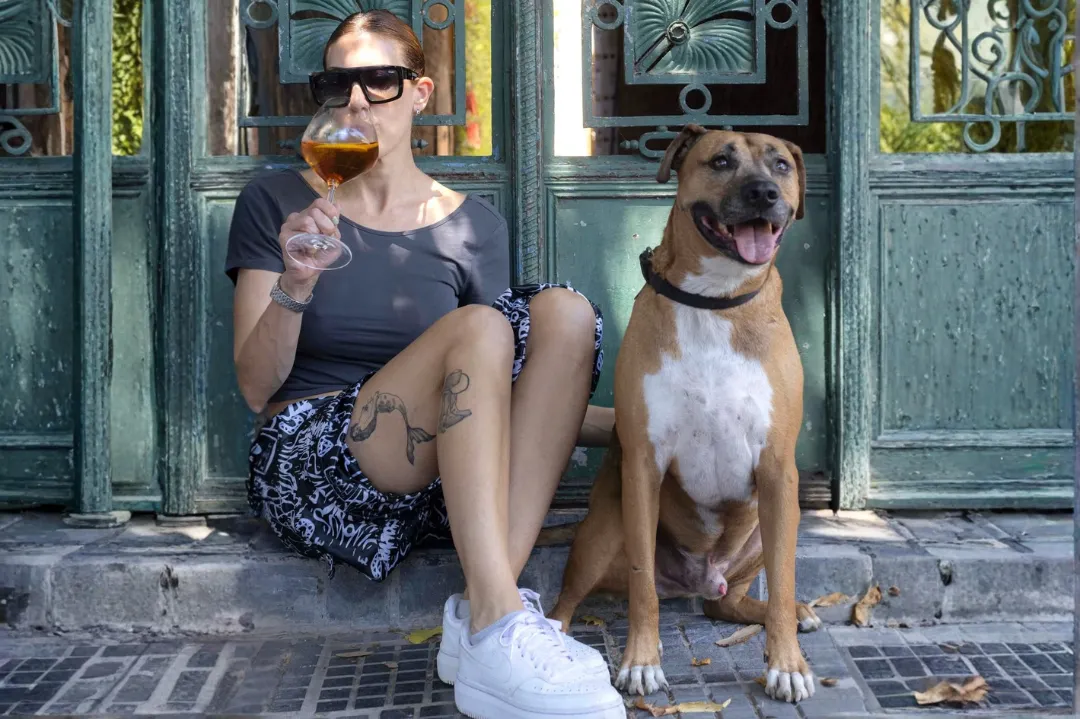
Not so long ago, talking about alcohol-free wine sounded like a contradiction. Today, it’s part of a global conversation spanning gastronomy, culture and new ways of socializing. NoLo wines—no alcohol or low alcohol—have moved beyond novelty to become a growing trend within the wine world, now appearing on restaurant lists, at specialized fairs and on carefully curated shelves. This isn’t about removing wine from the table, but about adding options: drinking less, drinking better, or choosing when to say yes and when to say no—without giving up the ritual of the glass, the toast or the pleasure of sharing. Enjoyment remains central, even if it’s no longer necessarily tied to alcohol.
Domaine Elena
Alcohol-free wine: keeping the ritual without the alcohol
In this new context, alcohol-free wine offers something essential: belonging to the moment. Glasses, toasts, pairings, lingering conversations after the meal—all of it is still there. In markets like Europe and the United States, major traditional wineries are already developing dedicated lines, investing in dealcoholization technology and crafting increasingly refined sensory profiles. The category is still young, but it’s moving fast: better flavor, more identity, and less of a “functional product” feel.
Why more people are choosing alcohol-free and low-alcohol wines
The NoLo boom can be explained by several factors: Generation Z drinks less alcohol than any generation before it; even moderate consumption is being questioned; and a way of enjoying wine that doesn’t sacrifice clarity, energy or next-day performance is gaining ground (yes, hangovers too).
Finca Flichman
That doesn’t mean alcohol-free wine isn’t still controversial—especially among traditionalists. Criticism often focuses on flavor: alcohol provides body, texture and length, and its absence is noticeable. There are also debates around naming, identity and an uncomfortable question that lingers in the air: to what extent is it still wine?
But as with specialty coffee, craft beer or alcohol-free cocktails, time and quality usually help settle the discussion.
Domaine Elena
Is alcohol-free wine here to stay?
Probably a bit of both. Some labels will disappear; others are here for the long haul. But the shift in habits seems to go beyond a passing trend. NoLo wine isn’t here to replace traditional wine—it’s here to coexist with it, to expand the range of moments and offer alternatives without giving up pleasure.
And in a province like Mendoza, where wine is identity, landscape and culture, the question isn’t whether NoLo exists, but how it’s made, with what criteria and with what honesty.
Mendoza and alcohol-free wine: how a traditional region adapts
Alcohol-free wine doesn’t ask permission: it moves forward, disrupts, makes mistakes, improves and tries again—like any cultural transformation. That may be the most interesting part: not debating whether it’s wine or not, but what it says about us, about how we want to toast today, and the place enjoyment holds in our lives.
While in Argentina—especially in Mendoza—the market is still developing, some wineries have already moved ahead and are actively shaping this change. Here’s a selection of eight alcohol-free, low-alcohol and kindred proposals that fully embody the NoLo spirit.
8 Mendoza wines without alcohol (or with low alcohol)
Been there, done that? Think again, my friend.
🙌 Awesome, you're subscribed!
Thanks for subscribing! Look out for your first newsletter in your inbox soon!
1. Nieto Senetiner 0% Brut – Nieto Senetiner
Nieto Senetiner
The winery launches Nieto Senetiner 0% Brut, Argentina’s first and only true alcohol-free sparkling wine. Made from 100% wine and 0% alcohol, crafted with Pinot Noir grapes from the Uco Valley, it stays true to Nieto Senetiner’s innovative spirit. With no added aromas or flavorings and just 15 calories per glass, it aims to preserve the character and identity of the winery’s sparkling wines. Its distinctive salmon hue and elegance reflect its Pinot Noir origin and house style.
The detail: behind Nieto Senetiner’s 0.0% sparkling wine is a thoughtfully designed enological process from the very start, led by Santiago Mayorga andRoberto González, blending innovation and experience in a single glass.
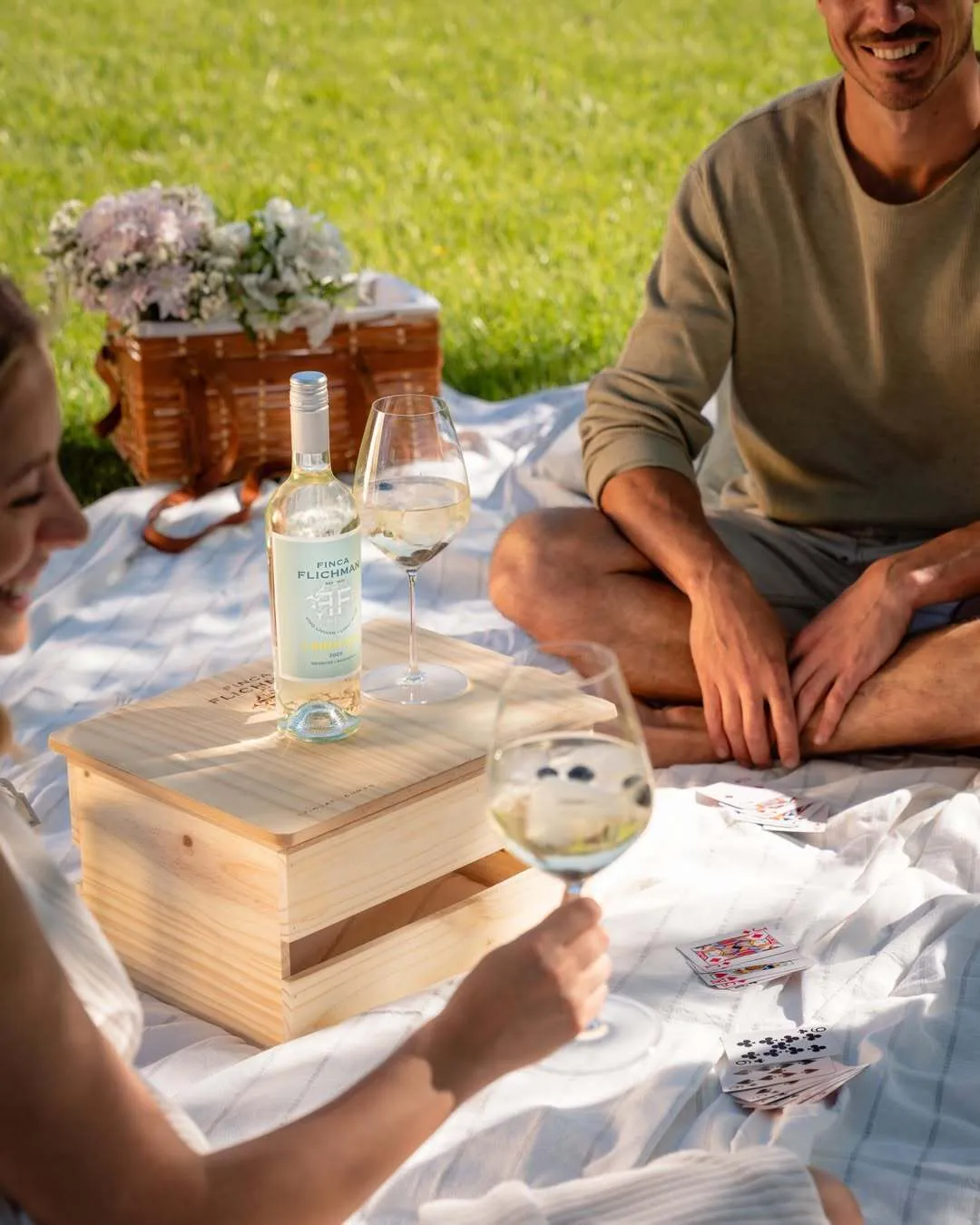
2. Low-Alcohol Chardonnay – Finca Flichman
Finca Flichman
Finca Flichman’s Low-Alcohol Chardonnay (9%) offers a lighter, more relaxed way to enjoy wine without sacrificing freshness or identity. Aromatic and subtle, it combines delicate fruit notes with a touch of minerality, making it refreshing and easy to drink—ideal for any time of day. A white wine for those seeking a lighter, versatile and contemporary glass, where balance is at the heart of the experience.
The detail: Finca Flichman is one of Argentina’s oldest wineries, founded in 1910, and has adapted to more than a century of change without losing its identity.
Advertising
3. LoCa Malbec – Domaine Bousquet
Domaine Bousquet
Deep violet in color, with intense aromas of red and black fruits, a light body and fruity profile, this Domaine Bousquet Malbec has just 9.5% alcohol. It’s made from certified organic vineyards in the Uco Valley, harvested early and fermented with native yeasts.
The detail: beyond its low calorie and alcohol content, LoCa is vegan, gluten-free, sulfite-free and certified in regenerative agriculture.
Crios Sustentia Chardonnay is a Mendoza white that understands the moment: fresh, elegant and with just 8.9% alcohol. Early harvesting in the Uco Valley naturally reduces grape sugar, resulting in a lighter profile with fewer calories but plenty of character. With balanced acidity and a refreshing edge, it’s best enjoyed well chilled, pairs with light dishes and fits perfectly into new ways of drinking. It’s also part of Sustentia, the Críos sub-line focused on sustainability, ecological viticulture and innovation—where conscious enjoyment is a real practice, not just a slogan.
The detail: at Susana Balbo Wines, whites and rosés make up as much as 40% of the portfolio—more than double the national average.
Advertising
5. Domaine Elena de Mendoza – Catena Zapata
Catena Zapata
The future of wine is also being written through science. After two years of research, Catena Zapata presents Domaine Elena de Mendoza, a premium line exploring new territory with alcohol-free and low-alcohol wines made from verjus—the unfermented juice of green Chardonnay grapes from the Uco Valley. The range includes two alcohol-free carbonated drinks infused with botanicals, and two sparkling wines at just 7% alcohol, Uco Mineral and Uco Stones, combining verjus with dry Chardonnay. Aromatic, elegant and balanced, they open up a new way to think about and enjoy wine without sacrificing experience or sophistication.
The detail: the use of verjus—unusual in Argentine viticulture—allows for lower sugar, alcohol and calories without sacrificing the complexity that defines this winery’s wines.
6. Wine Not – Bodega Andeluna
Bodega Andeluna
Andeluna Wine Not, one of the market’s first low-alcohol Malbecs (9.5%), comes from Uco Valley vineyards. It challenges the grape’s tradition through early harvesting and minimal intervention, prioritizing freshness and vibrant fruit. It reflects how a mountain winery with over 70 hectares of estate vineyards looks toward new ways of drinking without losing terroir or style.
The detail: the winery also produces Andeluna 1300 Natural Sweet Torrontés, made from grapes grown on an old pergola in the Uco Valley, with just 6.5% alcohol.
Advertising
7. Aquí estamos todos locos Sauvignon Blanc – Bodega Niven
Bodega Niven
This Sauvignon Blanc from Bodega Niven, born in Pareditas at the southern edge of the Uco Valley, is a personal bet by the winemaker on low-alcohol wines. Achieved through early harvesting, skin maceration and fermentation, and aging in concrete, it delivers freshness, vibrant acidity and lightness without losing character or complexity. Ideal for warm days, it shows how the region’s cold climate and austere soils can produce light yet distinctive wines.
8. El Mirador Ancellotta Malbec – Bodega Mauricio Lorca
Bodega Mauricio Lorca
This unusual Ancellotta Malbec from Mauricio Lorca’s El Mirador line—with just 9.5% alcohol and sourced from early-harvested historic vineyards in eastern Mendoza—is a fresh, fruit-forward red that breaks with the logic of high alcohol levels. It shows how a winery dedicated to reviving old varieties can translate them into a light, characterful wine without losing its connection to terroir. A less conventional varietal in the local market, but one that deserves a place among the next bottles to discover.
The detail:Mauricio Lorca was one of the first winemakers to champion the revival of uncommon varieties in Mendoza, such as Ancellotta, working with old vineyards in the east and small-scale production.
Been there, done that? Think again, my friend.
🙌 Awesome, you're subscribed!
Thanks for subscribing! Look out for your first newsletter in your inbox soon!
Been there, done that? Think again, my friend.
🙌 Awesome, you're subscribed!
Thanks for subscribing! Look out for your first newsletter in your inbox soon!
By entering your email address you agree to our Terms of Use and Privacy Policy and consent to receive emails from Time Out about news, events, offers and partner promotions.
🙌 Awesome, you're subscribed!
Thanks for subscribing! Look out for your first newsletter in your inbox soon!