Some landscapes invite you to slow down, breathe in the fresh air and head out to explore. In Mendoza, Protected Natural Areas (PNAs)offer the perfect opportunity to enjoy a getaway with friends or family, hike through the mountains, discover unexpected hidden gems and connect with the province’s natural wonders.
From volcanoes shaping the horizon to high-altitude lagoons surrounded by towering peaks, each destination offers a different way to experience outdoor adventure. In the Uco Valley, history and mountains come together at Manzano Histórico and Laguna del Diamante. Further south, Malargüeamazes visitors with the remarkable formations of Caverna de las Brujas, the vast volcanic landscapes of La Payunia and the biodiversity of Llancanelo. To the north, Ñacuñán protects native flora and fauna, while the High Andes offer breathtaking scenery. Closer to Mendoza City, Divisadero Largo takes visitors on a journey through time with its geological formations.
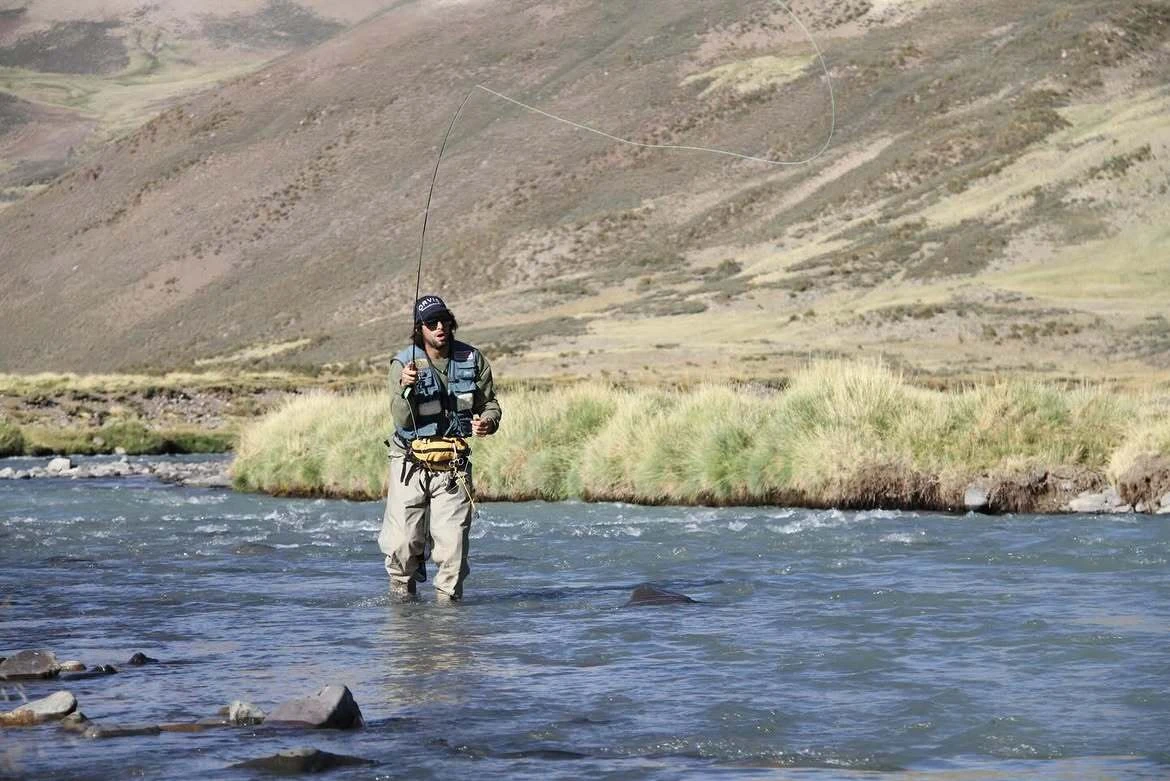
Turismo de MendozaPesca
Here’s our guide to discovering these natural havens and planning your next adventure in Mendoza.
Mendoza’s Network of Protected Natural Areas
Mendozaboasts one of the largest networks of Protected Natural Areas in Argentina, with 19 sites covering approximately 13% of the province’s territory. Of these, 13 are open to visitors, offering different ways to explore Mendoza’s diverse landscapes.
Turismo de MendozaÁreas Naturales Protegidas
Each area protects unique natural features, which means permitted activities vary depending on the location. Before planning your trip, it’s worth checking the latest guidelines and taking the necessary precautions to enjoy these environments without disturbing them.
Some reserves require tickets to be purchased in advance, while others can be visited free of charge. Entry requirements and prices can be checked through the Government of Mendoza’s Official Booking System.
Turismo de MendozaÁreas Naturales Protegidas
Been there, done that? Think again, my friend.
🙌 Awesome, you're subscribed!
Thanks for subscribing! Look out for your first newsletter in your inbox soon!
1. Aconcagua Provincial Park
Kahuak
Standing at 6,962 metres, Mount Aconcagua is the highest peak in the Americas and the star attraction of this protected area, where glaciers and high-altitude landscapes create a truly spectacular setting. There are options for every level of adventure, from scenic walks to challenging treks deep into the Andes.
One of the recommended tourist routes is the Laguna de Horcones–Quebrada de Horcones Interpretive Trail, which follows marked paths to a viewpoint overlooking the lagoon and the mountain’s impressive South Face.
Insider tip:For those seeking a more demanding experience, Kahuak Turismo organises a three-day expedition featuring an overnight stay at Confluencia base camp and a hike to Plaza Francia camp, at an altitude of 4,200 metres.
Where:RN7 10, Puente del Inca. In the northwest of the province, in the Las Heras department, 180 km from Mendoza City via National Route 7.
2. Cordón del Plata Provincial Park
Municipalidad de Luján de Cuyo
With peaks rising above 4,000 metres and reaching elevations of 5,000 metres above sea level, Cordón del Plata offers some of Mendoza’s most spectacular mountain scenery. In addition to supplying essential waterways for the province, this protected area preserves archaeological and palaeontological treasures, along with a rich diversity of native flora and fauna.
It’s an ideal destination for trekking, mountaineering and nature photography, with routes suited to different experience levels. Its mountains also serve as a training ground for those looking to take their first steps in high-altitude activities.
Insider tip:For a rewarding challenge surrounded by Andean scenery, the trek to Mount Arenales (3,400 metres above sea level) is an excellent choice. Visits are possible throughout the year, depending on weather and access road conditions. Before setting out, check with park rangers or mountain refuges in the area.
Where:Las Vegas. Located 80 km from Mendoza Cityvia Routes 7 and 82, the park covers 175,500 hectares across the Luján de Cuyo and Tupungato departments.
Advertising
3. Laguna del Diamante Nature Reserve
Turismo de Mendoza
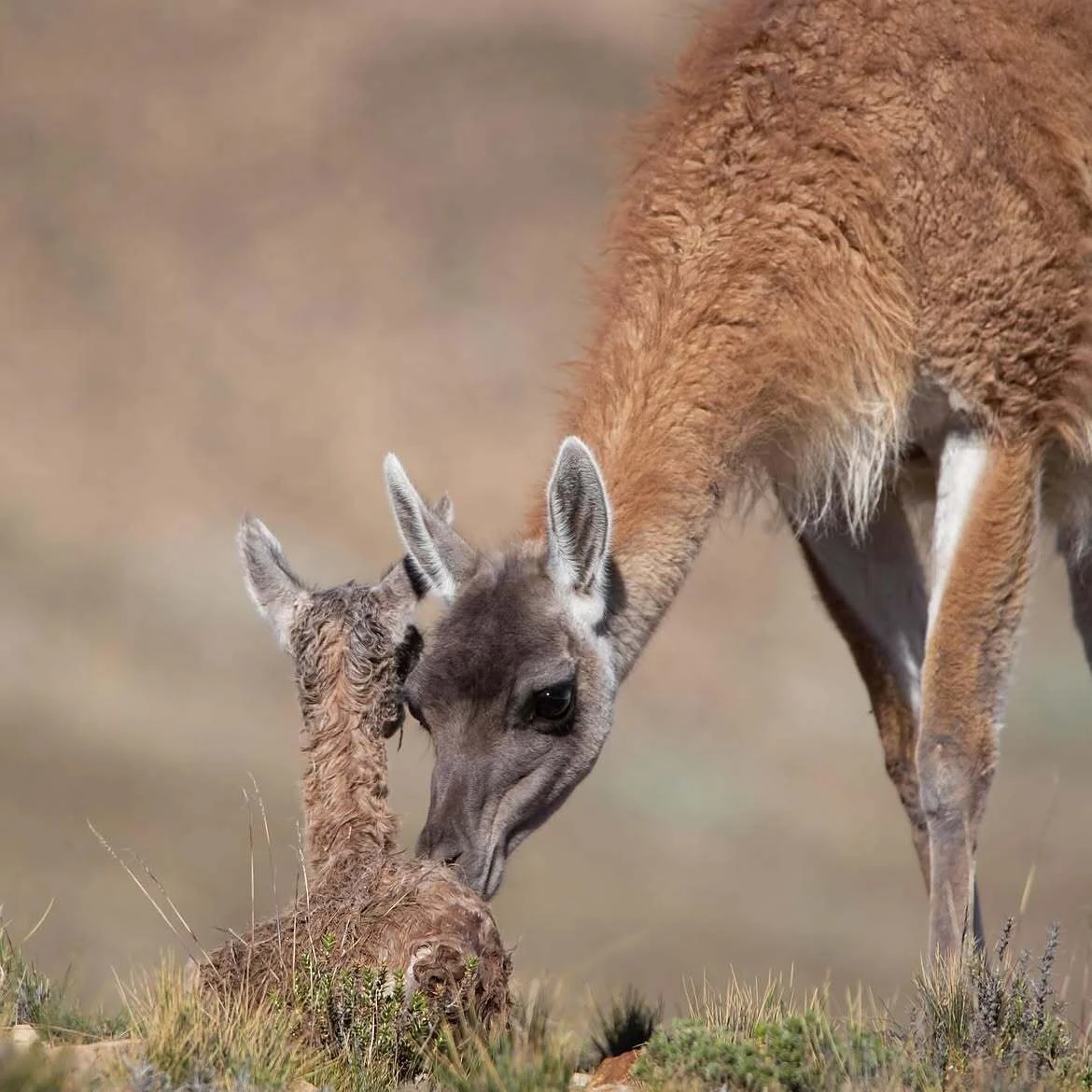
At an altitude of 3,250 metres, at the foot of Maipo Volcano, Laguna del Diamanteoffers one of Mendoza’s most breathtaking sights: a crystal-clear lake reflecting the volcano’s silhouette against a dramatic high-altitude landscape. The Diamante River originates here, while high-Andean wetlands provide a habitat for species such as guanacos and a variety of birds.
The reserve is perfect for hiking, cycling, recreational fishing, wildlife watching and camping in designated areas. For those looking for a greater challenge, it also serves as a starting point for climbing Maipo Volcano.
Insider tip:Access is seasonal and depends on weather conditions. To plan your visit, you’ll need to purchase an entry ticket and check road conditions and access requirements in advance.
An almost otherworldly landscape awaits in southern Mendoza. La Payuniastretches across 600,000 hectares of volcanic terrain, featuring more than 800 volcanic cones, including the imposing Payún Liso and majestic Payún Matrú. Vast lava fields and striking geological formations create a landscape that surprises visitors with its shapes and colours.
Beyond its geological significance, the reserve protects remarkable biodiversity. It is home to one of the most important migratory guanaco populations in central-western Argentina, alongside plant and animal species adapted to this extraordinary environment.
Insider tip:Excursions are generally carried out in 4x4 vehicles and require booking an authorised guide in advance, as well as purchasing entry tickets. Popular routes include Los Volcanes and Santa María Volcano. Staying in Malargüemakes organising your visit easier.
Where:Approximately 120 km south and east of the city of Malargüe.
Advertising
5. Llancanelo Wetland Nature Reserve
Turismo de Mendoza
In southern Mendoza, Llancanelo Wetlandreveals a fascinating landscape where water and arid terrain coexist, creating an ecosystem of exceptional biodiversity. Established in 1980 and expanded in 2007, this reserve is one of the most important wetlands in South America’s Arid Diagonal and a vital refuge for aquatic and migratory birds. One of its highlights is the Chilean flamingo, as the area is one of the species’ main nesting sites.
Visitors can explore the reserve through a self-guided route covering Pozos de Carapacho and Trapal Volcano, or choose a longer circuit that includes Playa and Real de los Jueces, accompanied by a mandatory authorised guide.
Insider tip:Camping is permitted at the El Sauce ranger station, which offers basic facilities. An entry ticket is required.
Where:Approximately 75 km from Malargüe, accessible via a dirt road.
6. Caverna de las Brujas Nature Reserve
Turismo de Mendoza
Beneath the surface of Malargüelies a world of underground passages and mineral formations that looks straight out of an adventure film. Caverna de las Brujasoffers the chance to explore ancient marine limestone formations dating back to the Jurassic period, where stalactites, stalagmites, columns and other natural sculptures create a spectacular underground setting.
Its underground galleries extend for more than 3,000 metres, making this a truly unique way to discover Mendoza’s geology. Visits are possible year-round, depending on weather and road conditions, and must always be accompanied by an authorised tour guide.
Insider tip:Visits take place in groups, and children under four are not permitted to enter. Children aged four to six can join a shorter tour as far as the Sala de la Virgen, accompanied by an adult. From the age of seven, visitors can reach the Sala de la Estalagmita Gigante.
Where:8 km north of National Route 40 near Bardas Blancas, 65 km south of Malargüe.
Advertising
7. Ñacuñán Biosphere Reserve
Turismo de Mendoza
Far from the familiar Andean landscapes, Ñacuñáninvites visitors to discover the richness of Mendoza’s desert through its native woodlands and the wildlife inhabiting its plains. The reserve protects approximately 12,600 hectares of algarrobo woodland, predominantly the sweet algarrobo tree, and has been part of the World Network of Biosphere Reserves since 1986.
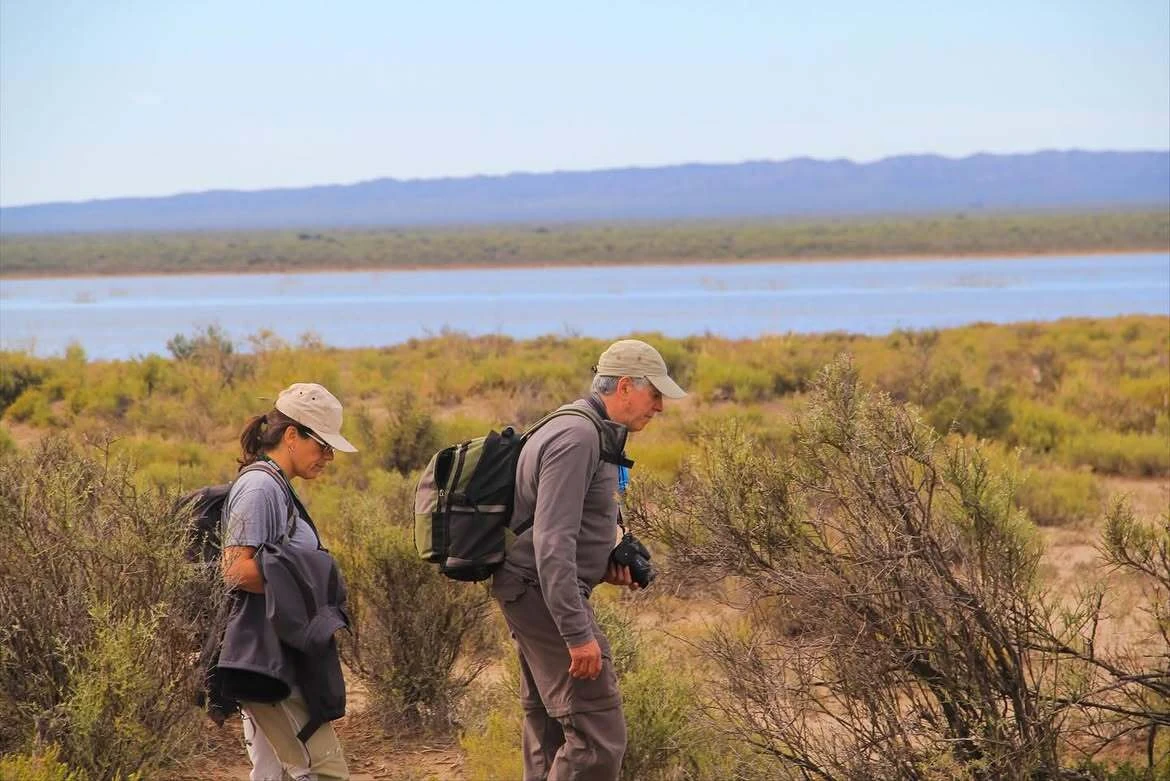
It’s an ideal destination for walking along nature trails, observing native species and capturing the landscape through photography. Walking routes range from 30 minutes to two and a half hours and lead to a scenic viewpoint. The reserve also welcomes educational visits and hosts scientific research activities linked to CONICET, Argentina’s National Scientific and Technical Research Council.
Insider tip:Overnight stays are possible. If you’re planning to camp for two consecutive nights, make sure to check availability for all three days of your visit in advance.
Where:180 km southeast of Mendoza City, in the Santa Rosa department.
8. Divisadero Largo Nature Reserve and Wildlife Sanctuary
Turismo de Mendoza
Just minutes from Mendoza City, Divisadero Largois a fantastic option for anyone looking for an outdoor adventure without travelling too far. Its foothill trails offer walks through arid landscapes and panoramic views of the city, while revealing what feels like an open book of geological history, with formations dating back more than 200 million years.
The reserve also preserves palaeontological discoveries, traces of ancient human settlements and remnants of mining activity that form part of Mendoza’s past. It’s a place where nature, history and science come together in a single experience.
Insider tip:There are trails of varying difficulty levels, as well as the Divisadero Tour, a short guided walk exploring the area’s distinctive geology and landscapes.
Where:Just 8 km from Mendoza City.
Advertising
9. Bosque Telteca Nature Reserve
Turismo de Mendoza
Mendoza’s desert reveals one of its best-kept secrets: vast sand dunes and centuries-old algarrobo woodlands that have stood the test of time. Protected since 1985, this forest of more than 38,500 hectares preserves the characteristic flora and fauna of the Monte ecoregion, along with an important cultural heritage connected to descendants of the Huarpe people.
Among jarilla shrubs, chañar trees and retamo bushes, visitors may spot maras, foxes and numerous bird species, including the endangered crowned eagle. Environmental interpretation trails offer insight into this unique ecosystem and what life is like in a desert climate.
Insider tip:Entry is free, although certain activities require an authorised guide. It’s best to visit early in the day and choose mild weather. Night-time tours are also often organised during the summer.
Where:In the Lavalle department, 170 km from Mendoza City.
10. Puente del Inca Natural Monument
Turismo de Mendoza
High in the Andes, at 2,730 metres above sea level, Puente del Incais a remarkable natural formation displaying shades of ochre, yellow and orange, sculpted over time by water and minerals. Beneath this biomineral structure flows the Cuevas River, in a landscape where geology and history intertwine.
The site forms part of the Qhapaq Ñan Andean Road System, also known as the Inca Trail and recognised as a UNESCO World Heritage Site. It’s an unmissable stop for discovering the natural and cultural heritage of Mendoza’s High Andes. To help preserve the site, visitors should stay on designated paths.
Insider tip:Located just a few kilometres from Aconcagua Provincial Park, it’s an ideal destination to combine with a visit to the park. It also makes a great stop before exploring the Colossus of the Americas.
Where:193 km from Mendoza City via National Route 7, in the Las Heras department.
Advertising
11. Manzano Histórico Scenic and Cultural Reserve
Turismo de Mendoza
Surrounded by crystal-clear streams, ravines and towering Andean mountains, Manzano Histórico brings nature and history together in one beautiful setting. According to historical tradition, this valley in the Uco Valley was where José de San Martín rested upon returning from his campaigns for independence in 1823. A monument honouring the Liberator was erected to commemorate the event and remains one of the area’s most recognisable landmarks. The area is also home to the mountain pass once crossed by the famous naturalist Charles Darwin.
Established in 1994, the reserve also protects important water resources, glaciers and vegetation that contrasts with the surrounding arid mountain landscape. It’s an ideal destination for walking, enjoying the outdoors and discovering a piece of Mendoza’s history.
Insider tip:This is a great stop to include on a tour of the Uco Valley. Kahuak Turismo, for example, offers group excursions combining the reserve with a visit to a traditional local winery.
Where:Campo Los Andes, Los Árboles district, in Los Chacayes, Tunuyán.
12. Manzano–Portillo de Piuquenes Nature Reserve
Municipalidad de Tunuyán
Imposing mountains, glaciers and crystal-clear streamsdefine the landscape of this reserve in the Cordillera Frontal, where adventure meets historical heritage. Declared a Protected Natural Area in 2012, it covers more than 314,000 hectares and protects the flora, fauna, water resources and archaeological heritage of the Cordón del Portillo mountain range.
The Piuquenes Pass also holds an important place in the history of José de San Martín. It was one of the Andean routes associated with the struggle for independence and the path San Martín took on his return from Chile. A destination where visitors can discover the vastness of the mountains and the historical stories they hold.
Insider tip:During the summer, conditions allow activities such as trekking, mountaineering, climbing and fishing, provided visitors follow current access requirements and safety recommendations.
Where:135 km from Mendoza City, accessible via Provincial Route 94 from Tunuyán or Provincial Route 89 from Tupungato.
Advertising
13. Castillos de Pincheira Protected Landscape Reserve
Turismo de Mendoza
Near Malargüe, wind and water have sculpted a landscape of rocky towers and walls that resemble castles rising from the surrounding terrain. Formed from sediments deposited by ancient volcanic eruptions and gradually shaped by erosion, these formations make the 650-hectare reserve one of the most distinctive natural attractions in Mendoza’s Patagonian region.
The surroundings invite visitors to enjoy outdoor activities, from hiking and horseback riding to relaxing days immersed in nature. It’s a wonderful way to discover another side of southern Mendoza’s landscapes.
Insider tip:The site has a privately operated campsite with paid admission and a restaurant. Trekking and camping trips can also be arranged.
Where:In Malargüe, 450 km from Mendoza City.
Bonus: Villavicencio Nature Reserve
Turismo de Mendoza
Around 50 kilometres from Mendoza City, Villavicencio combines winding mountain roads, historic thermal baths, beautiful landscapes, natural mineral springs and remarkable biodiversity at every turn. Its trails cross foothill landscapes where visitors can spot foxes, guanacos, vizcachas and lizards, as well as condors soaring above the ravines.
The historic Caracolesroad adds another highlight to the experience, with its sharp bends and panoramic views. For those seeking an extra dose of adventure, 4x4 excursions are also available, allowing visitors to explore parts of the reserve with specialised tour operators.
Insider tip:You can round off your visit with a stop at Parador Villavicencio, which has a restaurant and café, or enjoy adventure activities at Villavicencio Park, including treetop courses, zip-lining and activities for children.
Where:Km 50, Provincial Route 52, Las Heras.
Been there, done that? Think again, my friend.
🙌 Awesome, you're subscribed!
Thanks for subscribing! Look out for your first newsletter in your inbox soon!
Been there, done that? Think again, my friend.
🙌 Awesome, you're subscribed!
Thanks for subscribing! Look out for your first newsletter in your inbox soon!
By entering your email address you agree to our Terms of Use and Privacy Policy and consent to receive emails from Time Out about news, events, offers and partner promotions.
🙌 Awesome, you're subscribed!
Thanks for subscribing! Look out for your first newsletter in your inbox soon!