

[image]
[title]Everyone thinks they know the Uco Valley. They've seen it on wine labels, in photos of endless vineyards, and on postcards framed by the Andes. But reducing this region of Mendoza to wine tourism alone means missing most of what it has to offer.
Located about 100 kilometers southwest of Mendoza City and crossed by National Route 40, the Uco Valley is made up of Tunuyán, Tupungato, and San Carlos—three departments, each with its own identity. Between mountains, rivers, rural villages, and scenic roads, visitors will find experiences that go far beyond wine: astrotourism, outdoor adventure, outstanding gastronomy, San Martín heritage, and mountain landscapes that reveal another side of Mendoza.
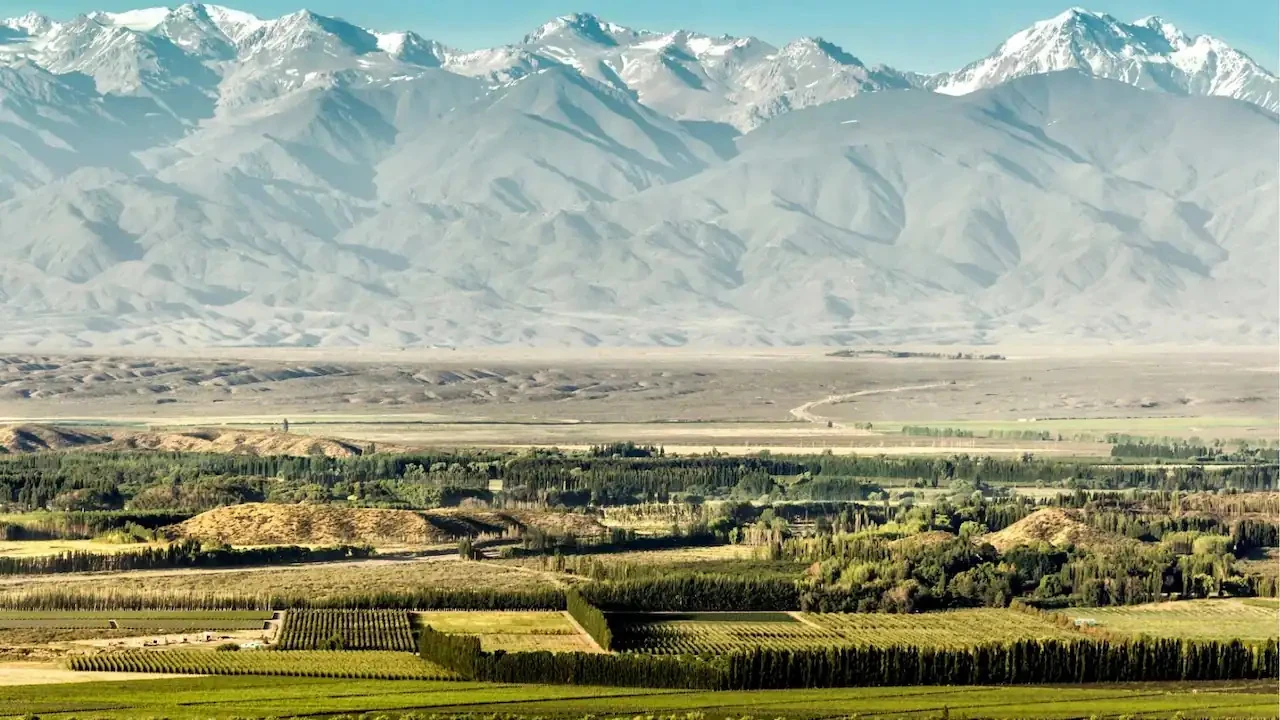
The Uco Valley Beyond Wine: Scenic Routes, Orchards, and Local Production
Exploring the Uco Valley also means discovering a landscape deeply rooted in agriculture and Mendoza's rural traditions. Along Route 40 and the local roads connecting the three departments, walnut groves, apple orchards, peach plantations, olive trees, and family-run farms line the way. It's still common to find small producers selling homemade preserves, honey, dried fruits, and seasonal produce, as well as cider and juice factories that supply markets across Argentina.
Much of this identity can be experienced along the Productive Corridor, an 80-kilometer scenic route linking Tunuyán, Tupungato, and San Carlos through vineyards, wineries, orchards, and endless rows of poplar trees. The drive offers a broader understanding of the region: a place where wine exists alongside fruit production, manufacturing, and landmark projects such as the Eco de los Andes mineral water plant, all sustained by the fertile land and the Andes.

Tunuyán: Adventure and Gastronomy in the Heart of the Uco Valley
Tunuyán is often considered the vibrant center of the Uco Valley. Surrounded by mountains, rivers, and vineyards, it blends nature, adventure, and a thriving culinary scene.
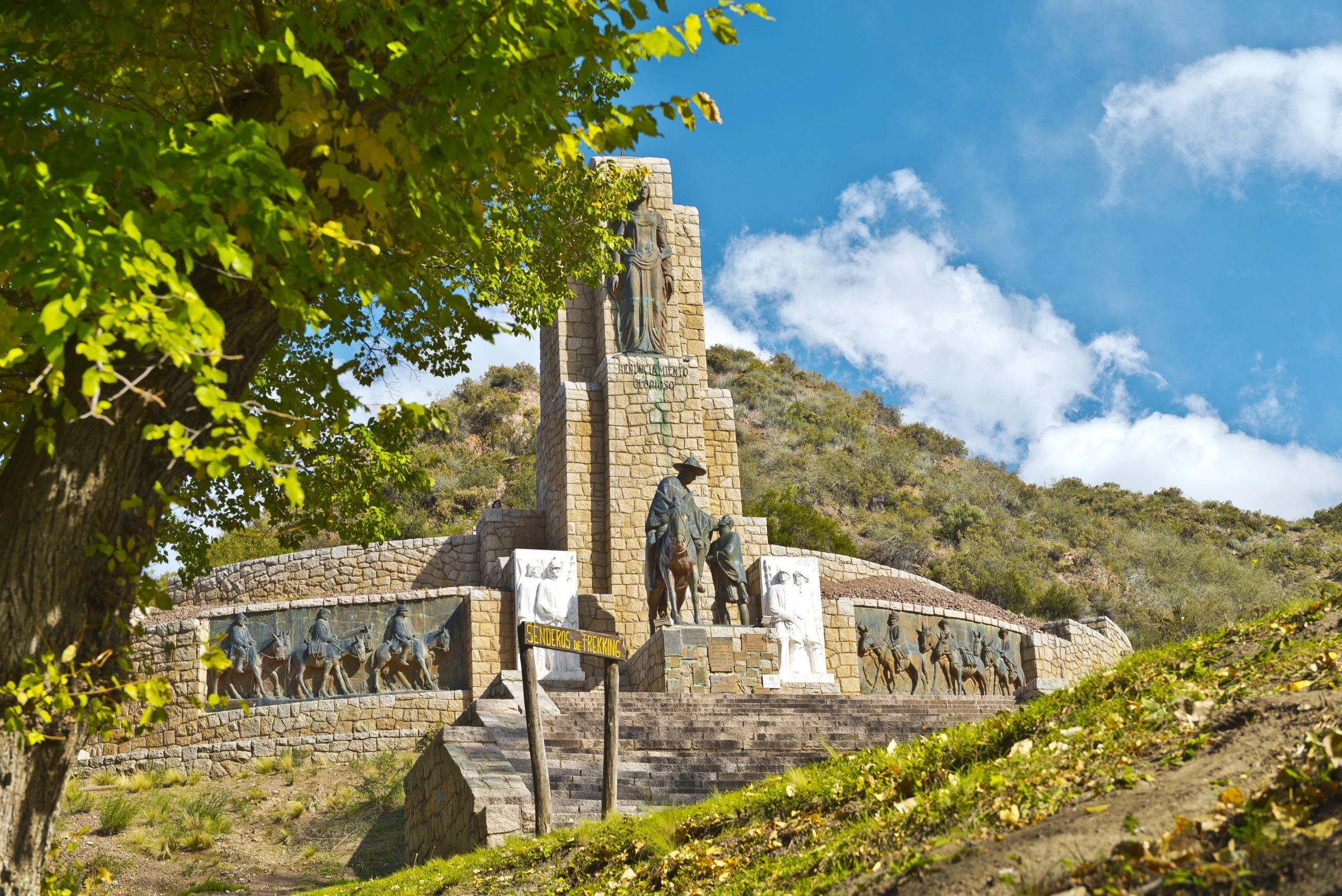
One of its most iconic sites is Manzano Histórico, where General José de San Martín rested after crossing the Andes. From here, visitors can enjoy hiking, horseback riding, mountain biking, and excursions to Cajón de los Arenales, one of the region's most breathtaking natural landscapes.
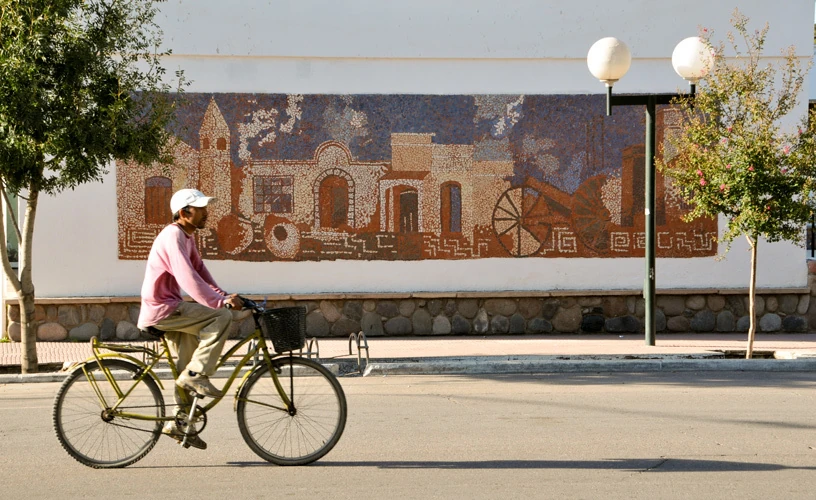
The Tunuyán River offers rafting, sport fishing, and riverside hikes, while acclaimed wineries, restaurants, and luxury resorts such as Casa de Uco, The Vines, and Bodega Salentein have established the department as one of Mendoza's premier food and tourism destinations.
You may also like: The Vines of Mendoza: The Heart of Wine, Community, and Luxury at the Foot of the Andes
Tupungato: Endless Skies and Scenic Roads Between Vineyards and Mountains
In the northern Uco Valley, Tupungato offers one of the closest connections to the Andes. The majestic Tupungato Volcano dominates the landscape, shaping a destination where nature and contemplation take center stage.

Its name means "star viewpoint," and for good reason. Thanks to exceptionally clear skies and minimal light pollution, Tupungato has become one of Mendoza's leading destinations for astrotourism. At night, visitors can observe galaxies, nebulae, and constellations rarely visible from urban areas, especially from Cristo Rey del Valle, a striking 28-meter-high monument located in Los Cerrillos.
By day, quiet country roads wind through vineyards, tree-lined landscapes, and mountain hamlets, making the area perfect for cycling, hiking, or simply stopping to admire the scenery. Highlights include Camino de Los Cerrillos, La Carrera, and several natural viewpoints overlooking the Uco Valley.
You may also like: La Carrera: Mendoza's Secret Route Filled with History and Unique Experiences

At the same time, wineries such as Domaine Bousquet, Andeluna, and Rutini Wines reinforce Tupungato's reputation as both a gastronomic and wine tourism destination, pairing estate wines with contemporary cuisine and outdoor experiences.
San Carlos: Untamed Nature and History in the Valley's Most Authentic Corner
Quieter and more closely connected to rural traditions, San Carlos preserves one of the Uco Valley's most authentic identities. Founded in 1772, it is the oldest department in the region and one of the most diverse in terms of landscapes, where small-town life and nature remain deeply intertwined.
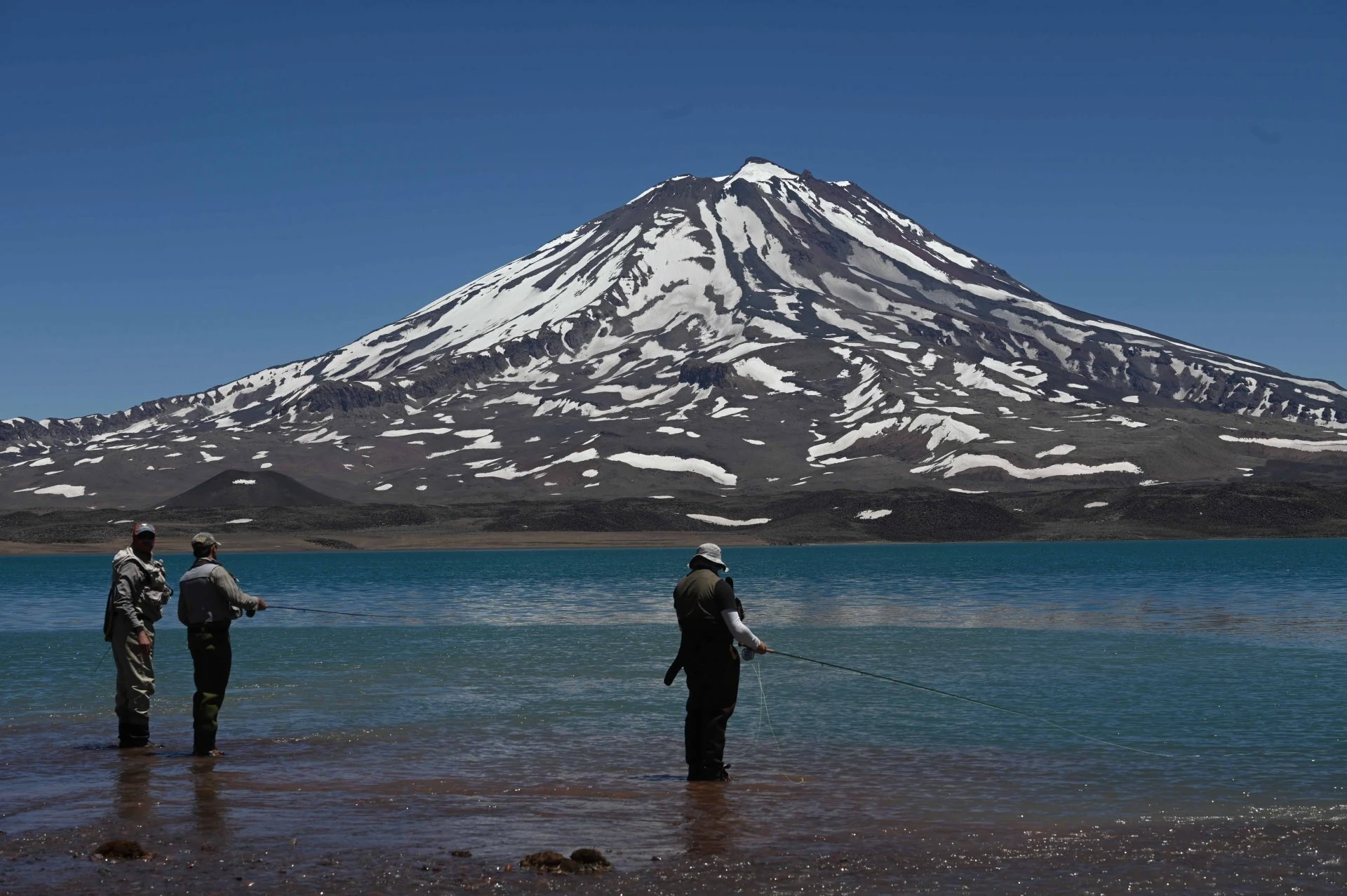
Here lies Laguna del Diamante Nature Reserve, one of Mendoza's most spectacular natural settings. Sitting more than 3,300 meters above sea level, its crystal-clear lake reflects the imposing Maipo Volcano and is surrounded by dramatic mountain scenery. The reserve is ideal for hiking, wildlife watching, sport fishing, and nature photography.
You may also like: The 13 Best Hiking Trails in Mendoza
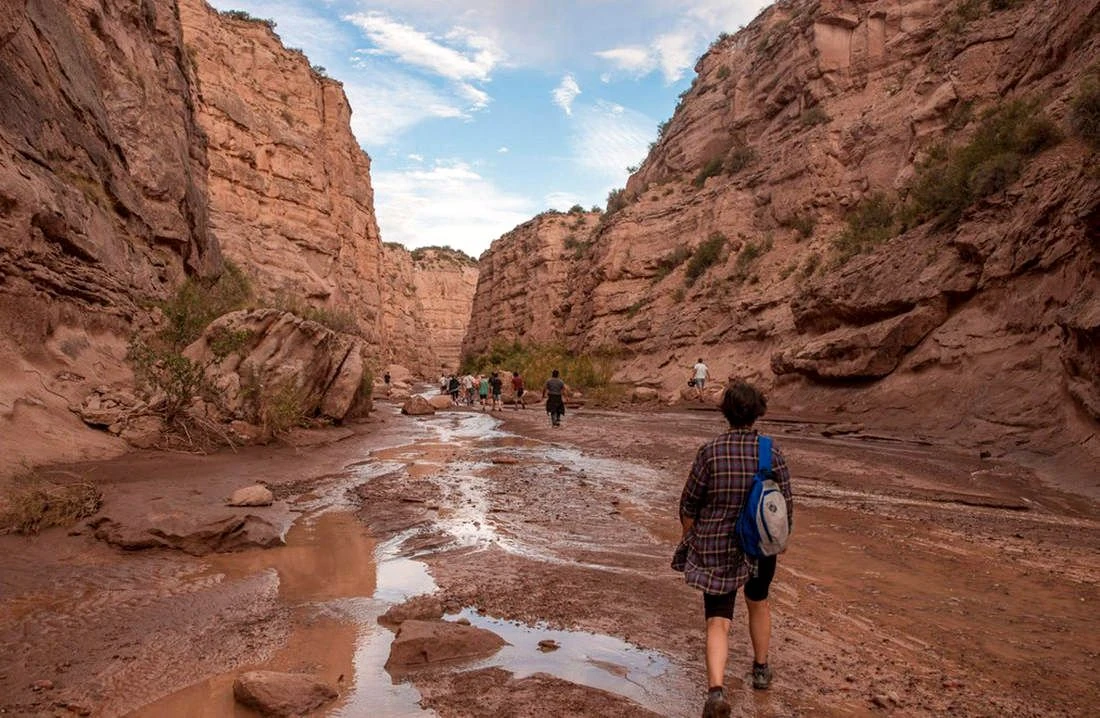
San Carlos also reveals a completely different landscape in the Huayquerías Desert, where canyons and volcanic rock formations create scenery that feels almost otherworldly. Hiking, rappelling, and outdoor adventure unfold amid silence, vast open spaces, and a remarkable sense of isolation.
The department also preserves an important historical legacy. At the former Fort of San Carlos, General San Martín held strategic meetings with Indigenous leaders before the Crossing of the Andes, an event known as La Consulta, which remains an essential part of the area's identity.
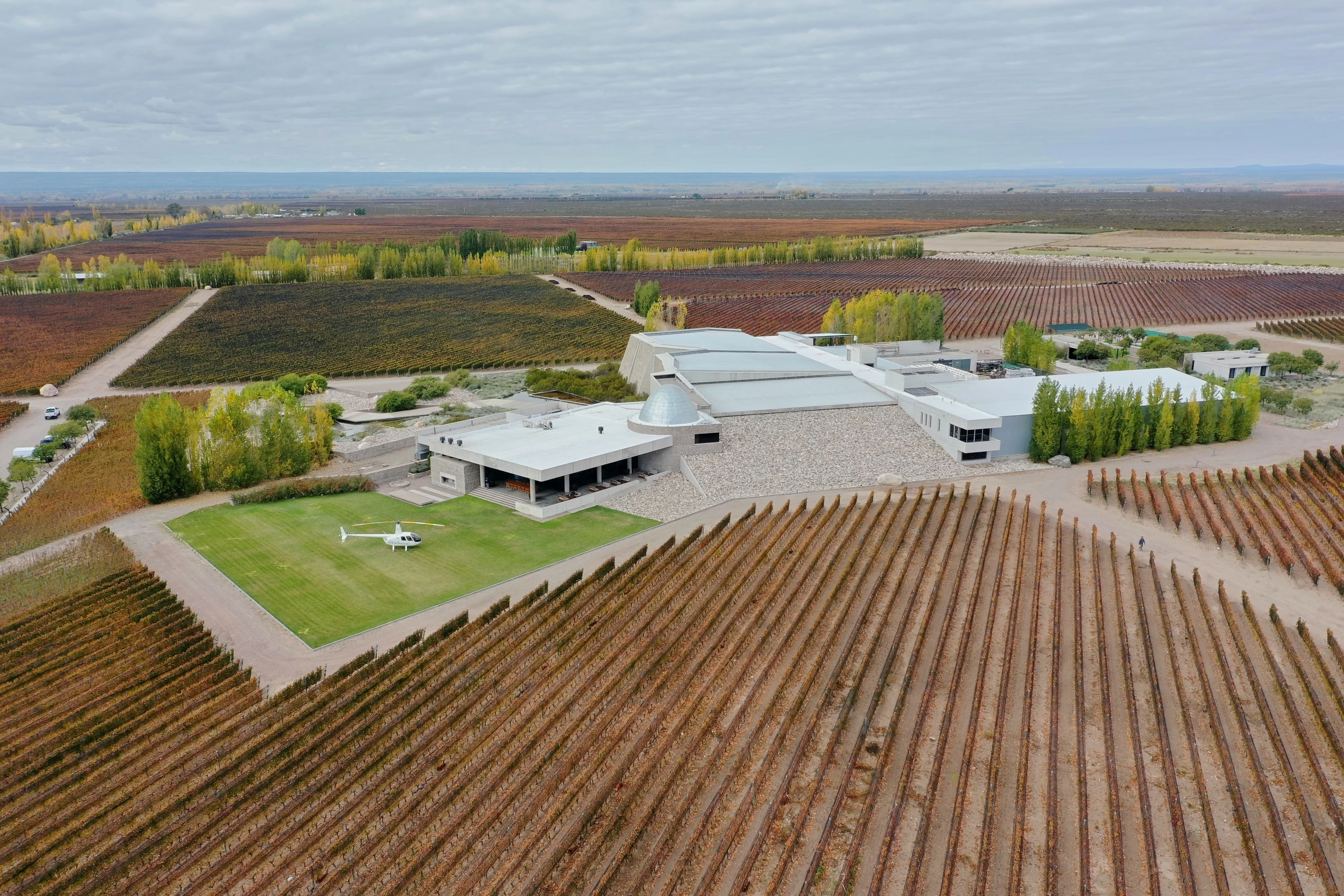
The region has also become a favorite destination for travelers seeking quieter wine experiences closely connected to the landscape. Projects such as Zuccardi Valle de Uco and its acclaimed Piedra Infinita restaurant, along with Bodega Alfa Crux and Crux Cocina, combine striking architecture, regional cuisine, and terroir-driven wines.
You may also like: How to Explore Mendoza Through Wine (Even if You're Not a Wine Expert)
Uco Valley: The Wine Tourism Epicenter That Transformed Argentine Wine
Although the Uco Valley offers far more than wine, viticulture remains central to its identity. In just three decades, the region has become one of Argentina's most prestigious wine-producing areas and an international benchmark for high-altitude wines.
Vineyards planted between 900 and 2,000 meters above sea level, dramatic day-to-night temperature swings, pure Andean meltwater, and limestone-rich soils have created an extraordinary diversity of wine styles within a relatively compact region. One of the Uco Valley's defining characteristics is its network of Geographical Indications (GIs).
In Tunuyán, prestigious GIs such as Los Chacayes, Vista Flores, Los Árboles, and San Pablo are known for producing elegant, fresh wines with remarkable aromatic complexity. In Tupungato, areas like Gualtallary, La Carrera, and El Peral produce intensely mineral, high-altitude wines with exceptional tension and freshness. Meanwhile, San Carlos is defined by renowned GIs including Paraje Altamira, La Consulta, and El Cepillo, celebrated for wines with depth, precision, and a strong expression of terroir.
You may also like: Los Chacayes: 10 Reasons to Discover Mendoza's Hidden Gem
Beyond its internationally acclaimed wine labels, the Uco Valley has developed a destination where wine naturally coexists with gastronomy, architecture, mountain landscapes, and immersive travel experiences. Each of its three departments offers a different way to experience Mendoza—and perhaps that's precisely why the region continues to captivate everyone who visits.