[image]
[title]Do you usually buy mineral water? If you visit Argentina, chances are you’ll eventually come across a bottle whose label features an old red-roofed hotel surrounded by greenery and mountains. For Argentinians, that image has been part of everyday life for decades, but for tourists it often looks like just a picturesque illustration. Here’s the twist: that place actually exists.
In the foothills of Mendoza lies the Villavicencio Natural Reserve. Visiting it means not only discovering the origin of the water many people drink every day, but also immersing yourself in a vast protected area. We’re talking about a destination where you can travel back in time while exploring the surroundings of a 1940s hotel, swing through the trees at an adventure park, and enjoy an unforgettable journey surrounded by native wildlife and vegetation. Here’s everything you can expect when visiting this reserve.
A 72,000-Hectare Oasis: The Reserve and Its Biodiversity
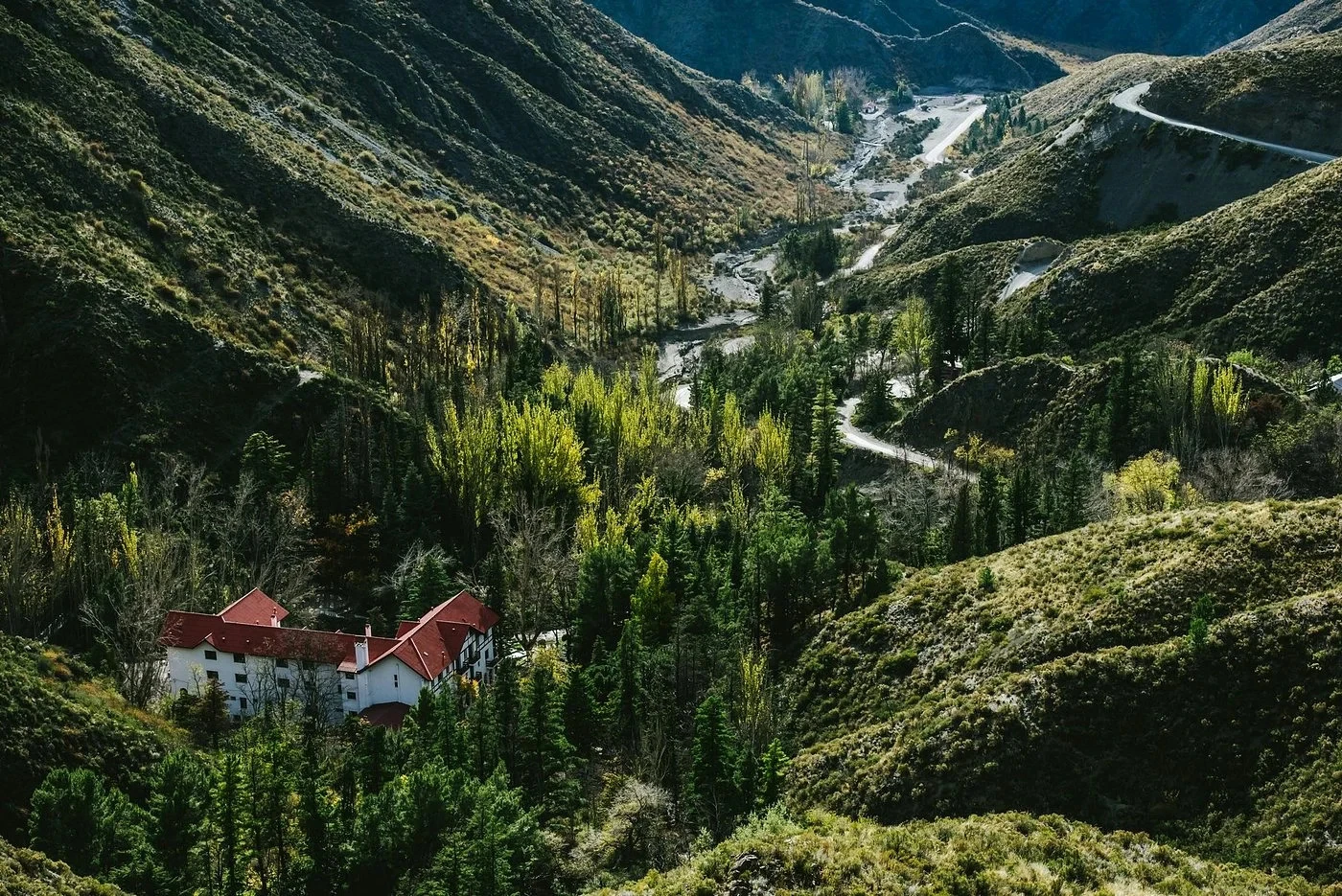
This natural reserve, which spans around 72,000 hectares, is located about 50 kilometers from the Mendoza. Within this protected ecosystem — strongly focused on education and sustainable development — coexist 327 species of flora and 250 species of fauna. In fact, the reserve is a sanctuary for condors, making it an excellent spot for birdwatching and observing many native species from the region. If you pay attention while hiking, you’ll likely encounter other local animals such as foxes, maras, and suris (Andean rheas). This entire natural environment guarantees the purity of the local springs, which have been declared internationally important wetlands under the Ramsar Convention, the treaty that protects some of the planet’s most valuable wetlands.
You may also be interested in: Crossing the Andes on horseback: a unique experience between Mendoza and Chile
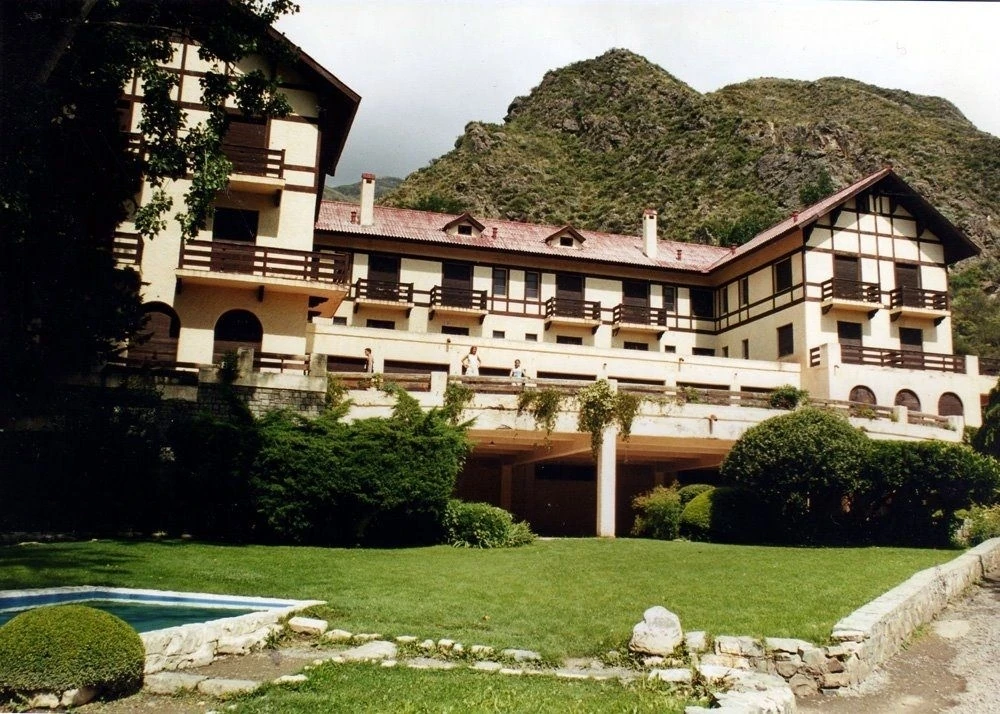
At the heart of the reserve stands the Gran Hotel Villavicencio. Built in 1940 and declared a National Historic Monument in 2013, the building no longer operates as a hotel. Still, wandering through its terraces and gardens feels like stepping back in time. Nearby, you’ll find the Parador Villavicencio, an ideal stop for coffee, their signature slow-cooked beef sandwich served in jarilla bread, or a casual lunch featuring milanesas or pasta.
Villavicencio Park: The Reserve’s Most Adventurous Side
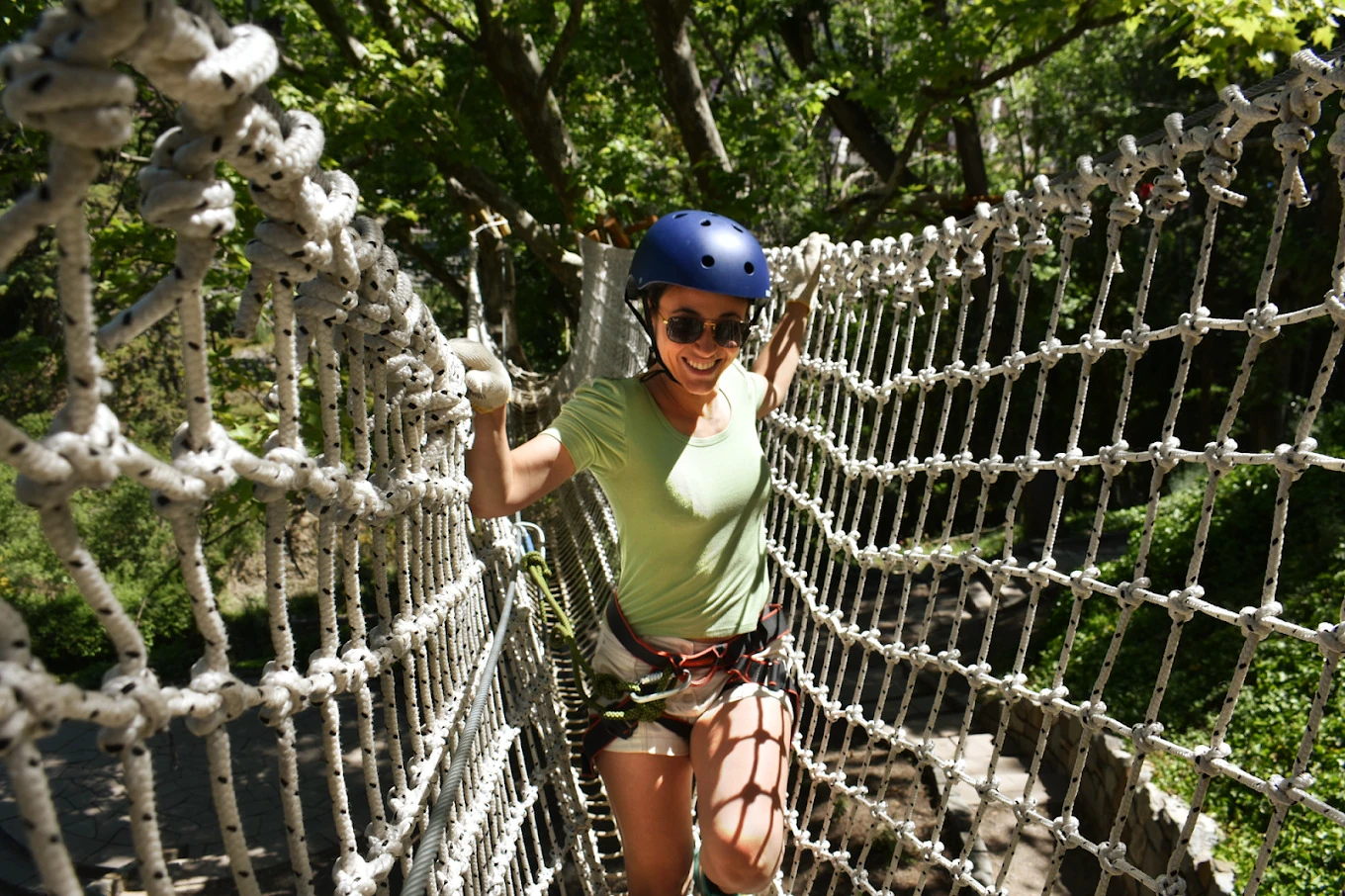
The reserve is also home to Villavicencio Park, an adventure park designed for both children and adults seeking adrenaline-filled activities. There are options for every level: visitors looking for heights can try the arborism circuit, featuring 15 activities with hanging bridges and suspended logs among the treetops. There’s also a zipline circuit crossing above the historic gardens of the property. A must for thrill-seekers is the Zipline Extreme, a “Superman-style” descent along nearly one and a half kilometers of cable that recreates the sensation of flying like the region’s condors.
Kids are included too: children as young as three years old have their own safe play area at the Mini Park, with activities tailored just for them. Visitors can also book overlanding expeditions — a style of travel centered on exploration and the journey itself, often to remote or little-explored destinations — which use 4x4 vehicles to cross valleys, ravines, and sections of the old winding road to Chile that can’t be accessed on foot. For those looking for a different kind of connection, guided trekking experiences offer the chance to learn more about the history and conservation of the area while hiking. Another plus: the park has its own food stop.
The Legendary Road of the “Caracoles”
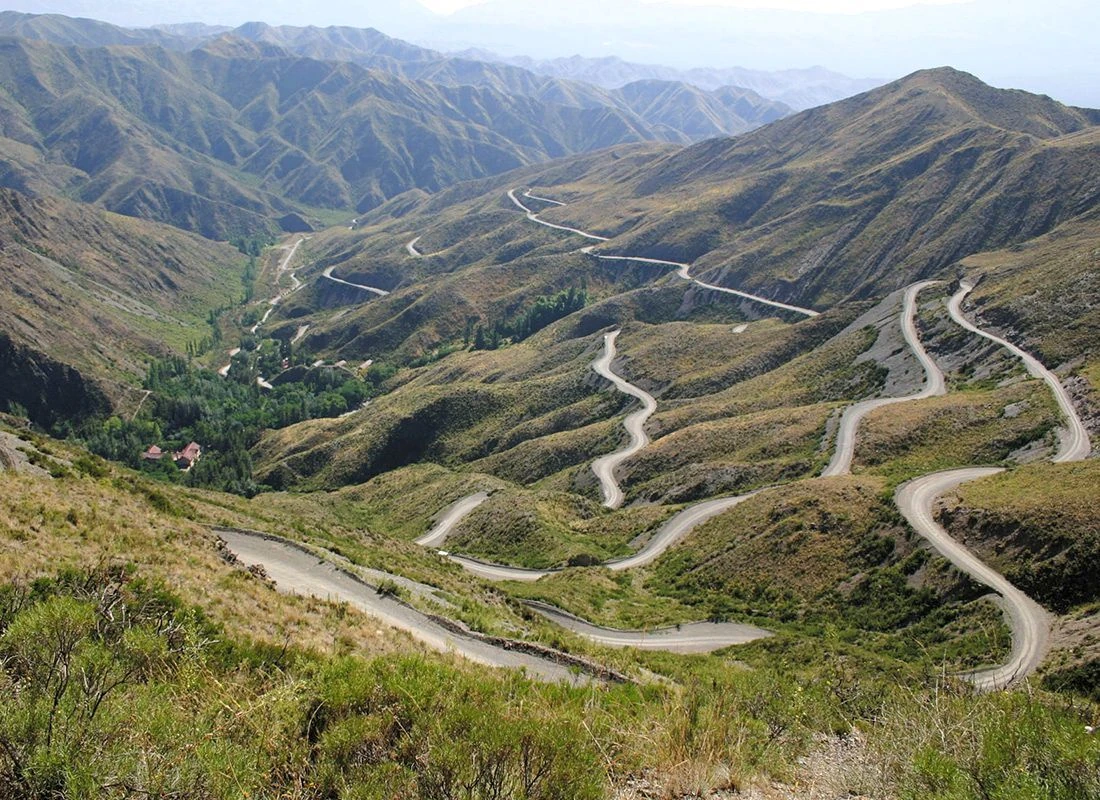
Leaving the hotel area behind, the reserve is crossed by Provincial Route 52, the historic road once connecting Valparaíso with Buenos Aires. If you continue ascending toward Uspallata Valley, you’ll eventually reach the famous “Caracoles de Villavicencio.”
You may also be interested in: Adventure tourism in Mendoza: 14 plans to enjoy nature
Driving along this winding gravel road requires going slowly — not just for safety, but to appreciate how dramatically the landscape changes as you gain altitude. Along the route, there are scenic viewpoints where travelers can stop and admire the stunning natural panoramas. This is also the area where wildlife roams most freely, so don’t be surprised if you come across herds of guanacos. Just remember to admire them from a distance: don’t disturb them or feed them.
Bonus Track: Paramillos Mines and the Uspallata Valley
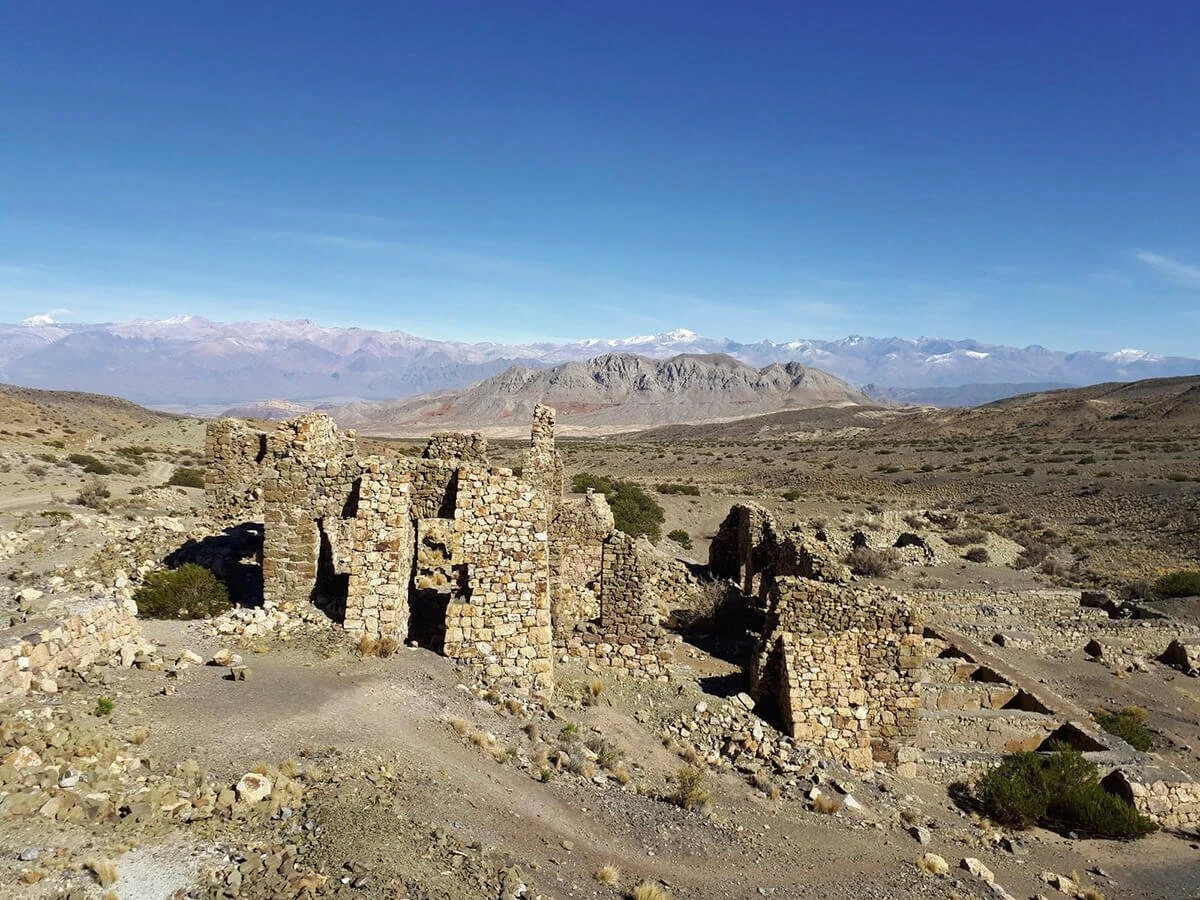
Continuing along Route 52, around 32 kilometers from the Villavicencio Hotel and more than 3,000 meters above sea level, you’ll reach the Paramillos Mines. These stone ruins, discovered by Jesuits in the 17th century, once operated as silver and lead mines. Today, their impressive 10,000 underground galleries are open to the public. Visitors can join guided mining-trekking circuits through the tunnels or, for a more adventurous experience, try rappelling and ziplining.
After passing Paramillos, Route 52 begins descending toward the Uspallata Valley. The extreme aridity gradually fades away, and the mountains begin displaying ochre, red, and mineral-green tones. Reaching this destination means entering a landscape lined with poplar trees framing the road. Once in Uspallata, the ideal plan is to enjoy the local cuisine and embrace the calm atmosphere that only a mountain town can offer.