

[image]
[title]Planning a wine getaway to Mendoza can feel overwhelming, especially when faced with the vast number of options available in one of Latin America’s most important wine regions. How should you organize winery visits in Mendoza? How many should you schedule per day? Which areas should you focus on? And how do you handle transportation without missing out on valuable experiences? These are some of the most common questions travelers have.
To answer them, we spoke with Sofía Ruiz Cavanagh, who holds a degree in oenology, a diploma in wine tourism, and is the founder and CEO of Wineobs, the platform that centralizes reservations for more than 100 wineries in Mendoza.
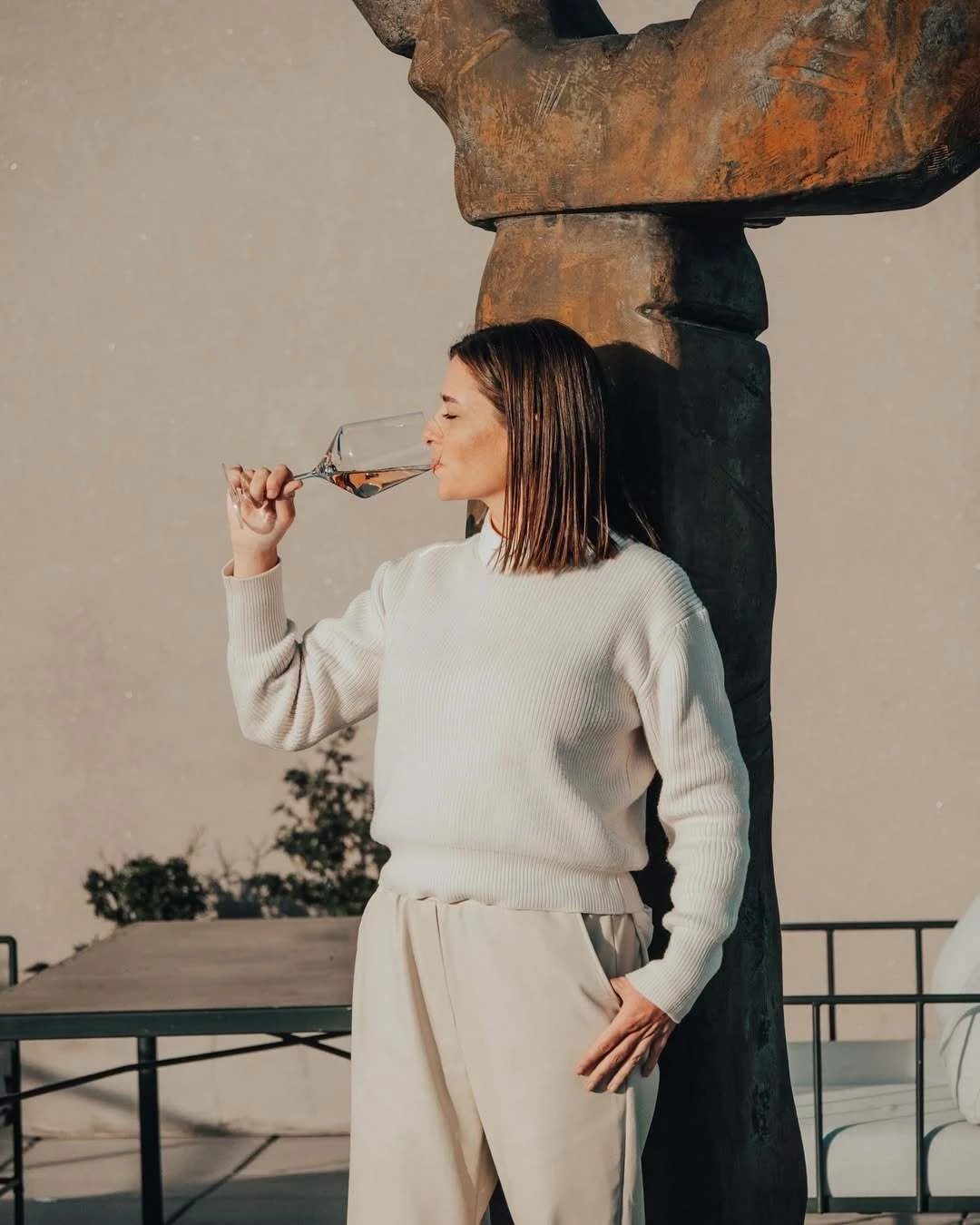
What to Book First: Wineries, Flights or Accommodation
Contrary to what many people think, the booking logic is actually the reverse. While most travelers plan their flights and hotels first and then look into experiences, Sofía suggests something different:
“The first thing I would do is secure the experience, because the rest—accommodation, transportation—you’ll find. I might even do it the other way around: book that reservation first, then look for flights”
Why? Winery experiences sell out quickly, while flights and hotels tend to offer more flexibility. If your trip is motivated by a specific experience, secure it first and build the rest of your itinerary around it. For those traveling from Buenos Aires, this is particularly feasible: “It’s very rare that you can’t find a flight for a certain date,” Sofía explains, giving you flexibility based on winery availability.
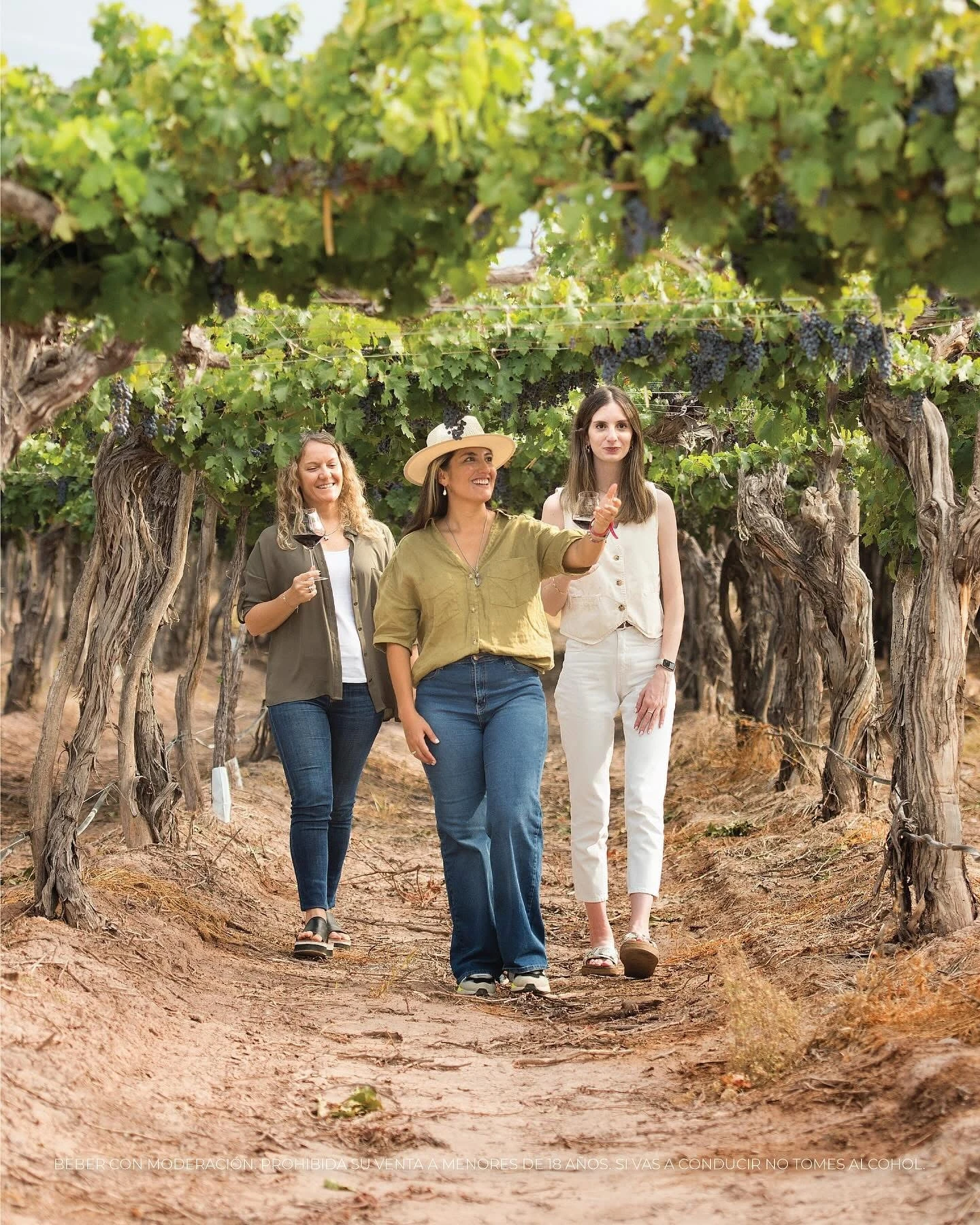
Getting Around Mendoza: How to Move Between Wineries Without Ruining the Experience
If there’s one recurring mistake tourists make, it’s not thinking strategically about transportation. For Sofía, this is the most critical issue that can ruin your itinerary.
The first temptation is to rent a car and drive yourself. But that creates a fundamental conflict: if you’re driving, you won’t be able to drink wine—meaning you’ll miss a core part of the experience.
The second issue is distance. “People who aren’t from Mendoza don’t realize that getting to Valle de Uco from Mendoza City is 150 kilometers.” Driving yourself means you risk getting lost, losing signal, or arriving late to paid experiences.
Also of interest: Wineries in Mendoza near the city, where to enjoy wine experiences just minutes from downtown
Rideshare apps can be practical in large cities. But in Mendoza—especially in winery areas—they’re less reliable. “If you’re going from the city to a winery, ride apps work very well, but not on the way back,” Sofía clarifies. The real problem happens after your experience, especially after dinners or visits to remote wineries: “When you finish and go to the winery’s reception to ask for transportation, it’s not easy to get one—especially in areas where distances are long and cars aren’t circulating.”
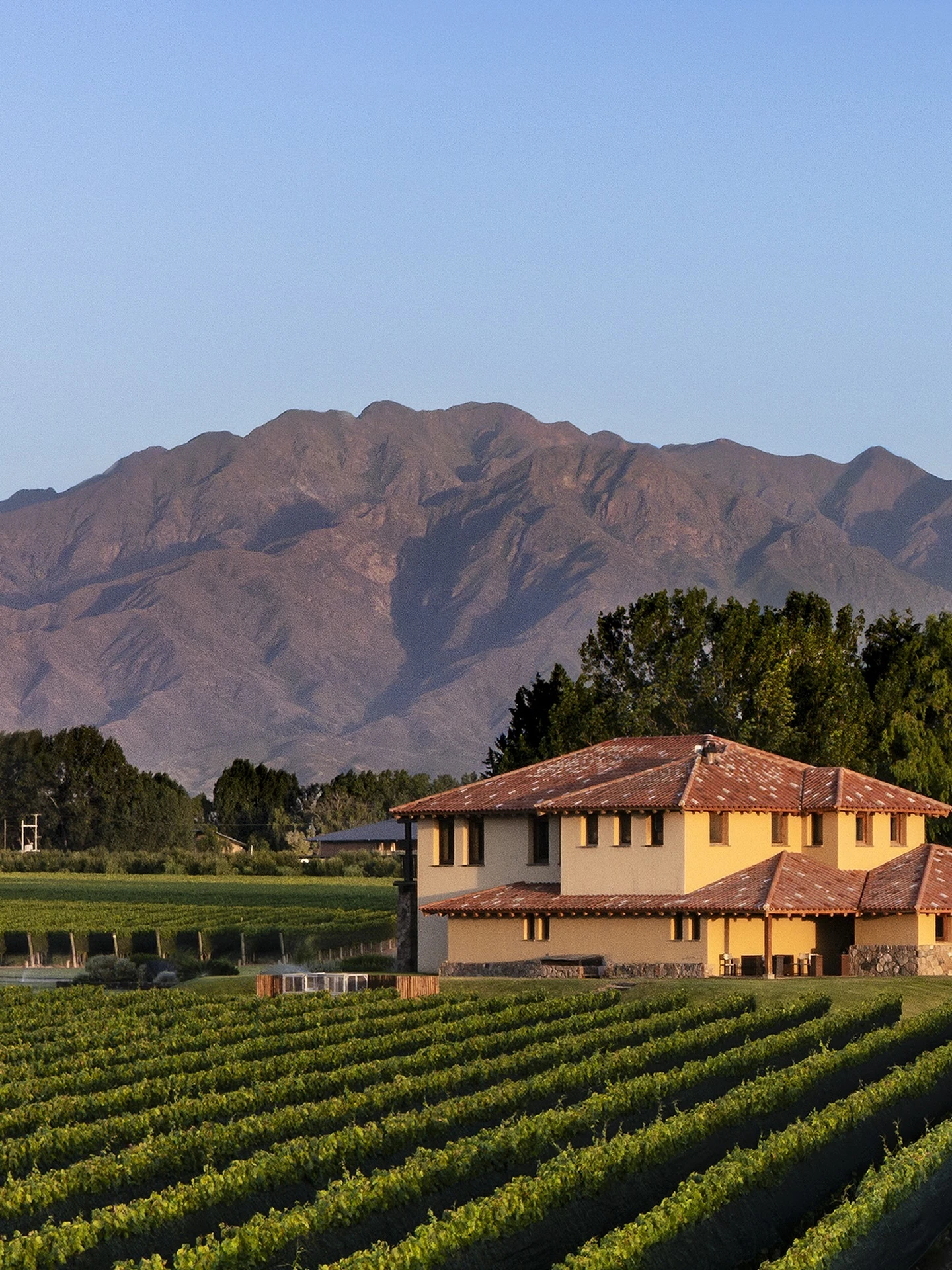
Rental Car, Ride Apps or Private Driver?
The preferred solution, according to our expert, is hiring a car with a private driver who takes you and waits while you enjoy your visit.
“The driver becomes like a trip coordinator. They take you around, and you don’t have to think too much”
Some drivers even help coordinate timing between activities.
Sofía emphasizes: never arrange transportation at the last minute. Winery regions have limited options. “A delay in transportation means arriving late to your next experience and missing 50% of the visit.”
Organizing Winery Visits by Geographic Area
Once you’ve defined your experiences, you need to organize them geographically. Mendoza is vast, and if you don’t plan by zones, “you’ll spend the whole day driving, and that’s not great,” Sofía warns.
Group two or three wineries in the same area to minimize travel time. This isn’t just about comfort—it’s about being realistic with your schedule. Long distances slow everything down: more driving, less enjoyment, a crumbling itinerary.
"The key is to group two or three wineries in the same area to minimize travel time"
Wineobs has a map feature that allows you to filter wineries by location, helping you plan efficient routes. This isn’t just about convenience—it’s also about being realistic about what you can accomplish in a single day. Long distances slow everything down: more driving, less enjoyment, and an itinerary that falls apart.
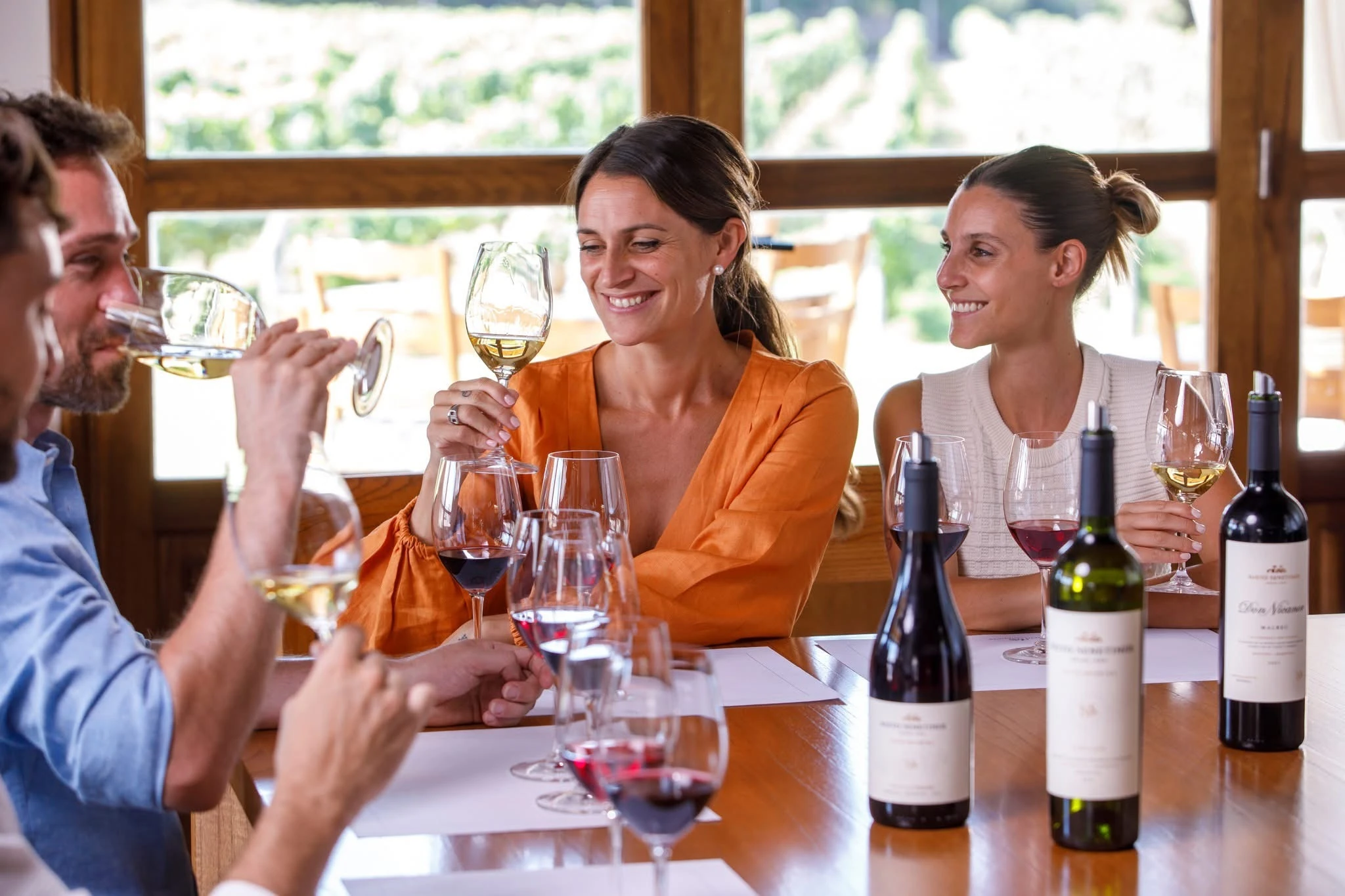
How Many Wineries Per Day?
“Some people say: I can fit four in a day. That’s the death plan,” Sofía emphasizes.
Visiting wineries is exhausting. It’s not just about tasting wine—you’re walking through vineyards, listening to explanations about production processes, participating in tastings, learning about terroir.
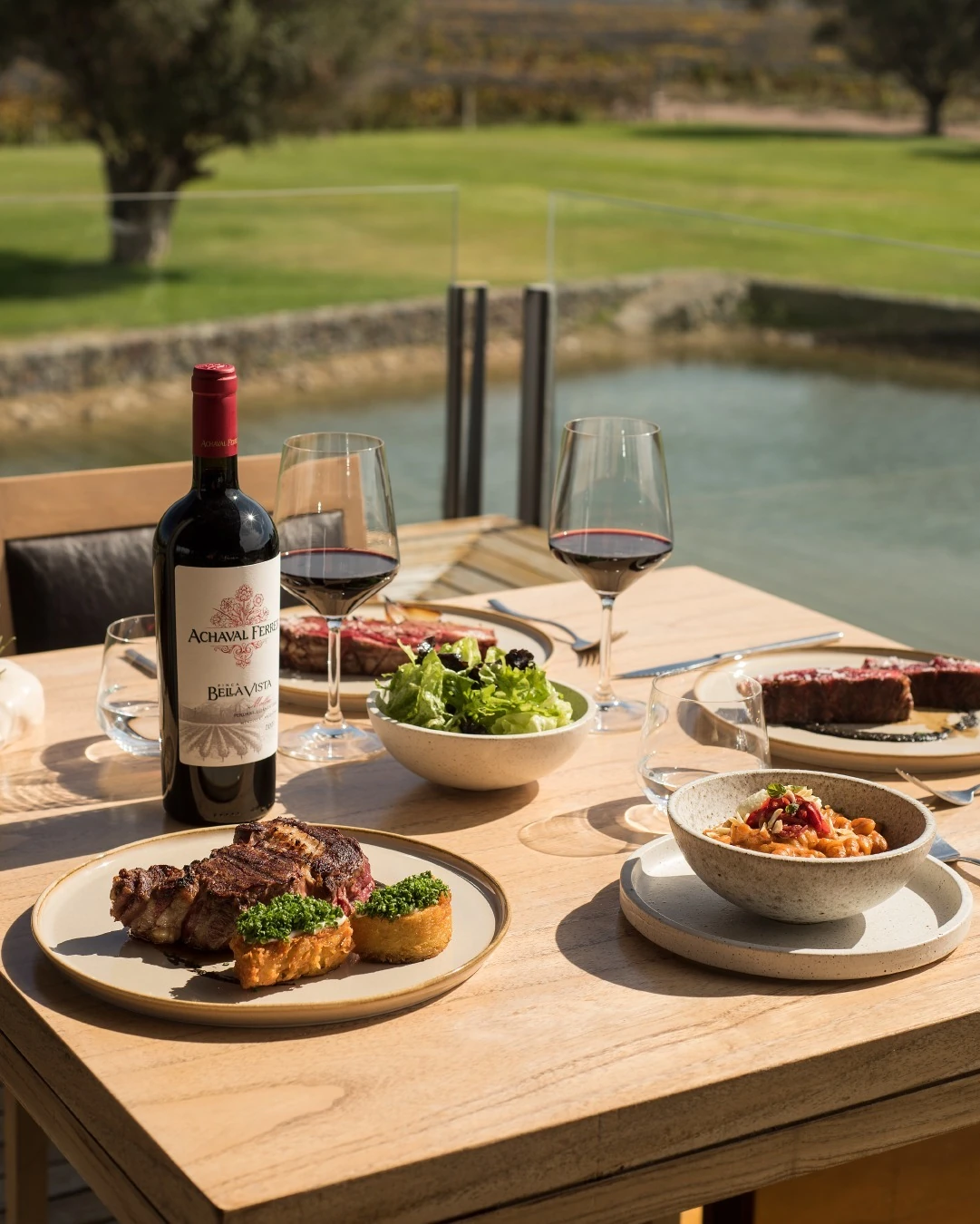
So what’s the ideal number? Three, under ideal conditions. At most, visit two wineries in the morning (around 9 a.m.) for tastings. Then have lunch at the third. Winery lunches are typically long and relaxed, making it difficult to fully enjoy another visit afterward.
More than three is not recommended.
Combining Wineries with Other Experiences
Another tip is to mix different types of wineries. “You can combine a well-known winery with a boutique or family-run winery.” That way, you’ll experience different perspectives on Mendoza wine.
Also of interest: The Glamour of Winery Weddings, Why Getting Married in Mendoza Is a Growing Trend
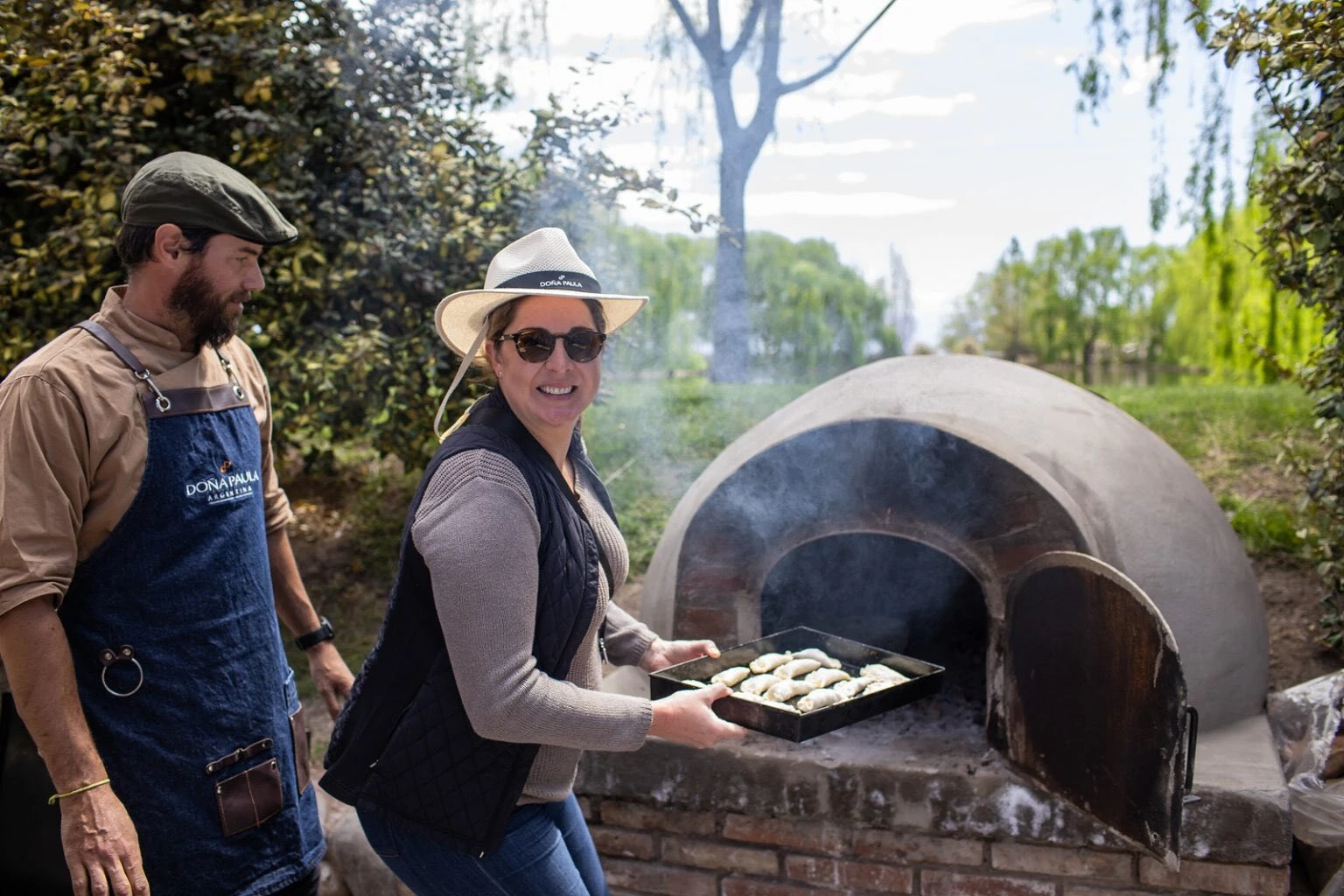
It’s also advisable not to focus exclusively on wineries. Instead, try “two winery days, and in between, break it up with another activity.” Options include trekking, cooking classes, olive oil tastings, rafting, horseback riding, or wellness experiences like a spa day.
Visiting Wineries on a Budget
A common misconception is that a tight budget limits your options. Sofía is clear:
“Budget is not a limitation because there are plenty of super affordable experiences that are great”
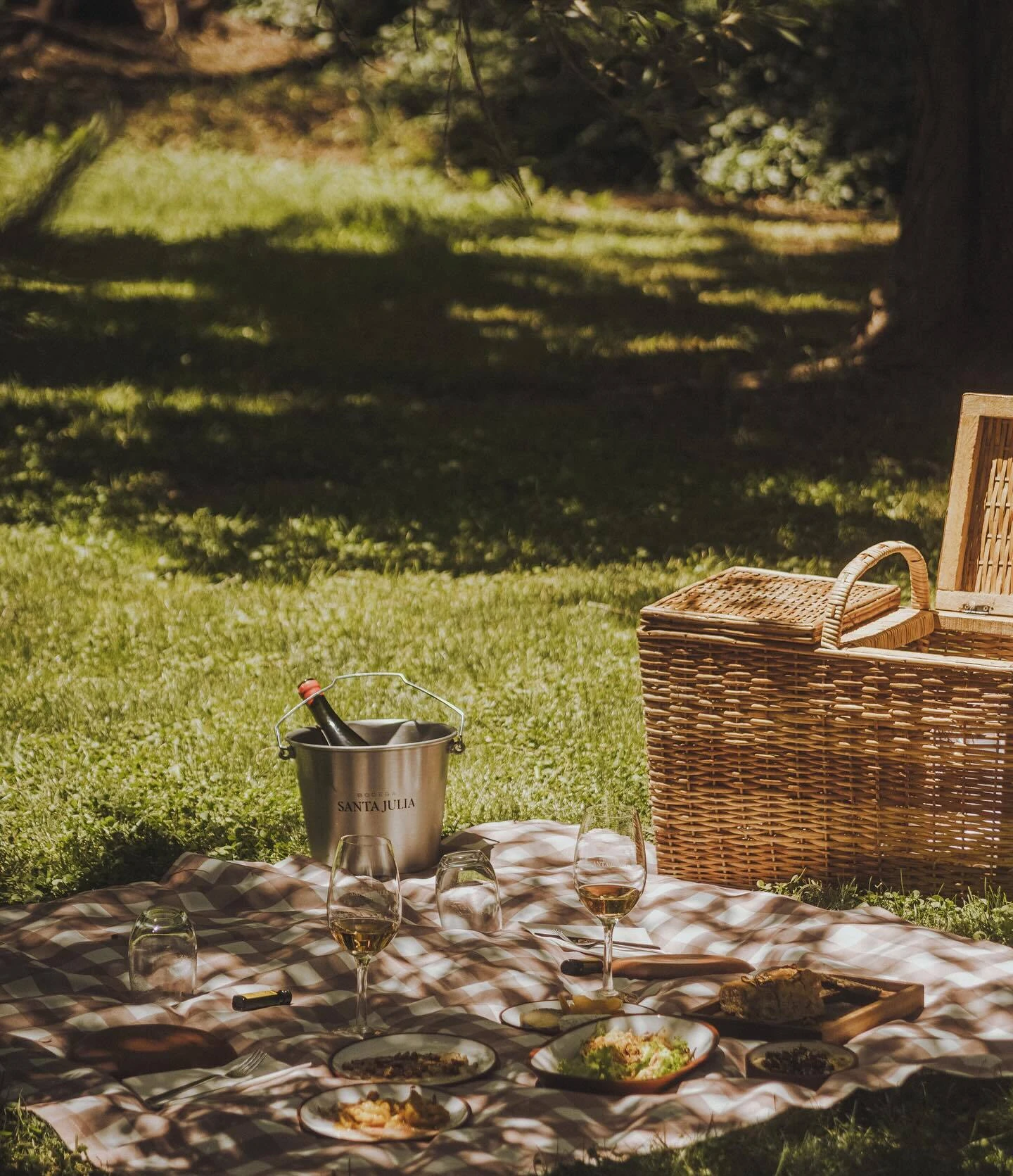
She recommends picnic experiences held in dreamy garden settings, with a chill atmosphere, wine, and good food. “Just because it’s cheaper doesn’t mean it’s worse. It just won’t be a 14-course wine-paired tasting menu. It’s about enjoying an outdoor space without rushing. It’s not just about price—it’s about the style of experience.”
Today’s travelers are increasingly seeking picnics, small plates to share, and more relaxed à la carte experiences without rigid timing.
Best Time to Visit Mendoza’s Wineries
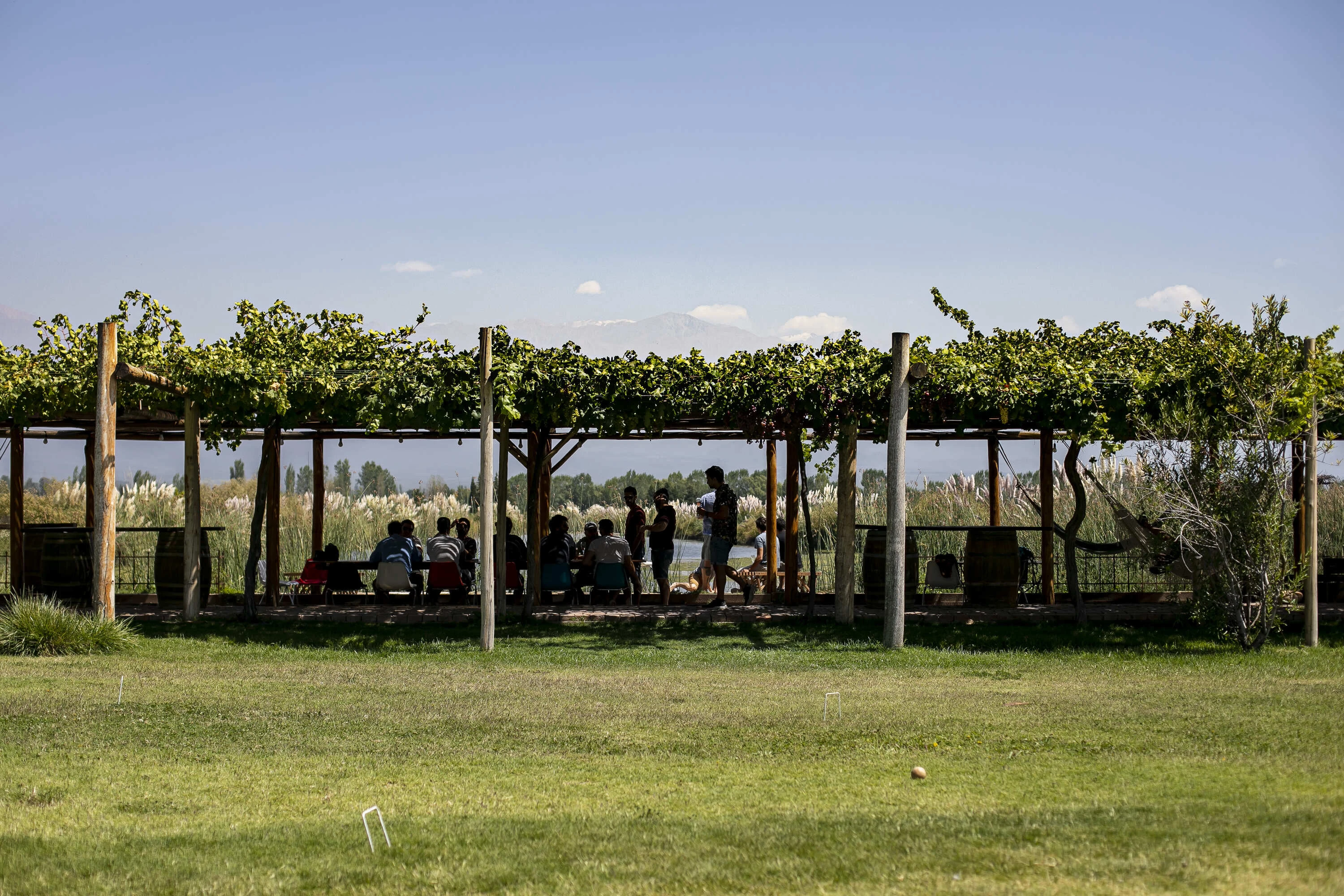
“For me, the best time of year to visit Mendoza is autumn. It’s not too cold or too hot, the sun is beautiful, the leaves start to change color, and it’s perfect for photos. It’s a lovely season,” Sofía explains.
Spring is also excellent: October–November, when temperatures begin to rise but remain mild.
Summer presents challenges: “It’s very hot. If you’re doing outdoor experiences, you’ll roast. January probably isn’t the best month to come.”
Winter shouldn’t be ruled out: “It’s actually less cold than Buenos Aires because the climate is drier. The sunlight is beautiful.”
Vendimia in Mendoza: What to Keep in Mind
Harvest season (late February–March) is the most in-demand period. If you plan to visit then, keep in mind there will be more people, and activities should be booked well in advance. Prices don’t necessarily increase like in the hotel industry, but availability is the main issue.
The upside? The number of special events organized throughout the province and at wineries during Vendimia.
Final Tips for Visiting Wineries in Mendoza
Regarding tips, many wineries don’t allow gratuities to be added when paying by card. “It ends up hurting the staff because tips are a big part of their income.” The recommendation is to bring cash or ask for a transfer alias.
When buying wine at the winery, Sofía advises avoiding labels you can easily find elsewhere. “Buy hidden gems—rare bottles you can’t get in your city.”
And don’t be afraid to transport wine by plane. There are agreements with airlines allowing you to carry wine in your carry-on (up to 5 liters). “Check whether your airline participates, so you know you can safely buy a case and bring it onboard.”
"There are agreements with airlines that allow you to carry wine in your carry-on, up to a maximum of 5 liters"
Monteviejo

What Sofía teaches us is simple but transformative: the perfect trip to Mendoza isn’t the one with the most wineries or photos, but the one that sends you home with new knowledge and the feeling that you truly lived each moment. With these tips, you’re ready to plan your next wine getaway.