

[image]
[title]Welcome to Mother Sippy, where we shine a light on the talented winemakers, brewers, distillers and mixologists that make sure the Mother City never goes thirsty! From new wine releases to taprooms pouring perfect pints, Mother Sippy is your guide to all that’s good and great in Cape Town’s world of drinks.
713 bottles.
Well, no, make that 712, assuming the one sitting on my desk – with a healthy measure poured into my wine glass – counts as spoken for.
That’s how many bottles of the latest wine from Piekenierskloof Wines were released.
Some wines are rare because they are expensive to produce. Others come from tiny vineyards or are made from obscure grape varieties. The new Piekenierskloof Platklip Palomino 2025 ticks all of those boxes.
Made from dryland bush vines planted in 1974 – the year Muhammad Ali won the ‘Rumble in the Jungle’ – in the mountains above Citrusdal, just 713 bottles of the 2025 vintage have been produced.
And when they’re gone, they’re gone.
Okay, but let’s take a few steps back first.
Palomino. There’s a good chance you’ve never heard of it, right? That’s because just a handful of South African wineries produce Palomino, and even fewer have old vineyards of this historic grape.
Palomino is perhaps best known as the dominant grape of Spain’s Jerez region. Jerez? That’s where the Anglicised name ‘sherry’ comes from, and it’s where Palomino grapes most often ends up.
Here in South Africa, its relatively subtle fruit and aromatics have historically made it useful for producing brandy and fortified wines, which is why you don’t often see Palomino bottled alone as a dry table wine.
It’s also because producing a worthwhile single-varietal Palomino requires the right vineyard, a good growing season and careful handling in the cellar. Say hello, then, to the vineyards of Piekenierskloof Wines, perched high on the namesake mountain pass above Citrusdal.
This particular wine comes from the Platklip vineyard, which lies on the Piekenierskloof plateau, around 160 kilometres north of Cape Town. As the crow flies, it’s just 50 kilometres from the cold Atlantic Ocean.
With the vines planted between 600 and 750 metres above sea level, there’s no shortage of cooling influence. Vineyards love cool conditions when it comes to slow, even ripening. Chilly evening air helps preserve acidity during the growing season, while the dry conditions encourage the vines to send their roots deep into the mountain soils.
Why old vines matter
In South Africa, vines qualify as old once they pass the age of 35. They typically produce fewer grapes than younger vineyards, but those reduced yields can bring added concentration, texture and complexity to the resulting wines.
The Old Vine Project – read more about it here – was founded by viticulturist Rosa Kruger in 2003 and has played a major role in finding, recording and protecting these vineyards. By 2025, more than 2,600 hectares had been identified, with wines produced from registered sites carrying a ‘Certified Heritage Vineyards’ seal showing the year in which the vines were planted.
That seal is wrapped around the neck of the new Platklip Palomino, proudly displaying its 1974 planting date.
But the vineyard itself almost didn’t survive.
According to Piekenierskloof Wines, farmer Carel van Zyl was away completing national service when the block was planted. When he returned, he discovered that the rows had been laid out so unevenly that he considered removing the whole lot.
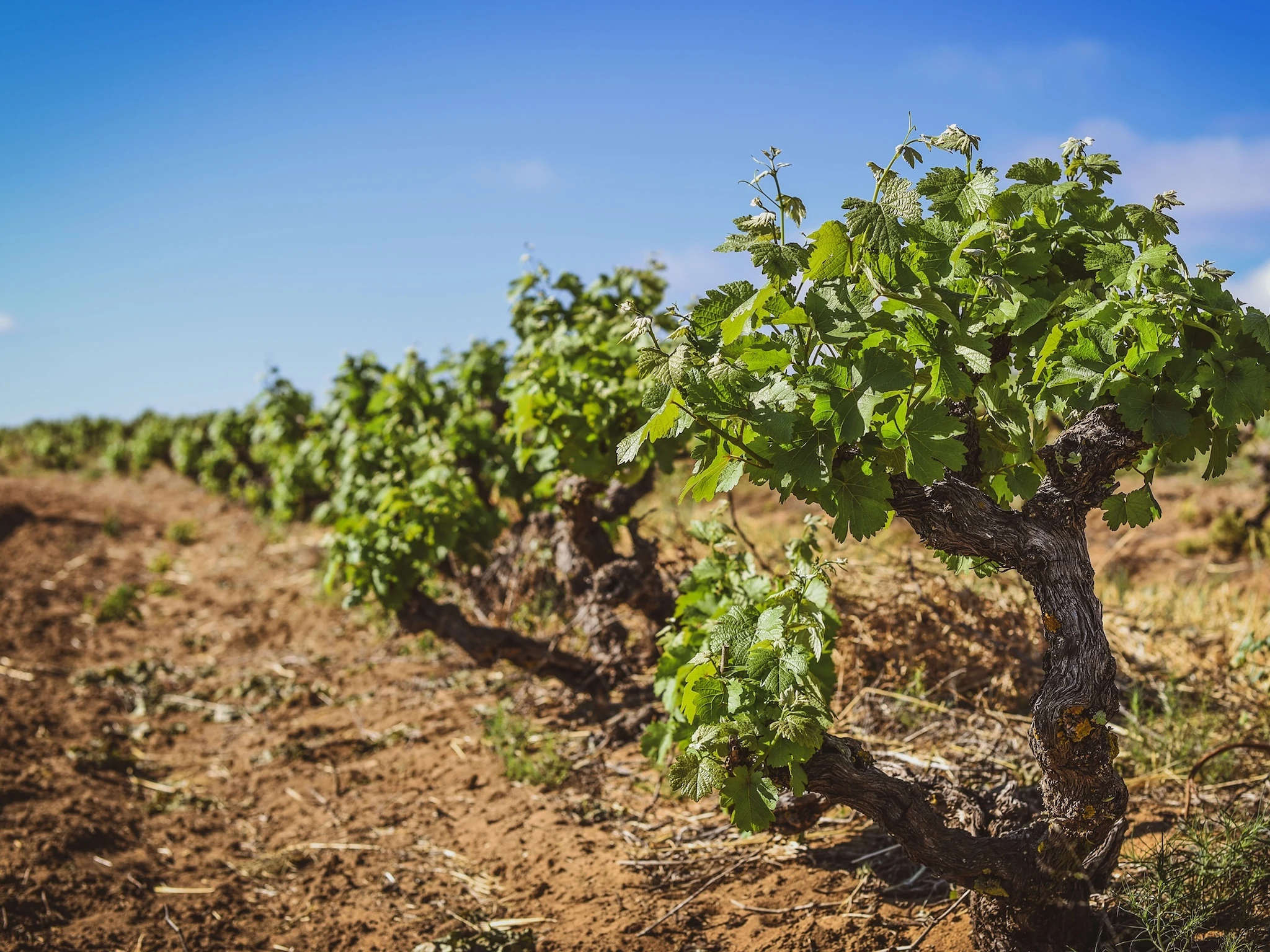
Fortunately, the vines stayed in the ground. Their decidedly wonky alignment remains visible today, particularly from a nearby flat sandstone outcrop known as Platklip, which gave the wine its name.
Right wine, right time
Piekenierskloof’s winemaking team had been watching the vineyard for several vintages, but resisted producing a standalone Palomino until the fruit hit the right notes of intensity and balance.
The 2025 vintage provided just that opportunity.
The fruit was picked by hand in the cool of the morning, destemmed and left on the skins for between four and six hours. Only the free-run juice was used, with fermentation taking place in concrete before the wine was transferred to older 300-litre French oak barrels.
It spent six months in barrel, followed by another six months settling in the bottle before release.
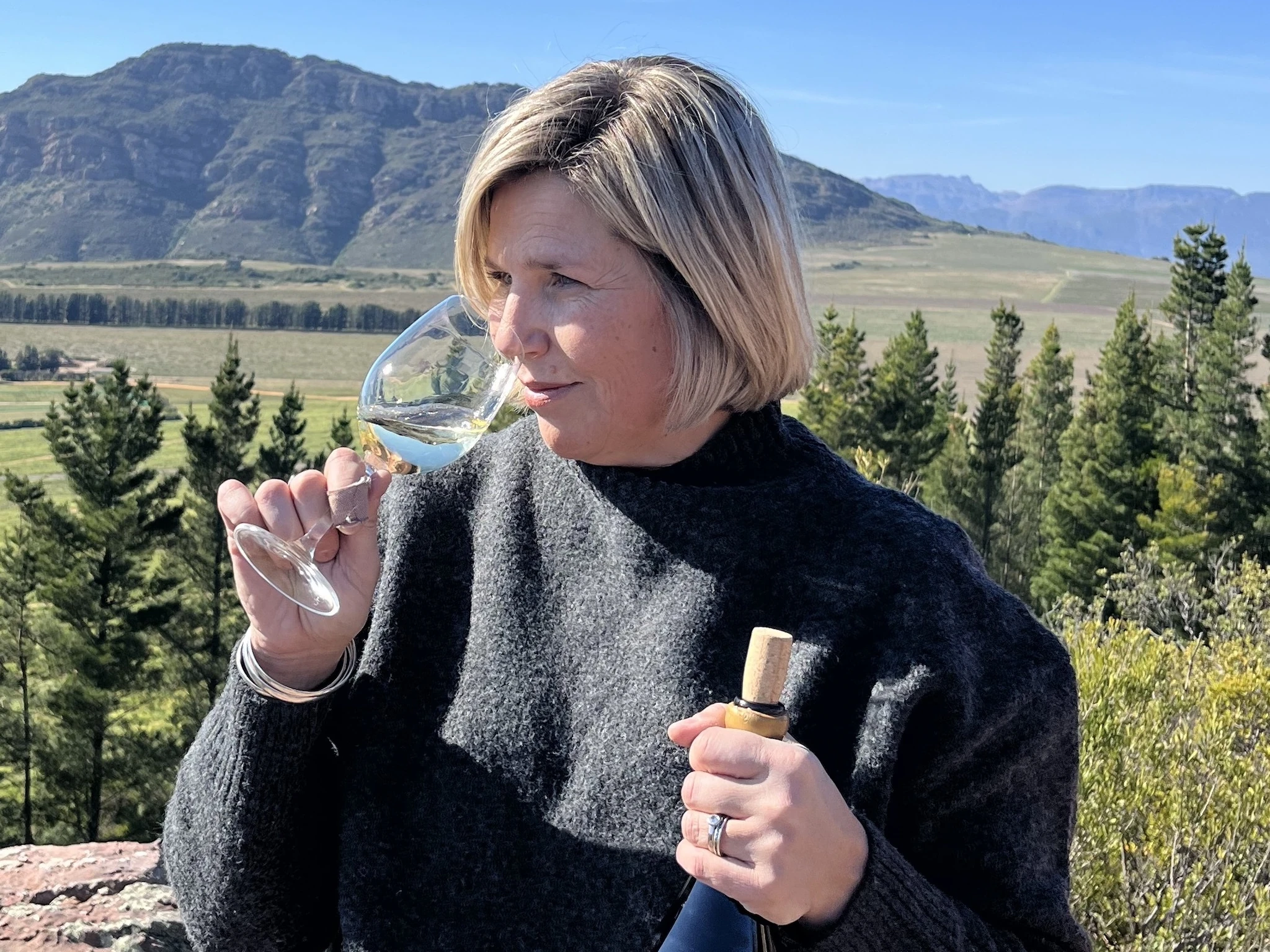
“We’re incredibly excited to finally release our Piekenierskloof Platklip Palomino,” says cellarmaster Alecia Boshoff. “We’ve waited several years for the right conditions to produce a single-cultivar Palomino, and it was only once the quality met our benchmark that we made the decision to bottle it. This wine represents exactly what we set out to achieve – the patience has been well worth it.”
So, what does it taste like?
It’s a far cry from the fruit-bomb Sauvignon Blancs of Stellenbosch or the heavily oaked Chardonnays of Robertson. Instead, at a relatively restrained 12 percent alcohol, this is a bright, energetic white rather than a wooded blockbuster.
Expect citrus blossom, green apple and white peach on the nose, alongside a lightly herbal note reminiscent of wild fynbos. The palate brings lemon zest, pear and subtle stone fruit, with crisp acidity and a savoury, mineral finish.
In plain English: light, approachable, accessible… and delicious.
The cellar recommends drinking it with seafood – think fresh oysters, mussels, grilled line fish and calamari – although anything delicate should also work well. Hello, sushi!
Serve it nicely chilled. And, if you’re patient, the winemakers reckon it will only get better over the next 10 years.
Piekenierskloof Platklip Palomino 2025
How many: Just 713 bottles released
Price: R440
Buy: From the Piekenierskloof tasting room, selected wine merchants and the estate’s online shop.
Sign up to Time Out Cape Town's free newsletter for expert recommendations on new things to do, see, eat and drink in the Mother City. You can also follow Time Out Cape Town on Facebook, Instagram and TikTok!
TIME OUT CAPE TOWN RECOMMENDS:
📍 The best things to do in Cape Town
🏨 The best hotels in Cape Town
🍽 The best restaurants in Cape Town
🛏️ Where to stay in Cape Town
📢 Latest news from Cape Town