[category]
[title]
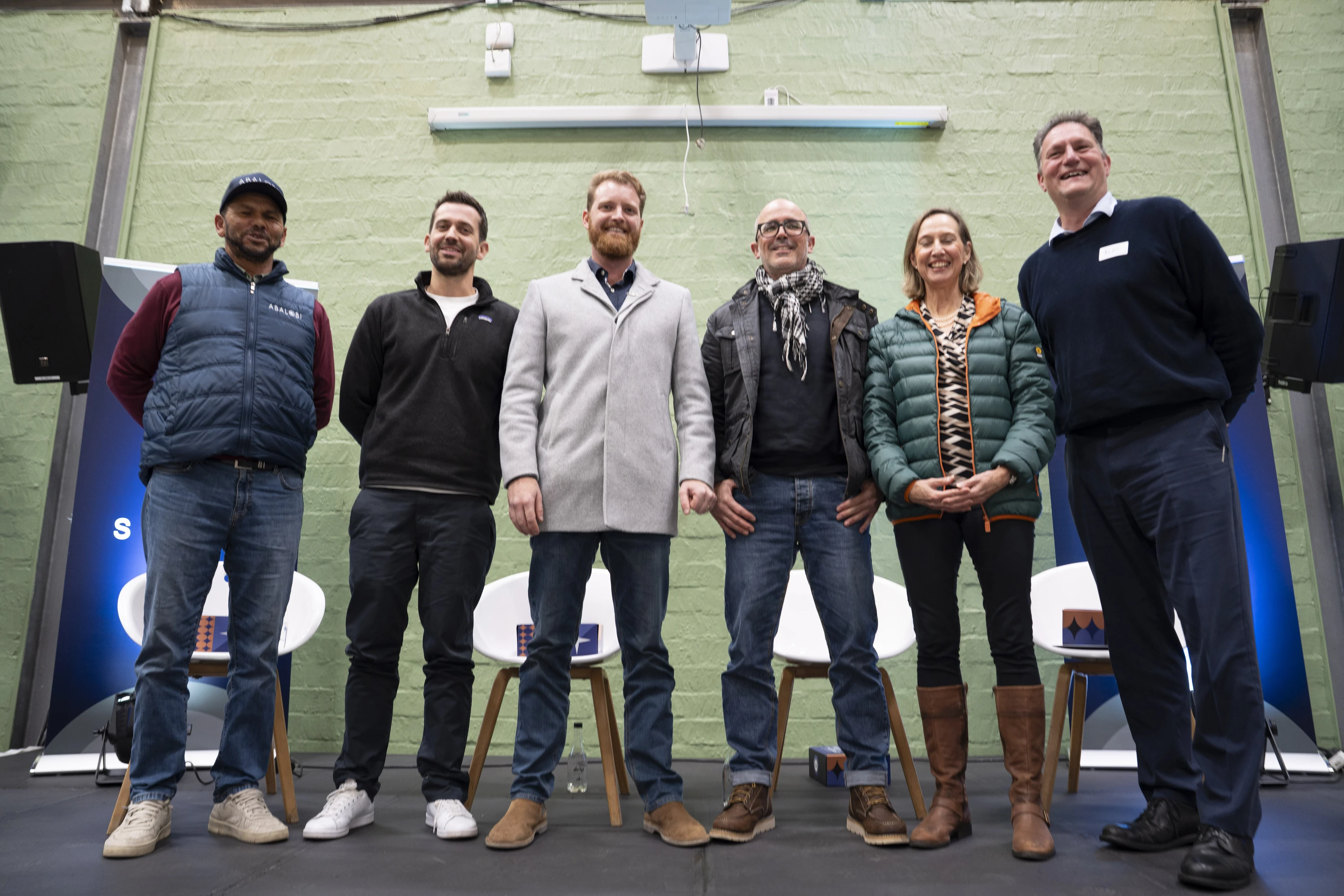
Cape Catch was launched on the eve of the Sustainable Seafood Festival at Maker’s Landing.


The Western Cape’s coastline supports thousands of livelihoods, a thriving tourism industry and some of South Africa’s finest seafood.
But with global fish stocks under growing pressure, protecting the province’s marine resources requires cooperation between everyone in the seafood supply chain, from small-scale fishers to restaurants and consumers.
That collaborative approach is at the heart of the V&A Waterfront’s new Cape Catch initiative, which seeks to make responsible seafood choices easier while creating better opportunities for local fishing communities.
The initiative was launched on the eve of the Sustainable Seafood Festival (Saturday, 4 July and Sunday, 5 July) at Maker’s Landing, V&A Waterfront. Panel speakers included:
Rather than introducing another certification programme, Cape Catch focuses on practical, long-term improvements.
The initiative brings together chefs, seafood suppliers, fishing communities, conservation organisations and diners to improve how seafood is sourced, sold and enjoyed.
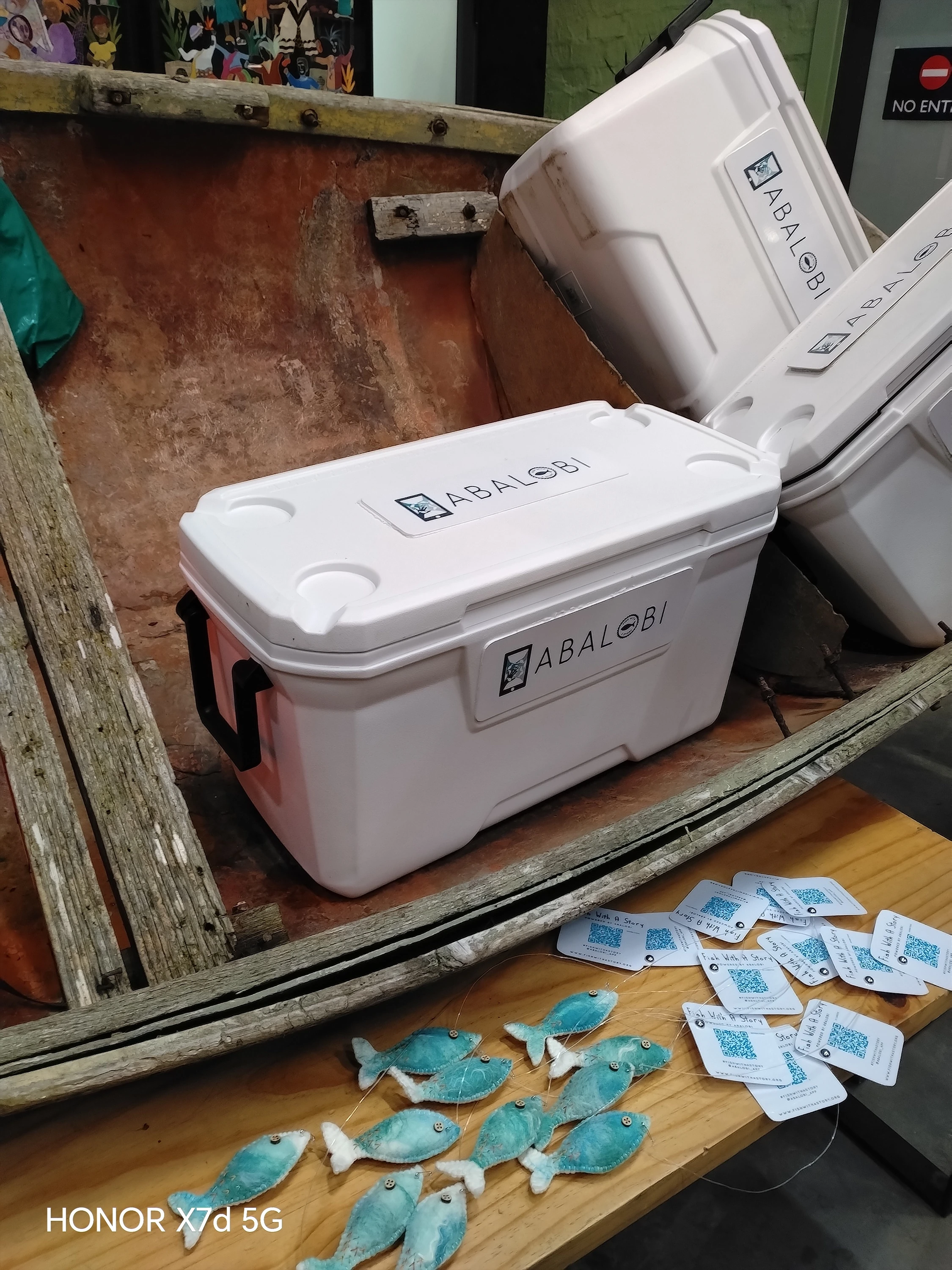
One of those communities is Doringbaai on the West Coast, where fisher Hahn Goliath works with the community fishing organisation Abalobi.
While talking on the sidelines of the panel discussion with Time Out, Goliath said that technology is helping small-scale fishers become part of a more transparent seafood economy.
“Through Abalobi, we supply traceable fish into the system,” he explained. “Our catches are transported to Cape Town; restaurants and hotels can see exactly what’s available on the digital platform, and we get paid digitally.”
The fishers mainly target abundant linefish species such as Cape bream, silverfish, silk and yellowtail. One species they deliberately exclude from the platform is West Coast rock lobster.
“We don’t sell West Coast lobster because it’s endangered,” said Goliath. “Those catches usually go through export channels. We do sell East Coast lobster because that stock is healthier.”
For Goliath, sustainable fishing isn't simply about following regulations. It’s about ensuring future generations can continue to earn a living from the sea.
“We want to see the resource grow,” he added. “Government has to make the decisions, but as fishers we also need to provide good information that supports those decisions.”
That includes collecting data from fishing communities. Gulayat believes that local knowledge built over generations is often overlooked in fisheries management decisions.
“Scientists don’t always have the local context,” he said. “If I know certain weather conditions mean there will be fish in one area, that's knowledge that’s been passed down. We want to back up our indigenous knowledge with data so it carries more weight alongside scientific research.”
Cape Catch builds on years of work by SOLVE, the V&A Waterfront’s urban innovation platform, together with partners including the Two Oceans Aquarium Foundation, Abalobi and the Southern African Sustainable Seafood Initiative (SASSI).
With more than 80 restaurants and food markets, the V&A Waterfront has considerable influence over seafood purchasing decisions.
“Cape Catch is about moving from conversation to practical action,” said Alex Kabalin, Retail Executive at the V&A Waterfront. “Our role is to help tenants and partners confront the real barriers to responsible seafood sourcing and then work together on practical solutions that are visible, credible and commercially realistic.”
Sign up to Time Out Cape Town's free newsletter for expert recommendations on new things to do, see, eat and drink in the Mother City. You can also follow Time Out Cape Town on Facebook, Instagram and TikTok!
RECOMMENDED:
🏨 The best hotels in Cape Town
🍷 The best wine farms in and around Cape Town
🍕 The best pizza in Cape Town
📍 The best things to do in Cape Town
Discover Time Out original video