[category]
[title]
Nomad Week sees attendees connect more with locals, with the launch of a dedicated Africa Expo day and mentorship programme.

Cape Town’s second-ever Nomad Week officially launched on Monday evening at Time Out Market Cape Town, bringing together around 200 remote workers, freelancers and entrepreneurs from across the globe - with a renewed emphasis on local connection, accountability and impact.
Alongside the opening night celebrations, organisers announced the launch of the Nomad Africa Fund, an initiative that allows international delegates to invest directly in local upliftment projects for schools and feeding initiatives across the city.
The fund forms part of a broader effort to ensure that the economic and cultural benefits translate into tangible value for Cape Town, through its digital nomad community.
As Nomad Week co-host and Pangea founder Matt Gray stated at the launch, the global nomad community needs to actively “get out of its bubble", and he sees this event as well as Pangea as the interconnected platform to help make that possible.
READ: Cape Town Digital Nomad Week 2026: Here's what you need to know
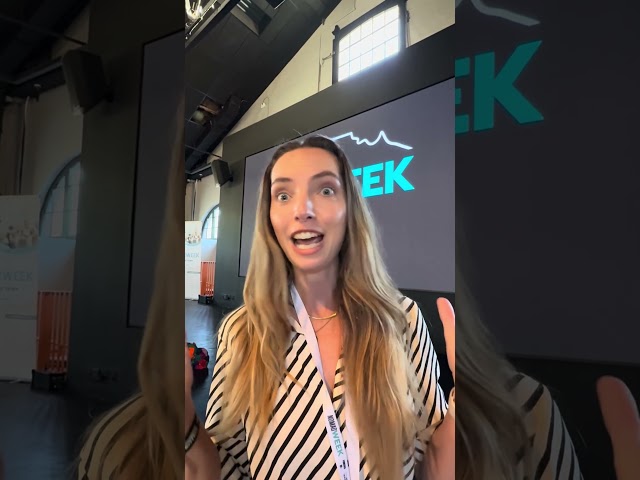
Running until 31 January, the Nomad Week programme introduces its inaugural Africa Expo, taking place on Wednesday, which aims to connect South African SMMEs with global founders and investors.
Complementing this is an ongoing mentorship programme that will pair global delegates with early-stage South African startups.
Through the initiative, nomads are encouraged to share skills, experience and networks while helping local founders build sustainable, locally rooted businesses.
The initiative comes at a time when debate continues around the impact of remote workers in Cape Town. Nomads and short-term rentals are frequently linked to rising rents, gentrification and the shrinking availability of affordable housing in central neighbourhoods.
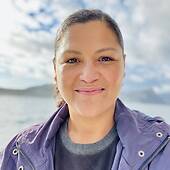
Speaking in her personal capacity, Julia Kallweit, co-founder of global nomad community WiFi Tribe, acknowledged both Cape Town’s immense appeal and the responsibility that comes with it.
While she describes the city as offering an exceptional quality of life for remote workers, she believes the conversation needs to move beyond where nomads can work from, to how they "show up in the places they temporarily call home."
Kallweit says nomads inevitably leave a footprint, but they need to decide "how big that footprint will be."
Kallweit believes the Africa Fund is an effective example of how remote workers can shift from simply benefiting from a destination to actively contributing to it.
She also highlights the value of mentorship, noting that early-stage founders around the world face similar challenges.
“My favourite part is the mentorship aspect, because it creates much deeper integration into the local economy. If you have an idea and you want to get your business going, it can be so beneficial to hear wisdom from someone who has already gone through something like that. It's this beautiful intercultural collaboration in a way that benefits both founders and mentors to break down the barriers that might exist."
Digital Nomad Week’s second edition suggests that the future of nomadism certainly depends on the appeal of the city they're choosing to call a temporary home, but even more so on how they choose to participate in the city itself.
Visit nomadweek.co to keep up to date with their upcoming events and programmes.
Sign up to Time Out's free newsletter for expert recommendations on new things to do, see, eat and drink in the Mother City. You can also follow Time Out Cape Town on Facebook, Instagram and TikTok.
RECOMMENDED:
📍 The best things to do in Cape Town
🍝 The best restaurants in Cape Town
🏠 The best Airbnbs in Cape Town
🏨 The best hotels in Cape Town
Discover Time Out original video