[category]
[title]
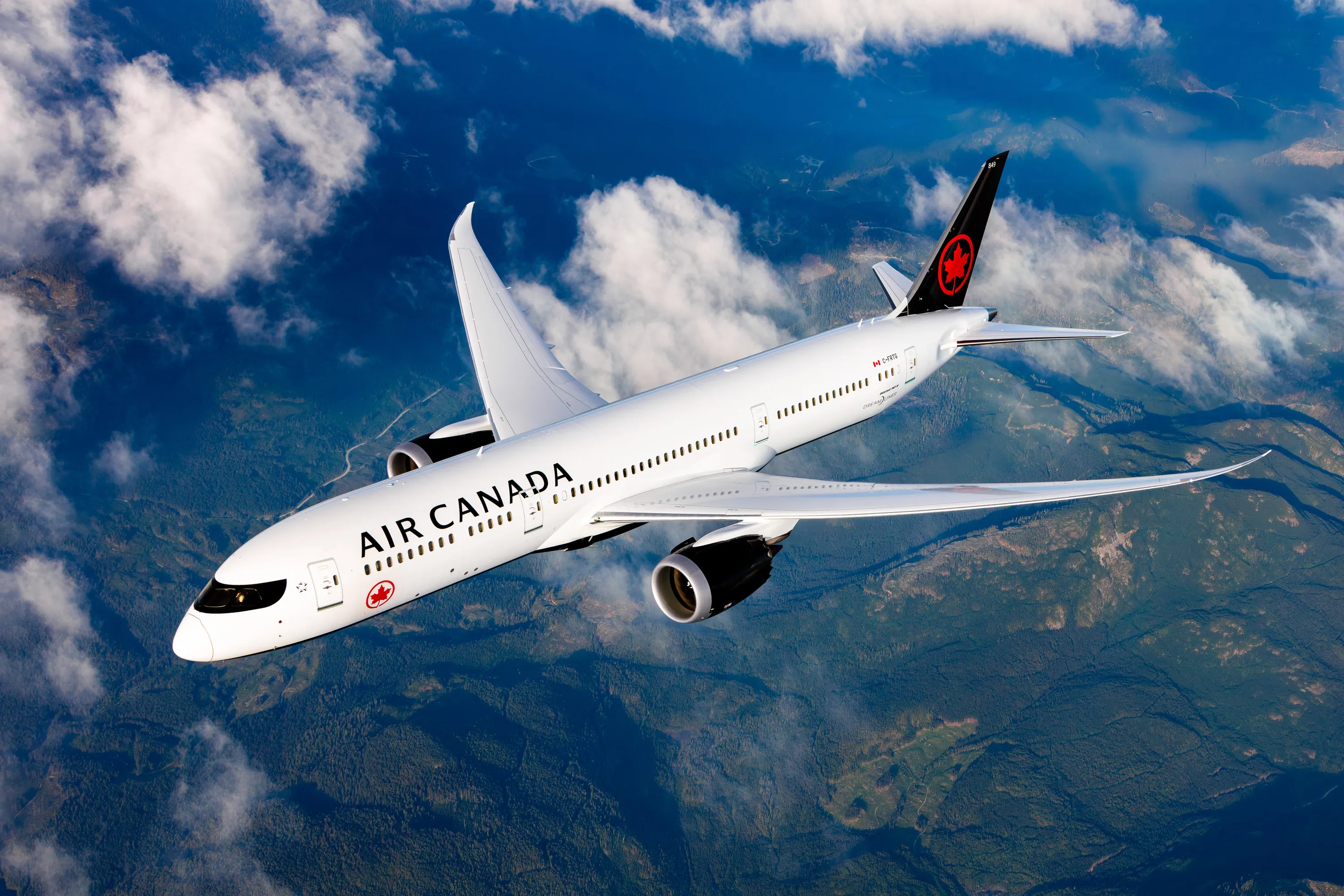
With fuel prices having more than doubled since the onset of the conflict in the Middle East, Air Canada is adjusting accordingly.


As soaring fuel prices tied to the conflict in the Middle East continue to disrupt global aviation, Air Canada is cancelling routes.
First it was a cutback in Canada–U.S. air service as demand for travel south of the border remained soft amid the current U.S. administration.
As part of an ongoing review of route profitability, according to a report by the CBC, Air Canada has noted that the sharp rise in jet fuel costs has made certain lower-margin routes unsustainable.
Read more: Air Canada latest airline to cancel U.S. flights
With fuel prices having more than doubled since the onset of the Iran conflict, Air Canada is adjusting its schedule accordingly.
Service to JFK will be paused beginning June 1, with a planned return on October 25, 2026.
Affected passengers will be offered alternative travel arrangements.
To know if your Air Canada flight is canceled, check the Air Canada Flight Status page, use the Air Canada App, or monitor email/SMS alerts.
The decision comes amid what industry observers describe as an escalating fuel crisis. As tensions in the region persist, airlines are increasingly forced to absorb higher operating costs—or pass them on to travellers.
WestJet has already moved to consolidate flights on select lower-demand routes, trimming capacity in recent months. Despite the JFK suspension, Air Canada will continue operating dozens of daily flights between Canada and the New York area via LaGuardia Airport and Newark Liberty International Airport.
Discover: Montreal is getting a new airport this summer with a 900-seat waiting lounge
According to the International Energy Agency, fuel supply pressures remain acute, with Europe potentially facing shortages within weeks if disruptions persist.
Aviation experts warn the situation could have long-term consequences, pointing to constrained refining capacity and ongoing geopolitical instability as major hurdles to recovery.
In response, several Canadian carriers—including Air Canada, WestJet, Porter Airlines and Air Transat—have signalled plans to raise fares or introduce fuel surcharges in an effort to offset rising costs.
Check out: Air Transat cancels all U.S. flights starting this spring after WestJet cuts service
While a recent ceasefire agreement in the region briefly eased concerns and led to a drop in oil prices, uncertainty remains. U.S. restrictions on Iranian oil exports are still in place, leaving global supply chains—and airline operations—on unstable footing.
For more information about the CBC article, click here.
RECOMMENDED:
Full guide to the best things to do in Montreal
Discover Time Out original video