[category]
[title]
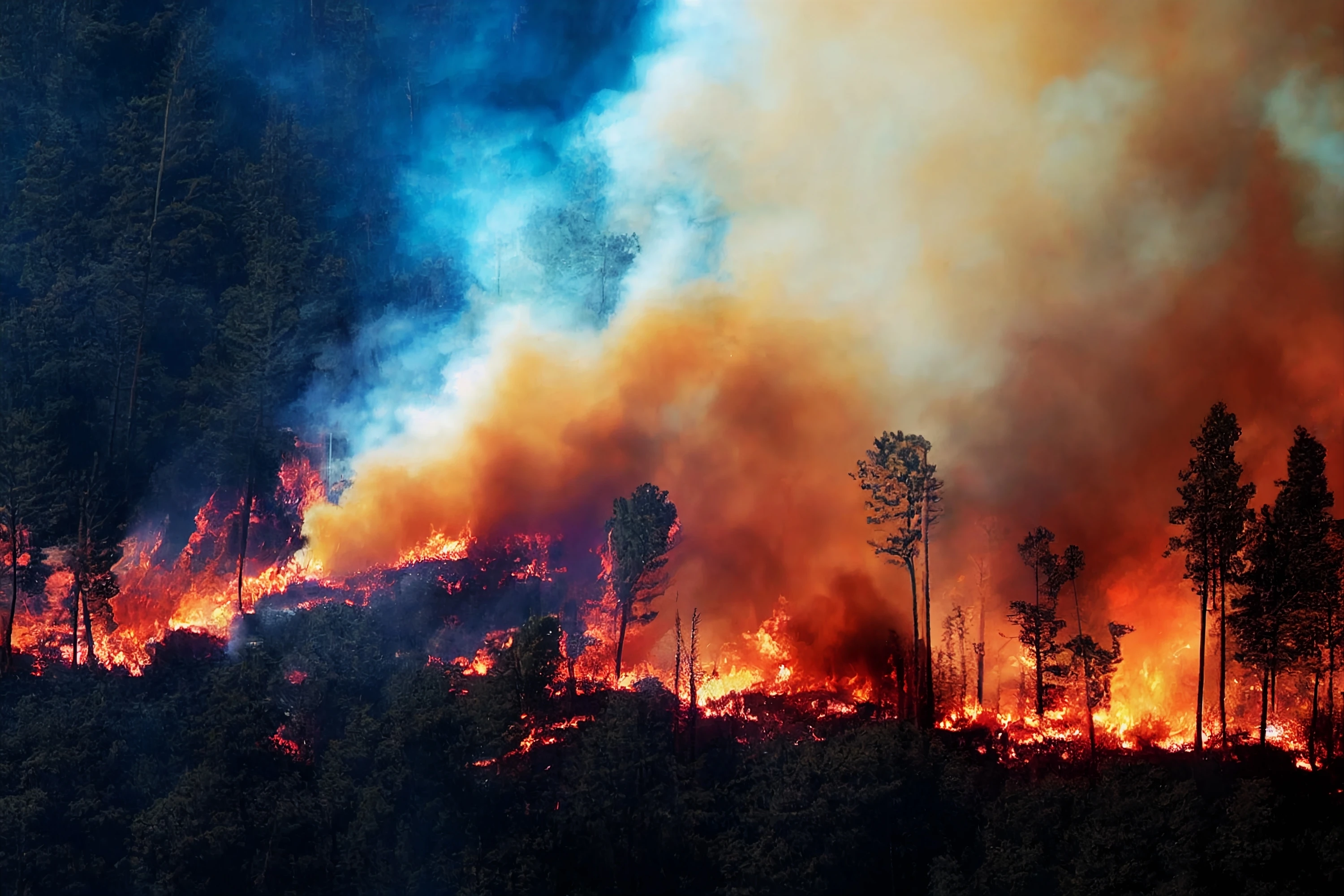
Smoke from wildfires is causing sickly yellow skies and very poor air quality, with conditions possibly improving on Friday morning.


UPDATE Friday, July 17, 2026: Winnipeg is now subject to an air quality warning as wildfire smoke blows towards the city, according to Environment and Climate Change Canada. In Toronto, the wildfire smoke is keeping Toronto’s air quality at high risk Friday, with Saturday rain expected to help clear the smoke. 3 provincial parks in northwestern Ontario have temporarily closed due to the nearby wildfires.

An orange alert is in effect for this city as wildfire smoke is creating hazardous air quality and poor visibility.
Smoke from wildfires burning in northwestern Ontario have drifted into the Toronto region, causing very poor air quality and significantly reduced visibility.
Read more: Quebec expands fire ban as nearly 200 wildfires burn across the province
Toronto has been ranked among the worst in the world for air quality by IQAir, the Swiss technology company that ranks global air quality.
Surpassing Delhi, India, and Doha, Qatar, smoke from more than 100 active wildfires in northern Ontario has made Toronto the city with the worst air quality in the world, blanketing parts of Canada and the northeastern U.S. in a thick yellow haze.
According to a report by Environment Canada, conditions are expected to improve by Friday morning, but until then, residents are being urged to limit their exposure.
Health officials warn that everyone is at risk during periods of heavy wildfire smoke, regardless of age or overall health.
People are advised to limit time outdoors and postpone or cancel outdoor sports, events and other physical activities whenever possible.
Exposure to wildfire smoke can cause symptoms including eye, nose and throat irritation, headaches and coughing.
More serious reactions—such as wheezing, chest pain or persistent coughing—require immediate medical attention.
Anyone experiencing a medical emergency should call emergency services without delay.
Those most vulnerable to wildfire smoke—including older adults, pregnant people, infants and young children, people with chronic health conditions and outdoor workers—should avoid strenuous outdoor activity and seek medical care if symptoms develop.
To reduce smoke exposure indoors, keep windows and doors closed whenever possible and use a portable air purifier or the highest-efficiency air filter compatible with your ventilation system. If temperatures become dangerously hot, staying cool should remain the priority.
If you need to go outside, keep your time outdoors to a minimum. A properly fitted N95 respirator or equivalent mask can help reduce exposure to fine smoke particles, although it does not eliminate all health risks.
Officials are also encouraging residents to check in on neighbours, family members and others who may be especially vulnerable while air quality remains poor.
For more information about the IQAir world air quality ranking, click here.
RECOMMENDED:
Complete guide to the best restaurants in Montreal
Best attractions in Montreal
Discover Time Out original video