
[image]
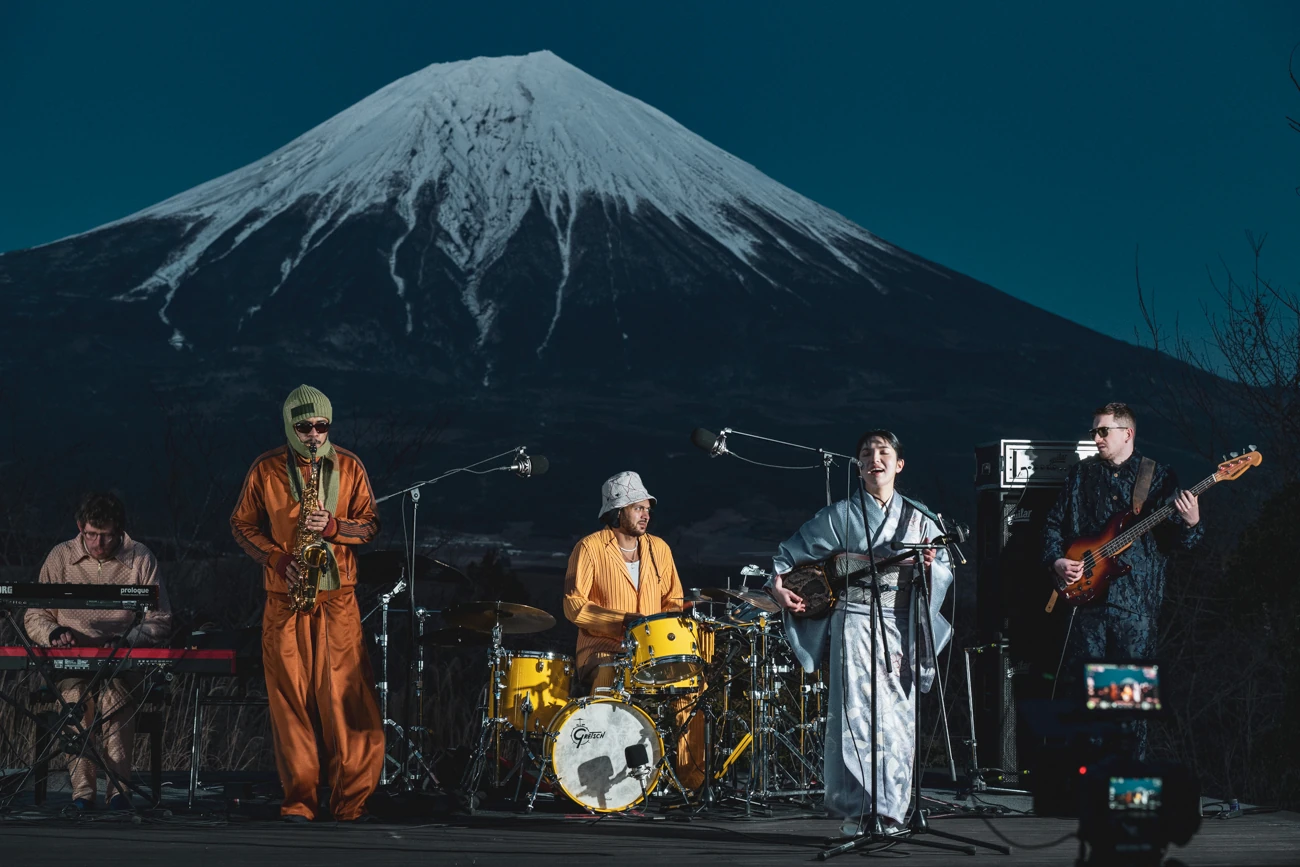
[title]An evocative record of daily life and ancient traditions in the villages of southern Japan’s Amami Islands, shimauta folk songs can also be groovy as hell. The music world has realised as much thanks to an ongoing collaboration between jazz drummer Yussef Dayes and Amami-born singer Minami Kizuki, who first appeared side by side in early 2025 on Yussef Dayes In Japan, a gorgeously produced video record of Dayes’s musical journeys in the country.
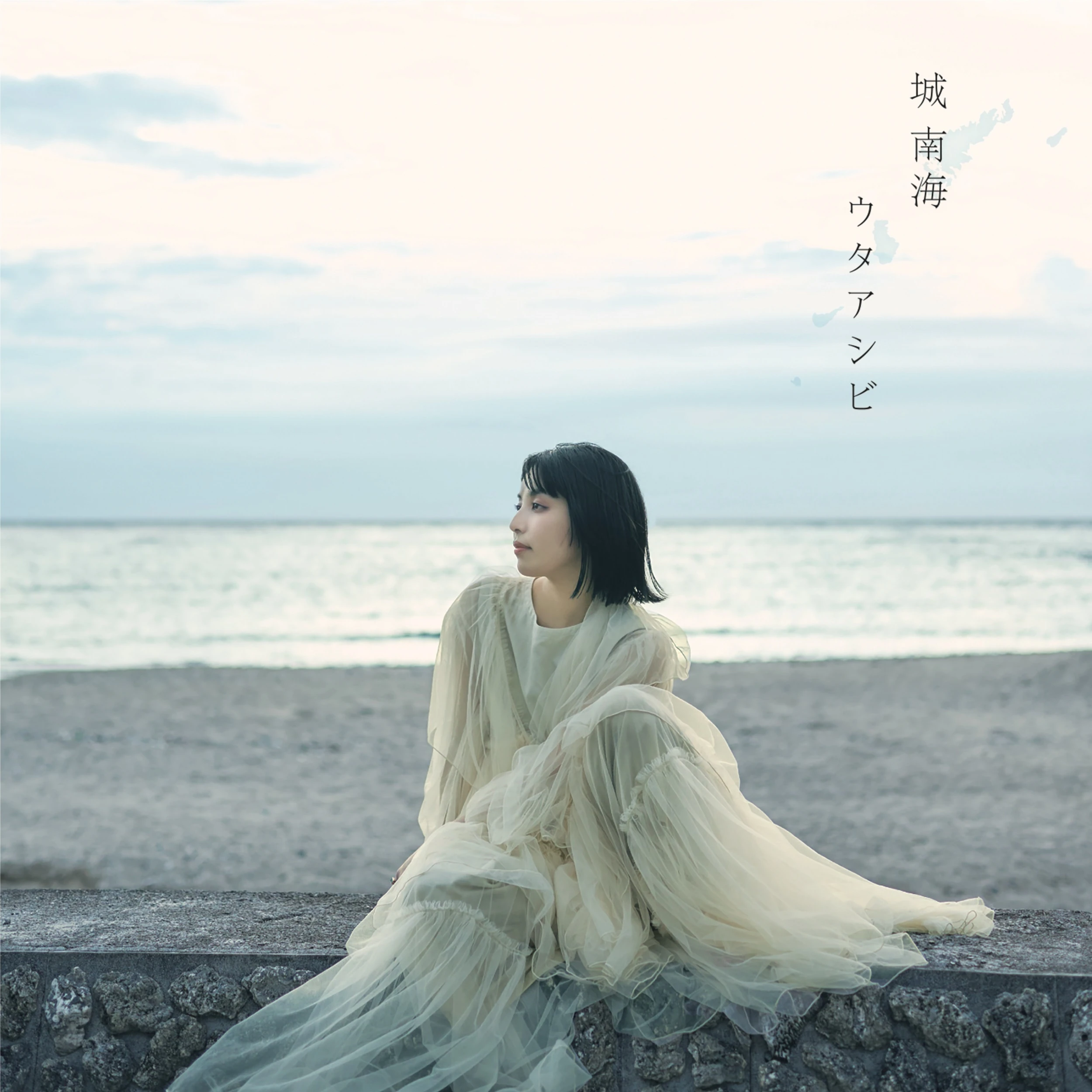
After sharing the stage with Dayes at last year’s Glastonbury Festival and releasing the acclaimed ‘Amami’ single together with the UK star in November, Kizuki is now coming off the January release of Utaashibi, her first own – and highly personal – shimauta album.
What was performing shimauta with Yussef Dayes like?
I don’t speak a lot of English, but have found that with Yussef we can converse through music, which is pretty cool. I was really happy to see the Glastonbury crowd enjoy my songs and the sound of the shamisen. Shimauta has this ‘Ha-ha’ chant, and Yussef suggested we get the audience to do it. Apparently it sounded like ‘Up-up’ to them, and things got pretty lively [laughs].
Tell us about your new album.
It includes ‘Honen Bushi’, one of my all-time favourite shimauta. It’s a song I often perform live, and one I’d always wanted to record together with the singers on Amami Oshima. ‘Amami’ is actually based on ‘Honen Bushi’. My experience of playing with Yussef and his band had a big impact on the album.
What does Utaashibi mean?
On Amami Oshima, shimauta sessions are places to ‘sing and play’, which is the literal meaning of the word utaashibi. On this album, I’m in charge – I did most of the composing and songwriting myself. It made me notice how utaashibi is at the heart of everything I do as an artist. That’s also why the album is all about my interplay with my fellow musicians.
We recorded some of the songs on the shores and in the forests of Amami Oshima. It left me with a newfound appreciation for what a beautiful place I had the fortune of being born in.
Kazufumi Miyazawa from The Boom also contributed to the album, composing and writing the song ‘Kyorajima, utsukushii shima’. How did that collab come about?
I actually asked him to compose a song for me several years ago, and he came through with this one. It’s composed in the traditional shimauta style, where two or three verses are often sung as one song, but blends Amami dialect with standard Japanese. I’d be delighted if the people of Amami were to like this ‘new’ shimauta.
Do you have a favourite local chain store?
My dad used to work at this book and CD store on Amami Oshima called Books Jubankan. They have a few locations on the island. I practically lived in that store. It’s where I bought my first CD: White Love by Speed [laughs].
How about a shop with cool background music?
Muji. I love Irish music, and they play a lot of it. Hearing those tunes come on when I’m at the store makes my heart flutter.