[category]
[title]
After four long years of construction, the massive museum reveals both upgraded and brand-new permanent exhibitions

From traditional ukiyo-e prints to futuristic sexy robots, Tokyo has no shortage of fascinating exhibitions to offer. Get ready for a whole lot more, as the beloved Edo-Tokyo Museum reopened on March 31. The massive 9,000sqm venue had been closed since April 2022 for renovations, but its collection of over 350,000 items is now available for public viewing once again.
The upgrades include not only updated familiar spaces, but also brand-new permanent exhibitions. Read on for a preview of what to expect from the new-and-improved museum on your next visit.
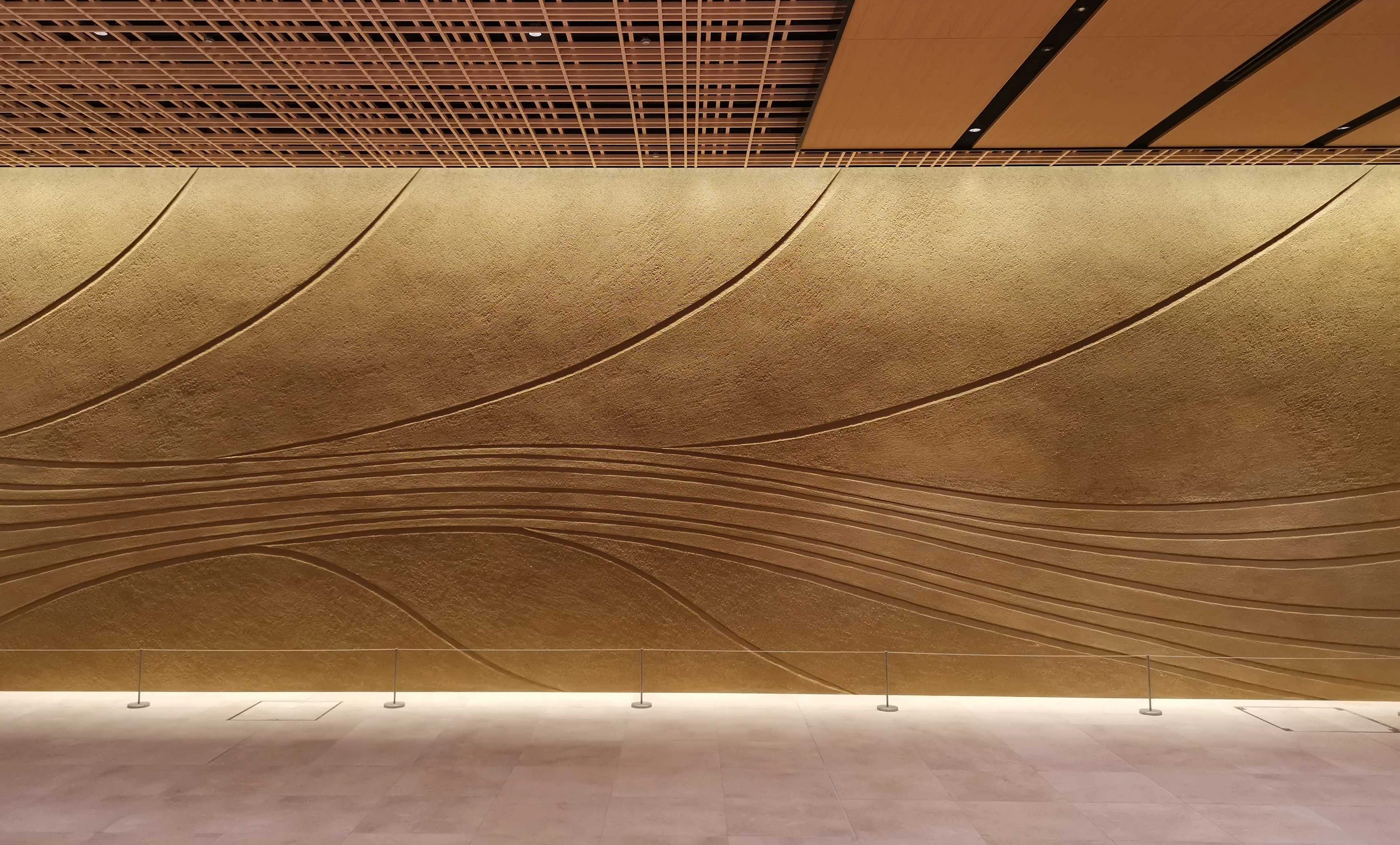
Near the main entrance you're immediately greeted by a creative work that exemplifies what the museum is all about: merging the old and the new. The remarkable piece is the work of Tokyo artisan Naoki Kusumi, a third-generation master of traditional plaster techniques. His hand-crafted work pairs seamlessly with the contemporary design of the museum – the synthesis is a perfect introduction for what's in store.
The first floor is also where special exhibitions are held throughout the year. Check the museum's website for updates, but in the meantime, catch the lift to the fifth and sixth floor to see the permanent exhibitions.
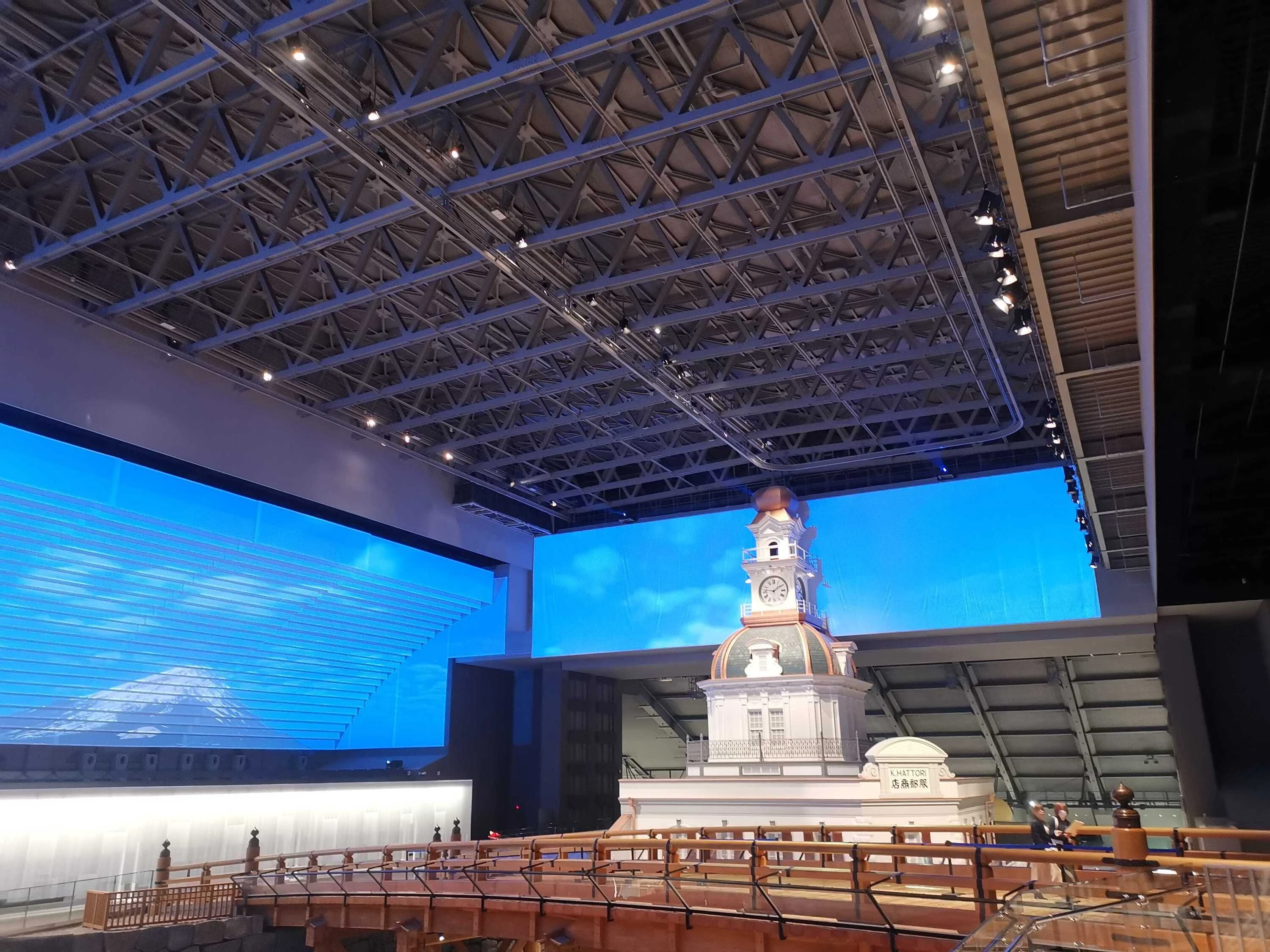
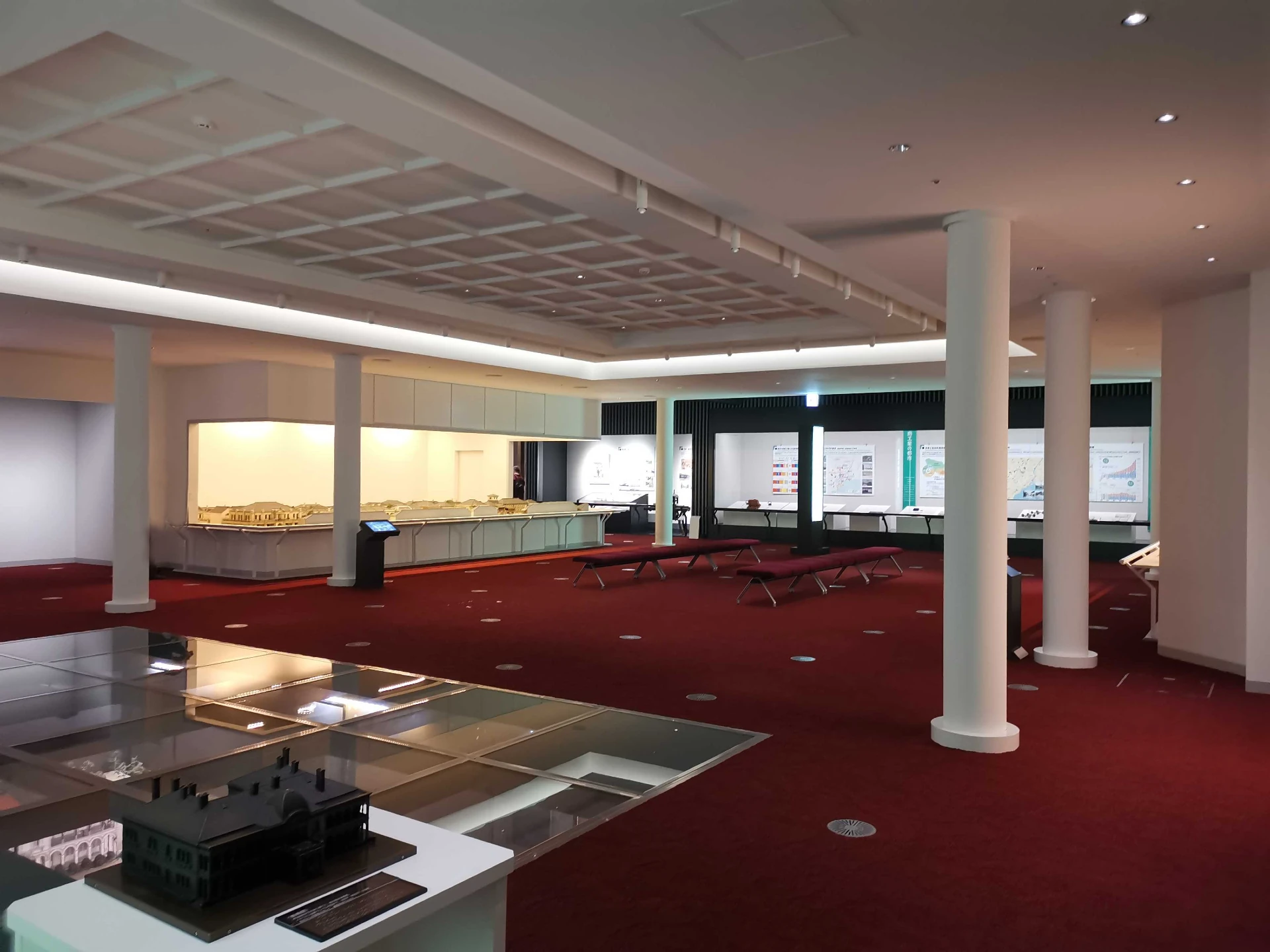
For the uninitiated, you can't enter the fifth floor directly: you have to start on the sixth floor and work your way down. The sixth floor features a recreation of Nihonbashi Bridge, which passes over the fifth floor's Tokyo Zone to the right (pictured above) and the Edo Zone to the left.
Old-timers will immediately notice the immense screens on the wall, one of the museum's many upgrades. The ever-changing view of the Tokyo sky opens up what was already a massive space, providing a stronger sense of immersion as you cross the bridge to view the exhibitions behind the white noren curtains.
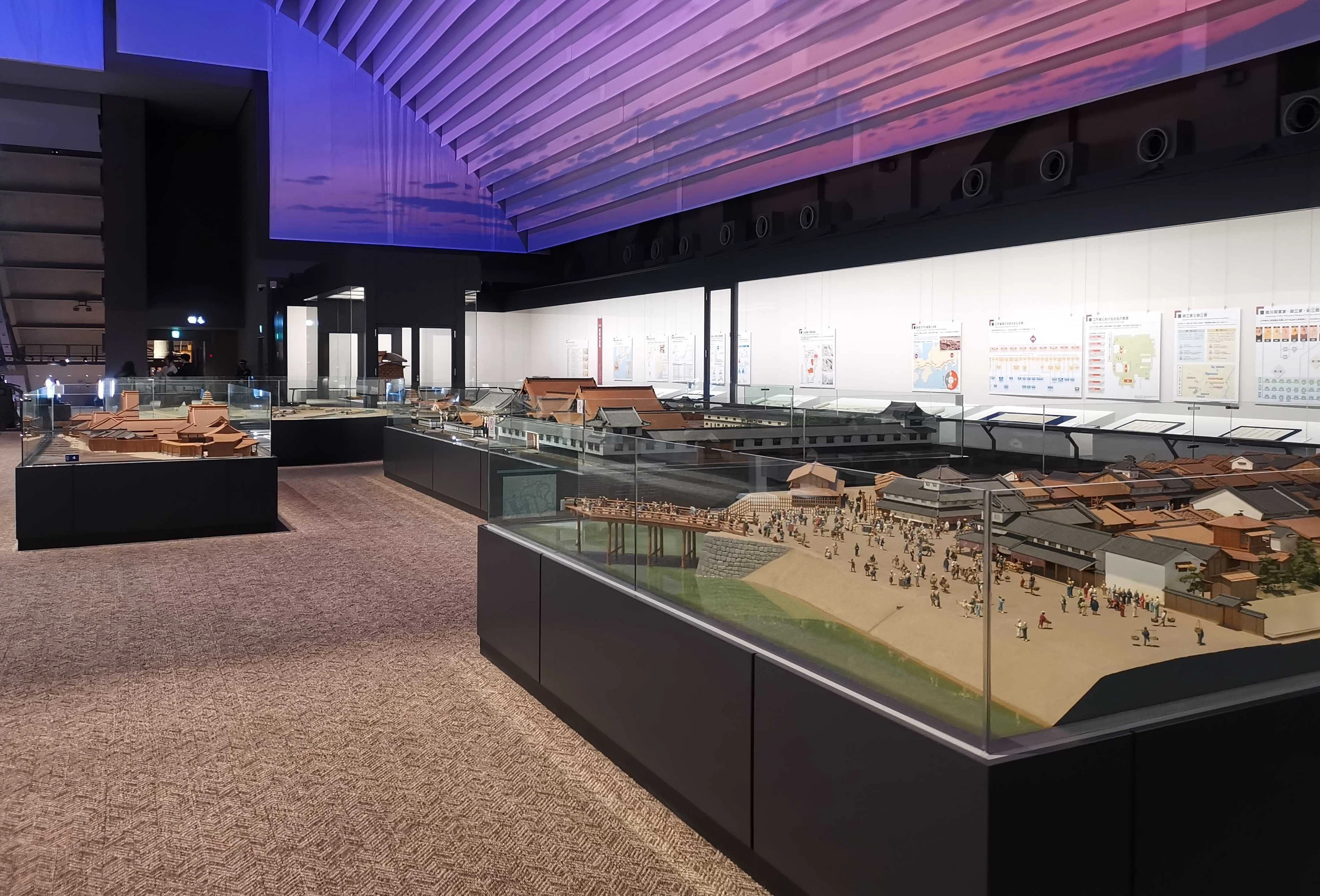
This section of the sixth floor displays artefacts, artwork and several large-scale dioramas depicting the everyday life of Edo-period (1603–1868) townsfolk. Here you'll find out more about the time period, including shogun Tokugawa Ieyasu’s entry to Kanto in the late 1500s and beyond. An exhibition of 11 suits of samurai armour is also on display for a limited time.
This section is relatively small compared to the rest of the place – head down to the fifth floor to see where the magic really happens.
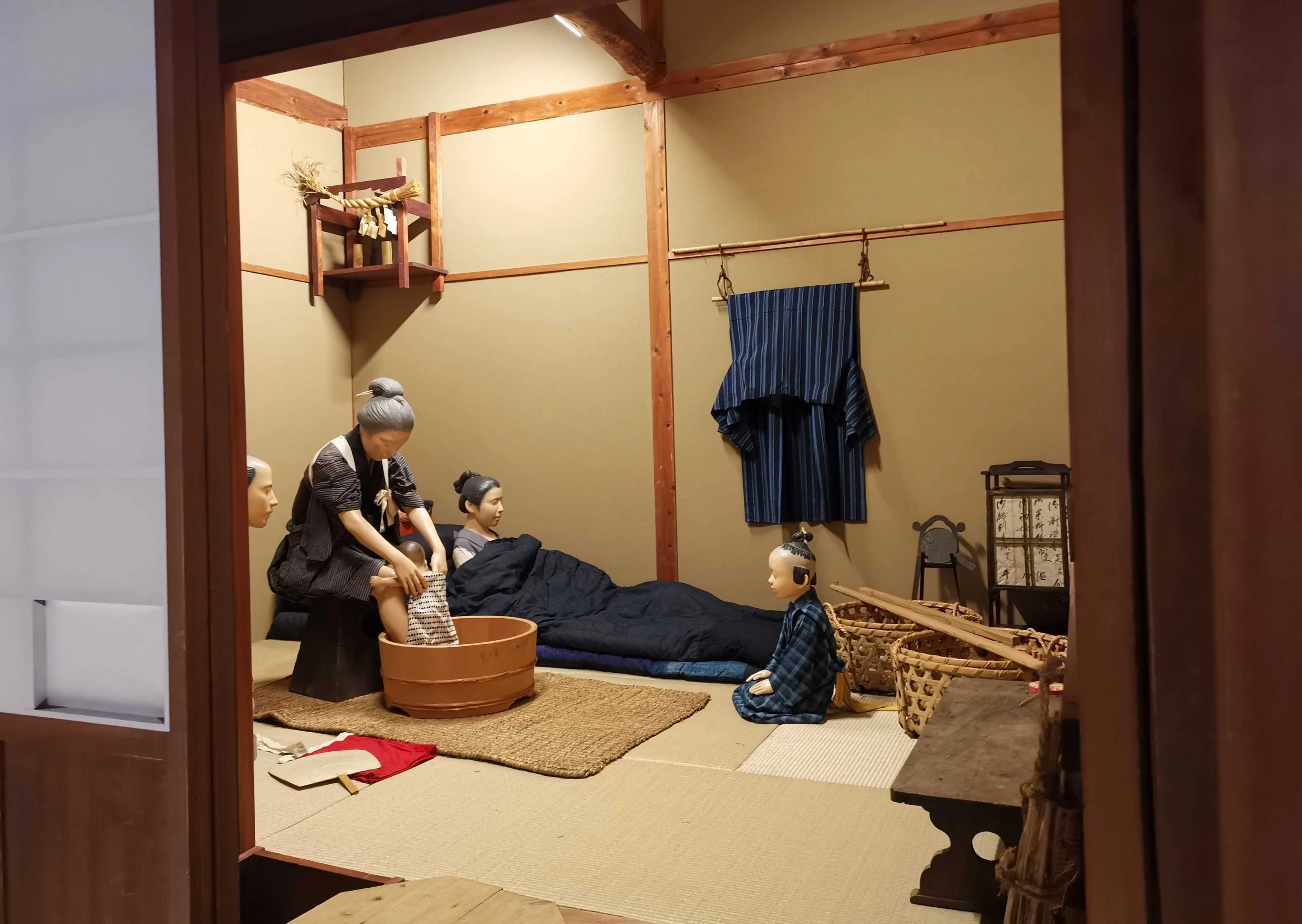
Your journey on the fifth floor starts in the Edo Zone. This spacious area features several life-sized recreations of everyday Edo-period life, even more than before the museum's temporary closure. The jobs people held, the food they ate, the clothes they wore… just about every facet of Edo life is represented here. It's great for kids too, as there are a few interactive, hands-on displays dotted throughout the space.
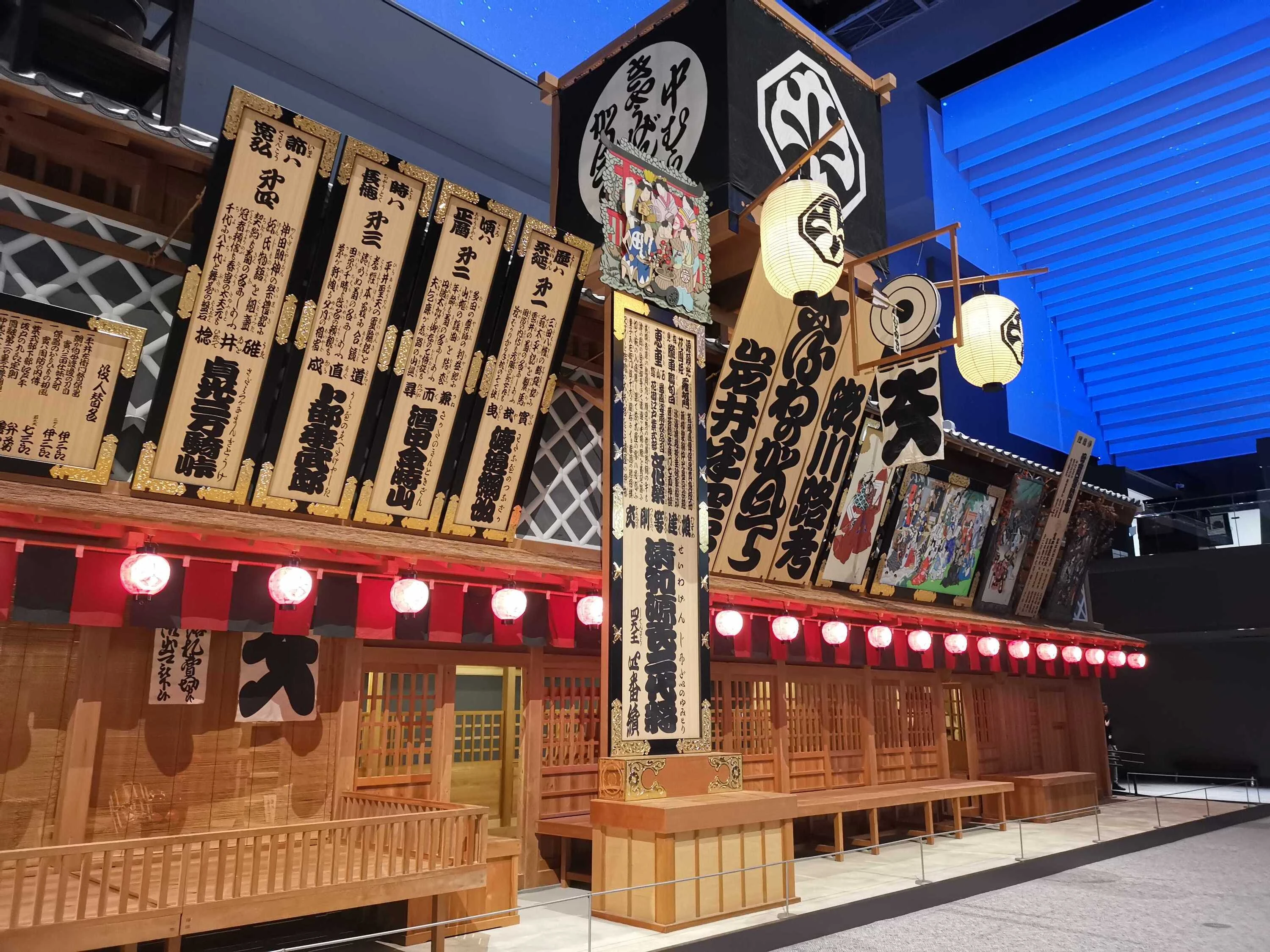
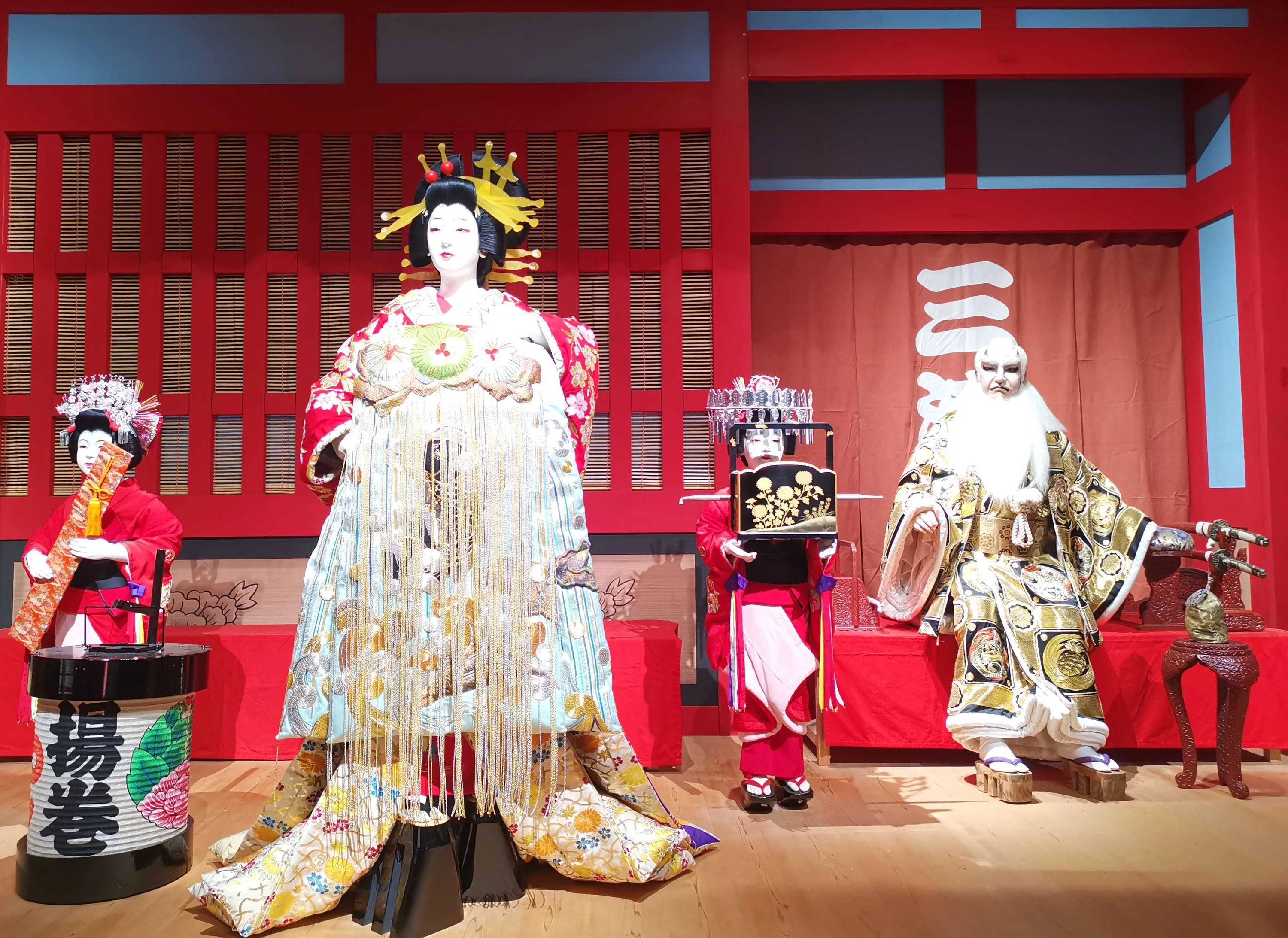
The crown jewel of the Edo Zone is the life-size replica of the lavish Nakamura-za Theatre, founded in 1624 and serving as one of the prominent kabuki theatres of the time. Previously, this exhibition was only for show, but with the museum's upgrades you can now enter the theatre and stroll down a newly installed walkway. Inside you can get a glimpse of the musical instruments used during performances, plus get a better sense of the building's architecture.
The entire Edo Zone is a treat for history buffs, but if the modern era is more your thing, you're in luck – the next stop is the Tokyo Zone.
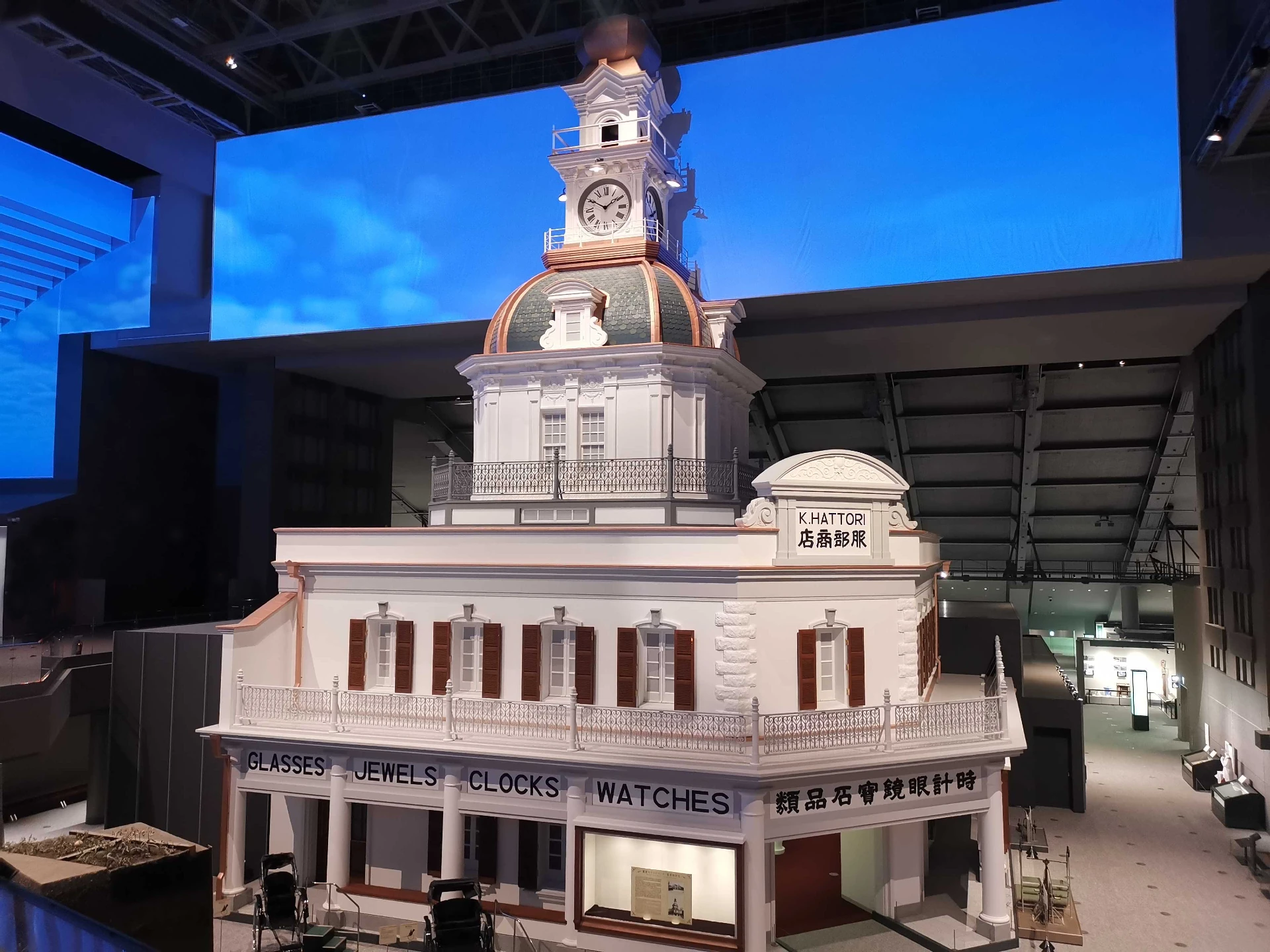
Just opposite the Nakamura-za Theatre is the Tokyo Zone's own gem: the 26m-high recreation of the K Hattori & Co watch shop. The full-scale model was previously a reproduction of the Choya Shinbun Newspaper Company, but has now been reconstructed.
Fun fact: the museum's remodelling of the building reflects real-world events, as K Hattori & Co's founder Kintaro Hattori purchased the newspaper office building in 1894, converting it into a shop specialising in selling and repairing imported watches. (Another fun fact: the location now houses the Seiko Museum.)
Just like the Nakamura-za Theatre, you can now enter this building too. The inside isn't a recreation of the watch shop, but rather more exhibitions. These displays cover the mid-1800s, the period of Tokyo's history when the country opened up to the world after over 200 years of self-isolation.
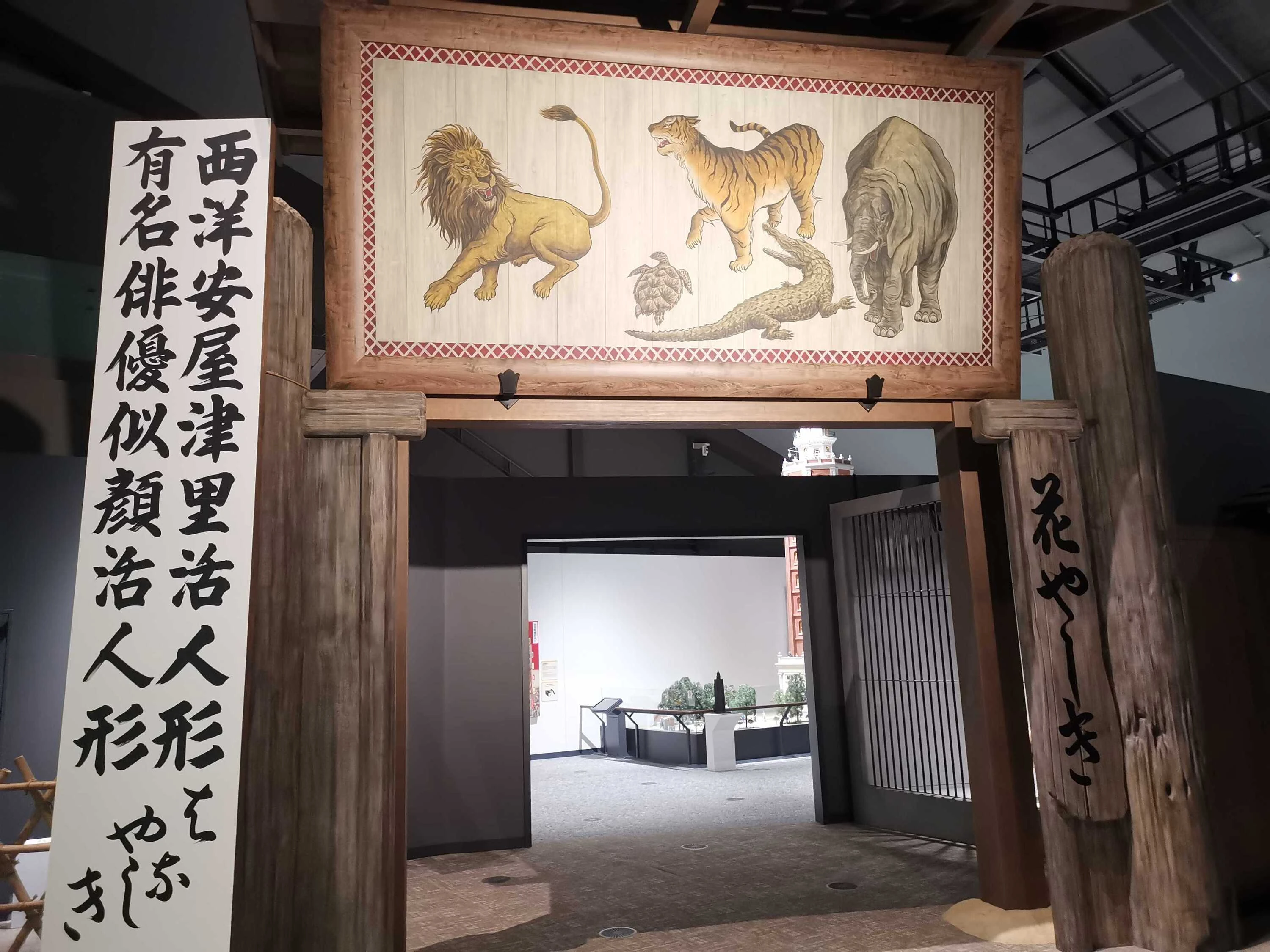
Depicted above is another of the museum's brand-new permanent exhibitions. Visitors can now see and pass through a recreation of the gate to Asakusa Hanayashiki, the country's oldest amusement park. The park itself was constructed as a botanical garden in 1853 before becoming a zoo, and then later an amusement park, which it remains to this day; the recreated model represents how the gate appeared in the late 19th century.
Beyond the gate you'll find more art, more everyday items and yes, more dioramas. It's all quite a lot to take in by this point, but highly informative nonetheless.
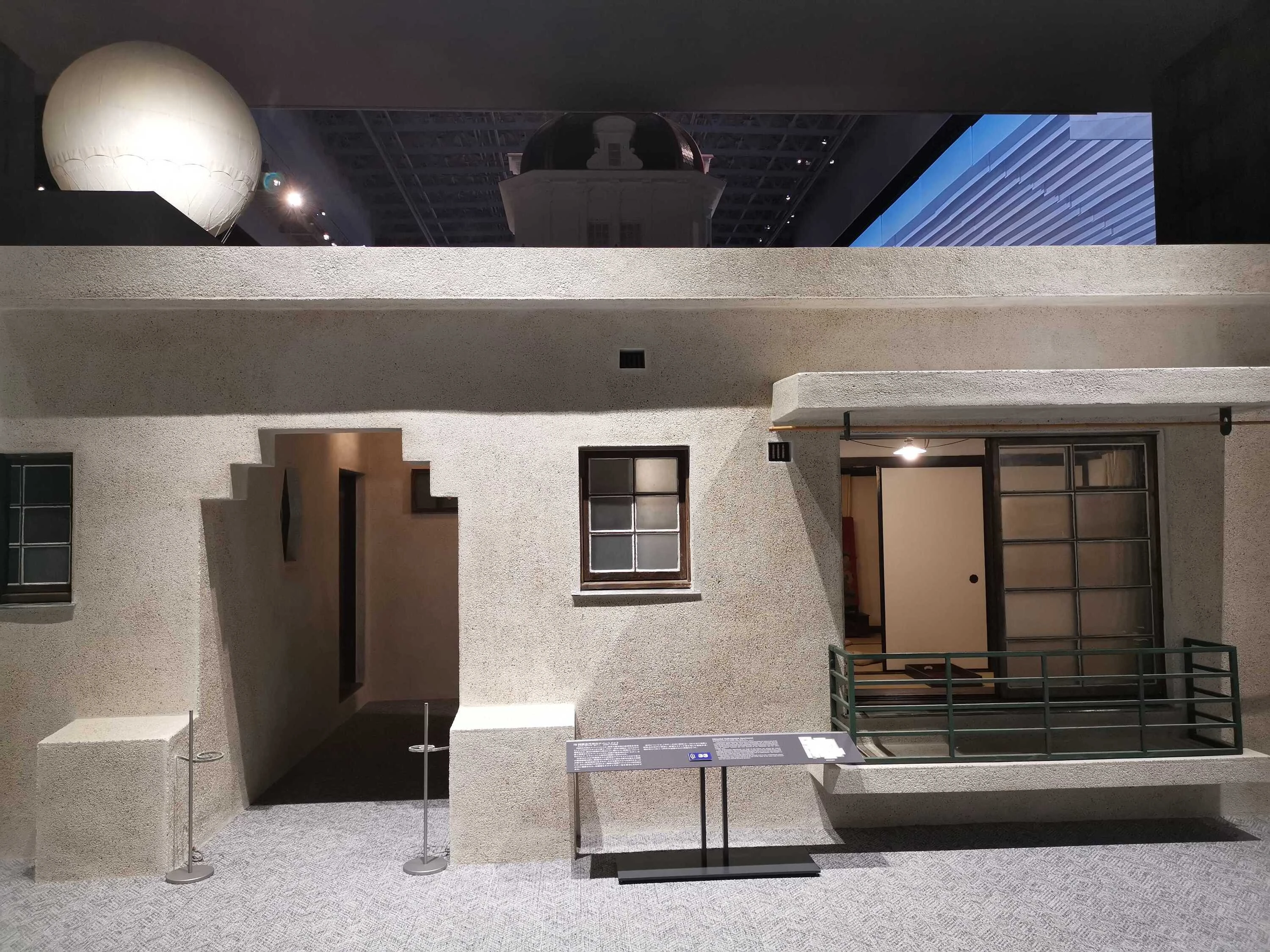
The Tokyo Zone gets more upgrades with pieces dedicated to the Great Kanto Earthquake of 1923, one of which includes yet another large-scale model: the Dojunkai Daikanyama Apartments. These were constructed in the years following the earthquake – note the use of reinforced concrete, a more durable and fire-resistant material than wood or brick.
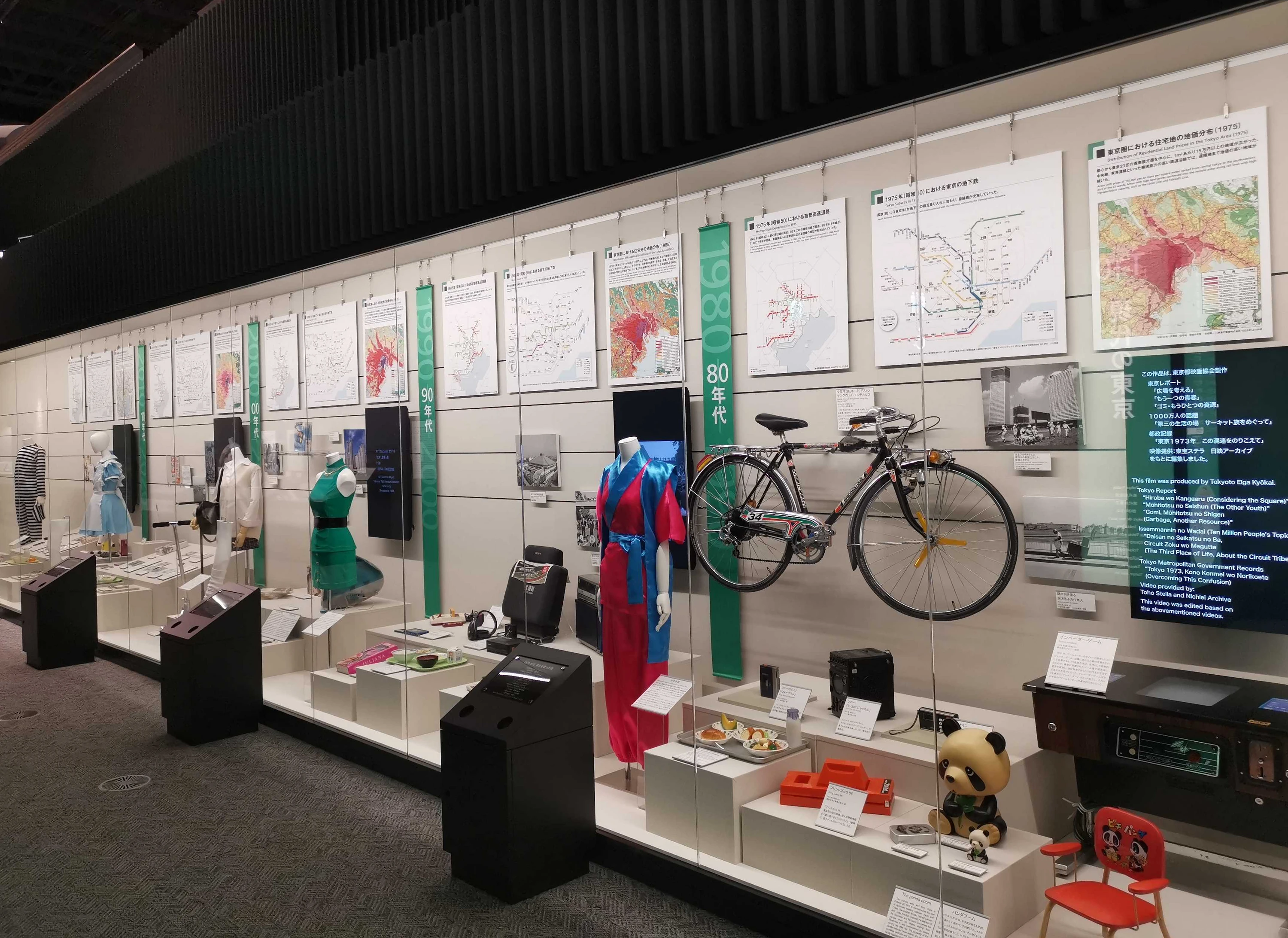
Moving forward in time, this area also houses automobiles, modern appliances and materials from the air raids suffered during the Second World War, among other items.
We're getting closer to present-day Tokyo now. The museum has added more materials to this area, extending its collection by a full decade to encompass the 2010s and beyond, including the 2020 Tokyo Olympics.
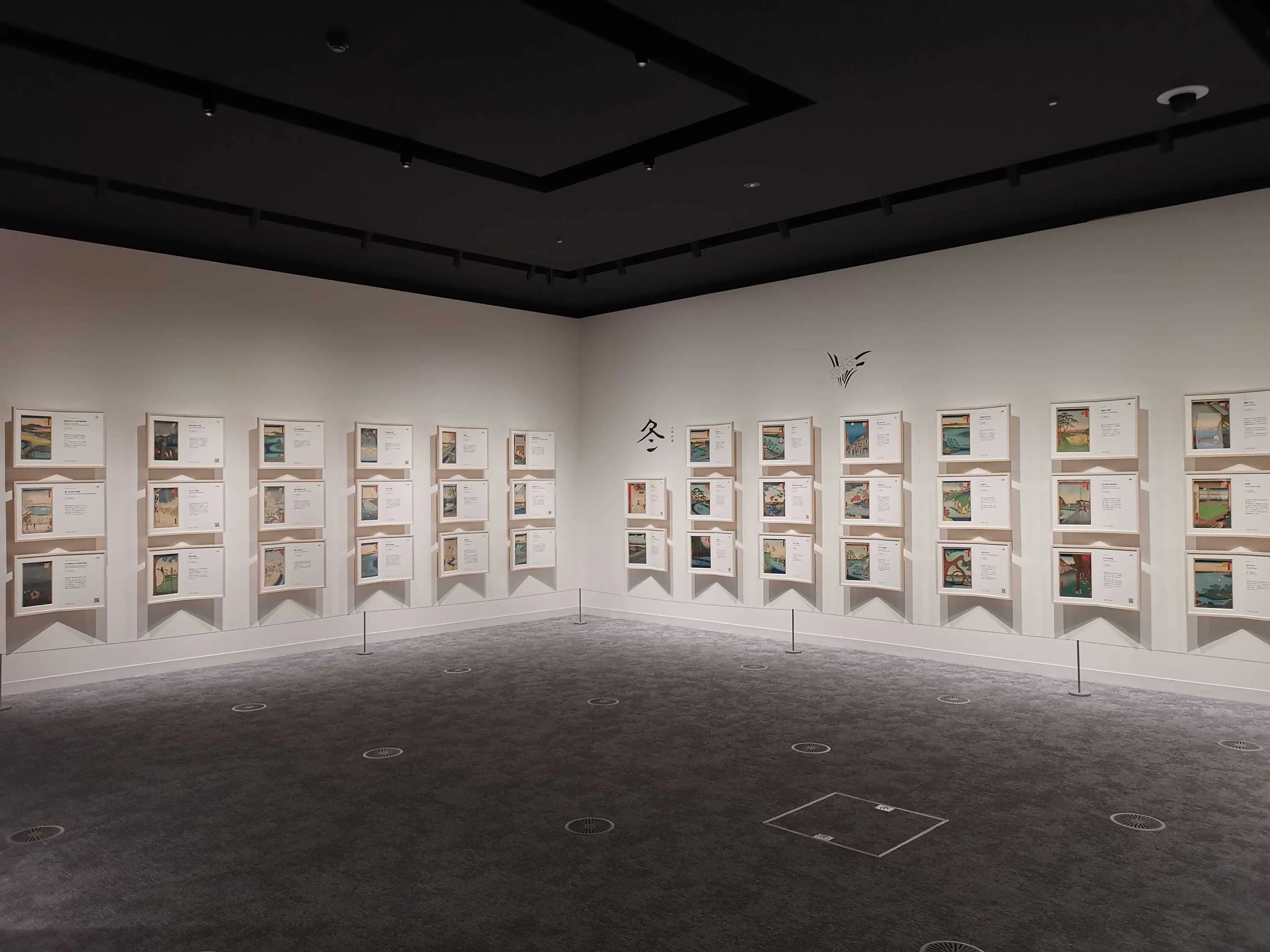
While just about everything up until this point has been permanent displays, the fifth floor has space for temporary exhibitions as well. For one month only, catch 'One Hundred Famous Views of Edo', a total of 120 ukiyo-e prints from the illustrious woodblock printing master Utagawa Hiroshige.
Created between 1856 and 1858, the spellbinding prints depict Edo in all its beauty; for this exhibition, they've been arranged by season. The exhibition is only on display until April 26, so act fast.
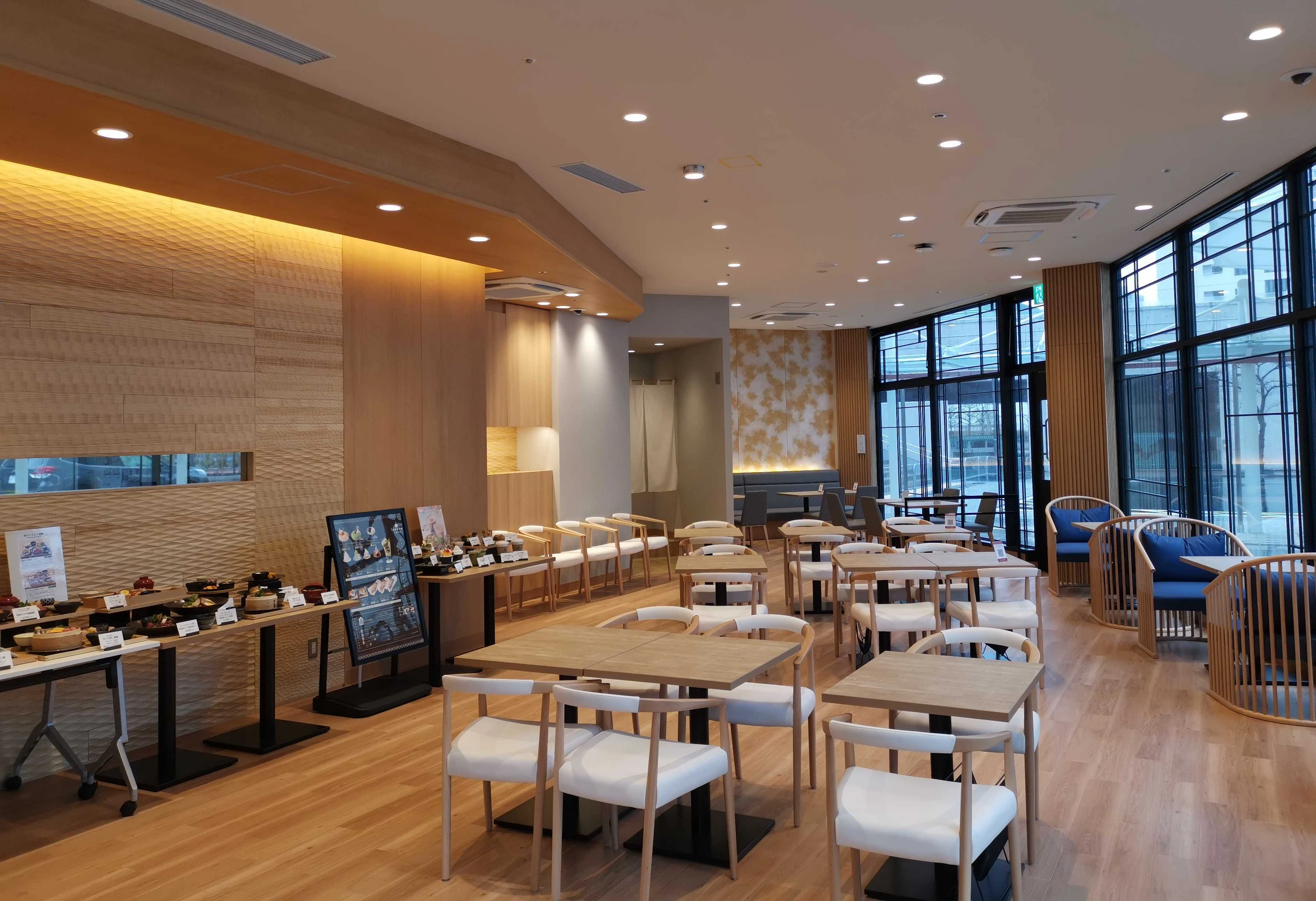
Viewing all those dioramas can certainly work up an appetite. After your trek through the fifth- and sixth-floor exhibitions, head back down to the first floor for a bite to eat at the newly renovated Koyomi. The laid-back restaurant serves up high-quality traditional dishes like soba and tempura, plus Western-style Japanese cuisine.
Take a seat on the second floor for a nice view of the nearby cherry trees, and don't miss the restaurant's seasonal, cherry blossom-flavoured items: the sakura matcha latte and sakura matcha doughnut, which cost ¥650 each.
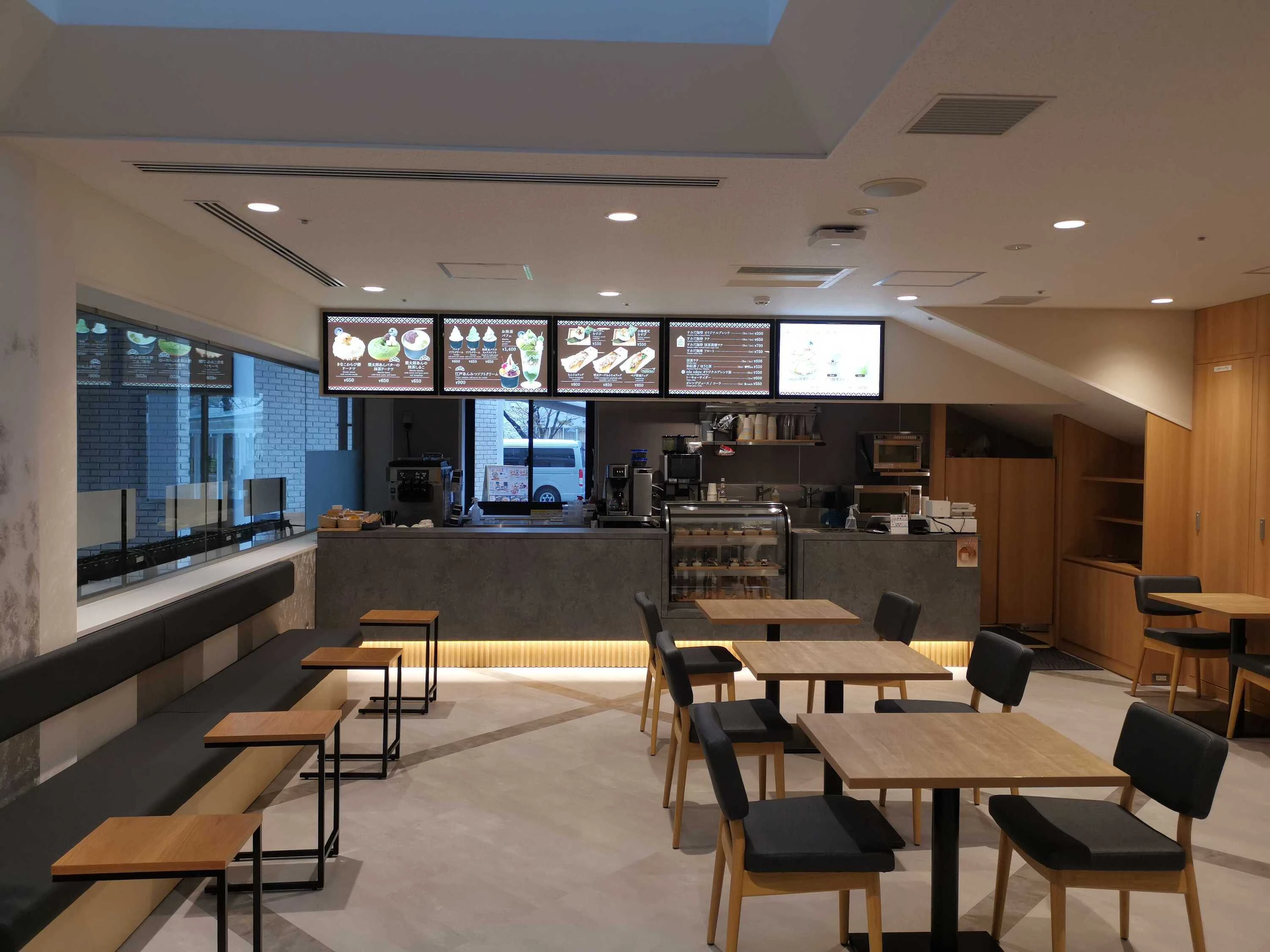
If you're not in the mood for a full meal at Koyomi, the adjacent 'ippuku cafe' has got you covered. Here you can select from savoury bites like onigiri or hotdogs, plus sweeter options like soft serve and doughnuts. To drink, expect standard café beverages – coffee, tea, juice and the like.
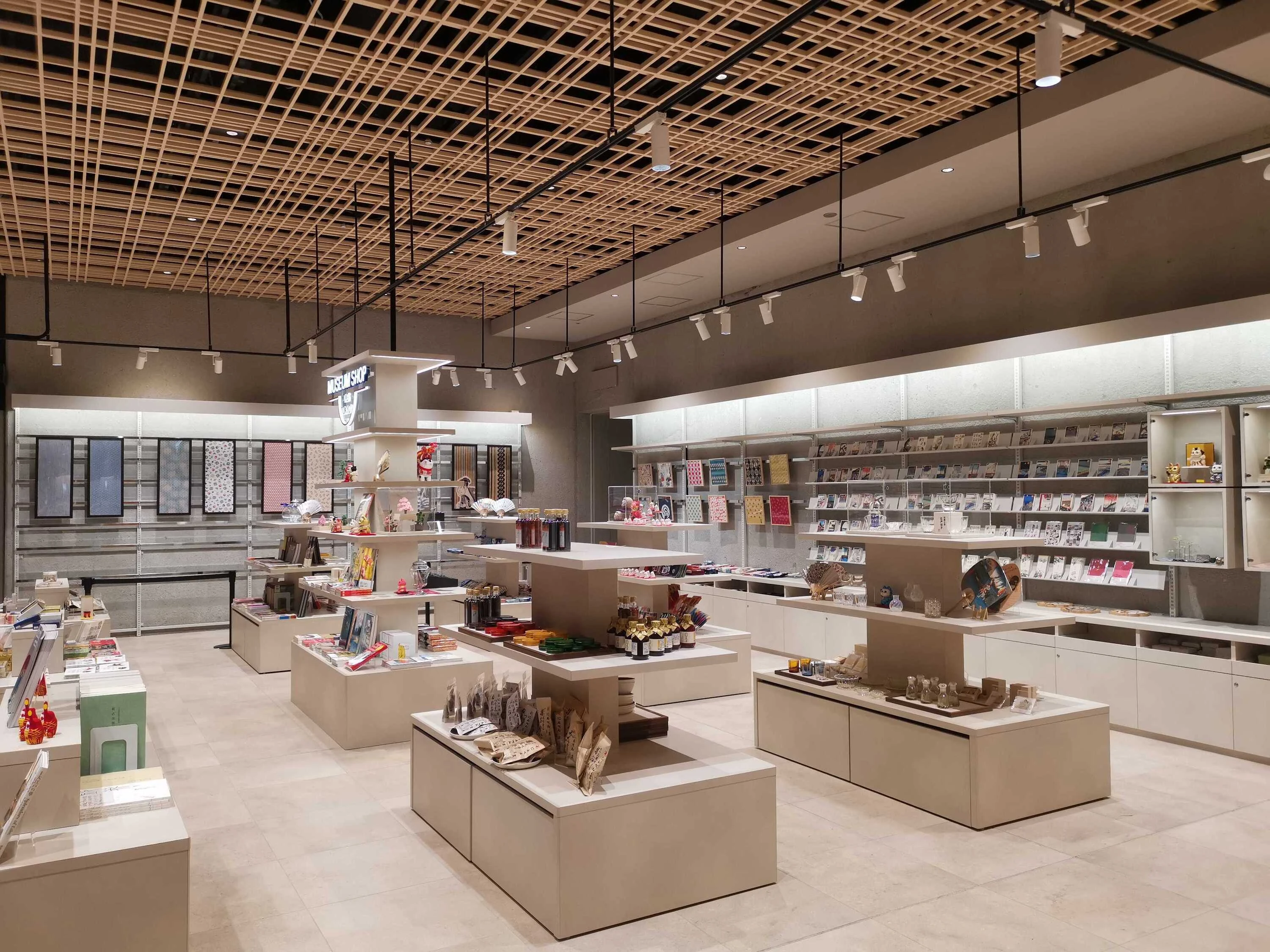
Who doesn't love a gift shop? Postcards, books, trinkets, snacks… you know the drill. Grab a few items as gifts or personal mementos of your time at the museum, then head out with a fresh perspective on how this cosmopolitan city has changed over the centuries (and how it's stayed exactly the same).
We'd say the museum's renovations were certainly worth the four-year wait. If Tokyo history is your passion, you could easily spend all day here marvelling at the hundreds of thousands of items on display – just make sure to pace yourself, especially if you're bringing kids.
By the way, there's a library on the seventh floor boasting a staggering 290,000 items ranging from books and magazines to microfilms and videos related to Edo and Tokyo history. Just like the rest of the venue, the library has been upgraded and expanded – see for yourself what's changed.
Tickets for the Edo-Tokyo Museum are now available for purchase – more info can be found on the museum's ticket website.
More from Time Out Tokyo
Dive into Sebastian Masuda's immersive kawaii world at Hyper Museum Hanno
New immersive playground Wonderia Yokohama is now open
Japan moves to implement new pre-travel 'JESTA' authorisation system from 2028
Japan's dreamiest cherry blossom merchandise to shop this spring
Cthulhu collabs with Hokusai in this terrifyingly amazing new art book
Want to be the first to know what’s cool in Tokyo? Sign up to our newsletter for the latest updates from Tokyo and Japan.
Discover Time Out original video