[category]
[title]
The University Art Museum in Ueno looks back at 50 years of ‘NHK Sunday Museum’, Japan’s most influential art-focused TV show


What constitutes good art, and which artworks deserve mainstream recognition? Over the past 50 years, few institutions in Japan have been more influential in answering those questions than NHK Sunday Museum (Nichiyo Bijutsukan).
Since its debut in 1976, the weekly TV programme has occupied a singular place in the country’s cultural landscape, airing more than 2,500 episodes featuring artists, writers and thinkers reflecting on works that shaped their sensibilities. As such, the show has introduced a broad audience to countless masterpieces while cultivating a shared language through which anyone can discuss and reinterpret art.
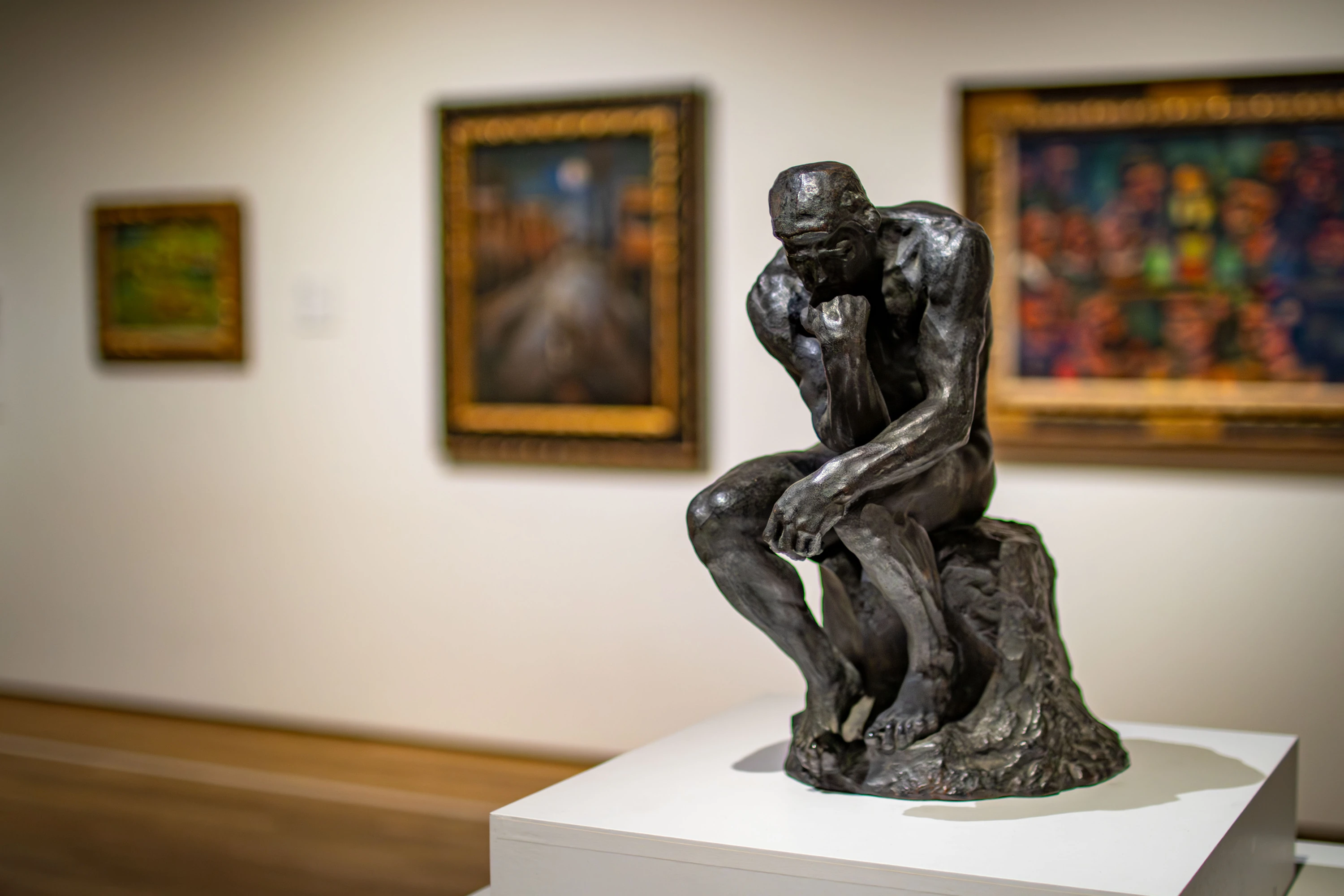
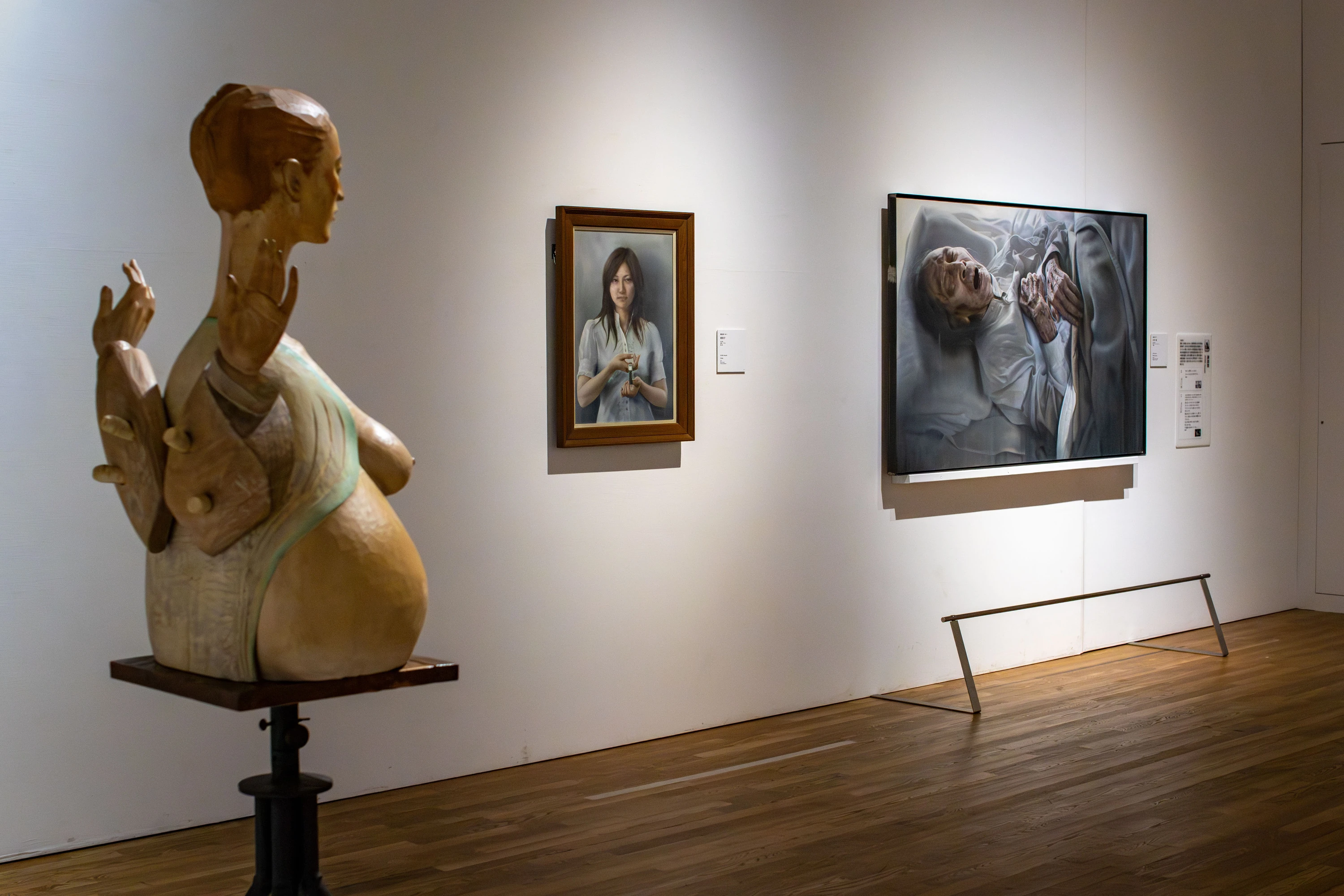
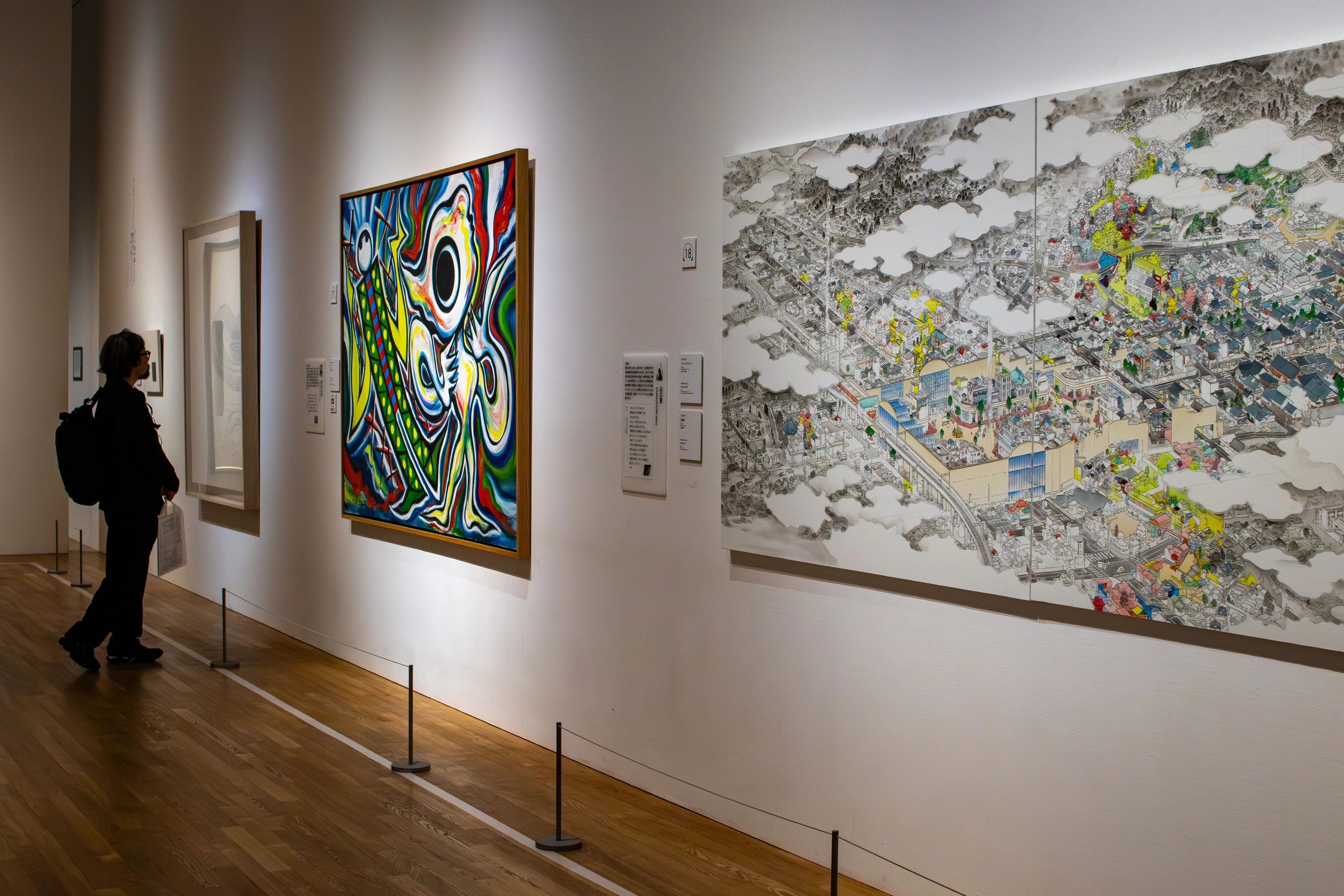
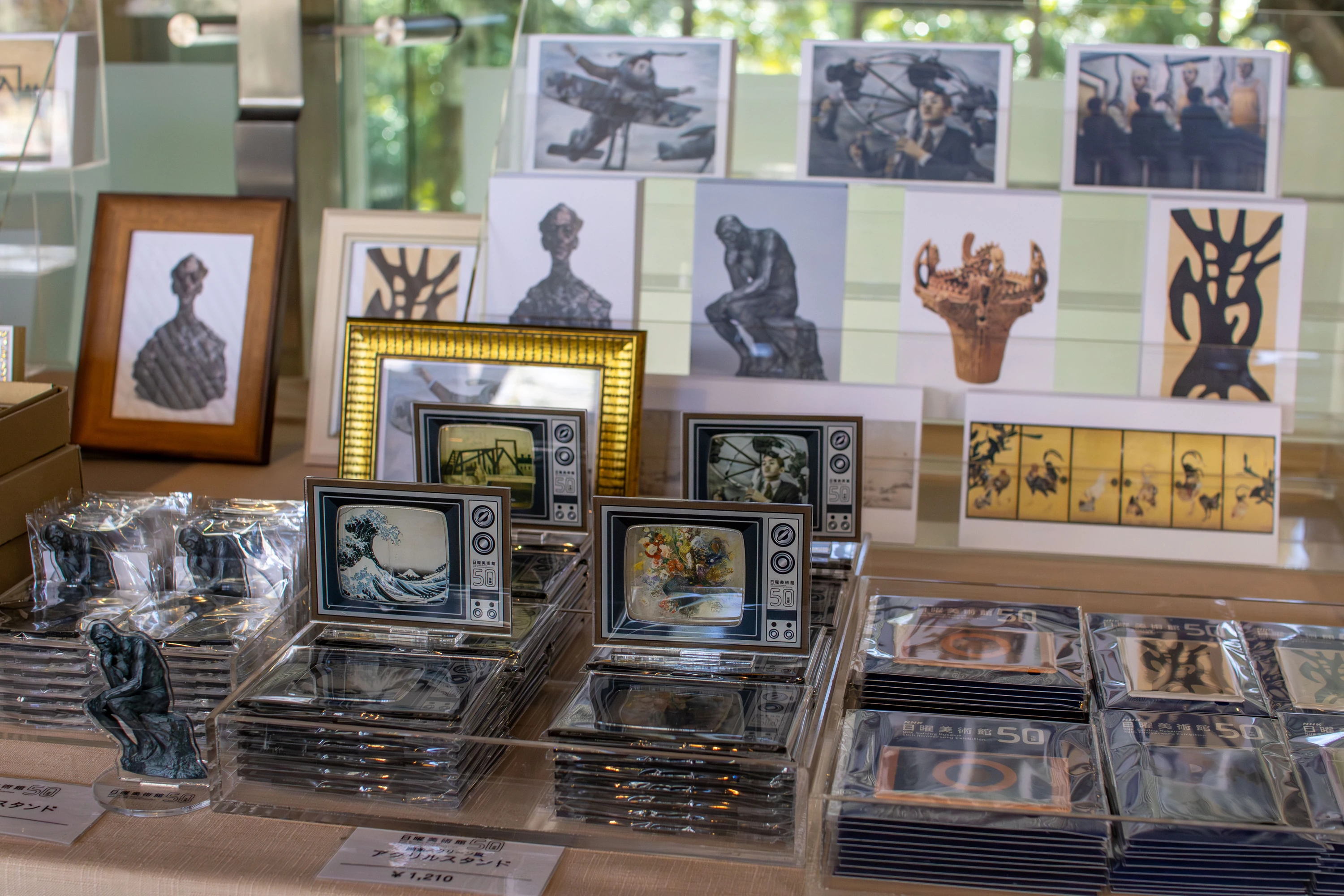
This half-century legacy of curating art for the general public is turned into a spatial experience at the University Art Museum’s ‘NHK Sunday Museum 50th Anniversary Exhibition’. On show at the Ueno museum until June 21, the exhibition brings together more than 120 works highlighted throughout the programme’s history. Paintings, sculptures, craft objects and archival footage converge into a popular history of art and evolving sensibilities in a rapidly transforming society.
The exhibition unfolds across five thematic chapters, with the opening section foregrounding one of Sunday Museum’s defining features: its dialogue between artworks and the individuals who interpret them. Early broadcasts invited prominent cultural figures to articulate their personal encounters with art. Here, visitors encounter works illuminated by such reflections, from Kenzaburo Oe’s engagement with Francis Bacon to sculptors and critics reflecting on modern masters. The section underscores a central premise of the programme: that art, no matter how old, is continually reactivated through language.
This interplay between object and voice extends into contemporary contexts, where figures such as musicians and actors revisit modern artists, revealing how interpretation itself becomes a creative act. By juxtaposing artworks with recorded commentary, the exhibition constructs a layered narrative in which meaning emerges through dialogue.
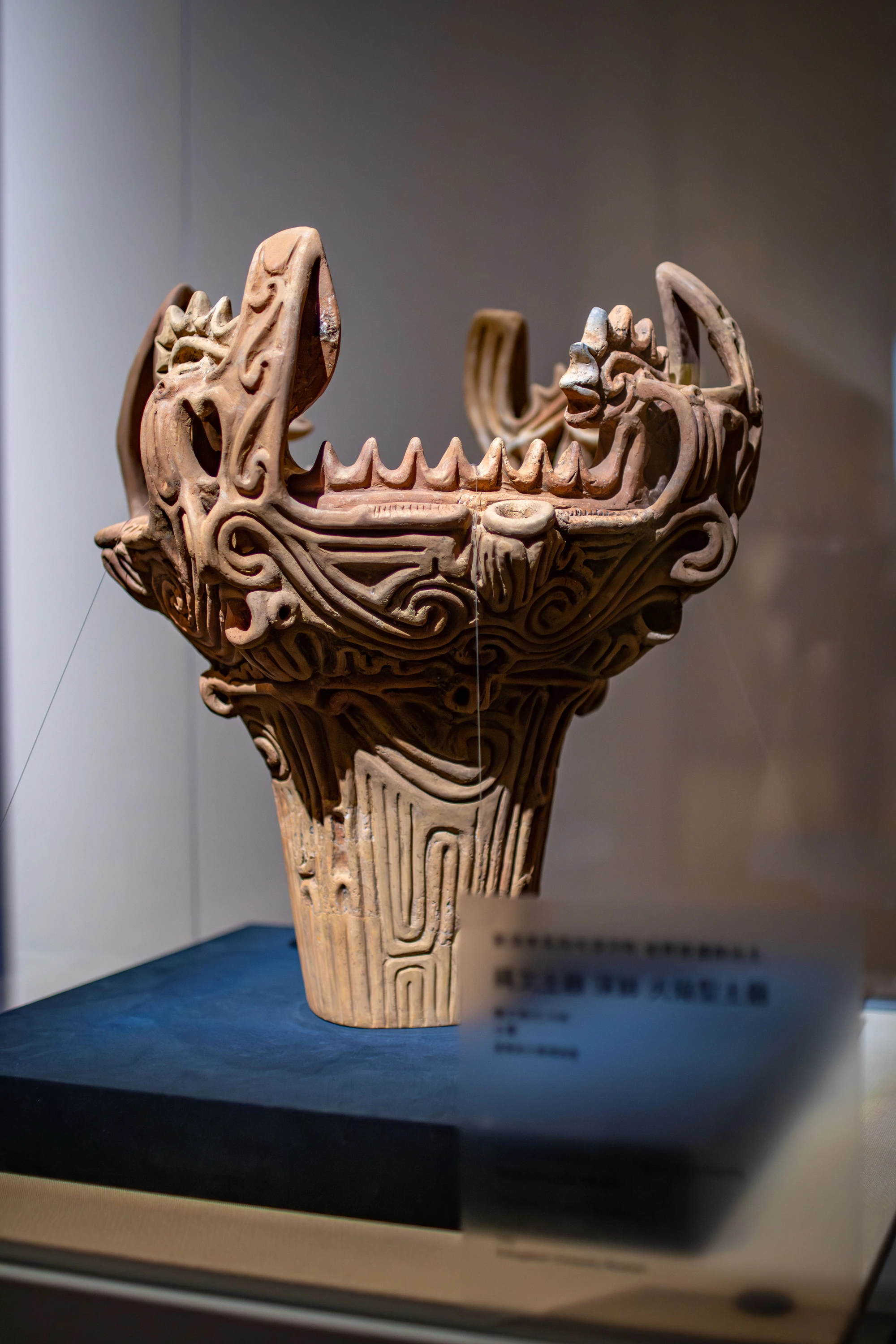
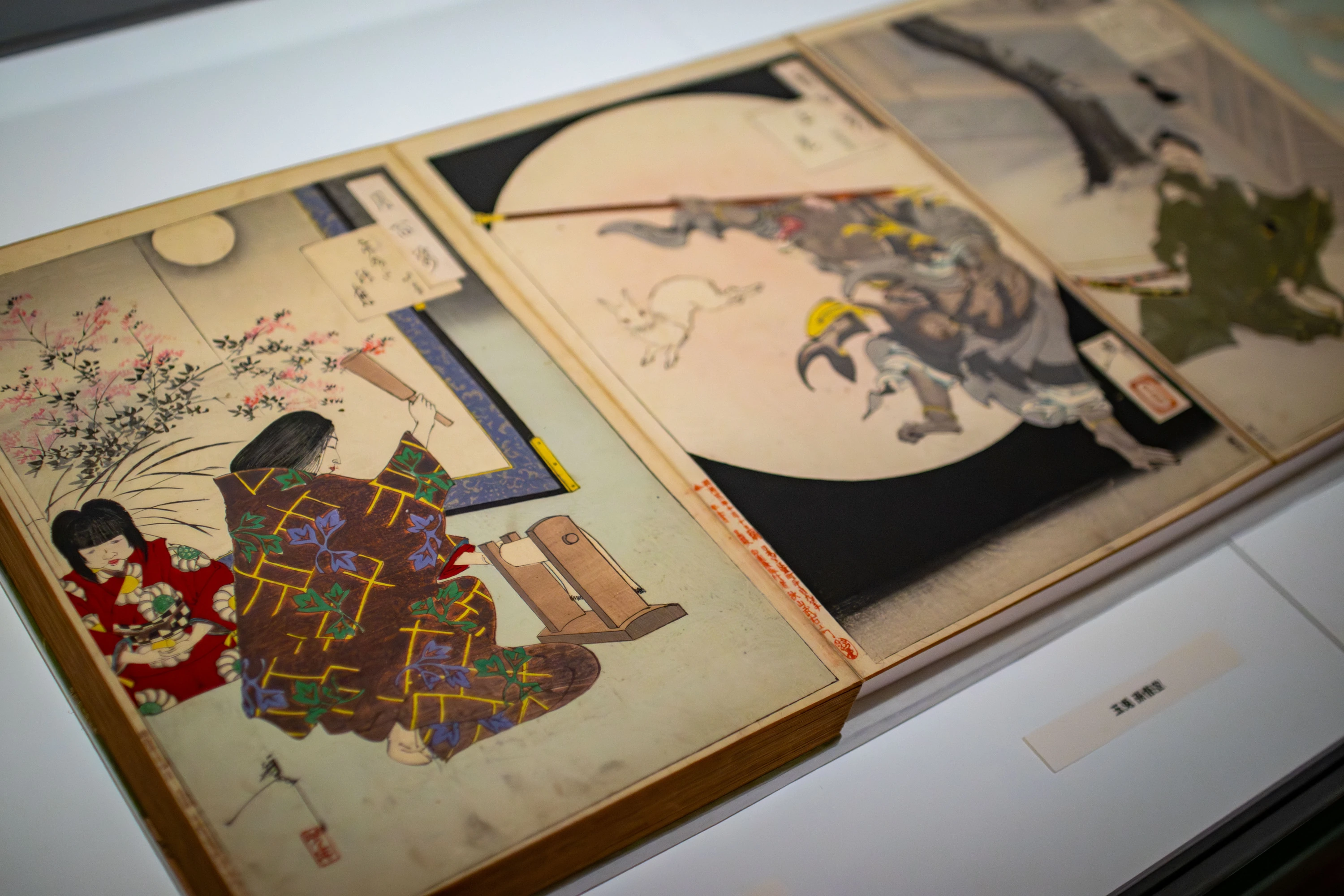
The second chapter turns toward the shifting reception of Japanese art, zooming in on moments of rediscovery that have shaped cultural discourse. Over the years, Sunday Museum has contributed to the reevaluation of prehistoric Jomon pottery and fuelled renewed interest in Edo-period (1603–1868) painting, consistently participating in the redefinition of what constitutes great Japanese art.
Masterpieces by artists such as Ito Jakuchu and Katsushika Hokusai are presented alongside the voices that brought them back into prominence, effectively revealing how taste is historically contingent and often mediated by charismatic interpreters. The exhibition highlights how each generation reappropriates the past according to its own concerns – and underlines the role of Sunday Museum both as a witness to and as a catalyst for this process.
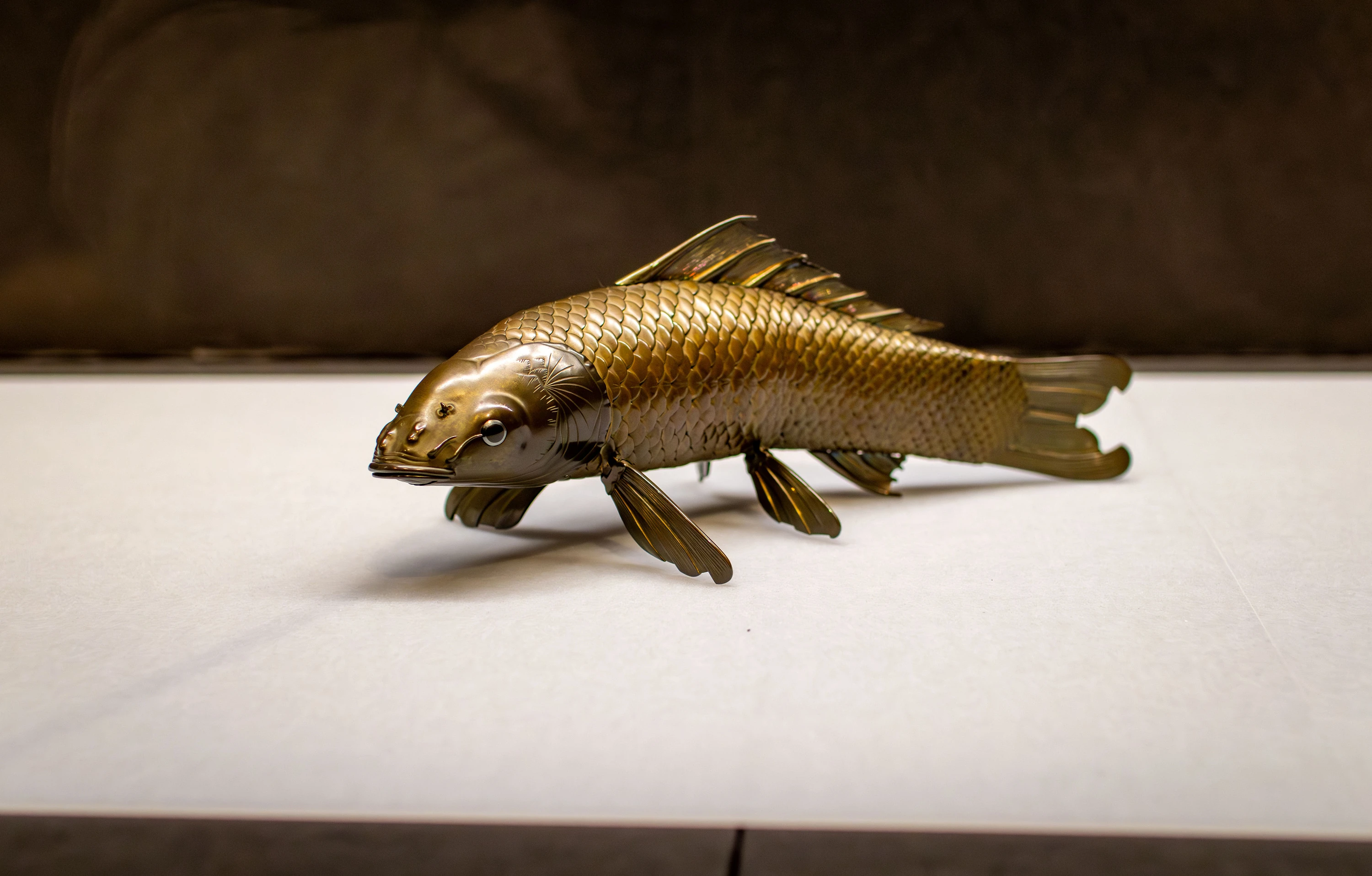
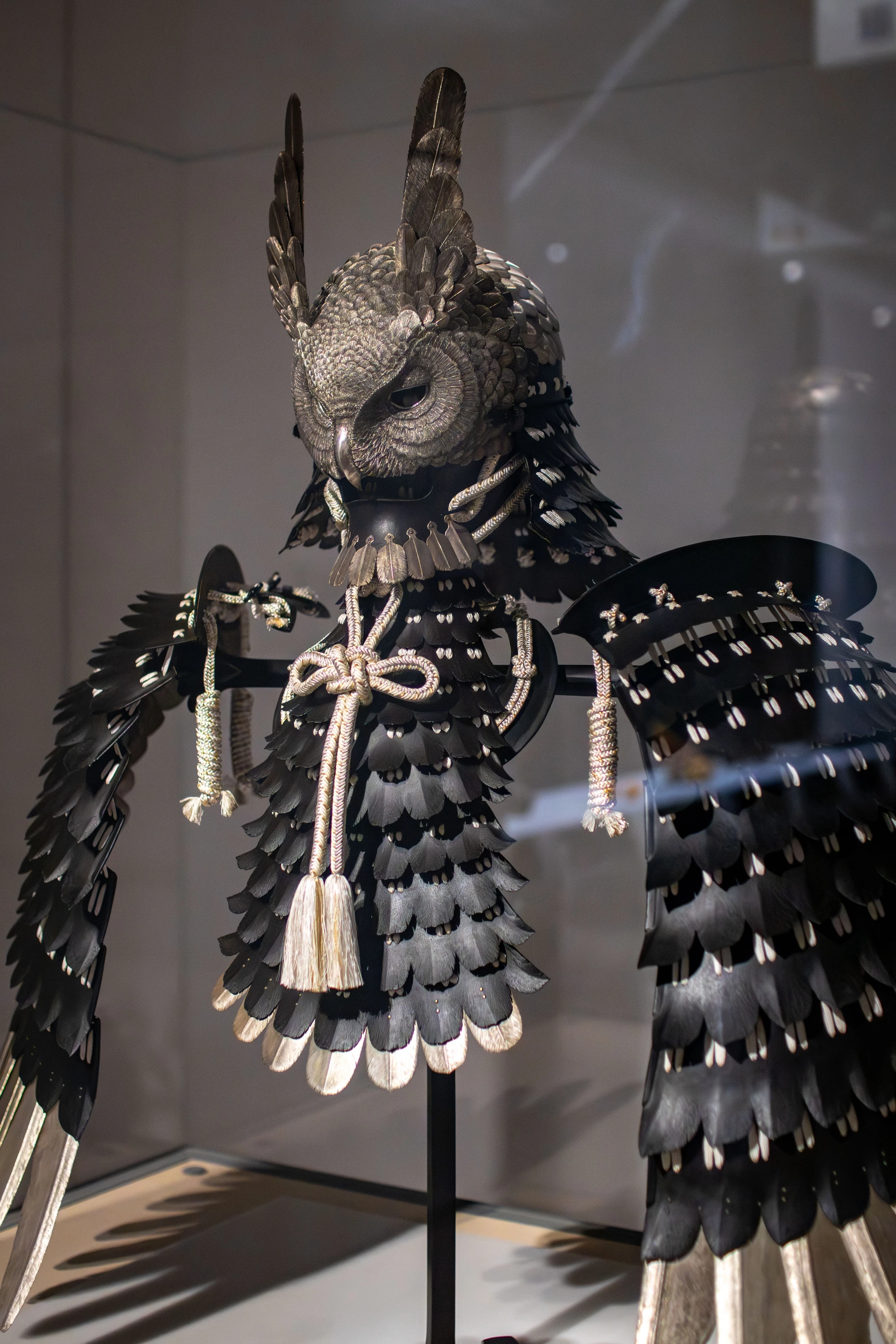
Sunday Museum has also been a sustained champion of Japan’s artisanal traditions, promoting the country’s crafts long before artisanship regained global attention. This commitment is reflected in a chapter that spans centuries, encompassing works from reproductions of the 8th-century Shosoin treasures to works by living national treasures and contemporary masters.
Figures such as lacquer artist Kazumi Murose exemplify a lineage in which technique is transmitted yet continually reinterpreted. The exhibition emphasises rupture, particularly through the inclusion of so-called ‘superb craftsmanship’ (chozetsu-giko), where technical virtuosity becomes a site of innovation.
A more sombre chapter reflects on the role of art in moments of collective trauma. From war to natural disaster and pandemic, Sunday Museum has repeatedly asked what art can offer in times of uncertainty. Works by artists confronting loss and upheaval are presented alongside archival footage that recalls the programme’s own efforts to sustain cultural dialogue during crises.
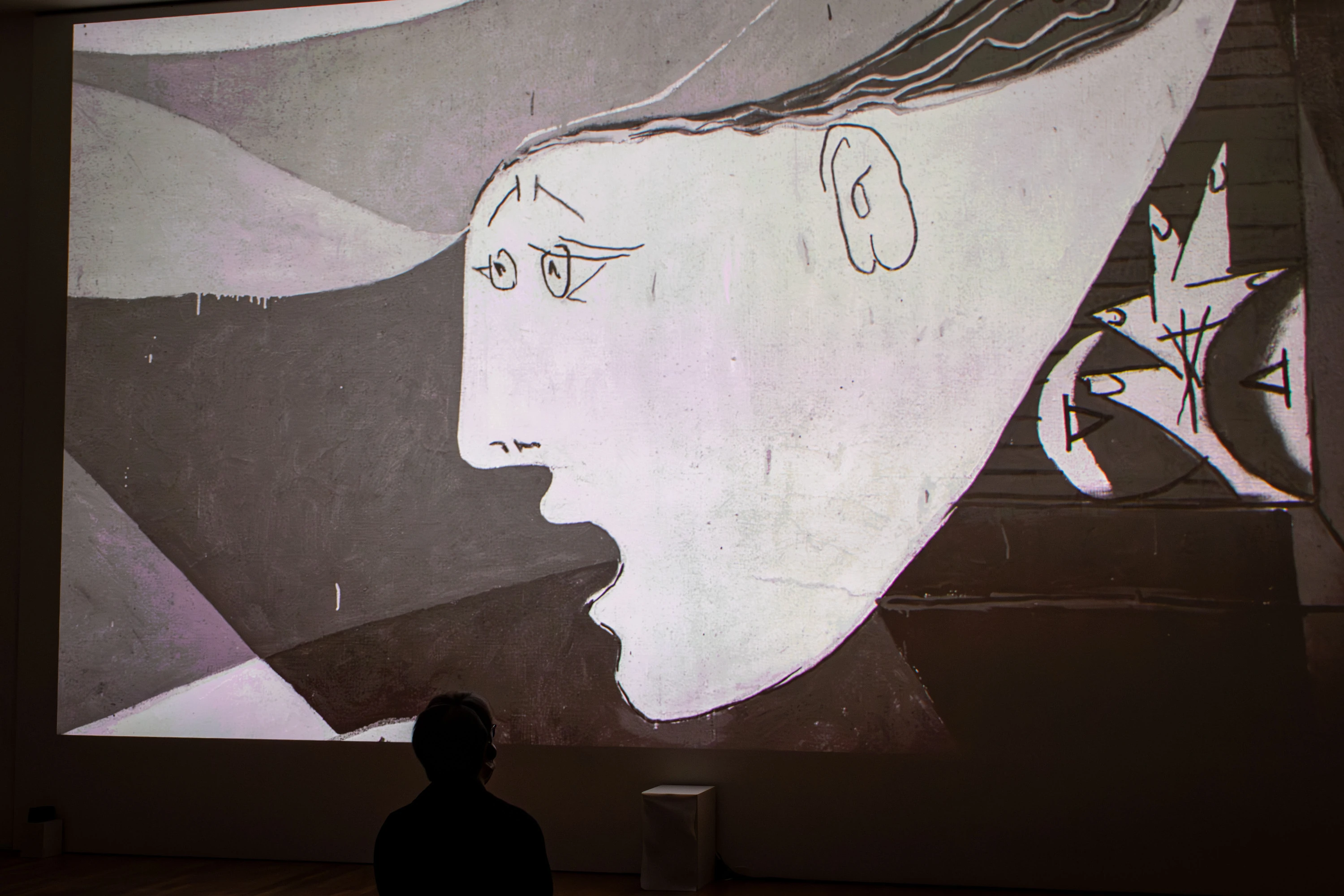
A striking feature is the high-definition, life-size projection of Guernica by Pablo Picasso, which allows viewers to examine the work’s surface with unprecedented clarity. Such technological mediation echoes the programme’s long-standing ambition to bring viewers closer to art, even when physical access is limited.
The final chapter shifts attention from finished works to the conditions of their making. Drawing on decades of ‘atelier visits’ by TV crews, it presents rare footage of artists at work, revealing the tensions, doubts and fleeting moments of clarity that shape creative practice.
Figures such as Taro Okamoto and Lee Ufan appear as individuals engaged in a continuous negotiation with their materials and ideas. This emphasis on process invites a reconsideration of authorship itself. Art emerges as an accumulation of gestures, failures and revisions – an insight that resonates with the programme’s broader ethos.
By transforming a half-century of TV into a physical display, ‘NHK Sunday Museum 50th Anniversary Exhibition’ reasserts the enduring relevance of thoughtful interpretation, dialogue and curiosity in the discovery of art. Whether you’re familiar with the show or not, the exhibition offers a fascinating, original and diverse history of art in modern Japan – along with numerous world-class works.
‘NHK Sunday Museum 50th Anniversary Exhibition’ is on display at the University Art Museum, Tokyo University of the Arts, until June 21. The exhibition is closed on Mondays (except May 4).
More from Time Out Tokyo
10 art exhibitions to check out in and around Tokyo this spring
The largest Doraemon exhibition in history just made its Tokyo debut
Dive into Sebastian Masuda's immersive kawaii world at Hyper Museum Hanno
The Edo-Tokyo Museum reopened March 31 – here's what's inside now
Japan moves to implement new pre-travel ‘JESTA’ authorisation system from 2028
Want to be the first to know what’s cool in Tokyo? Sign up to our newsletter for the latest updates from Tokyo and Japan.
Discover Time Out original video