
[image]
[title]With Tokyo boasting over 150,000 restaurants and more Michelin stars than any other city in the world, it's no surprise that more than 24 million visitors flock to the capital every year to enjoy its food culture. Looking forward, though, there’s only so much fatty tuna and wagyu to go around. With this in mind, Tokyo’s most innovative chefs and food specialists are turning their attention to cuisine that’s both tasty and environmentally sustainable – and hoping some of their overseas contemporaries catch on.
A major factor in Tokyo’s high-quality food scene is the close relationships among its farmers, distributors and chefs – a dynamic strikingly similar to that found in traditional Japanese crafts. Add to that the elaborate, centuries-old networks that supply the city with the country’s best fish, meat, rice and farm produce each day, and you’ve got a recipe for success. These systems and relationships have been refined over centuries, but as the country faces increasing environmental challenges, artisans and suppliers are looking at new ways to put their skills and knowledge to use.
Sincère – Shinsuke Ishii and Hiroki Hasegawa
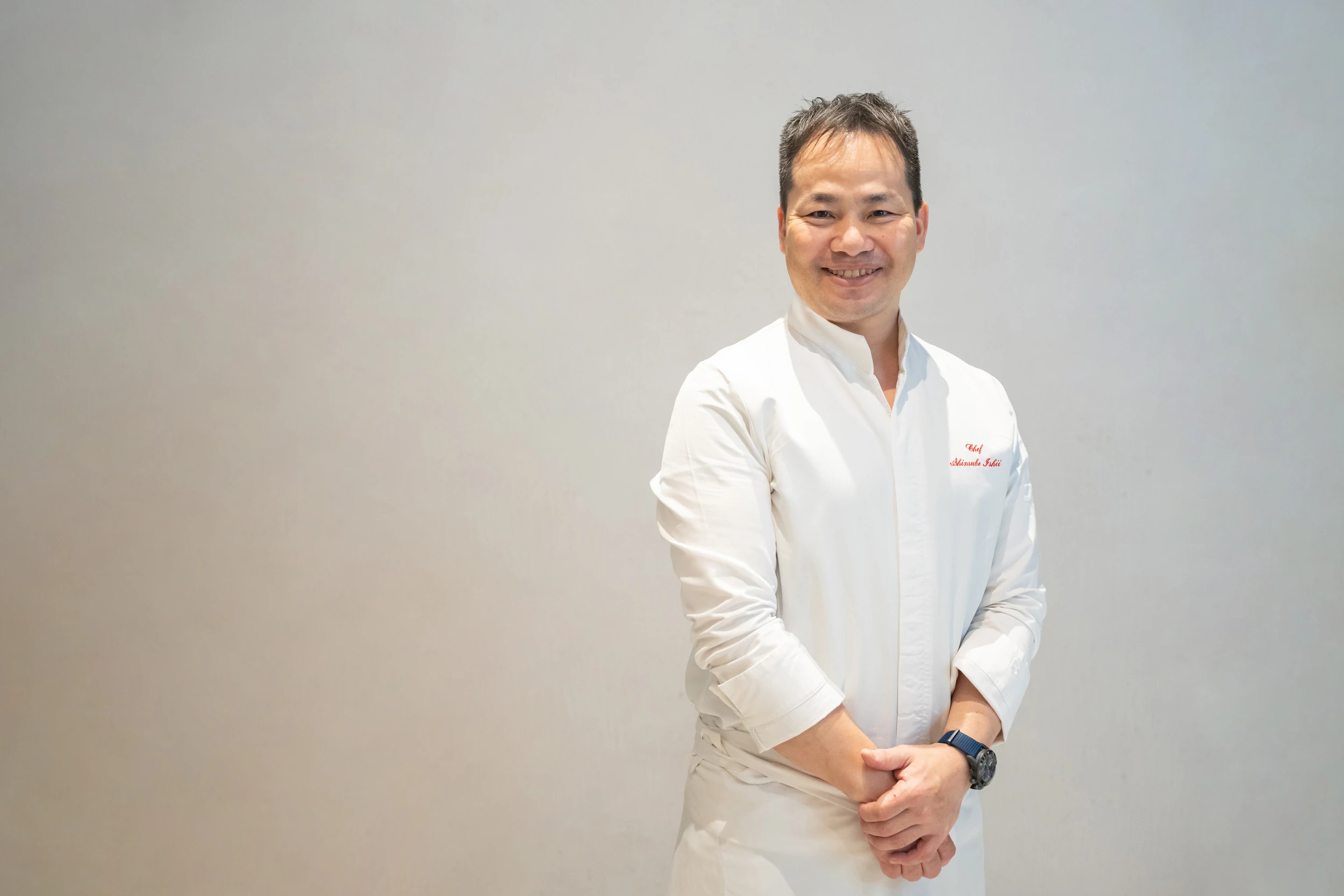
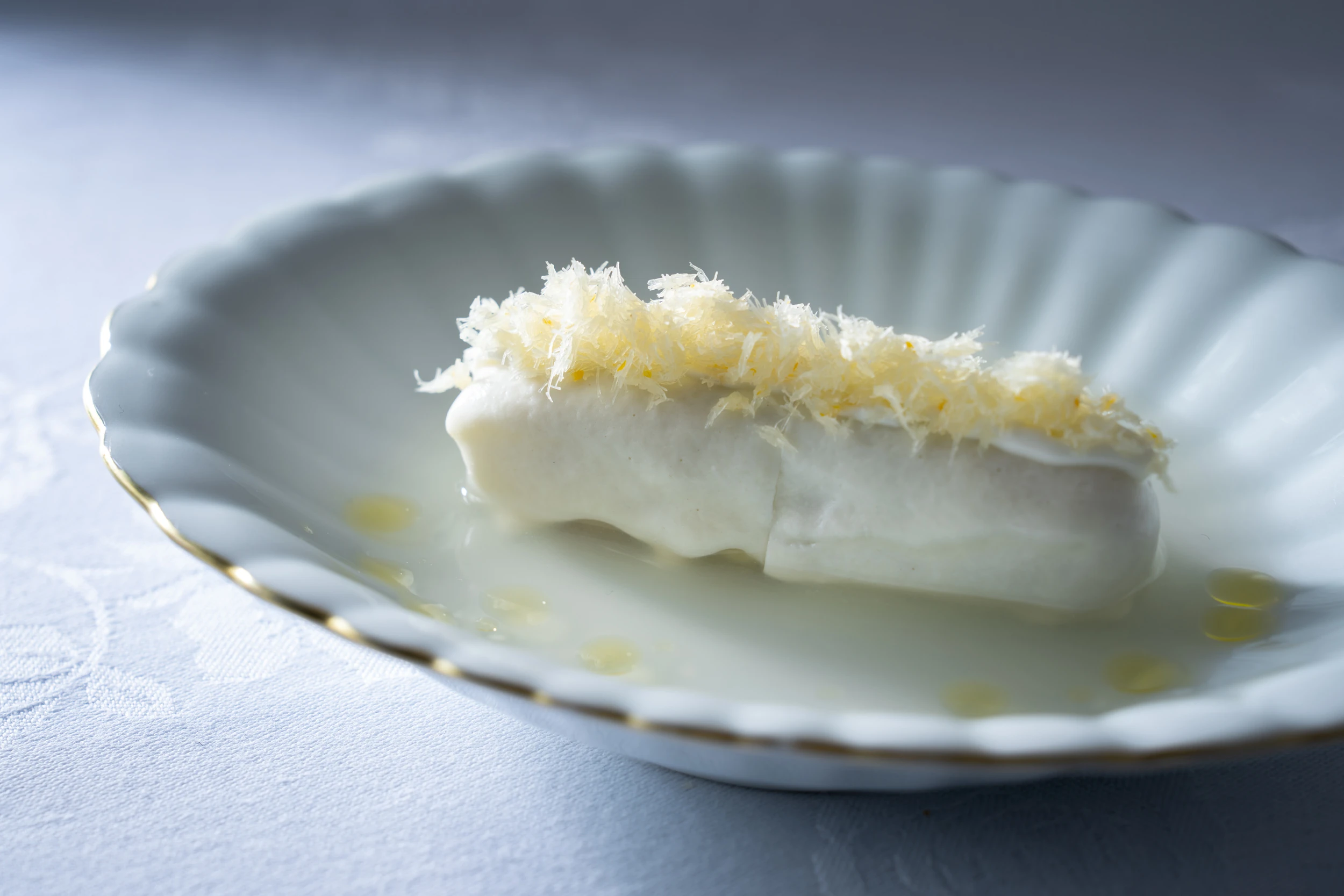
Shinsuke Ishii is the owner-chef of the Michelin-starred French restaurant Sincère, where he and wholesaler Hiroki Hasegawa work to spotlight underutilised species of fish. Rather than relying on high-value fish like tuna, Ishii says true culinary skill is about elevating lesser-known species and increasing their value with technique. Through dishes like his signature ‘taiyaki-style’ seabass loup en croûte, Ishii says he aims to tell the story behind the ingredients, helping diners consider sustainability while enjoying his food.
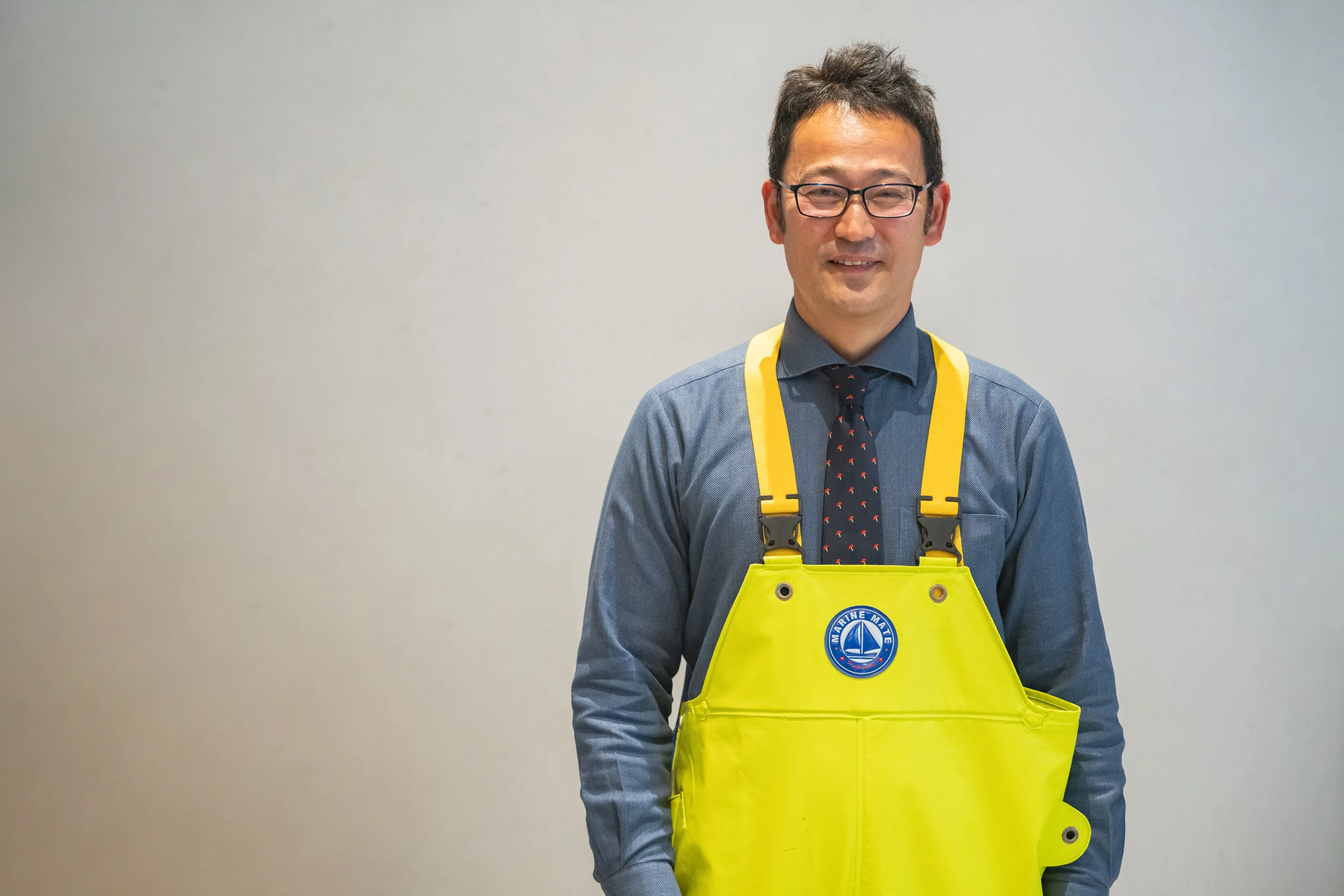
Hasegawa works for a wholesaler serving approximately 300 restaurants. He says his mission is to discover the value and flavour of fish that were previously cheap, overlooked or discarded, then connect them with chefs and develop proper market value for them. If properly appreciated and marketed, he says, these fish can guarantee fishermen a stable income, reducing waste and undersized catches.
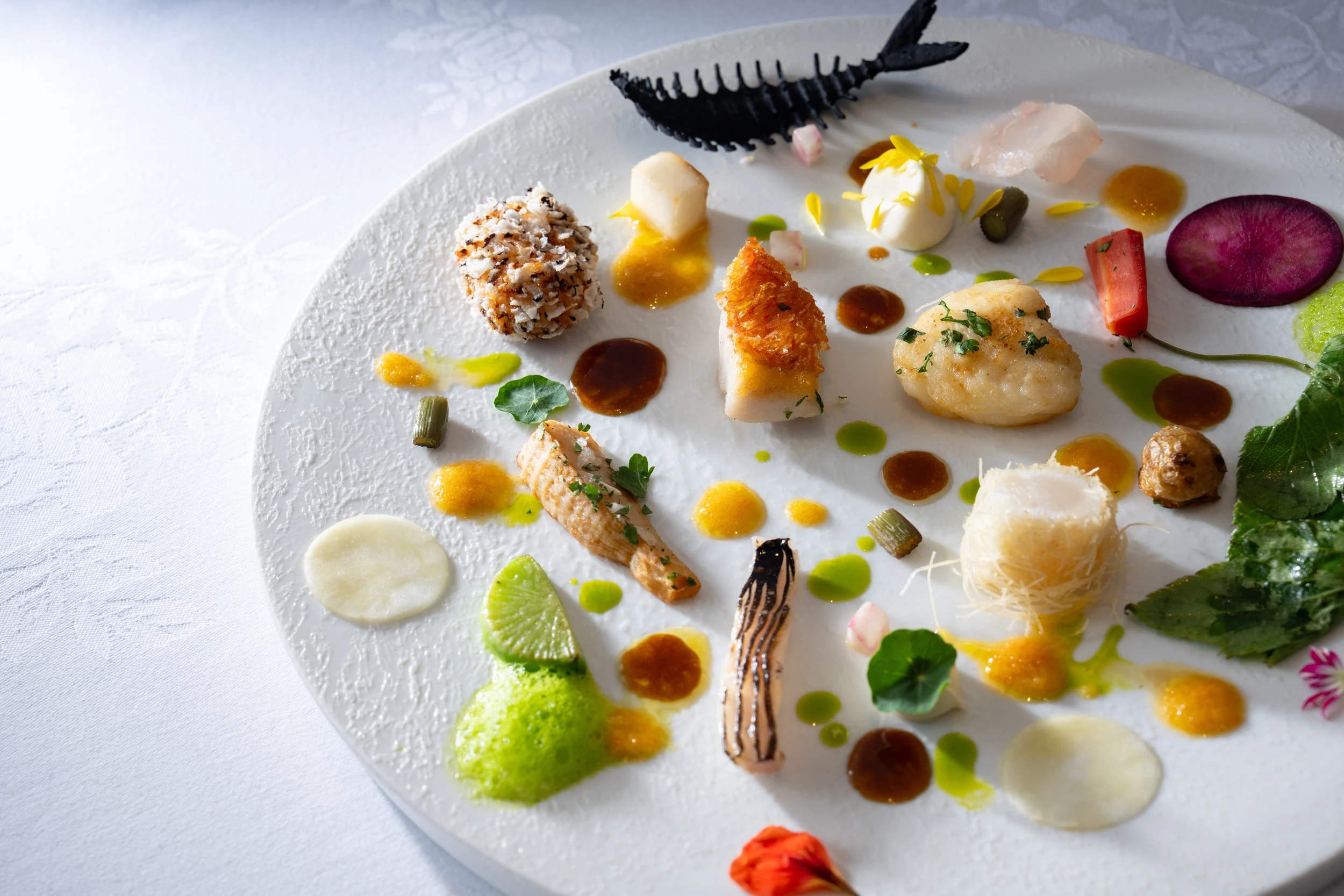
Ultimately, the two say that the goal is not to stop eating fish, but to find ways to continue enjoying Japan’s seafood sustainably and encourage others to do the same.
Florilège – Hiroyasu Kawate and Takeshi Okumura
For chef Hiroyasu Kawate, moving towards a plant-based focus in his cooking kickstarted a virtuous cycle. As the owner-chef of the two-Michelin-starred, multi-award-winning Florilège, he works closely with his supplier, Takeshi Okumura, to emphasise seasonal vegetables that fall outside standard distribution systems.
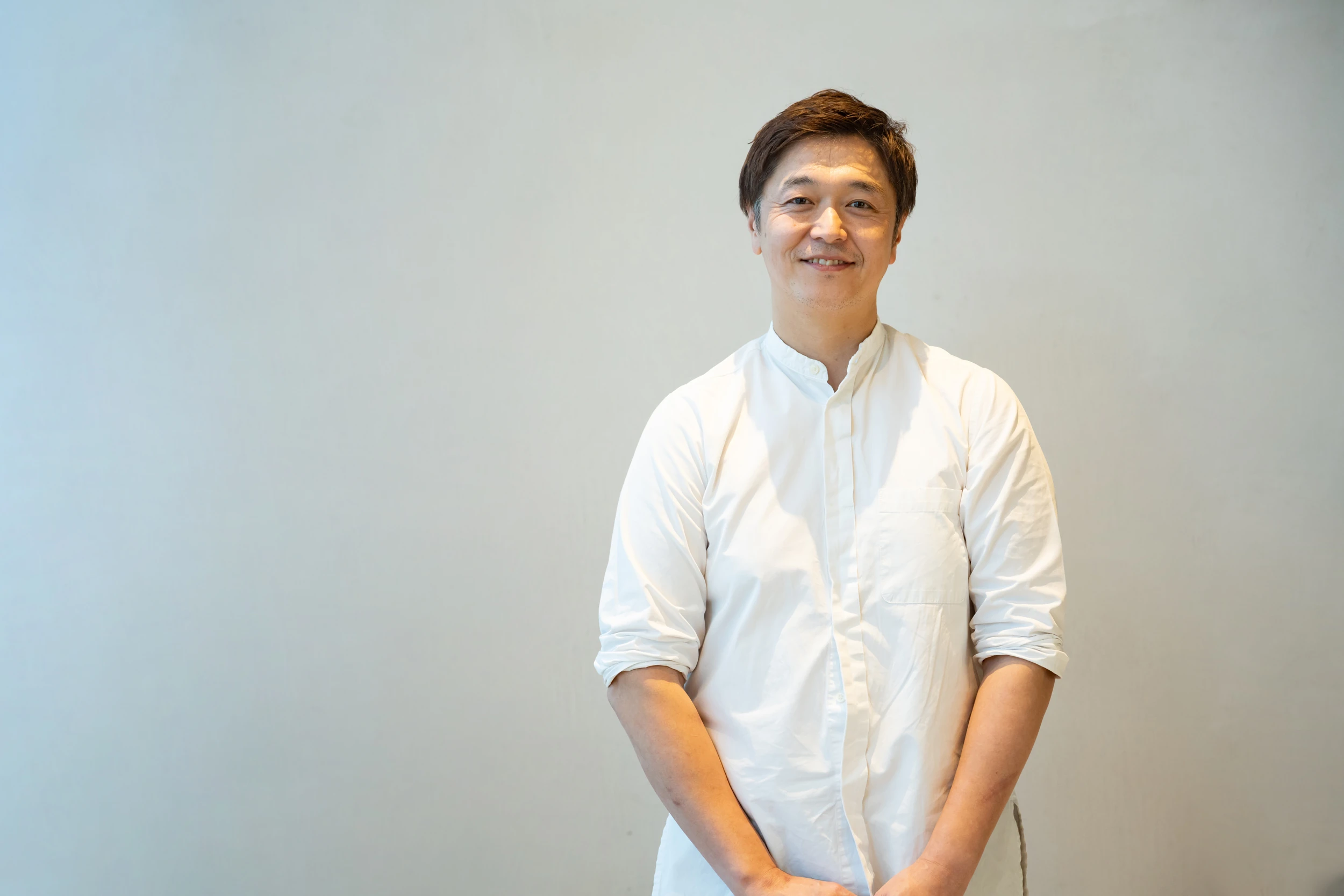
Stepping away from meat-centric cooking, Kawate says, has enhanced his creativity, and he now focuses on creating memorable dishes from familiar ingredients. Those include Chinese cabbage, to which the chef applies techniques like fermentation to provide the umami and depth of flavour characteristic of meat dishes. Through meals like this, he hopes everyday vegetables will overtake tuna, wagyu and sea urchin as representative dishes of Japan.
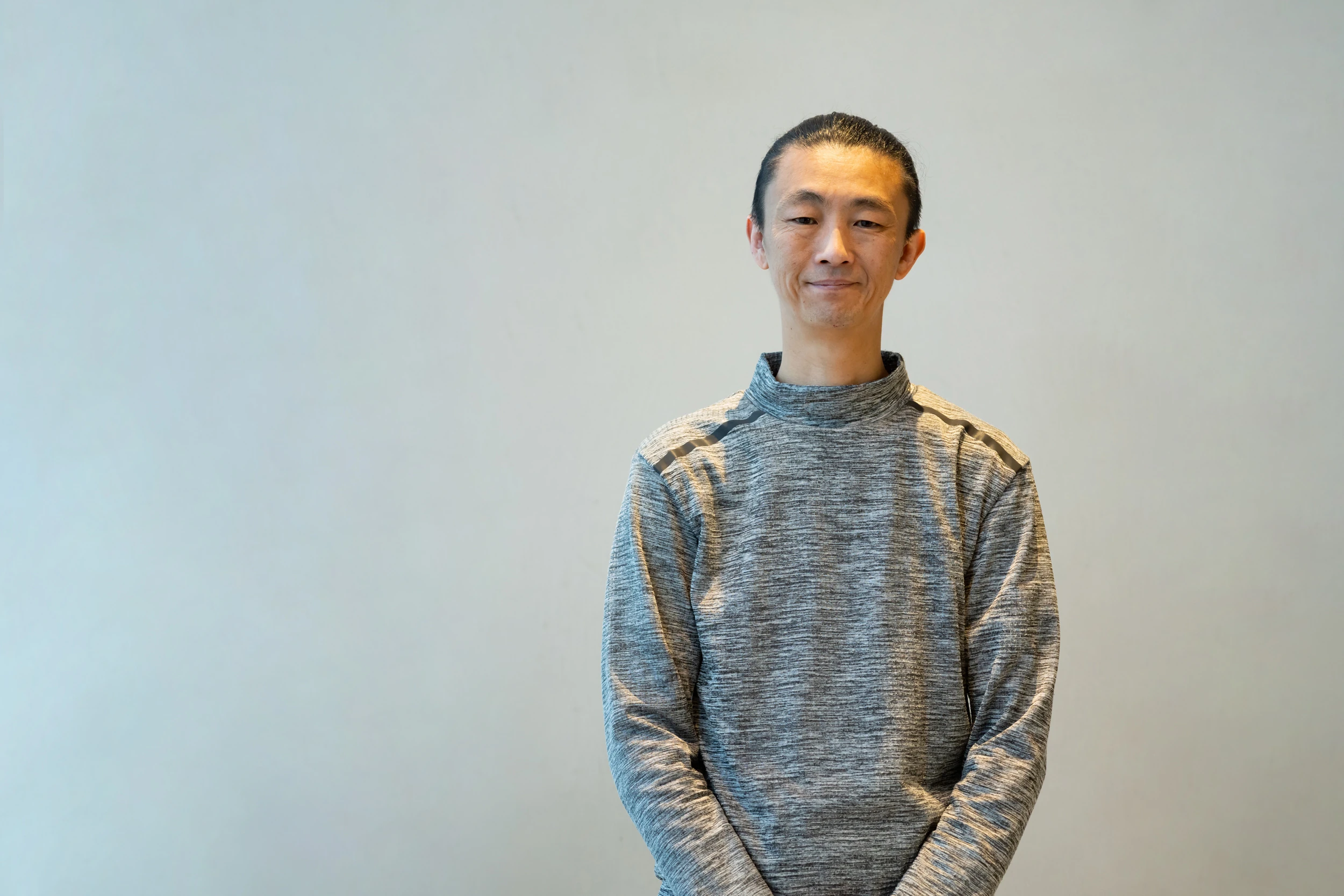
Through his work at Midori Shop, Okumura connects high-end chefs with small regional farmers, relaying feedback and ensuring a stable supply. Tokyo’s gastronomy is not just about taste, he says, but about the stories behind ingredients and the networks connecting chefs, distributors and farmers. By further promoting plant-based cuisine, Okumura believes Tokyo can play a big role in global sustainable food culture.
Tokyo has long been at the forefront of innovation when it comes to dining, art, music and fashion. Now, thought leaders like the teams at Sincère and Florilège are using their platforms to support small producers, shape future food markets and promote sustainable dining practices internationally.
Tokyo’s supply networks, markets and specialists have created a unique environment for its culinary heritage to evolve over centuries. Looking ahead, sustainability, tradition and collaboration will continue to shape Tokyo’s future food culture.
For more information on the latest trends in Tokyo’s dining scene, check out the Go Tokyo Gourmet website and the Tokyo Tokyo Delicious Museum event.