[category]
[title]
A two-year, high-stakes cooking competition is now accepting U.S. applicants under 30.


Imagine Iron Chef, but stretched over two years, judged by some of the best chefs on the planet and with careers (not just bragging rights) on the line.
That’s essentially the energy behind the S.Pellegrino Young Chef Academy Competition, which just opened applications for its 2026–2027 cycle. The global contest, now in its seventh edition, is one of the most prestigious stages for chefs under 30—and one of the most intense to watch unfold.
Entries are open through June 9 and while the application starts with a single dish on paper, the road from there is long, high-pressure and, at times, borderline theatrical.
I saw the Grand Finale in Milan last year and the closest comparison is a mash-up of Chopped and the Olympics. There are time limits, judges and selection rounds—but also months of preparation, mentorship from world-class chefs and a level of scrutiny that goes far beyond whether something tastes good.
First, the basics: to apply, chefs must be under 30, currently employed and have at least a year of professional kitchen experience. The competition is free to enter and contestants submit a “signature dish” in the form of a single plate meant to capture not just their technique, but their identity as a chef.
From there, things escalate quickly. Selected applicants are grouped into 15 global regions and compete in regional finals judged by leading chefs and industry figures. In the U.S., that round will land in New York City in November 2026. Win there and you’re headed to Milan for the Grand Finale in late 2027.
That’s where things get interesting. At the most recent finale, 15 chefs from around the world competed over two days, each given five hours to execute and present their dish to a jury that included some of the biggest names in global dining. The setup was clinical—timed cooking and identical constraints—but the results are anything but.
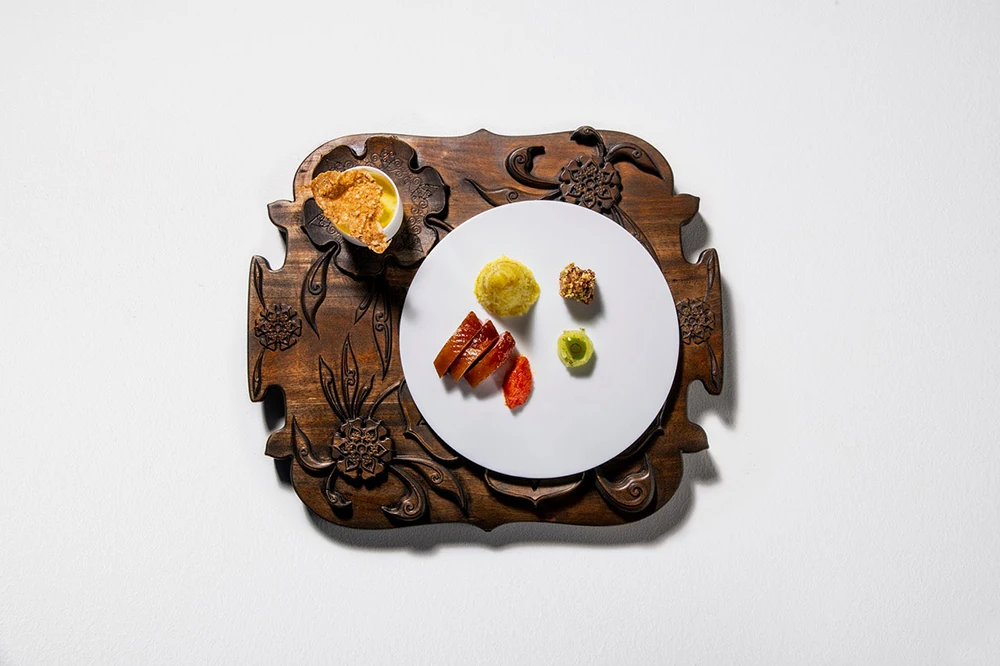
One chef might present a dish rooted in childhood memory, while another might reinterpret a regional classic through a sustainability lens. During last year’s competition, dishes ranged from hyper-technical fine dining plates to deeply personal expressions of heritage, migration and identity.
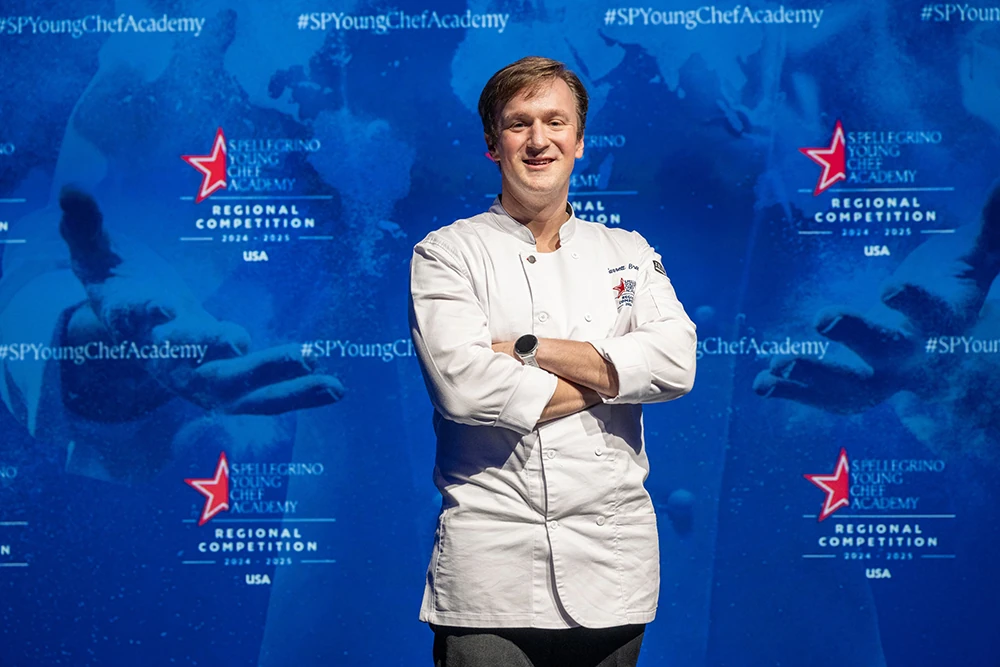
U.S. finalist Garrett Brower, a French Laundry alum who’s now the chef de cuisine at Michelin-starred Bresca in Washington, D.C., leaned fully into that approach, building his dish around Chesapeake Bay oysters and quail. “The Chesapeake Bay is my home. I love this place,” he told Time Out. “If I celebrate this cuisine, it might uplift the community. Through food is how I know to be most impactful.”
That kind of thinking—food as a reflection of place and purpose—is exactly what judges are looking for.
“I definitely want to know if there's a clear voice in their style,” said chef Niki Nakayama, who served on last year’s Grand Jury and runs her own n/naka in Los Angeles. “It's very nice if there is a one true belief that comes through in who they are.”
Technique still matters, but it’s not enough on its own. At this level, everyone can cook. What separates competitors is whether they can say something with their food—and whether that message survives the pressure of a ticking clock and a panel of world-class chefs. There’s also a surprising emotional undercurrent to it all. Despite the competitive format, many chefs walk away talking less about winning and more about what they gained from the process.
“It’s taken me out of the kitchen a little bit and it's just exposed me to this greater network of chefs in the United States,” Brower said. “It's exposed me to ways of cooking and attitudes and like chefs that I've admired for so long,” adding that the experience has changed how he thinks about his career beyond the competition.
That’s by design. Each participant is paired with a mentor and throughout the process, they’re connected to a broader network of chefs, past winners and industry leaders. Previous juries have included names like Nancy Silverton, Elena Reygadas and Jeremy Chan.
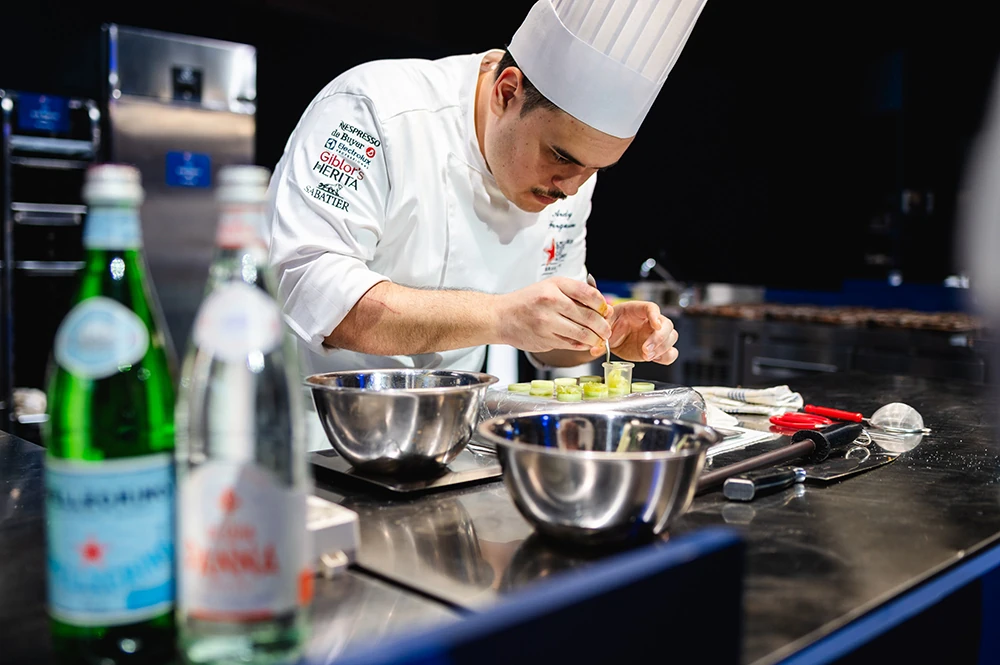
At the most recent finale, Hong Kong-based chef Ardy Ferguson took the top prize with a dish that blended Indonesian culinary traditions with Hong Kong influences, proof that fine dining is no longer rooted in one place, but everywhere at once. Which is part of what makes the competition so compelling to watch, even if you’re not in the industry.
There’s the drama of the clock and the pressure of competition. But there’s also something more human: a group of young chefs, all at the start of their careers, trying to figure out what they stand for and then putting it on a plate in front of the world to be judged.
So if you’re a young chef in the U.S., this is your entry point. And if you’re not, it’s still one of the most fascinating glimpses into where food—and the people shaping it—is headed next.
Discover Time Out original video