[category]
[title]
Here’s what to know if you’re travelling to the Island right now

Vancouver Island’s dreamy late-summer landscape is dealing with a decidedly less idyllic visitor: a cluster of wildfires sparked following a round of thunderstorms.
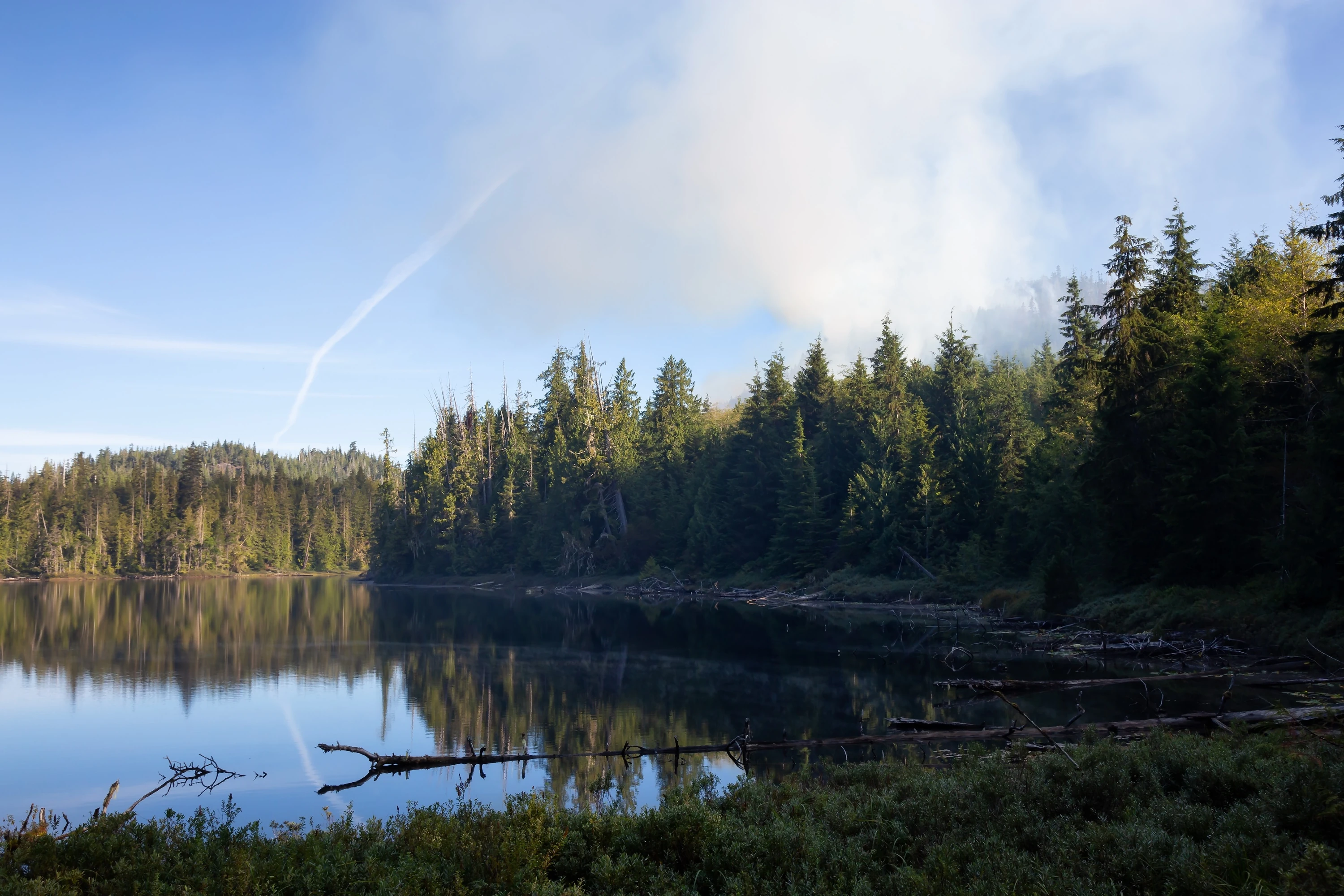
Seventeen wildfires were reported burning across Vancouver Island this week, with five classified as out of control. The majority of the new activity is concentrated on the northern part of the Island and was caused by a burst of lightning across the region.
The good news? Many of the fires are small and remote, and the numbers are changing quickly as crews get a handle on them. More recent local reporting indicated that roughly a dozen active fires remained in northern Vancouver Island.
Still, with hot, dry conditions lingering, wildfire officials are keeping a close eye on the situation.
It sounds alarming, but the designation doesn’t necessarily mean a wildfire is enormous or racing towards a community.
According to the BC Wildfire Service, “out of control” is an operational classification used when a fire is spreading, or expected to spread, beyond its current perimeter or control line. Fires can fall into that category while still being relatively small.
The Island entered summer with a reason to be particularly vigilant. BC Wildfire Service’s 2026 seasonal outlook identified Vancouver Island as one of the areas experiencing persistent drought, with warmer-than-normal summer conditions expected to keep wildfire risk elevated through July and August.
Lightning has now supplied the spark.
None of this means you need to automatically scrap that Tofino road trip, North Island adventure or end-of-summer camping plan. It does mean this is a good week to do a little homework before setting off.
Wildfire conditions can change fast, so travellers should check the BC Wildfire Service map for active fires and restrictions, along with DriveBC for any road closures or travel advisories. The province’s wildfire app also brings together current fire information, evacuation notices, weather and road conditions.
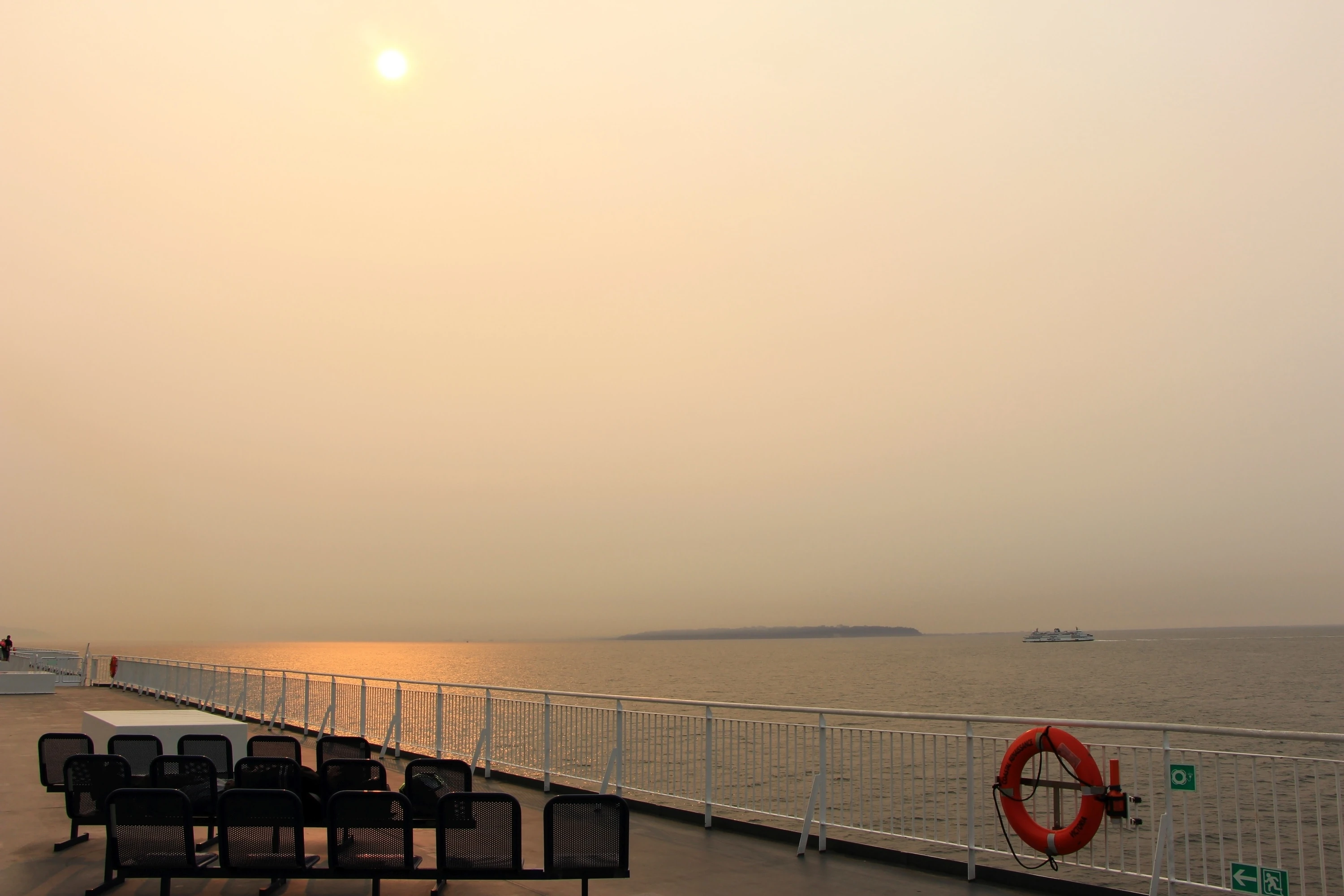
Smoke may also drift well beyond the immediate area of a fire, meaning hazy skies don’t necessarily indicate that a blaze is nearby.
And if you’re heading into the backcountry or camping, this is emphatically not the moment to improvise when it comes to fire rules. Check the restrictions for your exact destination before lighting anything, and report a wildfire or unattended fire to the BC Wildfire Service.
For now, crews are continuing to tackle the Island’s fires while everyone else has one very important summer job: make their work as easy as possible.
Follow us on Instagram or find out more about the best of the city on Time Out Vancouver here.
RECOMMENDED:
Ultimate guide to the best things to do in Vancouver
Best annual events in Vancouver
Best attractions in Vancouver
Discover Time Out original video