[category]
[title]
Nanga Parbat (aka Killer Mountain) is the ninth-highest mountain in the world – here's how to see it in person


Asia is home to a whole lot of magical, tranquil natural wonders, but if you’re looking for a really heart-pumping dose of awe, we’ve got you. Looming over the western Himalayas, Nanga Parbat (aka Killer Mountain) is one of the most formidable peaks on Earth – equal parts hypnotic beauty and high-stakes danger. It’s the kind of place that lures seasoned mountaineers with its icy ridgelines and punishes the unprepared. We're definitely not suggesting you try to climb it, but if you're intrigued enough to want a closer look, read on.
“Killer Mountain” is the ominous nickname for Nanga Parbat, the ninth-highest mountain in the world. It rises dramatically in the western Himalayas, in Pakistan’s Gilgit-Baltistan region, near the edge of the Karakoram Range.
The name comes from the mountain’s brutal climbing history. In the early 20th century, numerous expeditions – particularly German teams in the 1930s – ended in tragedy due to avalanches, extreme weather and technical difficulty. For decades, it had one of the highest fatality rates of any 8,000-metre peak, earning its chilling title.
Getting here is no casual road trip. Most travellers fly into Islamabad, then take a domestic flight or long drive north to Gilgit or Chilas. From there, it’s a multi-day trek to reach the base camps – most commonly the Fairy Meadows route, which pairs jaw-dropping scenery with a nerve-testing jeep track.
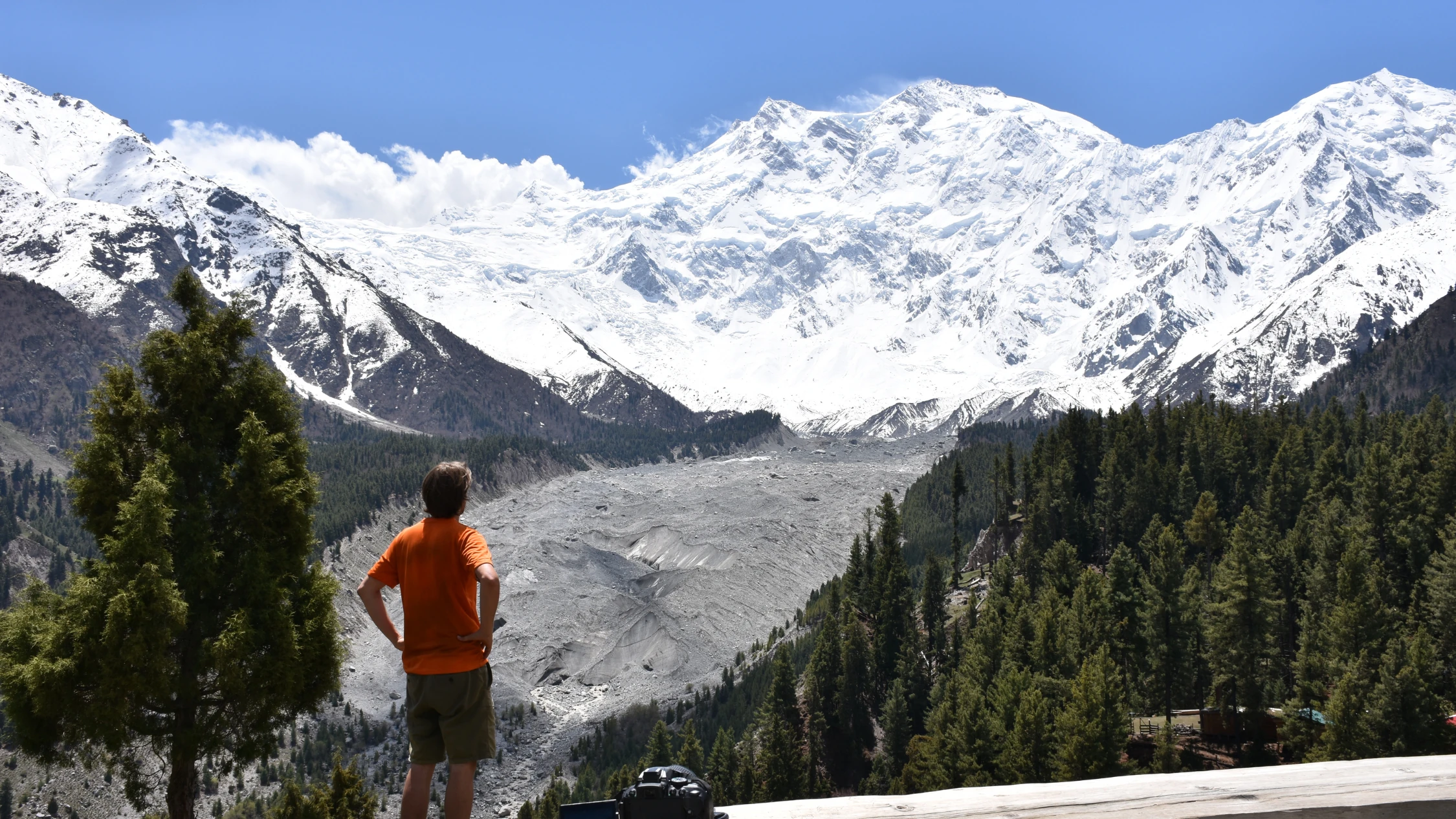
Think towering ice walls, knife-edge ridges and vast glaciers. Nanga Parbat is known for its sheer vertical relief – its Rupal Face is one of the tallest mountain faces in the world. Conditions are harsh and unpredictable, with sudden storms, high winds and freezing temperatures even during climbing season.
You can trek around it, but summiting is strictly for elite mountaineers. The climb requires advanced technical skills, high-altitude experience and serious logistical support. For most visitors, hiking to viewpoints like Fairy Meadows or Base Camp offers a far safer (and still spectacular) alternative.
Expect cinematic alpine scenery: glaciers spilling down valleys, pine forests at lower elevations and sweeping views of the Indus River below. Fairy Meadows, in particular, delivers postcard-perfect panoramas of the mountain’s north face – often considered one of the best views in the Himalayas.
Late spring to early autumn (May to September) is the sweet spot. This is when trekking routes are accessible and weather conditions are relatively stable. July and August are peak climbing months, though even then, the mountain keeps climbers on edge.
Discover Time Out original video