
[image]
[title]In that three-way enclave between the auto shops of Warnes, the calm surroundings of Honorio Pueyrredón Avenue, and the busy corridor of Juan B. Justo Avenue, stands Madre Rojas, the restaurant led by chef, sommelier, and cattle rancher Juan Ignacio Barcos. A steakhouse that, from a simple corner in Villa Crespo, leapt straight onto the international circuit after being ranked No. 47 in the World’s 101 Best Steak Restaurants list, making it the third best in Latin America.
If you walk past the corner, you might not guess it. The red canvas awning and the smell of grilled meat wafting from the vents invite you into what at first seems like a neighborhood parrilla. Once inside, that impression holds: white tablecloths, wooden chairs, white walls with the occasional painting, and old-school terrazzo floors.
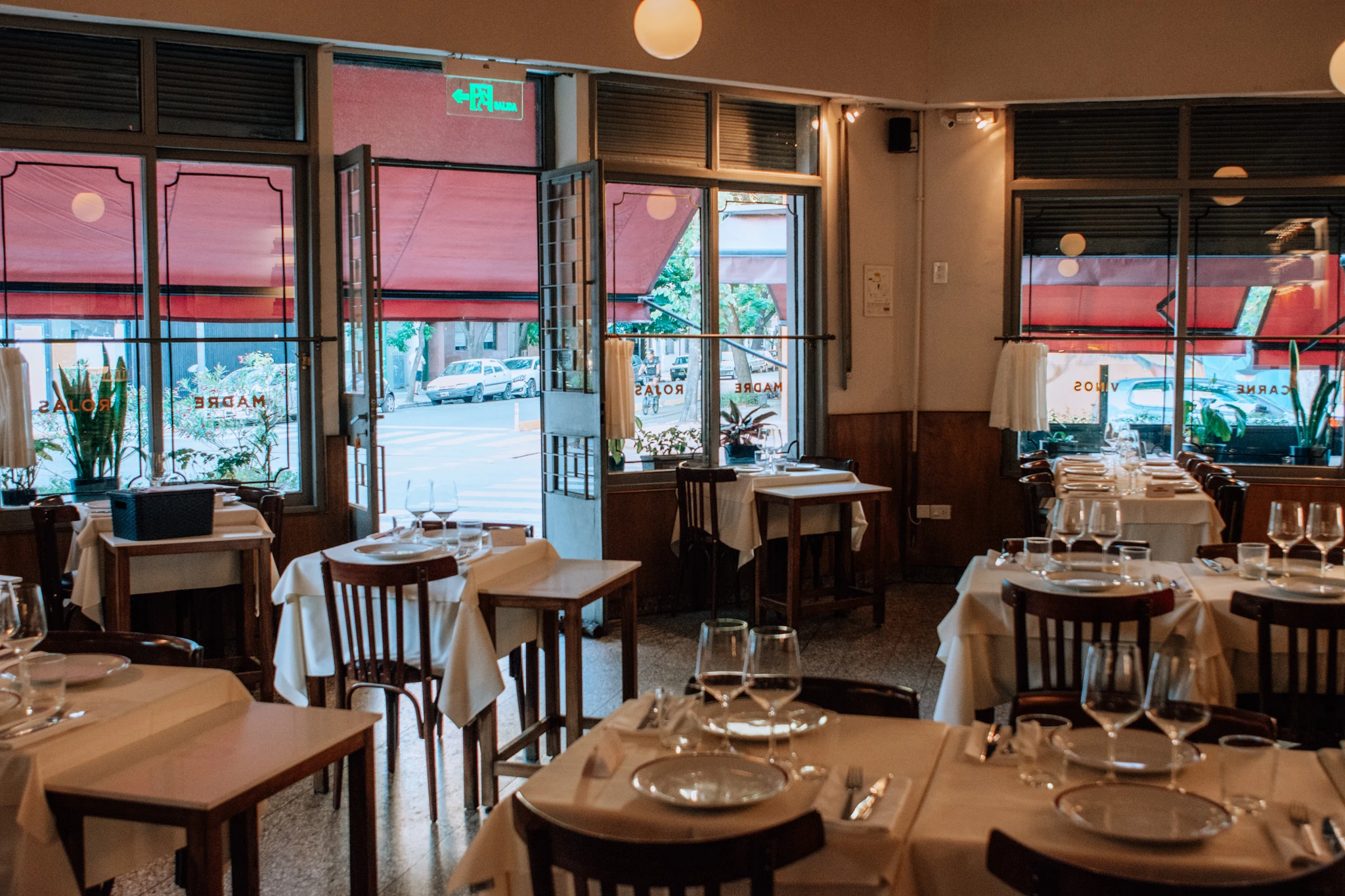
But when you move past the general impression and focus on the details, you begin to see why this is something else: a glass-front fridge where meats are dry-aging in plain sight, a cellar filled with unusual labels, top-tier glassware, and service that blends warmth with a touch of education.
You may also be interested in: The best steakhouses in Buenos Aires
The manifesto on the first page of the menu opens with two truths. Madre Rojas is a restaurant about meat and wine. And Argentine beef expresses different aromas and flavors depending on its origin and production method. “Bringing together meat and terroir has been, is, and will be our starting point,” it reads.
The menu proves that this is more than just words. Starters feature a list of cuts, breeds, textures, and preparations that introduce you to the Madre Rojas universe. Wagyu tartare and a charcuterie selection including pancetta, bresaola, and cecina stand out among the cold options. For something hot, there’s artisanal or Wagyu chorizo, as well as skewers and croquettes—also made with the Japanese breed.
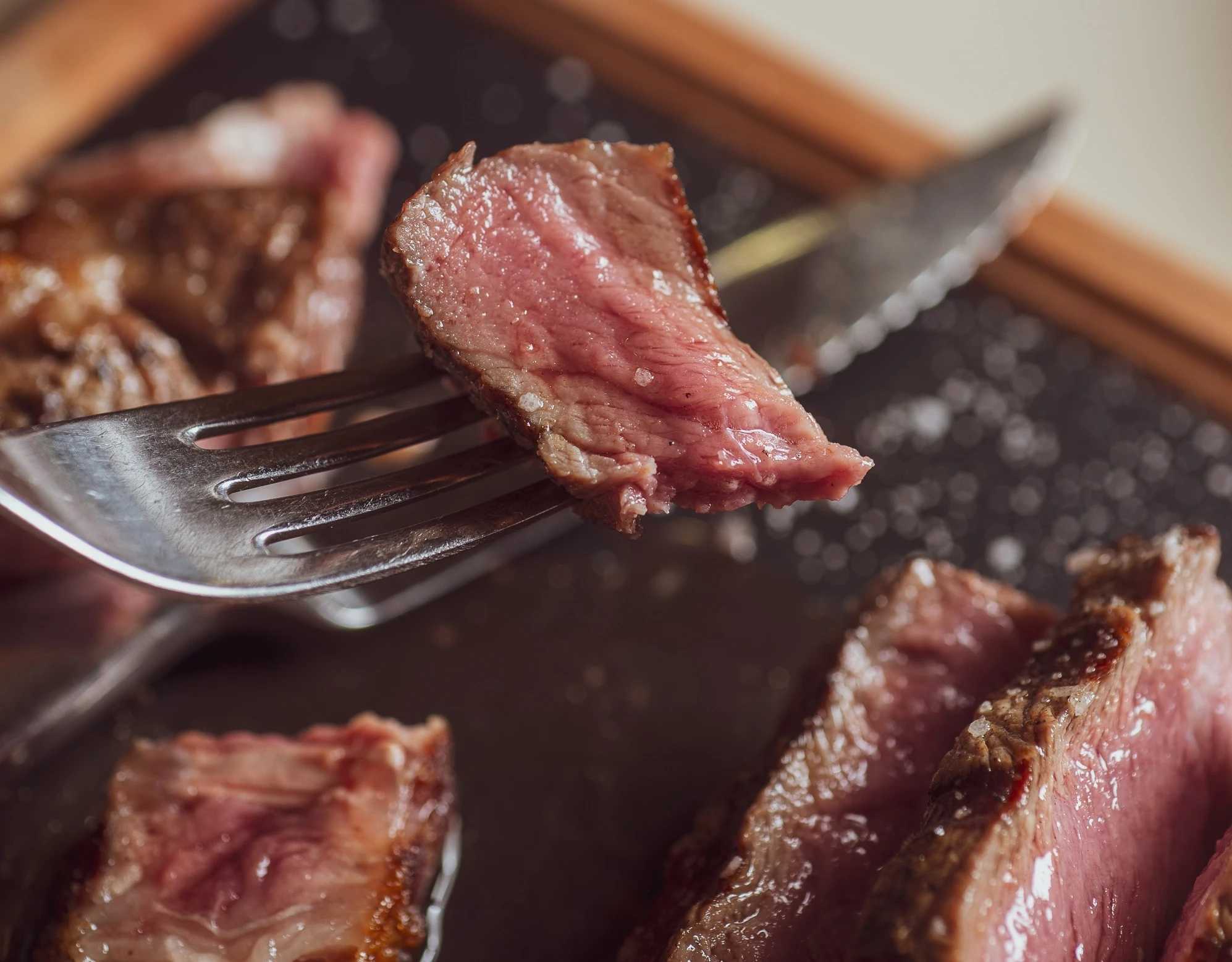
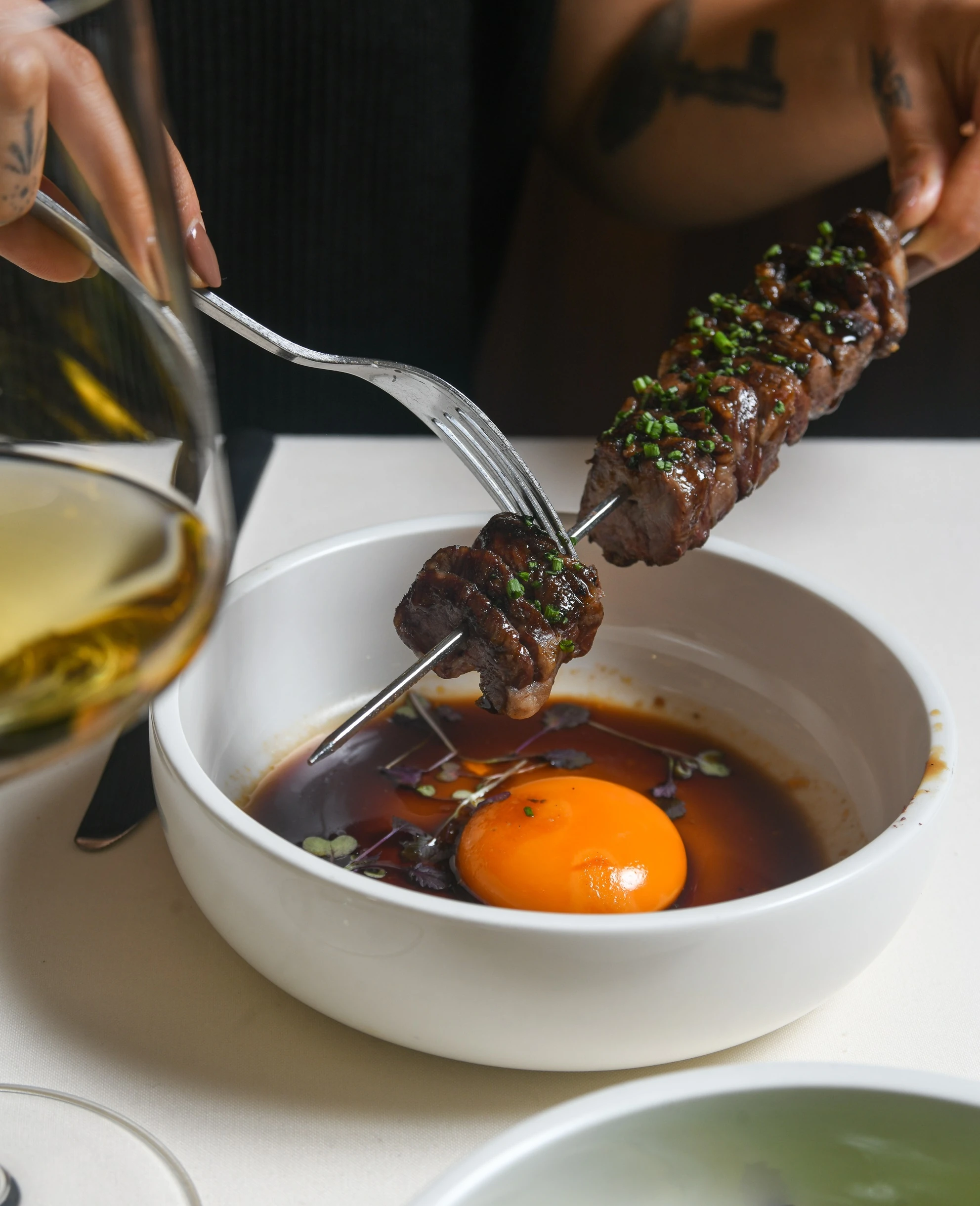
We tried a new addition to the menu: Wagyu ribeye crudo with lime juice and seaweed, a perfect introduction to the Madre Rojas ethos. The marbling, with white lines running through the meat in almost fractal patterns, was soft to the touch, yielding effortlessly to the knife, with a silky texture that melts in the mouth and pairs beautifully with the citrusy lime. Also Wagyu was the rib skewer we tried, served with demiyaki (half demi-glace, half teriyaki), ponzu, and an egg yolk.
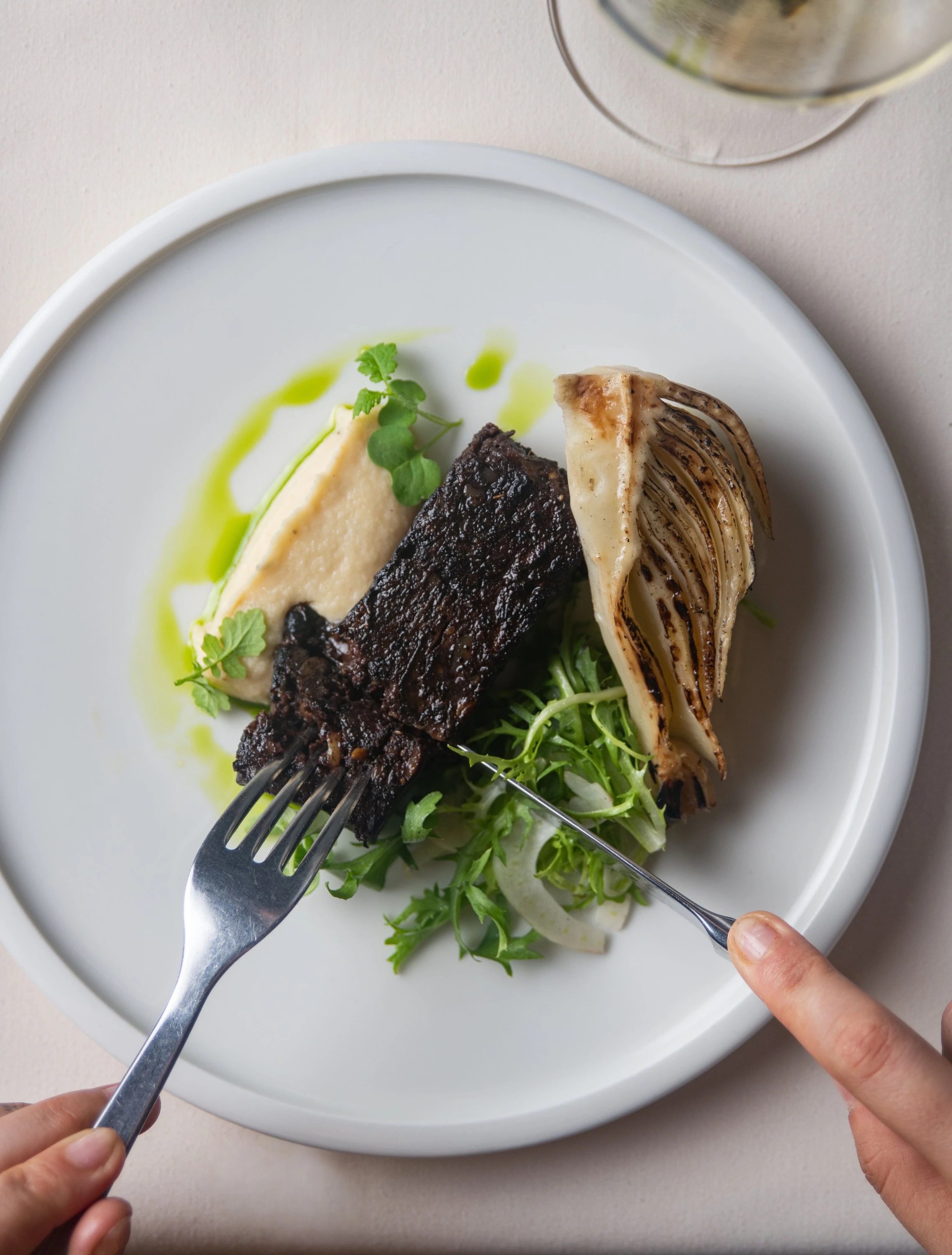
We also sampled the blood sausage terrine, served with apple purée and beautifully charred fennel. More classic parrilla starters are available too: sweetbreads, chitterlings, provoleta, tortilla, and empanadas.
You may also be interested in: The best milanesas in Buenos Aires
A special mention goes to the sides. They reflect the same pursuit of flavor, with product at the forefront and fire as the main tool: roasted baby onions with miso, chitterling Caesar salad, and green beans grilled over embers with olive oil and salsa macha (if you glance up and see flames shooting up from the grill, it’s probably chef Sabrina Jamett cooking them). We tried the Wagyu fat fries—crispy on the outside, creamy inside—and they definitely stand out. We also went for the deeply flavorful potato and egg salad.
But the star of the night was undoubtedly the ribeye: 450 grams of beef raised and finished 100% on pasture. We ordered it medium-rare and made the right call—each bite was an explosion of umami, richness, and juiciness. It comes pre-sliced, with almost no blood loss, another sign of impeccable execution. There’s also flank, striploin, short ribs, and skirt steak—the latter available at two different levels of doneness.
Whites and bubbles: why red isn’t the only ally of the grill
“Meat and wine” is printed on some of the staff’s T-shirts. Wine plays a central role here—it’s not just a complement, but a tool to enhance the flavors and textures of each dish. Elías Aguirre, who leads the wine curation, guides us through a world of diverse styles and producers of very different scales.
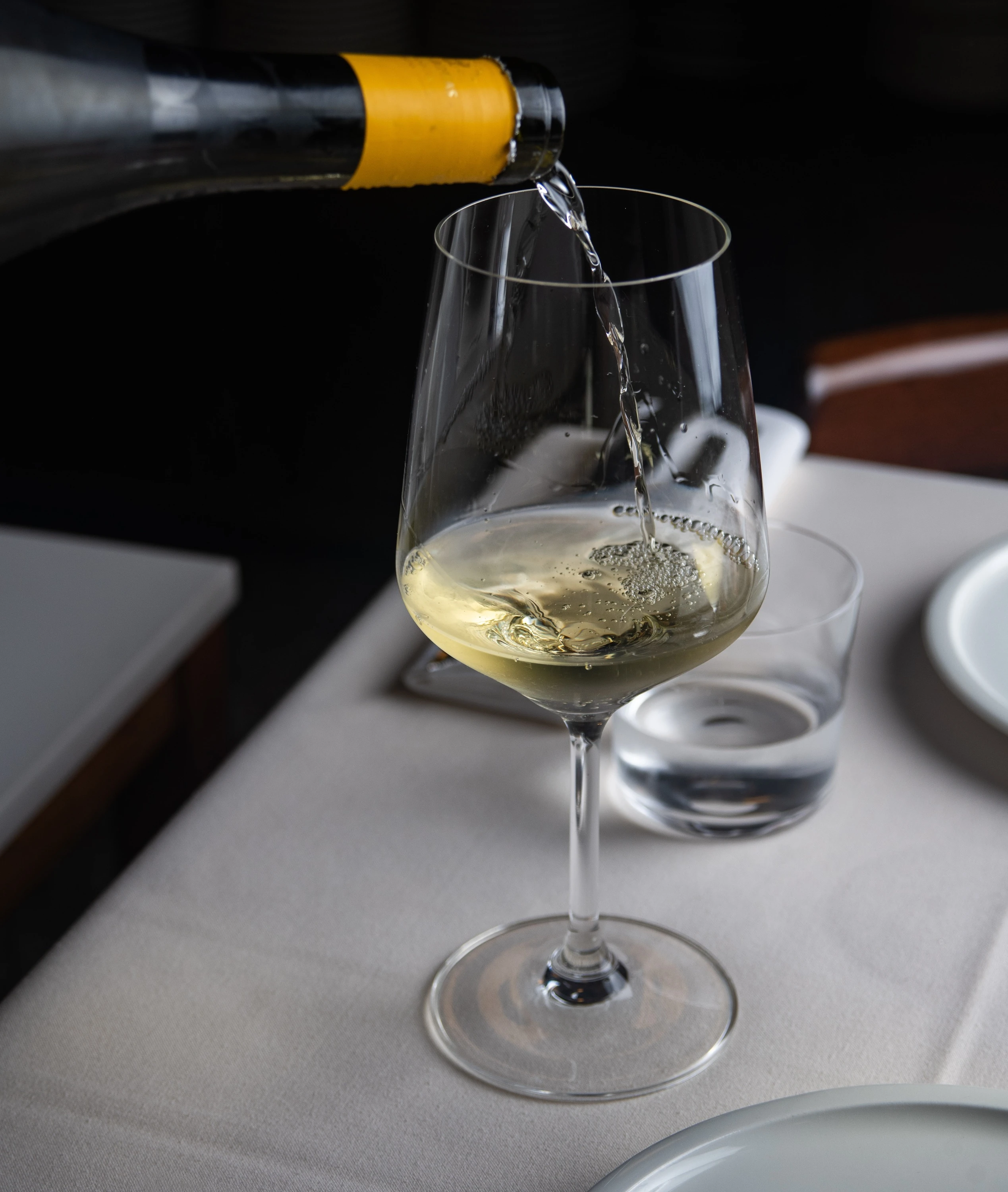
And here’s a key detail for understanding Madre Rojas: white wines carry much more weight than in the average steakhouse. The restaurant reclaims a part of Argentina’s wine history, when whites dominated tables in the ’70s and ’80s. There’s even a technical reason: the buttery richness of Wagyu, the acidity of criolla grapes, or the fattiness of short ribs all lend themselves to pairing with whites—and even sparkling wines.
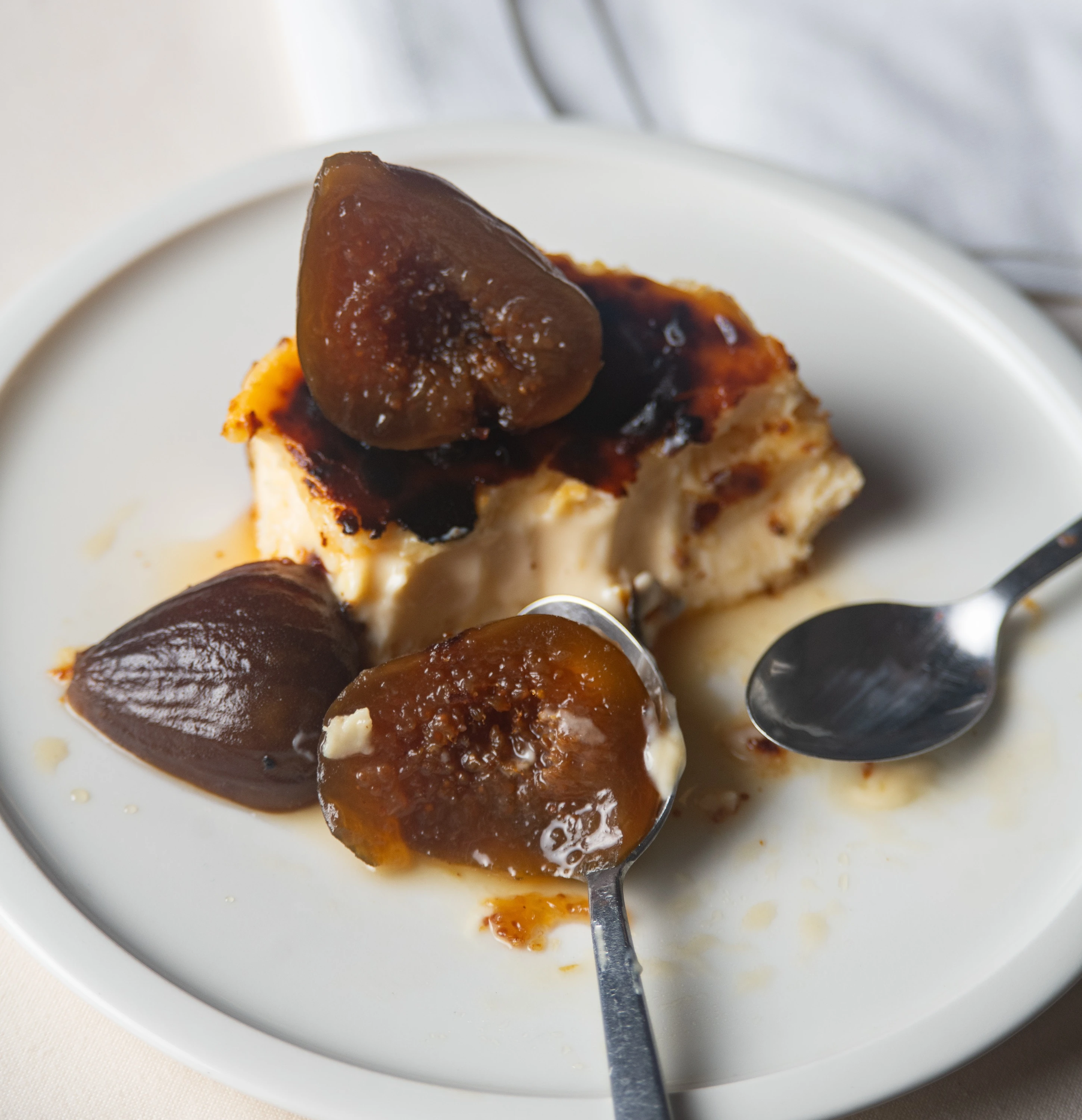
To finish, we ordered another new menu item: a Basque-style cheesecake with Parmesan, creamy and perfectly balanced with the figs served alongside. There are also dessert wines and pancakes.
Good to know: the menu embraces full transparency. Each cut details its production method: whether it was raised or finished 100% on pasture, supplemented without confinement, or part of agroecological practices.
Where: Rojas 1600, Villa Crespo.