[image]
[title]A few years ago, ordering coffee was pretty simple: short, long, with milk, or black. End of conversation.
Today, we don’t just choose intensity, origin, or format—we also choose moments, rituals, and even versions of ourselves. Coffee has gone from being something automatic to becoming an extension of our lifestyle. And by looking at the varieties most popular among Argentinians, it’s possible to understand just how much Buenos Aires has changed in recent years.
According to data shared by Nespresso, the country’s favorite coffees today include Buenos Aires Lungo, Vienna Lungo, Volluto, Arpeggio, Stockholm Lungo, and Ristretto. Beyond flavor, this selection reflects new routines, different aspirations, and a much more personal relationship with coffee.
Because there is no longer “the coffee everyone drinks.” There is the coffee that fits the way you want to live your day.
The Return of the Slow Breakfast
For years, breakfast was little more than a transition between waking up and rushing out the door. But something changed.
Today, more and more people turn their first cup of the day into a moment of their own: prettier tables, a slightly slower pace, and more carefully chosen coffee. According to the Coffee Usage Profiler study conducted by NielsenIQ for Nespresso, 85% of coffee cups consumed in Argentina are enjoyed at home, primarily during breakfast.
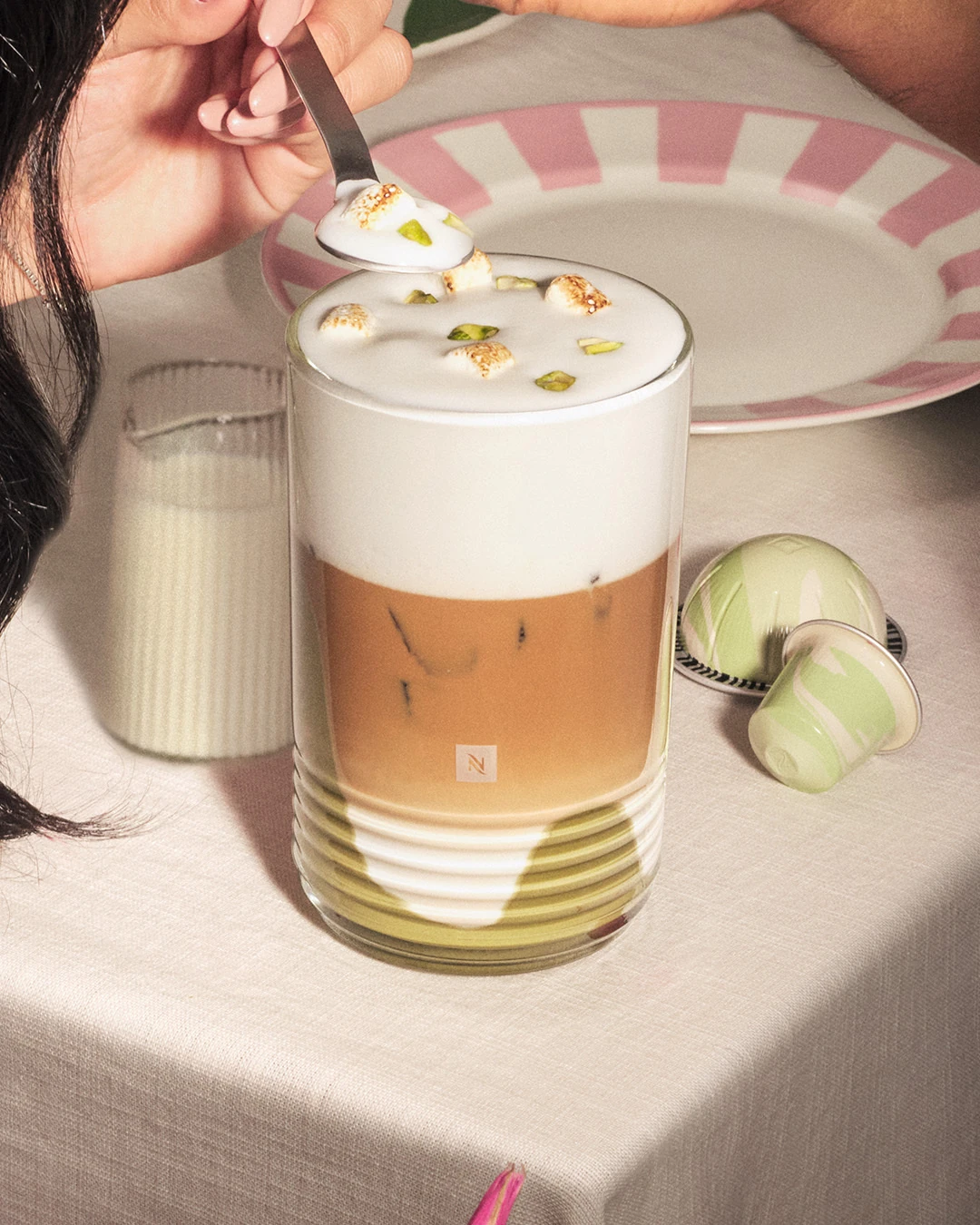
That helps explain why varieties such as Buenos Aires Lungo and Volluto resonate so strongly with local tastes. They are balanced, smooth coffees that fit naturally into long routines, work-from-home mornings, or relaxed weekend breakfasts.
Coffee is no longer just about energy—it’s also about atmosphere.
You may also like: The City in a Cup: 40 Years of Buenos Aires Told Through Coffee
Intense Espresso Never Left
While some consumers seek softer flavor profiles, others still want an immediate impact. That’s where classics like Arpeggio and Ristretto come in, two varieties that continue to hold an undisputed place among Argentinians’ favorites.
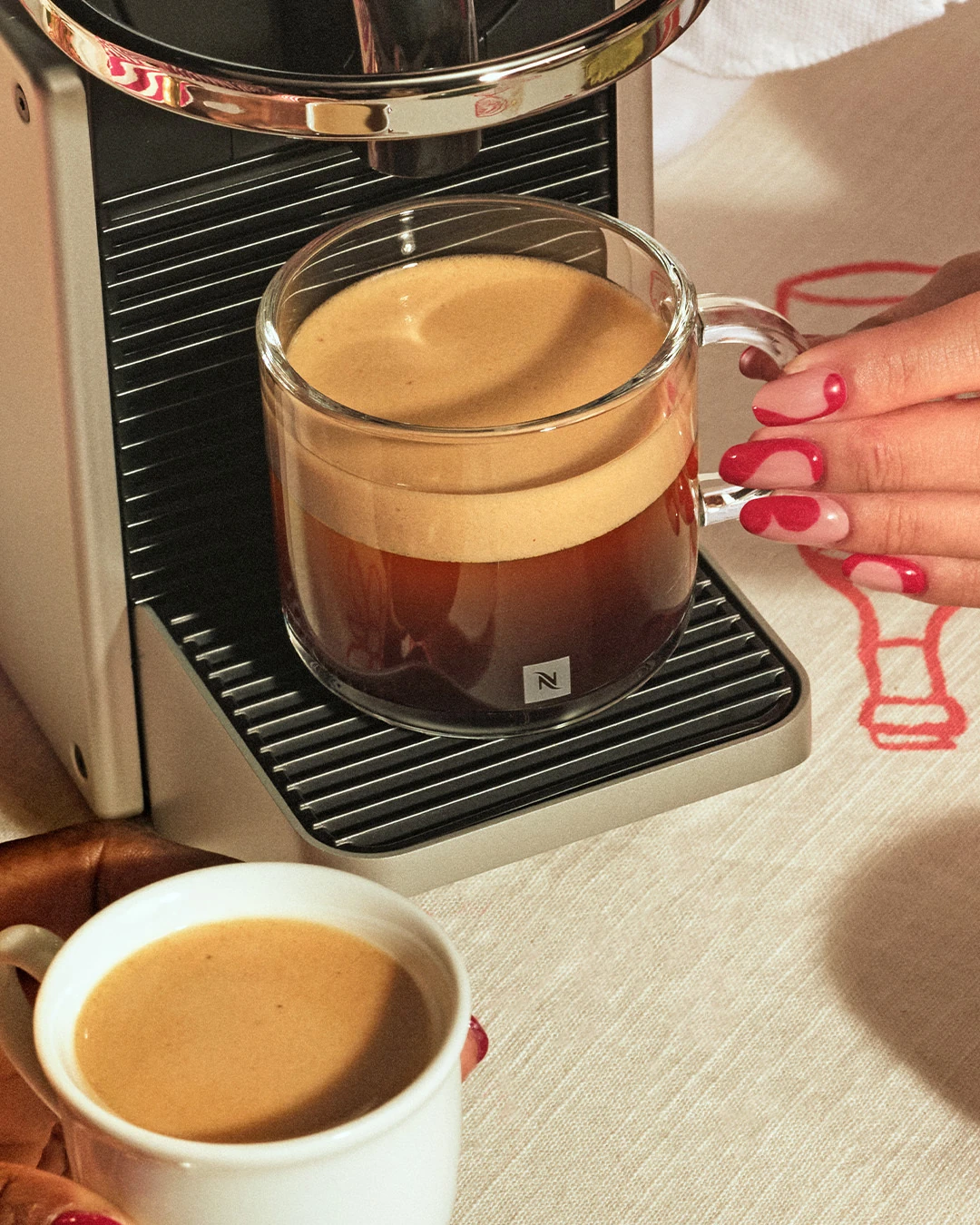
There is something almost urban about this style of coffee: fast, intense, and direct. It works for people moving between meetings, calls, workouts, deadlines, deliveries, and packed schedules. The brevity of an espresso still feels deeply porteño—especially in a city where everything often seems to happen at full speed.
Coffee Has Become Part of Our Aesthetic
It’s no coincidence that breakfast tables now appear on social media almost as often as nights out. Beautiful tableware, carefully designed kitchens, stylish coffee machines, and perfectly served coffee have become part of a new everyday aesthetic.
Coffee is no longer hidden away—it’s part of the décor.

And that has transformed our relationship with what we drink at home. People are no longer looking solely for convenience. They are seeking a more complete experience. As part of this shift, Nespresso has brought a specialty coffee experience into everyday routines. Today, a great cup of coffee can be part of daily life, home design, and even the mood that sets the tone for the day.
You may also like: Coffee and Design: Generation Z’s Aesthetic Obsession
The Generation That Drinks Coffee Differently
Another major transformation has to do with younger consumers. For a long time, premium coffee was associated with more traditional habits. Today, that has changed.
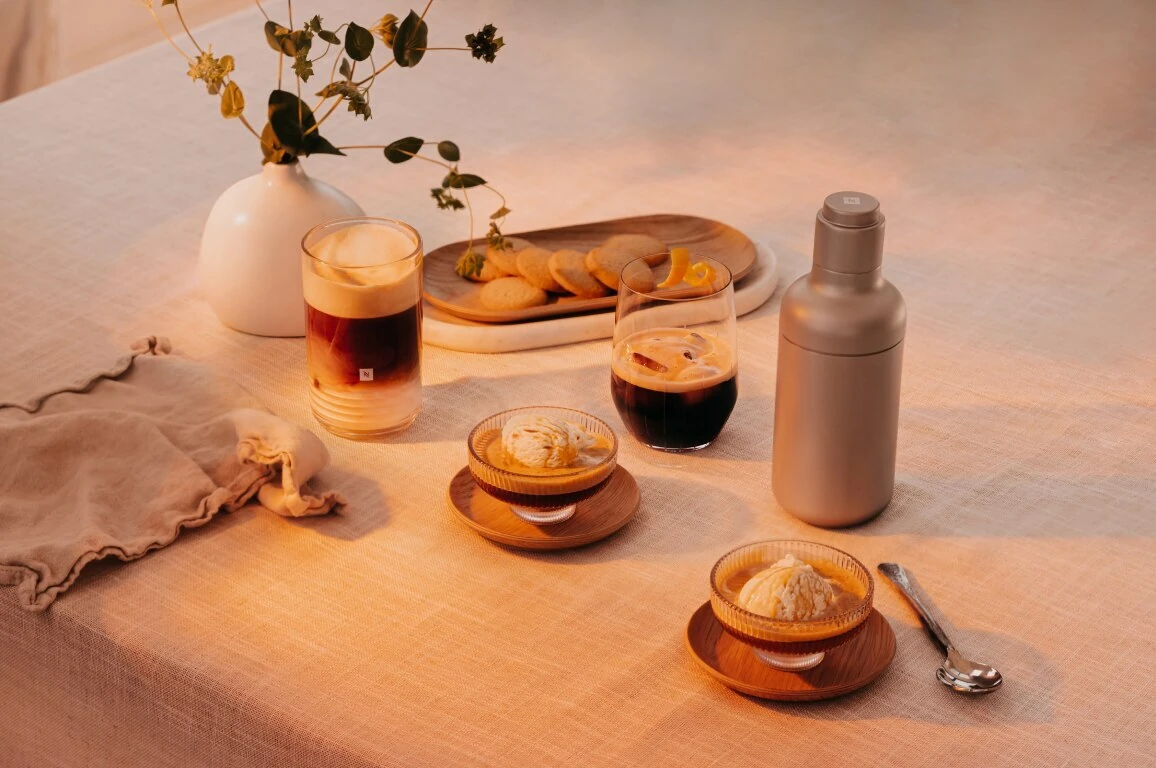
New generations are looking for variety, personalization, and more versatile formats. Iced coffee, milk-based recipes, milder capsules, long coffees, and experiences inspired by cities around the world now coexist with the classic espresso.
They are not replacing tradition—they are reinterpreting it. And through that evolution, coffee has also taken on a more cultural dimension. One that is increasingly connected to music, design, gastronomy, creativity, and new ways of socializing.

From Home to Fine Dining
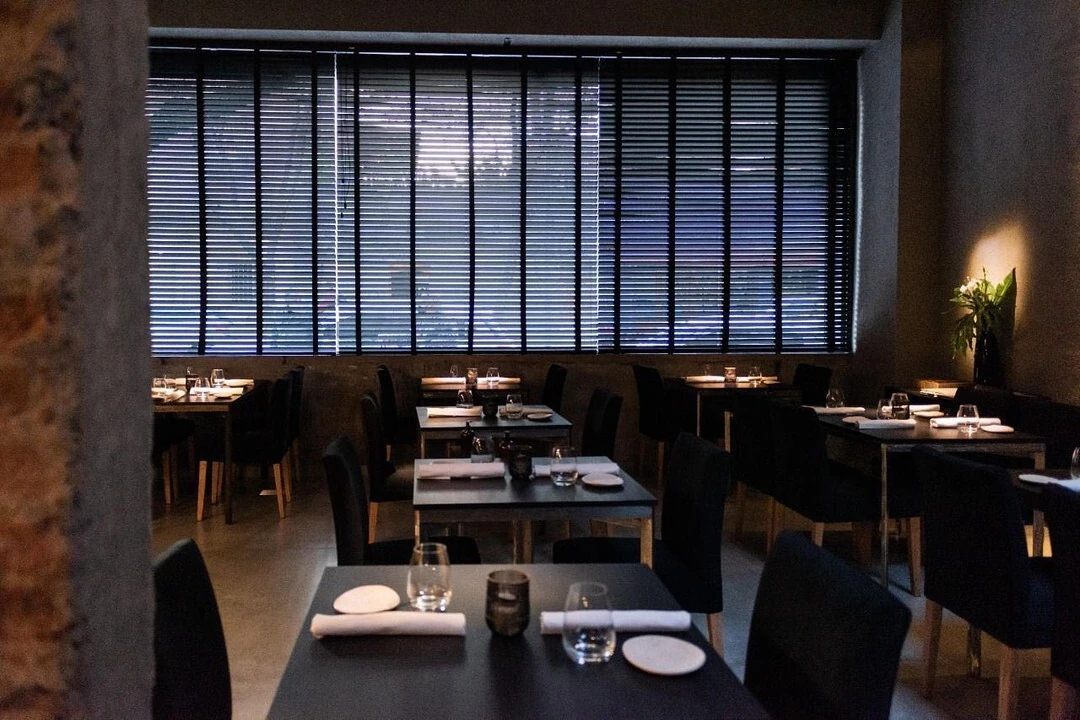
Although much of coffee consumption still takes place at home, coffee has also gained prominence beyond the domestic sphere. It no longer appears only at the end of a meal; today, it is part of more complete dining experiences where every detail matters.
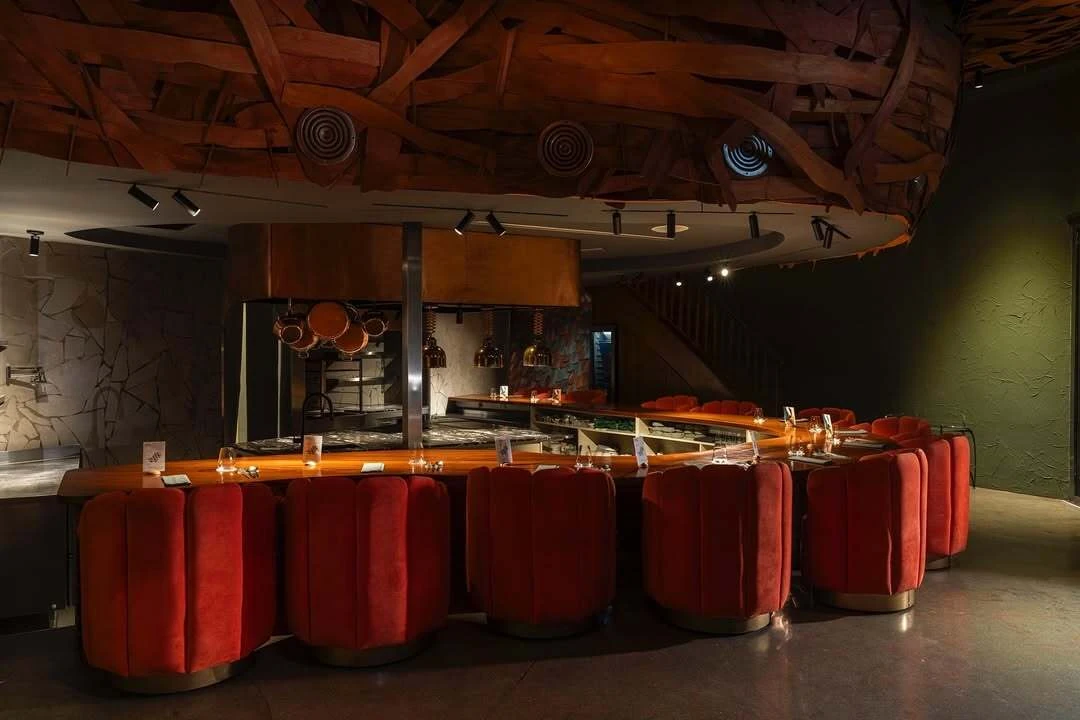
This is evident in restaurants and fine-dining spaces where coffee accompanies different moments of the experience. Places such as Aramburu Bis, Trescha, Crizia, Julia, and Roux, as well as destinations beyond the city such as Alo's Bistro, Azafrán, Brindillas, and El Baqueano, demonstrate how coffee standards have evolved within Argentine gastronomy.
Because if cuisine has become more sophisticated, coffee had to evolve as well.
You may also like: The Brand That Changed Coffee Turns 40 (And Is Just Getting Started)
What Our Palates Really Reveal
Looking at Argentinians’ favorite coffee varieties, one thing becomes clear: today we seek quality, but also versatility. We want intense coffees to get moving quickly, gentler ones for long breakfasts, and different options depending on the moment of the day.
Coffee no longer occupies a single place in our routines. It occupies many.
And perhaps that is the most interesting thing about how our palates have evolved in 2026: we have stopped drinking coffee “just because” and started choosing it according to how we want to feel. Which, in the end, is remarkably similar to choosing music, clothes, or even where to live.
Because a cup of coffee can say a lot about a city.