

[image]
[title]Double shot, almond milk, extra hot, no sugar. Ten years ago, that order might have sounded eccentric. Today, it’s something you hear every day in cafés across Buenos Aires. Back then, coffee was just coffee: black, macchiato, maybe with a splash of milk. At most, people debated whether to add sugar. Now, coffee is as personal as the person drinking it. Between origins, intensities, formats, and milk choices, there are so many possible combinations that finding two identical cups is almost the exception.
The language of taste
Today’s coffee drinker knows far more than coffee consumers did twenty years ago. With the rise of specialty coffee shops, books about coffee, industry influencers, and the ability to brew high-quality coffee at home thanks to capsules, the way people order coffee has changed. Behind every precise order lies a specific understanding: coffee has its own language. Broadly speaking, every flavor profile is built around three variables: intensity, acidity, and body.
You may also like: The city in a cup: 40 years of Buenos Aires told through coffee
Intensity is not the same as bitterness. It describes the concentration of flavor, which can be bold while still feeling creamy or rounded. Acidity—a word that often intimidates people—actually refers to the liveliness of the cup: the citrusy or fruity brightness found in certain single-origin coffees that sets them apart from softer, more balanced blends. Body, meanwhile, is all about texture: that weight on the palate that distinguishes a light, floral coffee from one that is dense, lingering, and full-bodied.

Understanding these three dimensions transforms the way people choose coffee. And that helps explain why conversations about coffee have changed so dramatically over the past few decades. It’s no longer simply about having something hot in the morning or debating whether coffee should be sweetened. It’s about knowing exactly what combination of flavors, aromas, and textures you want in every cup.
The kitchen as coffee’s new territory
Eighty-five percent of all coffee consumed in Argentina is enjoyed at home. Most of it is consumed in the morning—not only as a source of energy, but as a habit, a small pause chosen before the day begins. It’s a way to start a workday, study session, or workout with a moment that feels entirely your own. A nearly sacred ritual.
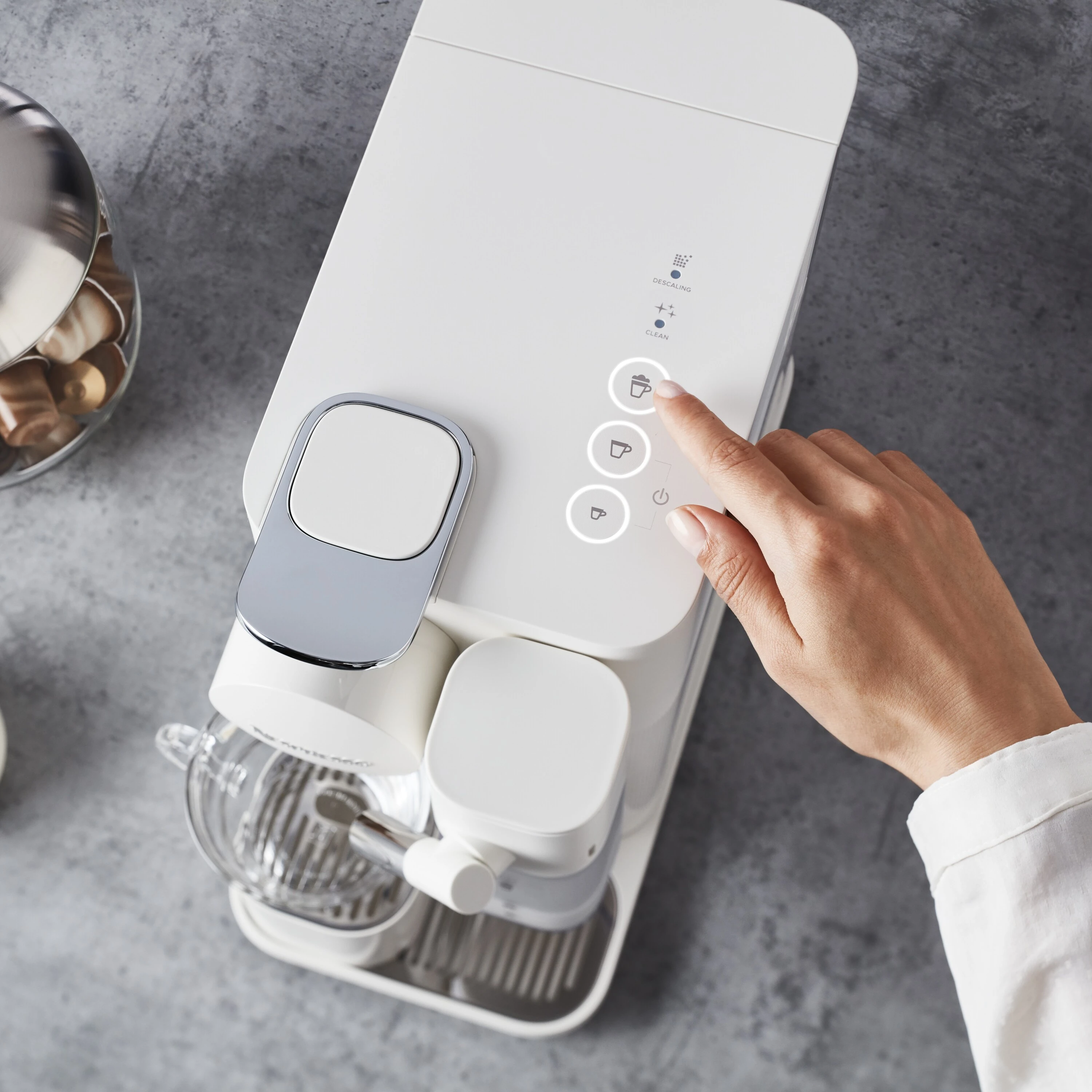
This trend is not unique to Argentina. Globally, 69% of coffee consumption takes place in the morning, according to NielsenIQ’s Coffee Usage Profiler study conducted for Nespresso. But in Argentina, the habit carries particular significance. In a country where breakfast has always been an intimate, home-centered occasion, the morning coffee has become the most personal moment of the day.
You may also like: Coffee and design: Generation Z’s aesthetic obsession
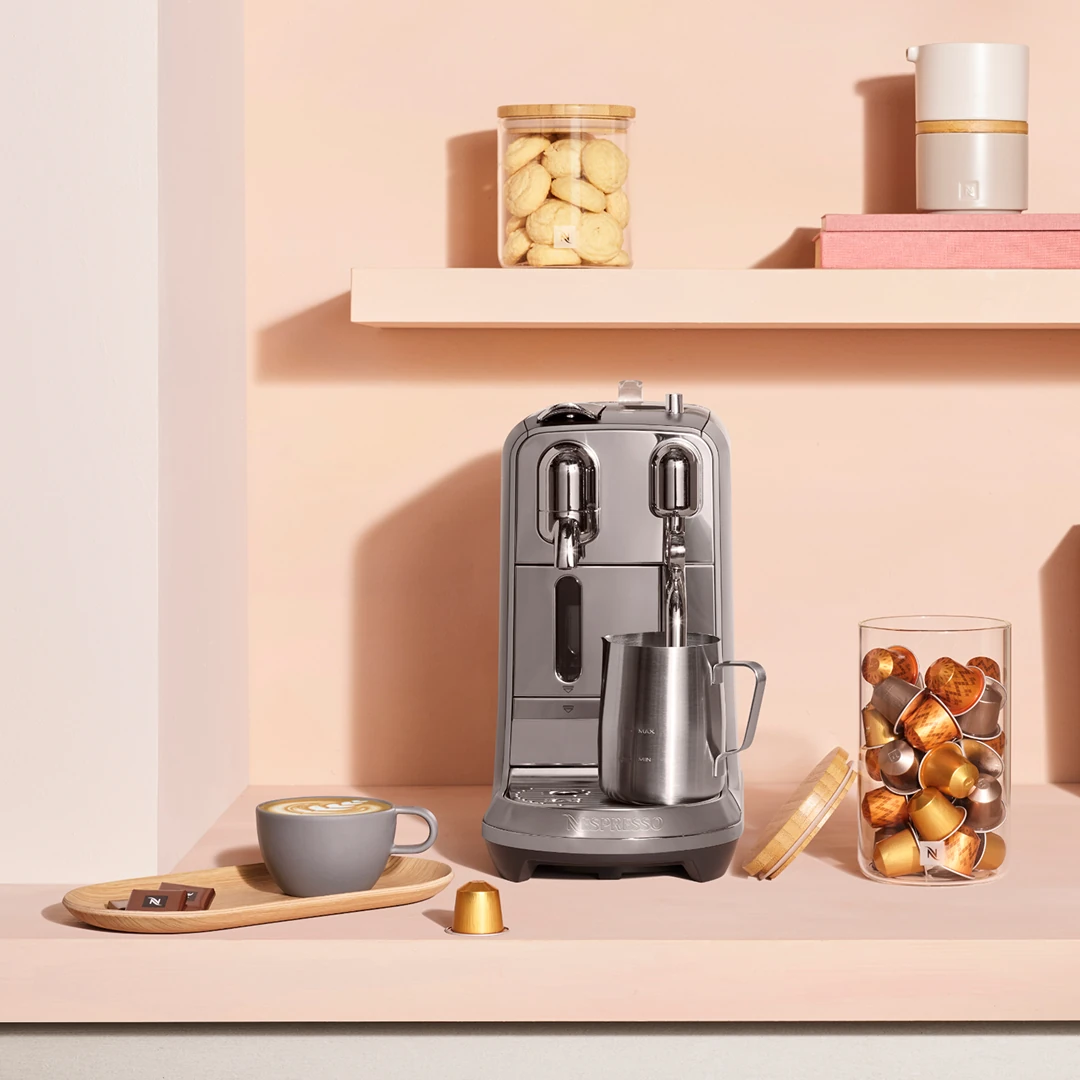
And if breakfast happens at home, the kitchen is the natural place to prepare it. The space has taken on a new role thanks to the rise of coffee stations—carefully curated corners that combine aesthetics and gastronomy, where people experiment, discover, and define their own tastes. Nespresso has spent four decades building on this idea: that the specialty coffee experience can happen at home with the same quality found behind a café counter, but with the freedom and variety to choose exactly what you want, capsule by capsule, profile by profile.
A generation that decides what it likes
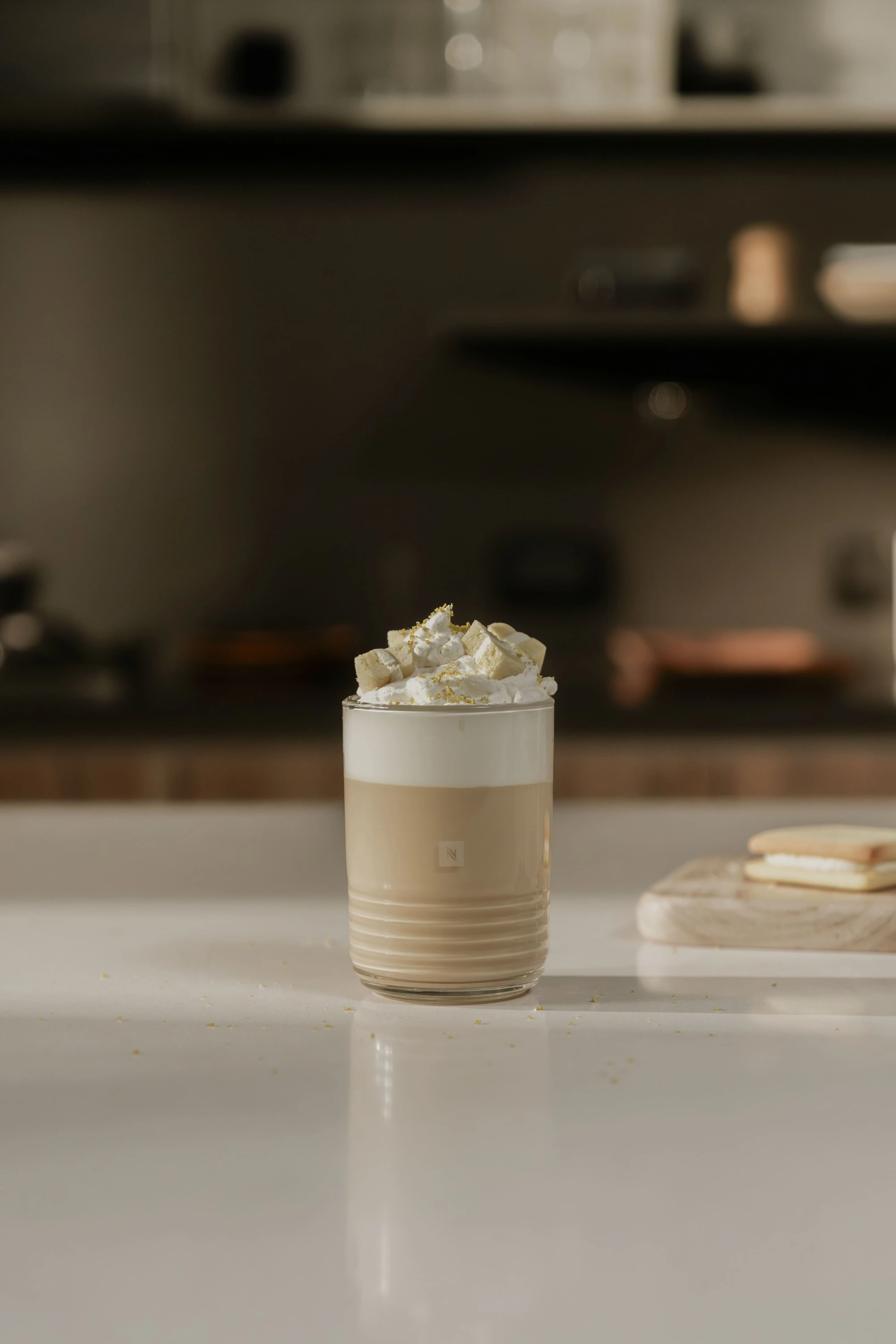
Among younger consumers, personalization is not a trend—it’s a baseline expectation. Seventy-two percent of Generation Z tries new beverages every month, and 75% regularly customize their orders. They are not searching for the perfect coffee in absolute terms. They are searching for the perfect coffee for themselves, at that specific moment, with that specific combination of ingredients.
That shift in perspective—from product-centered to consumer-centered—has reshaped the entire industry. Machine design, catalog diversity, plant-based milk options, and brewing formats have all evolved around the same premise: there is no single “correct” coffee. There is only a person with individual tastes.
Nespresso’s catalog is a good example of this philosophy in practice. It includes ranges for every profile, from classic, intense espressos to softer, more aromatic lungos. There are also single-origin collections such as Master Origins, which allow drinkers to trace flavor all the way back to its place of production. Indonesia, India, Ethiopia, and Colombia each bring distinct processing methods and flavor characteristics that make them unique. For those who prefer coffee with milk, the Barista Creations range is specifically designed for pairing, with profiles that work equally well with traditional dairy and the plant-based alternatives that are becoming increasingly common at the breakfast table.

Cold coffee is another chapter in the same story. Cold brew, iced lattes, and their many variations have moved beyond being a seasonal trend to become a category with its own identity—a choice driven by taste rather than weather, opening up even more ways to personalize the coffee experience beyond temperature.
You may also like: The brand that changed coffee turns 40
Forty years of an expanding catalog
Argentinians’ favorite Nespresso coffees illustrate the diversity of the brand’s offering. Buenos Aires Lungo balances sweet cereal notes with a distinctive popcorn-like aroma that has made it a natural breakfast companion in the city. Vienna Lungo blends South American arabicas into a smooth, rounded cup, ideal for those who prefer a softer profile. Volluto, one of the brand’s classics, combines biscuit notes with a touch of fresh fruit, making it approachable and versatile. Arpeggio is the choice for those who crave intensity: creamy and rich in cocoa notes, it delivers the bold first cup many coffee lovers seek. Stockholm Lungo offers another option for fans of gentler profiles. And Ristretto is made for those who want maximum concentration in minimum volume, with its powerful character and subtle fruity notes.
Six Nespresso coffees, six different ways to start the day. Because there is no single perfect cup—only the right cup for each profile, each moment, and each person.