[category]
[title]
After six years at Mercado da Vila, Ana Coelho has opened a smaller space at Galerias do Estoril, where she serves moqueca, acarajé and plenty of conversation.


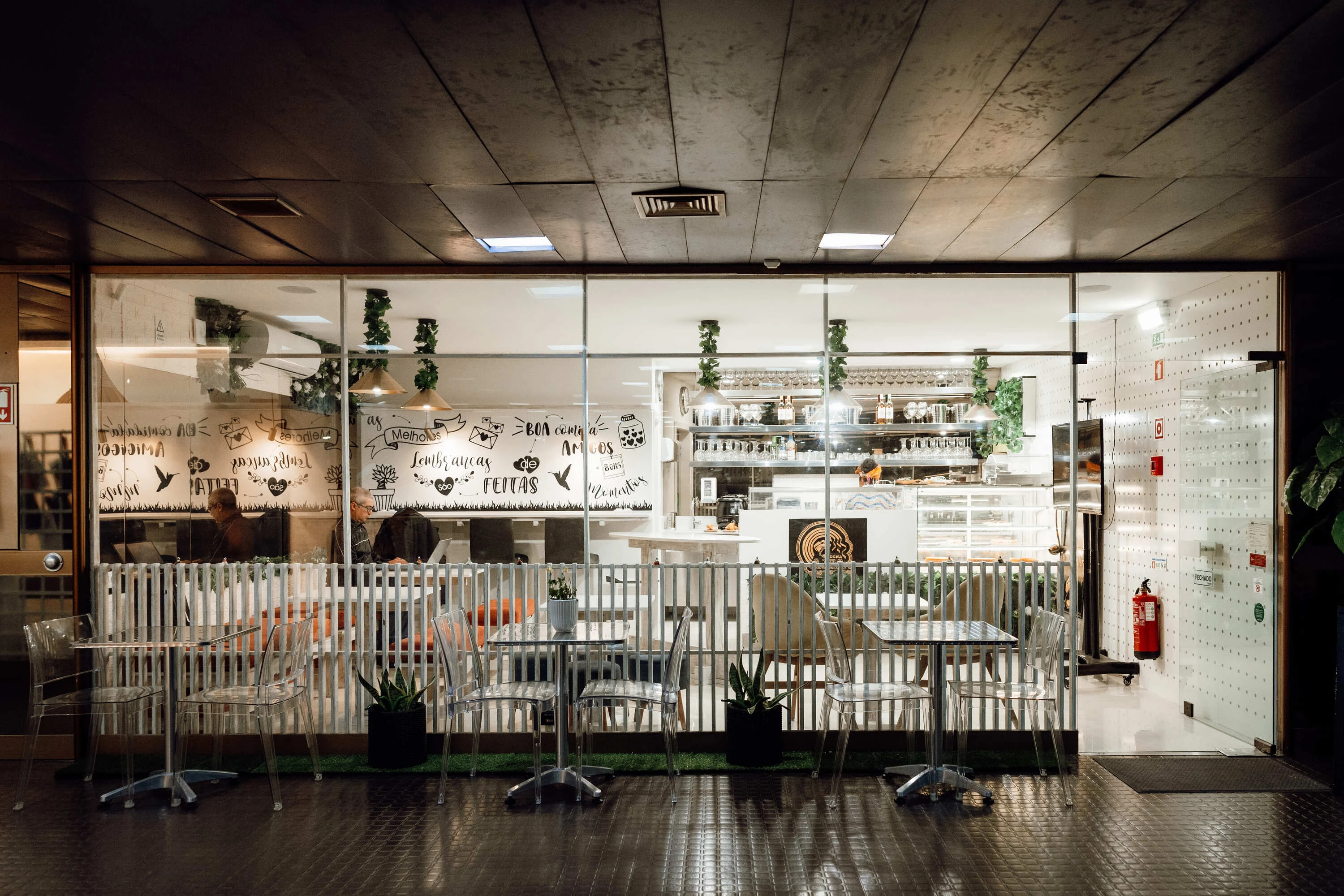
“Do you know what synaesthesia is?” asks a man from São Paulo sitting at the counter of Dona Ana Baiana after being served an acarajé. Synaesthesia is when sensations from different senses become intertwined. And, apparently, it is also what happens when, with a single bite, you travel to the other side of the world. “I took one bite and felt transported to Bahia,” the customer admits at the restaurant that previously operated in Mercado da Vila and at Casa da Guia, in Cascais, and which moved to Galerias do Estoril on 17 January.
The moment Time Out witnessed when visiting the space neatly captures the feeling of tasting this food (and even inspired the title of this article). The cooking is so homely and comforting that it feels as though we are sitting at the table at a family lunch. Even those who have never been to Brazil sense that these are the flavours that have accompanied families on the other side of the Atlantic for generations.
Dona Ana Baiana was born out of Ana Coelho’s desire – the owner and, for now, the sole cook – to do something different after six years at Mercado da Vila and a period at Casa da Guia. “I had a small shop at the Market where I sold a lot of Portuguese food, like steak sandwiches.” However, what she really wanted was “to cook food my way”, in other words, to introduce her Bahian specialities.
She even opened a second space at Casa da Guia, but Storm Martinho destroyed the premises. That, combined with personal issues, forced Ana to stop. “I closed the shop and stayed at home.” Once she had resolved her concerns, she returned with a new ambition: a smaller, more intimate space where she could give attention to each customer. “There’s no point in having a business just to make money. You need a business where customers leave satisfied. I would never cook something for someone that I wouldn’t eat myself. I cook because I love to eat.”
This time, at Dona Ana Baiana, you are unlikely to find Portuguese snacks. “I’m not going to cook a steak. We don’t cook steak. We only cook food made in a pot.” The difference, according to Ana, lies in something that has been lost: “You can’t find grandma’s cooking anymore, or mum’s cooking.”
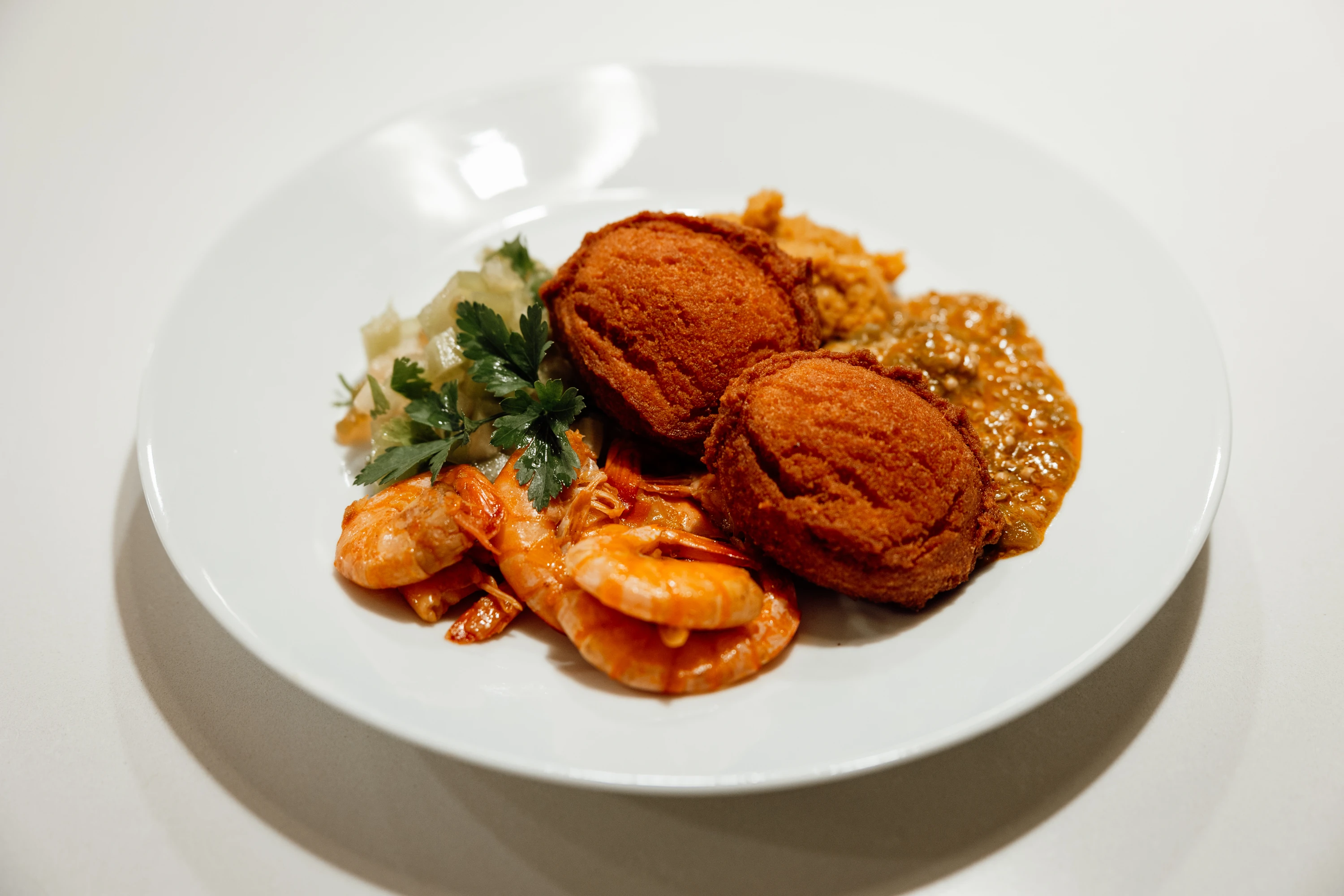
At the table, dishes help build a bridge between Salvador and Estoril. The banana moqueca surprises those who only associate the dish with fish or prawns (it was the dish of the day during Time Out Cascais’ visit, priced at €12). The prawn acarajé, a fritter made from black-eyed pea paste and fried in palm oil (€12), served on a plate, arrives crisp on the outside and soft on the inside, accompanied by vinaigrette, caruru (an okra stew) and vatapá, a rich cream made with stale bread, cashew nuts, peanuts, dried prawns, coconut milk and palm oil.
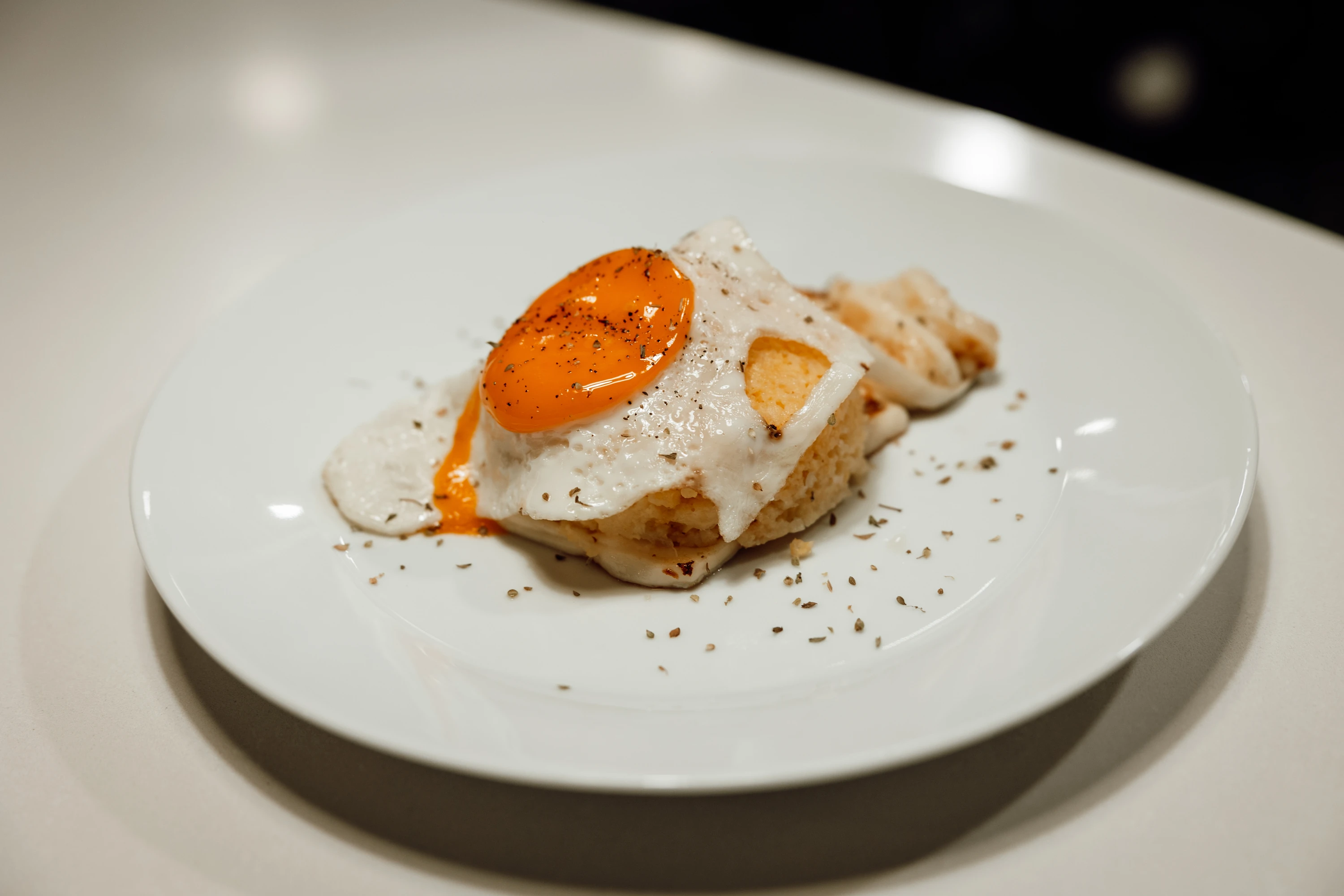
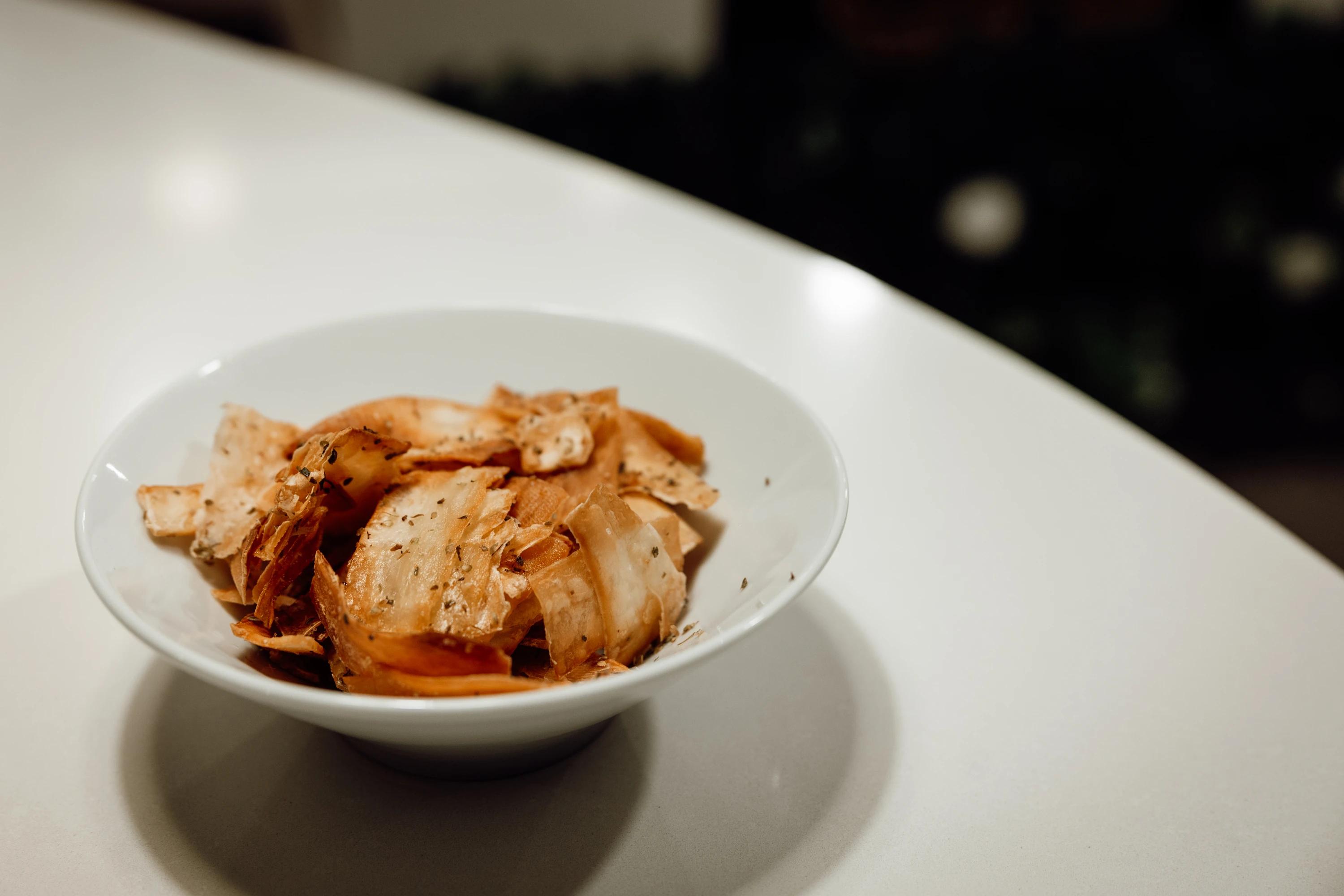
The cuscuz with egg and queijo coalho (€7), typical of a Bahian breakfast, is presented here as a comforting dish at any time of day. For lighter bites, there is pãozinho delícia with cheese (€2) or cassava chips (€2.50), simple options that reinforce the idea of home-style cooking.
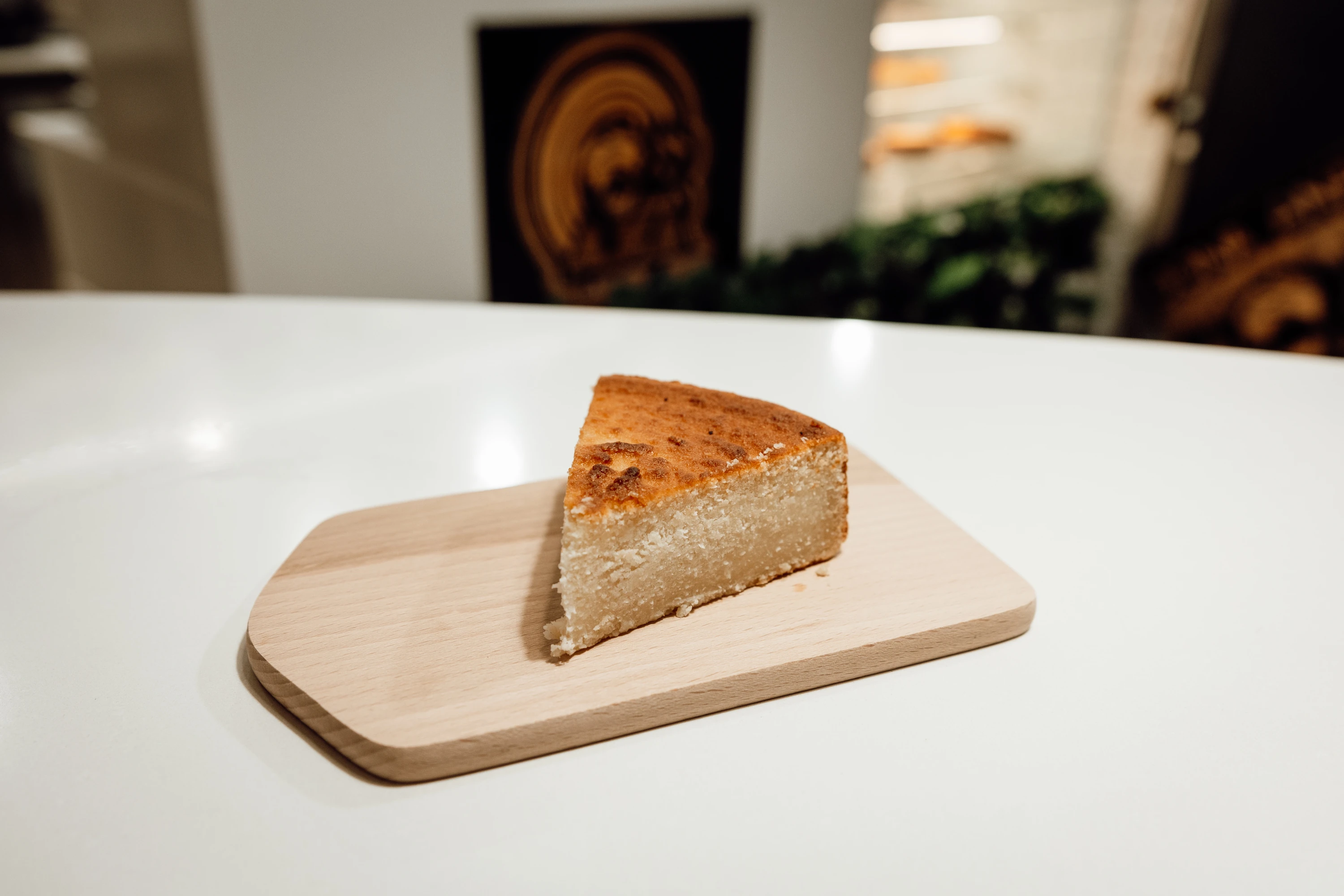
For dessert, you can try mungunzá (€3.50), a traditional Brazilian dish typically served at June festivals, made with dried maize (white or yellow) cooked with coconut milk, milk, sugar, cloves and cinnamon.
But Ana wants to go further, introducing feijoada, of course, as well as dishes less known outside Bahia, such as dobradinha or sarapatel. “Salvador is not just about feijoada, bobó de camarão or moqueca,” she says.
The space may be small, but there is still room to celebrate. As was already the case in Cascais, there are live voice-and-guitar performances. “We want to offer a moment of leisure where people can stop and say: no, the problems stay outside.” Singer Diogo Mello, who “sings everything, from forró to Portuguese music”, helps create that relaxed atmosphere.
Running the space with only her husband’s help – “I do everything. From cake to fried egg” – is demanding, and Ana admits that in the future she may hire staff again. “It demands a lot from me now. Maybe, in the future, I’ll be able to bring in more people.” Until then, she keeps the door open and the conversation flowing. “I want customers to come and feel good, because that’s what matters. That the house helps ease their longing for Brazil.”
Rua de Lisboa, no. 5, shop 40, Galerias do Estoril (Estoril). Tue–Sat 9am–6pm
Discover Time Out original video