[category]
[title]
Keeping tradition alive does not mean staying trapped in the past. Estoril Mandarim has just unveiled a refreshed menu that combines Cantonese cuisine from Guangdong with fresh local produce. From new dim sum to crispy sea bass fillets, we sampled the latest additions at this Estoril classic.


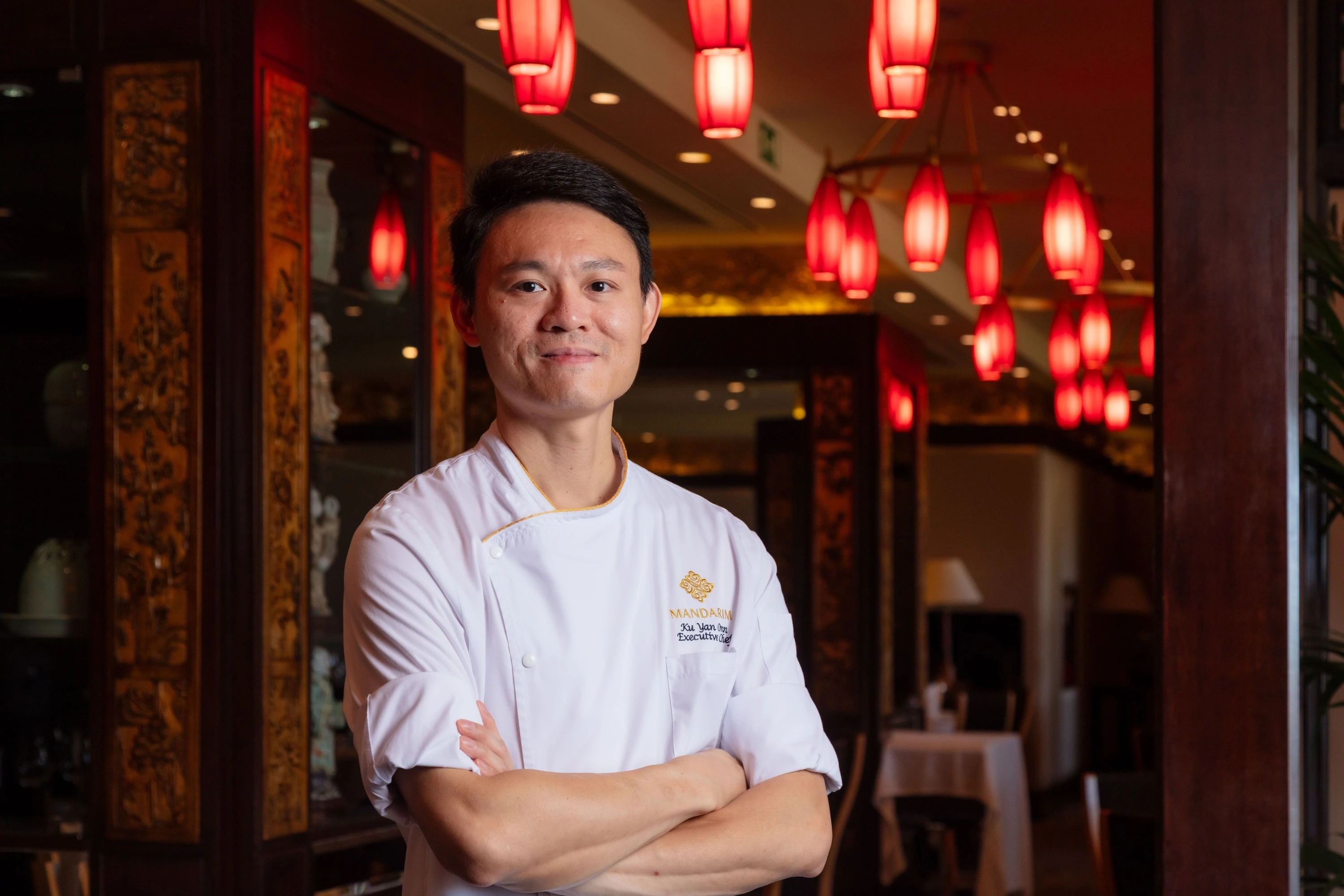
There are institutions with such a grand reputation that one might think they would remain frozen in time, never changing. But that wouldn't be much of a challenge. Located in the Casino Estoril building, overlooking the gardens and the fountain, Estoril Mandarim has been an essential benchmark for fine Chinese dining in Portugal for over two decades. However, championing tradition does not mean standing still. Under the leadership of executive chef Ku Yan Onn, the prestigious establishment has just updated its menu, introducing a new selection that preserves the historical Cantonese cuisine of the Guangdong region.
This menu overhaul comes as a natural step towards renewal, given that the previous version had remained virtually unchanged for two decades. Ku Yan Onn's main mission upon taking over the kitchen was to restore dynamism to the menu, promoting authentic Cantonese cuisine that remains open to subtle contemporary influences. It is a delicate balance between respecting age-old techniques and listening to customer preferences.
“We had an old version of the menu, over 20 years old. It was too outdated. So my first mission for Estoril Mandarim was to refresh the dishes while promoting traditional Cantonese cuisine at the same time,” says the chef. “There is a blend of traditional and modern elements, but the goal is to teach our customers what Cantonese cuisine is all about.”
To understand the essence of this change, one must look at the fundamentals of this culinary style. Unlike other culinary traditions in China—a vast nation encompassing eight major regional schools—typical dishes from Guangdong stand out for their subtlety and restraint. While regions like Sichuan lean heavily on spice, the Cantonese approach aims to highlight the natural, original flavours of the ingredients. Hence the strict demand for the freshest fish, seafood, and vegetables.
.
In this new chapter, the bridge between China and Portugal is reinforced through a fusion of ingredients. While many essential spices continue to be imported directly from the East, the kitchen now incorporates more local, seasonal produce, particularly fish from the Portuguese coast.
The dining experience must naturally begin with a celebration of dim sum—the full variety of which is only served at lunchtime (only six types of dumplings are available at dinner). Options include steamed soup pork dumplings (12€), prawn dumplings with water chestnut and bamboo shoots (9€), or mushroom and truffle dumplings (9€). The starter journey continues with cheung fan rice rolls, featuring fillings such as pork loin (7€) or prawns and asparagus (8€).
There is a brand-new starter section. “We have introduced five different options that weren't there before,” explains the chef, pointing to items such as seaweed salad with vinegar (8€) and fried prawns with wasabi mayonnaise and almonds (16€). Black truffle has also taken centre stage in several recipes, such as braised abalone with oyster sauce (80€).
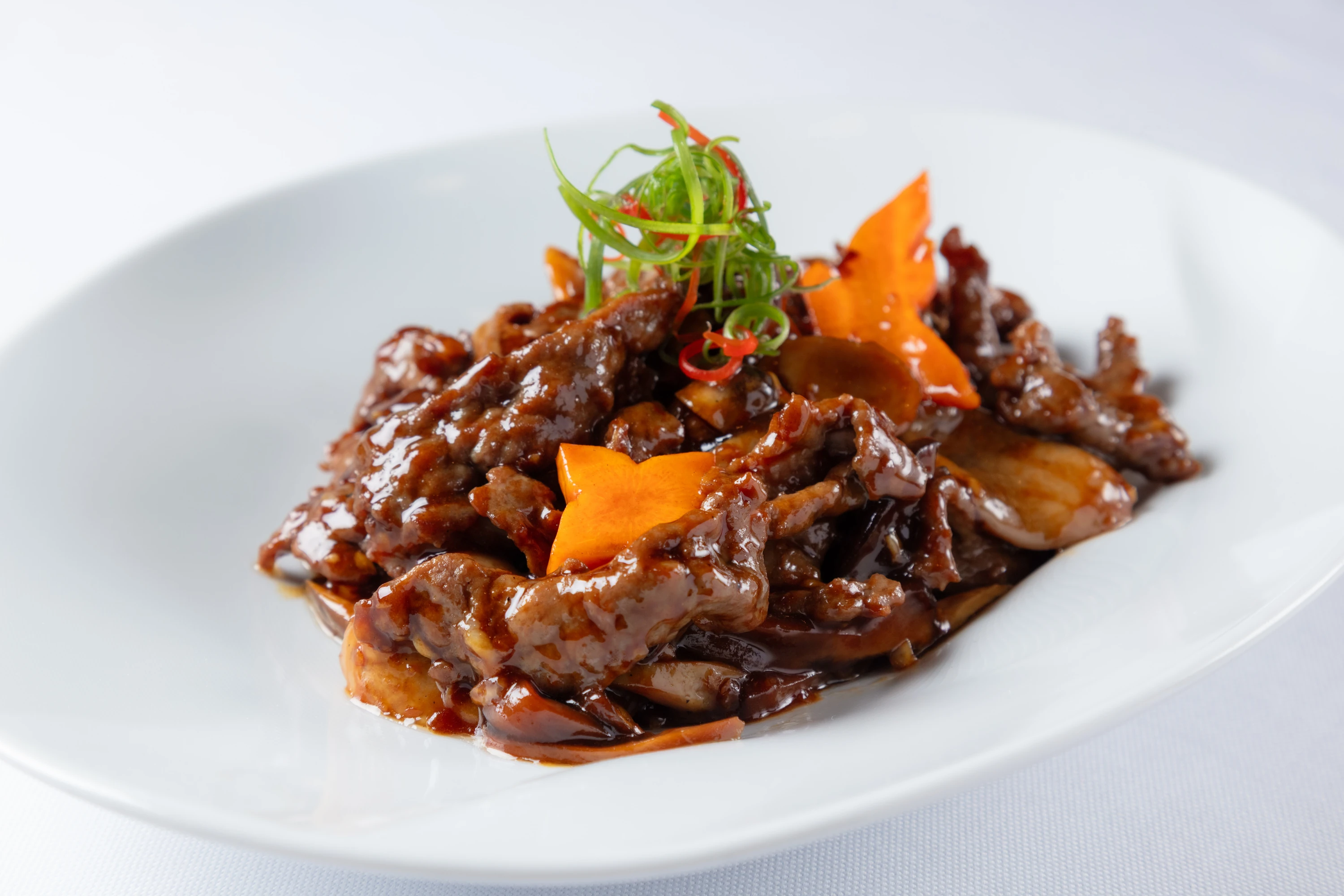
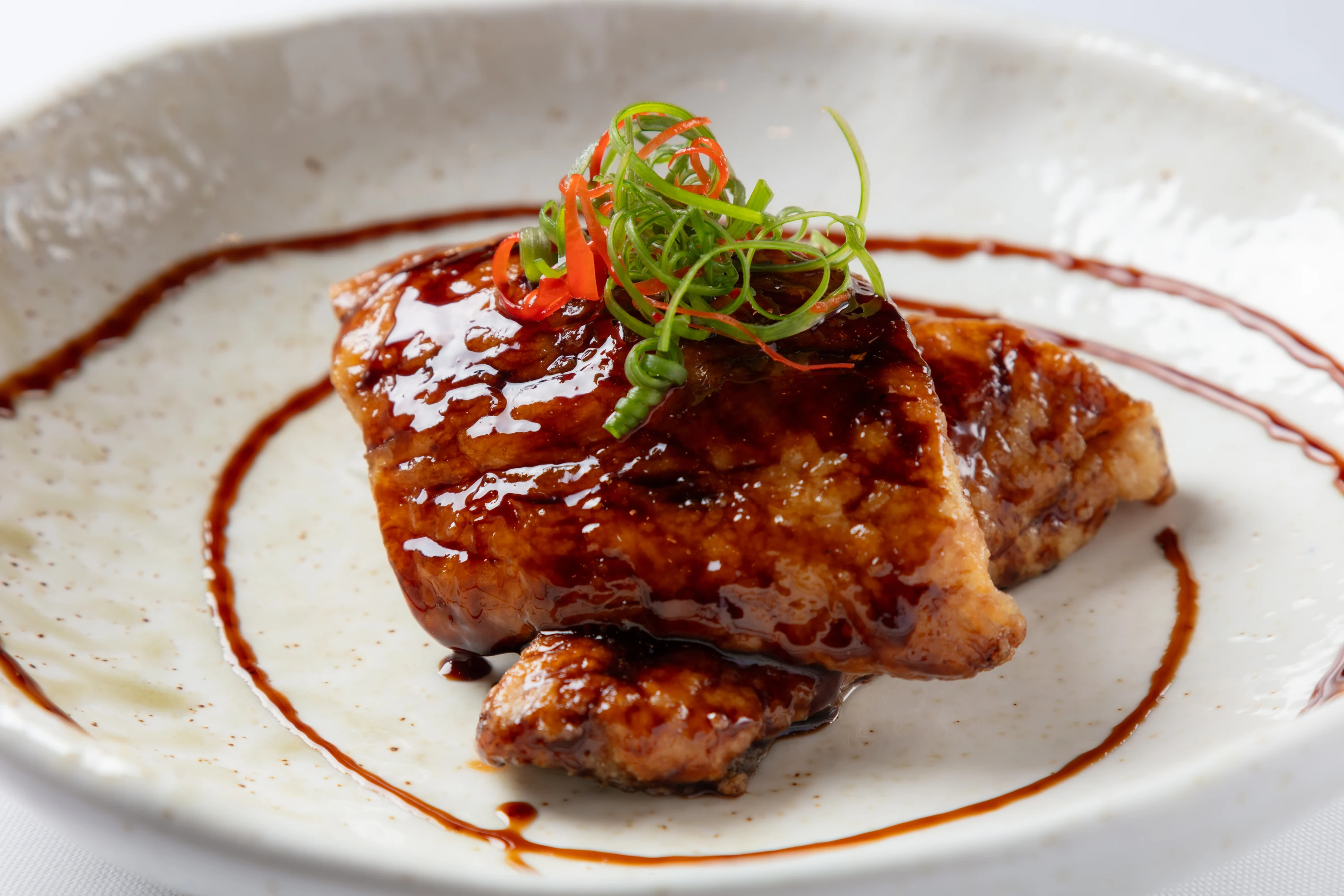
For main courses, if you opt for fish, you can try the new crispy sea bass fillets with balsamic vinegar (30€). In the meat selection, the Cantonese barbecue tradition shines through the crispy-skinned roasted pork belly (18€) and the stir-fried beef strips with vegetables and oyster sauce (18€). To accompany your meal, a classic: chow mein (13€–15€), served with pork or beef, naturally.
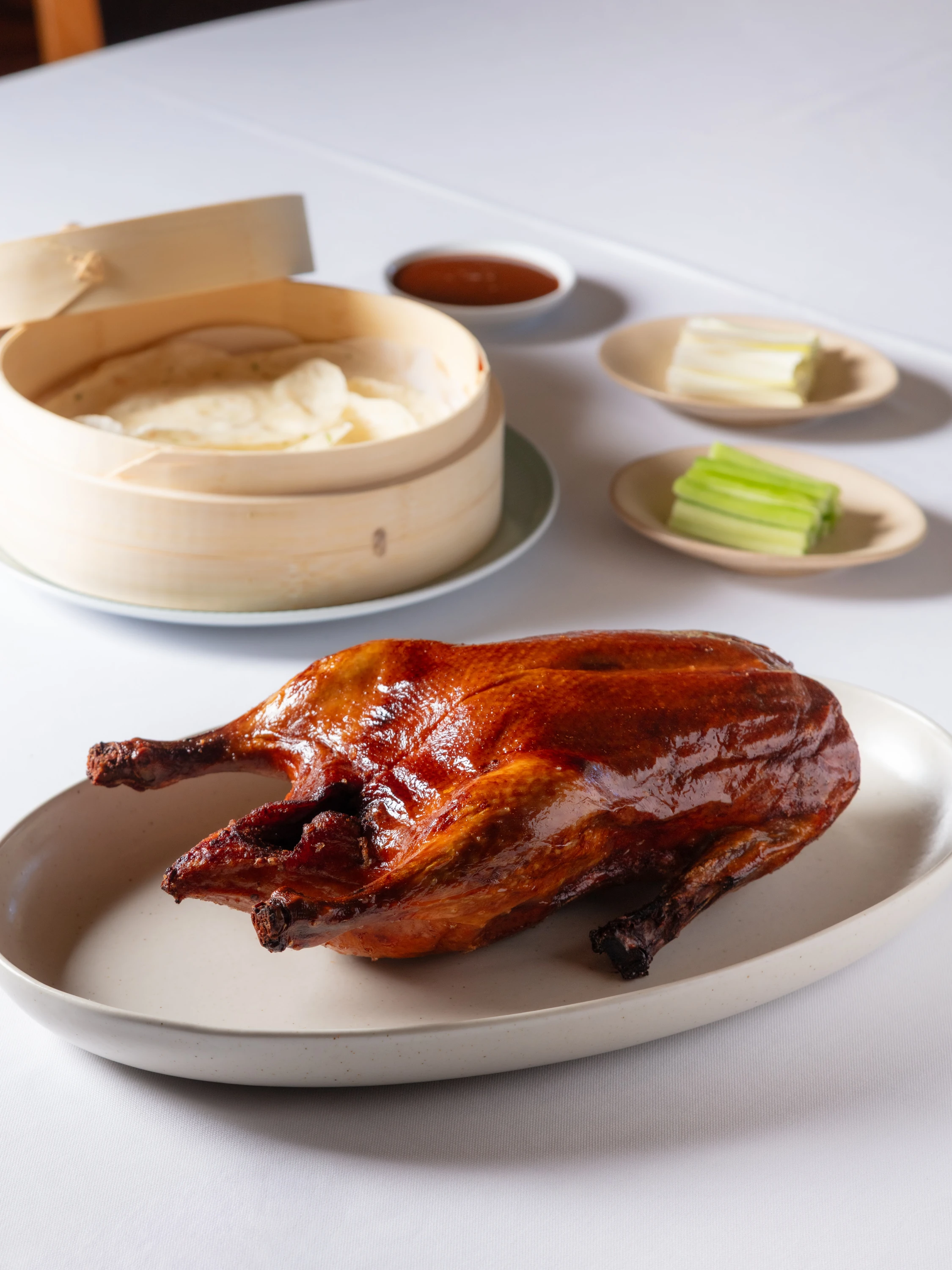
However, some things must never change. We are talking about the iconic Peking duck (75€), which is now served in three distinct courses rather than two: “We reformulated the recipe and the serving style,” says Ku Yan. The experience begins with crispy skin served in traditional thin pancakes. For the second course, guests can choose between stir-fried minced duck wrapped in lettuce leaves or a comforting duck soup. The third and final course makes use of the remaining meat in a stir-fry, served either with pineapple and ginger or a black bean and pepper sauce.
Looking to the future, the chef anticipates that the menu's evolution will not stop here. The aim is to introduce short-term, signature pop-up menus designed around strict seasonality. This is how Estoril Mandarim solidifies its status as one of Cascais's most celebrated dining spots: ever-attentive and constantly evolving.
Casino Estoril, Avenida Dr. Stanley Ho (Estoril). Wed–Sun 12:00–15:00; 19:00–23:00.
More news: keep up with the latest news from Cascais
Discover Time Out original video