[category]
[title]
Raíssa Lebrão and Marcos Rodrigues have opened a restaurant that focuses on a return to the roots of Japanese gastronomy, highlighting the freshness of the fish and the simplicity of the kaiseki tradition.


When he won the Eurovision Song Contest, Salvador Sobral made a point of telling the world that “music is not fireworks”. That is precisely the feeling at Soan Sushi Kaiseki alongside owner and manager Raíssa Lebrão. Here, there are no smoke effects or dishes styled purely for social media – just flavourful, top-quality food.
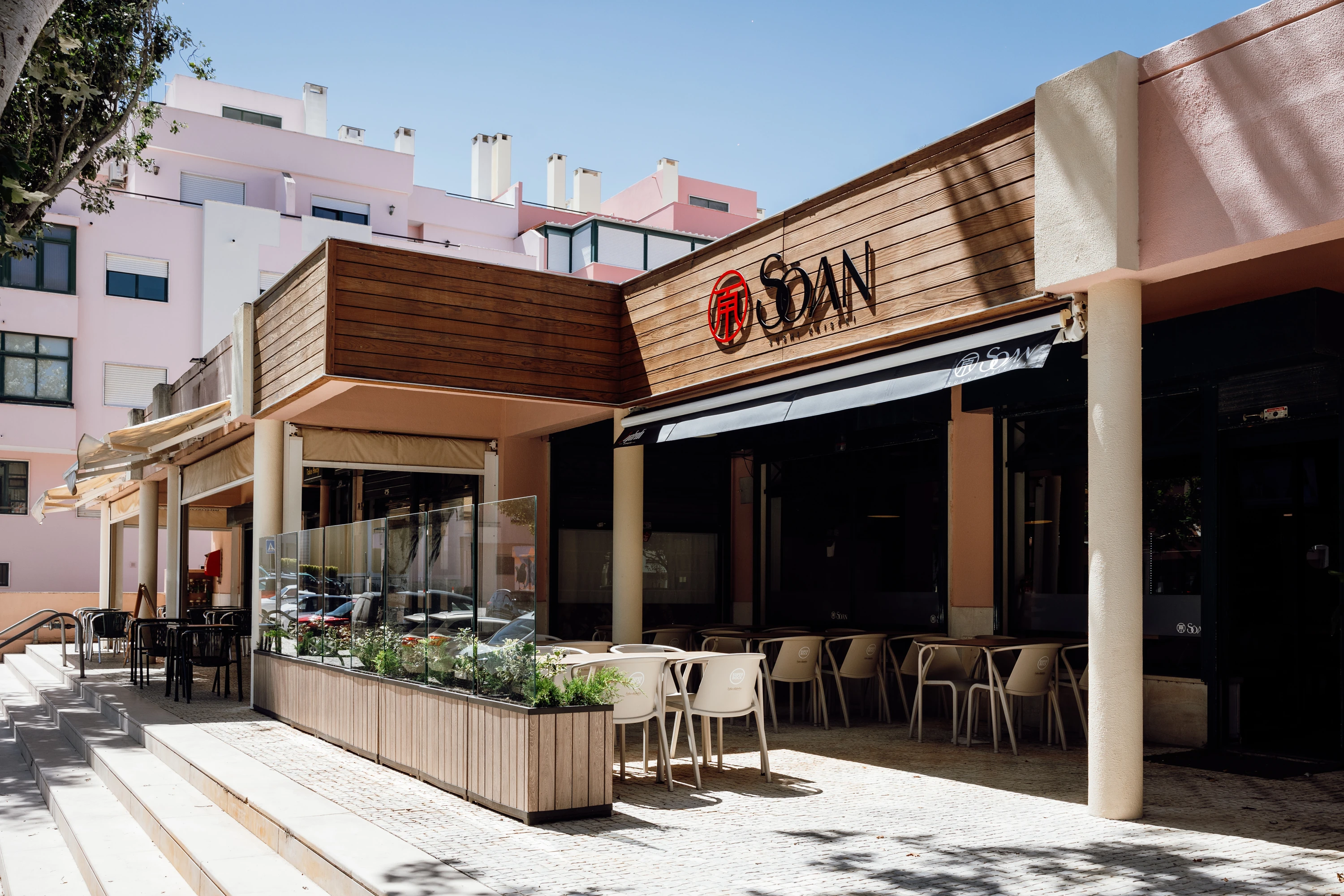
Opened at the end of May, the space was designed to forego empty visual spectacle and return the spotlight to what truly matters: the produce. At a time when the Asian dining scene is flooded with sweet sauces, elaborate garnishes, and deep-fried pieces, Soan offers clean, precise cuisine that deeply respects its raw ingredients.
For Raíssa Lebrão and her husband and business partner, Marcos Rodrigues, Soan is no improvised venture, but the fulfilment of a long-held ambition. The couple’s journey in hospitality began in the world of sushi, back when Marcos managed the former Nozomi in Alcântara. Later, the business was sold to make way for The Bull, a steakhouse that firmly established itself by the Carcavelos roundabout, near Nova University.
However, their passion for Japanese gastronomy never faded. During the years they served aged steaks, regular patrons repeatedly asked the same question: when would they bring back sushi? So, when the opportunity arose to acquire a new venue in the area, the answer was immediate. The close proximity to The Bull and a loyal customer base along the Cascais line made Carcavelos the natural choice to launch this new concept centred on the kaiseki tradition.
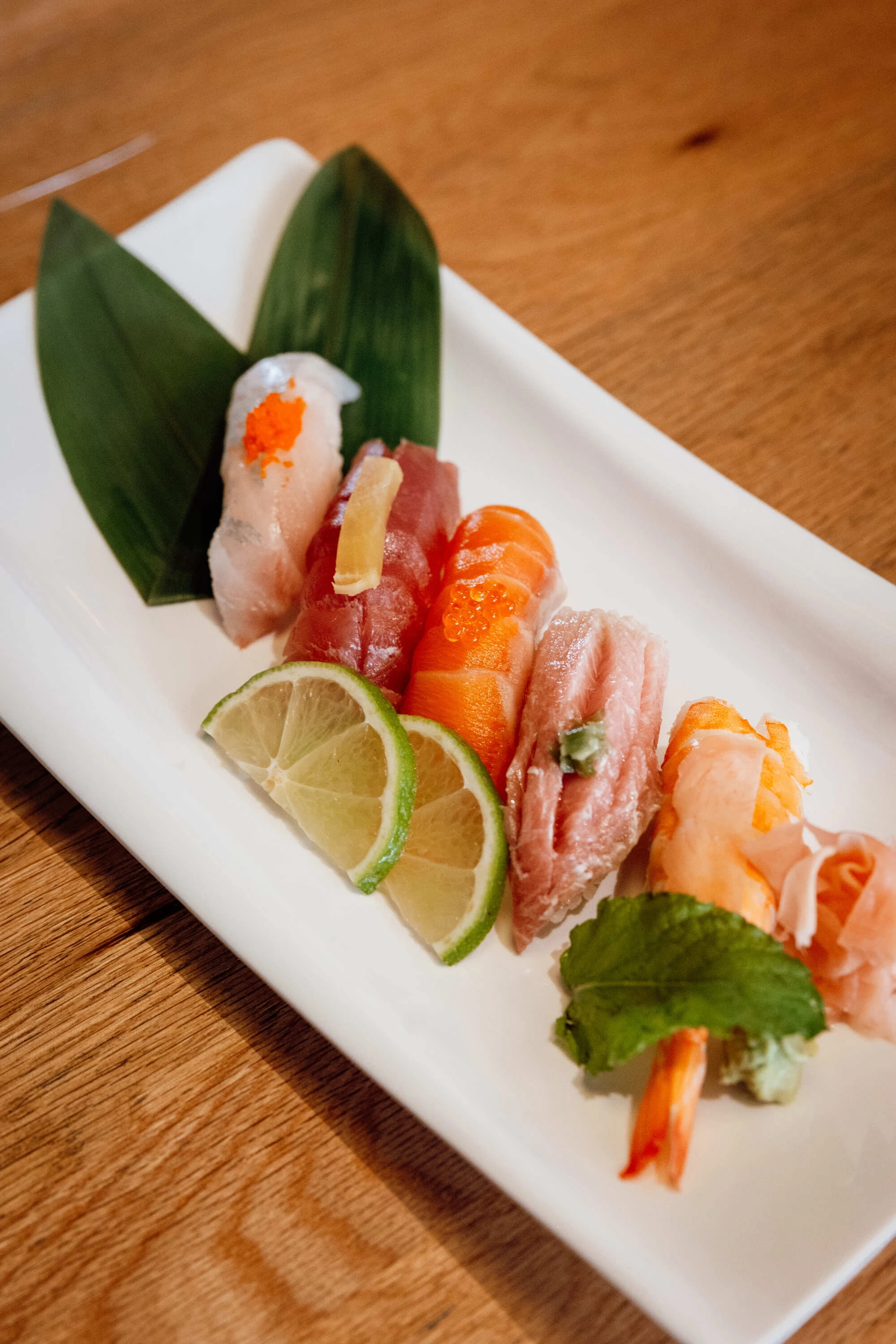
Standing out in the market requires the courage to do less, but better. “The aim isn’t to impress with ornamentations, but to offer the genuine taste of the sea,” explains Raíssa. The kitchen at Soan blends the subtlety of traditional sushi with subtle fusion touches, keeping every piece clean and balanced.
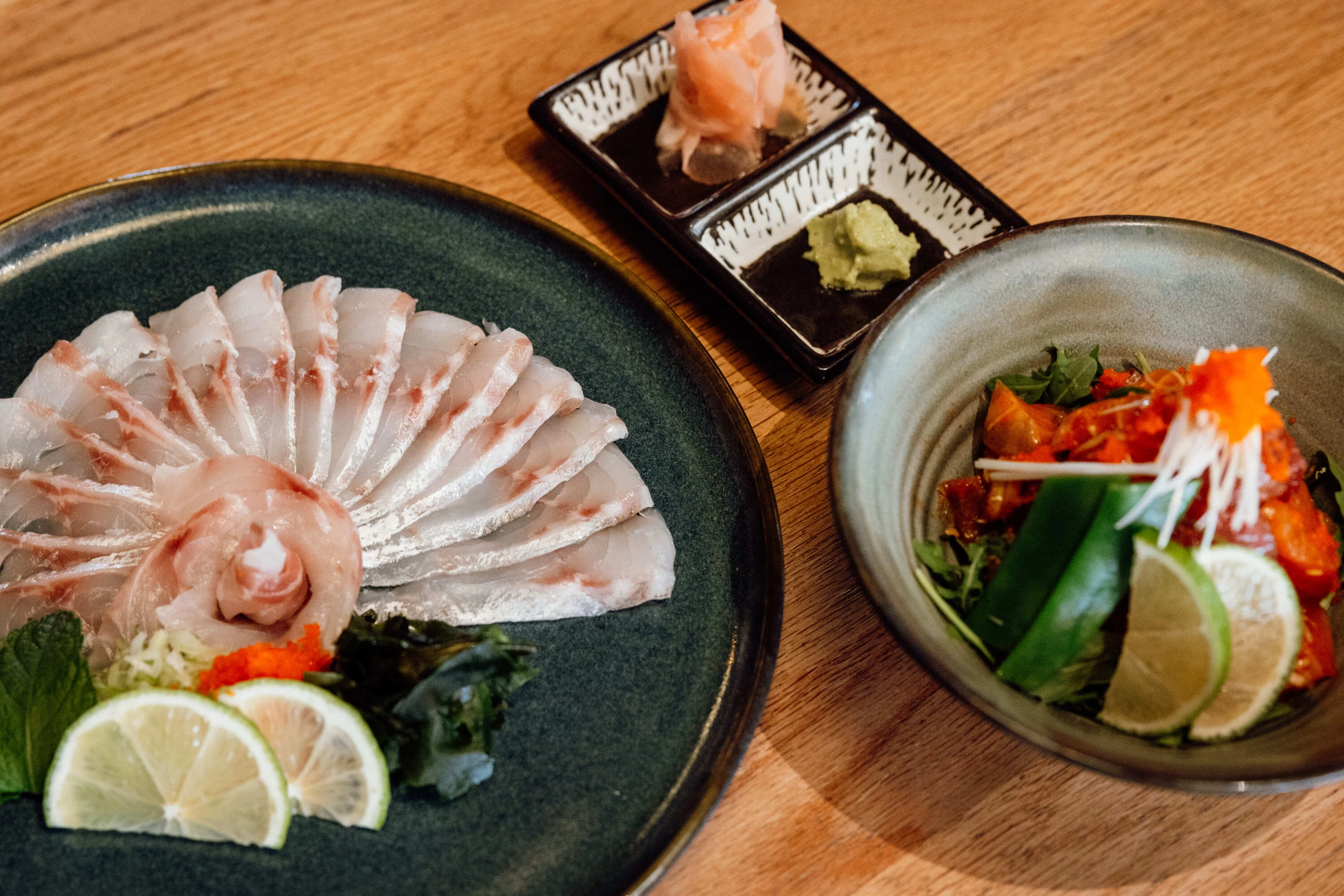
Here, fresh fish is the undisputed star. The house sets, such as the Nagomi (22 pieces) or the Kizuna (44 pieces), avoid deep-fried options or heavy blowtorching, choosing instead a daily rotation that features two to three types of white fish, alongside premium selections of tuna and high-grade salmon. The goal is to allow diners to appreciate the texture, precise knife work, and absolute freshness of each species.
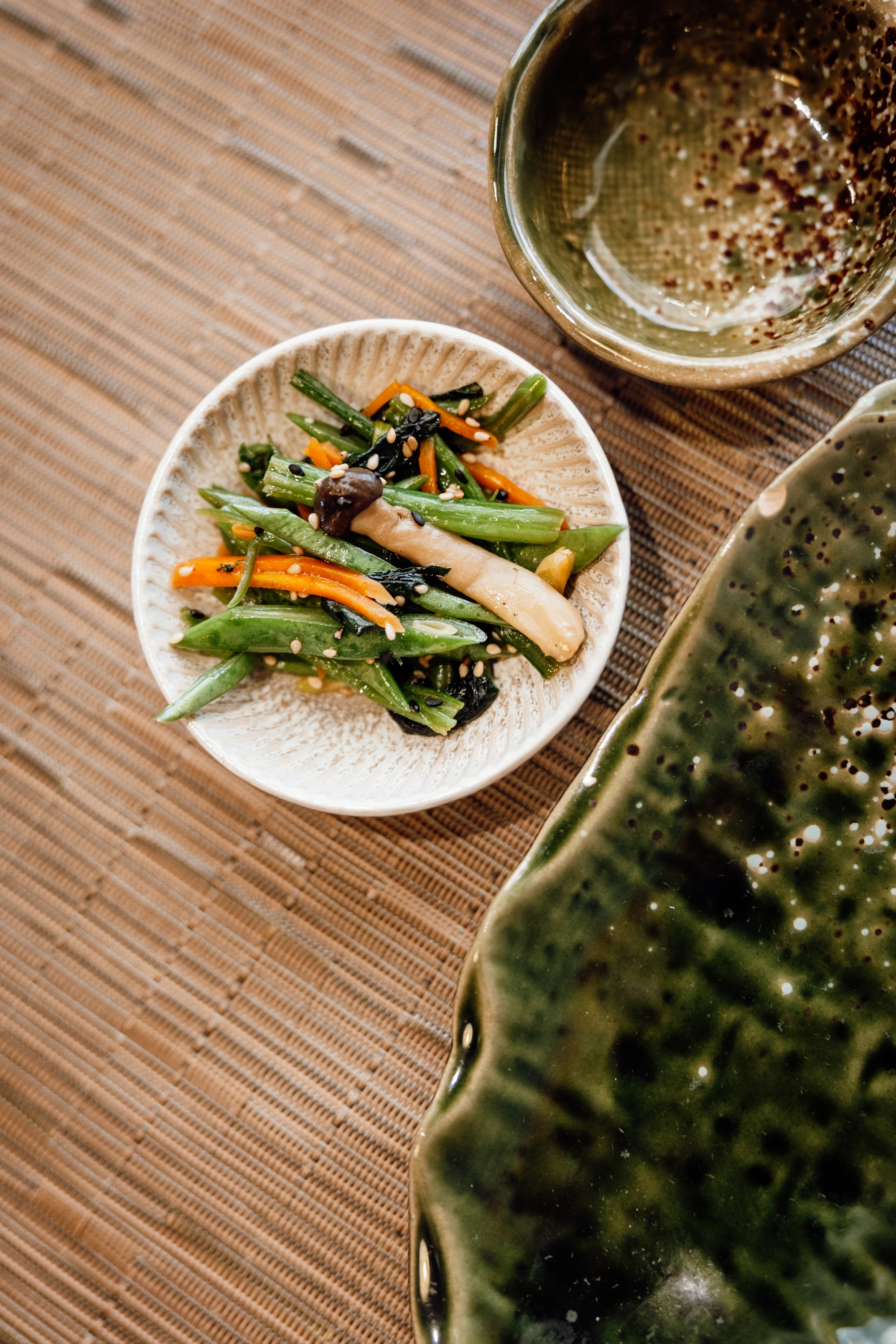
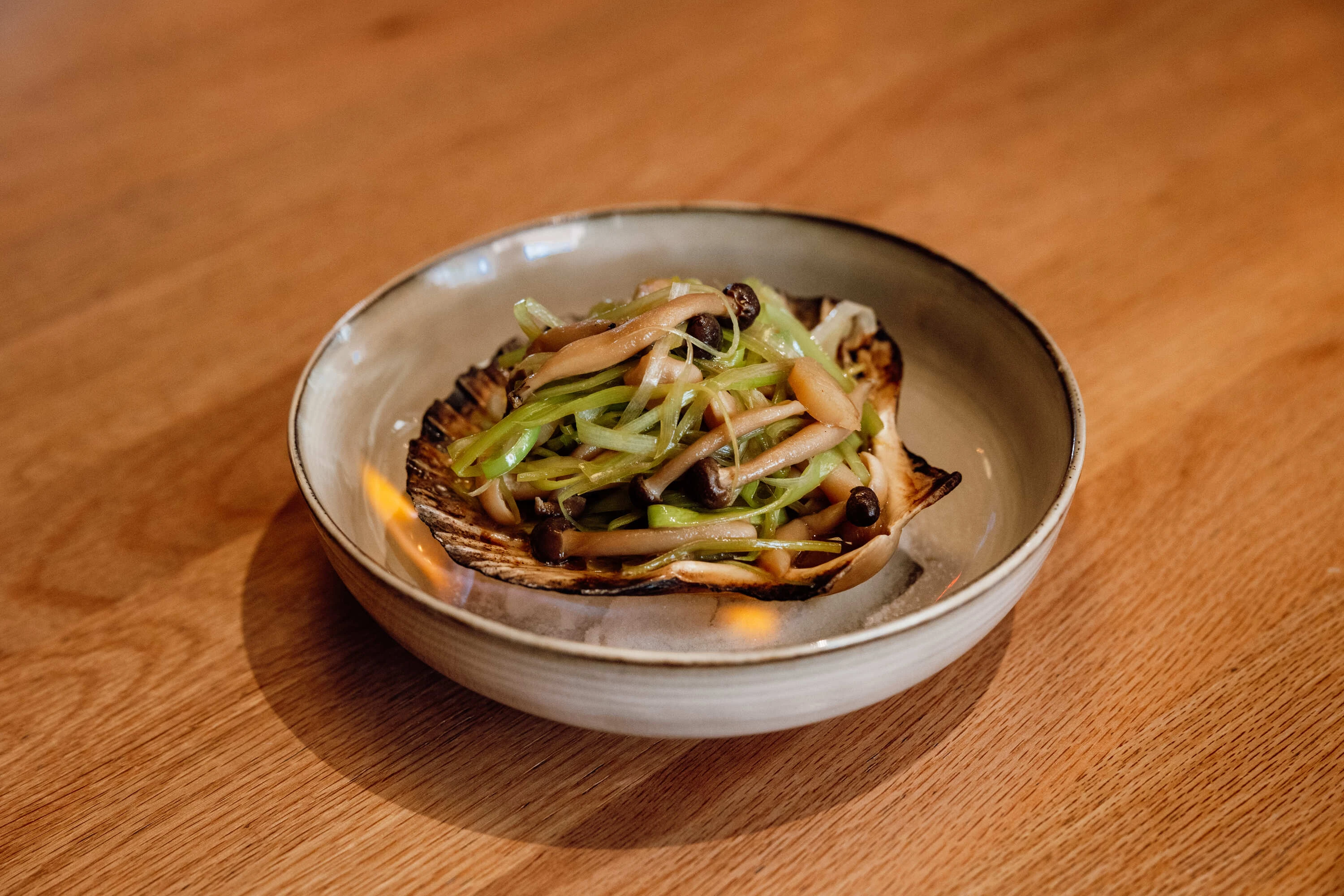
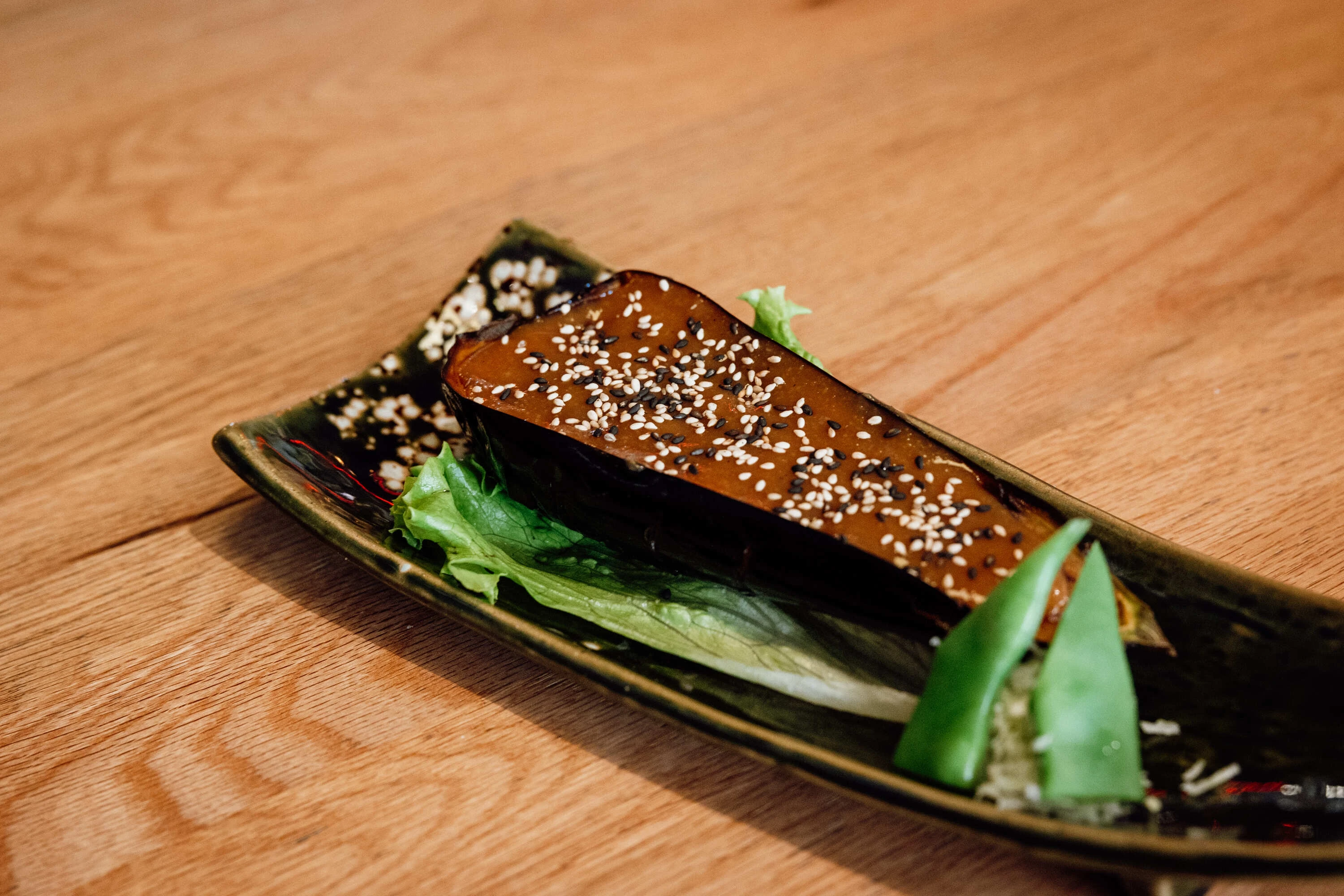
For starters, the menu offers options such as the Kimuchi Special (€11.90), combining diced salmon and tuna tossed in a balanced kimuchi sauce with leek, spring onion, and sesame seeds; the traditional white fish ceviche (€13.90); and thinly sliced salmon carpaccio with ponzu dressing. Among the hot dishes, the sautéed scallops with shimeji mushrooms and leek (€11.90) and the delightful Natsu Dengaku (€7.90) – roasted Asian aubergine topped with miso glaze – have become fast favourites among guests.
Designed both for quick business lunches and unhurried dinners, Soan offers a weekday set lunch menu (between €14.90 and €16.90) that includes miso soup, a drink, and options like a 15-piece sushi and sashimi combo, Tori Karaage (Japanese fried chicken), or grilled salmon. For a complete immersion, the tasting menu (€18.90 at lunch; €25.90 at dinner and on weekends) guides guests through a sequence of starters, sushi and sashimi platters, and hot rolls.
To pair with the meal, the drinks list features Japanese beers such as Sapporo and Asahi, a curated selection of Portuguese wines, and sparkling wines. The meal concludes with Japanese classics or original creations, highlighted by the ice cream tempura with homemade berry compote (€5.90), traditional mochis (€5.90), and, for those with a sweet tooth, the "pijaminha" (a sharing platter combining all dessert options for €16.90).
R. Ilha das Flores, 62c (Carcavelos). Mon-Sun 12.00-15.00; 19.00-23.00
More news: keep up with the latest news from Cascais
Discover Time Out original video