[category]
[title]
Founded by visual artist Teresa Braula Reis, this after-school studio lets children explore the world of art and, above all, get their hands messy.

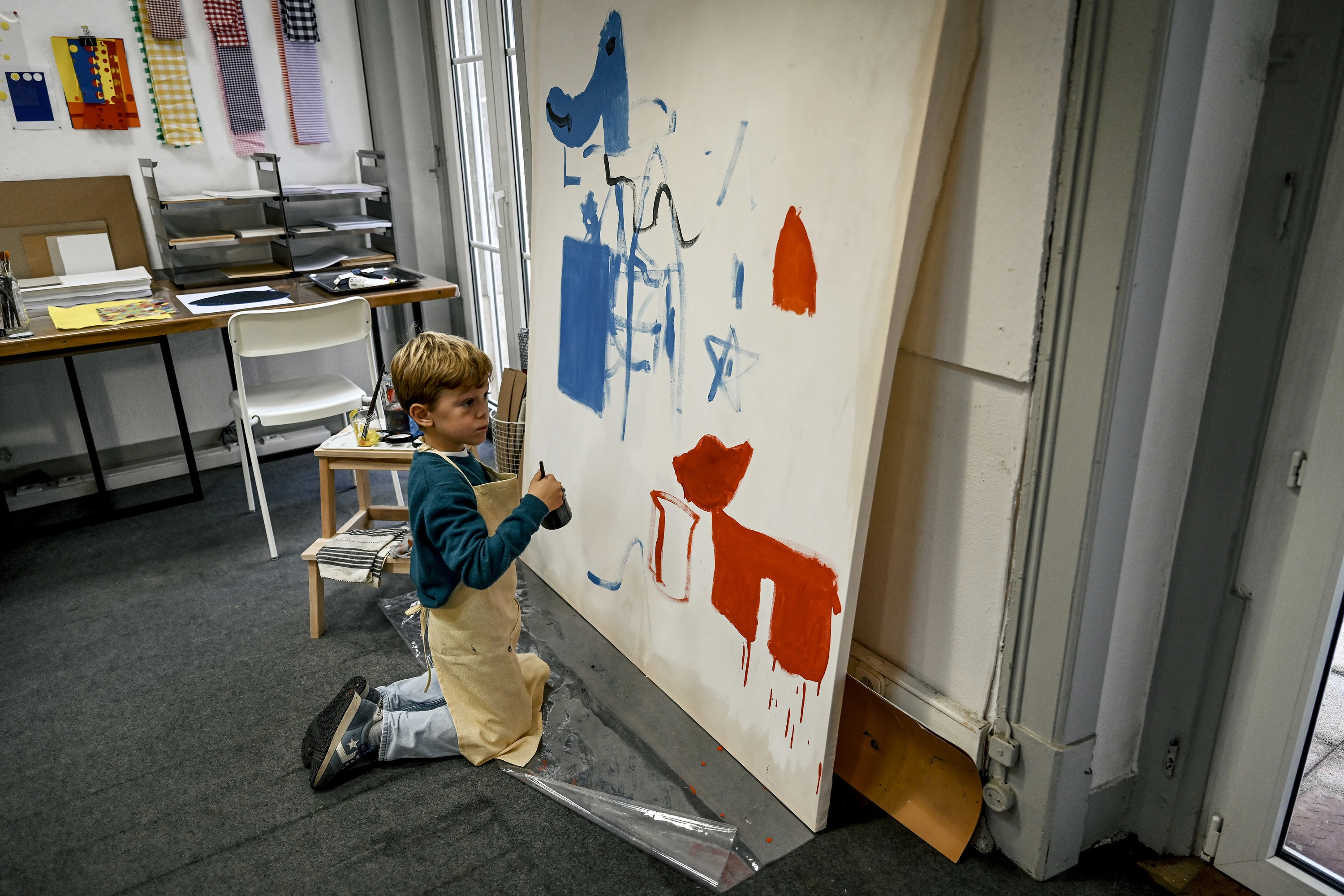
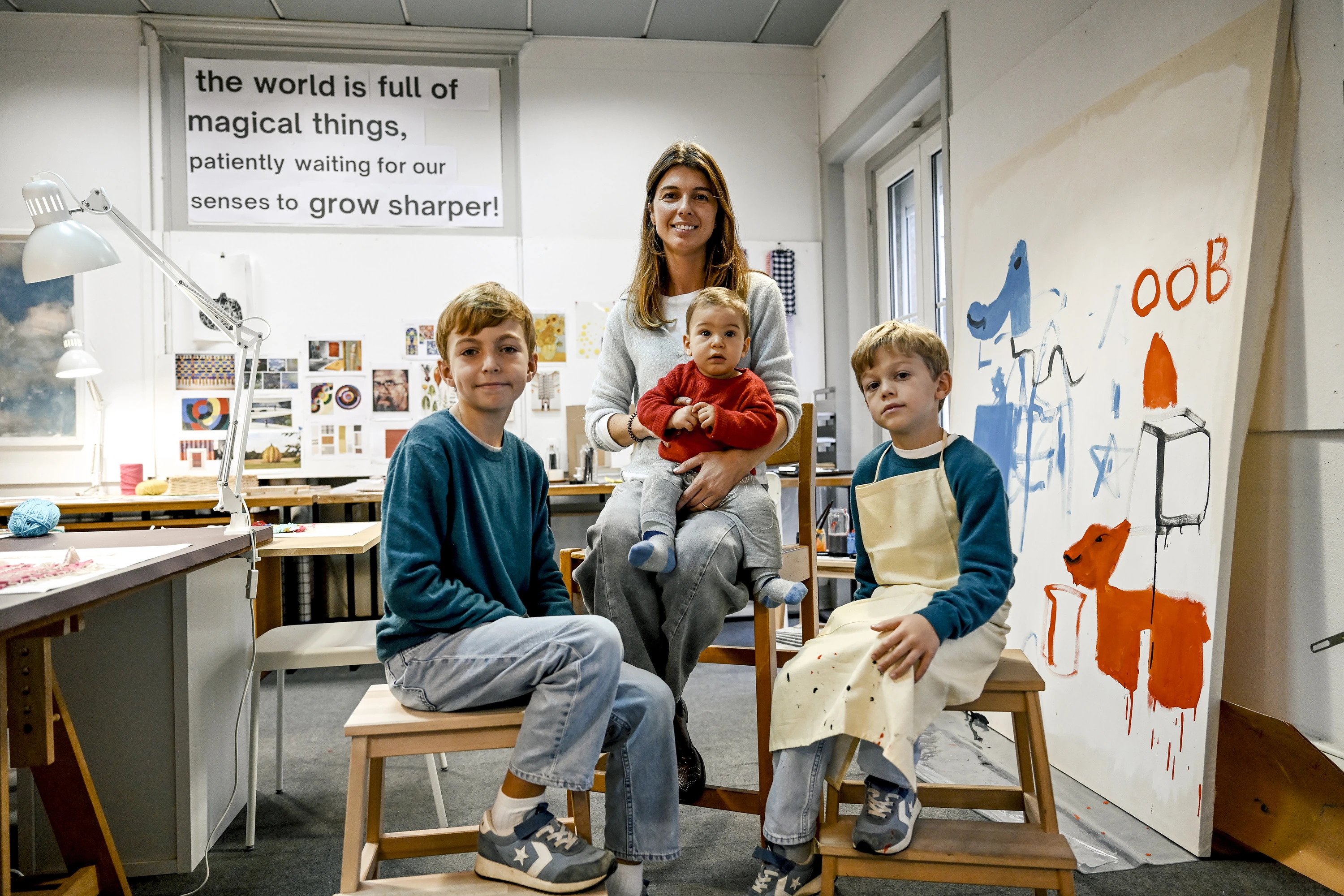
What is the very first thing you do upon arriving at O Atelier? "Put on your smock", visual artist Teresa Braula Reis, the founder of the project, reminds her students. It is a simple gesture, yet it marks the threshold into a space where children are treated as bona fide artists and creative freedom speaks louder than any rigid formula.
Operating as an extracurricular art school for children, the studio grew out of the intersection between its founder’s artistic practice, her teaching experience, and the storied history of the building that houses it.
Trained in Fine Arts, Teresa spent years devoted exclusively to studio production and exhibitions between Lisbon and Los Angeles before taking a two-year sabbatical in Asia with her husband and three children. It was in Bali, Indonesia – while volunteering with a foundation supporting vulnerable children – that she discovered the profound impact of art in childhood: "I was struck by how it challenged those kids and by the personal growth it sparked in them", she recalls to Time Out Cascais.
Upon returning to Portugal, where she also runs a weekly art club at St. James School, she decided to reclaim a family-owned space where she had once kept her very first studio during her university years. The building holds decades of history – tied not only to architecture, but also to the Portuguese revolution, having hosted a historic meeting of the Armed Forces Movement ahead of the 25 April Carnation Revolution. Today, the house enjoys a new lease of life dedicated to younger generations.
For Teresa, the project rests on the conviction that artistic experience is vital to human development. Believing it is largely sidelined within mainstream Portuguese schooling, she decided to build an alternative with her own hands.
At O Atelier, conventional rules and the rigid, four-walled frameworks of traditional classrooms are cast aside, fostering an easy familiarity with artistic expression from an early age. "Adults often feel uncomfortable with artistic expression because they were never immersed in it", Teresa explains, highlighting the contrast with countries where cultural engagement starts in childhood and the lasting effect that produces. "That kind of stimulation nurtures a creative generation. It doesn’t happen in Portugal because young people rarely have meaningful contact with art".
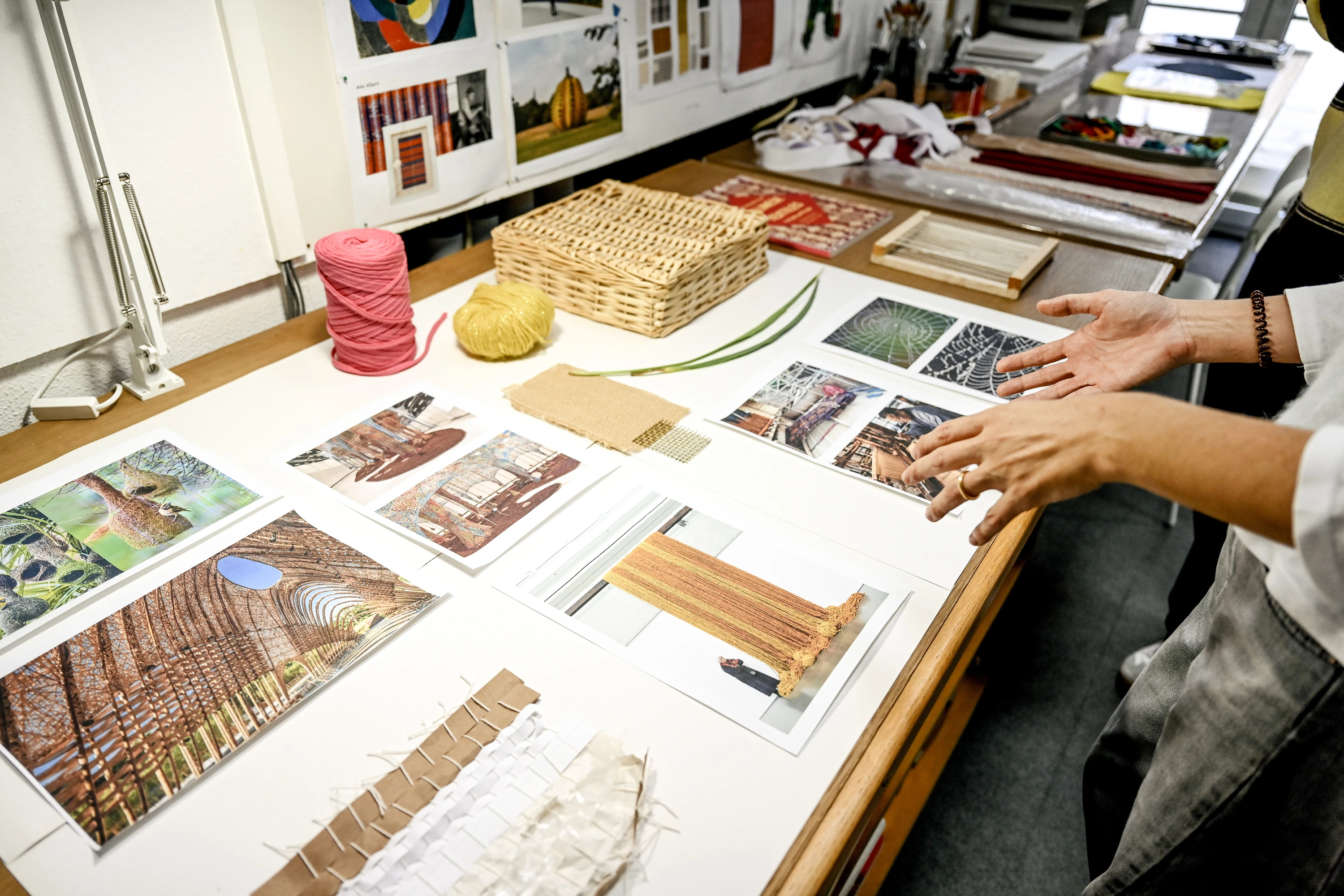
To counter that reality, the solution is to treat young learners as peers – introducing students to artists, architects, professionals across disciplines, and major creative references. Teresa brings her pupils into direct dialogue with the work of influential figures such as Yayoi Kusama, Sheila Hicks, and Ernesto Neto. Even if they do not yet grasp the broader context or historical weight of these artists, they feel instinctively spurred on and inspired to create.
Nurturing visual thinking, manual dexterity, and, above all, autonomy lies at the heart of the studio. "They need the power of choice and decision-making, because that builds confidence, independence, identity, and a voice of their own", argues the founder, adding that "an intimate familiarity with artistic expression is essential".
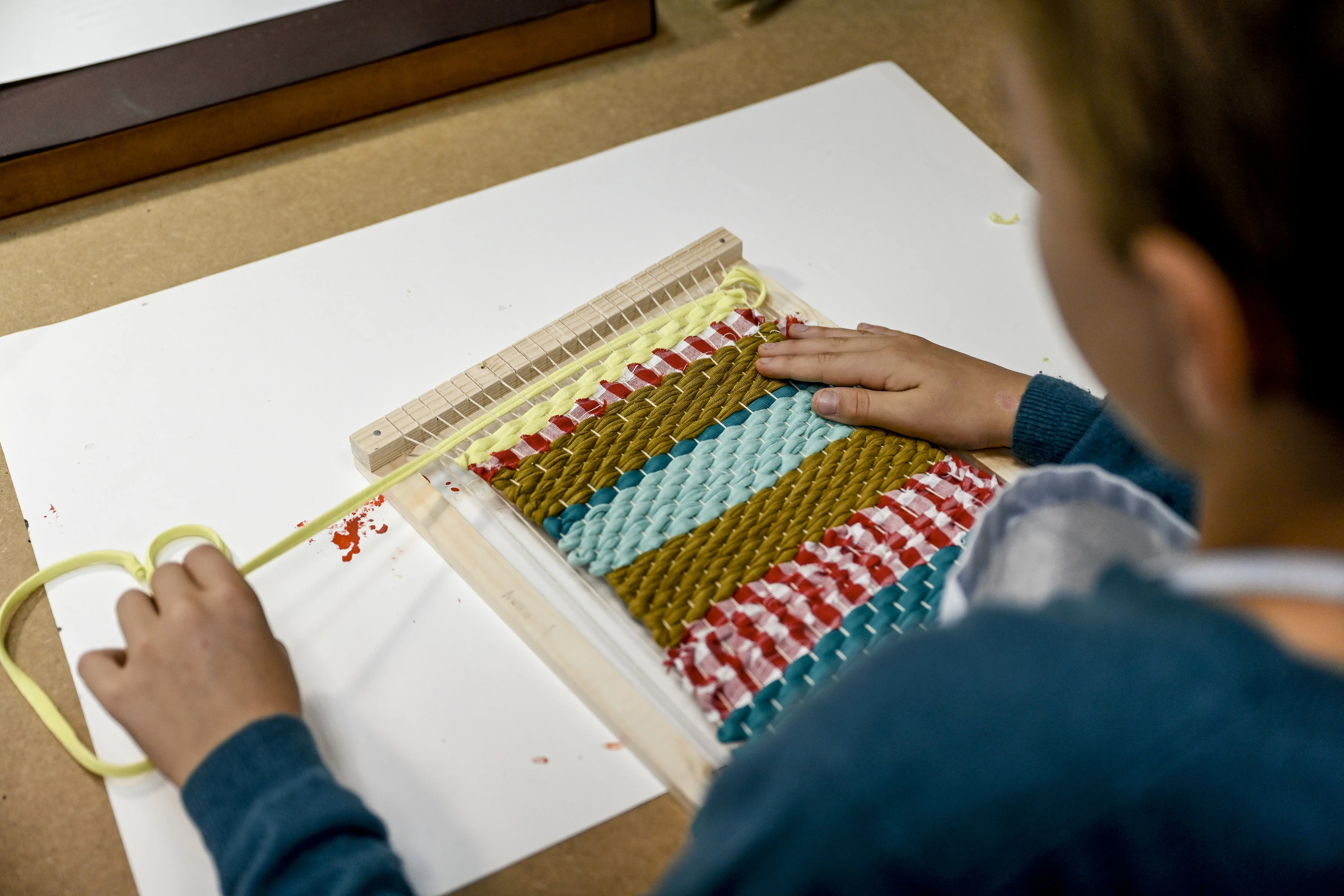
And in keeping with bucking modern trends, the studio actively encourages children to observe the physical world away from screens. How? By immersing them in hands-on crafts such as weaving, alongside observational exercises. "Asking children to draw a carrot from memory versus placing a real carrot in front of them and asking them to draw what they see are two entirely different things", the artist notes. "Everything here is designed to stimulate their senses".
Currently, O Atelier operates on a termly basis – following the three terms of the academic calendar – with weekly 90-minute after-school sessions for small groups of up to eight children, ensuring close, tailored guidance. Fees are paid per term, ranging between €285 and €295 per period, inclusive of all materials and specialist tuition.
Each module begins just as it would in a working artist’s studio: gathered around a reference table where childhood favourites like The Very Hungry Caterpillar sit alongside Van Gogh’s Twelve Sunflowers in a Vase. This sparks questions, connections, and critical thinking well before anyone picks up a brush.
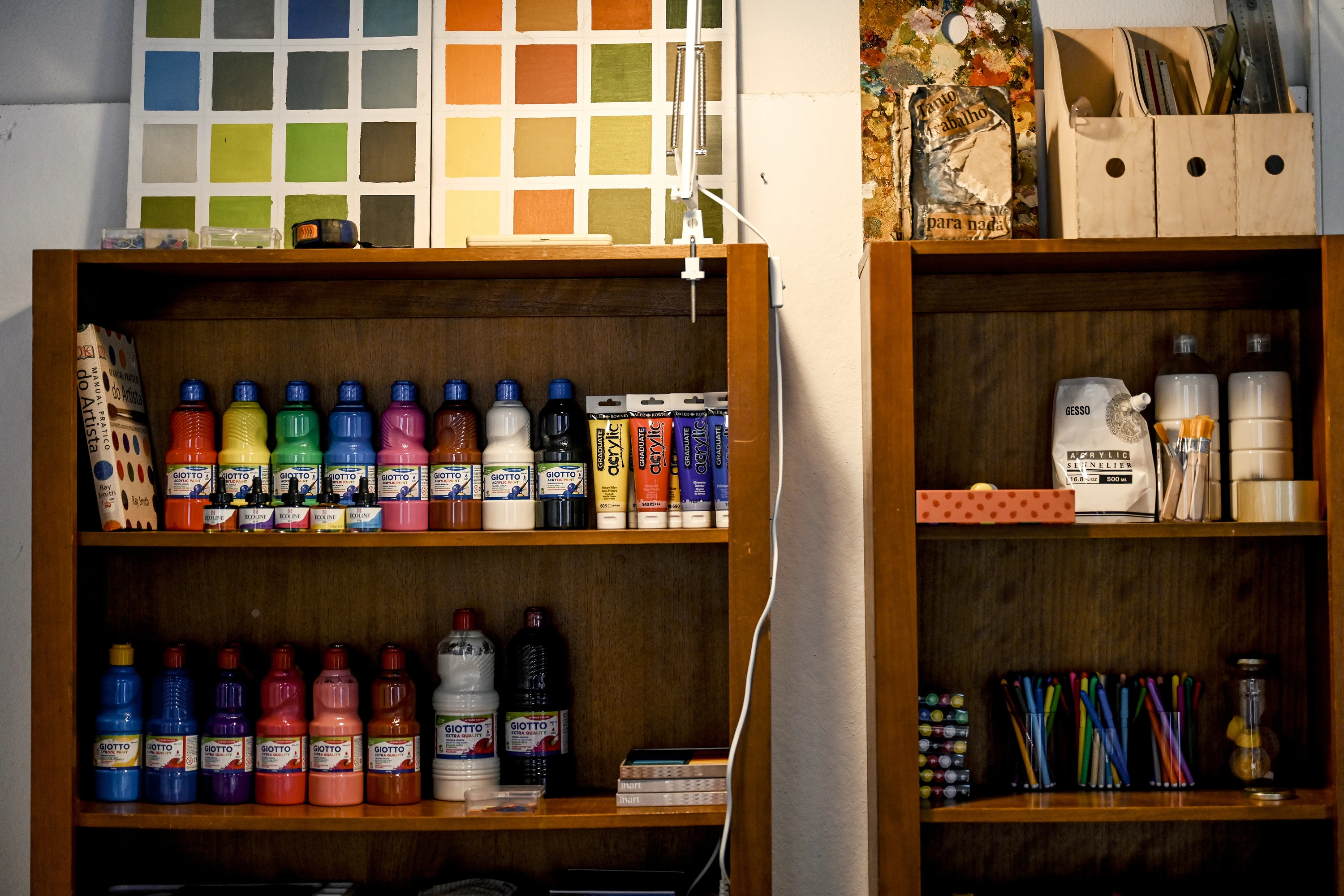
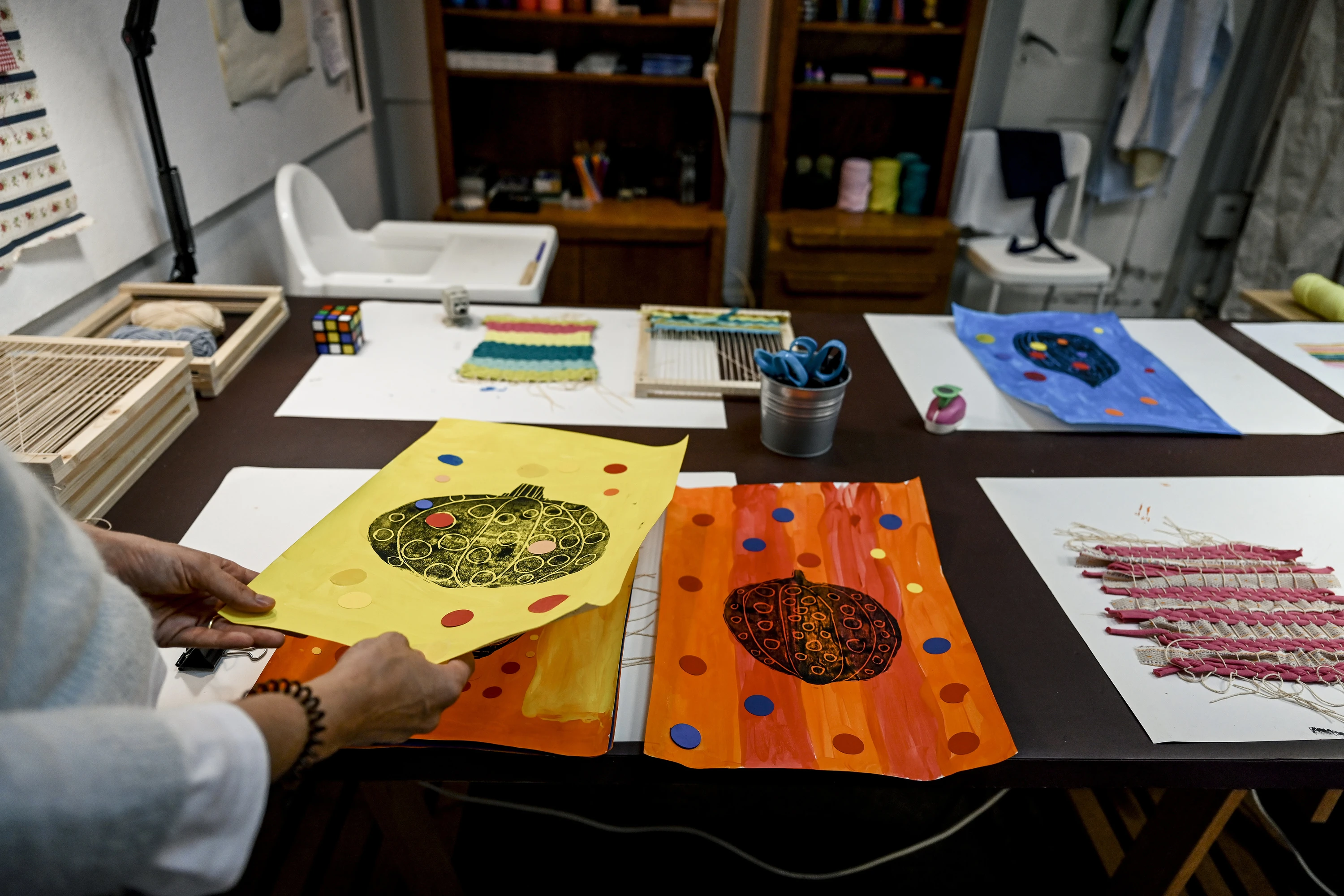
After exploring circles and repetition – inspired by Yayoi Kusama’s pumpkins – alongside EVA foam printmaking and handloom weaving, students also learn clay modelling and observational drawing, following a curriculum that weaves together painting, collage, printmaking, and sculpture.
Looking ahead, Teresa plans to open new classes, expand her team, and launch occasional weekend workshops for families so parents and children can share the creative process side by side.
One day, she hopes to evolve O Atelier into an even more open, multidisciplinary hub, hosting visiting practitioners and informal talks on education, art, and creativity – all without ever losing sight of the ethos that gave the project its name. "What I want is for this to always remain a true studio – a place for experimentation, testing, making mistakes, and giving physical shape to ideas that started in our imagination".
Cascais. oatelier.club. IG: oatelier.club
Discover Time Out original video