[category]
[title]
Discover when to see the 2026 partial solar eclipse and Perseid meteor shower in Montreal, including viewing times, eye-safety tips and upcoming celestial events.


Montrealers are in for a celestial treat.
On Wednesday, August 12, 2026, the skies will put on a spectacular celestial show as a total solar eclipse sweeps across parts of the globe.
While the full, dramatic spectacle of totality will be visible only from parts of Greenland, Iceland and Spain, Quebec and much of Canada will still get a front-row glimpse of the event as a partial solar eclipse.
Read: A massive meteor lit up skies visible from Montreal—and its sonic boom shook buildings
The eclipse will begin its journey when the Moon’s shadow touches Earth in northern Russia before racing westward across the Arctic Ocean and Greenland. From there, the path of totality will cross Iceland from north to south before reaching northern Spain.
The Moon’s shadow will eventually disappear over the Mediterranean, between the Balearic Islands and Sardinia. At its widest point, the path of totality will stretch approximately 319 kilometres across. While Montreal won’t experience totality, a partial solar eclipse will be visible across Quebec and other parts of Canada.
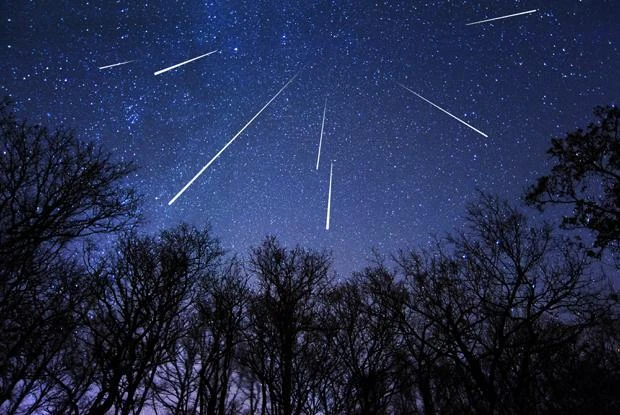
The best part? The eclipse is taking place alongside the peak of the Perseids meteor shower.
The partial solar eclipse begins at 12:50 p.m., peaks at 1:45 p.m., and ends at 2:38 p.m
Start time: 12:50 p.m.
Maximum coverage (18.3%): 1:45 p.m.
End time: 2:38 p.m
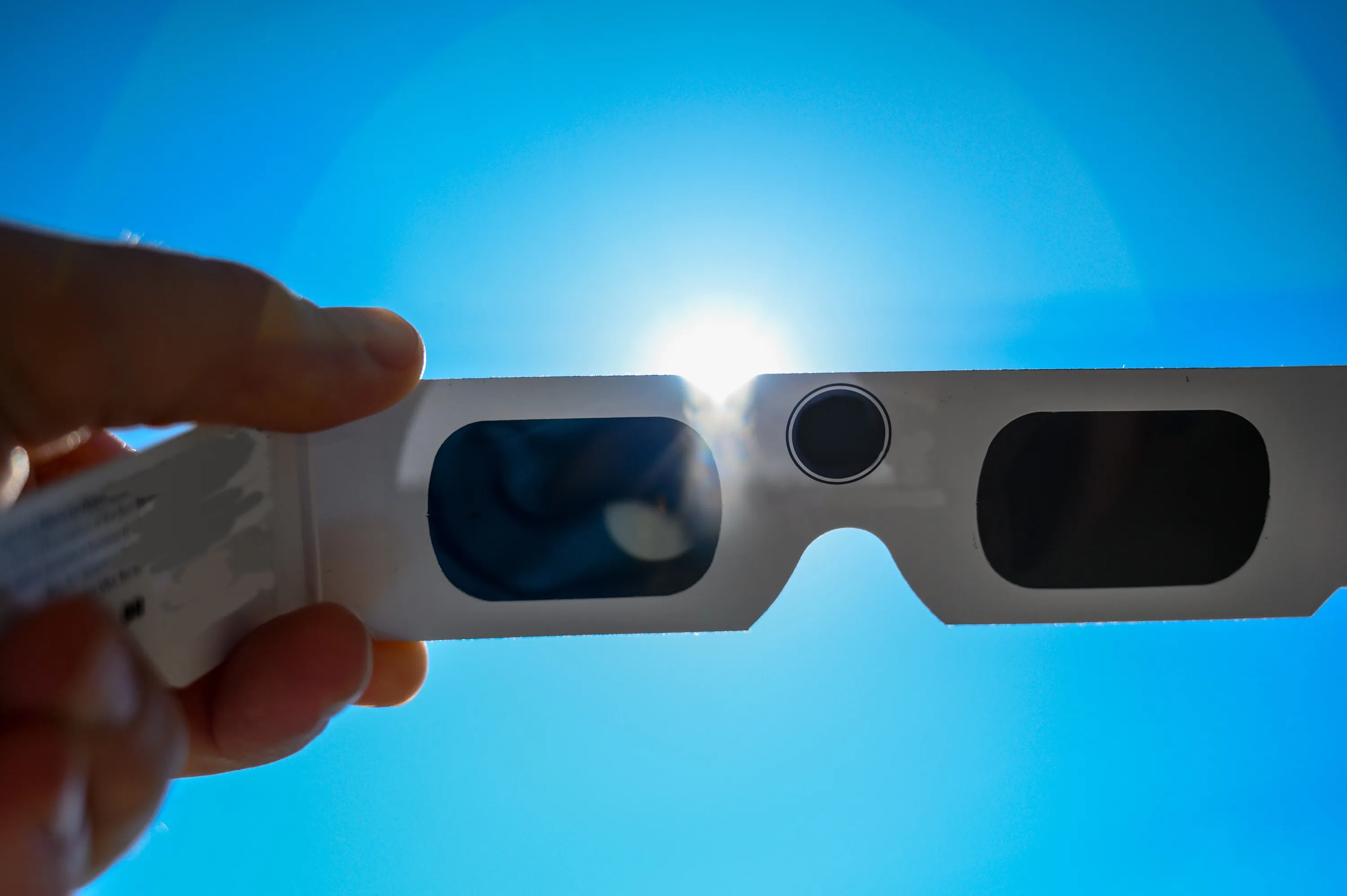
Watching a solar eclipse requires a little preparation—most importantly, protecting your eyes. Even when the Moon passes in front of the Sun, intense sunlight remains visible around it and can damage the retina, the light-sensitive tissue at the back of your eye.
On an ordinary day, the brightness of the Sun makes it difficult to look directly at it for more than a moment. During an eclipse, however, the reduced light can make it seem safe to look up. It isn’t. The Sun’s rays remain powerful enough to cause serious eye damage, even when most of the Sun is covered.
The only exception is during the brief period of totality, when the Moon completely blocks the Sun. It is safe to look at the fully eclipsed Sun with the naked eye only during totality—and only while the Sun is completely covered. As soon as any part of the bright Sun reappears, proper eye protection is essential.
So how can you enjoy the spectacle safely? Use certified eclipse glasses, view the eclipse indirectly with a simple pinhole method, or use a projector to watch the Moon’s shadow move across the Sun without looking directly at it. And no, regular sunglasses—even very dark ones—are not safe for viewing a solar eclipse.
Time Out Tip: The Montreal Planetarium is not organizing a public gathering, but telescopes equipped with special filters will be available to the public.
Perseids Meteor Shower: Peaking tonight between 3:30 p.m. and 10:00 p.m.
Partial Lunar Eclipse: Coming up on the night of August 27–28, 2026
For more information about the solar eclipse, click here.
RECOMMENDED:
Full guide to the best things to do in Montreal
Discover Time Out original video