[category]
[title]
They’ve been recognised for having ‘preserved their architectural integrity, local traditions, and a distinct way of life for centuries’


Italy is a place of immense beauty, be it the sampietrini-paved streets of Rome, the craggy Puglian coastline or the rustic little villages that sit peacefully atop lush hills or tucked sleepily away in valleys.
Since 2002, non-profit association I Borghi più belli d’Italia (which translates to ‘Italy’s most beautiful villages’) has been evaluating borghi and awarding certification to ones that Guide To Italy describes as having ‘preserved their architectural integrity, local traditions, and a distinct way of life for centuries’.
Thirteen villages were added to the list in 2025, and seven more have been announced for 2026 – five permanent additions, plus two ‘guests’, places granted recognition for two years but whose populations exceed the 15,000 limit.
Recommended: Locals in this European town are campaigning to revoke its UNESCO status – here’s why.
So, which pretty Italian villages have received the official stamp of recognition?
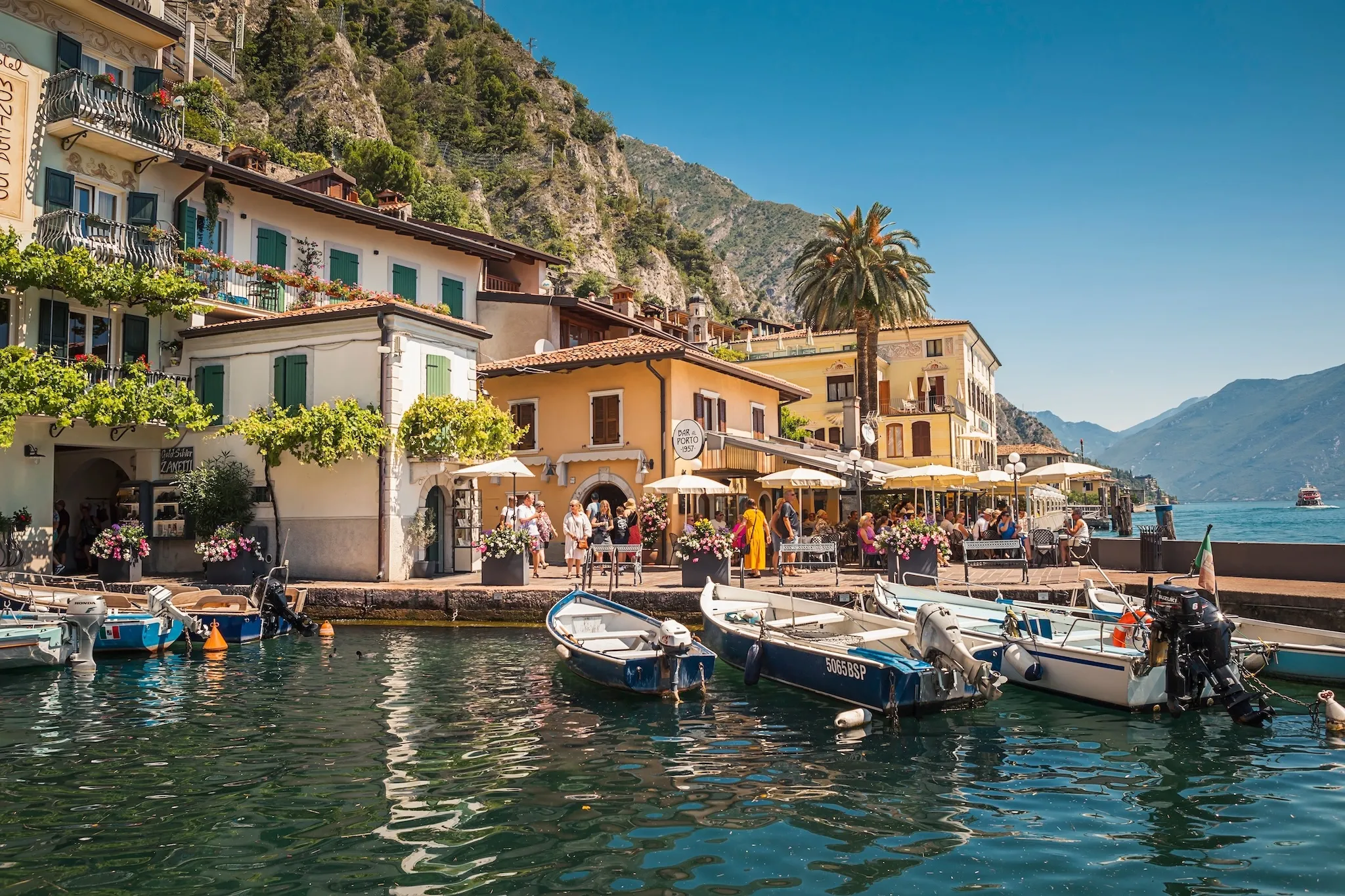
The first is Limone sul Garda, an enclave on the western shores of Lake Garda which is best known for its ‘limonaie’. These are traditional lemon greenhouses, which were, according to Forbes, built in the seventeenth century to protect the fruit from winter temperatures. The village was also only accessible by boat until 1932, but has since flourished into a summer resort – and lemons, oranges, and grapefruit are still grown at Limonaia del Castèl.
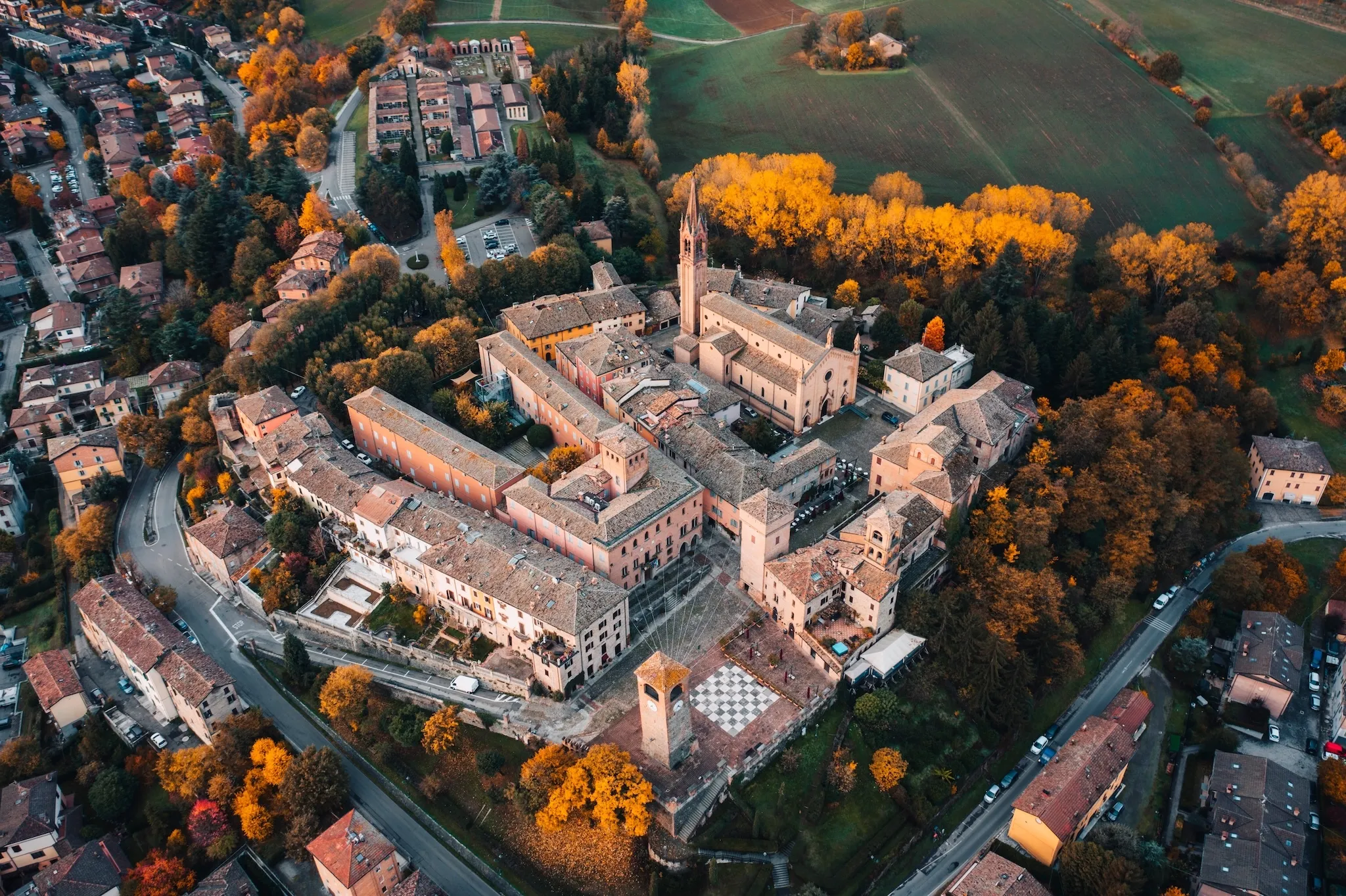
Castelvetro di Modena is where to go for scenic drama. It’s ‘the culinary heart of Emilia-Romagna’, surrounded by rippling hills and vineyards that produce Lambrusco Grasparossa, and it’s anchored by Torre dell’Orologio, a mediaeval clocktower which overlooks the central Piazza della Dama. If you’re a lover of balsamic vinegar or parmigiano reggiano (who isn’t?) add this place to your wishlist.
The other three permanent additions to the list are Pieve di Teco in the Ligurian hinterland; Cusano Mutri, a white limestone town in the Matese Regional Park; and Rivello, which is perched loftily overlooking the Noce Valley.
And we mustn’t forget the guests – Borgo Il Piazzo, which for centuries was an important hub for the production of cashmere, located in Biella; and Borgo Vecchio di Termoli, a hilltop citadel with sweeping Adriatic views in Molise (home to some of Italy’s narrowest streets).
Acquiring accreditation from this association is no walk in the piazza. There’s a rigorous selection process which evaluates a whopping 72 different criteria, including architectural and urban integrity, the quality of the environment and landscape and the quality of services and hospitality. Only villages which properly embody ‘la vera Italia’ – that’s ‘the real Italy’ – make the cut.
Did you see that an exhibition of rarely-seen Basquiat works opens this month at this Danish art museum?
Plus: This viral Italian destination is enforcing residents-only zones to clamp down on overtourism.
Stay in the loop: sign up to our free Time Out Travel newsletter for all the latest travel news and best stuff happening across the world.
Discover Time Out original video