

[image]
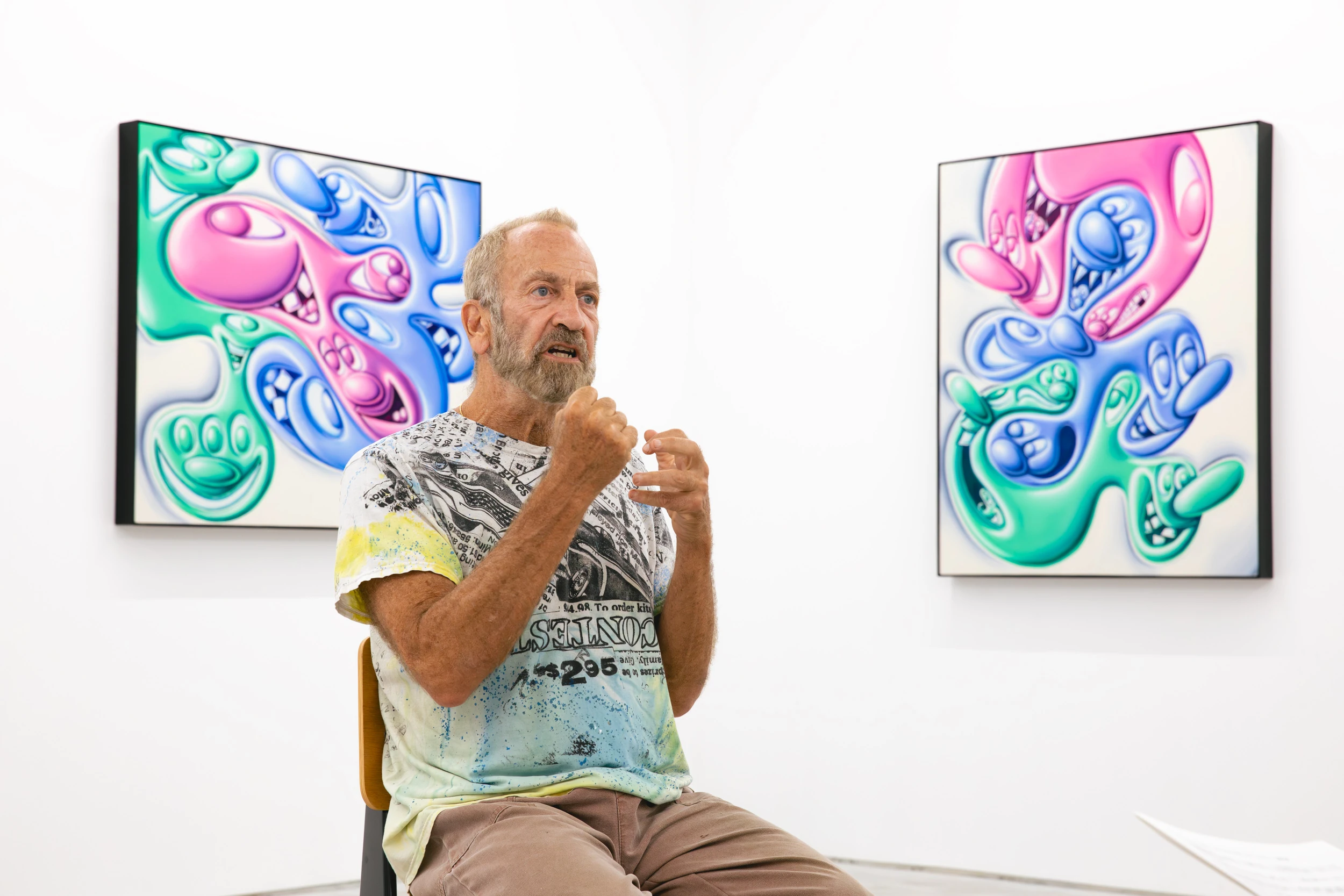
[title]Alongside Jean-Michel Basquiat and Keith Haring, Kenny Scharf was one of the artists who helped define the New York art scene in the 1980s, captivating audiences with a psychedelic world full of anthropomorphic, organic forms. His distinctive character-based visual language, with hyper-vibrant, expressive cartoon faces, has been recognised as a precursor to many trends in 21st-century pop art.
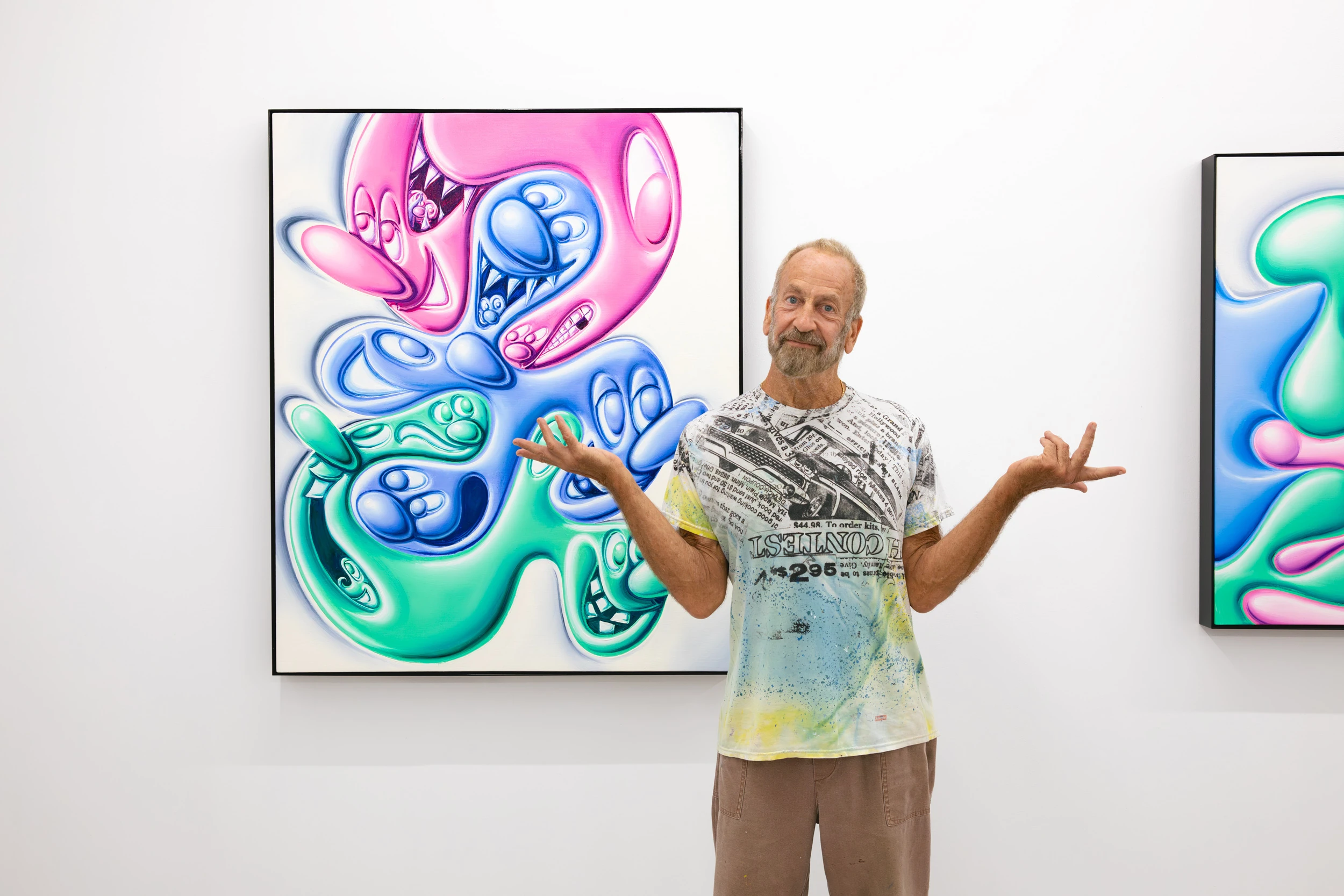
Scharf’s work can now be viewed in Tokyo, with Nanzuka Underground in Harajuku hosting the artist’s solo exhibition ‘Shimishimikao!’ until Saturday June 27.
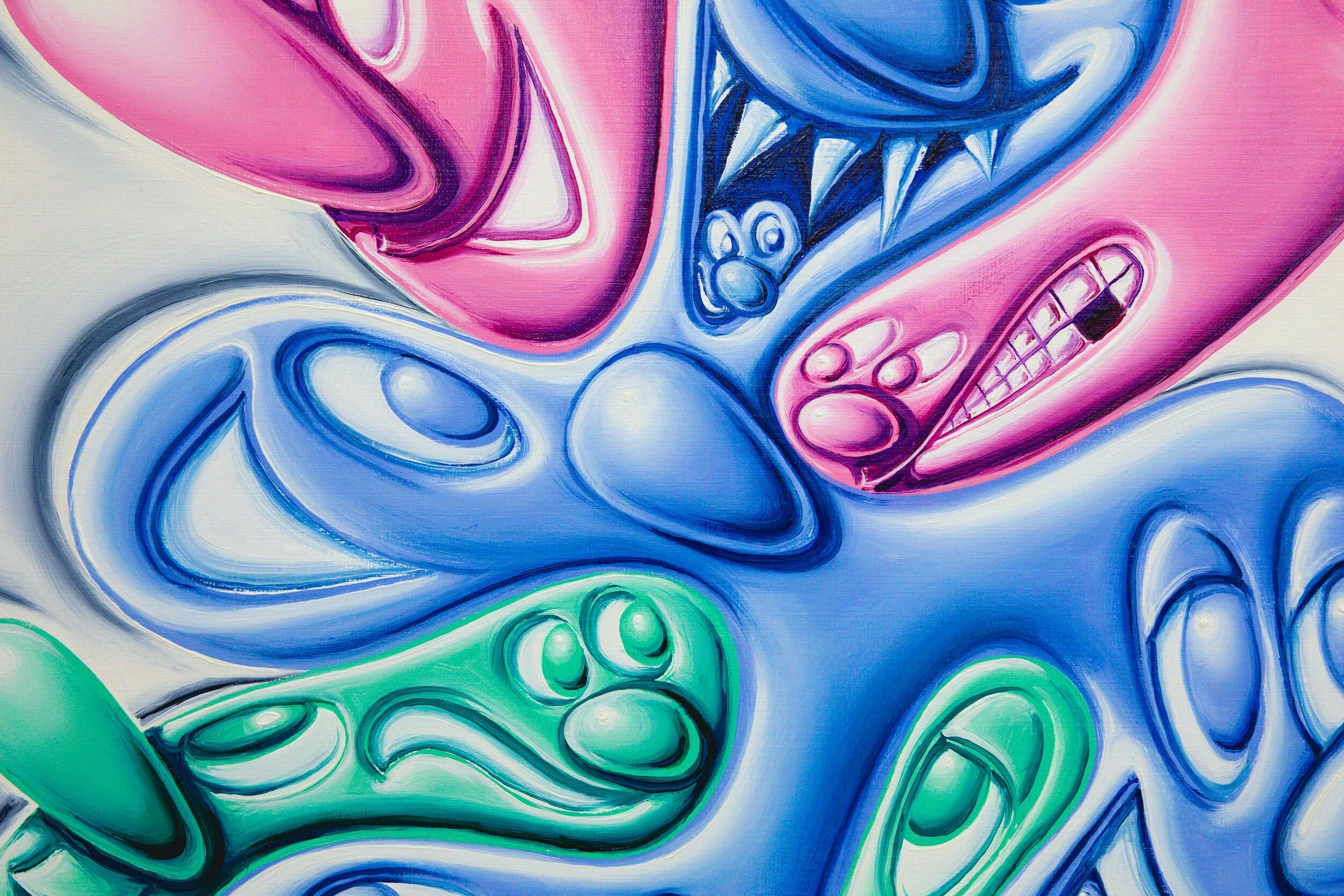
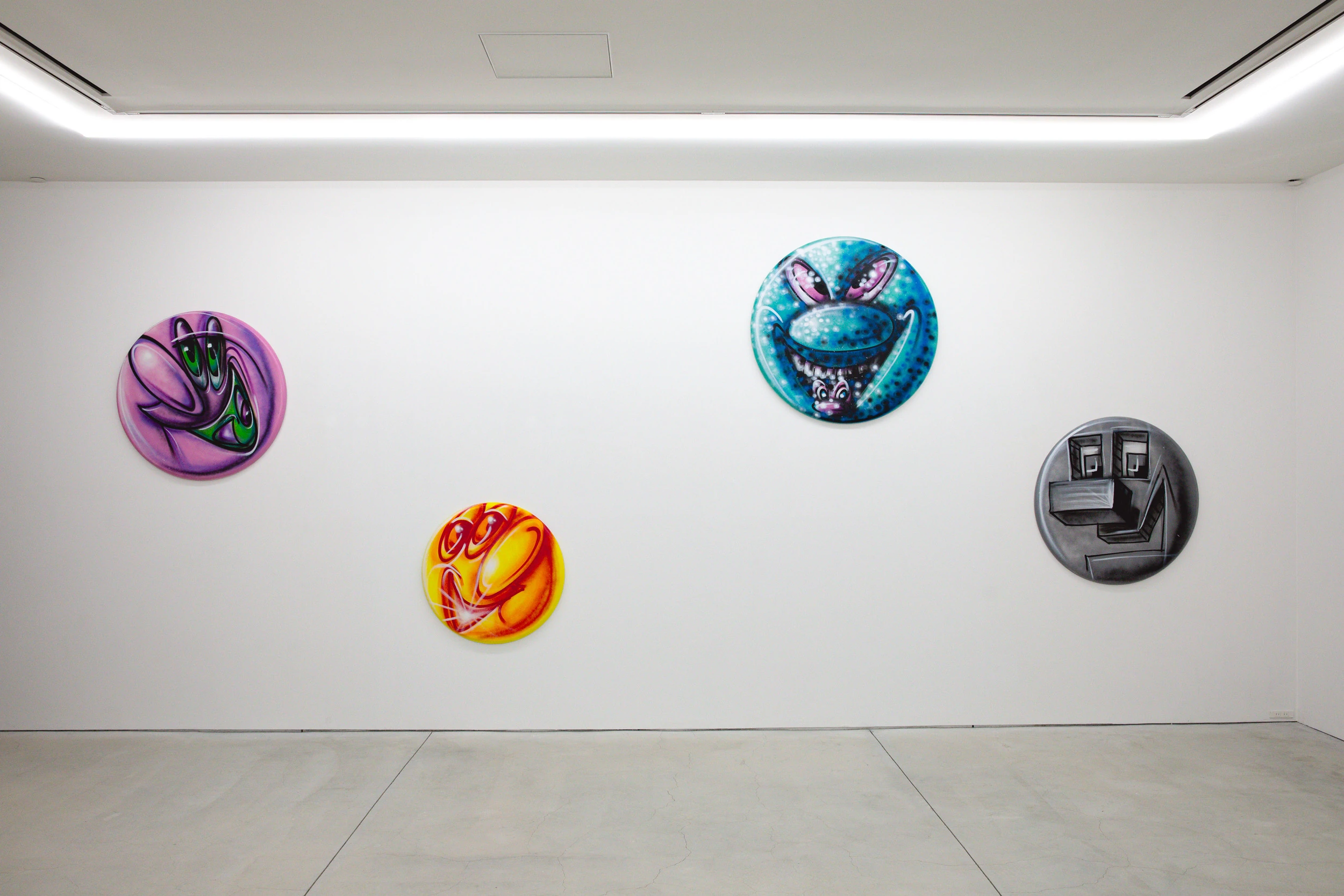
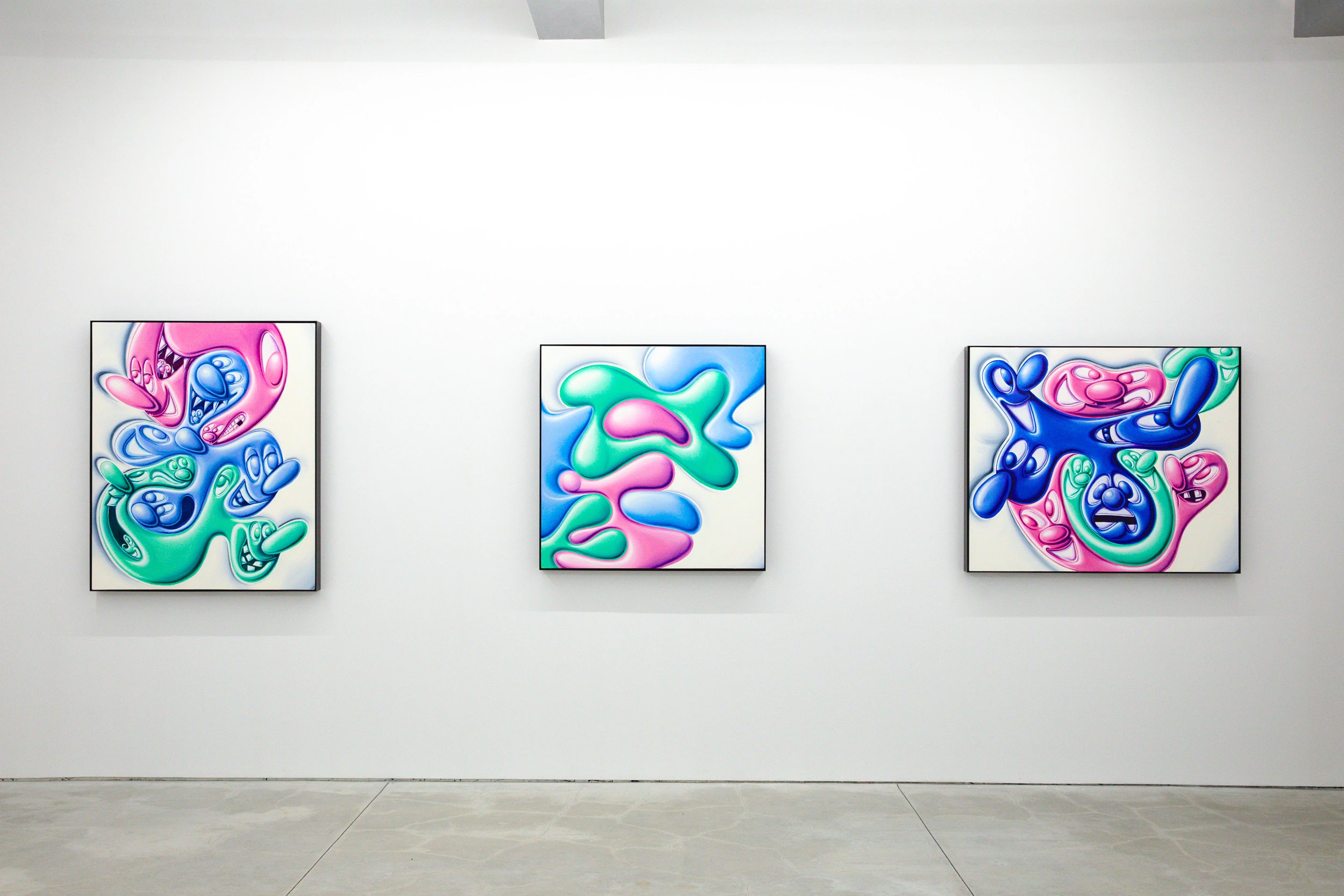
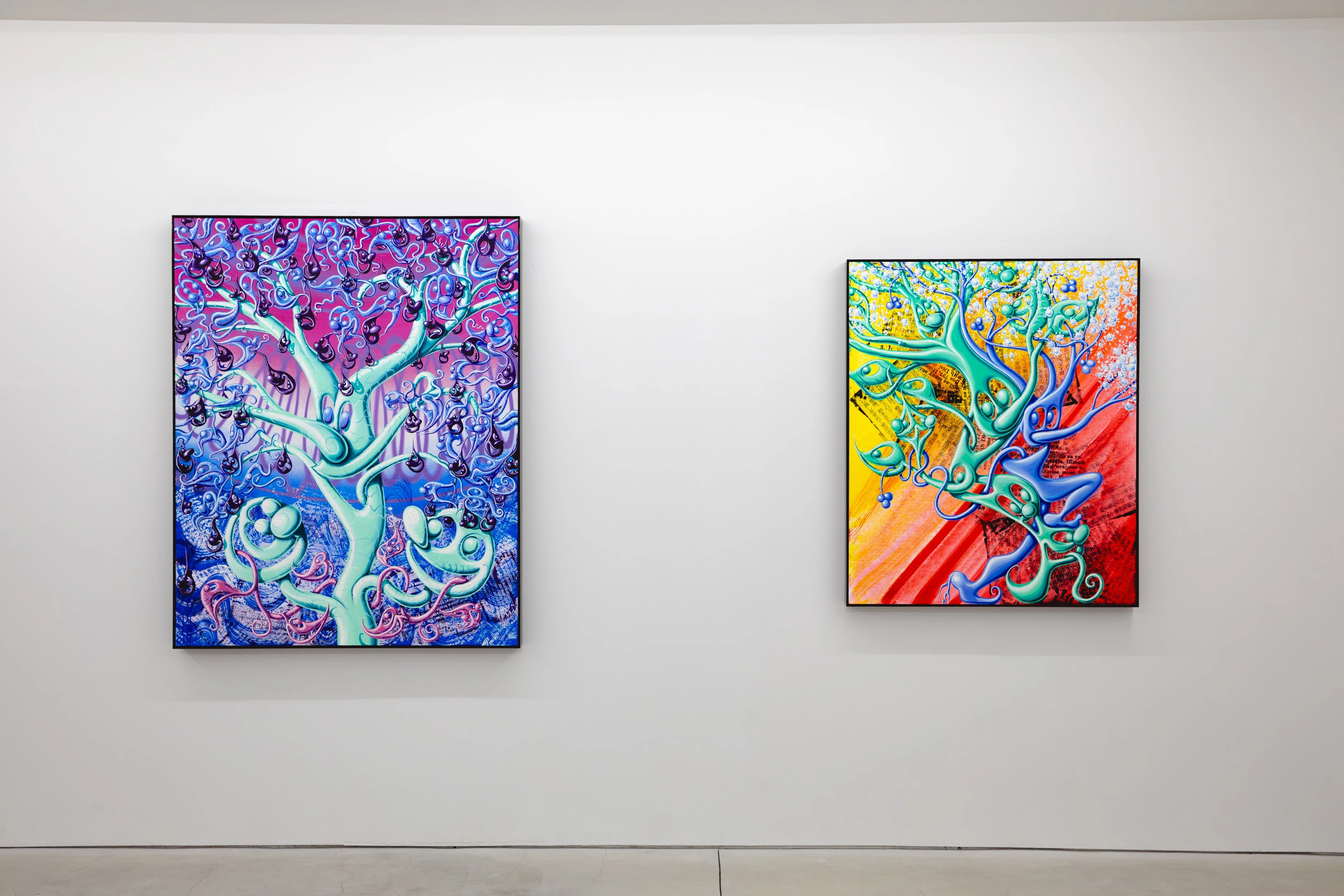
The exhibition centres on a new series of the same name, inspired by the Rorschach-esque phenomenon of seeing faces in blobs. The show also features works from the series Moodz, composed of expressive circular faces, and Dire Headlines, which incorporates newspaper clippings, among other works spanning Scharf’s nearly five-decades-long career.
We spoke with Scharf during his visit to Tokyo to open the exhibition, quizzing the street art legend about the inspiration behind his new series and about how he stays driven after half a century at the forefront of the contemporary scene.
First, what’s the meaning behind the title of the exhibition, ‘Shimishimikao!’?
I love creating new words when I’m coming up with titles for my artwork and exhibitions. This new series is all about blobs, and when I heard the Japanese word for ‘blob’, shimi, I really liked the sound of it.
Shimmy, in English, is the dance where you wriggle your shoulders like this [does the dance], and it sounds similar to that, doesn’t it? It also reminded me of the song ‘Shimmy, Shimmy, Ko-Ko-Bop’ that I listened to when I was a child.
The phrase ‘Shimi Shimi’ itself is fun, almost like a song. It makes sense in Japanese, and it also works as wordplay for me. Then I added kao (‘face’), and that’s how the title was born.
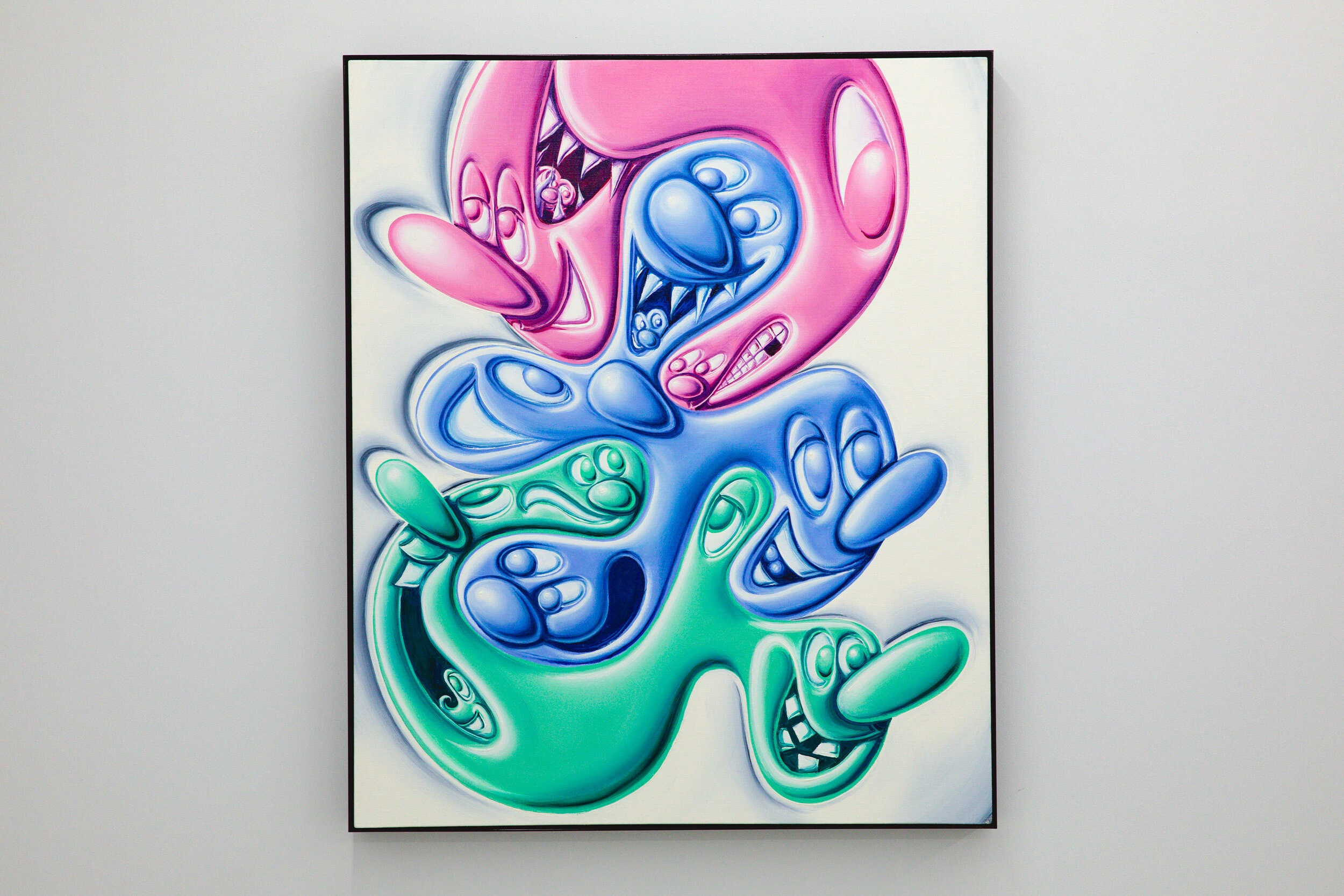
In these new works, the starting point is seeing faces in blobs. Do you often come across these kinds of faces in your everyday life?
Ever since I was a child, I’ve seen faces in the objects around me. There’s actually a name for this phenomenon: pareidolia.
I was born in 1958 and grew up in Los Angeles. If you look at American cars from that era, you’ll see that the headlights looked like eyes and the grille looked like a mouth like this [does an expression]. Every car had a distinct expression.
Los Angeles was full of cars, so everywhere you looked, there seemed to be a face. Even the houses; if you have two windows and a door below them, it starts to look like a face, doesn’t it?
My life has always been intertwined with this pareidolia. And the fascinating thing about this symptom is that it allows you to give personality to everything.
You can find individuality not only in people and animals, but in the objects around you, too. It's as if everything is alive. When you think that way, the world becomes much more interesting.
Children often find faces in objects too, don’t they?
It’s often said that every child is an artist. However, many people suppress that sensibility as they grow up, because they think it’s useless in life. It doesn’t bring in money and it doesn’t lead to a job. So they disconnect themselves from it.
But the artists I admire are those who have kept that sensibility alive. I am in some ways one of them. I’ve never lost the sense of wonder I had as a child, when everything I saw seemed fresh and wonderful. That’s why even now, whenever I go out, I walk around thinking ‘Look at that cloud!’ or ‘Look at that tree!’
Children are incredibly open beings; they are creative and absorb all kinds of information from around the world. Artists are people who never let go of that feeling.
Your work is always full of energy. Is the driving force behind your more than 45 years at the forefront of art your ability to continue seeing the world with this childlike wonder and curiosity?
I think it’s important to consciously seek out things that give you joy and positive energy. There are so many truly depressing things happening in the world, and I’m fully aware of the terrible realities that exist.
Of course, I’m not denying or ignoring those realities. I simply try to actively connect myself to things that uplift me.
The same applies when I’m creating. First, I want to energise myself and find the happiness that allows me to keep making art. I want to celebrate the things that bring me joy. And if that energy can be transmitted to viewers through my work, that makes me happy.
Your Dire Headlines series, which incorporates newspaper articles, seems to touch upon those realities.
One of the issues I’ve cared the most about since childhood is the environment. I can't stop thinking about the damage being done to the environment.
However, I don't want to dwell on it and become depressed. Nor do I want to pretend that nothing is happening. I fully understand the reality of global warming and how our human actions are destroying this beautiful world.
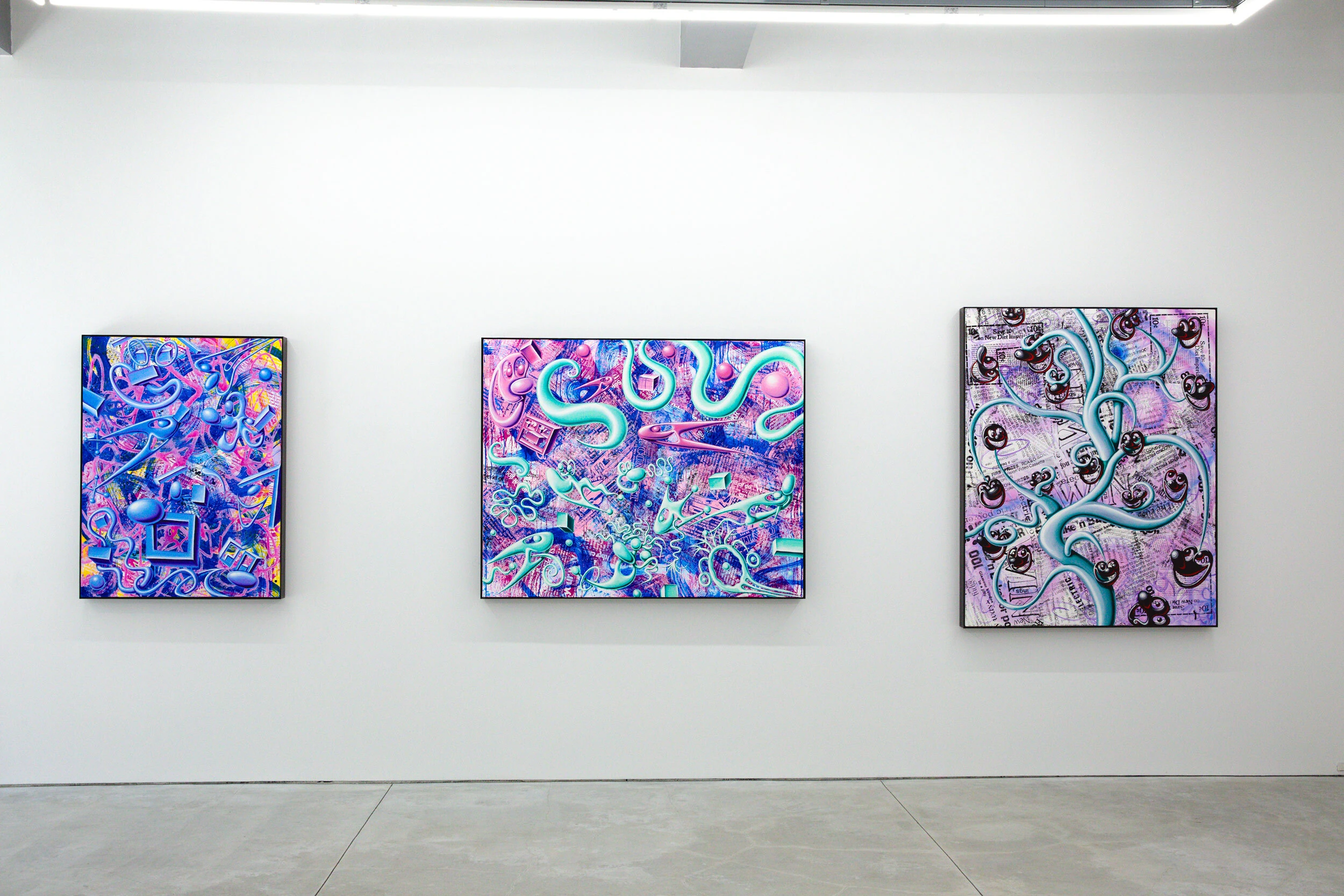
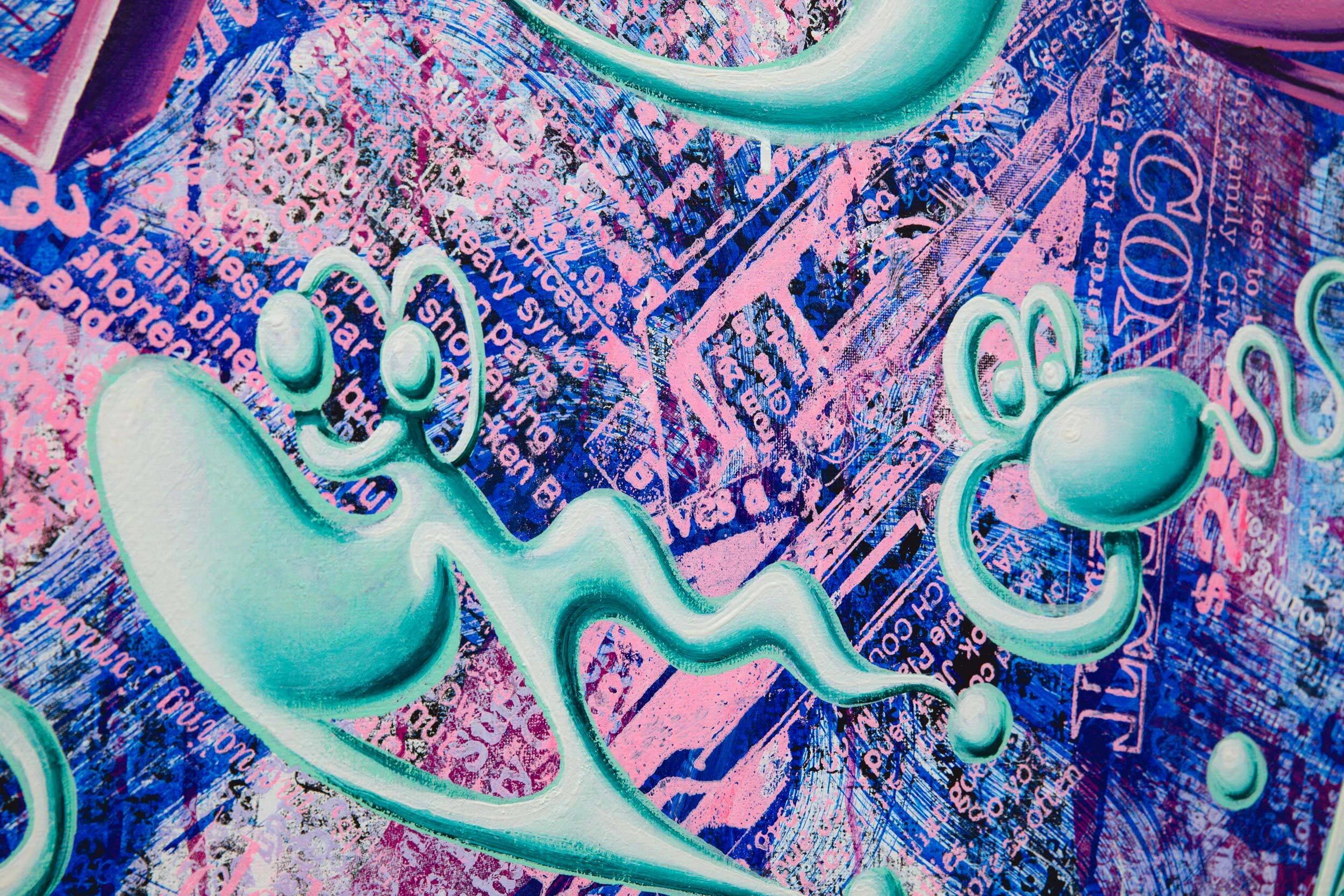
That's why I incorporate newspaper headlines into my work. Those who want to look closely can read the information. At the same time, the works can be enjoyed simply for their colours and visual aspects.
In other words, viewers have a choice. Even when faced with despairing news, we can continue to live. But if we want to bring about change, we can’t look away from reality.
I want people to pay attention [to the environmental destruction going on], but I don't want to force it on them. You can simply enjoy the vibrant colours, or you can look deeper and recognise the serious issues beneath the surface. That’s exactly what the world we live in is like.
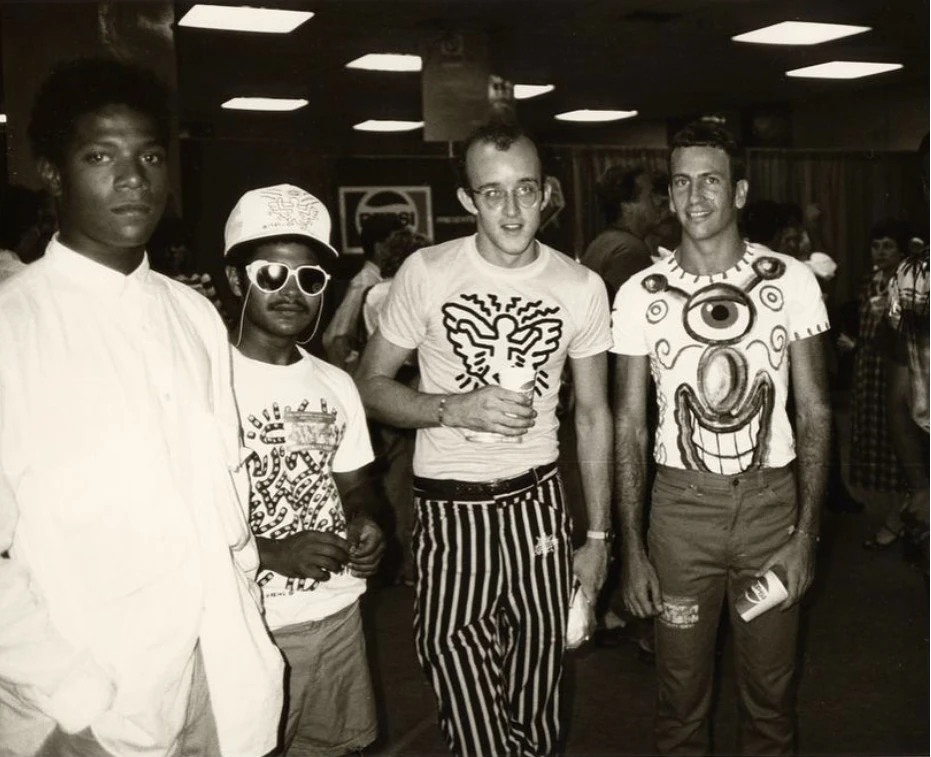
Let's talk about New York in the 1980s. How did people like Keith Haring, Andy Warhol and Jean-Michel Basquiat influence you?
[They gave me] everything, really.
Of course, I had my own ideas and means of expression, but I met Keith and Basquiat during my very first week after moving to New York in 1978.
I received so much from those two. We were close in age and had a healthy sense of competition with each other. I think it was a stimulating and healthy relationship. Our artistic styles were completely different, but we shared the same mindset about how to bring our work into the world.
At the time, New York’s subway cars were covered in graffiti. You couldn’t live there without seeing it. The city itself was overflowing with creativity.
We were young artists with huge ambitions. We wanted gallery representation. We wanted recognition. But no galleries were interested in us. So we thought, ‘Then let’s make the city itself our canvas.’ We also spent time with many graffiti artists, including Futura, Lee and Fab 5 Freddy.
The [legendary contemporary art exhibition] ‘Times Square Show’ in 1980 was a defining moment of the era. Basquiat, Keith, myself – we met with the graffiti artists, and it created a kind of explosion where we absorbed the language and immediacy of the street, while [the graffiti artists] incorporated our energy of ideas, art, movement and cartoon-inspired imagery. We had many things in common. The result was an incredible sense of urgency and energy.
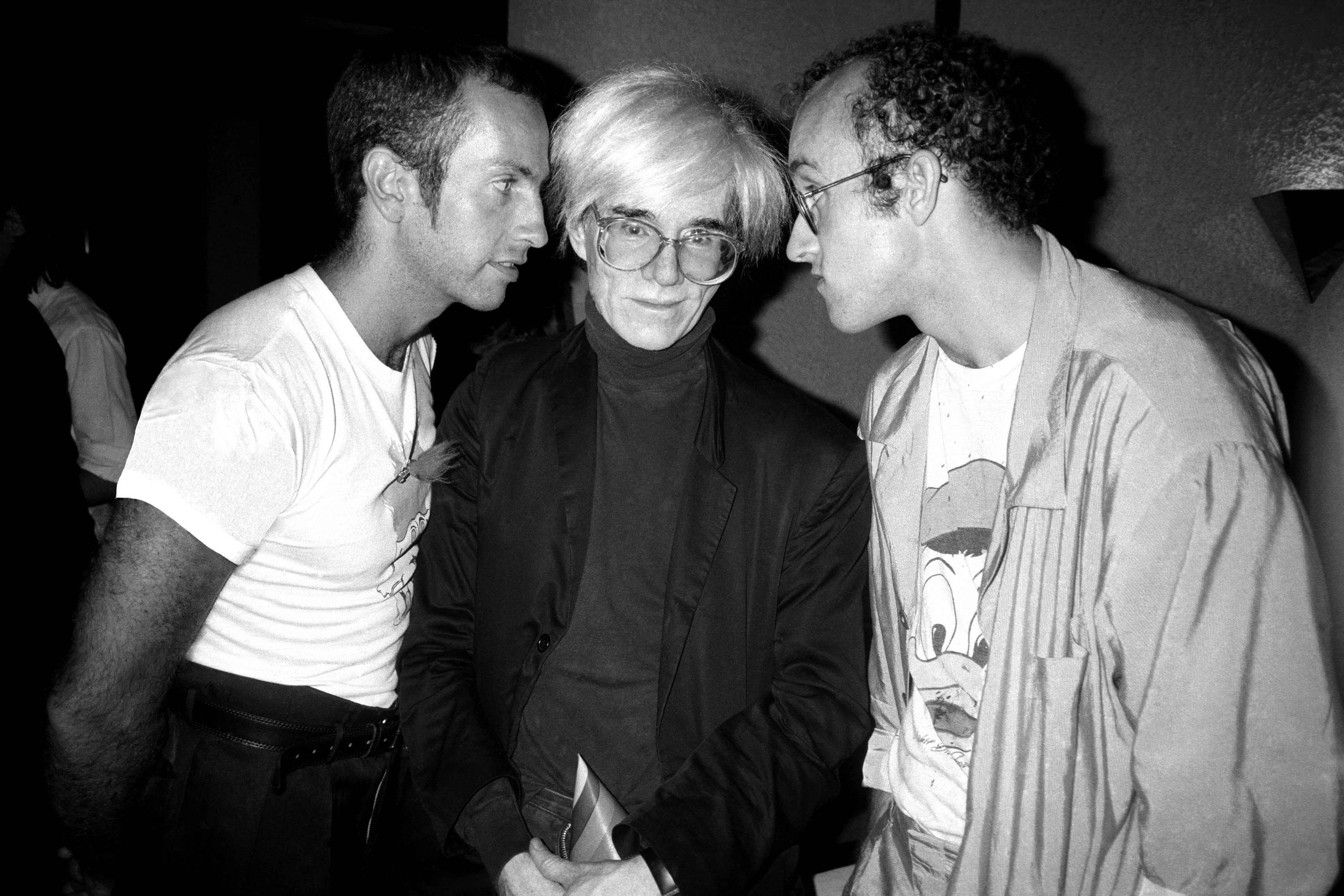
Sadly, [Basquiat and Haring] passed away at a young age. But I feel as though they passed the torch to me. I inherited that flame, and I’m still keeping it burning today.
Does that sense of improvisation and urgency still inform your work?
Absolutely. That’s why I still rarely make preliminary sketches. I never fully decide what I’m going to paint, and I often don’t know myself. The uncertainty is exciting. I am a part of discovery as I create, that’s what I learned from the street. The risk of not knowing what comes next is what makes it interesting.
If everything were planned from the start, it would be boring. Of course, expensive projects like large-scale sculptures require planning. But in general, I prefer not knowing exactly where things are headed.
Do you paint your works in one sitting?
It depends on the piece. Some pieces have taken a year. But Moodz, the circular canvases with spray-painted faces, how long should I say they take? [laughs] Not very long. About twenty minutes.
Twenty minutes?!
Spray paint is the fastest medium there is. It’s also a tool for graffiti. When you’re painting on the street, you could be arrested or find yourself in danger. You have to work quickly.
That’s the environment I trained in. I still paint large murals, and even huge ones can be completed in three or four days.
The faster you paint with spray, the better it looks. If you hesitate, the momentum disappears, and the result isn’t as strong. When you paint with confidence, the energy of that moment remains in the work. Viewers can feel that energy too.
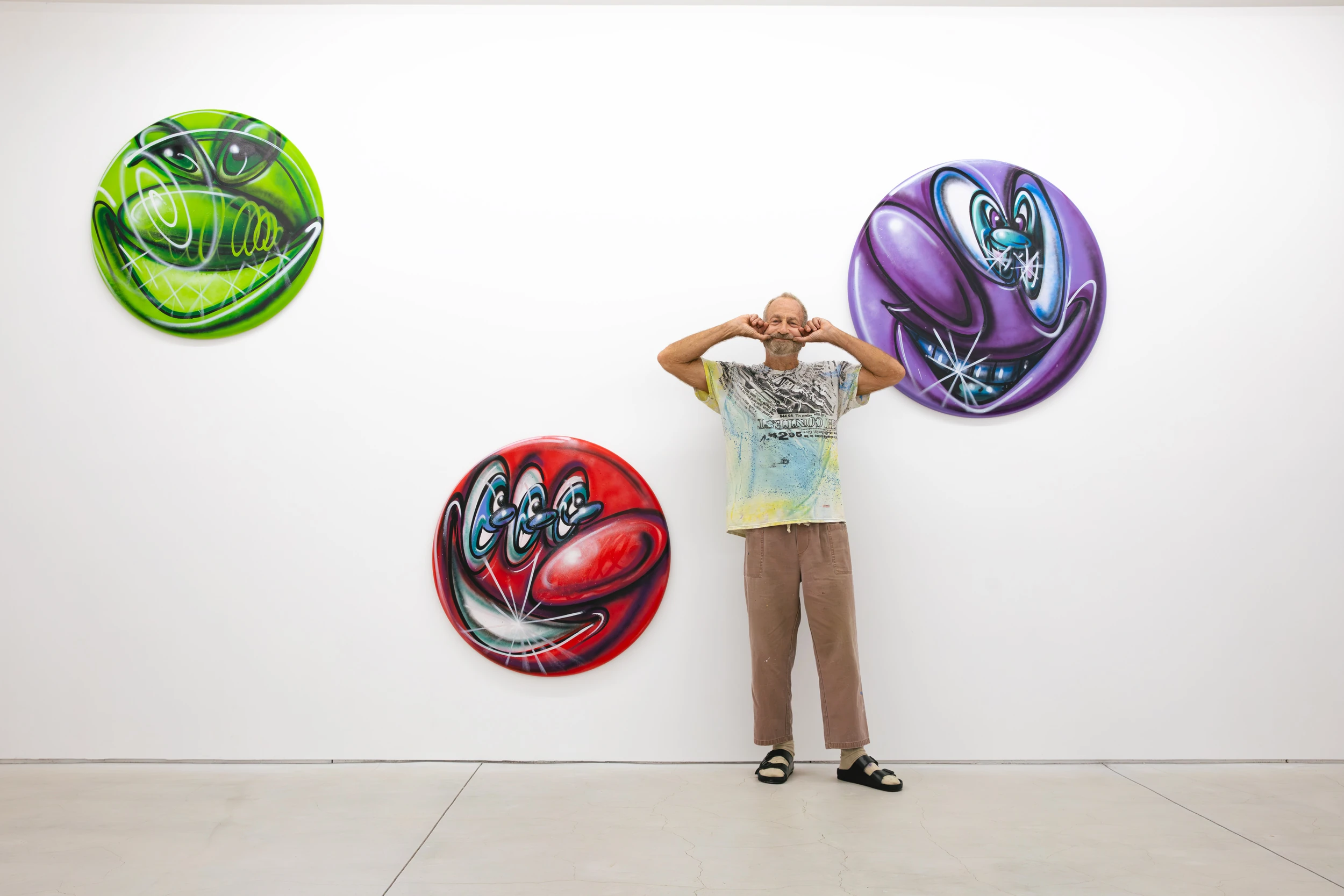
Your works feature many different expressions, such as smiles and surprised faces. How do you choose them?
I believe all emotions are important. If you were happy all the time, you wouldn’t even recognise happiness as happiness. To understand joy, you also need to understand sadness.
Everyone experiences a wide range of emotions, and every one of them matters. That’s why I value them all equally.
Are there any artists you’re particularly interested in these days?
I have many favourite artists, both living and deceased. But it's difficult to name specific ones. If I mention one person, someone else might feel left out, and I want to support everyone [laughs].
However, among the artists I've met in Japan, there is one who truly moved me: Keiichi Tanaami.
I met him during a visit to Japan two years ago and visited his studio. He also gave me a large monograph. As I turned the pages, I was overwhelmed, thinking, ‘This is incredible’. It was truly unbelievable.
It's sad that he's passed away, but his work will live on. That's the beauty of art.
Just as we are talking about Keith and Basquiat today, artists live on after their physical bodies are gone. I think that’s something truly beautiful.
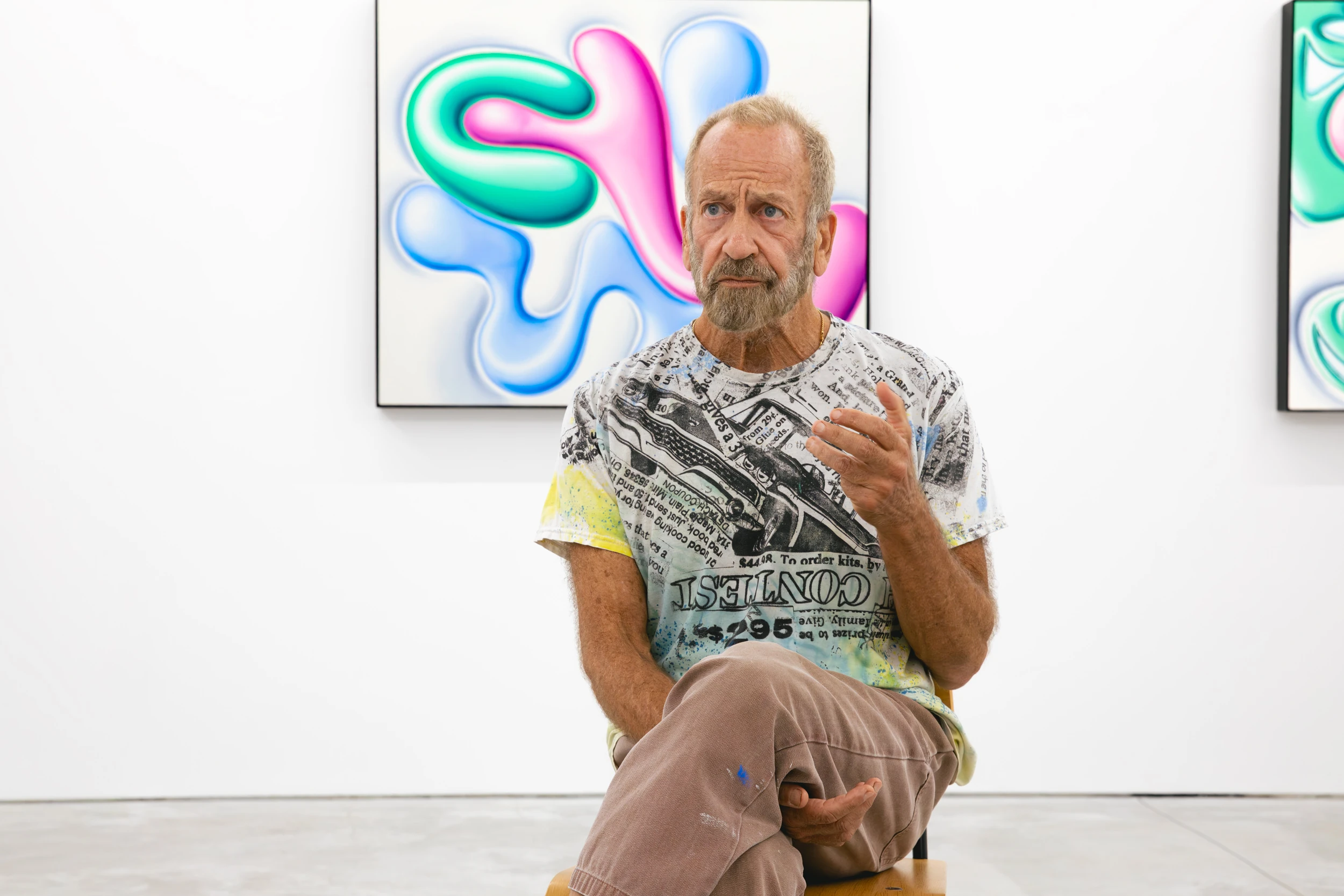
Do you have a message for young artists?
Young artists often ask me things like, ‘How can I become successful?’, ‘How can I get into a gallery?’, ‘How can I sell my work?’
My answer is always the same. The moment you start thinking, ‘Will galleries like this?’, or ‘Will it sell?’, or ‘Does it fit the market?’ while you’re making art, you’ve gone off course.
Of course, you need to make a living. Money matters. A career matters. But you must not think about those things while creating. Too many people focus on art-world politics and market trends. Those things are temporary. Truly important works endure beyond them.
So I always tell young artists: focus only on making the best work possible. The very concept of the art market can destroy your creativity.
I experienced success in the 1980s. But in the 1990s, nobody paid attention to me anymore. What I learned from that experience is that you can’t rely on external validation.
You also shouldn’t believe in praise too much. If praise is what sustains you, you’ll collapse when it disappears. Being loved is wonderful. I want to be loved too. But there were periods when I wasn’t. Even then, I had to keep going, because this is who I am.
Has Japan been a source of inspiration for you?
My father travelled to Japan for work, so I developed a strong interest in the country from a young age. More than anything, I was fascinated by Japanese sci-fi films like Mothra vs. Godzilla.
Looking at it now, it's a kitschy and humorous film, but the message is very contemporary. It's a story about radioactive contamination, which flows into the sea, and then monsters appear. I watched that kind of story when I was a child.
Then, in reality, the Fukushima nuclear disaster happened. Nearly fifteen years later, the issue of radioactive contamination [in the area] still hasn’t been fully resolved. Yet it’s rarely reported on anymore. It should be front-page news every day. That's why I think the sci-fi movies from that era still hold great significance.
And I love Japanese audiences. The passion they have when they love something is incredible. When I first visited Japan in the 1980s, the [Alphaville] song ‘Big in Japan’ was popular. I used to imagine what it would feel like to be famous in Japan.
When I finally came here, it really was special. Of course, I’m happy when people anywhere in the world love my work, but being embraced by Japan brings a special kind of joy. It was a childhood dream of mine.
What’s your favourite place in Japan?
I love Ginza and Shinjuku, all the colours, lights, signs and everything else. Just walking around is exciting. Times Square in New York is famous, but it can’t compare to the overwhelming energy of Shinjuku. Its excess is what makes it so appealing.
I also love hot springs. I visited Hakone before and was struck by the wooden architecture, natural beauty and deep respect for nature. There’s profound beauty in the traditional Japanese sensibility of living in harmony with the earth.