


Plus, the best things to do around these landmarks in Osaka and Kobe
Tadao Ando and Osaka are inseparable. For over half a century, the Pritzker Prize-winning luminary has worked out of his home city, refusing to relocate despite a portfolio heavily skewed towards international projects. In our exclusive interview, the 84-year-old boxer-turned-architect pulls back the curtain on his singular relationship with Osaka and tells us why designing for children has become his reason for being.
Most of your work has long been overseas, yet you’ve never moved away from Osaka. Why is that?
Basing myself in Tokyo would have been the convenient and practical choice. But this is where I belong. The relationships I rely on to get by are in Osaka. Without that foundation, I can’t do the kind of work I want to do.
The essence of Osaka lies in its tradition and spirit as a mercantile city. Compared to Tokyo, where the government holds so much power and people are bound by invisible hierarchies, in Osaka personal relationships tend to be much closer. It was that free and open-minded atmosphere that allowed me, a self-taught architect with no institutional backing, to make my own way – simply because people thought I was an interesting character and gave me a chance.
To give you a recent example, the [city’s] decision to turn half of the prized land in front of Osaka Station, what’s now the Umekita area, into a park was unorthodox [for Japan]. The usual solution would have been to fill it with buildings and prioritise profits. But Osaka chose to create a place for people to gather, linger and connect in the heart of the city. That said, we still need more outside-the-box thinking, and that applies to Japan as a whole. I encourage the young generation to go out and see the world, encounter different values and think for themselves. Without young energy, the city won’t remain vibrant.
You’ve often spoken about the passion Osakans have for their city. Do you still feel that energy?
When we look at history, that passion is evident. During the Edo period (1603–1868), Osaka flourished thanks to its waterways, and the city became famous for its hundreds of bridges. Many of those bridges were built thanks to the efforts of local people, from wealthy merchants to ordinary citizens. The construction of the Central Public Hall on Nakanoshima was made possible by a single donation from the stockbroker Einosuke Iwamoto, while the Nakanoshima Library was donated by the Sumitomo family [of industrialists]. Osaka isn’t a city that was developed by government decree – it was built by its people.
That spirit survives even now. [In 2004] I headed a project financed by donations from citizens, which aimed to plant around 3,000 cherry trees on Nakanoshima. Osakans have a reputation for being prudent with their money, and I was a bit concerned whether we’d be able to make it work. But looking back, I shouldn’t have worried. Osakans may be stingy, but once the opportunity to make their city a better place comes along, they take action. I’m not talking about massive redevelopment projects or skyscrapers, but about people taking pride in their city and wanting to leave something behind for the next generation. Osaka’s strength stems from the sum of those efforts.
Looking at the next 100 years, what kind of city should Osaka aim to be?
In the 20th century, cities were obsessed with efficiency. Urban life became more convenient as a result, but in the process we lost much of the liminal space where people could take their time to think or have chance encounters. Going forward, [Osaka] should aim to be a city where people take centre stage – a place that enables you to stroll aimlessly, to be present while feeling the breeze and sunlight. A city with spaces that nurture sensitivity and creativity.
Lining up more and more advanced skyscrapers does not create a new city. Osaka is the cityscape of Midosuji Boulevard, but also that of Nakanoshima, the Central Public Hall and the library. It’s a city shaped by life along rivers. We should aim for a mix of new architecture and old streetscapes, of cutting-edge spaces and alleyways full of human warmth. It’s in that blend of contrasting elements that a city’s vitality lies. Osaka may be a bit chaotic, a bit clumsy and incomplete. But the moment a city is ‘completed’, it begins to age. I believe that Osaka’s incompleteness is a big source of its charm.
Say someone who’s never been to Osaka before wants to experience the city at its most authentic. Where do you take them?
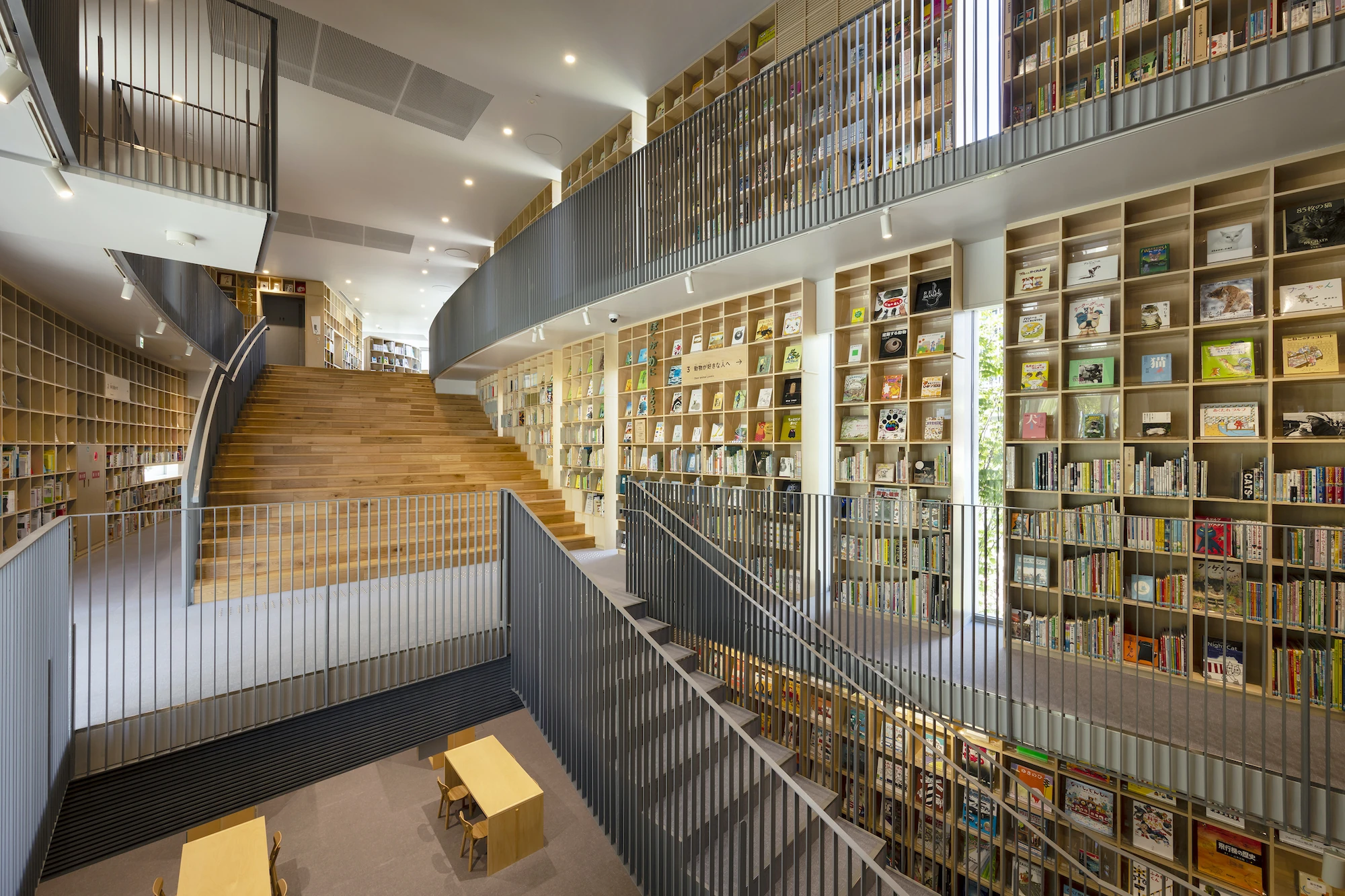
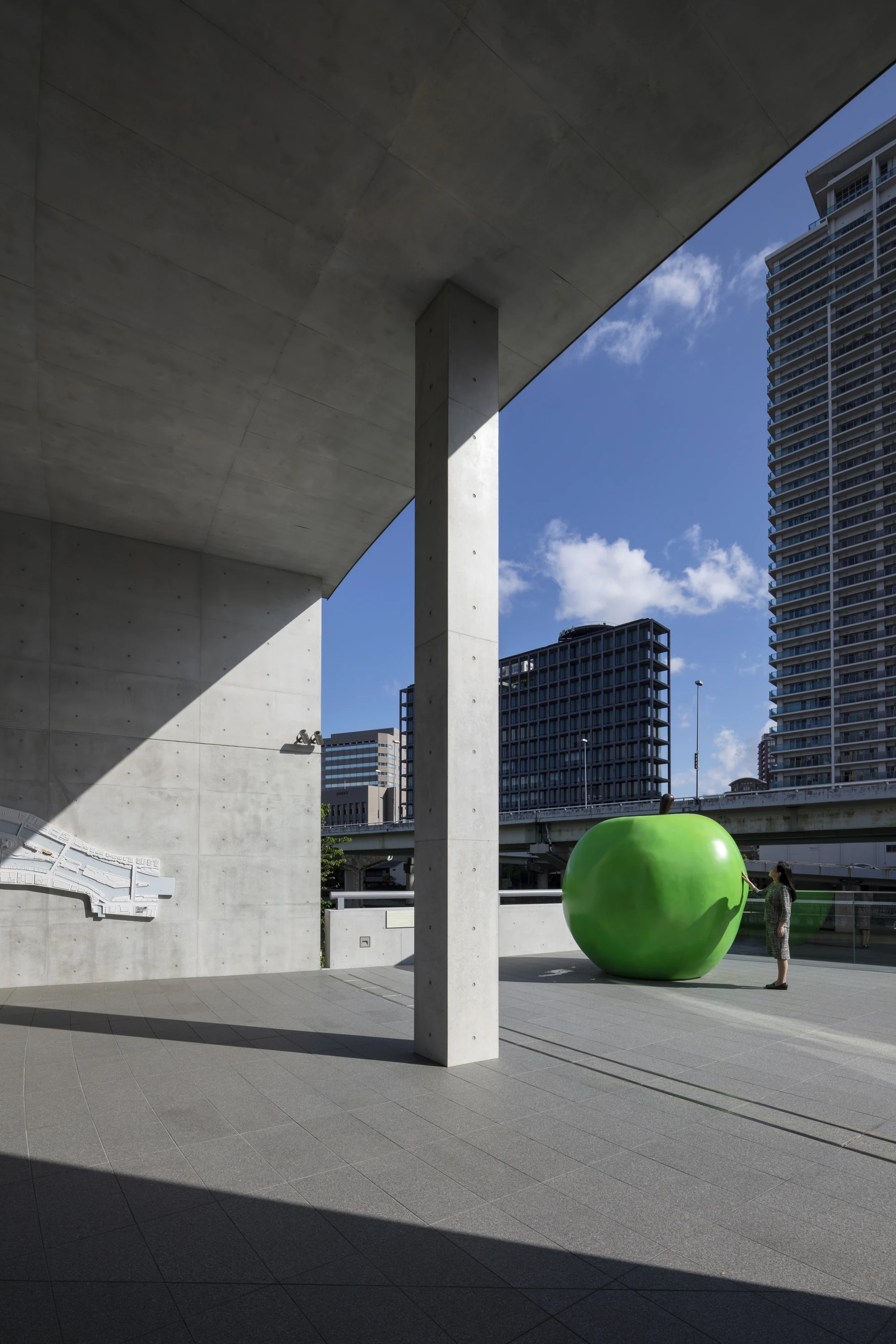
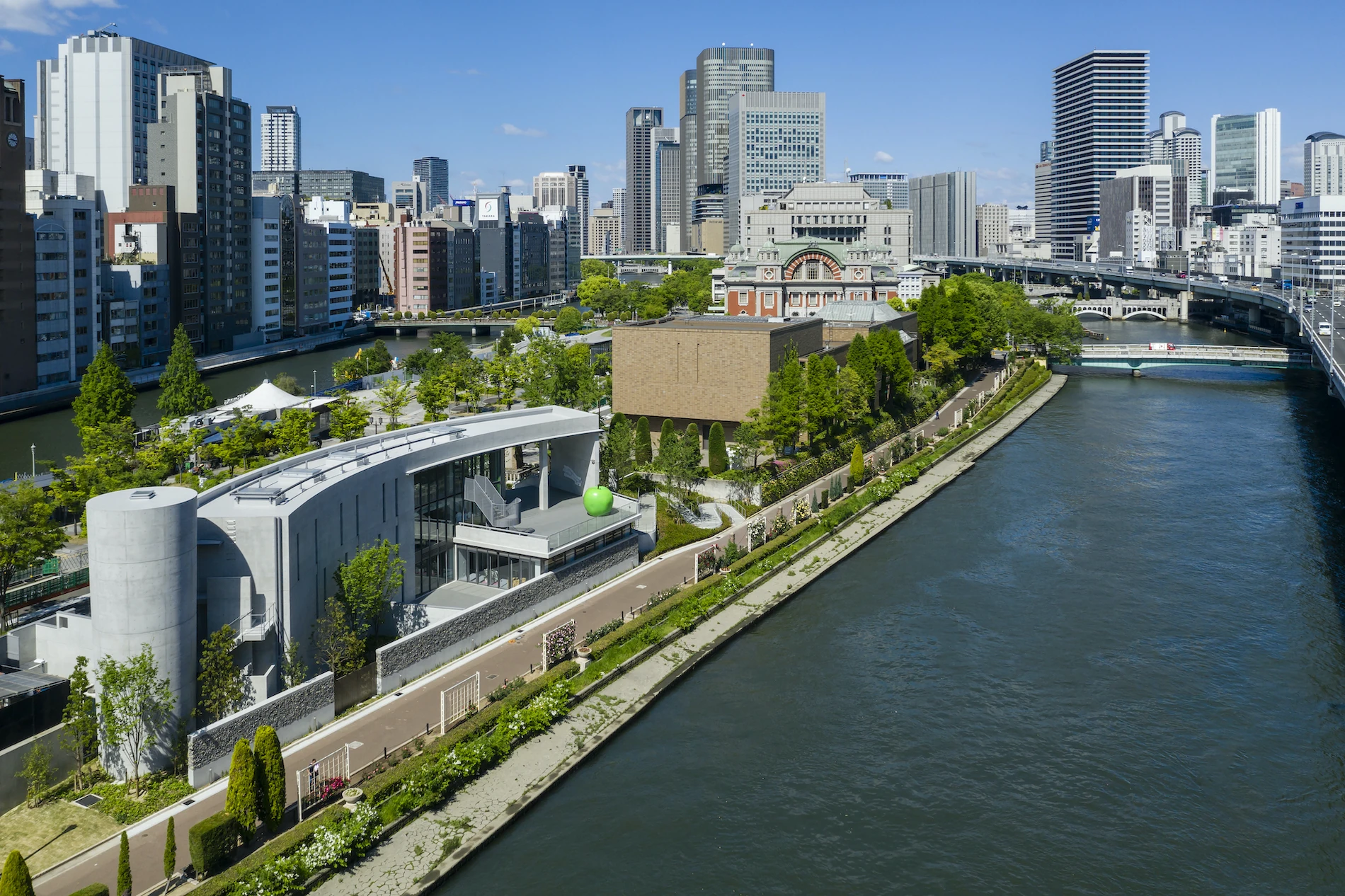
I’d start at [the Ando-designed] Nakanoshima Children’s Book Forest. When you see kids reading there, lying down and enjoying the freedom, you realise that cities need these kinds of spaces – spaces that give you room to breathe. During construction, the road that used to run next to where the library now stands was converted into a sidewalk and plaza, extending the walkable space down to the [Dojima River] waterfront. I was happy to see my architectural concept expand beyond the site itself and into the city.
Next, I’d recommend taking a walk from Umeda to Nakatsu. Only steps away from new developments like Grand Green Osaka, you’ll find old-fashioned alleys, quirky mixed-use buildings and small bars. That eclectic scenery, of high-rise buildings standing side by side with neighbourhoods that feel distinctly human, is what defines Osaka.
Tell us more about the Children’s Book Forest project. It’s been a major focus for you recently, hasn’t it?
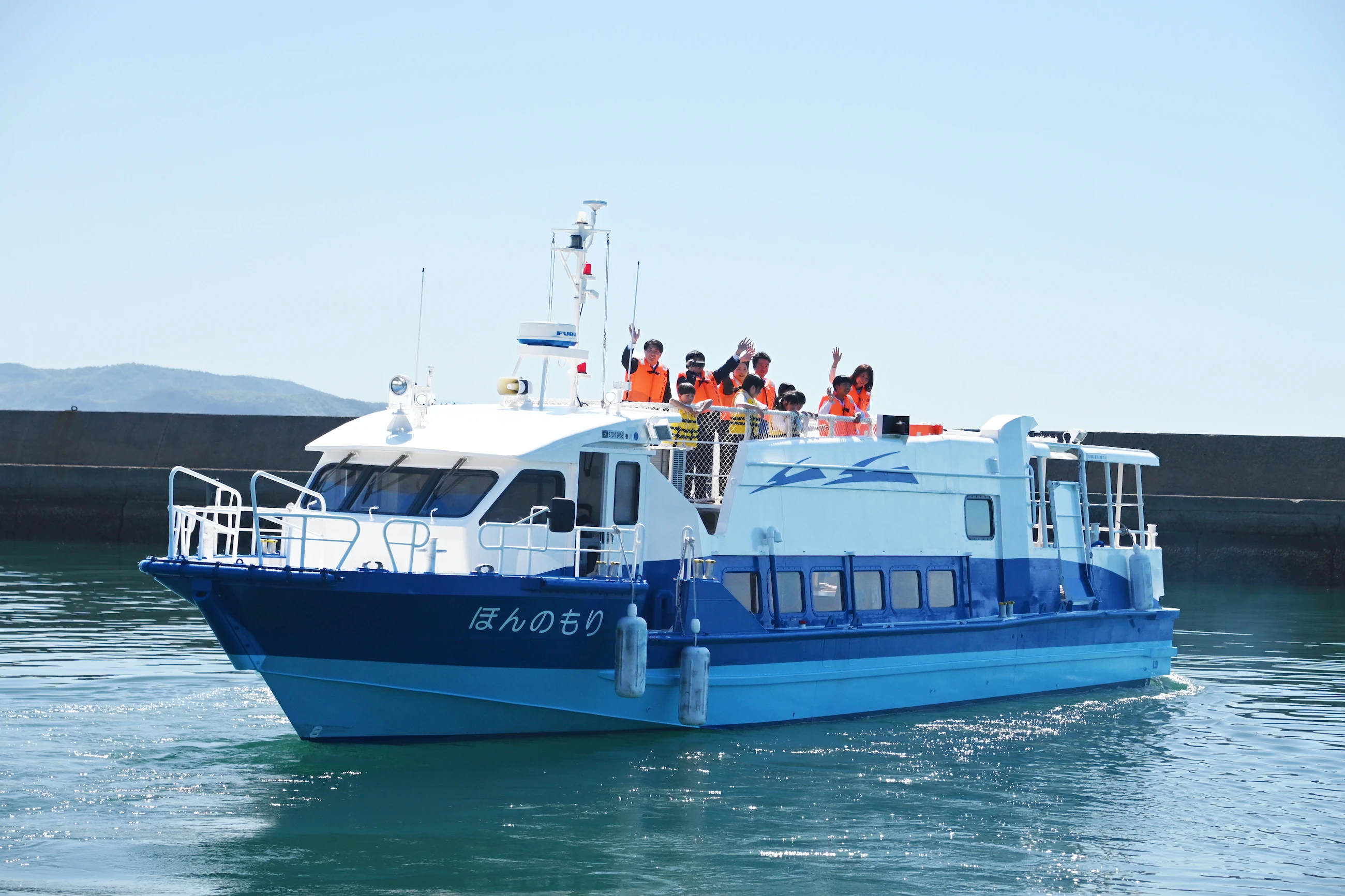
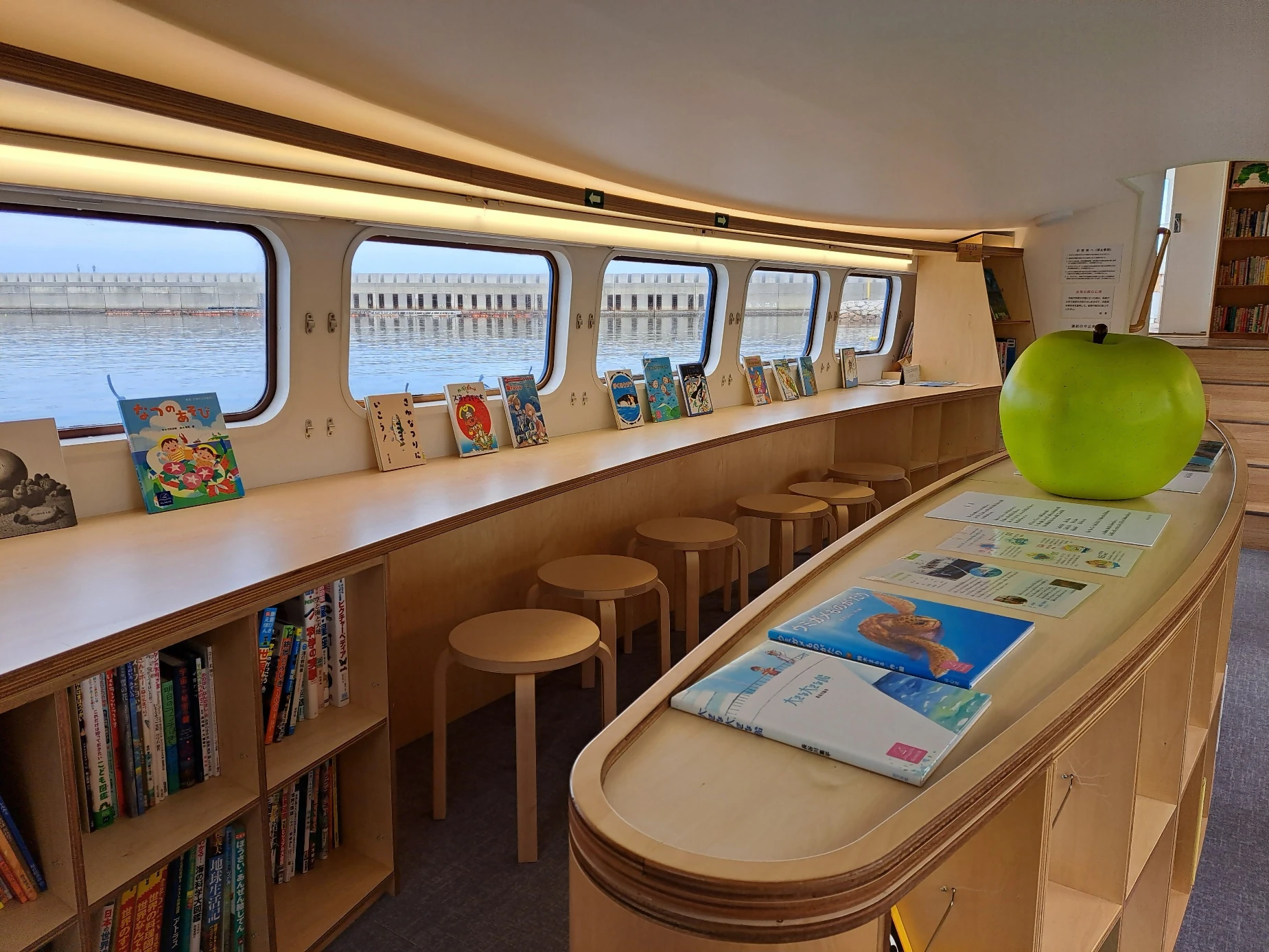
I’ve undergone two surgeries for cancer over the past decade or so, and have had five organs removed. But I don’t want to give up on life just because of an illness. When I was younger, all I could think about was the kind of architecture I wanted to create, but in recent years, I’ve become increasingly conscious of what I can leave behind for society. The Children’s Book Forest is one such project, and it reflects my desire to make a positive contribution to the future of our children. I originally intended it only for Nakanoshima, but there are now ‘Book Forests’ in Tono, Kobe, Kumamoto and Matsuyama too. We’ve even launched a floating version in the Seto Inland Sea.
I’m happy I could design the first Book Forest on Nakanoshima, since it’s such a special place for many locals. Sandwiched between two rivers, it gives the impression of a district floating on water. When evening falls, the light reflects off the water’s surface, and the Public Hall along with the other old buildings, as well as the surrounding high-rises, all seem to blend together in a soft blur. That’s my favourite view in Osaka.
If you were given the freedom to design anything you want in Osaka, what would you go for?
I’d like to create something that makes a dent in the urban landscape. The year I set up my firm, I came up with this wild idea to turn all the rooftops of the densely packed buildings in front of Osaka Station into green spaces, connect them with decks and build a massive aerial garden 30 metres above ground. Looking back now, it was completely crazy [laughs]. I didn’t have any work back then, so I’d find vacant lots around town, design plans on my own, and take them to the landowners – only to get yelled at. They’d be like, ‘What the hell are you doing, meddling on other people’s property?!’ [laughs].
But my aspirations haven’t changed since then. If I’m going to do something, I want to get the people of Osaka involved. The cherry trees on Nakanoshima I mentioned earlier have grown quite a bit, so it might be interesting if small cherry blossom plazas, in the spirit of that project, started popping up here and there throughout the city. Places where people can stop, sit down and feel the seasons a little; I think places like that can change the atmosphere of a city. I hope to keep fighting a little longer, for the sake of Osaka’s future.