[category]
[title]
Some 300 miniature Shunga prints from the Edo period are on display in Shinjuku until the end of the week



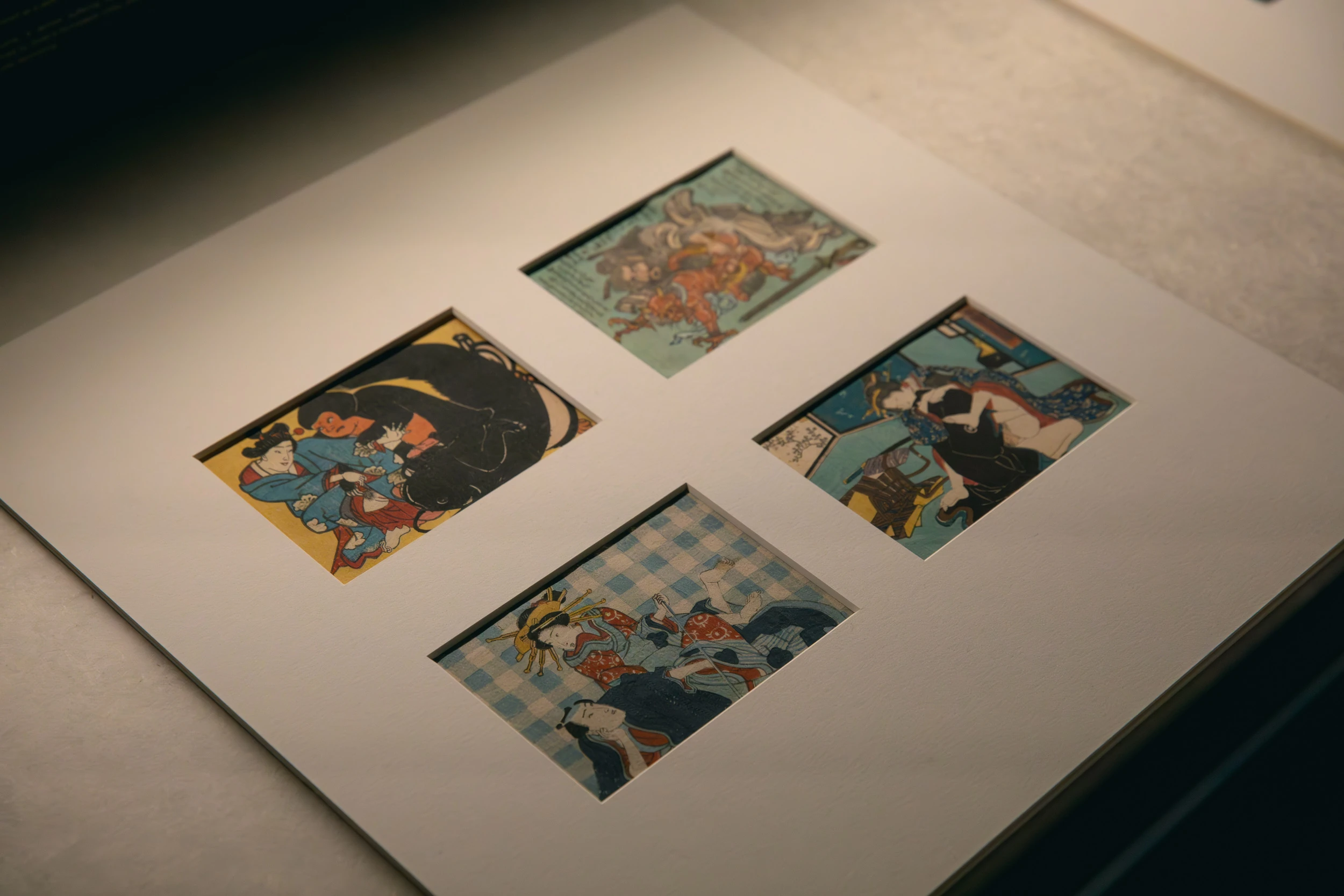
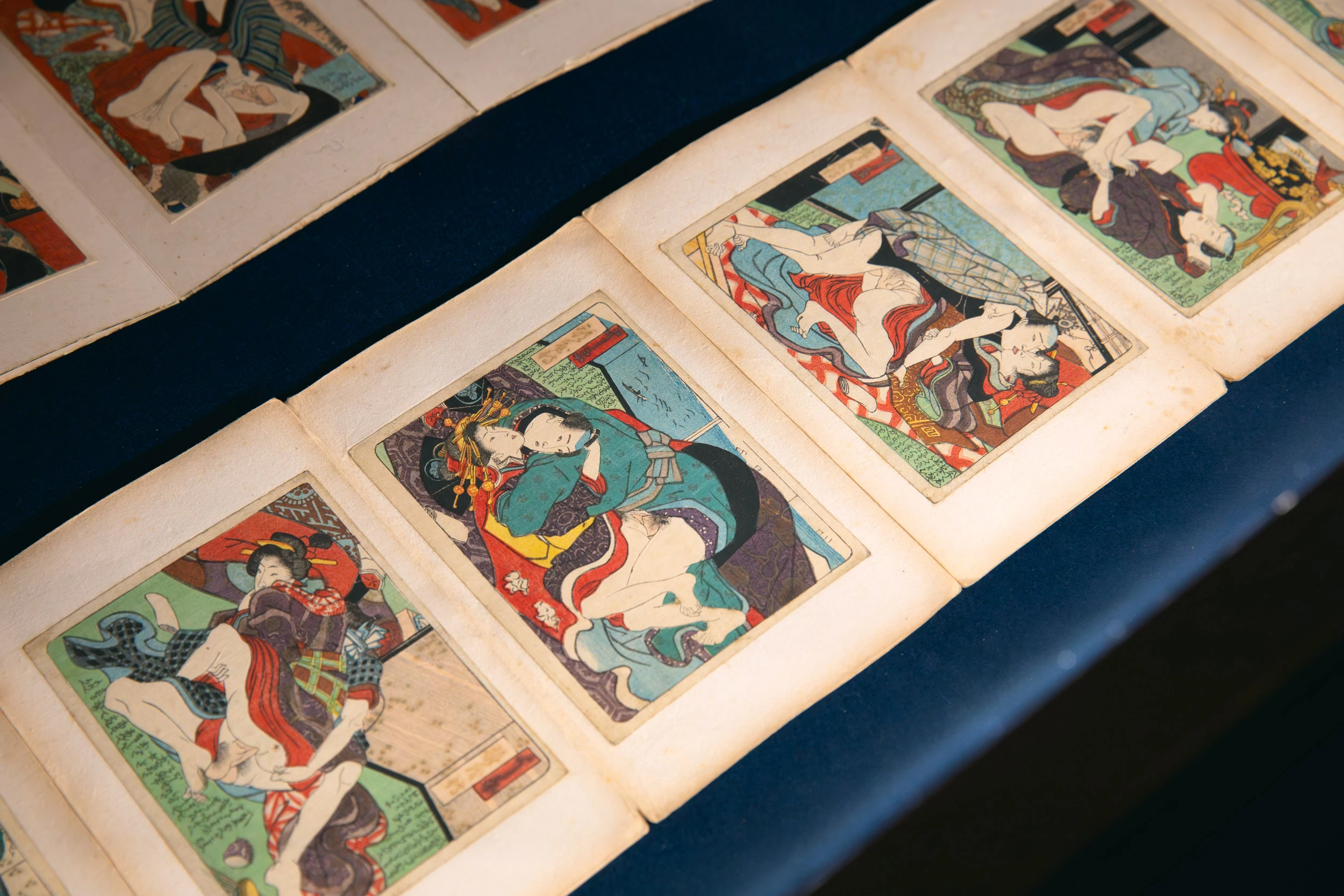
Connoisseurs of traditional erotica, attention – there’s another Shunga show happening in Kabukicho. A sequel to last year’s wildly successful Kabukicho Shunga Exhibition, this display at the Shinjuku Kabukicho Noh Stage and the disused Bond host club nearby zooms in on mameban shunga – miniature, trading card-sized prints depicting the hedonistic ‘floating world’ of geisha, kabuki, sumo and sex during the Edo period (1603–1867).
Entitled ‘A Small Love Story: The World of Mameban Shunga’, the exhibition is on until March 15 and features some 300 mameban shunga curated by Yasutaka Hayashi of artist collective Chim↑Pom from Smappa!Group.
The works on display come from the collection of Mitsuru Uragami, one of Japan’s foremost Shunga authorities, and is the largest show ever in Tokyo to spotlight only mameban shunga.
Shunga flourished during the Edo period along with the rise of ukiyo-e woodblock printing, with key works in the genre produced by some of the greatest artists of the time, including Utagawa Kunisada and Katsushika Hokusai.
Shunga was in great demand and widely available throughout society, despite an official ban, and developed in numerous distinctive directions – among them small mameban prints, which were particularly popular between 1818 and 1830.
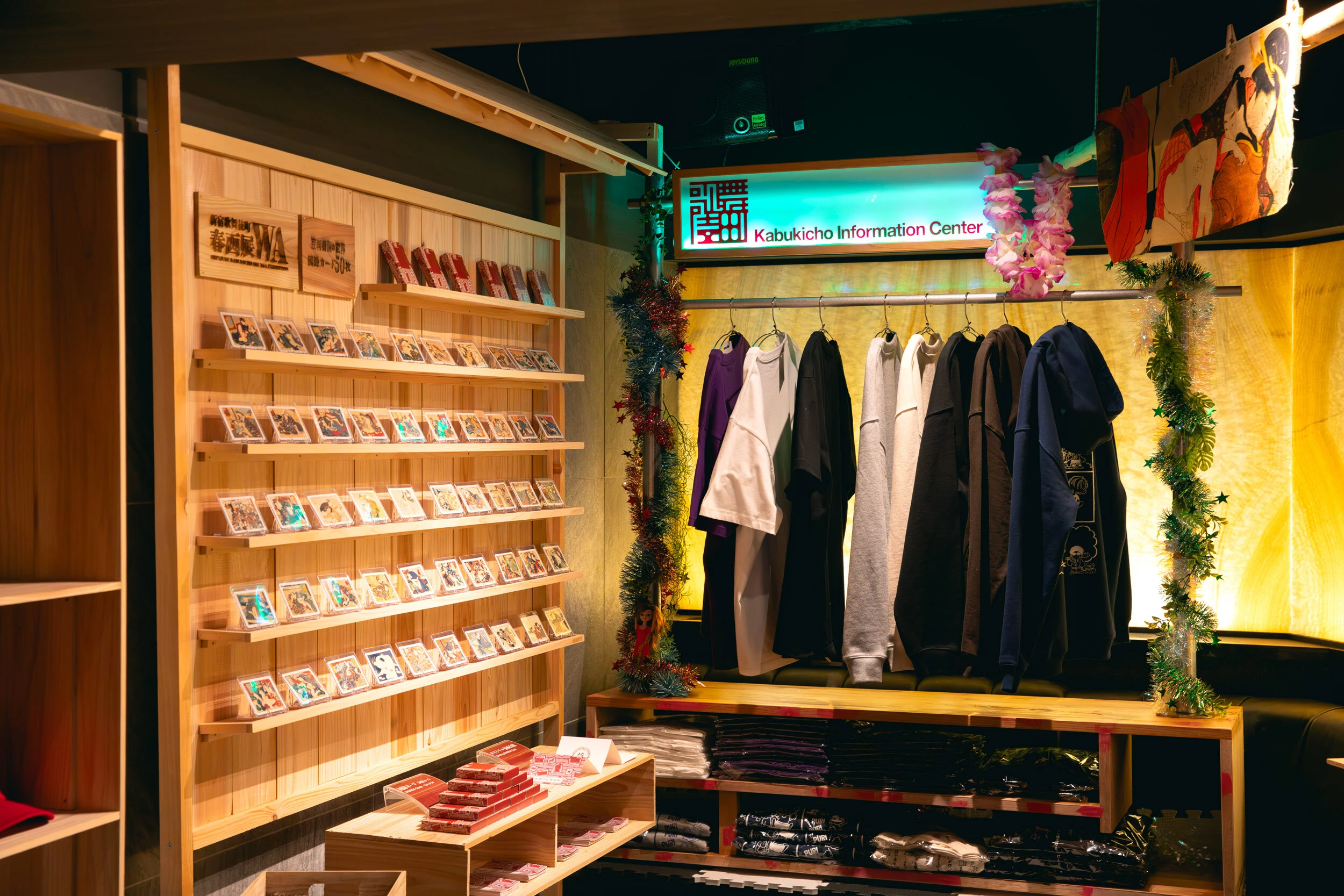
Powering the trend was the rise of multicoloured nishiki-e prints and the mass production of durable hosho paper that was ideal for printing. A typical mameban print was around 9cm tall and 12.3cm wide – equivalent to one fourth of a standard-size ukiyo-e.
Many of these small-format images parody well-known literary or dramatic characters and stories. One recurring motif is Chushingura, the famous tale of the 47 ronin; in one mameban print on show at the exhibition, the story’s hero, Oishi Kuranosuke, is depicted delivering the death blow to the villain Kira Yoshinaka – but in place of a samurai sword, Oishi is clenching an Edo-period sex toy.
Other prints feature folk deities like Daikokuten, the god of prosperity, Shoki, the deity of healing, and the war god Bishamonten, all in compromising positions. Shoki, for instance, is seen using his oversized penis to ‘heal’ an oni’s stubborn cold, allowing the ogre to sweat away the disease.
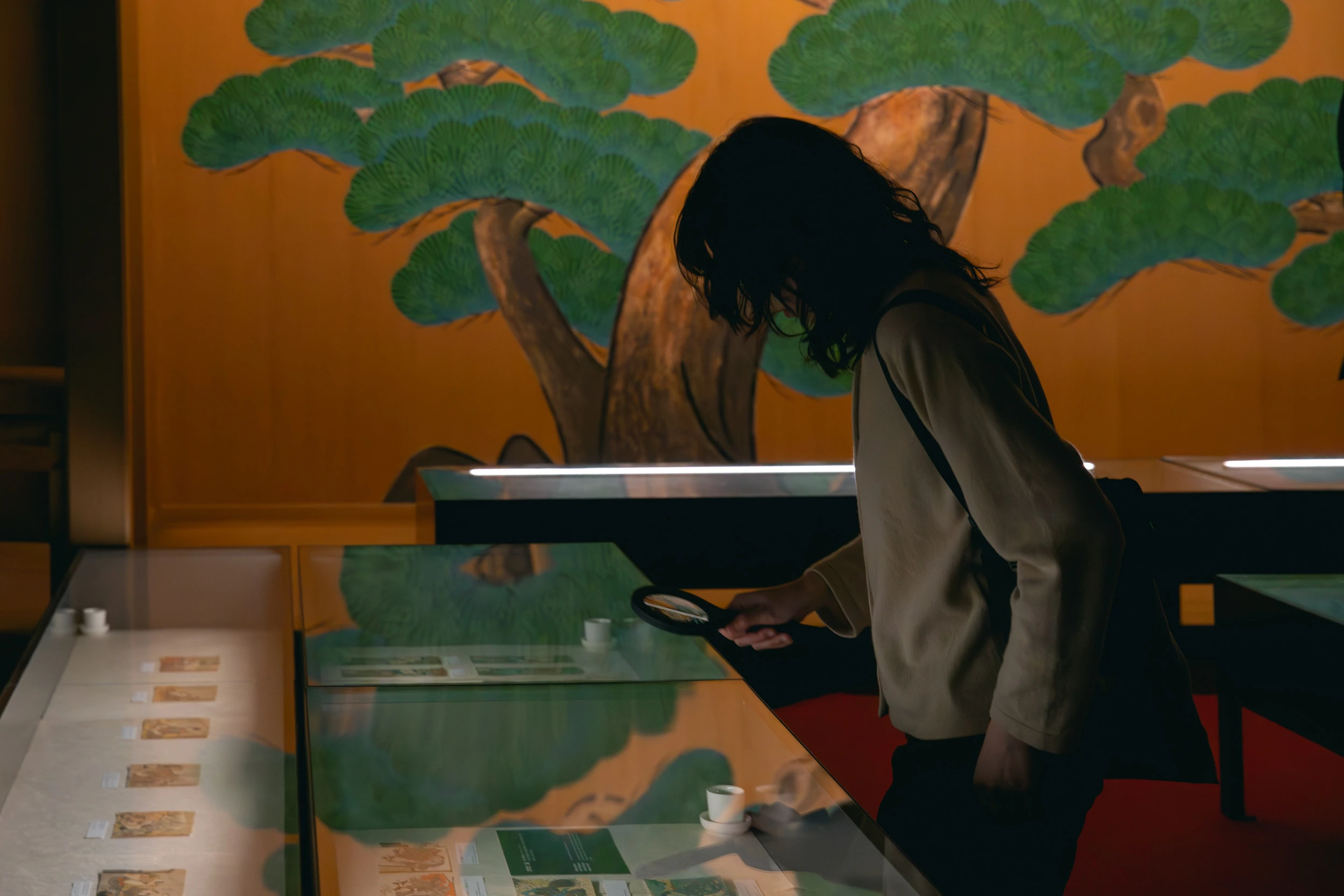
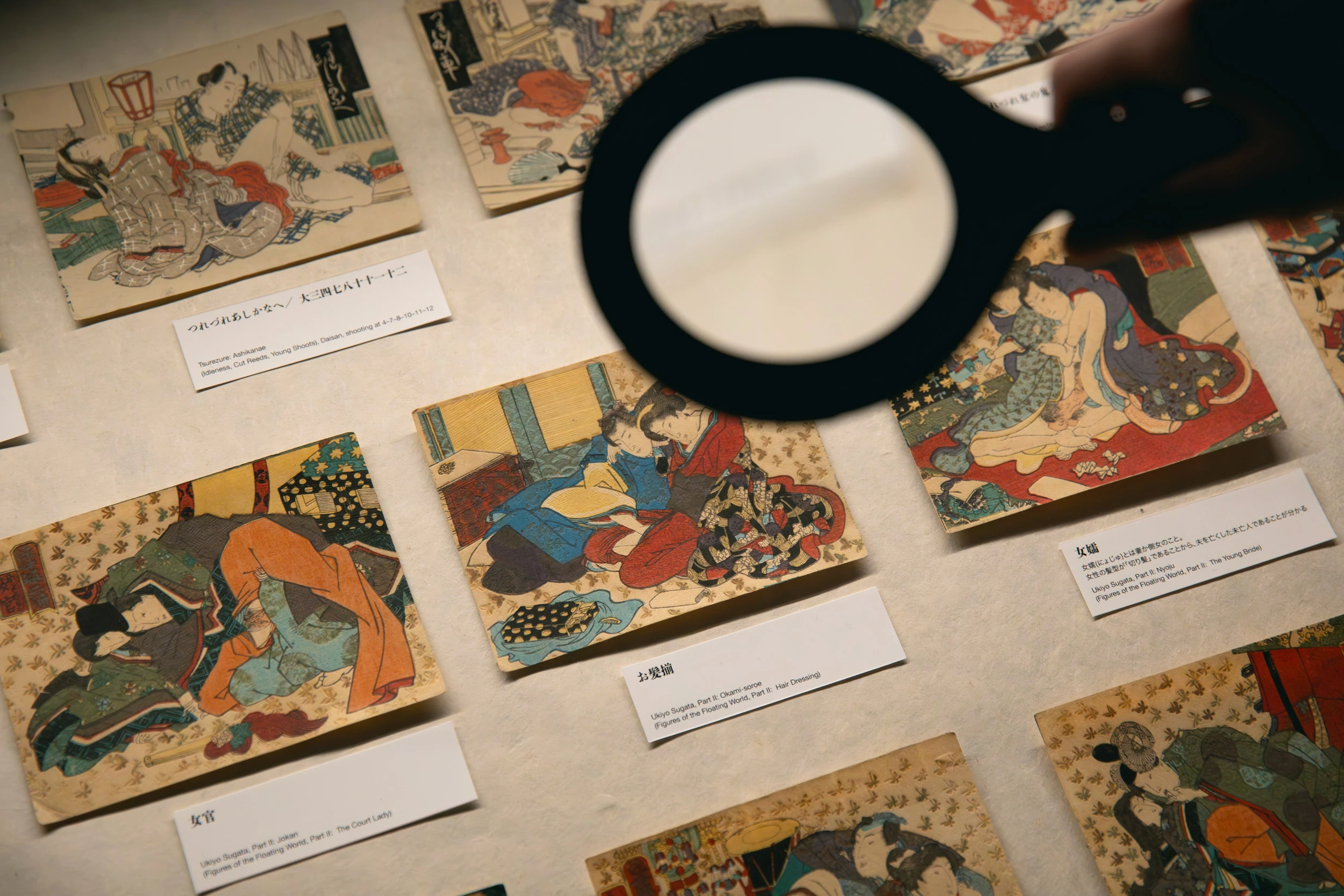
But there’s more to mameban shunga than racy imagery. Many of the mini-prints stand out with their intricate compositions and meticulously depicted details, from kimono patterns and backgrounds to, um, body parts, making for compelling viewing through the magnifying glass provided to visitors at the venue.
Although undoubtedly erotic, the images are also imbued with a strong element of humour. In fact, Shunga were sometimes referred to as warai-e, or ‘laughing pictures’. ‘The people of Edo approached Shunga not as something lewd,’ says Uragami, ‘but as a source of genuine, hearty laughter.’
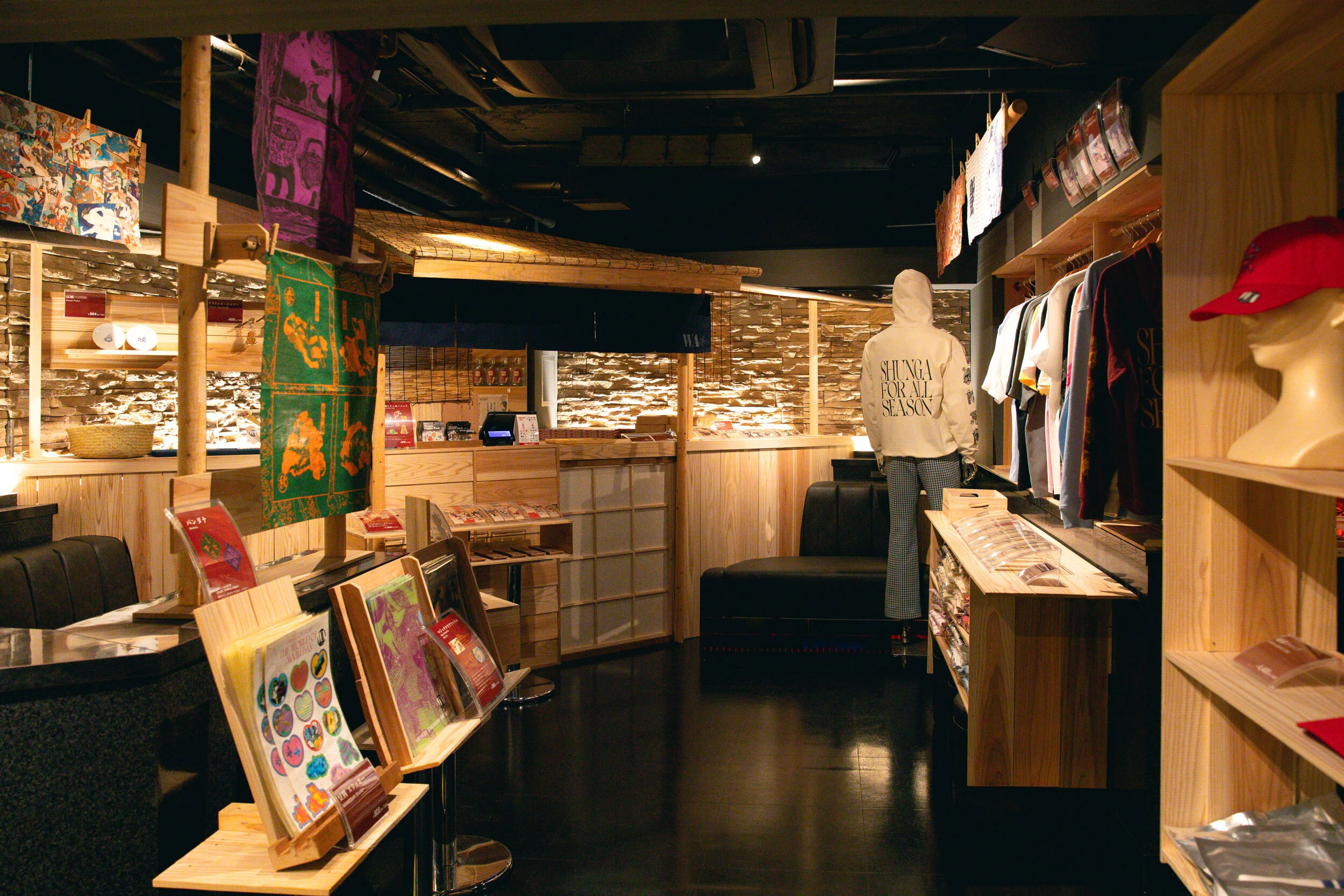
Over at Bond you’ll find a gift shop stocked with Shunga-tastic merch like T-shirts, stickers, tenugui cloths and postcards, all at reasonable prices. We especially loved the series of mameban-sized cards, which enable you to start a little Shunga collection of your own on the cheap.
‘A Small Love Story: The World of Mameban Shunga’ is showing at the Shinjuku Kabukicho Noh Stage until March 15. Tickets cost ¥1,100 (¥700 for students with ID). Note that you need to be at least 18 years old to view the exhibition.
More from Time Out Tokyo
Tokyo city buses to cease late-night service at the end of March
The world’s first ‘Yakuza’ concert is coming to Tokyo – a ticket lottery is now open
3 of the world’s 100 greatest movie theatres are in the Tokyo region
5 city-run museums in Tokyo are now offering free admission for ages 18 and under
Ditto has taken over Tokyo’s Hanzomon Line for a limited time
Want to be the first to know what’s cool in Tokyo? Sign up to our newsletter for the latest updates from Tokyo and Japan.
Discover Time Out original video