[category]
[title]
Hokusai’s ‘The Dream of the Fisherman’s Wife’ is the highlight of an exhibition showcasing Shunga prints by ukiyo-e masters


A cluster of neon-lit streets lined with multifarious adult entertainment businesses, Kabukicho is the ultimate symbol for Tokyo’s sinful side. As such, it feels only right that the Shinjuku district is also fast becoming the city’s premier hub for the display of erotic art.
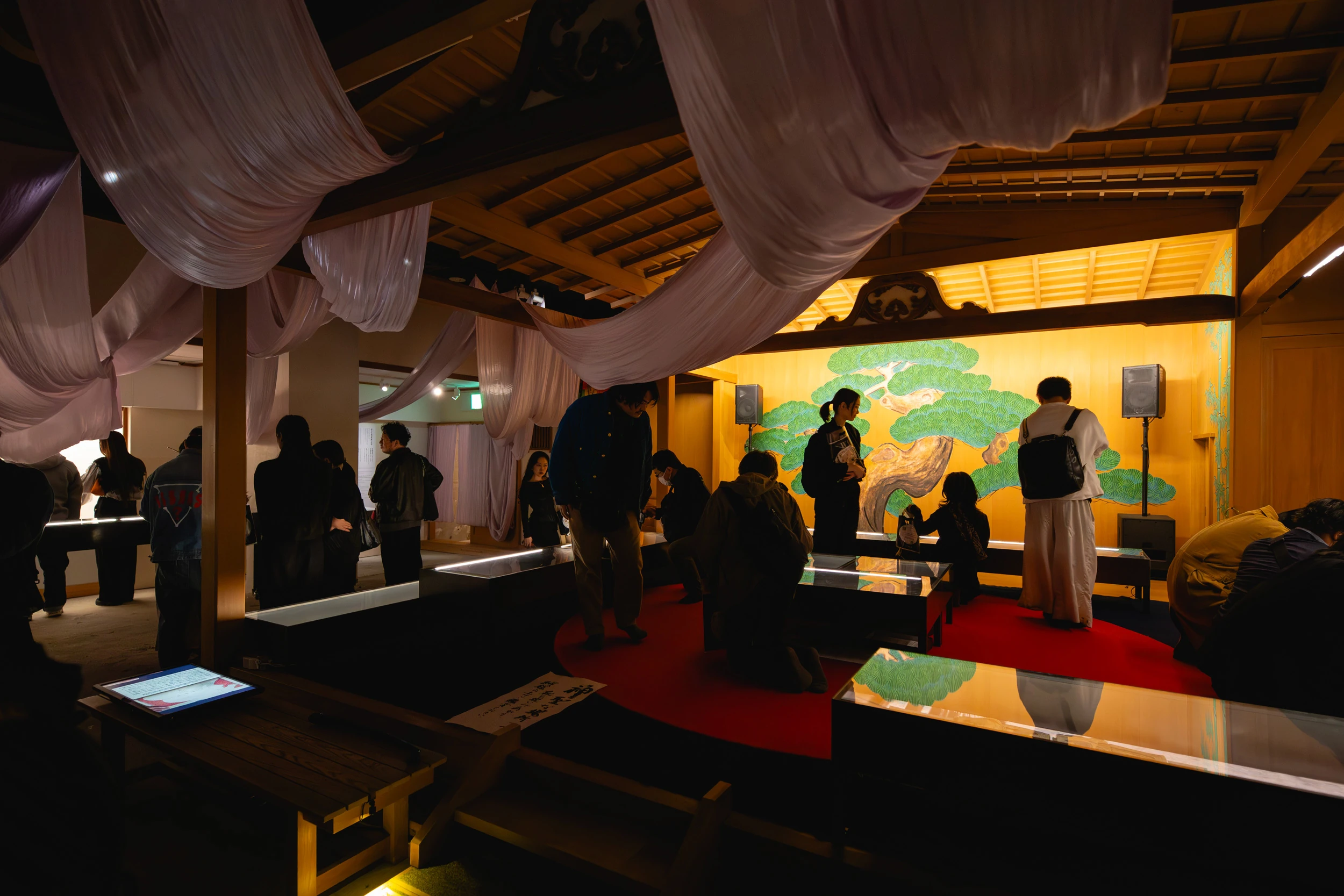
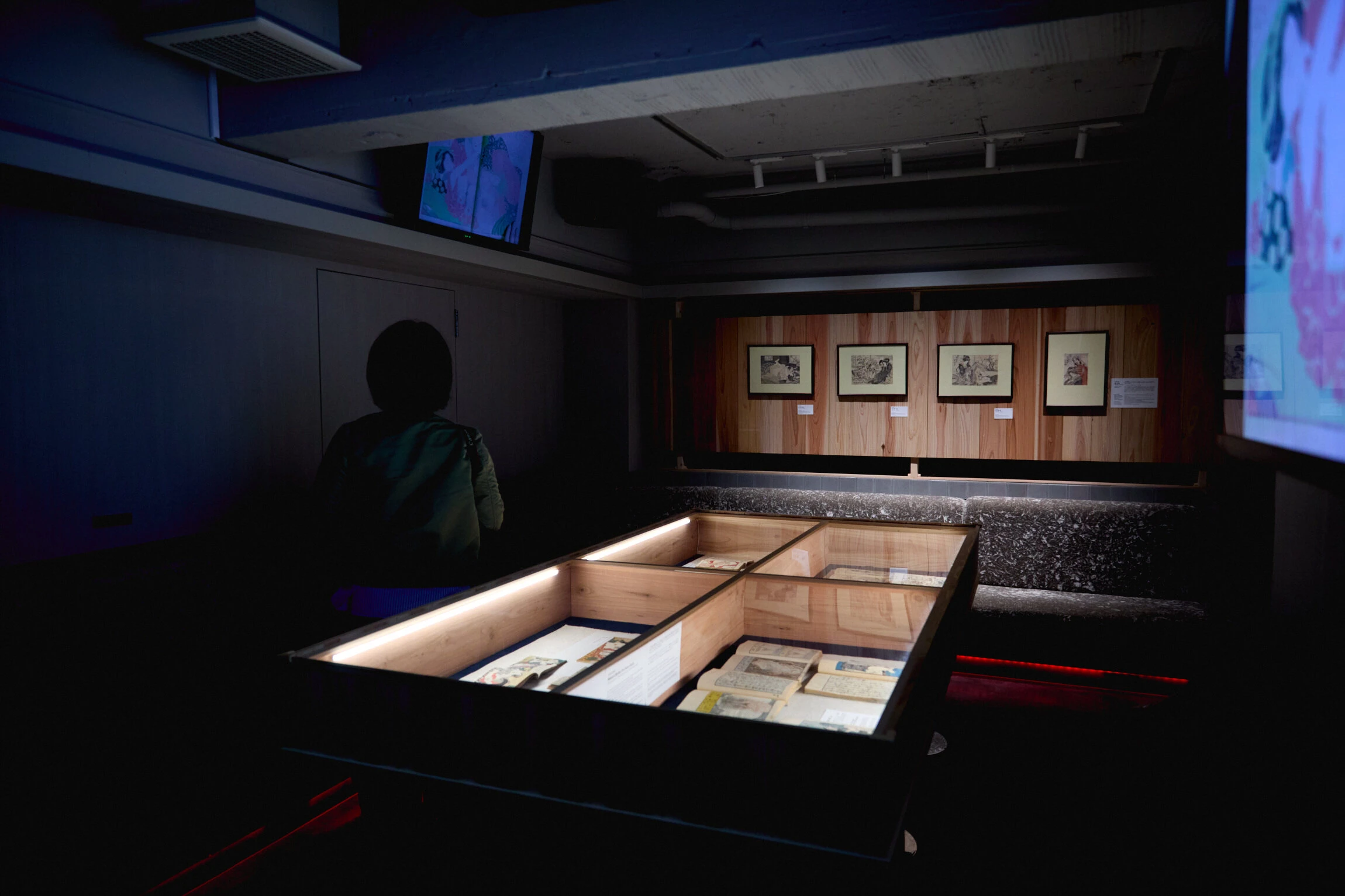
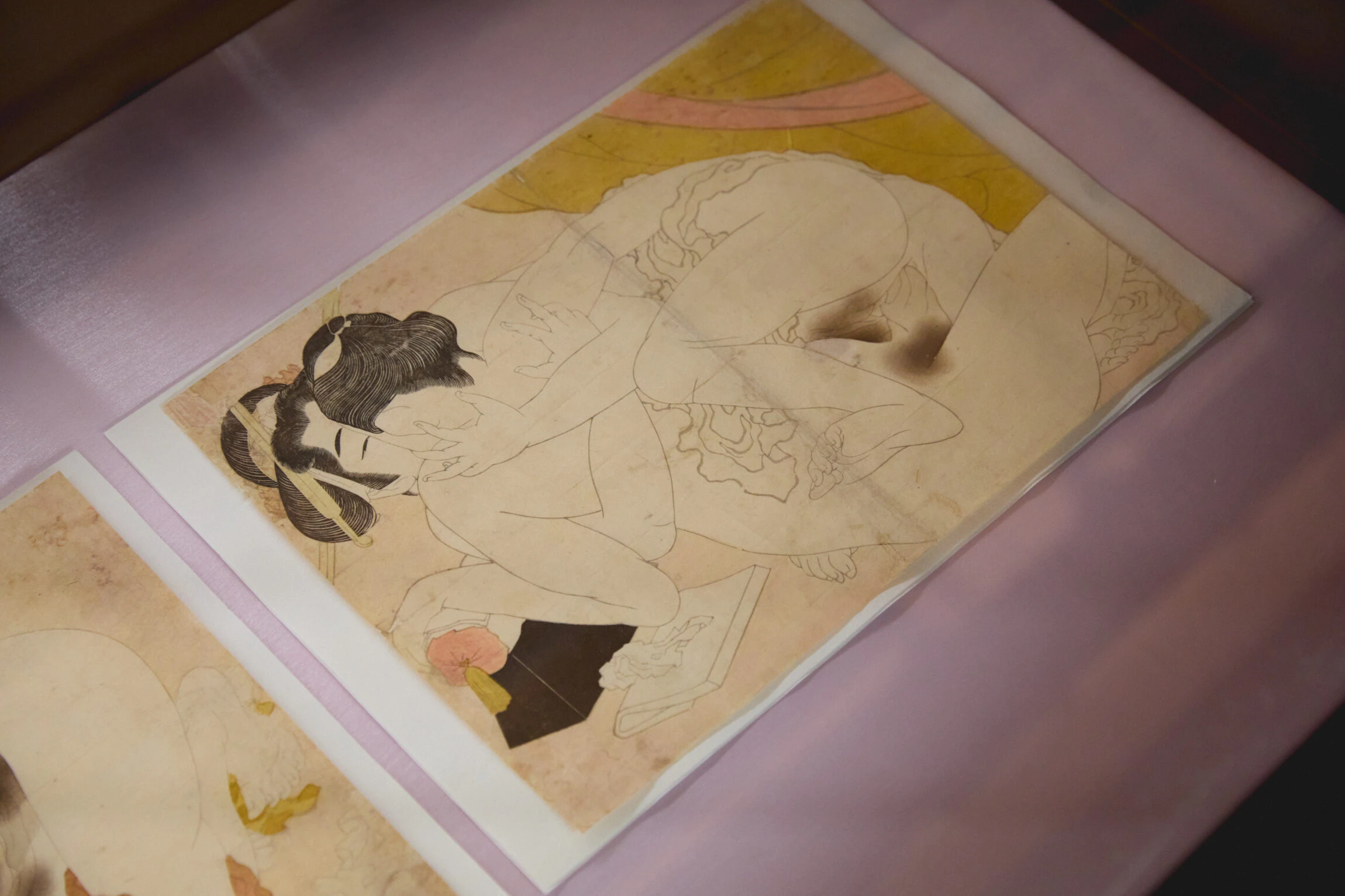
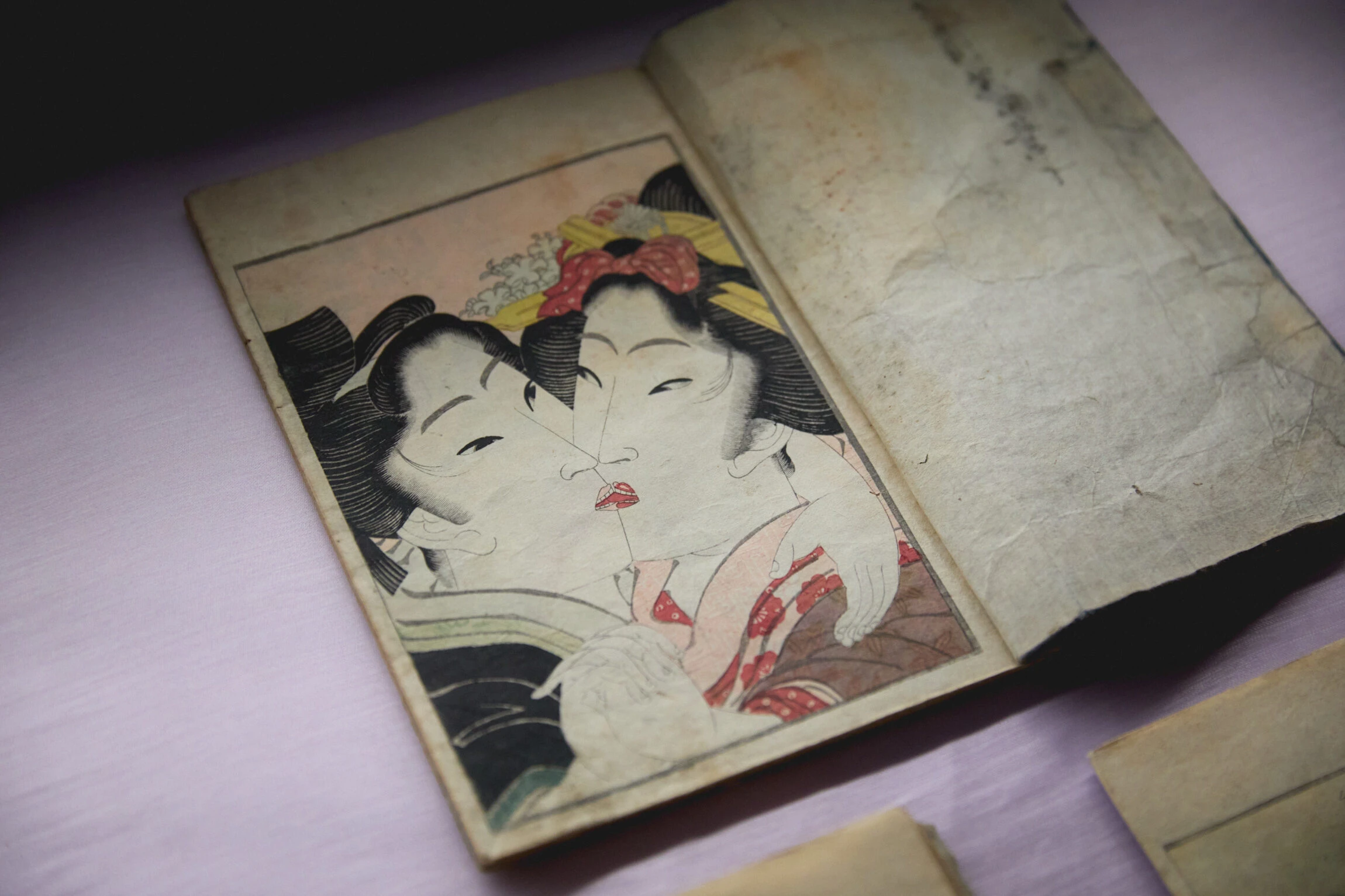
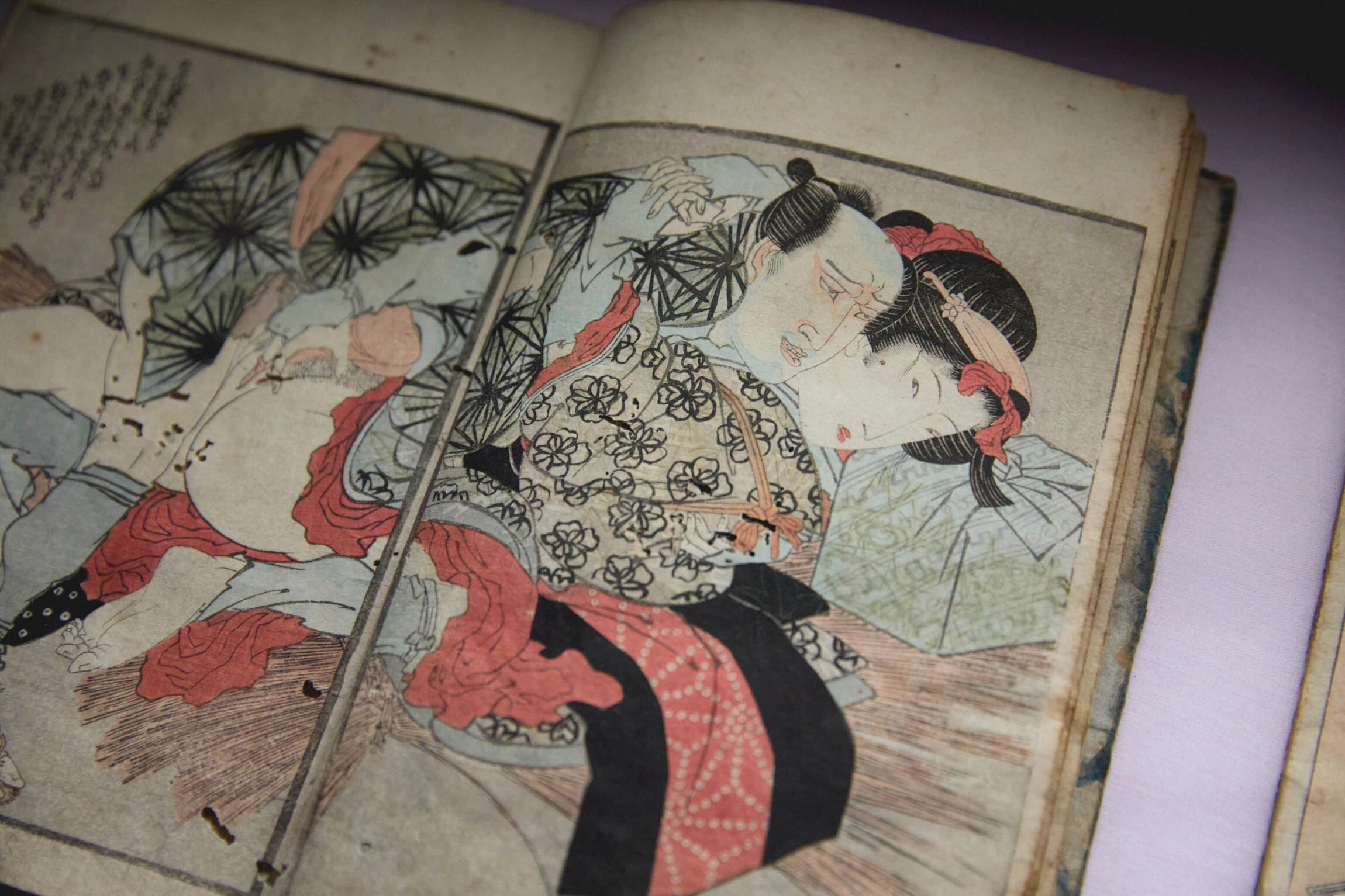
Since summer 2025, the Kabukicho-based Smappa!Group has hosted a pair of much-discussed and evidently popular exhibitions focused on Shunga, or traditional Japanese erotica. And now they’re making it a threesome with ‘A Contest of Allure: Hokusai and Eisen – Kabukicho in Full Bloom’, on show at the Shinjuku Kabukicho Noh Stage and the disused host club Bond until May 31.
Delving into the considerable oeuvre of titillating imagery created by two Edo-period (1603–1868) masters of ukiyo-e woodblock prints, the exhibition includes a limited-time display of what’s likely the world’s most recognisable Shunga artwork.
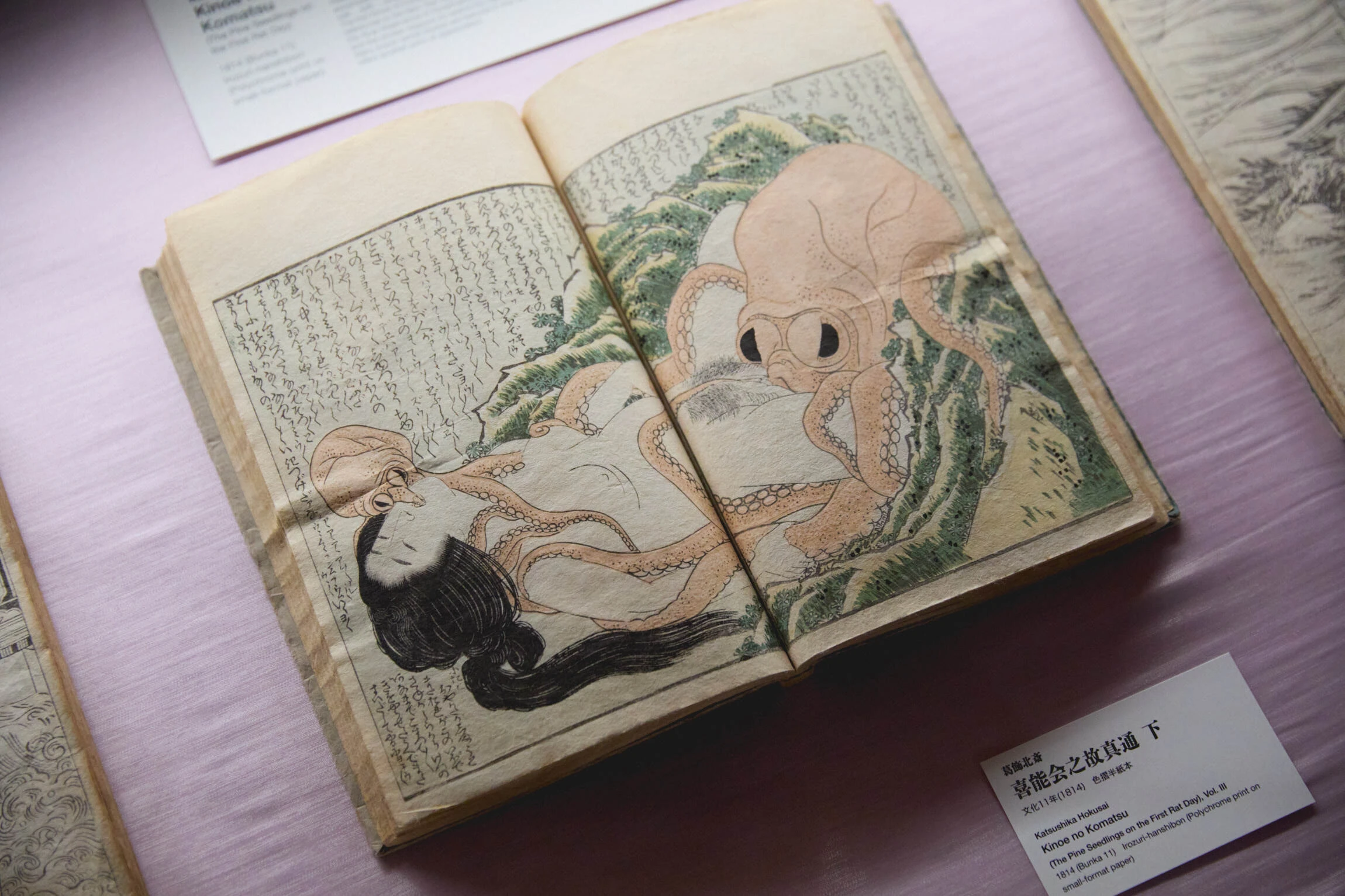
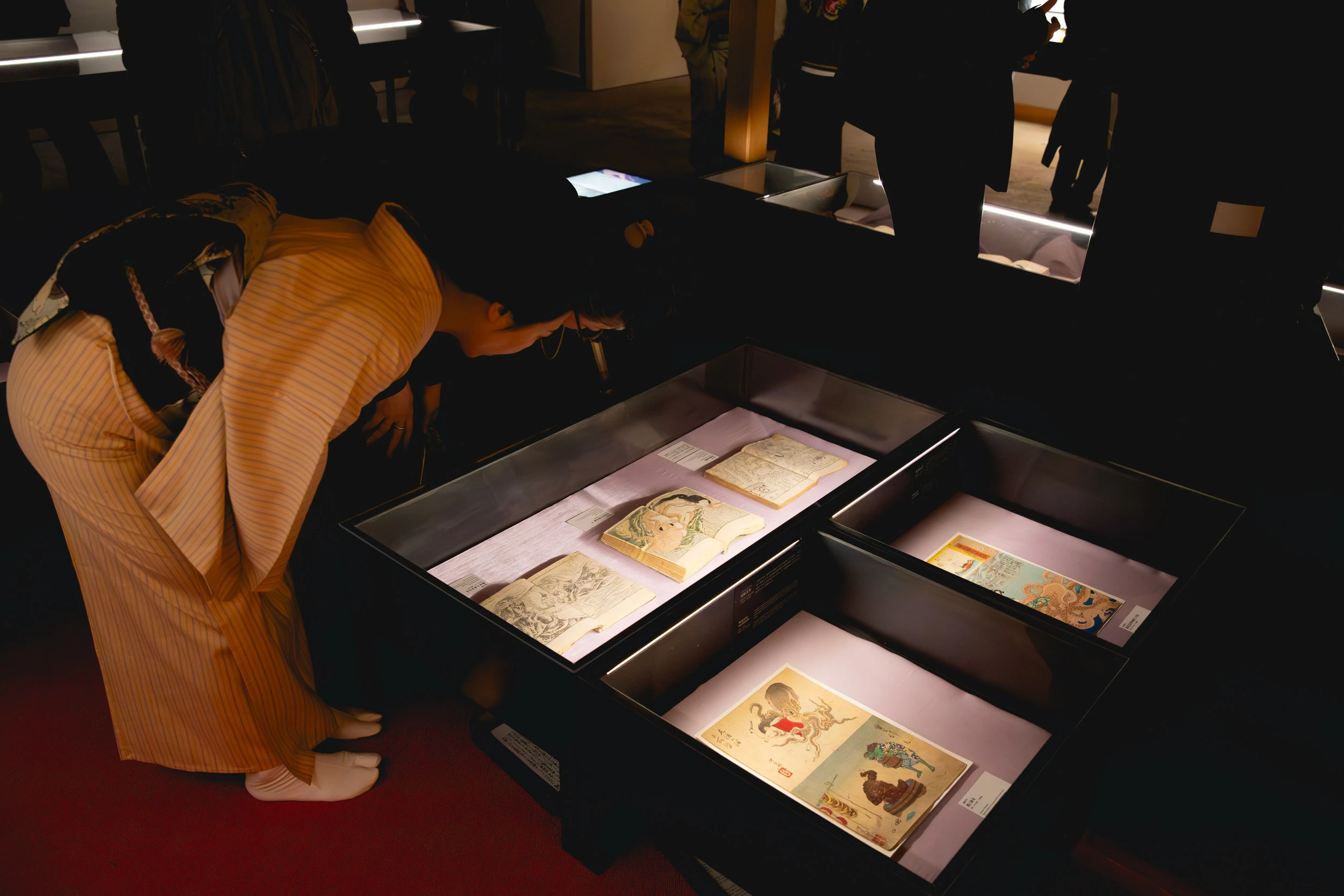
The hands-down highlight of ‘A Contest of Allure’ is Katsushika Hokusai’s The Dream of the Fisherman’s Wife, a work first published in the 1814 Shunga book Kinoe no Komatsu (‘Pine Seedlings on the First Rat Day’). Familiar to fans of the hit TV show Mad Men and a source of inspiration for countless modern-day manga and anime pornographers, this depiction of a lustful encounter between a woman and a pair of octopuses will be on display only April 4–12 and May 1–10 to protect the precious original print.
Hokusai’s proto-hentai picture, surrounded by writing heavily laced with onomatopoeia narrating the racy rendezvous, was inspired by the ancient folk tale of Princess Tamatori. Well-known among the public during the Edo period, this story of a diver who retrieves a sacred jewel from a dragon god’s underwater palace at the cost of her life was turned into Shunga by many different ukiyo-e artists. Variations on the same theme by Katsukawa Shuncho, Utagawa Kuniyoshi and Tsukioka Yoshitoshi are part of the exhibition, too, as are numerous other erotic prints by Hokusai himself.
Many masters of Edo-period woodblock printing eagerly worked with Shunga, both because erotica tended to pay well – most works were commissioned by publishers – and because the form allowed artists to push the boundaries of their craft. Creating lifelike compositions, in which details like individual hairs and the intricate patterns on subjects’ clothing were depicted with great precision, required significant technical skill as well as a vivid imagination.
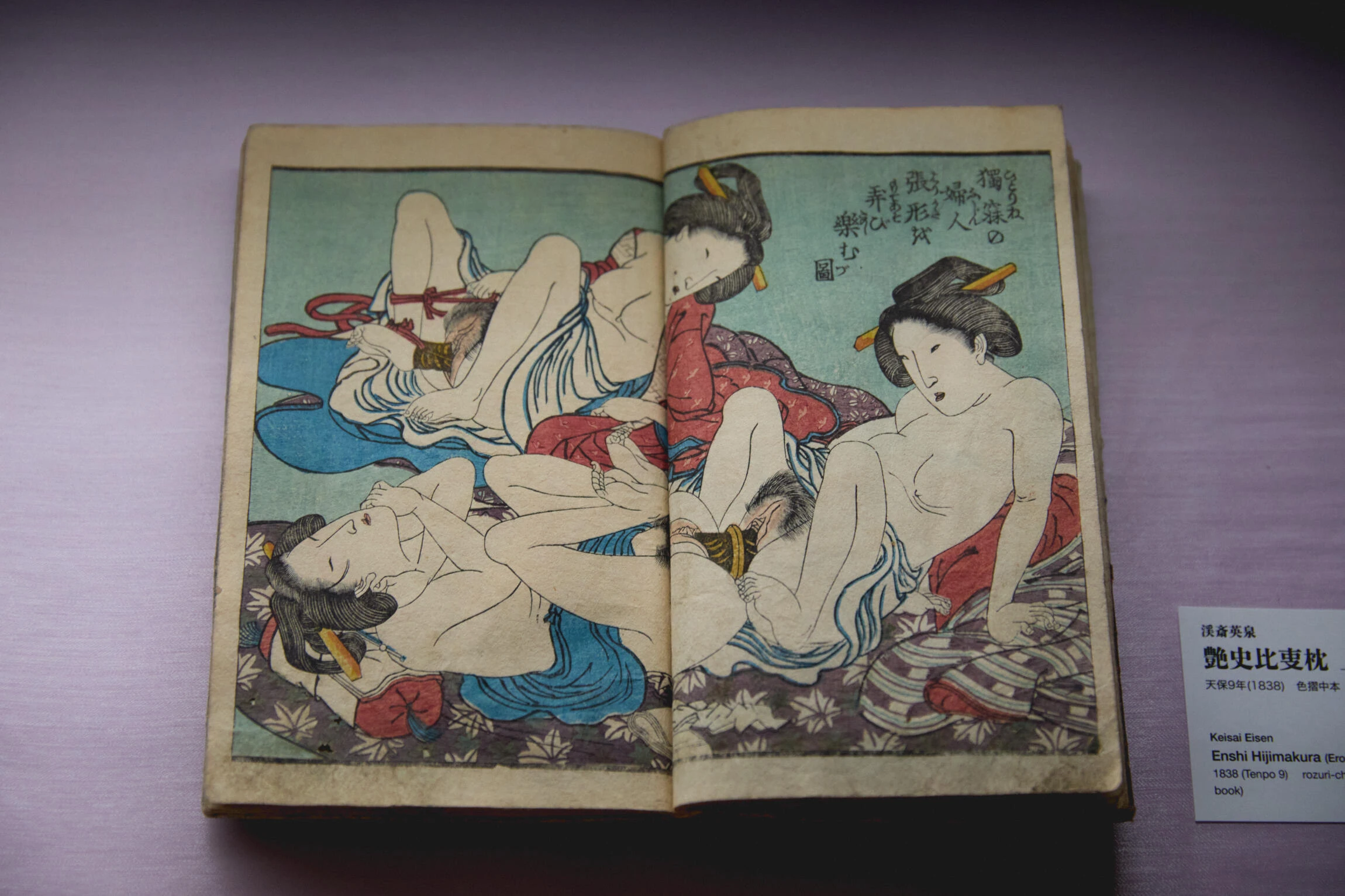
While Hokusai and his octopi may grab the headlines, the exhibition also does a fine job spotlighting the work of Keisai Eisen, an artist who took Shunga in a tantalising new direction during the first half of the 1800s.
Thirty-one years younger than Hokusai, Eisen lived near the former’s home and, while not formally an apprentice of Hokusai’s, often visited him in person. Eisen was inspired by Hokusai’s bold compositions and diverse motifs, but went on to develop a seductive style all of his own.
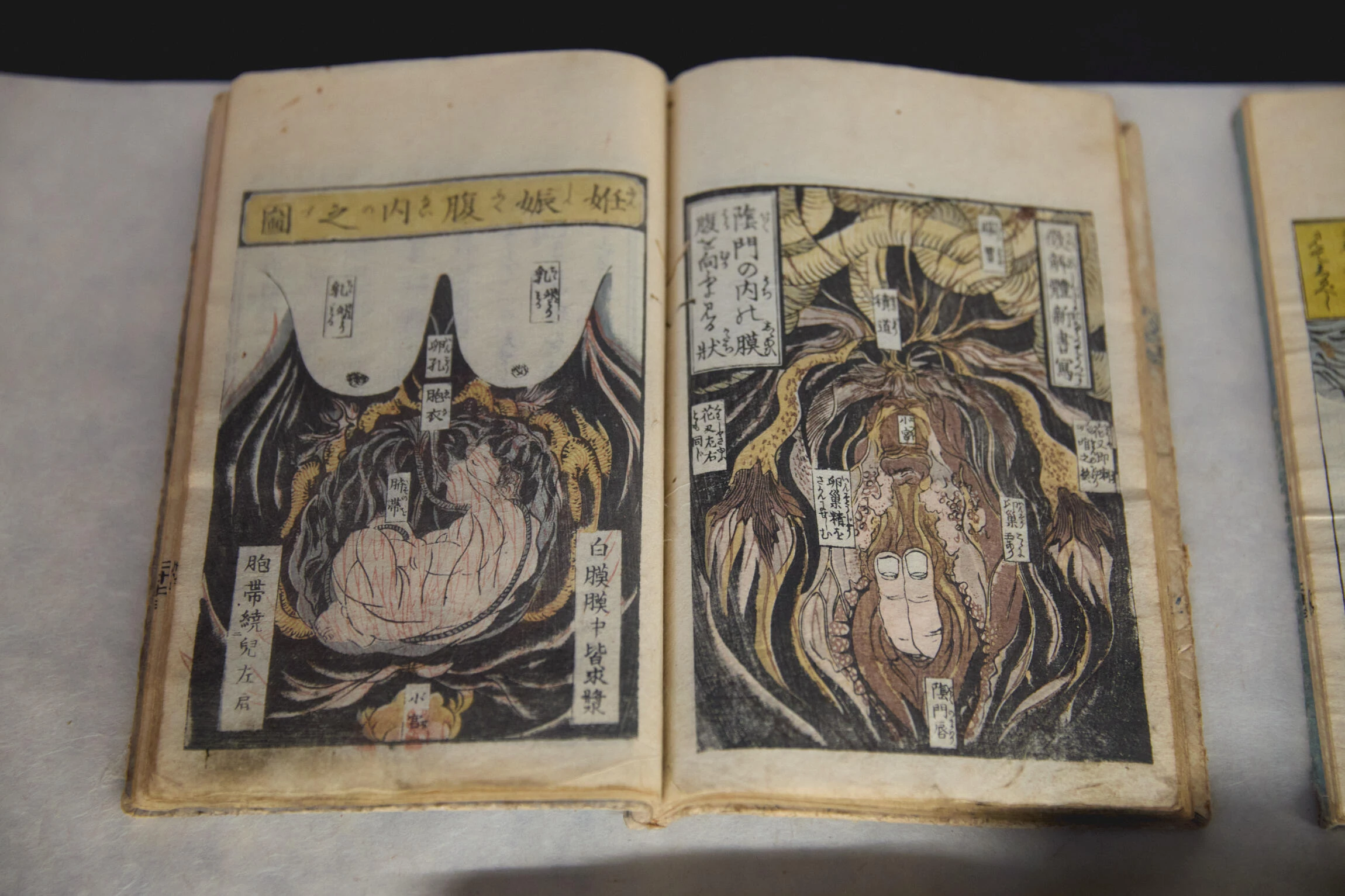
Many of Eisen’s prints displayed at the exhibition feature women with wistful expressions, echoing the artist’s penchant for finding something erotic in even the most mundane of motifs. Among his most noteworthy works is Makura Bunko (‘The Pillow Library’, 1822), an encyclopaedia of sex disguised as a medical textbook. Adorned with neat illustrations of vulvas, sex positions and pubic hair growths, the volume was readily accessible to people of Eisen’s era and became an all-time bestseller.
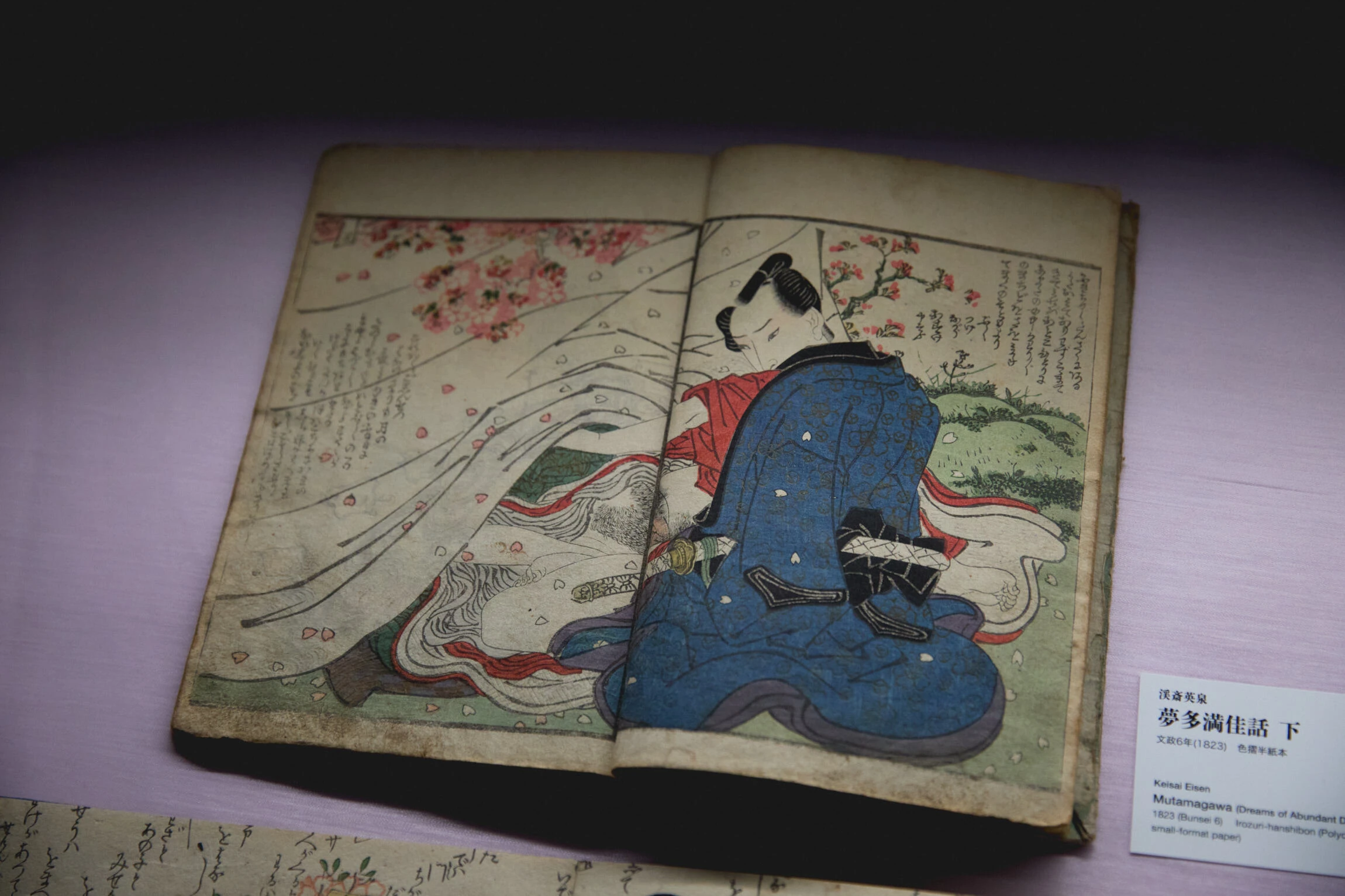
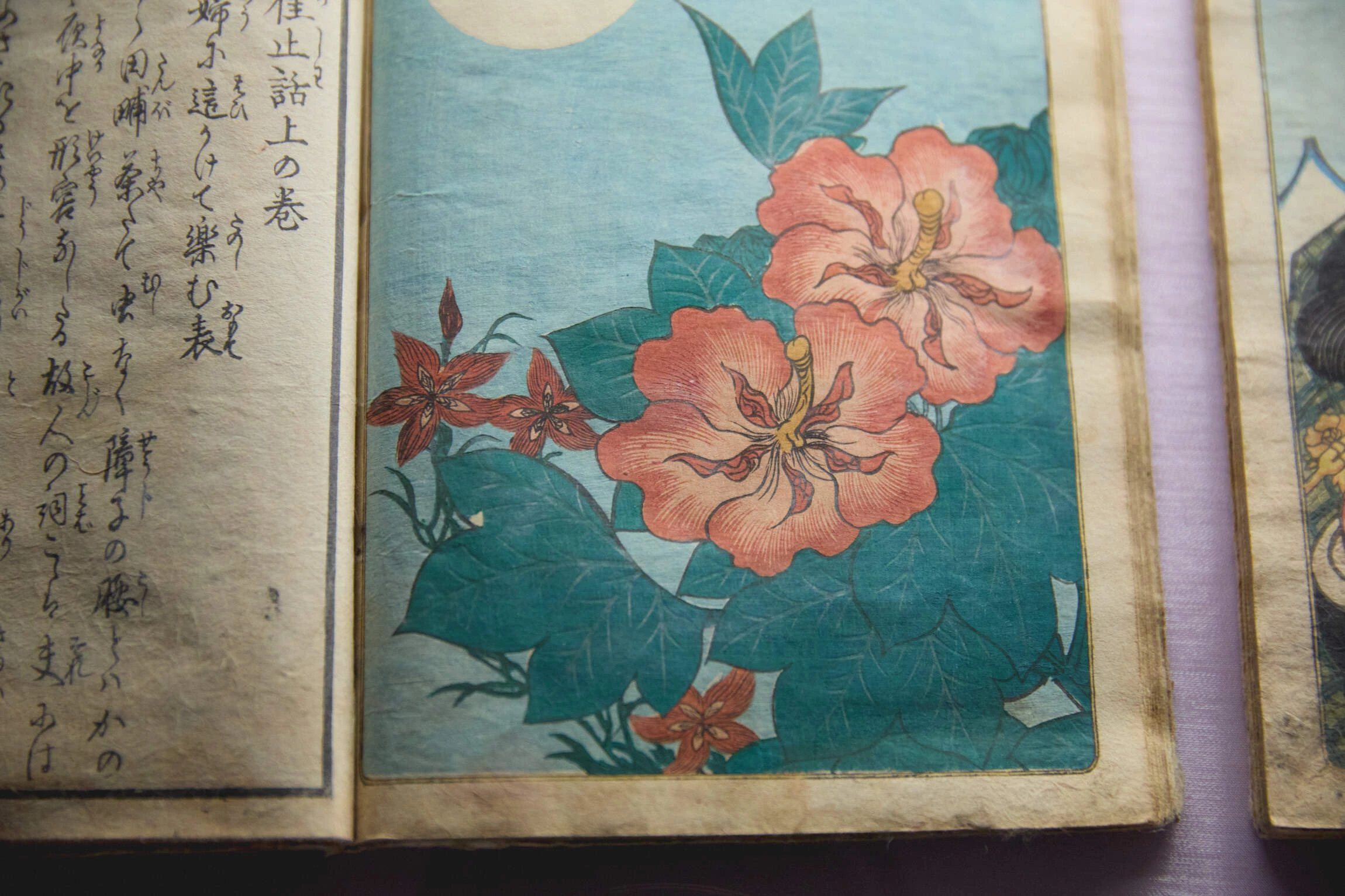
With the exhibition open throughout spring, the curators have included a selection of Shunga with a seasonal theme. A standout among these is Eisen’s Mutamagawa (‘Dreams of Abundant Delight’, 1838), a compilation of vivid flower and plant prints that, upon closer inspection, feature details inspired by, well, human anatomy.
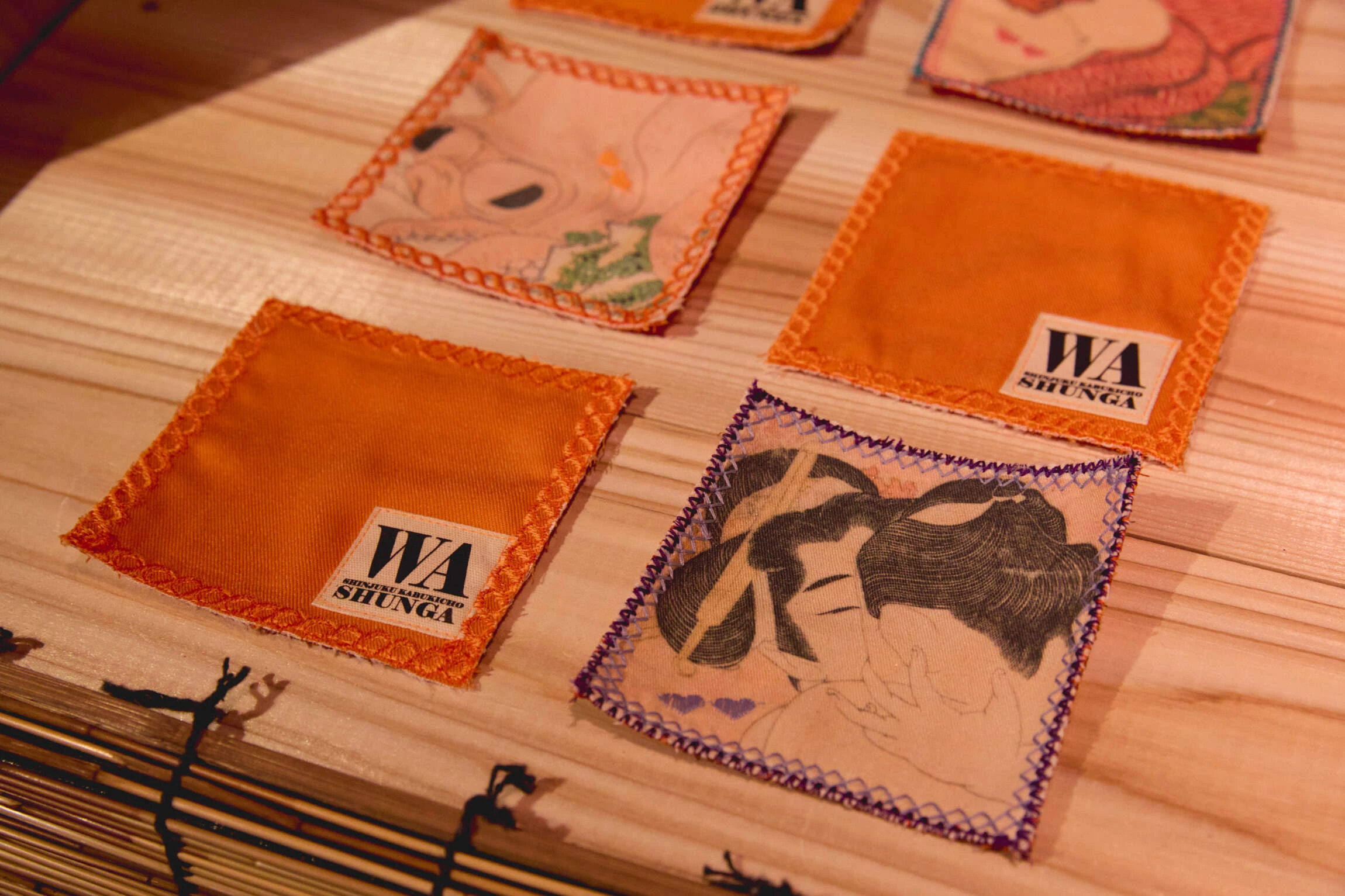
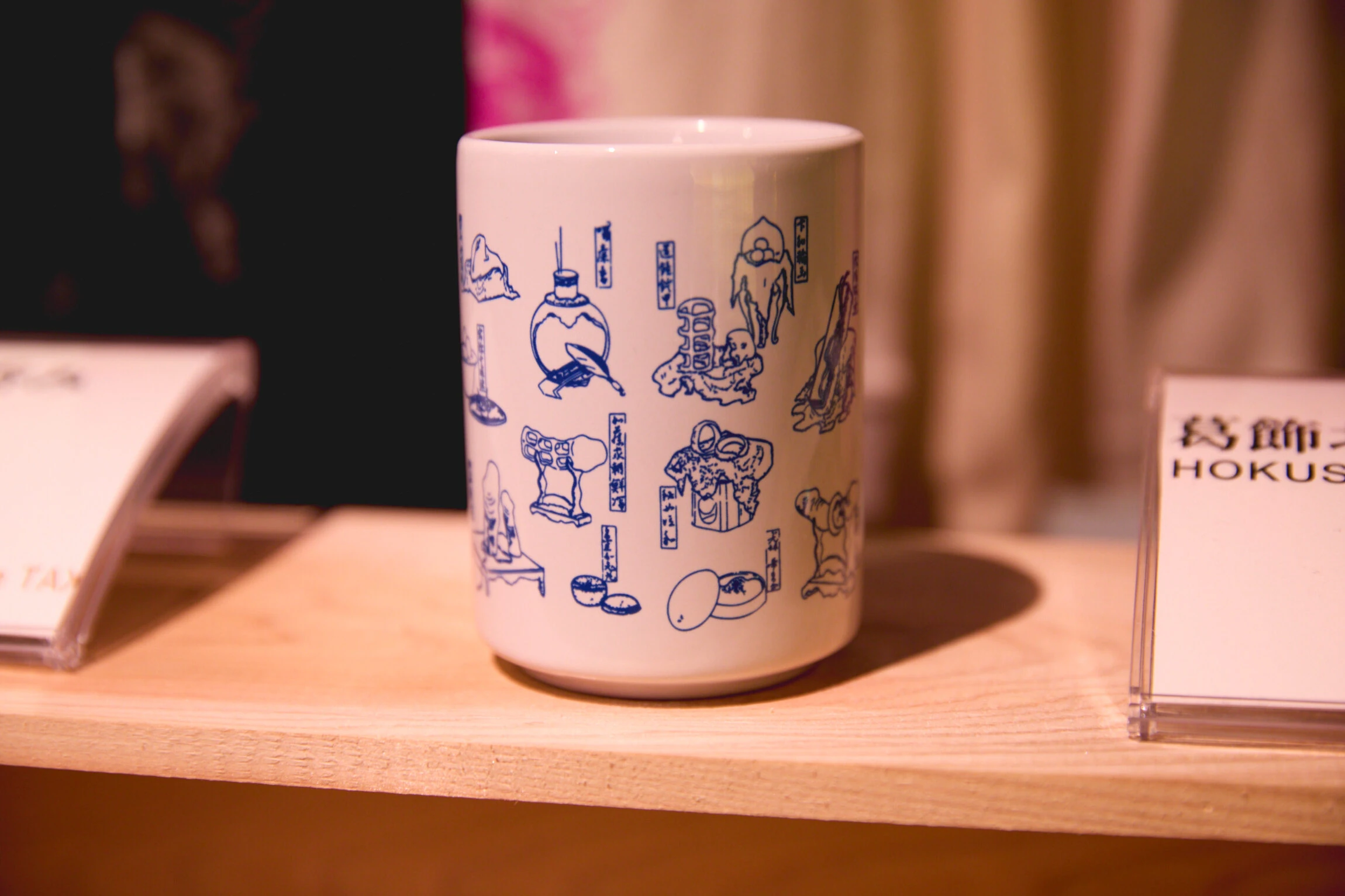
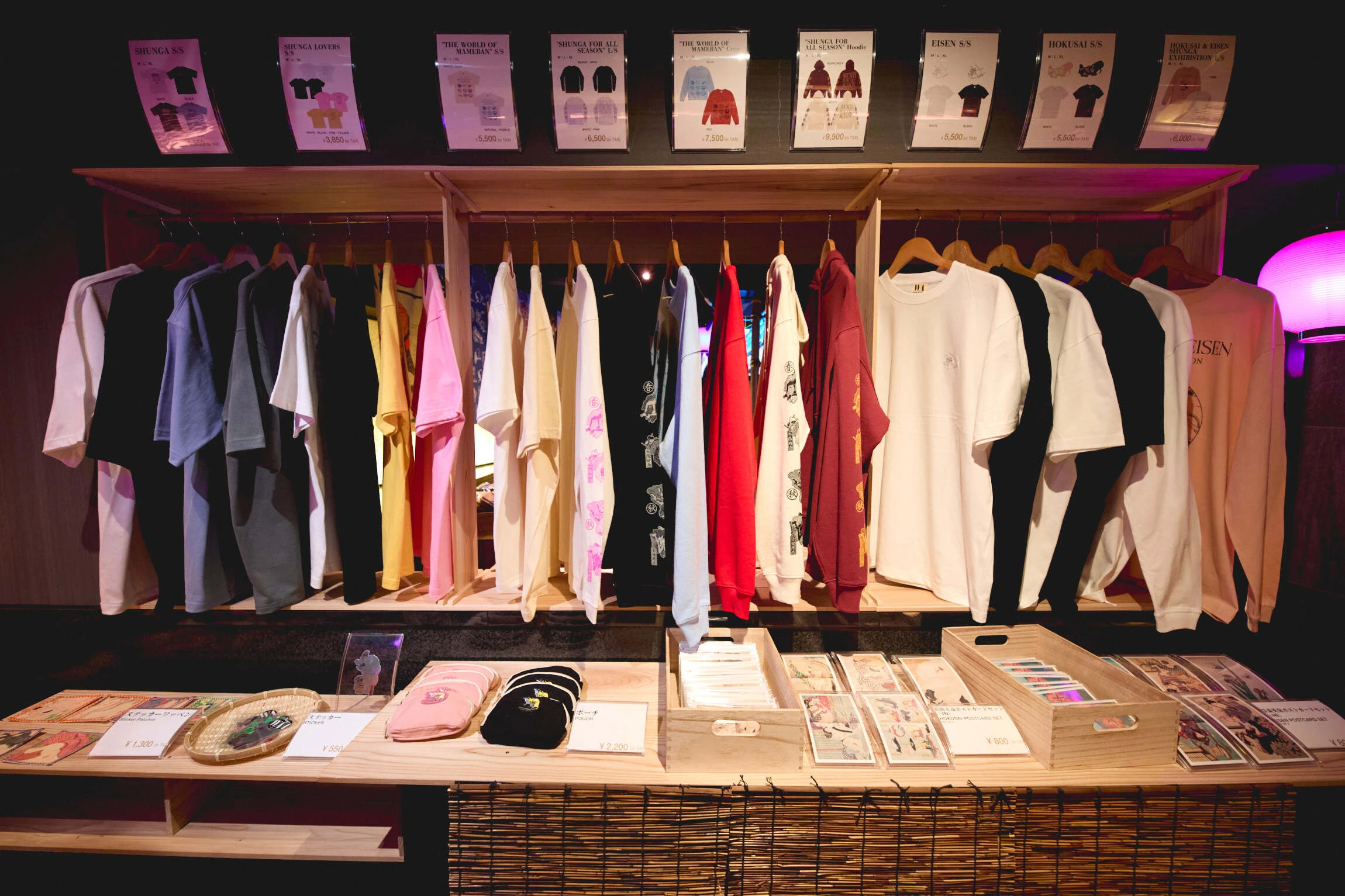
After viewing the works, don’t hesitate to check out the gift shop at Bond, where exclusive merch like cloth coasters adorned with iconic Shunga imagery (¥1,300) and ceramic tea cups featuring Edo-period sex toys depicted by Hokusai (¥1,500) can be perused alongside the usual T-shirts and postcards.
‘A Contest of Allure: Hokusai and Eisen – Kabukicho in Full Bloom’ is on at the Shinjuku Kabukicho Noh Stage and Bond daily until May 31 (11am-7pm; Fri, Sat until 9pm). Tickets cost ¥2,200 (¥1,500 for students with ID) and are available in advance via GetYourGuide. Note that you have to be at least 18 years of age to view the exhibition.
FREE TICKETS: We’re giving away 100 tickets to ‘A Contest of Allure’! Fill out this form with your name, age, address and phone number to enter the draw. The free tickets will be sent out in mid-April and are valid until April 30. Please note that eligibility for the lottery is limited to residents of Japan.
More from Time Out Tokyo
10 art exhibitions to check out in and around Tokyo this spring
6 of the world’s 100 most visited art museums are in Tokyo
Feed sheep and spin wool on this farm tour near Tokyo
Tokyo unveils one of the world’s tallest fountains, soaring up to 150 metres high
Shibuya is introducing more rubbish bins and ¥2,000 fines for littering
Want to be the first to know what’s cool in Tokyo? Sign up to our newsletter for the latest updates from Tokyo and Japan.
Discover Time Out original video