
[image]
[title]How does the world see Osaka as a food city? Using research findings as a starting point, seven experts – chefs, producers, journalists and tourism experts – recently came together to discuss what Osaka needs to take its food scene to a global audience: how to build its own distinctive identity, develop a citywide strategy and gain international recognition and visibility.
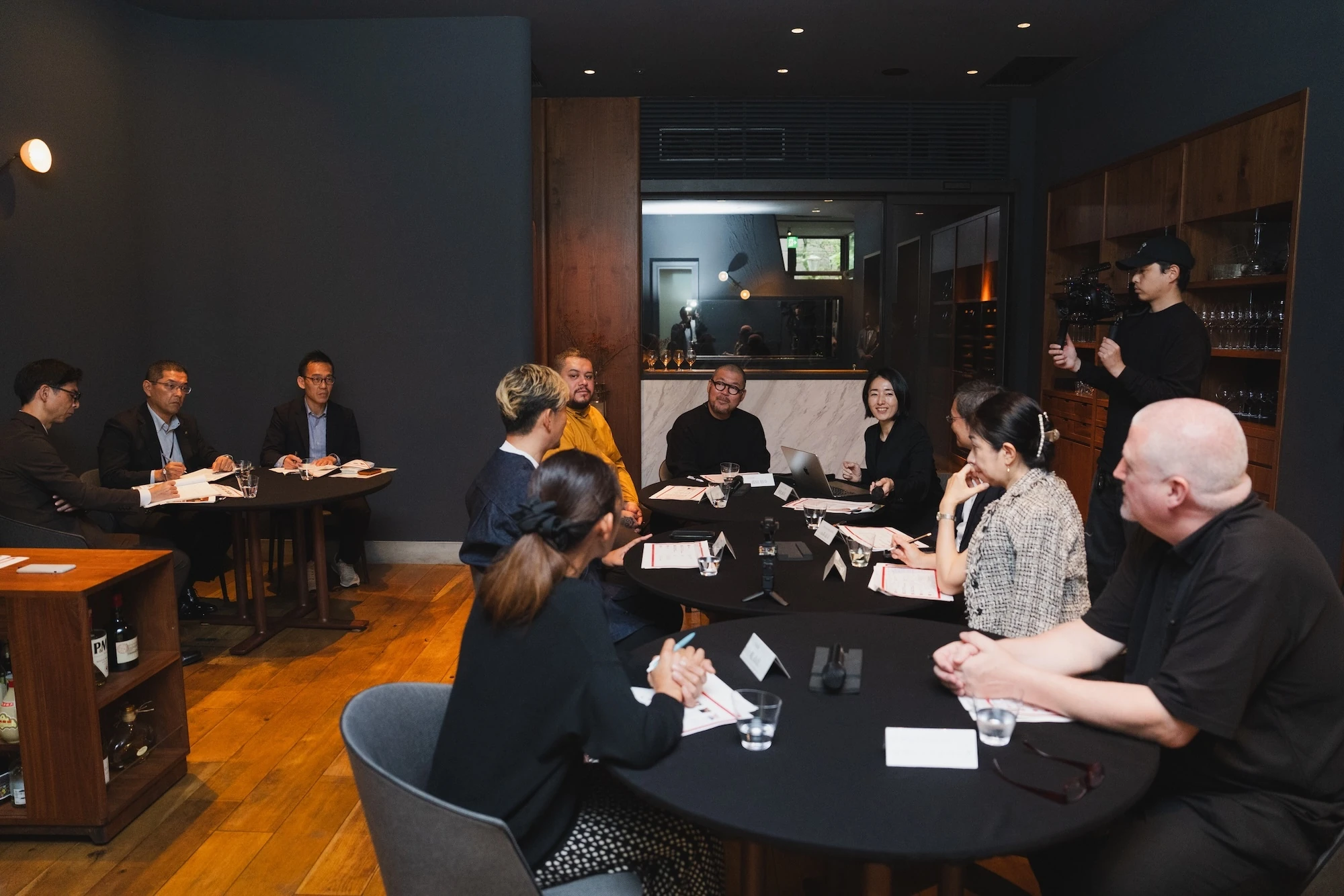
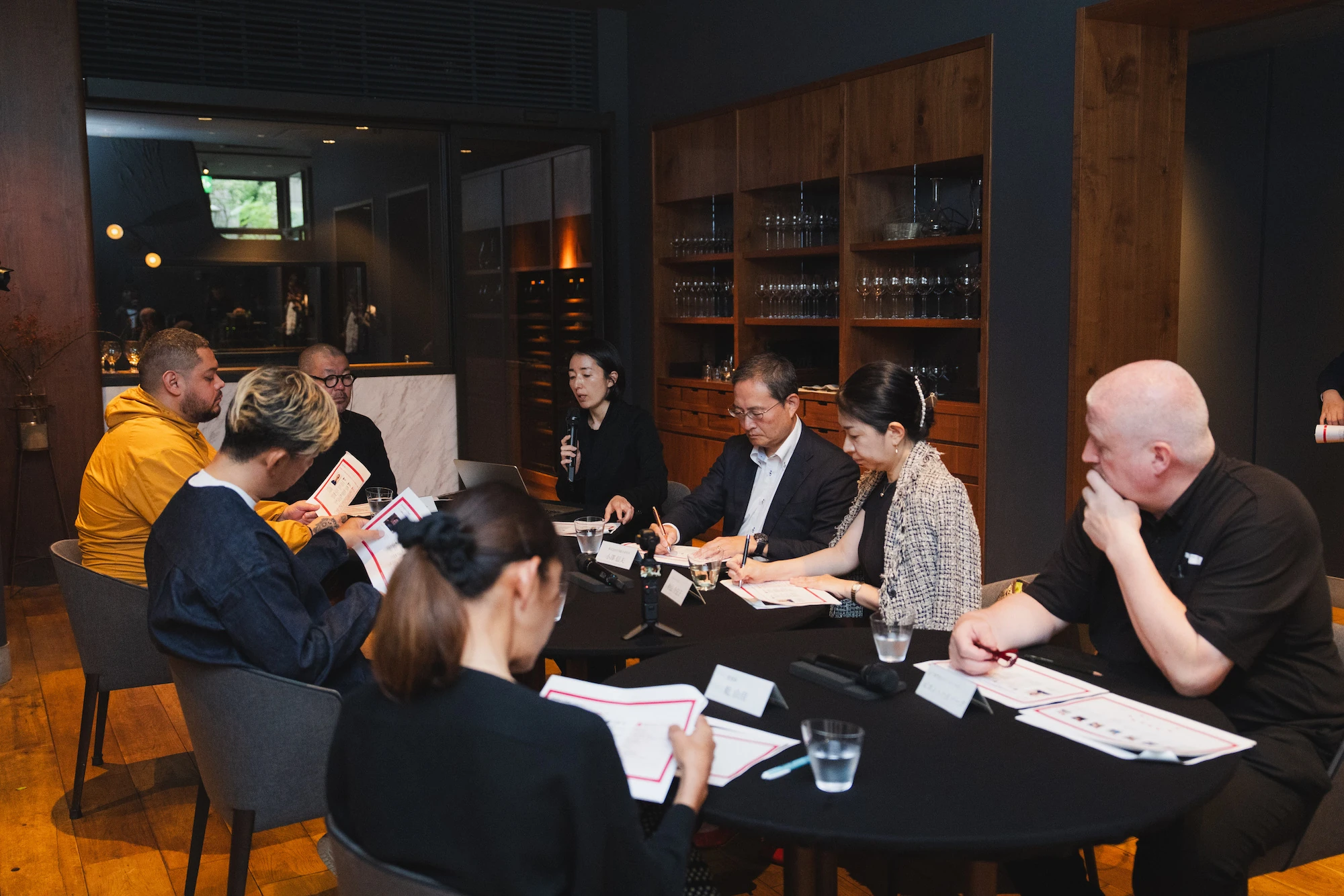
The first Osaka Culinary Immersion 2026 Roundtable was held on October 20 2026 at the La Cime restaurant in Sakaisuji-Honmachi, Osaka. Organised by JTB Communication Design Inc, the event is part of an international research project focused on food and commissioned by Osaka Prefecture. The event was planned and curated by Original Inc, whose businesses include running the bilingual English-Japanese city guide Time Out Tokyo.
The roundtable’s theme was ‘Redefining the international value of Osaka’s food culture’. Drawing on analysis of international publications, social media and generative AI, as well as interviews with four experts, seven specialists discussed the challenges and potential of Osaka’s culinary culture. Serving as moderator was Akiko Toya, Executive Vice President of Original Inc and Deputy CEO of Time Out Tokyo.
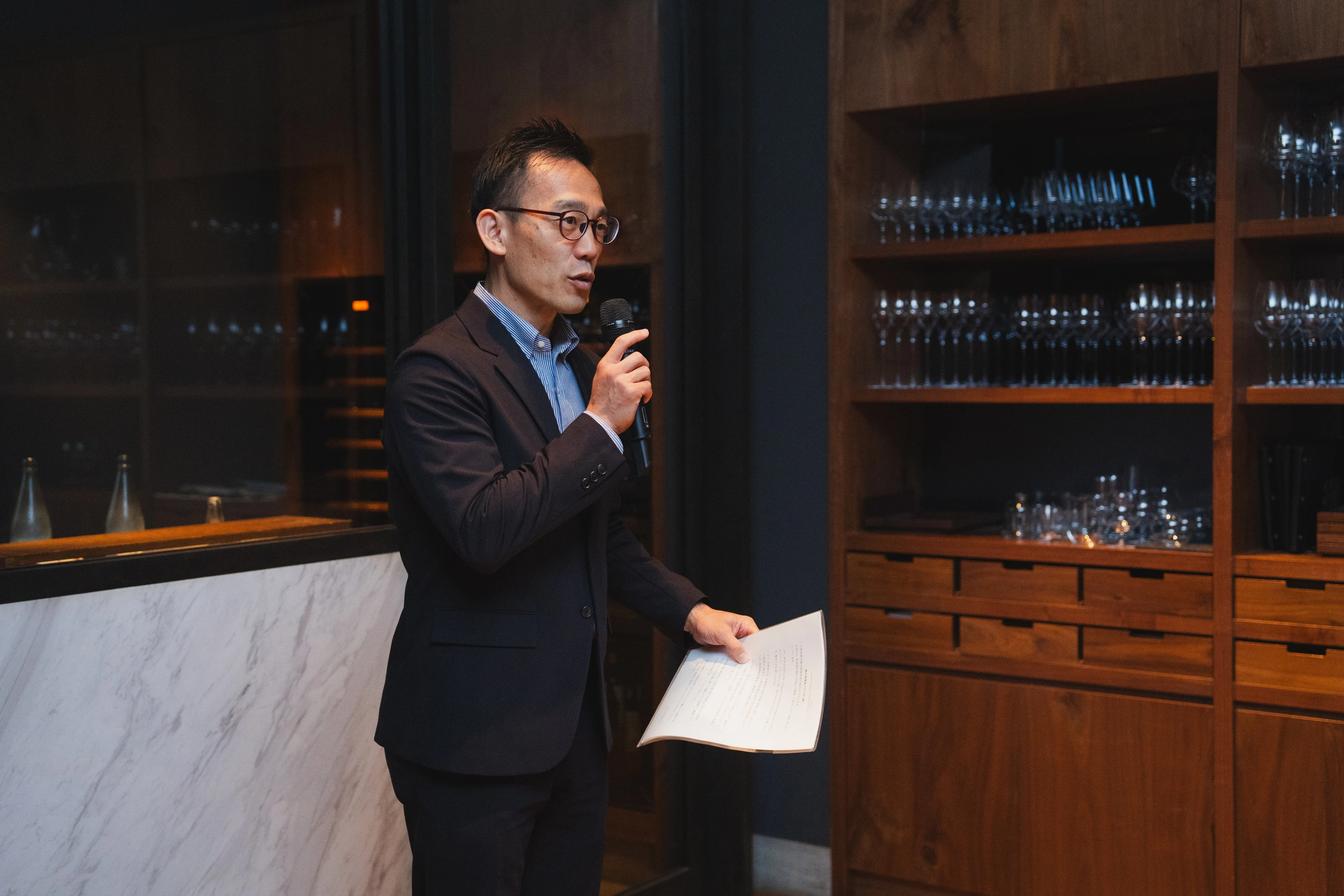
In his opening remarks, Naohito Moriguchi, Director-General of Osaka’s Urban Attractiveness Creation Bureau, noted how Expo 2025 Osaka, Kansai was a tremendous success. ‘To ensure Osaka continues to grow and develop after the Expo,’ Moriguchi said, ‘Osaka Prefecture intends to strengthen the city’s economy, human resources and urban capabilities more than ever before. Food is a field in which Osaka has a real strength. We want to establish it as a brand, promote the appeal of Osaka’s food both in Japan and abroad, and raise Osaka’s profile.’
Participants
Yusuke Takada: Chef of La Cime and an Osaka Prefecture Food Ambassador. His restaurant has earned two stars in the Kansai edition of the Michelin Guide and is the only Osaka restaurant included in the World’s 50 Best Restaurants list, where it currently holds the highest ranking of any restaurant in Japan.
Willy Monroy: Chef of Milpa, a Mexican fine-dining restaurant in Horie, Osaka. In 2025, Milpa became the first Mexican restaurant in Japan to earn a Michelin star.
Tomofumi Fujimaru: Founder of Shimanouchi Fujimaru Winery, Japan’s first urban winery. He runs several establishments, mainly in Osaka but also in Tokyo.
Yuka Inui: Owner of Inui Farm in Tondabayashi, Osaka. The farm grows Tondabayashi’s signature produce, including the traditional vegetable ebi-imo (‘shrimp taro’), which it has cultivated since its founding, as well as Osaka cucumbers and Osaka eggplants.
Kyoko Nakayama: Journalist; served as moderator of the 2025 Osaka Culinary Immersion symposium. She judges restaurant awards in Japan and abroad and comments on gastronomy for outlets including CNN and Channel News Asia. She is the author of Watashi wa Ryori de Ikite Iku (‘I Will Live by Cooking’).
Bjorn Heiberg: Owner of the knife shop Tower Knives. Born in Canada and raised in Denmark, Heiberg moved to Japan in 1992, drawn by its artisan culture. He runs knife shops in Osaka’s Shinsekai and Tokyo.
Shinobu Ozawa: Chief Consultant at JTB Tourism Research & Consulting Co. From 2017, he spent three years in the Asia-Pacific department of the World Tourism Organisation (UNWTO, headquartered in Madrid, Spain), and helped bring the 7th UNWTO World Forum on Gastronomy Tourism to Nara. He has held his current role since 2020, focusing on global tourism with an emphasis on sustainability and tourism resilience.
Moderator: Akiko Toya, Executive Vice President, Original Inc; Deputy CEO, Time Out Tokyo

What the research revealed: the strengths and challenges of Osaka’s food
Kicking things off, Kenichiro Watai, Senior Client Service Manager at Carma Asia Japan, reported on an international study of Osaka’s food conducted from May to July 2026, sharing findings from overseas press coverage, social media monitoring and LLM analysis.
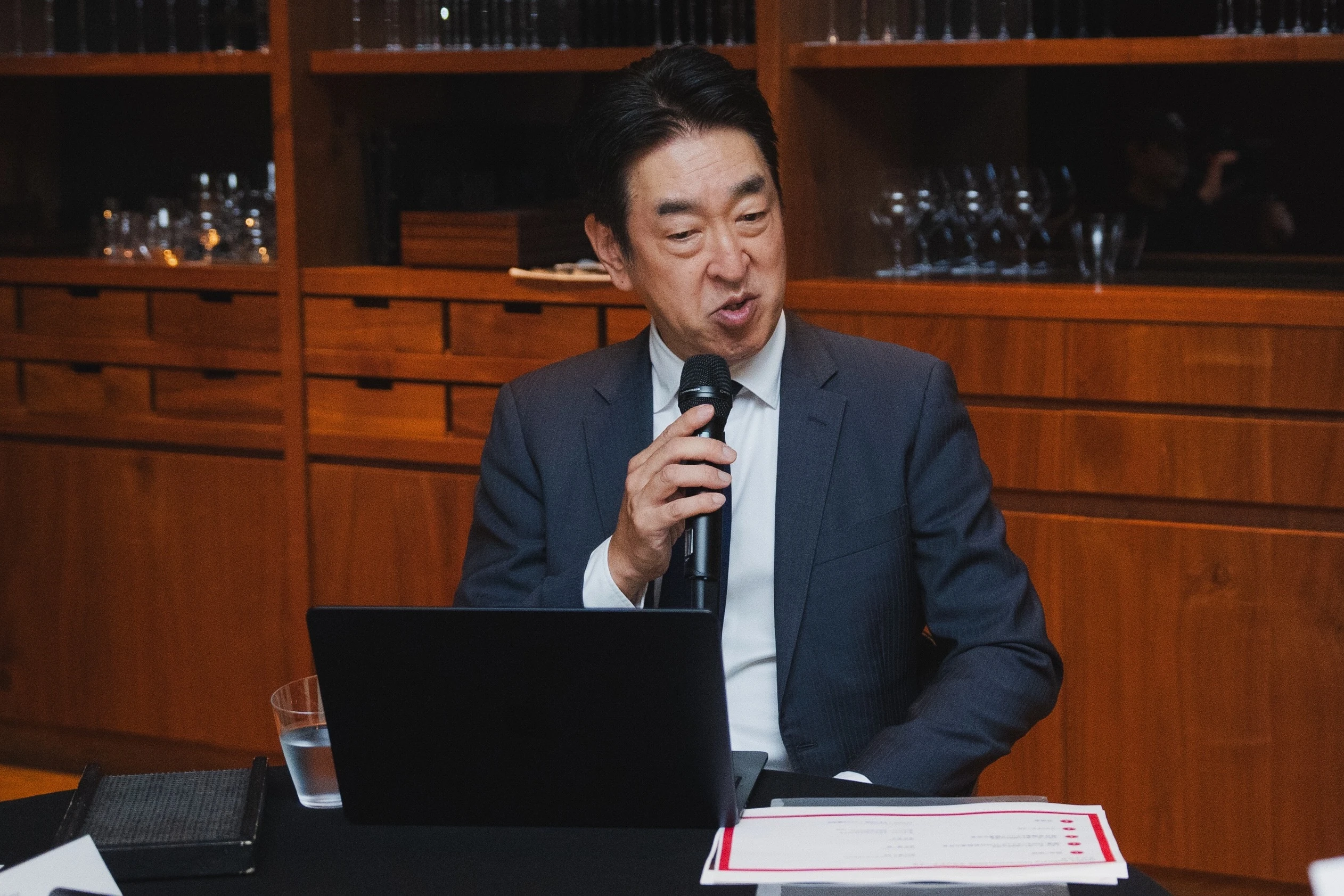
‘The image of Osaka as a food city does reach overseas audiences, but it is skewed toward street food,’ Watai noted. ‘The challenge is not awareness but depth, and a reason to stay. Michelin was mentioned in only 13 percent of press coverage, the lowest number of the seven cities we compared.’
‘The length of stay in Osaka recommended by AI models is only three to four days, and seasonal food culture is barely communicated. On the other hand, Osaka’s strengths of approachability, casualness, energy and value for money remain solid. The room for growth lies in four kinds of depth: high-end dining and personalities, areas beyond Minami, seasonality, and length of stay.’
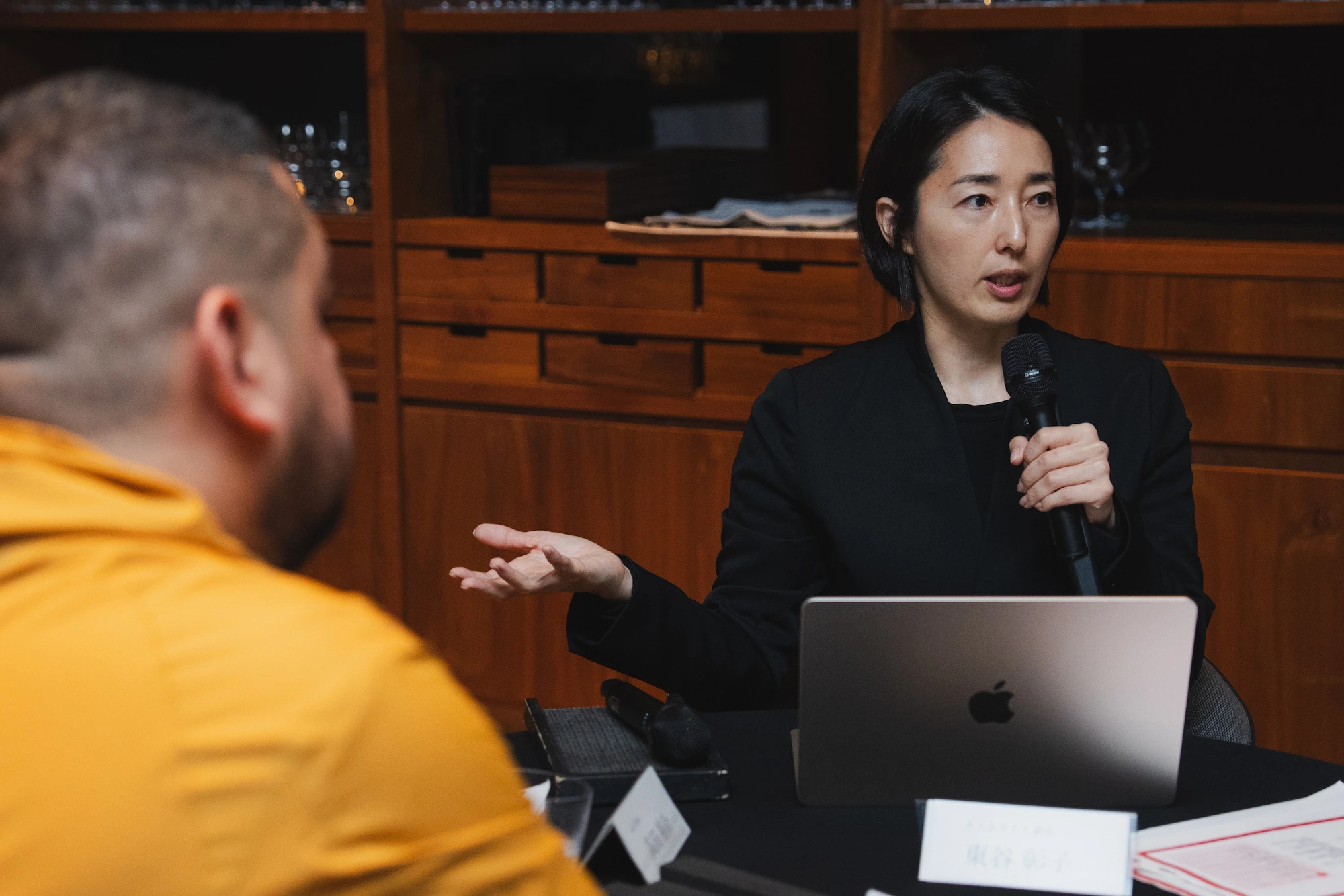
Akiko Toya then presented the results of interviews with four international experts: Asier Alea of the Basque Culinary Center; Evelyn Chen, a Singapore-based food and travel writer; Carla Ferreyra, head of hospitality and culture at the Peruvian restaurant Central; and Jonathan Malveaux, CEO of the strategic investment firm Grand Alliance. Their common points were public-private partnership, building a credible basis for trust, multilingual communication, and narrowing Osaka’s identity down to a single focus.
The roundtable was held in three sessions.
Session 1: Redefining Osaka’s identity – from ‘the nation’s kitchen’ to a global food city
Toya: In our research, generative AI contrasted Tokyo as ‘the future of food’ with Osaka as ‘the roots of food’. I’d like us to explore an axis of food and value that is unique to Osaka.
Takada: To be honest, I still don’t understand what the essence of Osaka’s food culture is. TV in Osaka almost always features the same people and the same kind of content. My restaurant has been ranked by The World’s 50 Best Restaurants since 2017, but not once has the Osaka media featured us.
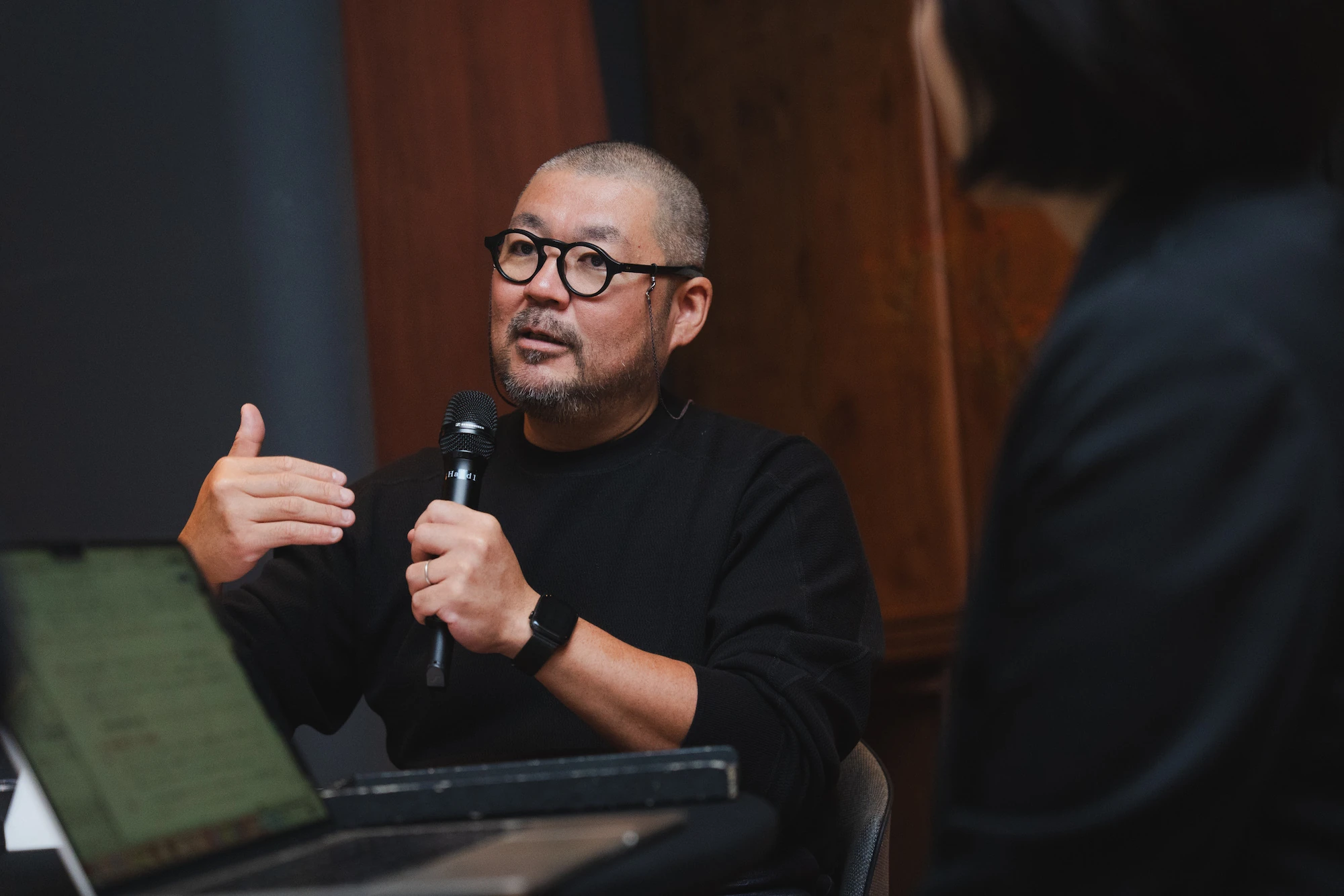
Monroy: When choosing where in Japan to open my restaurant, I considered Tokyo and Kyoto too. Osaka had few Mexican restaurants back then, and I worried it might not take off, but I ultimately decided on Osaka because it was worth the challenge.
Eighty to ninety percent of our customers are foreigners. Most of them spend their time exploring Kyoto and Tokyo, and stay in Osaka only one or two days. I think it would help to have the mindset of becoming a city where people enjoy themselves and spend money after they arrive, like at Universal Studios Japan or Tokyo Disney Resort.
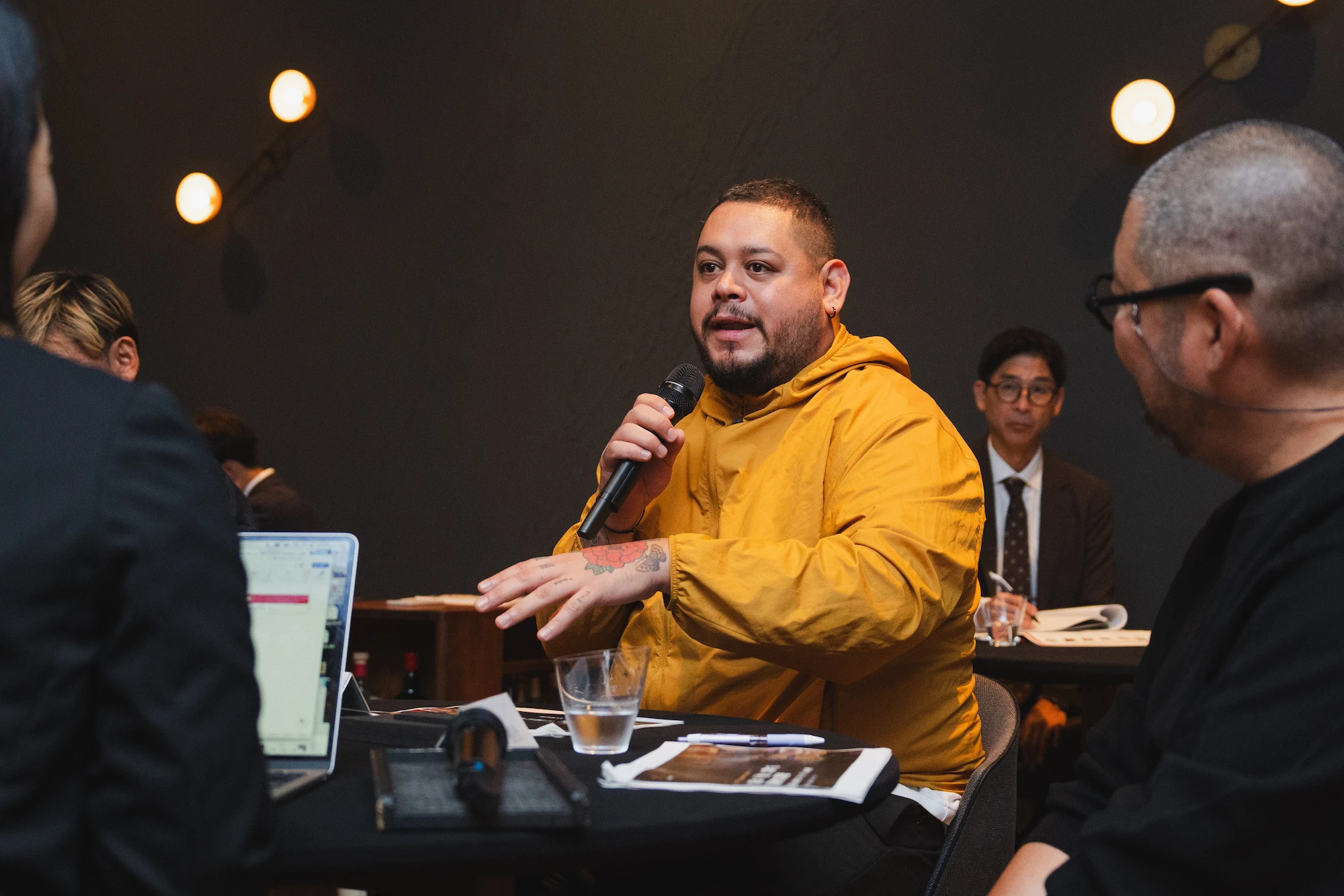
Nakayama: Perhaps Osaka’s food isn’t told as a single story because Osaka prospered as a commercial city and never focused on tourism. That’s the difference from Kyoto and Nara, which centre on tourism. What may have been missing is the foreign visitor’s perspective. Unless we skillfully weave together history, fine dining and traditional food to present the bigger picture that there are so many ways to enjoy Osaka, tourists won’t think to stay a little longer.
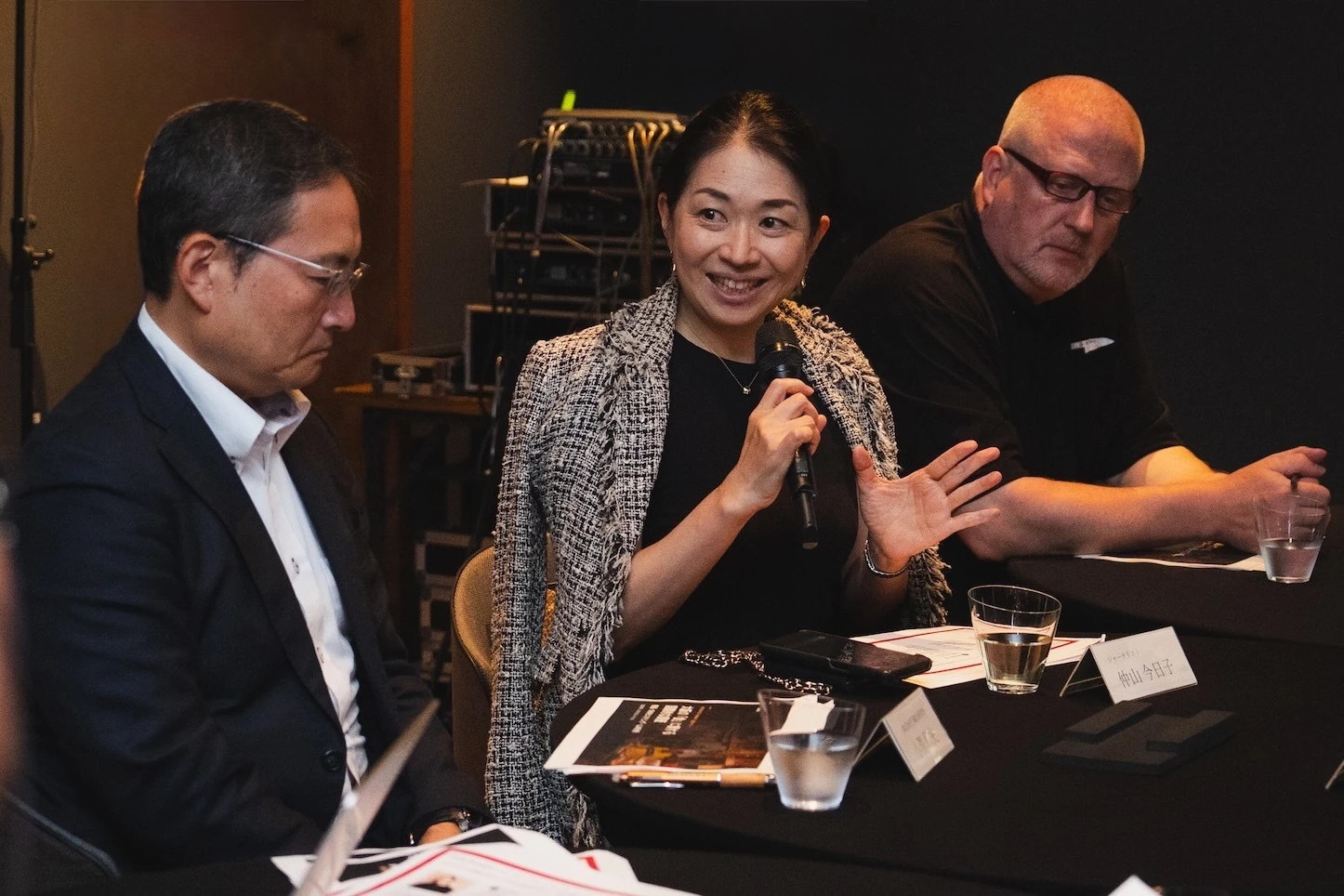
Ozawa: Fundamentally, tourism means communicating what your community values and wants to people both inside and outside the area. Osaka has a wealth of great food, but its real strength is the warmth and friendliness of its people. One idea is to turn these strengths into content, for example by linking them to scenery and farm experiences, or by creating hands-on, showcase-style sessions for events like conventions.
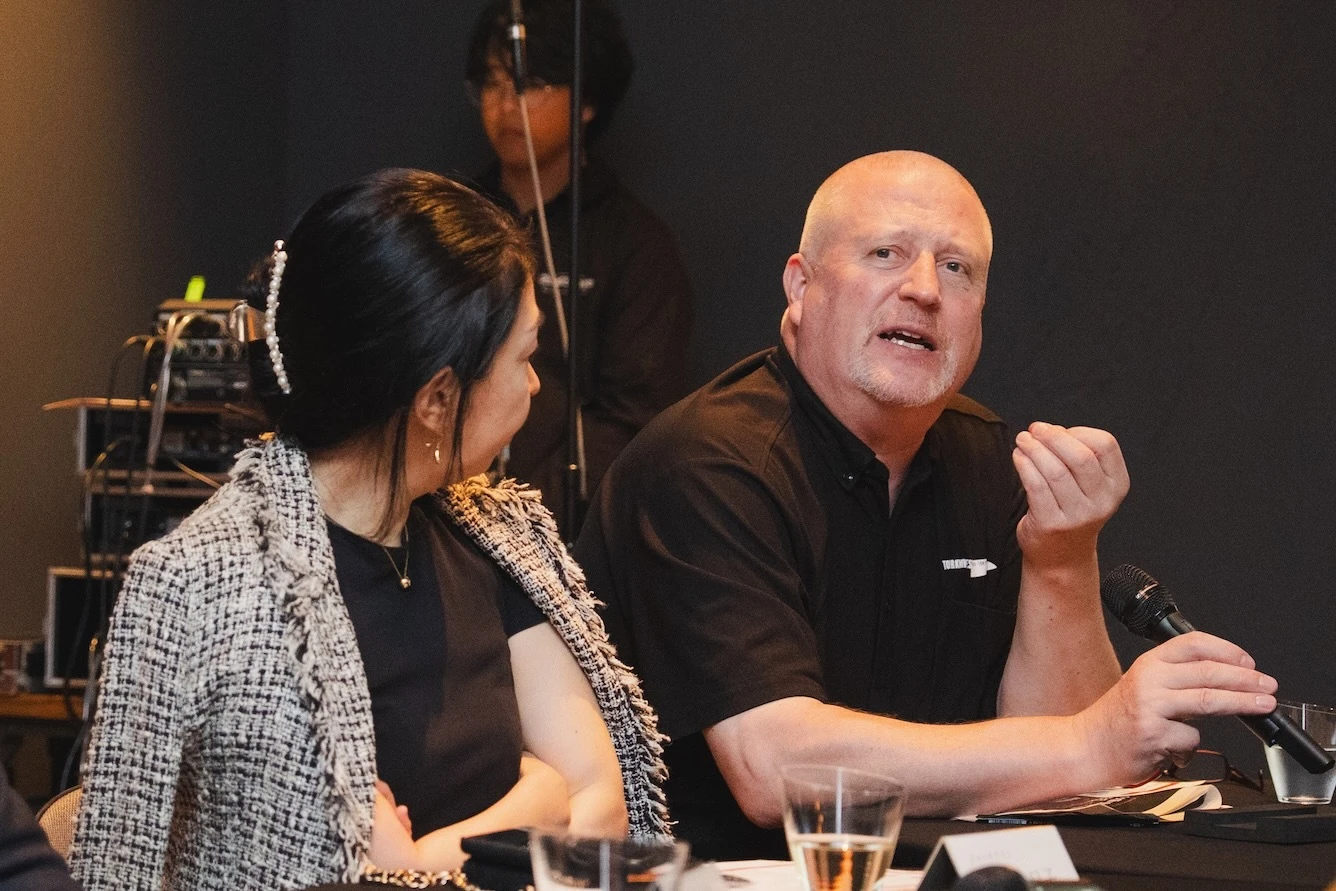
Heiberg: At my knife shop, I place great importance on explanation. Foreigners want to know more about knives. When I explain the differences between knives, their origins and how they’re made, they listen with real interest. Explanation is extremely important.
Session 2: Developing a citywide strategy – what kind of food city should Osaka aim to be?
Toya: The place names that kept coming up in our research centred on Minami, such as Dotonbori and Shinsaibashi. On social media, Nakazakicho emerged as a hidden gem, and some generative AI results suggested adding Horie and Kitahama to itineraries. Osaka is often treated as a base for touring Kansai on the way to Kyoto, Kobe or Nara. I’d like to consider how food could be used to make people want to stay one more night in Osaka.
Inui: Chefs often first ask me, ‘You farm in Osaka?’ They’re surprised that Tondabayashi, where our farm is, is just 30 minutes from central Osaka. I tell visiting chefs that we can deliver fresh produce because we’re so close to the city, and that we protect farmland passed down from our ancestors. The background of production matters, so with ebi-imo, for example, I explain why it’s grown here, and how that relates to the rivers, people’s way of life and the culture.
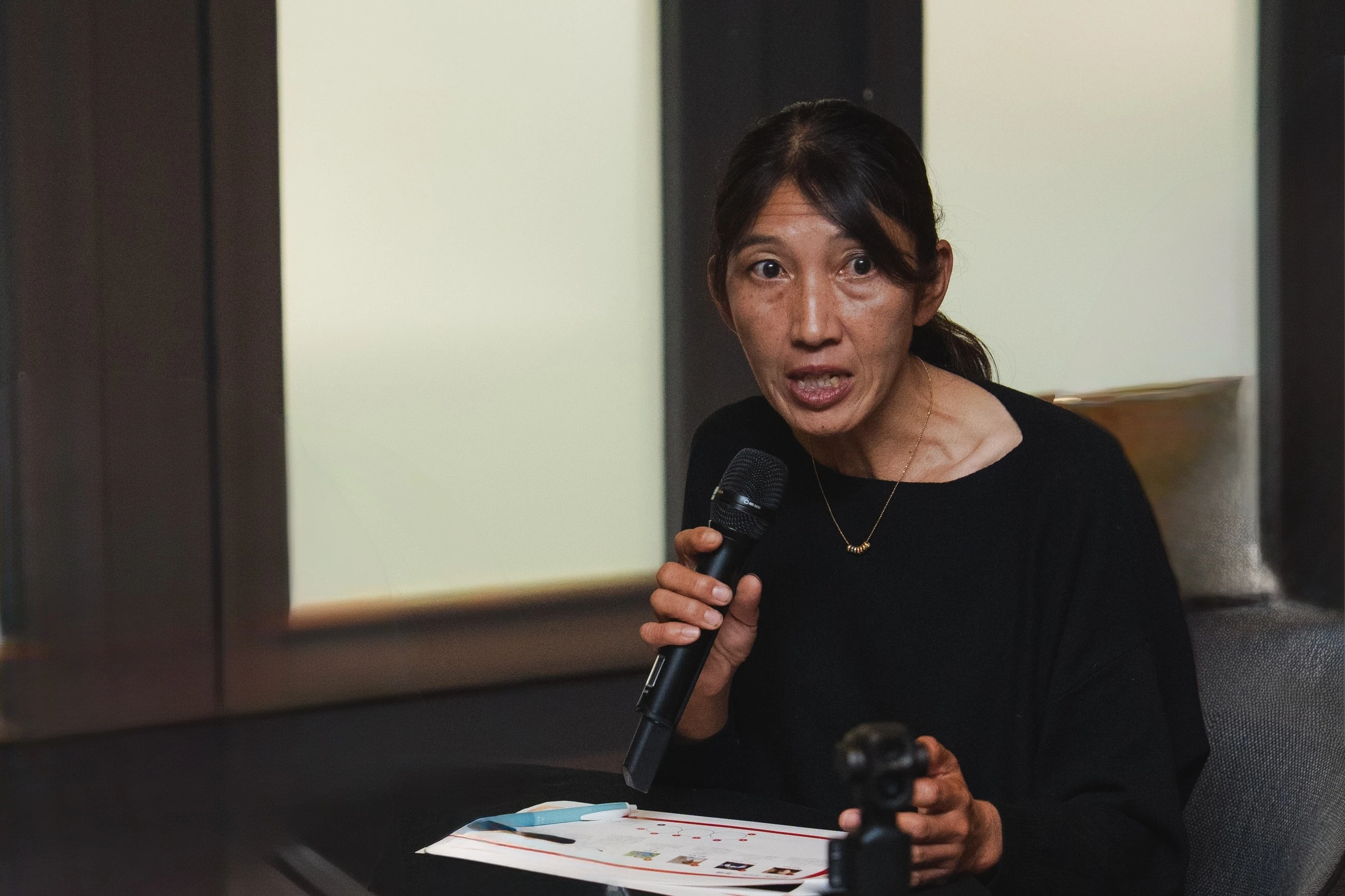
Fujimaru: Osaka is sometimes called Japan’s ‘second city’. But looking at its population and how money moves here, I feel it’s best described as a large regional city. If we aim to be Tokyo or a global city, the conversation goes off track. It’s clearer to aim to be ‘the strongest’ regional city.
Twenty-five years ago, when I was visiting Ms Inui’s farm regularly, I noticed how close the city and the fields are. Osaka also has the sea and well-developed public transportation. It’s easy to gather goods and easy to send people out. The content is already there; what’s missing is communication in English and storytelling that connects it all.
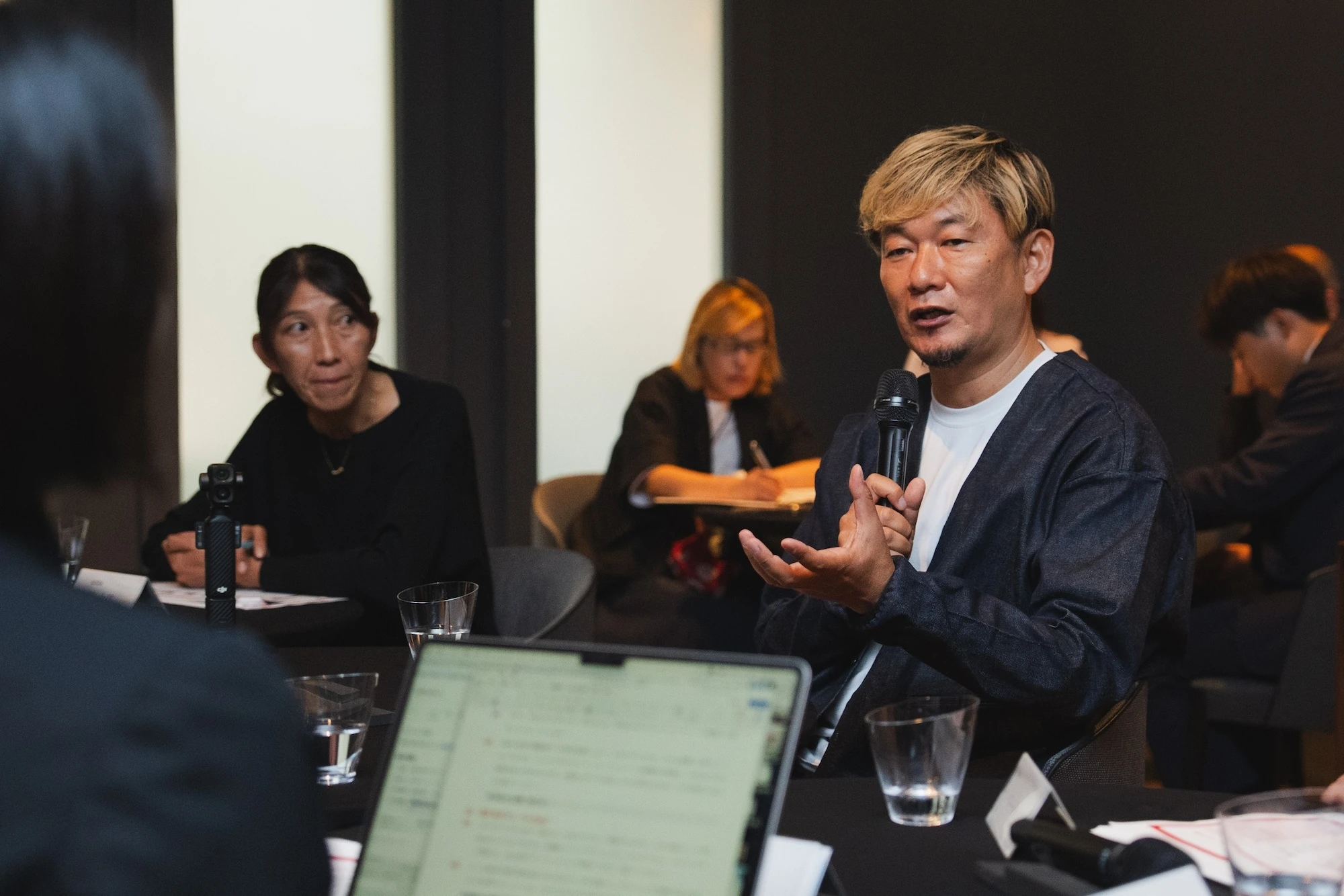
Nakayama: Top chefs from overseas go to Tsukiji and Toyosu markets (in Tokyo) in search of kombu, katsuobushi and nori. Tokyo has areas with strong pulling power where you know you’ll definitely find something. But in Osaka the speciality shops for ingredients, knives and so on are scattered, making it hard for travellers to get around.
Takada: How about creating a permanent market in central Osaka? New York, Paris and London all have markets in their city centres where people gather in search of good food.
Fujimaru: The idea of a market has come up many times in Osaka. High rent is the biggest bottleneck. Still, holding a market regularly, say every weekend, would make it easy to draw crowds.
Heiberg: Ideally, this market would not just serve food but be structured so that visitors can understand Osaka’s culture.
Session 3: International recognition and media strategy – how can Osaka build the structures and systems to gain and sustain recognition?
Toya: We need to think about a communication system that keeps Osaka’s food talked about worldwide on an ongoing basis, not as a passing trend. More and more people are using AI to search before they travel, yet Osakan chefs’ names rarely come up.
In our research, the only Osaka culinary figures named by AI were Momofuku Ando, the inventor of instant noodles, and the chef and food journalist Shuzo Ueno. Carla Ferreyra told us that in Peru, there are platforms where everyone, not just chefs but producers too, can make their voices heard.
Inui: Inui Farm is active on Instagram, but we can only do so much on our own. If there were more model routes that incorporated experiences, I think it would be easier for travellers to plan and find us.
Fujimaru: If there were something like a map where everything could be viewed in one place, it would help communicate that Osaka has agriculture and makers too. People would get to know Osaka through its producers. One example of a place with good branding is Yoichi in Hokkaido. Some Yoichi wines trade for about ¥100,000 a bottle overseas. Foreigners fly to Yoichi just to experience the harvest and drink a glass of wine.
Takada: Restaurants like Noma and Peru’s Central each have about ten staff dedicated just to PR and marketing, and with government support built into the strategy all the way through, they reach a global audience.
Fujimaru: A shochu from Ehime won the top Platinum Award in the barley category at last year’s Kura Master, a competition in which renowned French sommeliers judge sake, Japanese wine and shochu. But after that, nothing happened. Sales didn’t rise. The government offers subsidies for things like contest entry fees, but there’s no system to support producers in building sales channels.
Nakayama: When I was organising an event in Singapore for Japanese municipalities to promote themselves, attendees were like, ‘I want to buy this. What’s the price? I’d like to connect with a wholesaler I can source from.’ But nobody could answer them. What stuck with me was someone saying, ‘At the [equivalent] Korean event, we were able to close actual deals on the spot.’
Ozawa: The wall we always hit in tourism is contracts. If four travel agencies want to send customers to a restaurant, the restaurant has to sign separate contracts with each of them. It’s a real burden for businesses. If the government or another body created a contracting platform, it could connect regions, businesses and the customers beyond them.
At a sushi restaurant in Kanazawa I visited last year, the chef was talking all the time while making sushi. ‘I sharpen my knife every day. A 25cm knife becomes 15cm in ten years’ – stuff like that. That restaurant doesn’t promote itself, yet it gets a constant stream of bookings from overseas guests who want to hear the chef talk. Word of mouth is something we shouldn’t forget in media strategy.
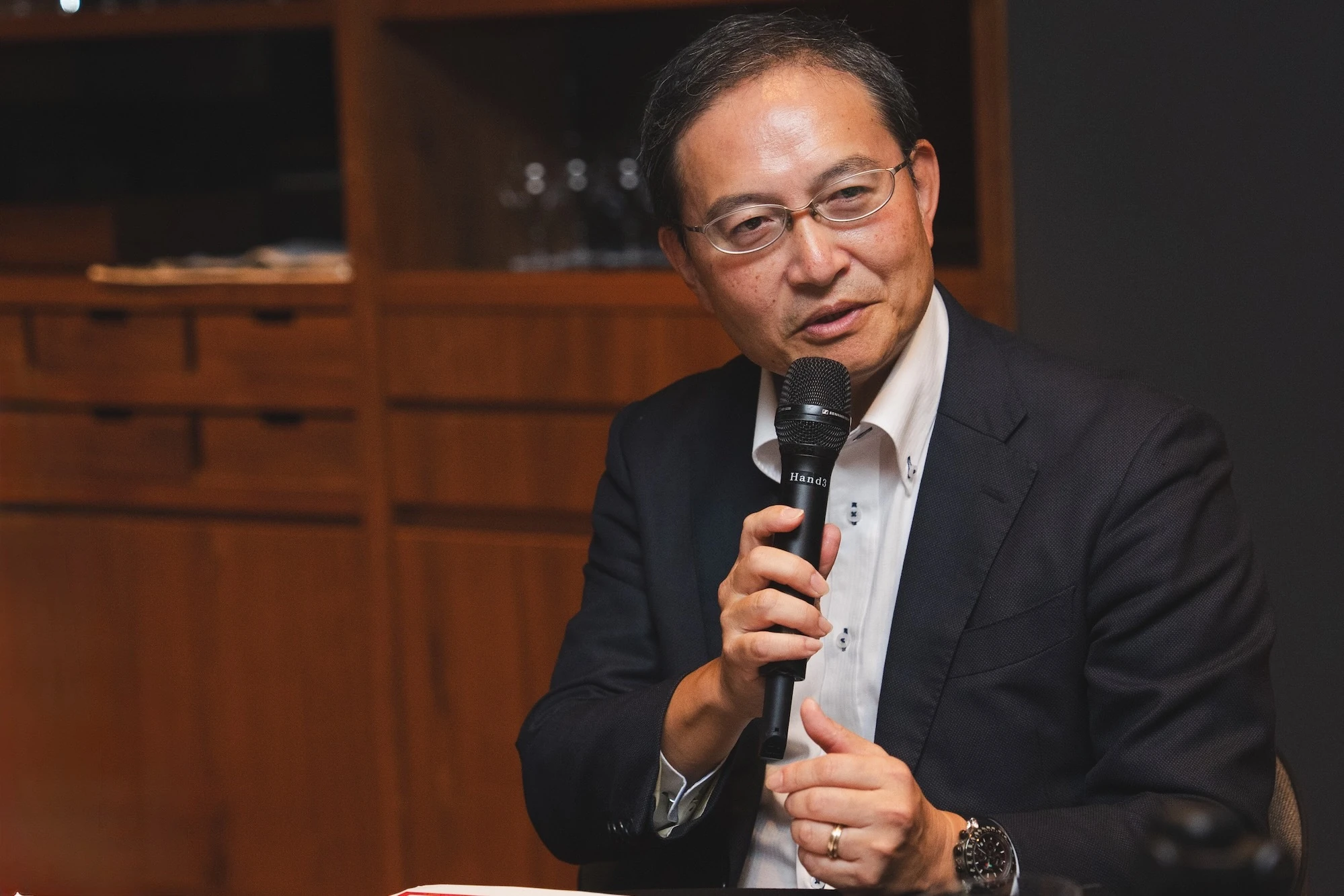
Seven key figures on the future of Osaka’s food
To close the session, Toya asked each panelist what kind of food city Osaka should aim to be and what they want to communicate through food.
Takada: I think being true to Osaka means selling authenticity. I’m committed to that, and because I don’t want to be seen as fake, I don’t do flashy performances. Spreading the word through things that look good on social media is one approach, but precisely because we live in an age where more and more things lack substance, I want to stay firm on that, commit to my creative process, and only after being recognised as someone who can stand on the world stage, turn that into outreach.
Monroy: I’d like to build a ‘Little Mexico’ in Horie, a cluster of Mexican businesses. Then people not only from overseas but from all over Japan would say, ‘Let’s go to Osaka’. With Milpa at the centre, I’d like to bring people over from Mexico and hold events, too.
Fujimaru: Rather than aiming to be like Tokyo or San Sebastián, we should communicate what makes Osaka Osaka. For example, how about handing out candy to everyone who lands at Kansai International Airport? Osaka has a candy culture, after all. Local ladies could hand out sponsored candies bearing the Hanshin Department Store logo. That alone would change people’s first impression of Osaka, and of Japan.
Inui: I think friendliness comes first. When all kinds of people visit, I want Osaka to be a place that explains things almost to the point of being nosy, and treats people like family. I’d be happy if lots of guests came back saying ‘I’m home’, to a place that can say ‘Welcome back’ and ‘See you again soon’.
Heiberg: When I trained overseas staff in knife sales, I looked after a group of six for a week. Everyone was like, ‘I’m surprised Japanese people laugh this much. Osaka people are always laughing.’ Because of that impression, they all came to love Osaka. I always want to cherish human connection and smiles. Rather than forcing Osaka to be like other places, isn’t it important not to lose Osaka’s identity?
Nakayama: It would be great if people could come to a place like Semba and learn that it was the birthplace of Kansai’s dashi culture. It may be hard to build something in a high-rent area, but if you connect it to history, people will accept it as something with meaning, not just tourism. Peru’s Central made its case by building a restaurant and research centre next to ancient ruins and showing the history. It’s important to craft a compelling narrative while also linking it to tourist sites like Osaka Castle.
Ozawa: Osaka has so much good food, wonderful restaurants and many producers, and it has a culture that makes you want to say, ‘What, you didn’t know that?’ I think Osaka people should first go all-in on being local. Letting overseas visitors see the truly local face of Osaka could be one major strategy. That’s my takeaway from today’s discussion.
A special collaboration for a special night
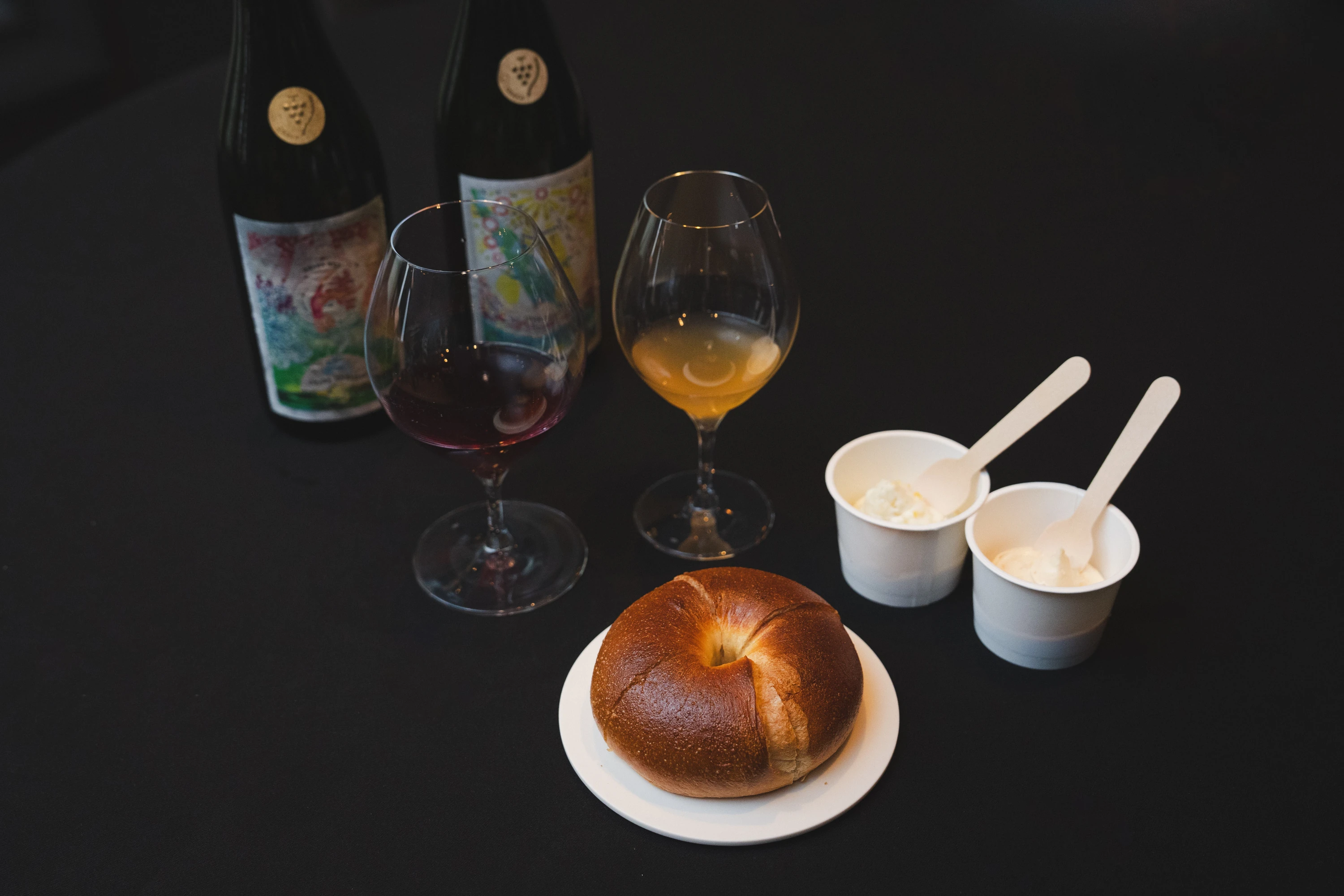
At the networking reception following the roundtable, participants chatted freely, glasses of wine in hand. The evening saw a unique collaboration by La Cime, Fujimaru Winery and the Yamatsu Tsujita spice shop – all known for elevating the appeal of Osaka’s food culture.
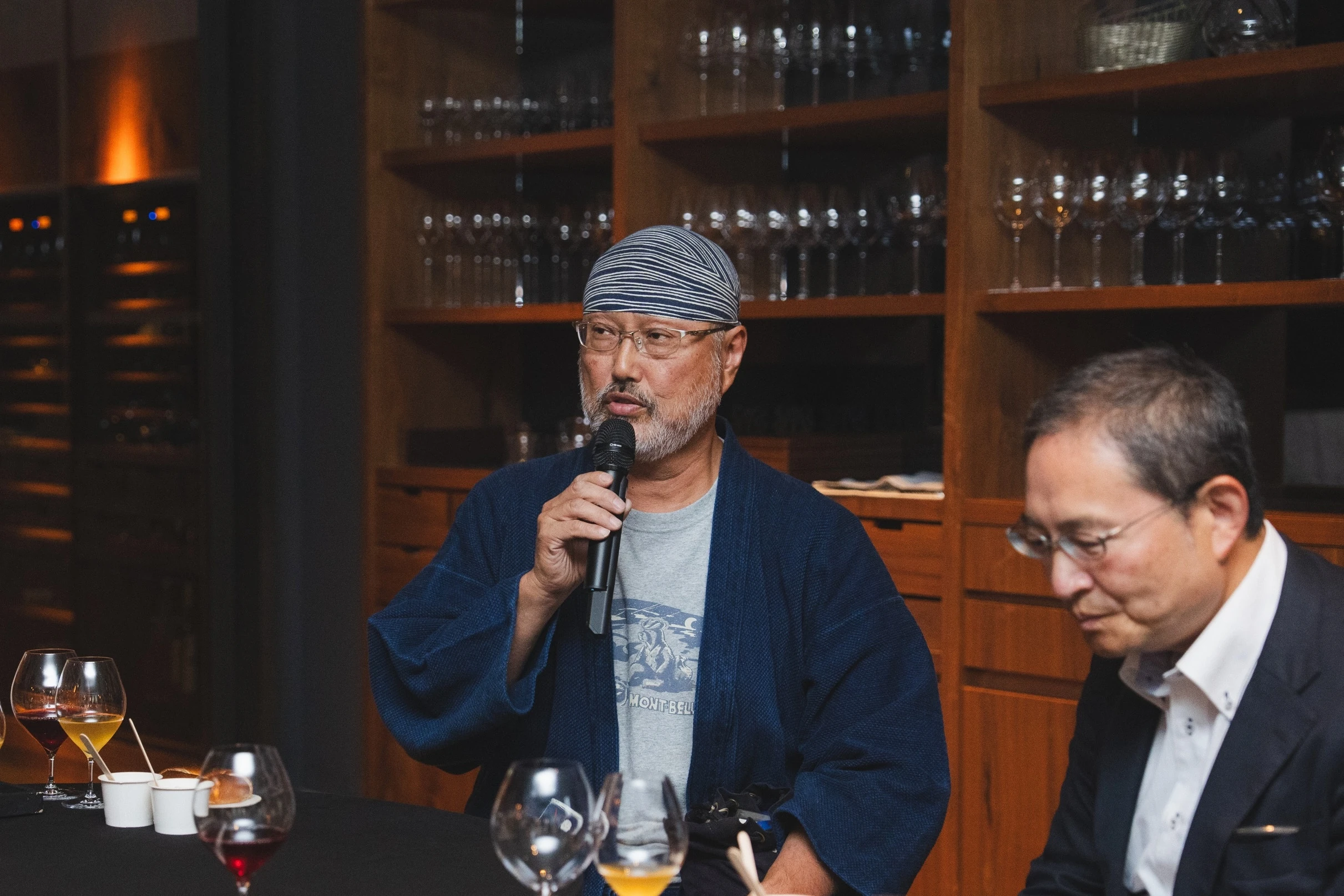
In the menu they presented, each one’s skills and products further enriched the others’ flavours. The presentation let guests experience the potential of Osaka’s food with all five senses, including through a Fujimaru-selected wine made from 100% Osaka-grown grapes.
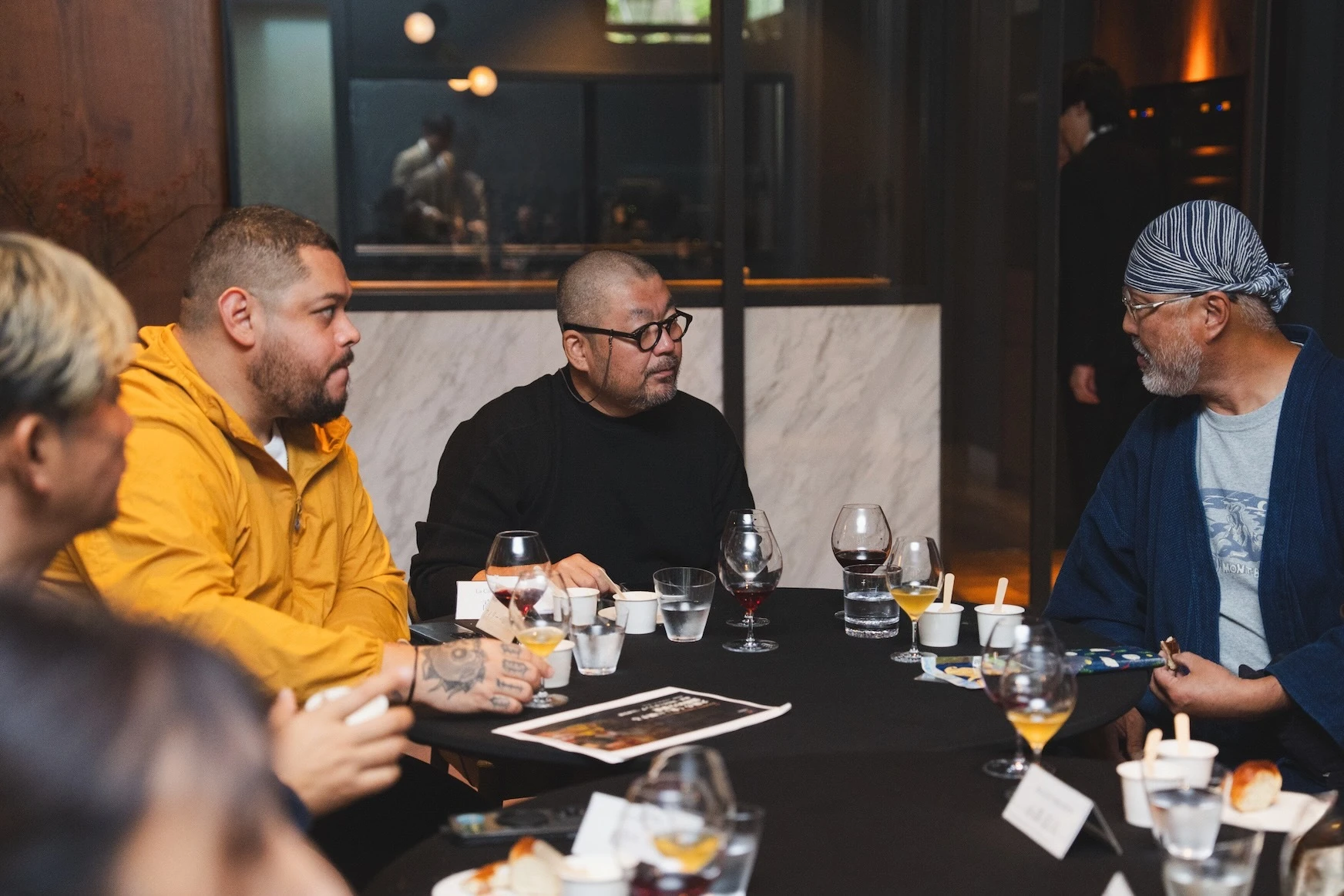
A second roundtable is scheduled for January 2027. Osaka’s food scene still has stories the world needs to hear, and the task of sharing them has only just begun.