


Our top picks of the best things to do, see and eat in the world's coolest neighbourhood right now
Located smack in the middle of Tokyo around the Imperial Palace grounds, Chiyoda is the political and financial heartland of Japan, with a daytime population of 900,000. At the same time, it’s by far the least populated of the capital’s 23 special wards, with less than 70,000 residents.
That disparity presents a number of distinctive challenges. And there’s more: The area also has a long and complex history, going back to the emergence of Edo as Japan’s de facto capital in the early 1600s; a unique combination of vast green spaces and some of the most advanced urban infrastructure in the world; and neighbourhoods as wildly contrasting as Akihabara, Jimbocho and Marunouchi.
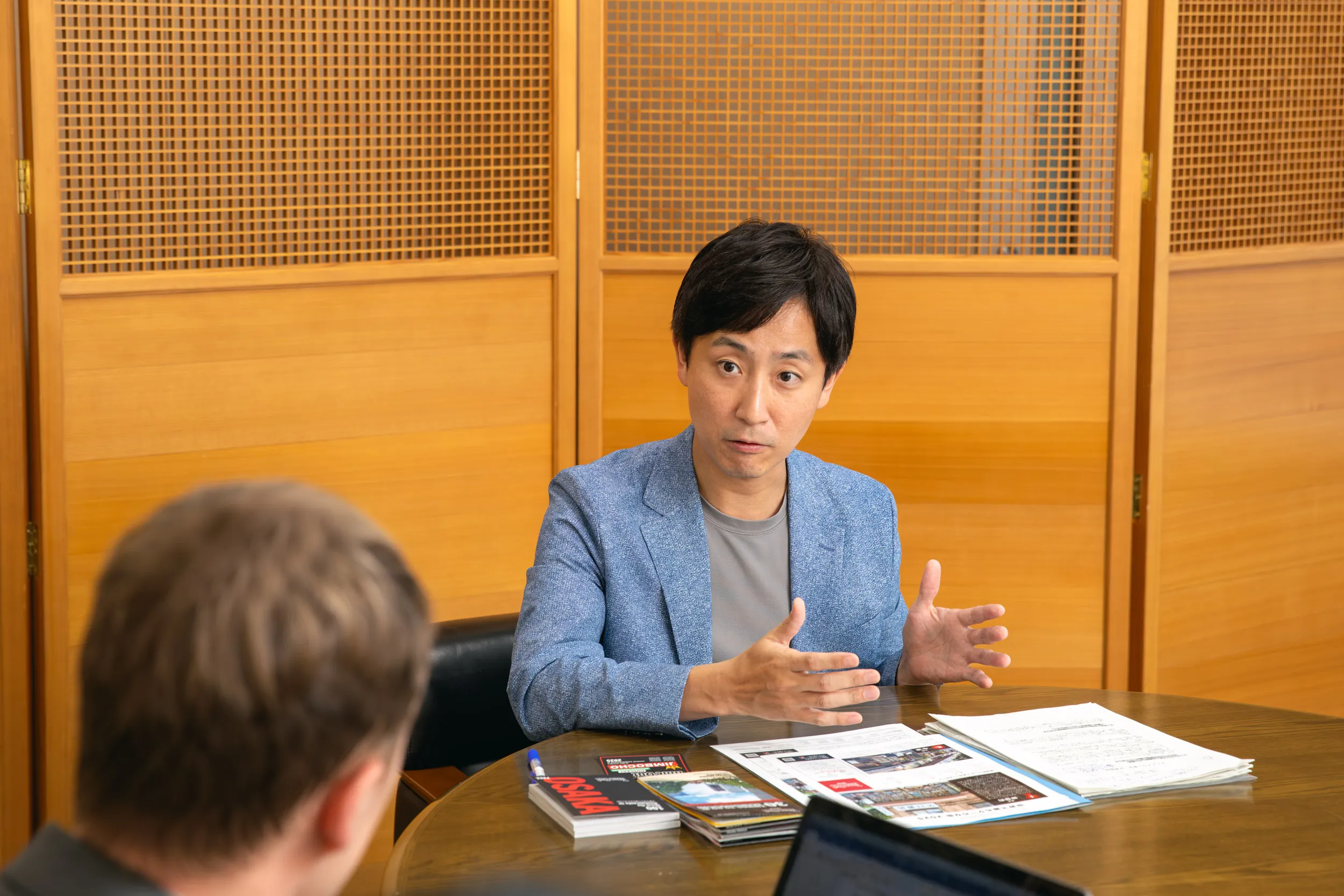
The man tasked with making sense of and managing all this is Takaaki Higuchi, the 43-year-old mayor of Chiyoda, who was re-elected for a second four-year term just this February. We caught up with the mayor to find out how Chiyoda is looking to the future – and how it’s dealing with all the tourists…
This is the second part of our interview with Chiyoda mayor Takaaki Higuchi. Read Part 1 here.
Time Out: Chiyoda includes some of Tokyo’s most well-known tourist spots. How are you dealing with the surge in visitors?
Takaaki Higuchi: We’ve really happy to have so many people visit, but there have been some issues too. Although our population is relatively small, we still have residential areas, with facilities like schools and senior citizens’ homes. In neighbourhoods including Jimbocho and Akihabara, there are issues with littering and smoking.
We’re hoping to further improve the way we communicate and promote rules and manners regarding litter, and how we provide information on designated smoking areas and about where smoking is permitted or prohibited.
Once problems become apparent, it’s often too late to act. We have to prevent tourism from becoming a public nuisance, since I already sense some anxiety among residents with regard to this. It’s just a matter of taking proactive action without negatively affecting the vitality and charm of the area.
What long-term initiatives are you working on to sustain Chiyoda’s attractiveness?
Chiyoda was one of the first places in Japan to undergo rapid urbanisation and many streets in the area are cramped, with plenty of buildings that are showing their age and deteriorating.
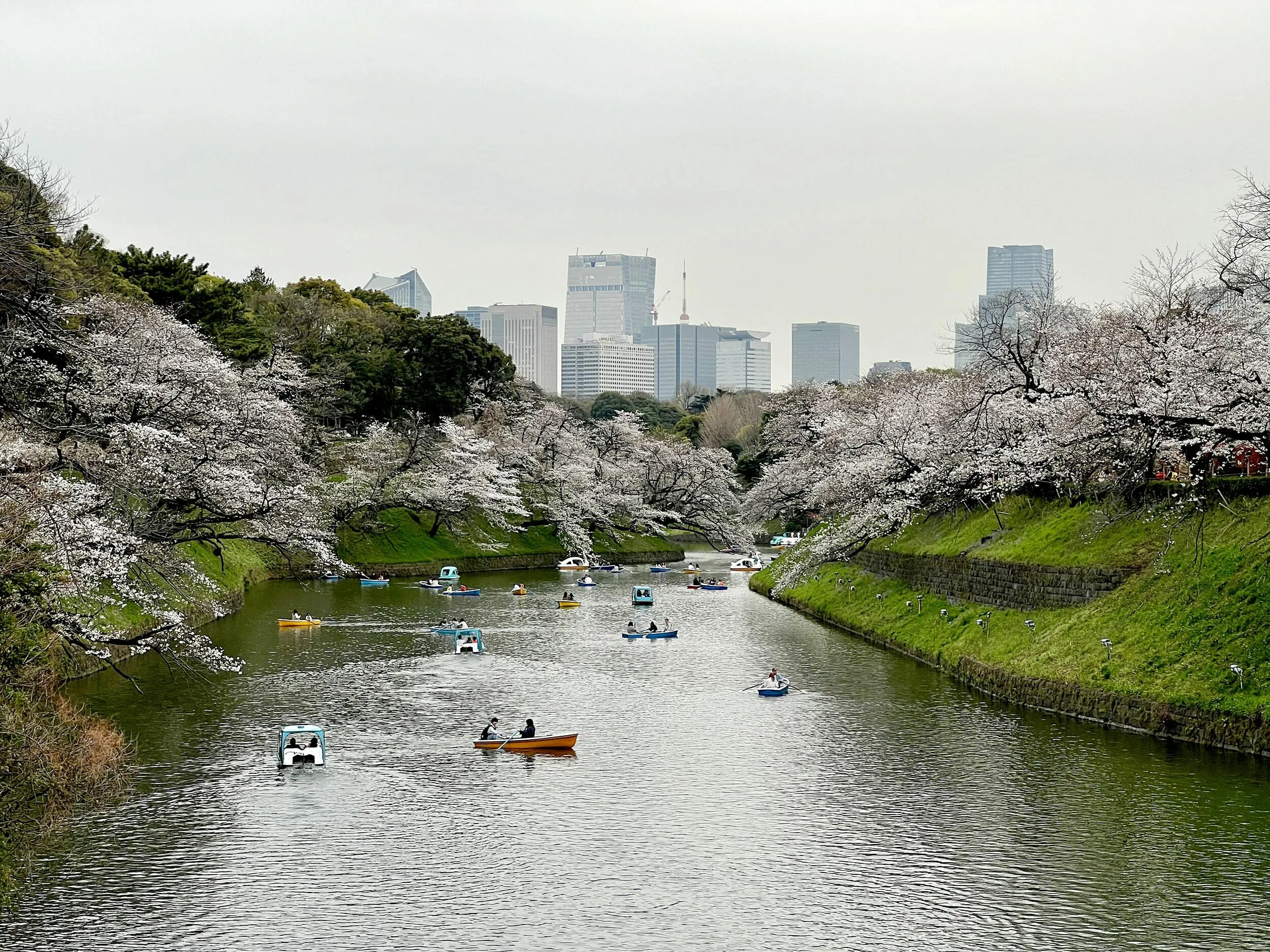
On the other hand, we have the vast green space that is the Imperial Palace grounds, and waterways in the form of the old castle moats. I think upholding and regenerating these resources – greenery and water – is crucial for Chiyoda.
For one, we’re working to improve biodiversity by securing habitats for aquatic life, wild birds and other animals. We’re also aiming to make Chiyoda a zero-waste municipality by 2050 by sorting trash as much as possible, recycling it, and drastically reducing the amount of waste we incinerate.
On the housing front, we’re focusing on policies aimed at countering soaring apartment prices. I also hope to be more proactive in making the most of the existing building stock, moving away from the scrap-and-build policies of the past.
Another focal point is culture – whether it’s Akihabara with its pop culture scene, Jimbocho with its print culture, or our festival culture with traditional events like the Kanda Matsuri and Sanno Matsuri. I think promoting and nourishing culture and the arts is important for Chiyoda to become a unique and sustainable municipality.
Lastly, what aspects of Chiyoda would you like to promote to an international audience?
The fact that this area has over 400 years of urban history. Chiyoda has been shaped since the founding of the Edo shogunate [in the early 1600s]. The shogunate undertook massive civil engineering projects, building stone walls, fortifications and moats for Edo Castle. They also rerouted rivers, establishing an urban framework.
Samurai residences were built, merchant’s quarters established and ordinary people’s neighbourhoods developed. Then we had modernisation from the Meiji period (1868–1912) onward. Today, tradition and modernity intertwine in Chiyoda. In Otemachi, Marunouchi and Yurakucho you have brick buildings alongside skyscrapers, and Chidorigafuchi on the castle moat is popular for its cherry blossoms.
We have many of the most historic shops and restaurants in Tokyo – the oldest liquor store, for one, and plenty of soba and sushi restaurants that have been around since Edo times. Each layer of this long history contributes to the rich culture we enjoy and cherish today.
Chiyoda has been the centre of Japan’s politics and culture for four centuries. It’s the heart of Tokyo.
This is the second part of our interview with Chiyoda mayor Takaaki Higuchi. Read Part 1 here.