


Our top picks of the best things to do, see and eat in the world's coolest neighbourhood right now
Three months have now passed since Time Out Worldwide named Tokyo’s Jimbocho the world’s coolest neighbourhood in 2025, and what a ride it’s been. The quietly evolving bibliophile nirvana has been caught up in a whirlwind of global news coverage and impassioned debate on the merits and meaning of the pick. There’s also been an outpouring of pride from the more than 100 locals we’ve since spoken to on the street, as well as in bookstores, bars, curry joints and conference rooms.
All the while many have voiced their concerns about the future of the neighbourhood. Will Jimbocho now be overrun by tourists and torn apart by real estate developers? Does its unique cluster of some 130 second-hand bookstores have a future in the digital age? What can be done to preserve and promote the district’s cultured vibe and penchant for creative experimentation?
Few are in a better position to answer those questions than Takaaki Higuchi, the 43-year-old, curry-loving mayor of Chiyoda, which Jimbocho is part of. An avid reader himself, Higuchi is a passionate defender of the neighbourhood’s bookish essence, but also argues that Jimbocho needs to embrace change now to remain vibrant in the years to come.
This is the first part of our interview with Chiyoda mayor Takaaki Higuchi. Read Part 2 here.
Time Out: First off, how did you react to Jimbocho being named the world’s coolest neighbourhood?
Takaaki Higuchi: I was very happy, of course [laughs]. I’ve been told this is a first for both Tokyo and Japan as a whole. It’s an honour.
I’m a bit of a bookworm myself; I love books, and print in general. I’m 43 now, but I still have vivid memories of back when I was in elementary school and my dad would take me to bookstores in Jimbocho – those selling new books, rather than second-hand. I remember the books he bought for me; what was in them, and how they felt against my hand. Jimbocho has been a special place for me ever since.
My job as mayor of Chiyoda includes looking after and supporting the neighbourhood, so seeing it recognised like this makes me really grateful. I was especially happy to see Jimbocho praised for its diversity, since it’s got a great mix of attractions – restaurants, theatres, music shops, sports retailers and more.
What do you think is the coolest thing about Jimbocho?
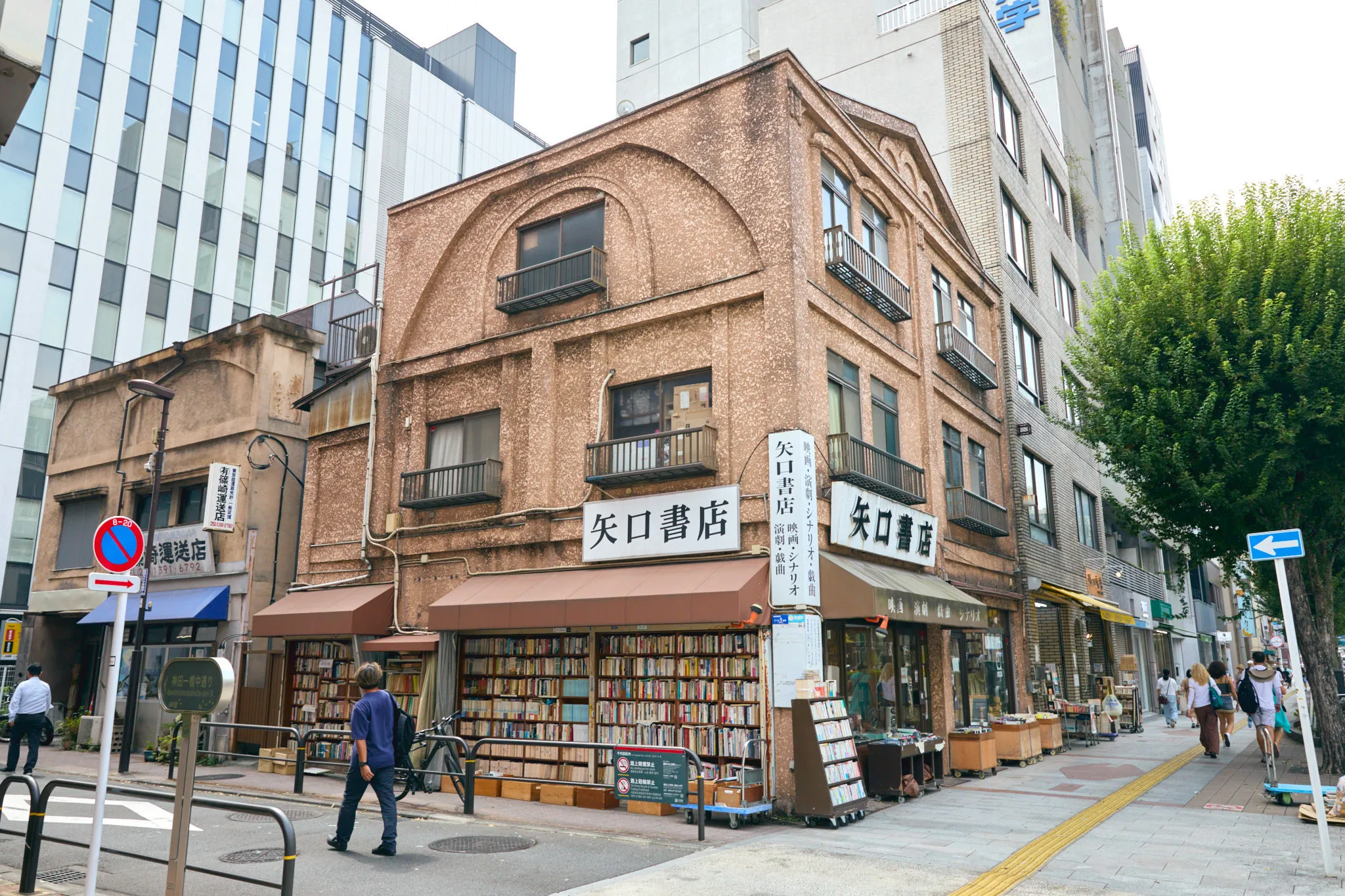
First, the fact that each of the around 130 second-hand bookstores in the area is a specialist shop. One focuses on art, another does ukiyo-e and Japanese books from the Edo period (1603–1868), and yet another might sell books on Buddhism and Shinto. Walking through the neighbourhood is fun, since you can spot a movie and manga specialist on one hand and a shop dealing exclusively in sports-related publications on the other.
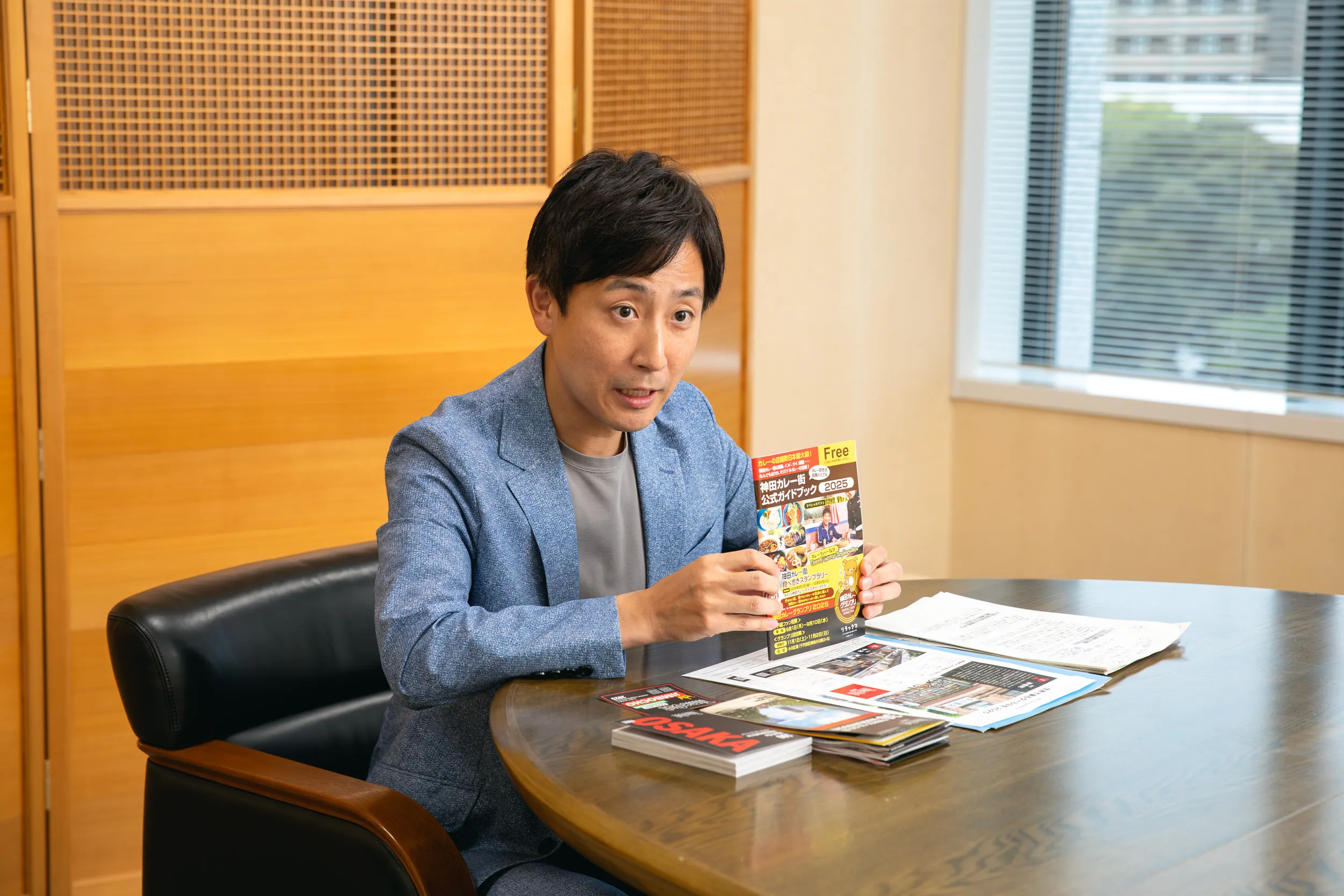
As for food and drink, you have the retro coffee shops, old-school Chinese restaurants and the city’s best selection of curry. You know the annual Kanda Curry Grand Prix, right? It includes a stamp rally, and in 2022 they had 124 restaurants taking part. I ate at every single one that year.
Wow. How long did that take you?
About four months. I plan on eating at several dozen of the restaurants this year too. (The 2025 edition ran from August 1 to December 20.)
But let me get back to the bookstores. What makes Jimbocho unique isn’t just the variety of booksellers, but the book market at Tokyo Kosho Kaikan, where the book trading happens. This is Jimbocho’s equivalent to the fish market in Toyosu, where the best product from around Japan is evaluated by the foremost experts in the field. Where Toyosu has octopus, shrimp and tuna connoisseurs, Jimbocho has specialists in Buddhist literature, art books, ukiyo-e, niche manga – you name it.
These people know the product better than anyone – and exactly which bookstore operator can find a buyer for a specific book, whether it’s a scientific tome that might interest a university researcher or a rare edition sought after by a certain collector.
Jimbocho is also home to numerous publishing houses, printing presses and bookbinders. Together with the bookstores, they comprise an ecosystem of print.
If you had an entire day to spend in the neighbourhood, what would you do?
I’d just browse around the bookstores, then retreat to a coffeeshop and while away the hours reading. Bookstores are where you can still have serendipitous encounters, you know? I’m on social media, and obviously what shows up on your timeline is determined by algorithms. You get fed information the app will think you like, based on what you’ve liked or clicked on before.
But going out to search for things yourself is another thing entirely. As you make your way between shelves full of books selected by the booksellers, their curated picks, that sparks curiosity. That’s the kind of environment I want to spend time in.
After [becoming a politician], I’ve gotten into reading the ancient Chinese classics, Sun Tzu and others. I’m now working my way through the Greek classics, reading the Iliad and Herodotus’s Histories. I like learning about how politicians and philosophers conducted themselves back then, how people lived 2,000 years ago. So if I had the time, I’d probably spend my day among the classics.
Eyes on the future
Jimbocho is beloved for its old-school charm. At the same time, many buildings in the area are worn and inconvenient, and plenty of booksellers are struggling economically. What are your thoughts on the neighbourhood’s future?
Jimbocho is beloved by many, there’s no doubt about it, and we all want to preserve its distinctive culture. But it’s tough. Many shop owners and landowners are in a difficult situation, since it’s hard to make a living from books these days. Can we force them not to rebuild their shops, or stop them from pursuing a different business? I don’t think so.
If we are to protect culture, we have to focus on people’s livelihoods. The true appeal of [Jimbocho] lies in its vibrant, dynamic book industry. As mayor, my role is to help nurture this industry and pass on the print culture it has generated.
One specific initiative we’ve been working is the revitalisation of the historic bookstore district along and around Yasukuni-dori. We’re looking at how to preserve the distinctive billboard architecture of the area, how [the local government] can help with rebuilding or renovation, and how we can provide incentives [to building owners] that encourage specific uses for space, such as ensuring that culturally inclined tenants occupy it, for instance.
For these initiatives to be successful, everyone needs to come together around the same table – antique book dealers, new bookstore owners, publishers, restaurant operators, shop associations, universities, neighbourhood groups. Together, we’re exploring how to preserve the cityscape while retaining Jimbocho’s vitality.
Are there any other projects that the Chiyoda government is working on in Jimbocho?
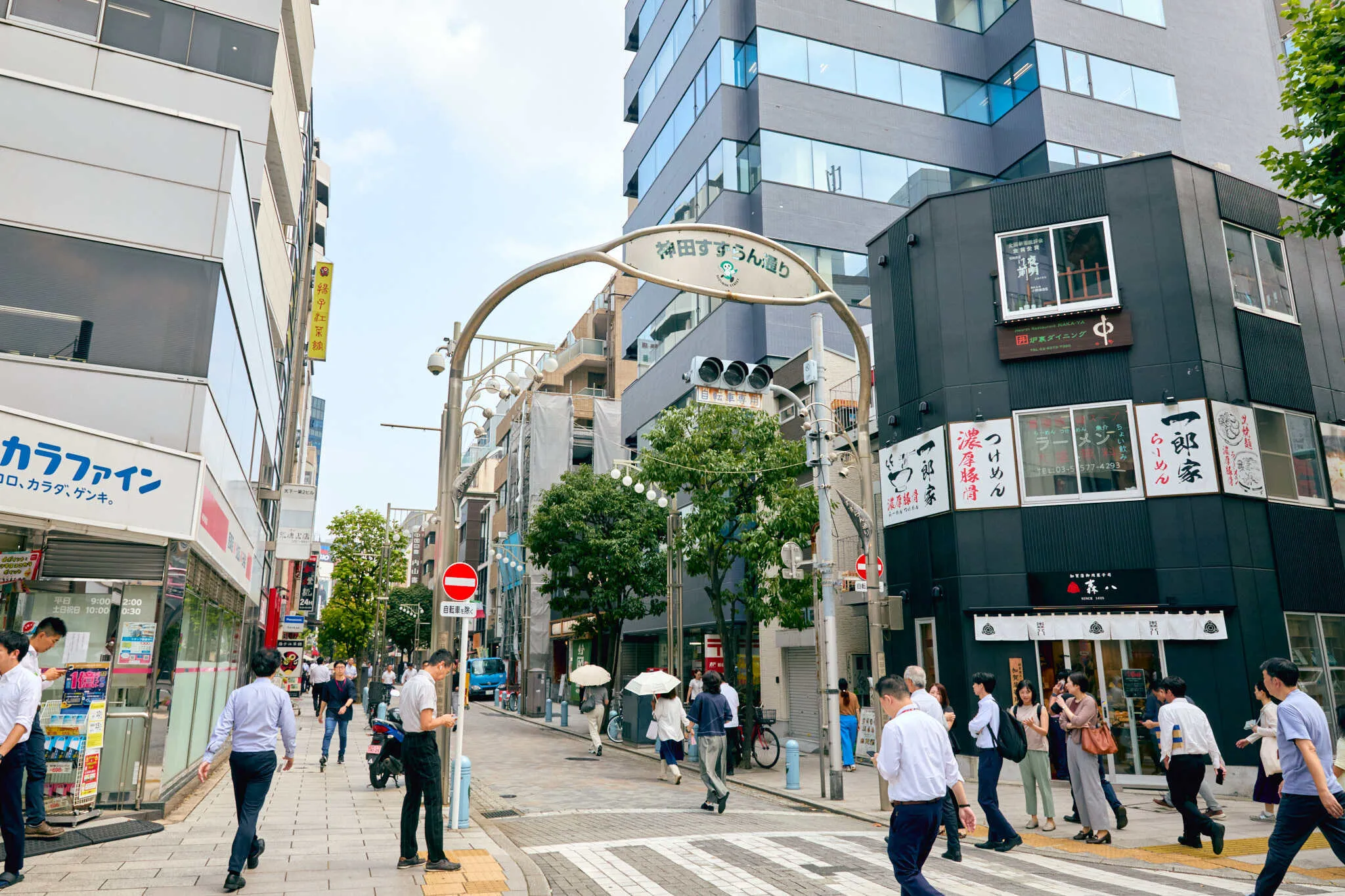
The sidewalks along Yasukuni-dori, the area’s main thoroughfare, are a bit outdated. We’re looking into how to make the neighbourhood more walkable – more places to sit down, and less places where people find it easy to litter. The aim is to create a comfortable and exciting neighbourhood where people want to linger and that encourages exploration.
But it all comes down to sustainability. The owners of many of the second-hand bookstores are third or fourth generation, and I hear not many want to pass the business on to their children. What can we do about that? I’m not talking about handing them money. We have to help them develop businesses suited to the modern era.
On that front, we’ve been seeing progress in Jimbocho recently. There are more pop-up booksellers and new businesses, and up-and-coming artists are holding exhibitions in the neighbourhood. New people are coming in. I think embracing that influx of new blood holds the key to Jimbocho’s future.
This is the first part of our interview with Chiyoda mayor Takaaki Higuchi. Read Part 2 here.