

[image]
[title]Few habits reveal as much about a person as the way they drink their coffee. Black or with milk, bitter or sweetened, espresso or lungo, brewed by machine or French press—every choice is a small statement of personal taste. That’s why, when two people live together, the morning kitchen can become a space for negotiation. That’s exactly what happens every day in the home of Gustavo Botinelli and Laura Almeida, two millennial lawyers and parents of two teenage children.
When they met about fifteen years ago, they had completely different relationships with coffee. Laura had always been a coffee drinker and gradually refined her palate over the years. Gustavo, on the other hand, didn’t drink coffee at all, although he loved the aroma of freshly ground beans. Eventually, that attraction won him over: little by little he gave coffee a chance, evolving from an occasional drinker into a knowledgeable, demanding, and almost obsessive enthusiast.
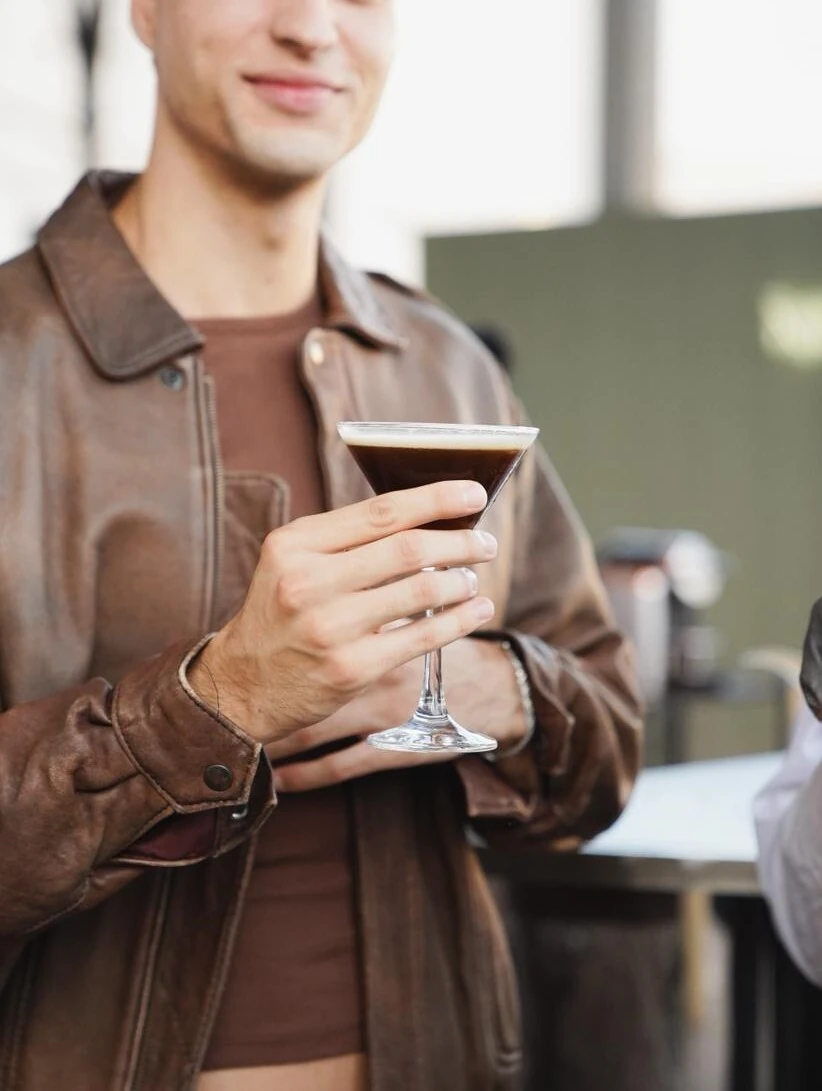
That passion is most evident when it comes to making coffee. Gustavo has become the household barista, and he insists he enjoys the role. He prepares every cup according to each person’s preferences, including Laura’s, which is made with almond milk. He even takes on the task during gatherings with family and friends, where the guest list often exceeds a dozen people.
“I also collect coffee cups, so I ask every guest to choose their favorite cup and the capsule they’d like, and then I prepare their coffee,” he says proudly. He makes as many coffees as needed, one by one, without complaint. To him, it’s not a chore—it’s part of the ritual.
More Refined Tastes
What happens in the Botinelli household isn’t an unusual domestic story. It’s the home version of a much broader shift. Coffee has become an increasingly personal experience, shaped by individual tastes, and much of that transformation is taking place behind closed doors.
According to a Nespresso study, 42% of Argentinians drink coffee regularly, and 85% of those cups are prepared at home. If home is where coffee is consumed most often, then the kitchen becomes more than just another room—it’s where couples negotiate their different preferences every single morning.
You may also like: Argentinians’ Favorite Coffees: What Our Palates Reveal in 2026
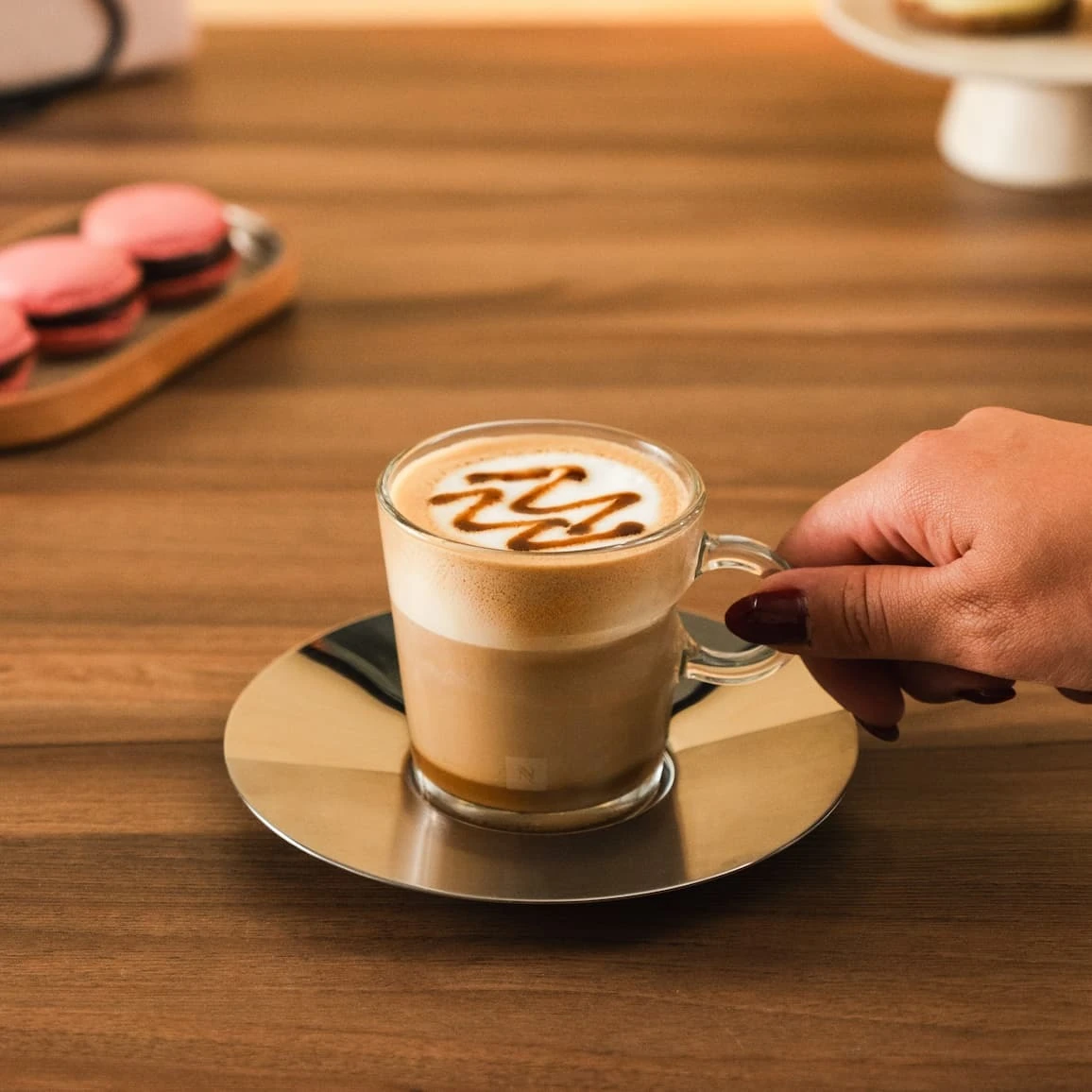
This pursuit of personalization helps explain why coffee selections have become increasingly diverse. Nespresso, for example, classifies its coffees on an intensity scale from 1 to 13 and divides them into two systems: Original and Vertuo. Within that range, the brand has identified the six coffees Argentinians love most—a revealing snapshot of the country's varied tastes.
There’s Buenos Aires Lungo, with its balanced sweet cereal notes and distinctive popcorn aroma, ideal alongside a breakfast croissant. Vienna Lungo, smooth and rounded, made from South American Arabicas, practically calls for a slice of strudel or another sweet pastry. Volluto, one of the brand’s classics, offers biscuit notes with a hint of fresh fruit. Arpeggio delivers an intense, creamy profile with cocoa notes. Completing the list are Stockholm Lungo and Ristretto, the latter known for its bold character and subtle fruity notes.
Between Classics and New Releases
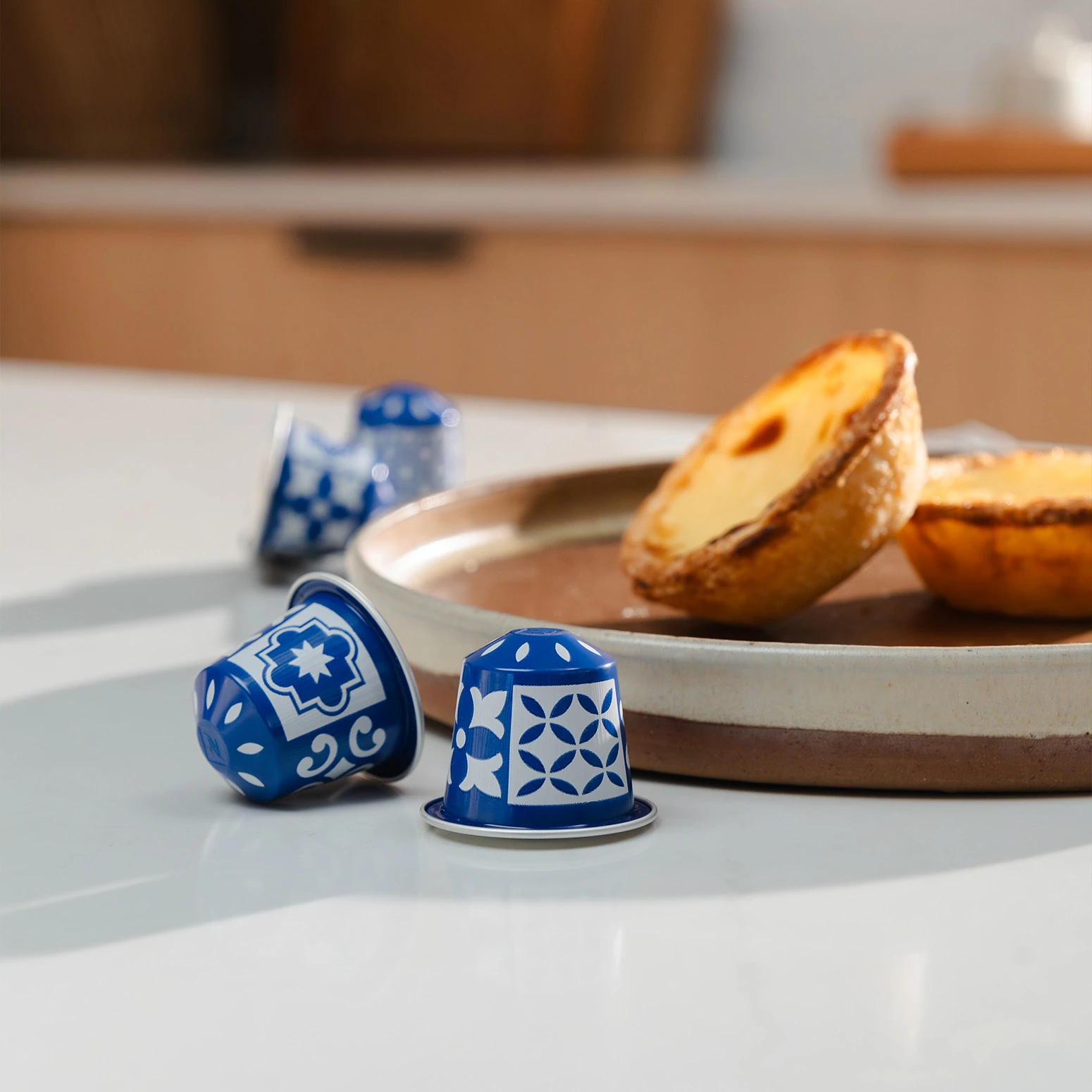
Alongside these classics are blends designed to be enjoyed with milk, as well as decaffeinated versions for those looking to reduce their caffeine intake without sacrificing flavor. The newest addition is Lisbon Bica, inspired by the bica—the name commonly used in southern Portugal for a short espresso. It features an intense profile with a full body, notes of spices and toasted almonds, and even its capsule pays tribute to Portuguese heritage with a design inspired by traditional azulejo tiles.
That same diversity of tastes is reflected at home. Gustavo’s enthusiasm has even rubbed off on his children, who now drink their coffee black and prepare it themselves every morning. He insisted for so long that they eventually developed tastes of their own. Today, they can recognize a good cup of coffee and admit that it’s hard to settle for just any café.
You may also like: From “A Coffee” to “My Coffee”: The Culture of Personalization
The Afternoon Coffee Culture
The shift isn’t only about quality—it’s also about timing. According to Nestlé’s Coffee Usage Profiler 2025, 38% of the coffee consumed in Argentina is enjoyed after lunch, spread across the afternoon, dinner, and after-meal moments in a country with a strong afternoon-snack tradition. Coffee is no longer simply a morning necessity; it has become a pleasure people enjoy throughout the day, each in their own way.
For the most dedicated coffee lovers, the kitchen itself has begun to revolve around coffee. This isn’t an isolated phenomenon. In 2024, Pinterest identified it as one of the year’s major trends after analyzing searches from more than 480 million users, giving it a name: cafecore—bringing the café experience into the home. That’s how the coffee station became popular: a dedicated corner with the machine at the center, mugs on display, capsules neatly organized, and accessories always within reach.
The coffee machine itself has also evolved beyond being just another appliance to become a design piece. Models range from the compact Essenza Mini to the retro-inspired CitiZ and the Creatista, with its stainless-steel body and built-in milk frother, closer to a professional barista machine than an ordinary kitchen appliance. For many couples, that coffee corner becomes shared territory—designed together, meant to be both functional and beautiful.
You may also like: Coffee and Design: Generation Z’s Latest Aesthetic Trend

Not every couple settles these differences diplomatically. Some spend years unsuccessfully trying to convince the other to give up sugar. Others wage battles over brewing methods—French press versus capsules—until one eventually gives in. And then there are those who never reach an agreement, happily coexisting with two coffee machines and two entirely different rituals. The way each person drinks coffee may seem like a minor detail, but in everyday life those little details add up—and are renegotiated every morning.
Small Gestures, Repeated Every Day
Relationship experts have a name for what happens in the kitchen. Preparing coffee for someone else, they say, stops being a household task and becomes a ritual. Unlike a habit, which runs on autopilot, a ritual is filled with intention and care. Those repeated gestures—serving coffee exactly the way the other person likes it and sitting down to enjoy it together—strengthen feelings of closeness and, according to experts, may even stimulate the release of oxytocin while reducing stress.
Seen this way, Gustavo’s routine—the coffee machine warming up, every cup tailored to individual preferences, almond milk ready for his partner—is no longer just the habit of a devoted coffee enthusiast. It’s his way of caring for the people around him, one cup at a time. Perhaps that’s why coffee, a drink that seems so simple, can reveal so much about a relationship. In the end, the cup you choose for yourself matters less than the one you prepare for someone else.