

[image]
[title]Not long ago, ordering a coffee cocktail at a bar was almost unusual. If a menu happened to include one, it would often come as a surprise. Today, however, people sitting at a bar or restaurant table not only embrace the idea but actively seek it out. “The coffee cocktail trend has been growing both in Argentina and around the world. Fifteen years ago, it was something rare. Today, people look for it and celebrate it when they find it on a menu,” summarizes Camila Carpanetti, Coffee Ambassador for Nespresso Argentina. The shift didn’t happen overnight, but it is now impossible to ignore.
A Story That Goes Back a Long Way
Coffee and alcohol were not always such close companions. For decades, the overlap between the two worlds was limited to a handful of classics such as the Black Russian, White Russian, Irish Coffee, and little else. In the first two, the coffee element was actually coffee liqueur—Kahlúa or Tía María—a spirit flavored with coffee but lacking the complexity of a real espresso. Traditional Irish Coffee does feature coffee as an ingredient, but it plays a secondary role, almost as a supporting act for the whiskey and cream.
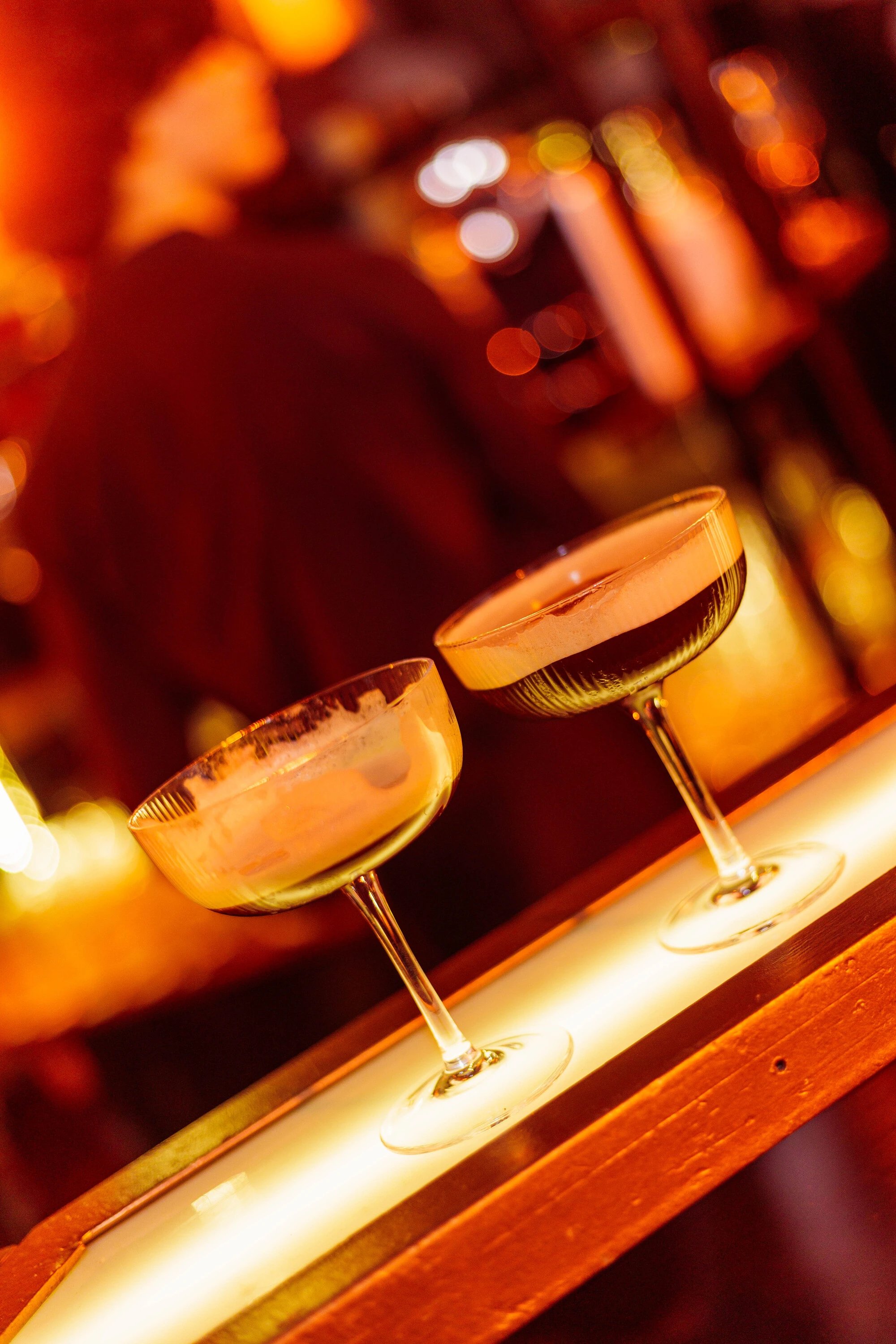
The idea of treating espresso as the star of a cocktail began to change when coffee earned the same status as fine wine or craft spirits: origin, flavor profile, and complexity. Bartenders took notice. “Coffee has a long history in mixology, but we always wanted to improve its performance: brewing high-quality coffee with less added sugar and highlighting brighter acidity notes that liqueurs simply can’t express,” explains Ramiro Ferreri, a bartender with thirteen years of experience and the professional chosen by Nespresso to design the cocktail menu for its 40th-anniversary celebration.
You may also like: The City in a Cup: 40 Years of Buenos Aires Told Through Coffee
Thinking About the Flavor Profile Before the Recipe
For Ferreri, one of coffee’s greatest strengths is how well it adapts to different types of cocktails thanks to its wide range of flavor notes: fruity, acidic, sweet, and more. “It goes far beyond what most people initially recognize as coffee aroma or flavor. The alchemy is much broader than that,” Ferreri insists.
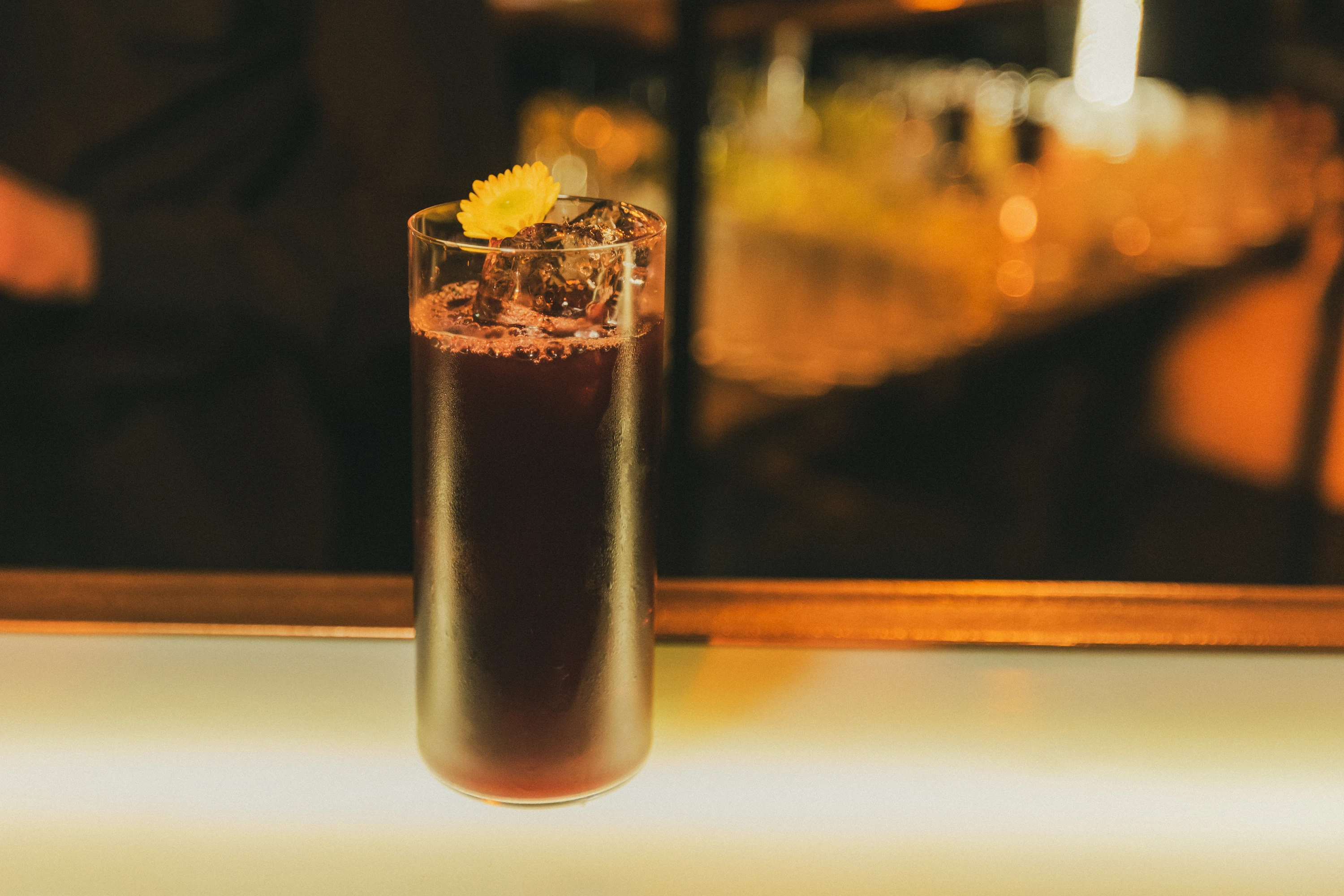
In this context, consistency has become crucial. “For us, achieving clearly defined flavors is essential. If the coffee changes, the cocktail changes too,” he explains. This is where capsules become an invaluable ally. “Capsules allow for standardization, and in mixology, that makes all the difference.”
Choosing the right coffee for a cocktail is just as important as selecting the spirit itself. Carpanetti explains it from the perspective of the bean: “In mixology, we have to consider the intensity of the other ingredients. For cocktails, we use more intense varieties, such as Indonesia or Guatemala, which are more bitter and full-bodied. When mixed with strong spirits, they still stand out.”
Ferreri confirms this from behind the bar: “If you’re working with a coffee that has more acidic and fruity notes, you can pair it with something fresher. If you want something drier and more astringent, you can make it shine alongside a spirit that has spent time aging in wood. It could be rum, whiskey, or tequila.” Choosing the coffee, then, is not a technical detail—it is the starting point of the entire drink.
You may also like: Coffee and Design: Generation Z’s Aesthetic Obsession
Spices, Citrus, and New Trends
Cardamom, star anise, smoked salt, citrus fruits, and berries. The list of ingredients that pair beautifully with coffee has expanded in recent years and now defines a distinct style within contemporary craft cocktail culture.
“Citrus works extremely well with coffee. Barrel-aged spirits also perform beautifully. And coffee’s acidity combined with tart fruits often turns the result into something almost candy-like,” says Ferreri.
Carpanetti adds another perspective, focusing on the characteristics of each coffee variety: “Coffee has an enormous palette of nuances—Guatemalan coffees, Indonesian coffees, Arabicas with citrus, woody, or roasted notes—and that makes it an incredibly versatile ingredient for creating surprising cocktails.”
The logic, both experts agree, is to work from the coffee’s tasting notes: identify whether it has a citrus, woody, or roasted profile and then decide whether to enhance it with sweetness, acidity, or freshness.
Beyond the Nightlife Scene
Another factor driving this trend is the evolution of consumption occasions. Coffee cocktails are no longer reserved for late-night indulgence or an older crowd.
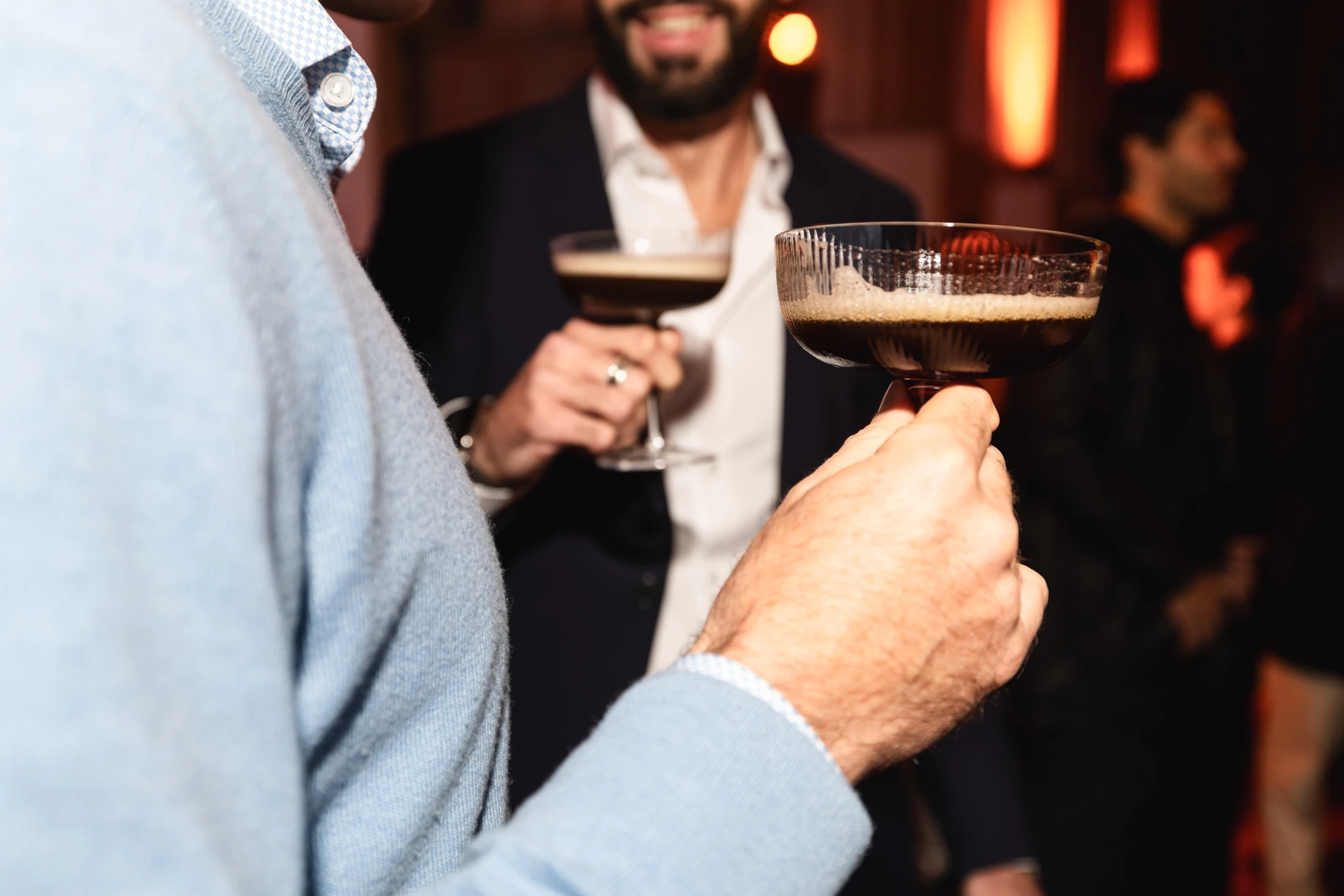
“Today we see younger consumers, especially those between 20 and 35, embracing this trend and incorporating it into pre-drinks, after-office sunsets, and social gatherings,” says Ferreri. “Coffee cocktails are moving away from being exclusively nighttime drinks and are adapting perfectly to brunches, sunset gatherings, and pre-dinner aperitifs.”
You may also like: Cold Coffee: How to Make It at Home and the Best Tips
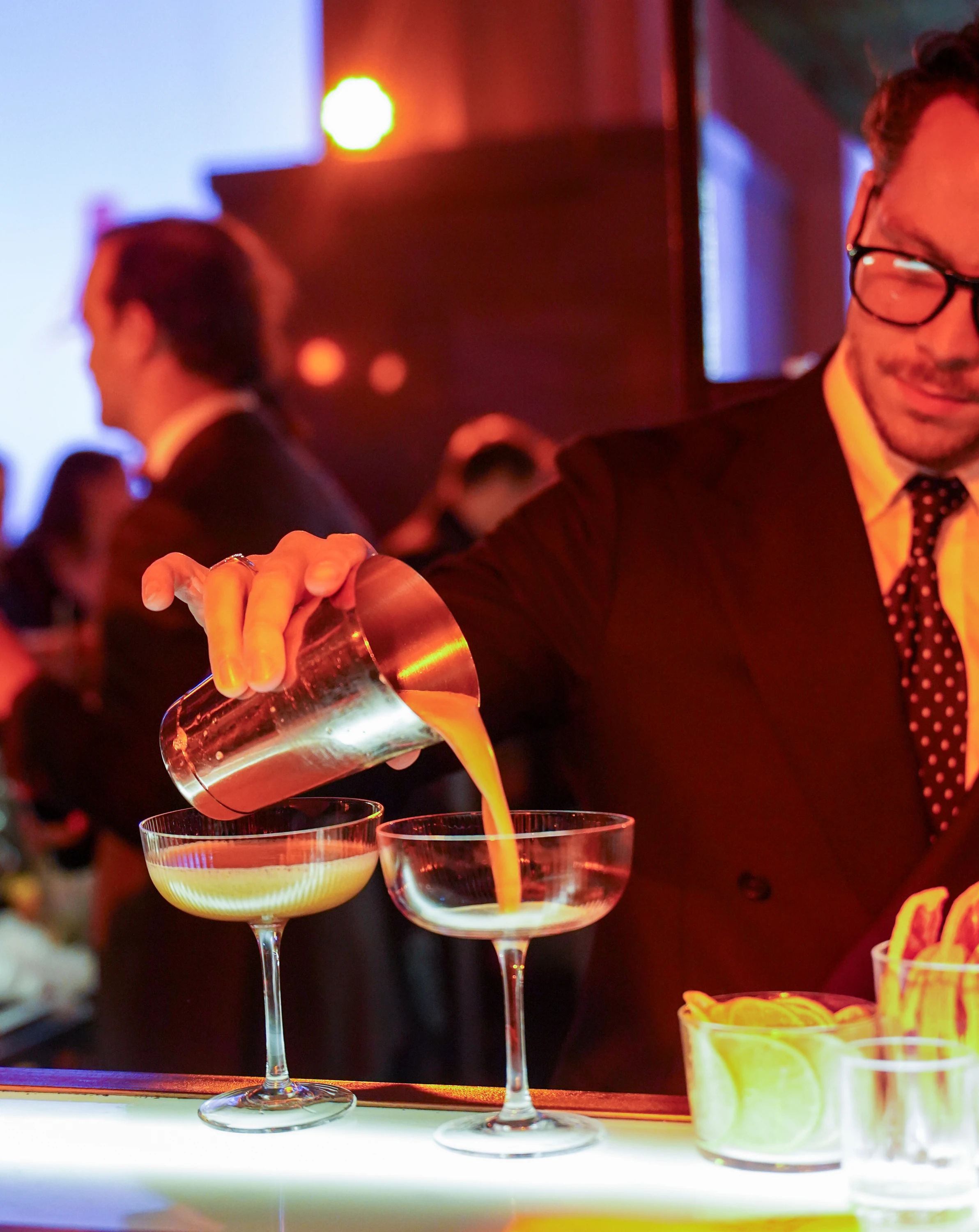
If there is one signature drink in this universe, it is the Espresso Martini.
“It’s elegant, light, and one of the most requested cocktails,” says Ferreri. “But it’s no longer the only option. Mezcal and tequila, for example, give this classic an interesting twist, adding a more umami-driven and complex character.”
And beyond spirits, the trend is also expanding into mocktails—alcohol-free creations that explore coffee’s aromatic profile through combinations with spiced syrups and fruit juices.
Bringing the Bar Into Your Home Kitchen
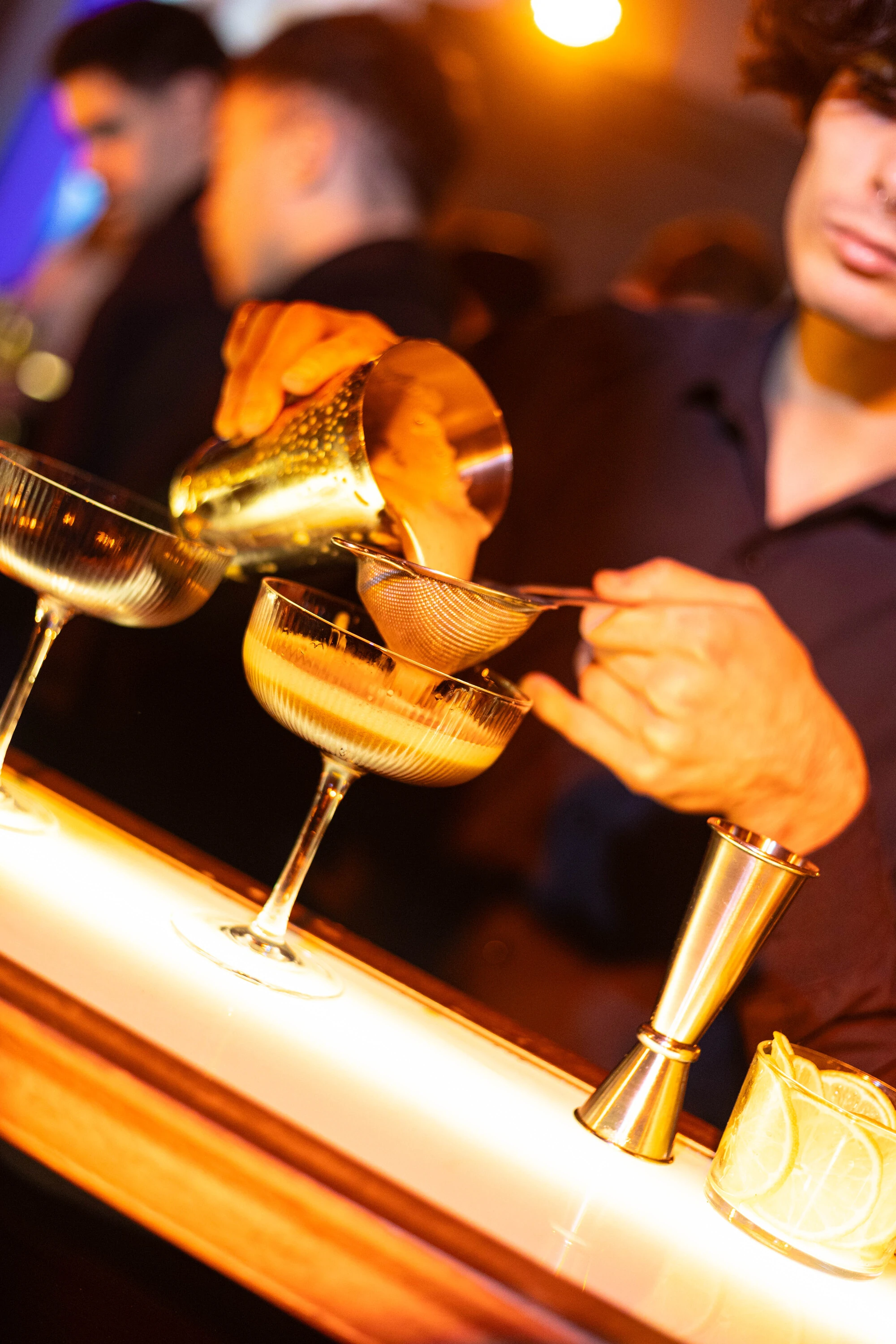
For anyone interested in making coffee cocktails at home, Ferreri offers one essential tip: never build the drink over ice from the start. As the cocktail comes together, melting ice gradually dilutes the mixture, and by the time it is finished, much of its flavor and intensity may be lost.
Instead, he recommends combining all the ingredients first, tasting the result, and adding ice only at the end.
The Espresso Martini is the perfect entry point. “It has a great balance between sweetness and intensity. You need to shake it well, aerate it, and chill it properly to achieve excellent drinkability.”
As for the coffee itself, there is one basic rule: it should be freshly brewed so that it retains both its aroma and texture. That is why, the bartender insists, a Nespresso capsule is the ideal choice.