
[image]
[title]With Munetaka Murakami joining the White Sox alongside established Cubs favorites Shota Imanaga and Seiya Suzuki, Chicago is rapidly emerging as a rival to Los Angeles for the title of America’s Japanese baseball epicenter. While the Dodgers naturally command the spotlight—fueled by recent championships and the star power of Shohei Ohtani, Yoshinobu Yamamoto, and Rōki Sasaki—Chicago offers a compelling alternative with elite talent on both sides of town. Los Angeles has already reaped a massive tourism windfall from its roster; now, Chicago stands on the verge of its own international boom. For any fan making the journey from Japan, the Windy City has become an absolute must-visit destination.
To truly understand Chicago baseball, you have to experience both sides of town. Traveling between Rate and Wrigley Fields is famously easy, as the CTA Red Line directly connects the two (via the 35th Street and Addison stops, respectively), but the culture at each park is worlds apart. If you’re packing your bags for the season, you’ll want to know how to navigate the neighborhoods, hit the right dive bars and embrace the local traditions. Here is how to get the most out of your time and fit right in with the diehard fanbases on both the South and North sides.
Both Chicago teams are defined by historic droughts and supernatural hexes. The White Sox endured 88 years to move past the 1919 “Black Sox” scandal, finally winning in 2005, while the Cubs waited 108 years to break the “Billy Goat” curse in 2016. Yet, despite this shared heartbreak, the fanbases occupy different worlds.
Wrigleyville has transformed into an affluent entertainment hub, often attracting a transient crowd that Sox fans dismiss as “yuppies” more interested in the bars than the box score. In contrast, Bridgeport remains a grounded, working-class enclave. While North Siders may view the South Side as gritty or defensive, the deep-rooted loyalty in Bridgeport arguably embodies the city’s blue-collar spirit more authentically than the globalized Cubs brand.
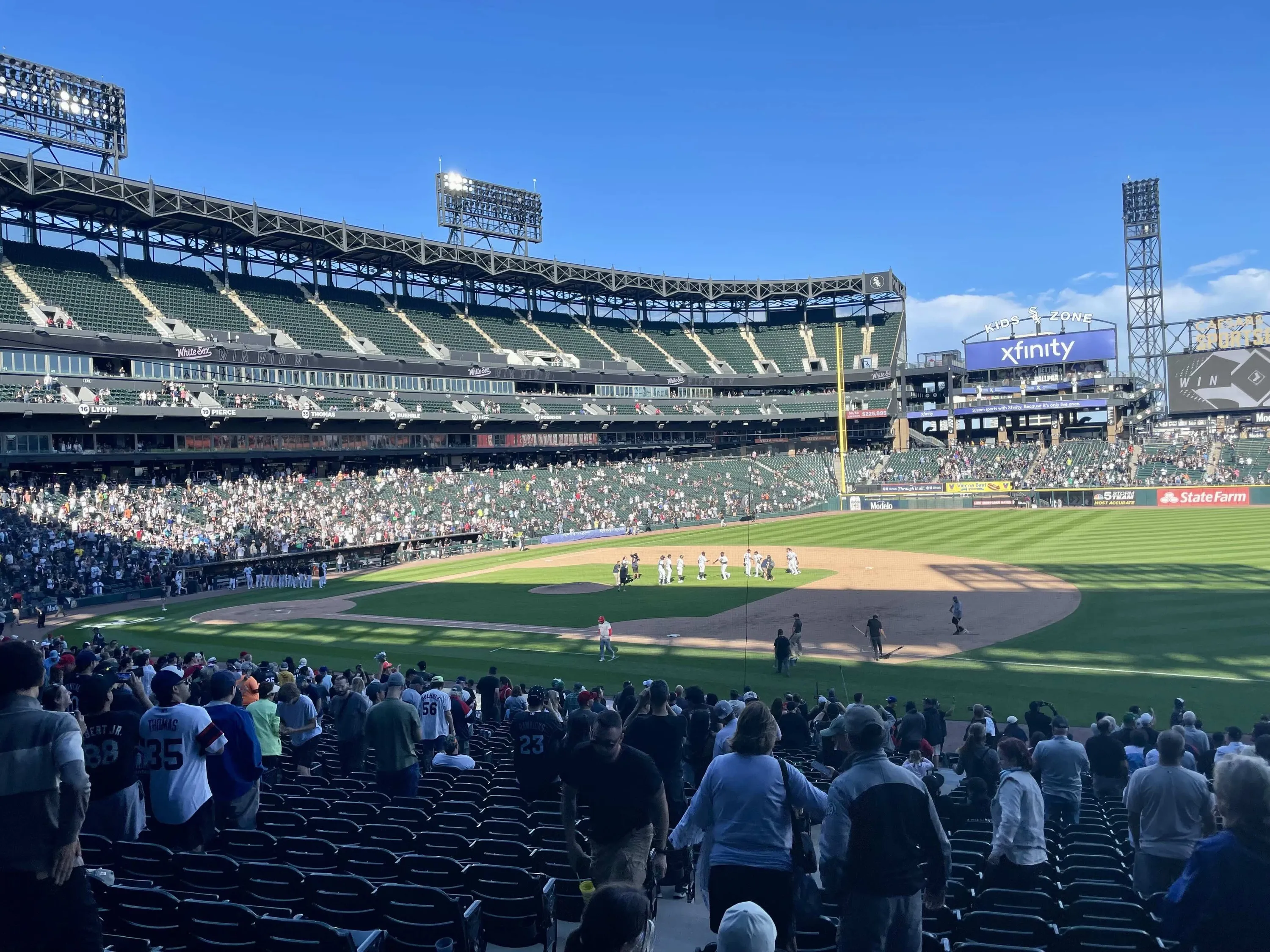
The White Sox
The White Sox make their home in Bridgeport, a neighborhood with a long-held blue-collar reputation that has increasingly become home to artists and a younger crowd in recent years. If you want to sound like a local when heading to the South Side ballpark, call it Comiskey. It is the name of the original stadium and how lifelong fans still casually refer to it, even though it currently goes by Rate Field, famously burdened by a corporate logo bearing a giant downward-pointing arrow. It is an area with a lot of history, but it is worth a gentle reminder for visitors from Japan that Chicago requires a bit more situational awareness than, say, Tokyo.
A word to the wise: There have been occasional issues the last few seasons with fake parking attendants and an unresolved shooting incident inside the park, so stay alert and be mindful of your surroundings. If you are looking for a place to stay that is convenient to the South Side, the Nobu Hotel in the West Loop offers familiar Japanese refinement in a popular nightlife district, and it is just a short bus ride down to the park.
The general consensus when it comes to Rate Field is that there is more to do inside the stadium, but less to do in the immediate surrounding neighborhood. You will find that even Cubs fans admit the food options are superior at the South Side stadium. Just a block away from the ballpark, the legendary 35th Street Dogs stand serves a definitive example of the city’s iconic hot dog “dragged through the garden”: an all-beef frank nestled in a poppy seed bun and topped with yellow mustard, neon green sweet pickle relish, chopped white onions, tomato wedges, a dill pickle spear, sport peppers, a sprinkle of celery salt and most importantly no ketchup. Inside the park, the $15 campfire milkshake that debuted in 2024 remains a massive hit. If you want to venture slightly beyond the park, you can grab a massive breaded steak sandwich from Ricobene’s, which USA Today once named the “best sandwich in the world,” though it is a heavy commitment. They also offer great Chicago-style pizza—both thick deep-dish and crispy tavern style.
The stadium itself has a quirky history. Legendary owner Bill Veeck installed a working shower in the left field bleachers, which is still running today and is an absolute must-visit to cool off during a day game. The team mascot, Southpaw, is a fuzzy green creature who debuted in 2004 and hit the Mascot Hall of Fame in 2022. Technically he is just a left-hander from the South Side, but he often gets mistaken for a frog or an alligator, making him Chicago’s very own cross-breed kaiju.
For fans wanting to bring a bit of the Nippon Professional Baseball atmosphere, the stadium does allow small umbrellas, though opening them during play is technically prohibited. The traditional Tokyo Yakult Swallows umbrella dance might be a bit of a gray area, but if Murakami really starts hitting, it could easily catch on as a new southside tradition.
The White Sox fanbase is deeply loyal, counting former President Barack Obama, the late Mayor Richard J. Daley and even Chicago native Pope Leo XIV among its ranks, leading some to hope for a bit of divine intervention for the franchise. For a welcoming dose of South Side culture, keep an eye out for the Section 108 fan club. They are a deeply rooted fan section inviting the cross-cultural Japanese fan base to join their ranks.
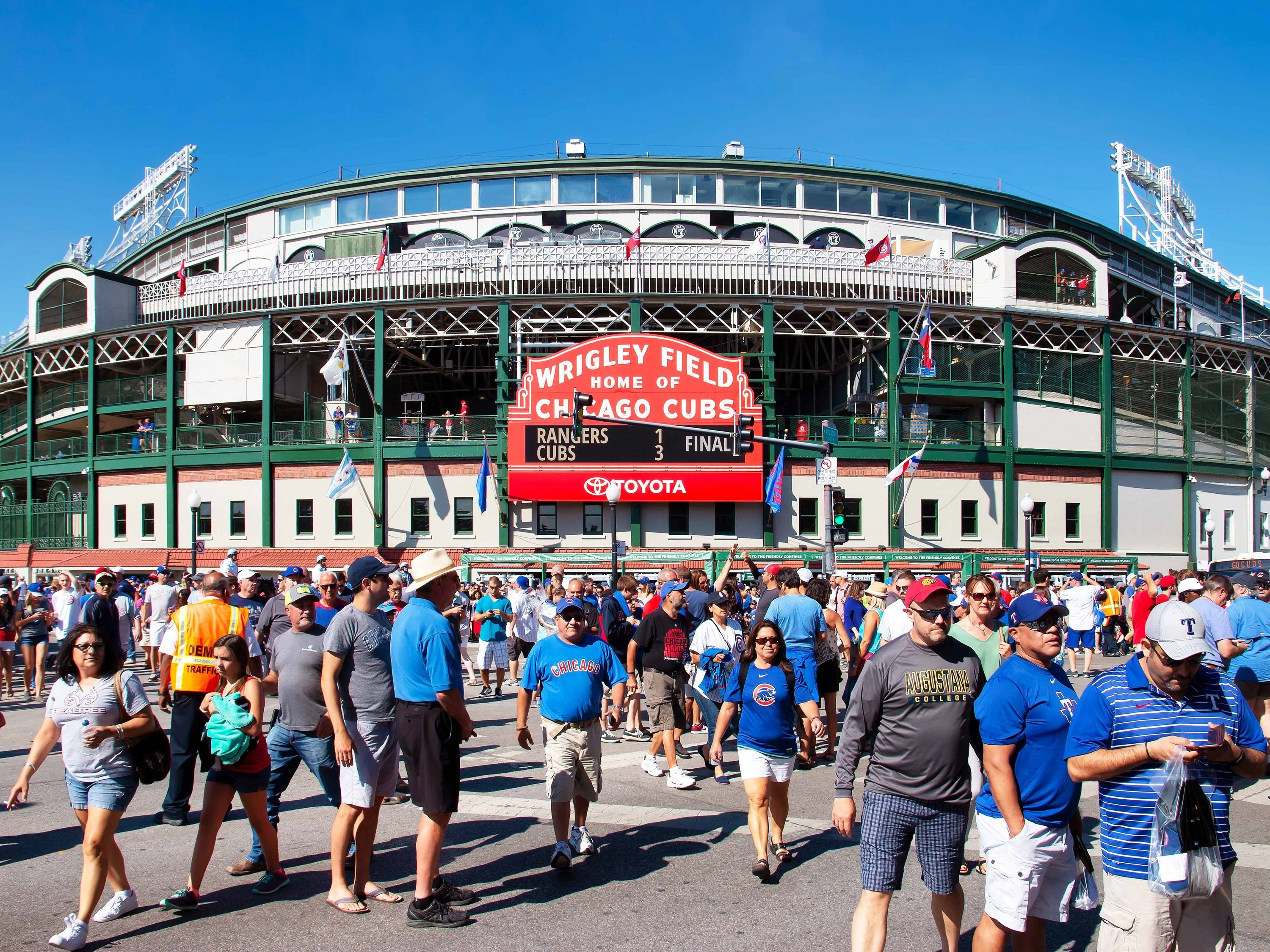
The Cubs
Up north, Wrigley Field offers an entirely different vibe, easily on par with historic grounds like Meiji Jingu or Koshien. Along with Fenway Park, it is one of only four remaining stadiums that hosted Babe Ruth for a professional game, and it is the only remaining major league stadium where Jackie Robinson played. Wrigley is nestled right into a residential neighborhood and famously held out on installing lights until 1988, having donated their original light towers to the World War II effort. Local ordinances still limit the number of night games, so a day game in the sun is the purest Wrigley experience, though a night game under the lights brings an unmatched peak excitement.
The Wrigley bleachers are the closest thing you will find to a Japanese ōendan section in the U.S. It is a rambunctious crowd with deeply held traditions, like throwing any opposing team’s home run ball back onto the field, a practice famously captured in the movie Rookie of the Year. In recent years, fans have taken to building beer snakes, stacking their empty cups into massive, slithering monuments across the stands.
If you want a truly unique vantage point, you can watch a game from the Wrigley Rooftops across the street, which offer food and drink packages and incredible views into the stadium. Alternatively, Wrigley allows you to bring your own food inside. You can grab Penny’s Noodles, a classic Chicago dog from Byron’s or hit Wrigleyville Dogs before walking through the gates. If you want to stay as close to the action as possible, Hotel Zachary puts you directly across the street from the stadium.
The neighborhood around Wrigley is packed with history. Murphy’s Bleachers is the local shrine, a bar owned by the Murphy family that regularly hosts famous fans like Pearl Jam’s Eddie Vedder, who stopped in with Cindy Crawford last season. You can take some swings at the batting cages inside Sluggers, or check out the concert listings at Metro Chicago, the legendary venue where bands like Nirvana and R.E.M. launched their careers. For a connection to home, make sure to visit Nisei Lounge, self-described as “Chicago’s oldest baseball bar.” It is the diviest of dive bars, even mixing their own deranged concoctions of Malört infused with ingredients like sport peppers, garlic or coffee beans, but it holds a deep history and connection with the Japanese American community in Chicago. Named for second-generation Japanese Americans, the bar opened in 1951 as a gathering spot for families resettling from World War II internment camps, standing today as one of the last surviving remnants of Wrigleyville’s forgotten history as a bustling post-war Japanese enclave.
If you want a purely unfiltered local experience and are not thin-skinned, Wiener’s Circle is a nearby institution serving charred Chicago hot dogs with a deliberate side of verbal abuse from the staff. And fair warning: Do not order ketchup.
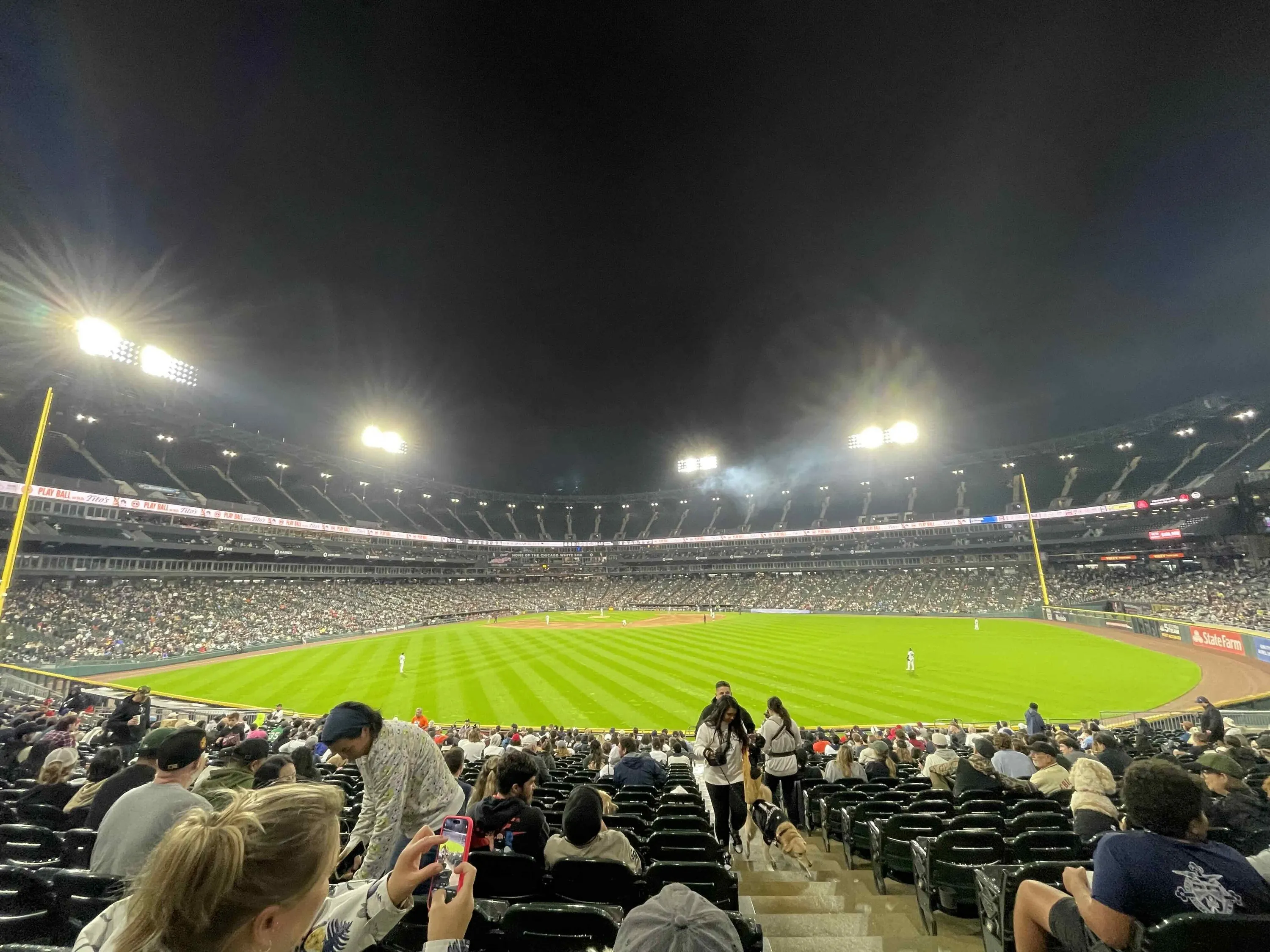
Highlight Games
If you want to maximize your trip, there are a few series you should absolutely circle on your calendar. First, the White Sox home opener on April 2 against the Toronto Blue Jays, where you can catch Murakami’s Chicago debut alongside fellow countryman Kazuma Okamoto (And be sure to pack your winter coat as it’s been known to snow on opening weekend.)
The ultimate Chicago baseball experience happens during the Crosstown Classic, when the Sox and Cubs face off directly, letting you catch the atmosphere of both fanbases at once. This year, they play May 15 through 17 down south at Rate Field, and August 17 through 19 up north at Wrigley. On May 18, the Cubs host the Asian American and Pacific Islander (AAPI) Heritage Month Celebration, which includes a limited-edition heritage jersey available with purchase of a special ticket in advance.
The Dodgers’ weekend visit to the White Sox June 12–14 coincides with that Sunday’s Hello Kitty Day, featuring a plushie giveaway. On September 3, the Cubs will host their own Hello Kitty Night with a plushie giveaway and a Hello Kitty jean jacket available as part of a special VIP package. Later in the summer, the Cubs host a massive series against the Dodgers in August, where you might get to see a Shota matchup against Ohtani, Yoshinobu or Sasaki if the stars align. Also, if you visit Wrigley during the weekend of the Chicago Air and Water Show in mid-August, you will be treated to the Blue Angels or Thunderbirds buzzing low over the stadium throughout the game, which is an unforgettable American baseball spectacle.
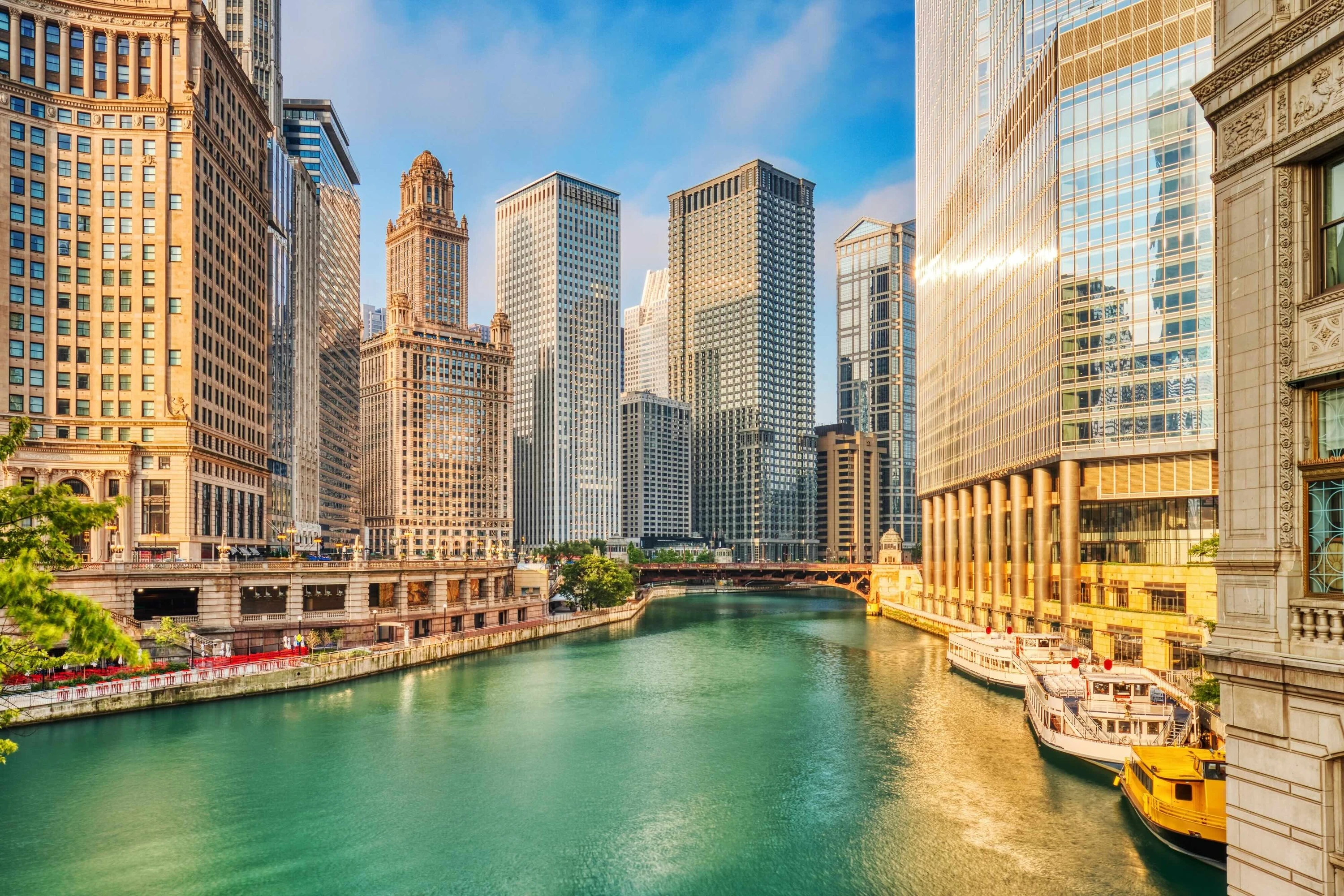
Beyond the Ballparks
When you are ready to explore the rest of the city, there are a few absolute staples you cannot miss. For deep dish pizza, skip the tourist traps and head to Pequod’s in Lincoln Park. To get there from Wrigley Field, just take the Red Line south to the Fullerton station, and it is a short walk or a quick ride on the 74 bus west to Clybourn Avenue.
For a classic Italian beef sandwich, check out Little Italy where you can pair it with italian ice at Mario’s Italian Lemonade; or visit Mr. Beef in River North, famously featured in the FX show The Bear. If you are traveling from Rate Field, you can take the Red Line north to the Chicago station, then walk about five blocks west down Chicago Avenue to Orleans Street.
To cap off your trip, book a Chicago River architecture tour, or rent a kayak to paddle through the downtown canyons yourself. The viewing decks at the Willis Tower or 875 North Michigan Avenue (aka the John Hancock building) offer the best skyline view. Between the distinct cultures of the North and South Side stadiums, the massive portions of comfort food and the incredible skyline, Chicago offers a baseball pilgrimage unlike anywhere else in the world. And be sure to enjoy the Second City with a Chicago Handshake—a shot of Jeppson’s Malört followed by a Pabst Old Style lager—and settle in for the game.