

[image]
[title]There's a moment Taylor O describes that most designers would recognise, even if they might struggle to explain it. It comes before you understand why something looks right. Before you have the vocabulary. Before design is even the word you would use for what you are feeling.
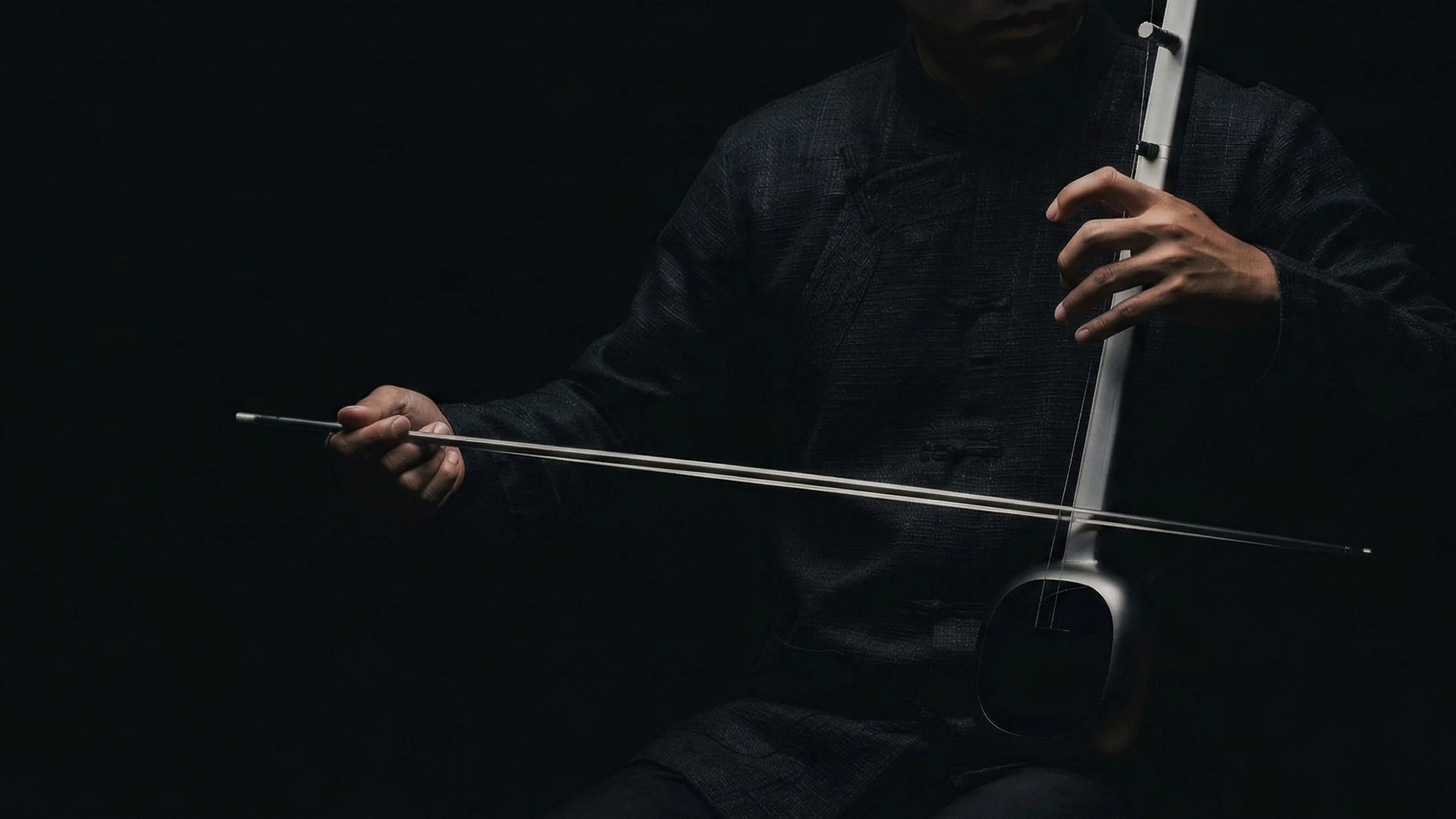
‘I might have only felt that certain things looked beautiful, felt interesting, or made me want to get closer to them, but I could not yet clearly explain the reasons behind those feelings,’ he says.
He grows up in Ramkhamhaeng, a Bangkok neighbourhood with its own particular texture – not the tourist-facing gloss of the city's centre, but somewhere lived-in, layered and unshowy, the kind of place that leaves a mark. He is the kid who draws everything: dinosaurs, cars, trees, whatever is in front of him. ‘Almost everything I saw at that time always felt full of fun,’ he says. It sounds simple. It isn't. That instinct – to look closely and find pleasure in form – is exactly what Taylor O Studio is built on.
What stays with him from those years is not a single object, but something ambient.
‘Not one specific object, but more the atmosphere of that period, the feelings, the memories and the different cultures around me.’
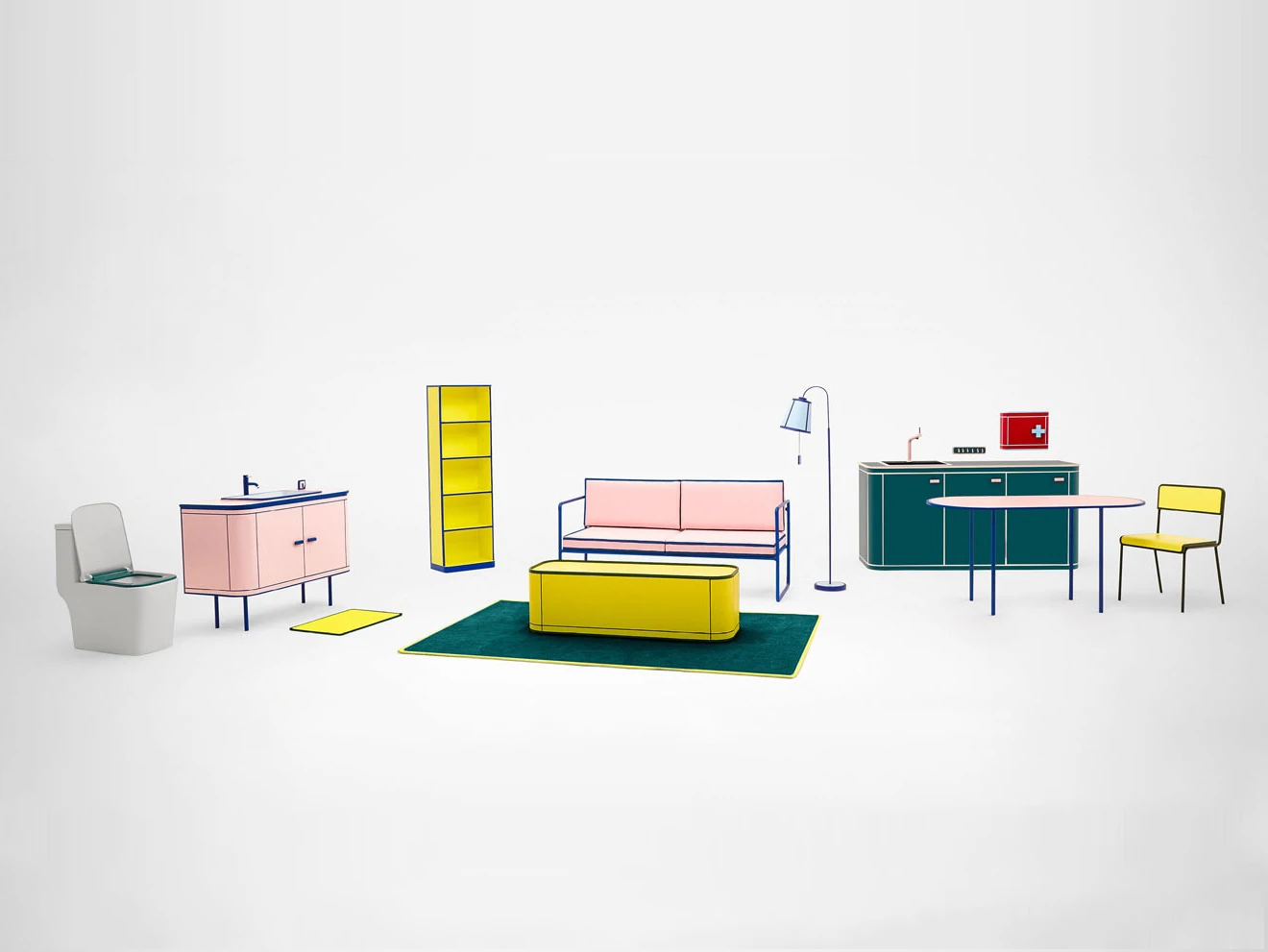
He talks about the 90s, about the years before mobile phones reshaped daily life, about the particular charge of the early internet era. There is something telling in that framing: a designer who does not anchor his visual imagination in objects so much as in time, in the texture of a moment before it slips away.
He lands on product design almost by instinct. In high school, he comes across professions such as interior designer, architect and product designer, and feels an immediate pull. The thinking is uncomplicated at first – ‘I thought it would be really fun to design a lamp and make it more beautiful’ – but he is clear that beauty is only the beginning.
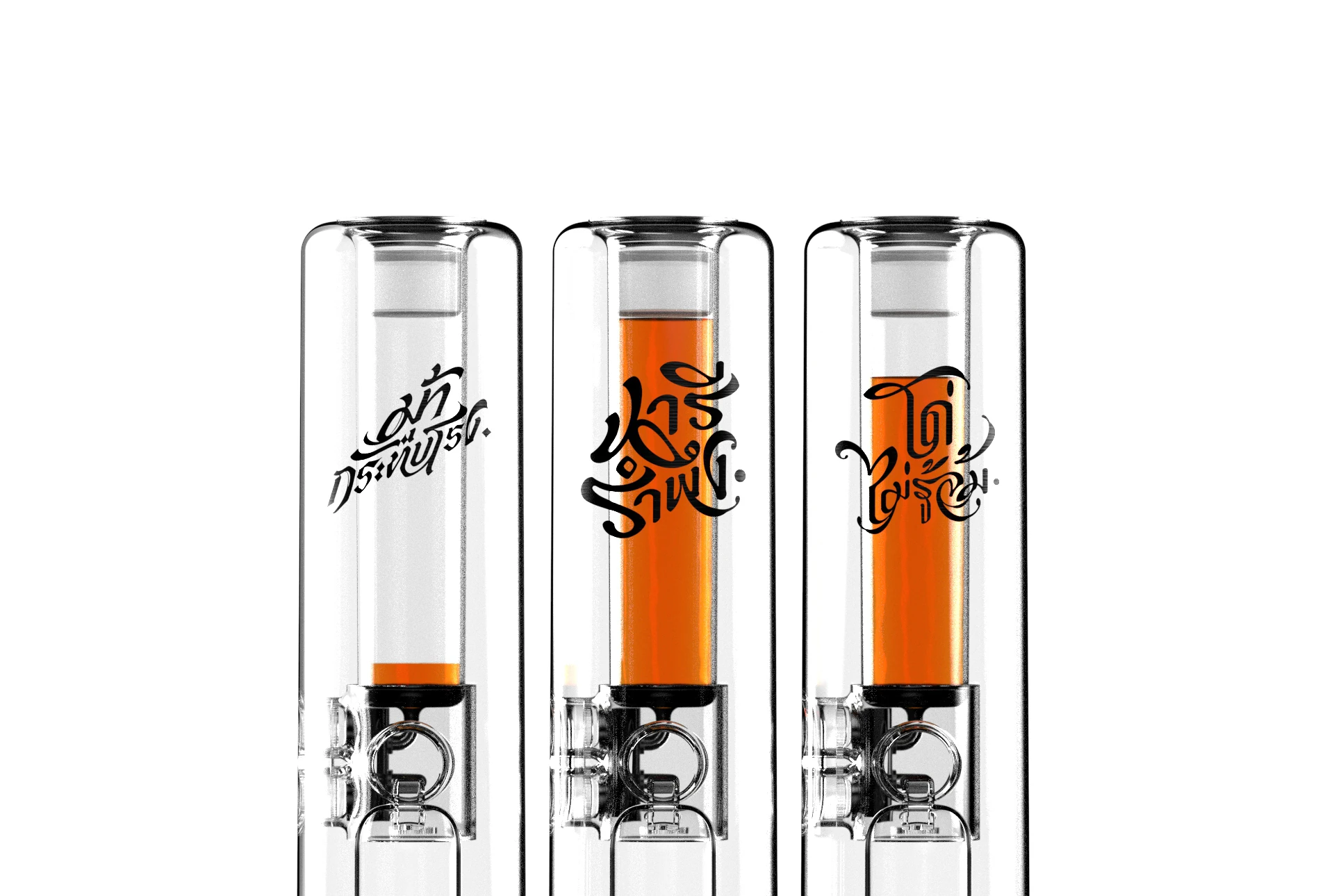
The more he works, the more he understands that how something looks is inseparable from how it makes you feel, how you use it and how you come to value it.
‘A good object or product may not only be something that functions well. It should also improve our lives in some way. It might make us feel better when we see it, make our lives more convenient, or even heal us emotionally when we use it.’
That last phrase – heal us emotionally – is the kind of thing a less thoughtful designer might throw away as marketing language. Taylor O means it plainly.
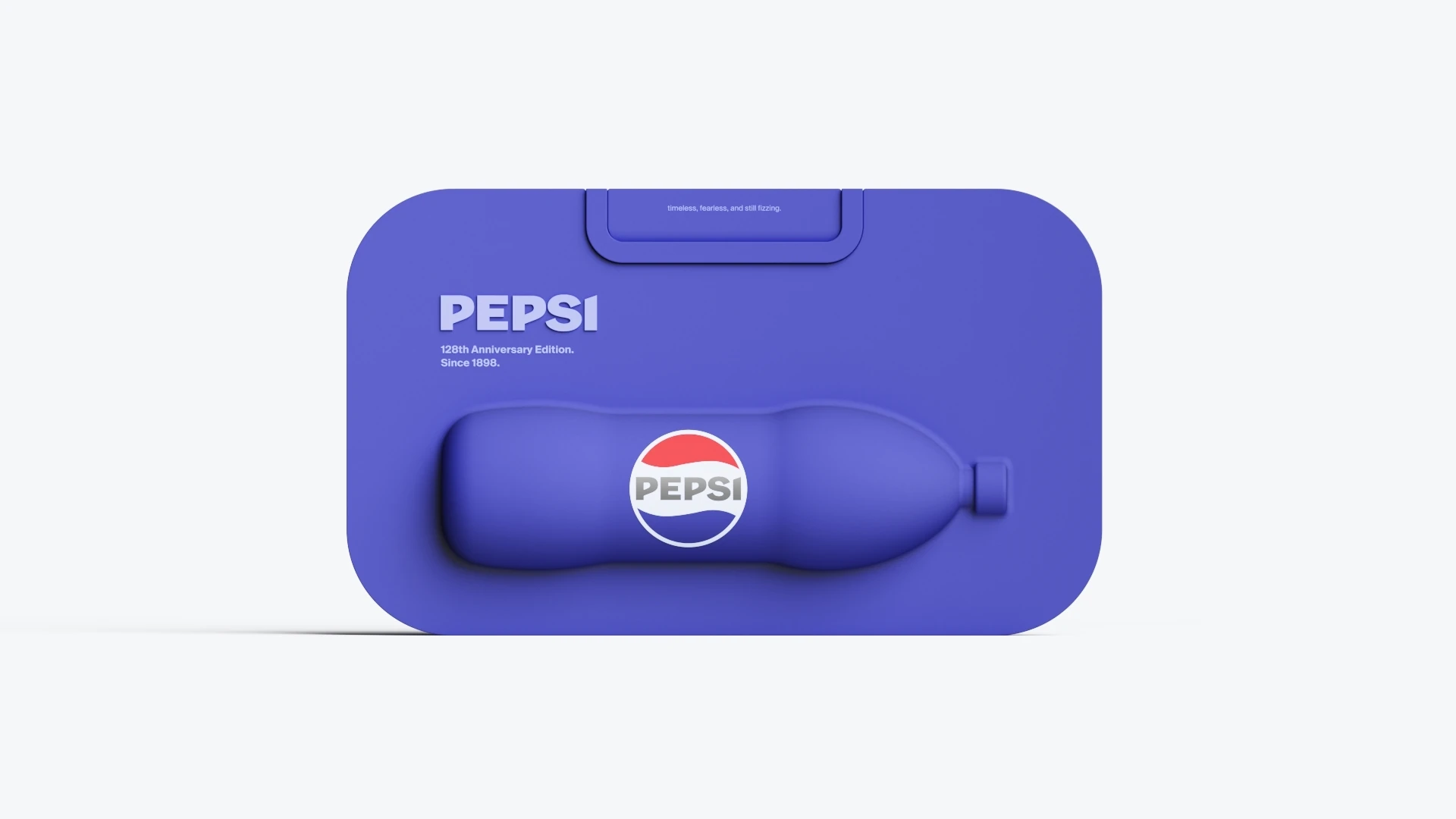
His first client is a lighting company. He is inexperienced and not especially skilled at the pitch. What he has is an idea, and the clarity to show it. ‘I was very grateful that the client understood and trusted my work, even though I was still very inexperienced.’ That early project does what early projects are supposed to do: it gives him confidence, sharpens his instincts, and starts building what is now a studio with a distinct point of view. To stay relevant in a field crowded with talented newcomers, he says, you need more than quality work. You need direction.
‘A studio needs to keep adapting. More importantly, it needs to have a clear and committed direction in its design approach.’
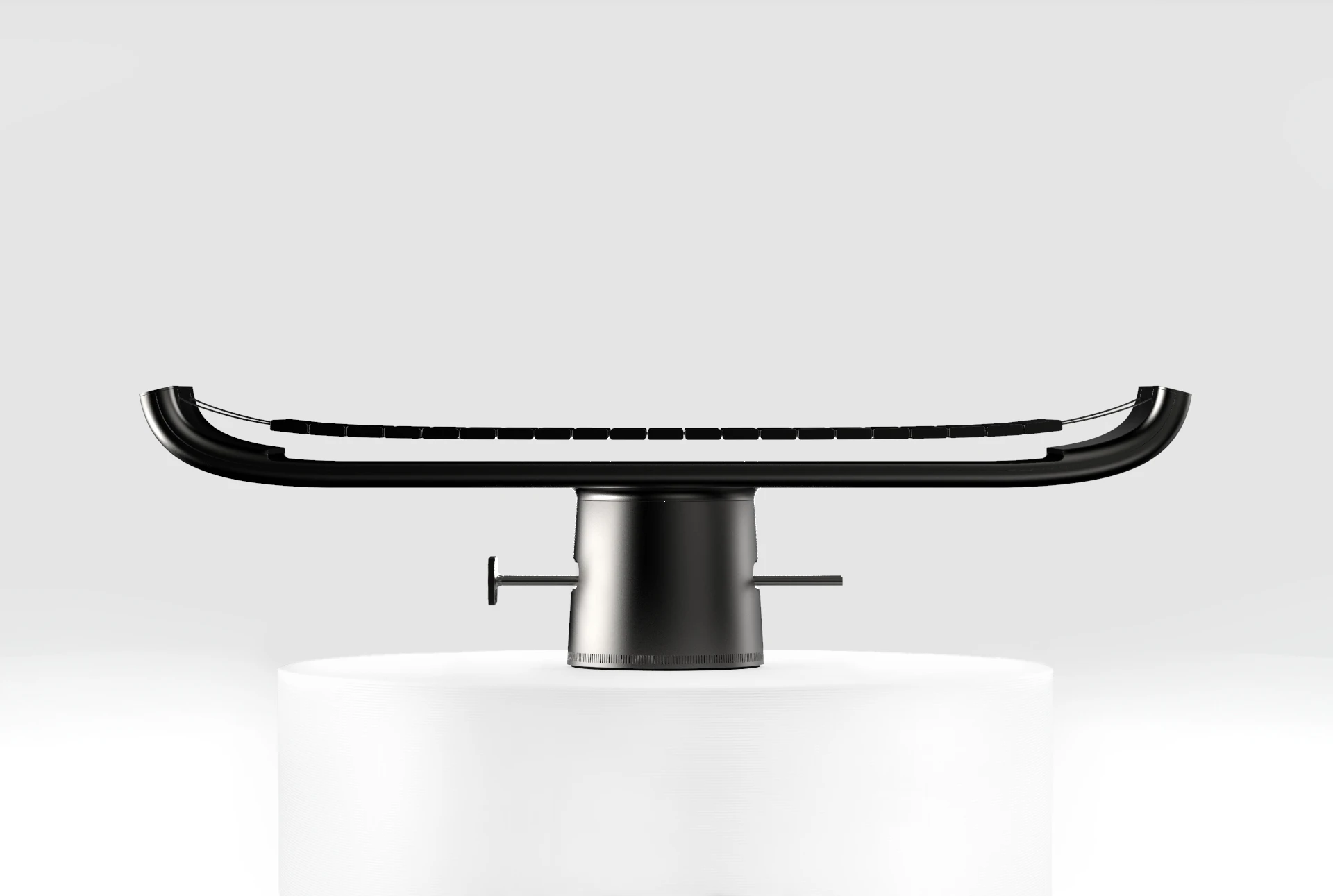
About five years ago, that direction takes a turn Taylor O has not entirely planned. He starts thinking about traditional Thai instruments – specifically the ranad, the xylophone-like percussion instrument most Thai people carry some visual memory of, often from school performances or temple ceremonies. The ranad has a kind of iconic stillness to it. ‘Its form, character and way of playing have remained almost the same. It is like culture, or almost like a rule that is difficult to adjust or reinterpret.’ That rigidity, he realises, was exactly what interests him.
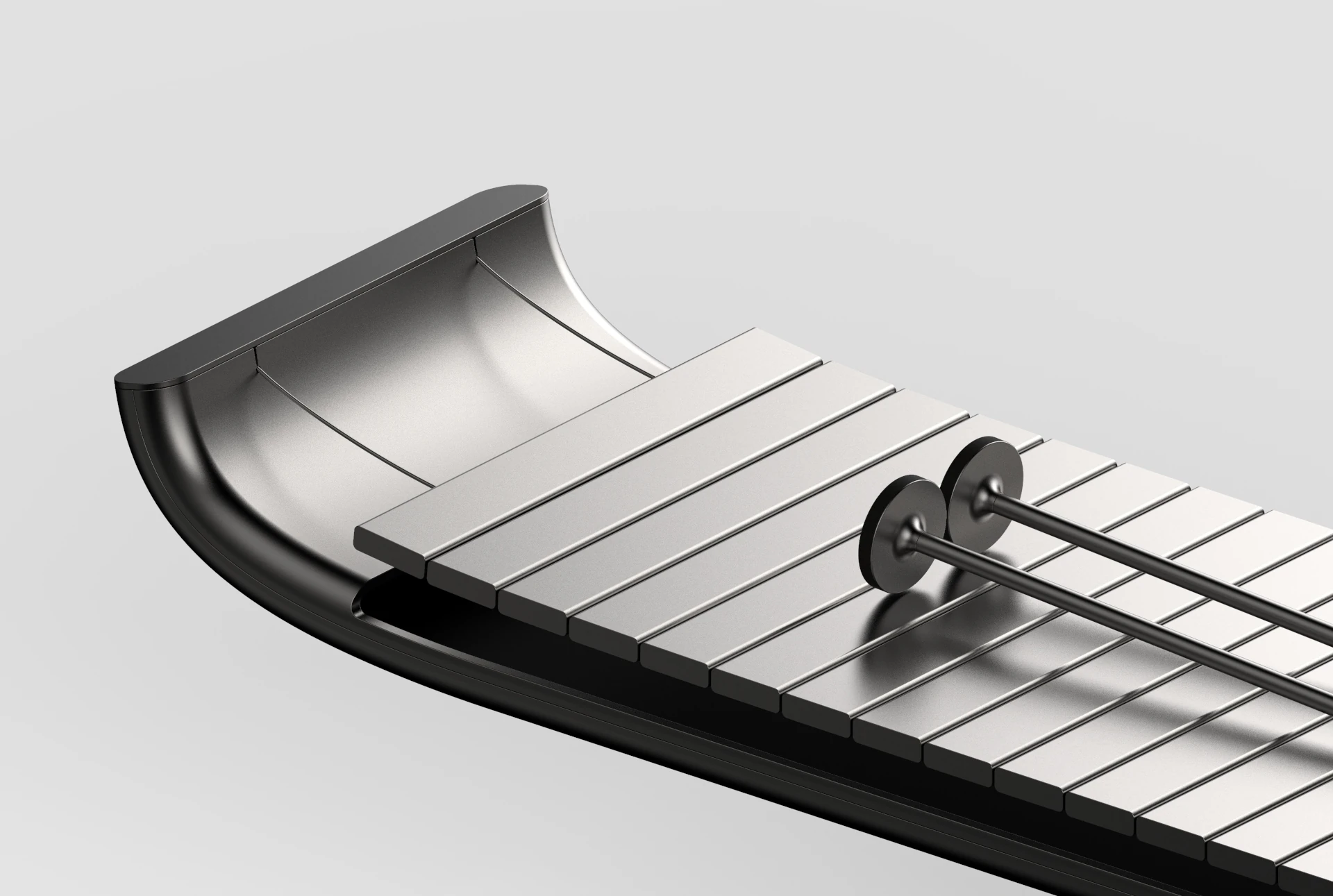
‘There was a brief moment when I felt: would it be interesting if we could redesign or bring different Thai instruments back into the present day, now that many things around us have changed?’
That question became RE-THAI.
He's careful about what the campaign is and is not. It does not begin as a cultural manifesto or a grand statement on Thai identity. It begins as a personal challenge. ‘I simply wanted to make it happen.’ He does not know whether people will respond to it, or whether the work will land as interesting, offensive or irrelevant. So he set himself one honest goal.
‘At the very least, I would try to do it as fully as I could, make it the best I could, and make it a piece of work that I personally liked the most. If I could do that, it would already be a success.’
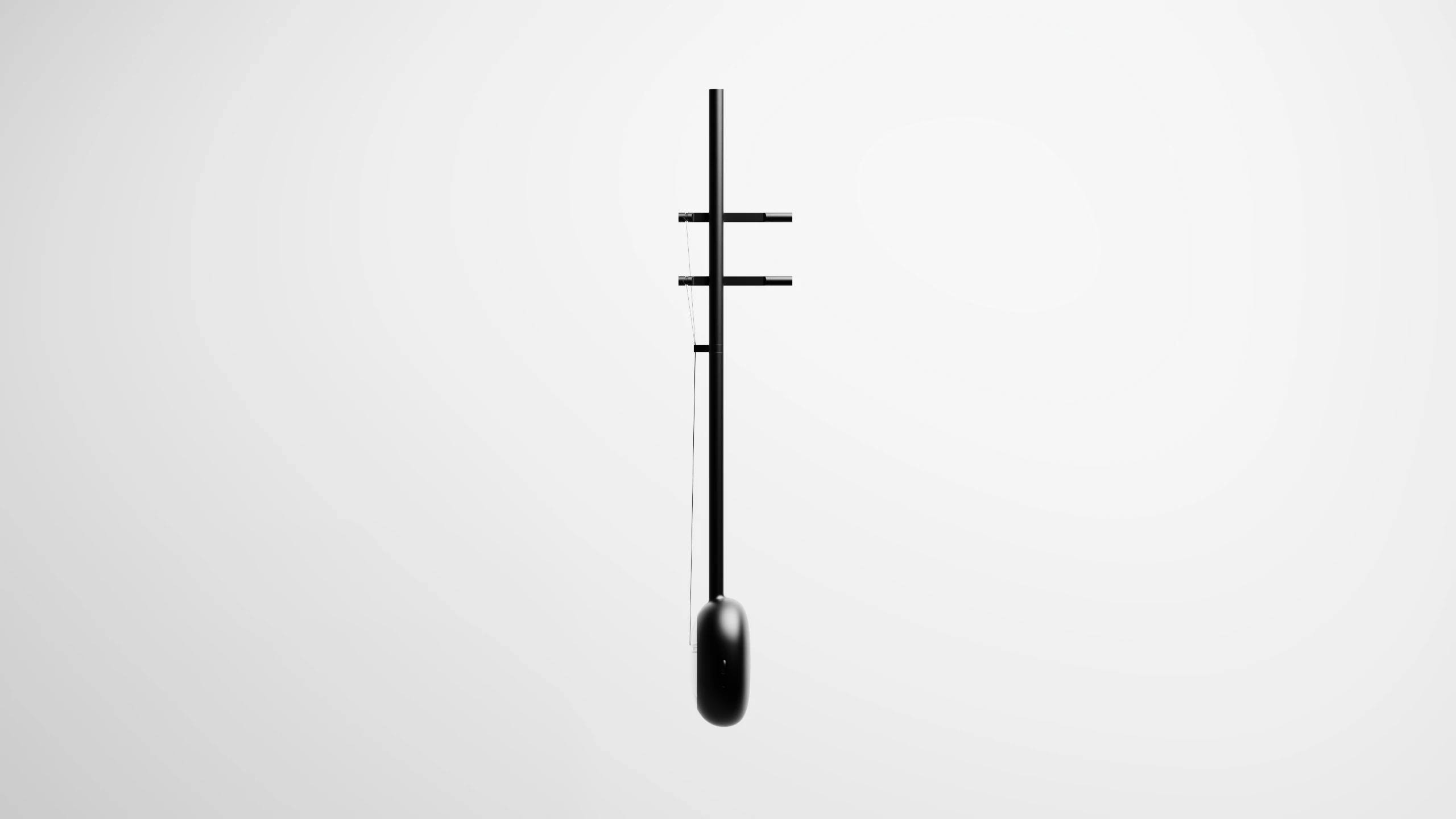
The designs that emerge – sleek, dark, stripped back, almost electric in their sensibility – do not announce themselves as Thai at first glance. That is deliberate. But the ranad's proportions are still there. Its atmosphere persists.
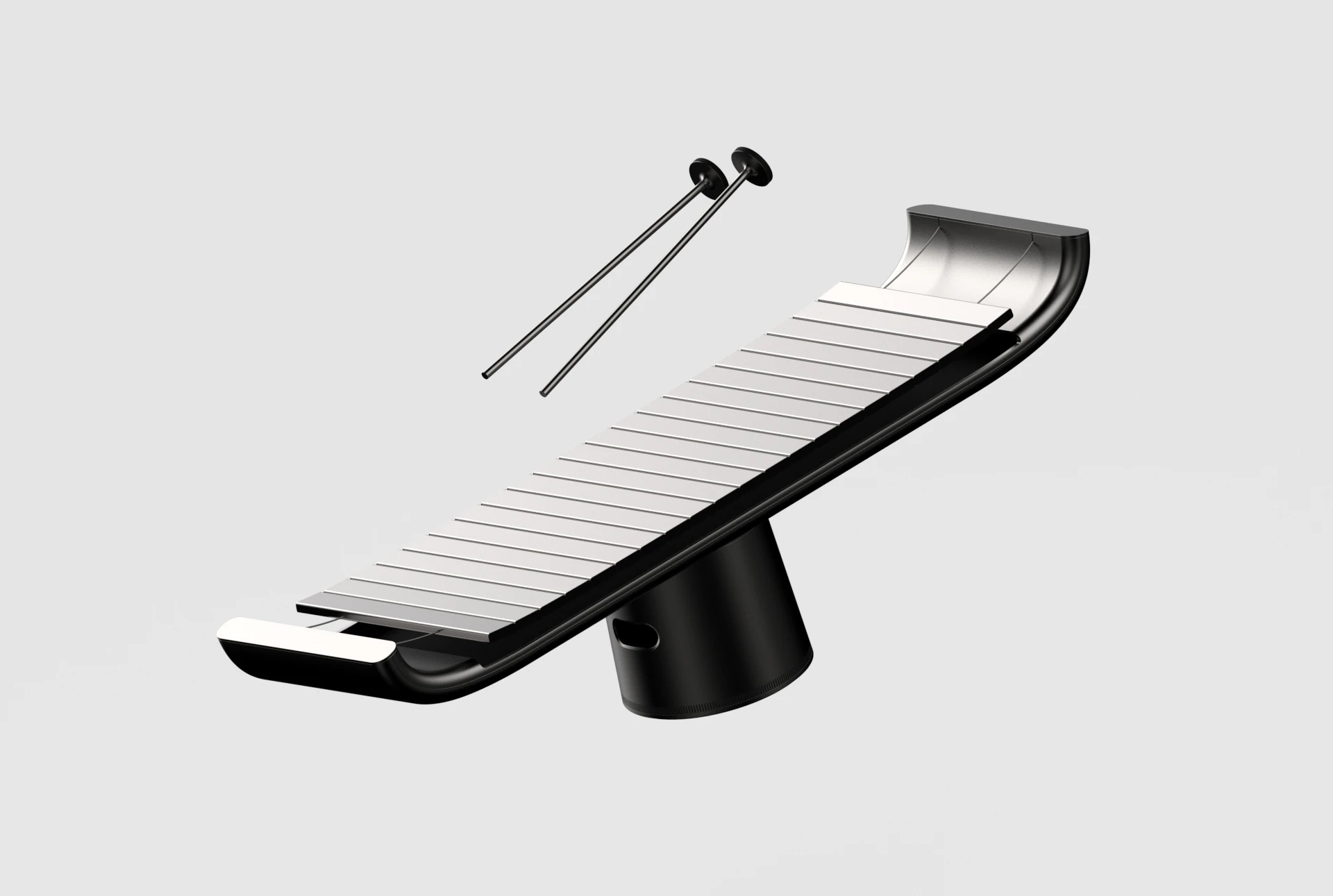
‘No matter how the design turned out, the visual memory of the Ranad still needed to appear when people looked at the piece, at least to some degree.’
Lose that tether and the work loses its meaning. What Taylor O is after is not replacement but translation: a contemporary visual language that carries the original without being trapped by it.
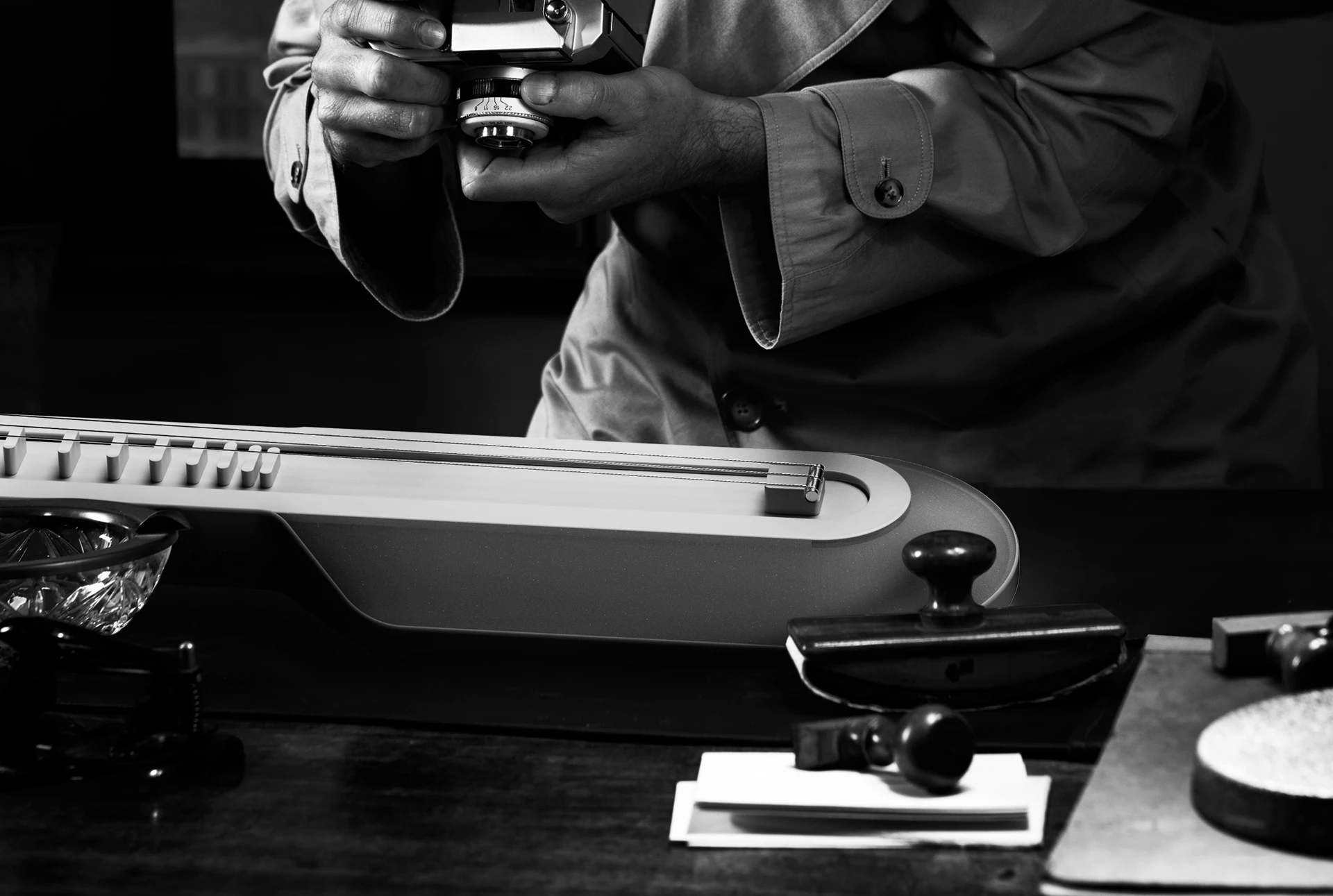
After publishing the ranad project, he speaks with Ajarn Khun-In (Narongrit Tosa-nga), one of Thailand's foremost ranad masters. The conversation is illuminating and, in its way, humbling. ‘Speaking with him made us realise that if this redesigned ranad were to actually exist in the future, there would be many things that would need to be adjusted to make it more appropriate, more accurate and more suitable for the way it is played.’
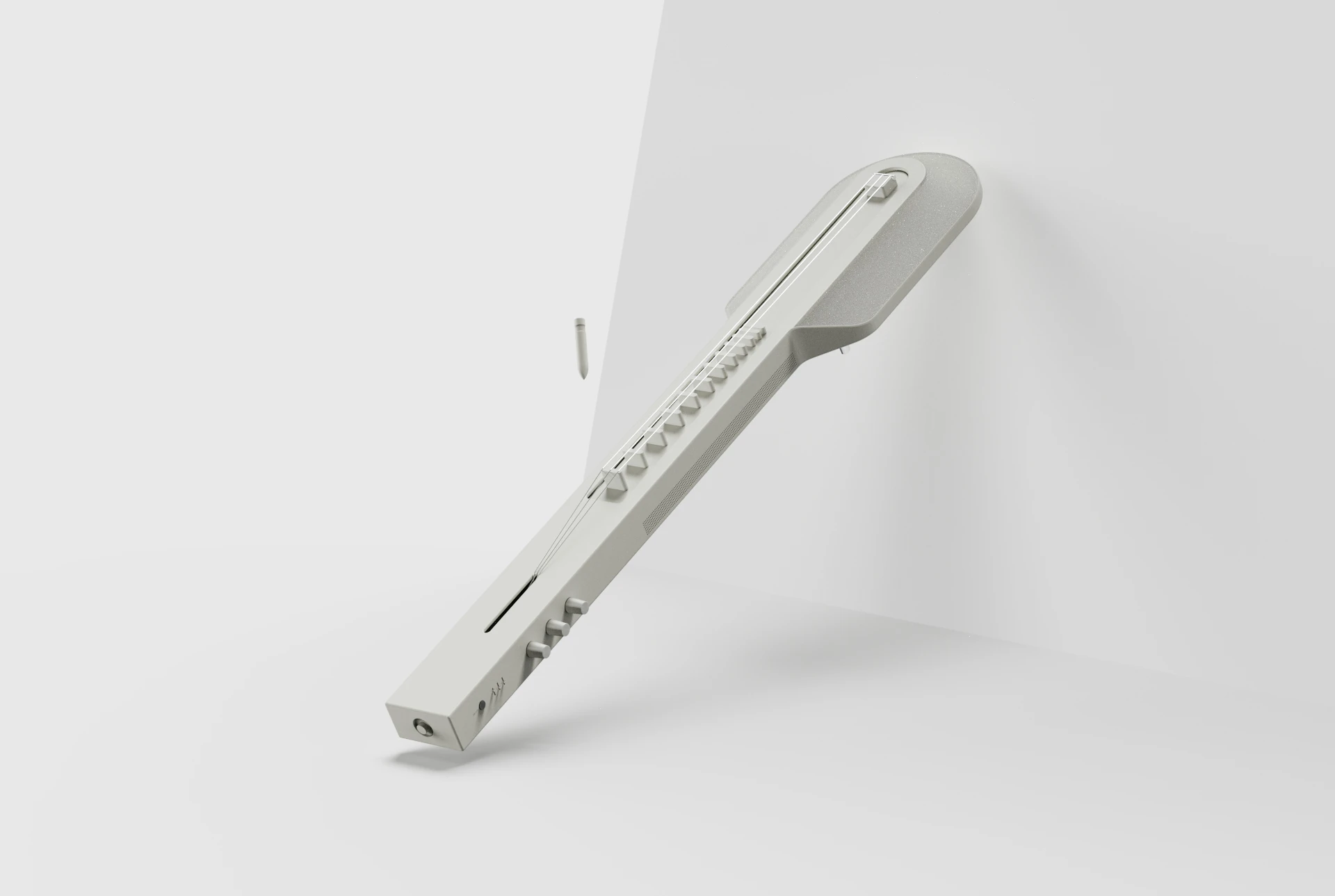
Even shifting the instrument to an electric mechanism doesn't free you from its inherited logic. There are rules embedded in how it is played, how sound moves through it and how a musician's body relates to it. Those rules do not disappear because the casing changes. They need to be understood, tested and worked through. That conversation, along with others with traditional music teachers and musicians, moves the project from design concept towards something with the possibility of a future life. Not a prototype yet, not fully. Just 3D-printed models for now. But the door, as Taylor O puts it, is not closed.
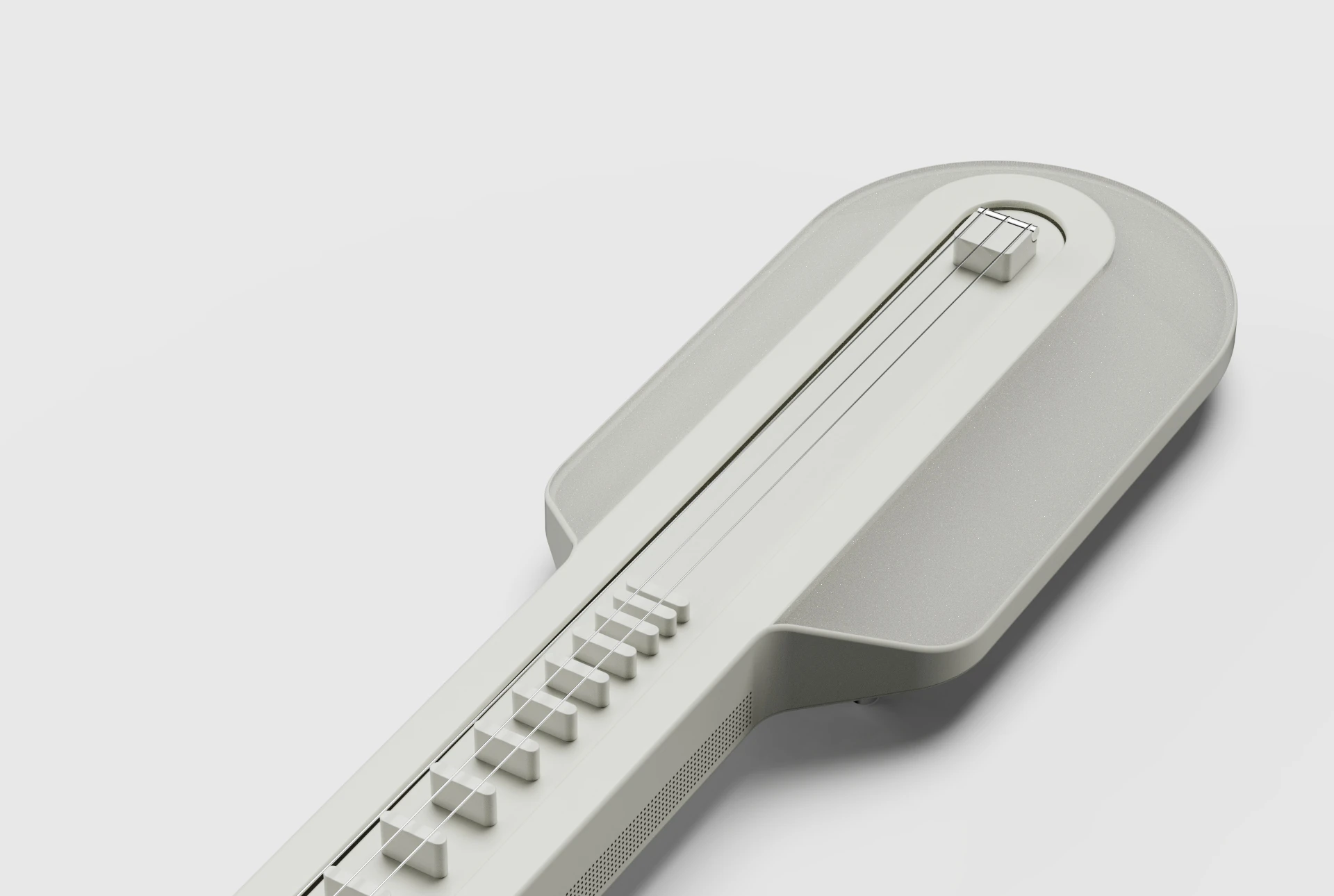
There is a version of RE-THAI that could read as erasure – a designer smoothing over something ancient in the name of modernity. Taylor O is aware of this. ‘It is definitely something to be concerned about.’ His counter is not defensiveness. It is intention. The goal, as he describes it, is to ‘dust them off again in order to see new possibilities – for contemporariness, for a more universal language.’
He uses the word responsibility deliberately: responsibility not to forget the roots, to reflect cultural value through design decisions and to know which parts can move and which parts should stay. ‘We change the parts that seem possible to redesign, and we try to preserve the parts that should remain.’
What he's navigating, whether or not he would frame it this way, is the same tension that runs through Bangkok itself. The city is constantly doing this – folding old forms into new edges, holding tradition in one hand and reinvention in the other, rarely resolving the tension cleanly.
‘I do not think the old and the new have to be completely separated from each other,’ he says.
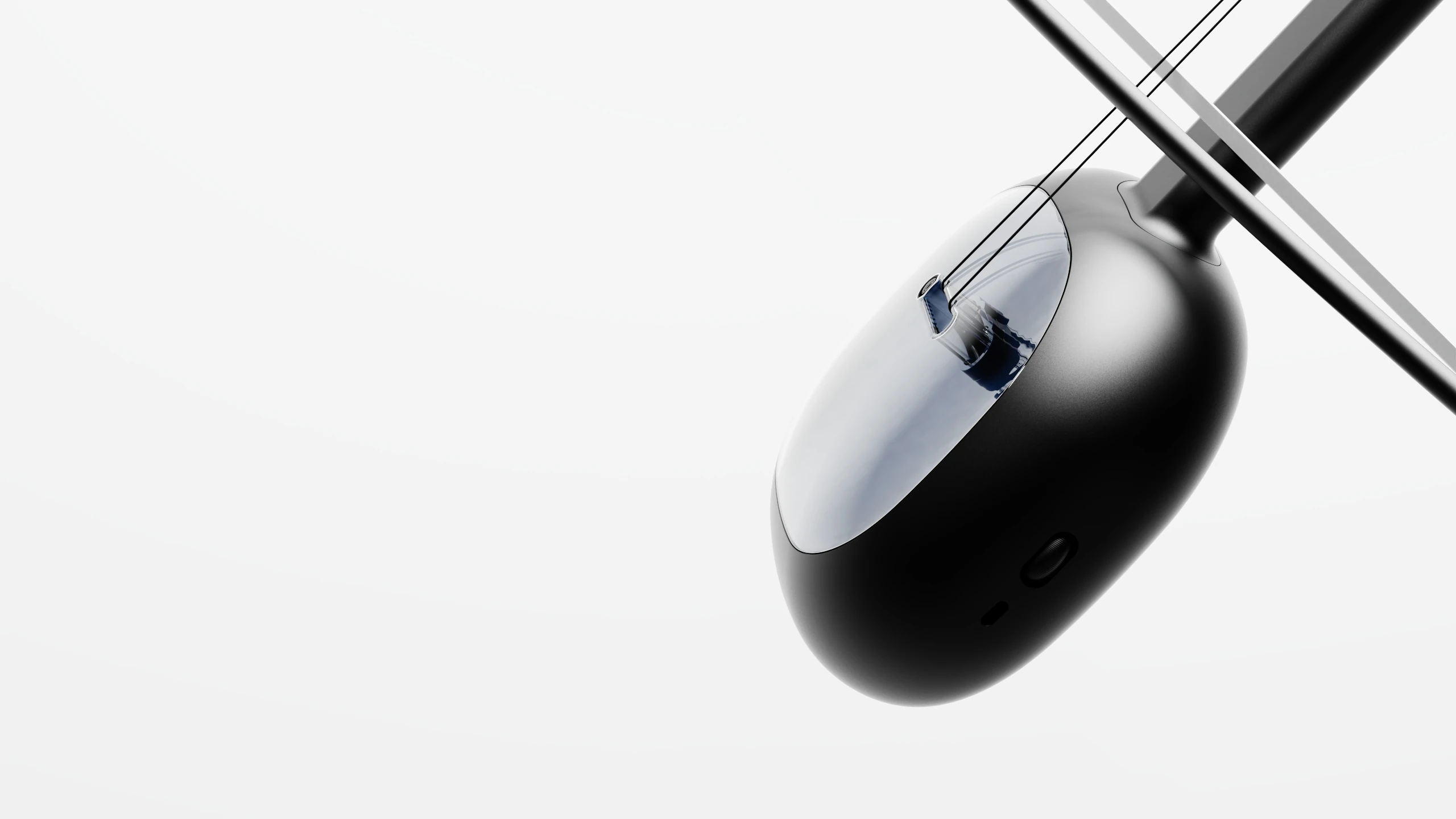
The interesting question is how to make the connection "feel as balanced and natural as possible." That is not just a design brief. It is a philosophy.
RE-THAI has surprised him. After the ranad, he starts seeing responses from younger Thais – some already interested in traditional culture, others drawn in only after encountering it through a different lens. That changes what the campaign feels like. ‘That made us see many more interesting possibilities for the following pieces, and many more things that would be exciting to try.’
There is a list in his head of things that have existed since his childhood and barely changed. Objects that still work, but now sit in a social context no longer quite the same as the one they were designed for. ‘The reasons behind design today may also change, at least to some degree.’ The brief writes itself.
He is also thinking about collaboration – bringing artists, designers and people from entirely different fields into the studio's orbit, making work together, letting different areas of expertise collide. It is a deliberate expansion of the RE-THAI logic: take something contained and see what happens when you open it up.
Taylor O's work resists easy summary. It is not nostalgia. It is not modernisation for its own sake. It is closer to what he described feeling as a child – that pull towards something beautiful, something that draws you closer. Except now he can explain the reasons behind it. Most of the time.